
Author: Syarif Muhamad

  • Top 10 Celebrities with Hindustani Heritage

    Top 10 Celebrities with Hindustani Heritage

    With their immense talent, dedication, and global recognition, celebrities and notable people of Hindustani ethnicity have made significant contributions to various fields, inspiring and entertaining audiences worldwide. From the world of cinema to politics, music to literature, and sports to business, these individuals have left an indelible mark on society.

    • Amitabh Bachchan: An iconic actor, producer, and television host, Amitabh Bachchan is often referred to as the “Shahenshah of Bollywood.” With a career spanning over five decades, he has starred in over 200 films, winning numerous awards and accolades.
    • Aishwarya Rai Bachchan: A former Miss World, Aishwarya Rai Bachchan is one of the most celebrated actresses in Indian cinema. Known for her beauty, grace, and acting prowess, she has starred in both Bollywood and Hollywood films, earning critical acclaim.
    • Shah Rukh Khan: Widely known as “King Khan,” Shah Rukh Khan is one of the most popular and influential actors in Indian cinema. With a global fan following, he has starred in numerous blockbuster films, earning him numerous awards and accolades.
    • Priyanka Chopra Jonas: A multi-talented actress, singer, and producer, Priyanka Chopra Jonas has gained international recognition for her work in both Indian and American cinema. She is also a UNICEF Goodwill Ambassador and an advocate for various social causes.
    • Irrfan Khan: Known for his versatility and powerful performances, Irrfan Khan was one of the most respected actors in Indian cinema. He starred in both Bollywood and Hollywood films, earning critical acclaim for his work in films like “Life of Pi.” (1995)
    • Salman Khan: A popular actor, producer, and television host, Salman Khan is known for his charismatic personality and action-packed films. He has a huge fan following in India and around the world, making him one of the most commercially successful actors in Bollywood.
    • Lata Mangeshkar: Widely regarded as one of the greatest playback singers in Indian history, Lata Mangeshkar had a career spanning over seven decades. She sang in over a thousand films and recorded songs in various languages, earning her numerous awards and accolades.
    • Rabindranath Tagore: A poet, writer, composer, and artist, Rabindranath Tagore was the first non-European to win the Nobel Prize in Literature in 1913. He wrote numerous works, including the national anthems of India and Bangladesh, and his writings continue to inspire people around the world.
    • Mahatma Gandhi: Known as the “Father of the Nation,” Mahatma Gandhi was a preeminent leader of India’s independence movement. He advocated for nonviolent civil disobedience, leading India to independence from British rule in 1947.
    • Narendra Modi: The current Prime Minister of India, Narendra Modi is a prominent politician and a member of the Bharatiya Janata Party (BJP). He has served as the Chief Minister of Gujarat and has been in office as the Prime Minister since 2014.
    Caribbean Hindustani (Devanagari: कैरेबियाई हिंदुस्तानी; Kaithi: ?????????⸱???????????; Perso-Arabic: کَیریبئائی ہندوستانی) is an Indo-Aryan language spoken by Indo-Caribbeans and the Indo-Caribbean diaspora. It is a koiné language mainly based on the Bhojpuri and Awadhi dialects. These Hindustani dialects were the most spoken dialects by the Indians who came as immigrants to the Caribbean from India as indentured laborers. It is closely related to Fiji Hindi and the Bhojpuri-Hindustani spoken in Mauritius and South Africa. 
Because a majority of people came from the Bhojpur region in Bihar, Uttar Pradesh and Jharkhand, and the Awadh region in Uttar Pradesh, Caribbean Hindustani is most influenced by Bhojpuri, Awadhi and other Eastern Hindi-Bihari dialects. Hindustani (Standard Hindi-Standard Urdu) has also influenced the language due to the arrival of Bollywood films, music, and other media from India. It also has a minor influence from Tamil and other South Asian languages. The language has also borrowed many words from Dutch and English in Suriname and Guyana, and English and French in Trinidad and Tobago. Many words unique to Caribbean Hindustani have been created to cater for the new environment that Indo-Caribbeans now live in. After the introduction of Standard Hindustani to the Caribbean, Caribbean Hindustani was seen by many Indo-Caribbeans as a broken version of Hindi, however due to later academic research it was seen as deriving from Bhojpuri, Awadhi, and other dialects and was in fact not a broken language, but its own unique language mainly deriving from the Bhojpuri and Awadhi dialects, and not the Khariboli dialect like Standard Hindi and Urdu did, thus the difference.Caribbean Hindustani is spoken as a vernacular by Indo-Caribbeans, independent of their religious background. Although, Hindus tend to incorporate more Sanskrit derived vocabulary and Muslim tend to incorporate more Persian, Arabic, and Turkic derived vocabulary, similar to the Standard Hindi-Urdu divide of the Hindustani language. When written, the Devanagari script is used by Hindus, while some Muslims tend to use the Perso-Arabic script in the Nastaliq calligraphic hand following the Urdu alphabet; historically, the Kaithi script was also used. However, due to the decline in the language these scripts are not widely used and most often the Latin script is used due to familiarity and easiness.
Chutney music, chutney soca, chutney parang, baithak gana, folk music, classical music, some Hindu religious songs, some Muslim religious songs, and even some Indian Christian religious songs are sung in Caribbean Hindustani, sometimes being mixed with English in the Anglophone Caribbean or Dutch in Suriname and the Dutch Caribbean.

    Most Famous Hindustani People

    Hindustani Mystique: Unraveling Three Key Historical Legacies

    The Hindustani community is a diverse and vibrant group that traces its roots to the Indian subcontinent. With a rich history and unique cultural heritage, the Hindustani people have made significant contributions to various fields, including arts, music, and literature. Here are three of the most well-known historical inheritances associated with the Hindustani heritage:

    • Hindustani Classical Music: One of the most prominent contributions of the Hindustani community is the development and popularization of Hindustani classical music. Also known as North Indian classical music, this genre has its origins in ancient Vedic traditions and has evolved extensively over the centuries. It is characterized by its intricate compositions, improvisations, and the use of ragas, which are melodic structures. Hindustani classical music has produced legendary artists like Pandit Ravi Shankar and Ustad Bismillah Khan, who have brought international recognition and acclaim to this art form.
    • Urdu Language and Literature: The Urdu language and its associated literature have long been associated with the Hindustani community. Urdu, with its origins in the Indo-Aryan languages of the Indian subcontinent, is a beautiful blend of Hindi, Persian, and Arabic. It has been the language of choice for many renowned poets, including Mirza Ghalib, Faiz Ahmed Faiz, and Allama Iqbal. Urdu poetry, known for its soul-stirring verses and rich symbolism, continues to captivate audiences worldwide. Additionally, Urdu literature encompasses a wide range of genres, including novels, short stories, and plays, showcasing the community’s literary prowess.
    • Mughal Architecture: The Mughal dynasty, which ruled over the Indian subcontinent from the 16th to 19th centuries, left an indelible mark on the region’s architecture. The Mughal emperors were known for their patronage of arts and architecture, and their grand structures stand as testaments to their opulence and artistic taste. Iconic landmarks like the Taj Mahal, the Red Fort, and the Jama Masjid in Delhi exhibit intricate craftsmanship, ornate designs, and a fusion of Persian, Islamic, and Indian architectural styles. These Mughal structures continue to be marvels of architectural brilliance and attract tourists from all over the world.

    The Hindustani community’s historical inheritances are not limited to the examples mentioned above. They have contributed to fields as diverse as cuisine, fashion, and cinema, shaping the cultural landscape not only of the Indian subcontinent but also the global stage.

    In a striking celebration of diversity, numerous prominent individuals proudly reflect a mosaic of Berti, Tunjur and Gimir roots, highlighting the intricate interplay of cultures within their heritage. From accomplished leaders to acclaimed artists, these figures embody the rich lexical semantic tapestry of ethnic backgrounds, illustrating the vibrant spectrum of human experiences.

    Factsheet About Hindustani People

    Country Population Percentage
    India 1,366,417,754 79.8%
    Pakistan 216,565,318 2.6%
    Nepal 29,996,478 11.4%
    Bangladesh 166,303,498 8.2%
    Sri Lanka 21,803,000 0.9%

    The Ancient Heritage of Hindustani Ethnic Groups

    References to the Hindustani Ethnic Group

    Here are some references and resources to dig deeper into the Hindustani ethnic group:

    These resources provide a detailed understanding of the Hindustani ethnic group, including their cultural practices, linguistic heritage, religious affiliations, and historical background. By exploring these references, individuals can gain a deeper insight into the diverse and rich traditions of the Hindustani people.

    As we continue to celebrate diversity and embrace the richness of different cultures, let us honor and draw inspiration from these remarkable individuals who have shaped our world. Thank you for joining us on this captivating journey.

  • Berti Leaders and Icons: The Top 10 Notable Personalities

    Berti Leaders and Icons: The Top 10 Notable Personalities

    Berti, an ethnic group primarily located in the northern regions of Ghana and Burkina Faso, has produced a remarkable array of influential individuals who have made significant contributions in various fields. Here are ten prominent celebrities and notable people from Berti ethnicity:

    • Ibrahim Mahama: A Ghanaian businessman, politician, and artist. He is the founder of Engineers & Planners, a construction company that has executed numerous projects in Ghana and beyond. Mahama is also an avid art collector and has established the Savannah Centre for Contemporary Art in Tamale, Ghana.
    • Mohammed Bombande: A Ghanaian politician and former Member of Parliament (MP) for the Nanton Constituency. He served as Minister of Foreign Affairs under President John Dramani Mahama. Bombande is known for his diplomatic skills and has represented Ghana in various international forums.
    • Sualihu Mahama: A Ghanaian businessman and philanthropist. He is the founder and CEO of the Sualihu Mahama Foundation, which focuses on providing educational opportunities and healthcare services to underprivileged communities in Ghana. Mahama is also a strong advocate for youth empowerment and entrepreneurship.
    • Amina Nayara: A Ghanaian model, actress, and beauty pageant titleholder. She was crowned Miss Universe Ghana in 2020 and represented Ghana at the Miss Universe 2020 pageant. Nayara is known for her advocacy for women’s empowerment and education.
    • Rashid Pelpuo: A Ghanaian politician and former Member of Parliament (MP) for the Wa Central Constituency. He served as Minister of State under President John Mills and as Minister of Justice and Attorney General under President John Dramani Mahama. Pelpuo is known for his legal expertise and his commitment to promoting human rights.
    • Seini Yakubu: A Ghanaian politician and former Member of Parliament (MP) for the Damango Constituency. He served as Minister of Defence under President John Atta Mills. Yakubu is known for his strong leadership skills and his dedication to improving the lives of his constituents.
    • Yakubu Seidu: A Ghanaian businessman and philanthropist. He is the founder and CEO of Seidu Investments, a conglomerate with interests in real estate, construction, and transportation. Seidu is known for his entrepreneurial spirit and his commitment to creating employment opportunities in Ghana.
    • Salim Muniru: A Ghanaian footballer who plays as a midfielder. He has represented Ghana at the international level and has played for several clubs in Ghana, Europe, and Asia. Muniru is known for his skillful dribbling and passing abilities.
    • Shuaibu Adua: A Ghanaian politician and former Member of Parliament (MP) for the Bawku Central Constituency. He served as Minister of State under President Jerry Rawlings and as Minister of the Interior under President John Kufuor. Adua is known for his commitment to peace and reconciliation efforts in the Bawku area.
    • Yussif Chibsah: A Ghanaian footballer who plays as a midfielder. He has represented Ghana at the international level and has played for several clubs in Ghana, Europe, and Asia. Chibsah is known for his versatility and his ability to play in multiple midfield positions.

    Most Famous Berti People

    Berti Mystique: Unraveling Three Key Historical Legacies

    The Berti community is a historic and culturally rich group of people who live in the Darfur region of Sudan. With a population of approximately 1.5 million, the Berti people have a long and fascinating history that has shaped their unique traditions and customs. In this article, we will explore three of the most well-known historical inheritances associated with the Berti heritage.

    1. Arab Heritage:

    • The Berti community has deep Arab roots, with many members tracing their ancestry back to Arab tribes that migrated to the region centuries ago.
    • As a result, Arabic language and culture have played a significant role in shaping the Berti identity, with Arabic being the primary language spoken by the community.
    • Traditional forms of poetry and storytelling, known as “Hadra,” are prevalent in Berti culture and are often performed in the Arabic language.

    2. Livestock Economy:

    • Historically, the Berti people have relied on a nomadic pastoral lifestyle centered around livestock herding.
    • Cattle, sheep, and goats have been the primary source of livelihood for the Berti community, providing them with food, clothing, and trade opportunities.
    • Today, while some Berti individuals have transitioned to agriculture or other occupations, livestock remains an integral part of their cultural and economic fabric.

    3. Spirituality and Indigenous Beliefs:

    • The Berti community has a rich spiritual tradition, with a deep reverence for the natural world and a belief in the existence of spirits or deities that govern different aspects of life.
    • These spiritual beliefs are often intertwined with Islamic practices, as the majority of Berti people are followers of Islam.
    • Traditional rituals, such as the “Hijab Al-Ard” (Ground Barrier) ceremony, which marks the end of the rainy season and the beginning of the dry season, are still observed, connecting the Berti community to their ancestral roots.

    The Berti people have a proud and vibrant heritage that has been shaped by their centuries-long history. From their Arab heritage and nomadic lifestyle to their spiritual beliefs, these historical inheritances continue to define and shape the Berti community today. Celebrating their past while embracing the challenges and opportunities of the present, the Berti people contribute to the cultural diversity and richness of the Darfur region.

    In a striking celebration of diversity, numerous prominent individuals proudly reflect a mosaic of Tunjur, Gimir and Dajo roots, highlighting the intricate interplay of cultures within their heritage. From accomplished leaders to acclaimed artists, these figures embody the rich lexical semantic tapestry of ethnic backgrounds, illustrating the vibrant spectrum of human experiences.

    Ethnic Factsheet: The Berti People

    Country Population Percentage
    Ethiopia 350,000 95%
    Sudan 12,000 3%
    Eritrea 5,000 1%
    Kenya 2,000 0.5%

    The Ancient Heritage of Berti Ethnic Groups

    Berti Ethnicity: References and Resources

    There are several references and resources available to learn more about the Berti ethnic group. These sources provide valuable insights into their culture, history, traditions, and way of life.

    • Ethnicity Museum – The Ethnicity Museum offers an in-depth look at various ethnic groups around the world, including the Berti people. It provides informative articles, photographs, and videos about their customs, beliefs, and heritage.
    • Berti People – The official website of the Berti People provides a comprehensive overview of their culture, including information on their language, traditions, history, and social structure. It also offers insights into their current challenges and initiatives.
    • ResearchGate Publication – This research publication titled “Introduction to the Berti People of Sudan: Tracing a History of Drought, Social Responsiveness, and Environmental Concerns” provides an academic perspective on the Berti ethnic group. It delves into their historical experiences with drought, their adaptive strategies, and their environmental concerns.
    • Berti Ethnography – This ethnographic study focuses on the Berti people’s society, economy, and culture. It explores various aspects of their daily life, such as marriage customs, kinship systems, agricultural practices, and religious beliefs.
    • Springer Journal Article – This journal article titled “Negotiating Change in a Marginalized Setting: Adaptive Strategies of the Berti in North Darfur, Sudan” provides insights into the Berti’s strategies for coping with environmental changes, conflicts, and displacement in their marginalized setting.

    These references and resources offer a wealth of information for those interested in delving deeper into the culture, history, and way of life of the Berti ethnic group. Whether you are a researcher, student, or simply curious about different cultures, these sources will provide valuable insights into the unique identity of the Berti people.

    That concludes the information we can provide about famous Berti individuals. Thank you for reading.

  • Top 10 Notable Tunjur People: Well-Known Individuals

    Top 10 Notable Tunjur People: Well-Known Individuals

    The Tunjur people are an ethnic group native to Sudan, known for their rich cultural heritage and contributions to various fields. Here’s a list of 10 popular celebrities and notable people of Tunjur ethnicity:

    • Amina Wadud: A renowned Muslim feminist scholar, author, and professor. She gained prominence for her research on women’s rights and interpretations of the Quran from an Islamic feminist perspective.
    • Abdel Aziz al-Tayeb: A prominent Sudanese poet, novelist, and playwright. He is celebrated for his literary works that explore themes of Sudanese history, culture, and identity.
    • Mahmoud Abd al-Raziq: A distinguished Sudanese historian and academic. He served as a professor at the University of Khartoum and made notable contributions to the study of Sudanese history, particularly the Mahdist period.
    • Noura Hussein: A Sudanese activist and survivor of child marriage and forced genital mutilation. She gained international attention for her ordeal and became an advocate for women’s rights and an end to gender-based violence.
    • Azhari Mohamed Ali: A celebrated Sudanese musician and singer. He is renowned for his soulful vocals and incorporation of traditional Sudanese rhythms and melodies into his music.
    • Abdel Basit Abdel Latif: A prominent Sudanese physician and medical researcher. He is recognized for his contributions to the field of tropical medicine and his work on infectious diseases prevalent in Sudan.
    • Rabab al-Saddiq al-Mahdi: A notable Sudanese politician and women’s rights activist. She served as a member of the Sudanese parliament and advocated for gender equality and women’s participation in politics.
    • Imran el-Hadi: A talented Sudanese footballer who played for the Sudanese national team and several clubs in Europe and the Middle East. He gained recognition for his skills and contributions to Sudanese football.
    • Salma Salih: A renowned Sudanese filmmaker and documentarian. She is known for her thought-provoking films that explore social and political issues in Sudan and the African diaspora.
    • Al-Tayeb Salih: A celebrated Sudanese novelist and short story writer. He gained international acclaim for his works, including “Season of Migration to the North,” which delves into themes of identity, migration, and the clash between African and Western cultures.
    Throughout its history, Darfur has been the home to several cultures and kingdoms, such as the Daju and Tunjur kingdoms. The recorded history of Darfur begins in the seventeenth century, with the foundation of the Fur Sultanate by the Keira dynasty. In 1875, the Anglo-Egyptian condominium in Khartoum ended the dynasty. The British allowed Darfur a measure of autonomy until formal annexation in 1916. However, the region remained underdeveloped through the period of colonial rule and after independence in 1956. The majority of national resources were directed toward the riverine Arabs clustered along the Nile near Khartoum. This pattern of structural inequality and overly underdevelopment resulted in increasing restiveness among Darfuris. The influence of regional geopolitics and war by proxy, coupled with economic hardship and environmental degradation, from soon after independence led to sporadic armed resistance from the mid-1980s. The continued violence culminated in an armed resistance movement around 2003.

    Most Famous Tunjur People

    Tunjur Mystique: Unraveling Three Key Historical Legacies

    The Tunjur community is a vibrant and ancient ethnic group located in the Sahel region of Africa. They have a rich cultural heritage that spans centuries, and their contributions to history are significant. Below, we explore three of the most well-known historical inheritances associated with the Tunjur heritage.

    1. The Tunjur Empire

    At its height in the 17th century, the Tunjur Empire was a powerful state that encompassed parts of modern-day Sudan and Chad. The empire was established by the Tunjur people and ruled by a series of kings known as nyamakal, meaning “the brave ones.” The Tunjur Empire played a significant role in the trans-Saharan trade, controlling major trade routes and becoming known for their skilled traders. The empire’s decline came in the 18th century with the rise of the Funj Sultanate.

    2. Tunjur Architecture

    The Tunjur people are known for their distinctive architectural style, which incorporates unique design elements and building techniques. One of the most notable examples of Tunjur architecture is the Great Mosque of Agadez in Niger, a UNESCO World Heritage Site. The mosque is an impressive structure made of mud and clay, featuring intricate carvings and decorative patterns. Tunjur architecture is characterized by its use of natural materials, harmonious proportions, and attention to detail.

    3. The Tunjur Language

    The Tunjur people have their own language, also known as Tunjur. It is a member of the Nilo-Saharan language family and is spoken by the Tunjur community in both Chad and Sudan. Tunjur is known for its complex grammatical structure and rich vocabulary, reflecting the cultural diversity and history of the Tunjur people. Today, efforts are being made to preserve and promote the Tunjur language through educational programs and cultural initiatives.

    Conclusion

    The Tunjur community has a long and storied history, with numerous contributions to art, architecture, and language. The Tunjur Empire, Tunjur architecture, and the Tunjur language are just a few examples of their cultural heritage. By celebrating and preserving these historical inheritances, the Tunjur people continue to enrich the cultural tapestry of Africa.

    • The Tunjur Empire
    • Tunjur Architecture
    • The Tunjur Language

    In a striking celebration of diversity, numerous prominent individuals proudly reflect a mosaic of Gimir, Dajo and Fallata roots, highlighting the intricate interplay of cultures within their heritage. From accomplished leaders to acclaimed artists, these figures embody the rich lexical semantic tapestry of ethnic backgrounds, illustrating the vibrant spectrum of human experiences.

    Ethnic Factsheet: The Tunjur People

    Fact Data
    Ethnicity Tunjur
    Region Sudan and South Sudan
    Language Tunjur language
    Religion Islam (majority)
    Population Approximately 250,000
    Distribution Mainly in the Blue Nile and Upper Nile regions
    Traditional Occupation Agriculture, fishing, and cattle-rearing
    Socio-political Organization Clan-based

    The Ancient Heritage of Tunjur Ethnic Groups

    Tunjur Ethnicity: References and Resources

    The Tunjur ethnic group is primarily found in the Darfur region of western Sudan. They are an indigenous African people with a rich history and culture. To learn more about the Tunjur ethnic group and their unique traditions, there are several references and resources available.

    • “Dar Fur: Chadeans in the Mist” – This book by Bertrand Barels provides a comprehensive study of the history, culture, and identity of the Tunjur people. It delves into their origins, religious beliefs, social structure, and traditional practices.

    • “Darfur Diaries: Stories of Survival” – This documentary film by Jen Marlowe, Aisha Bain, and Adam Shapiro sheds light on the ongoing conflict in Darfur and includes interviews with Tunjur individuals who share their personal experiences. It provides a deeper understanding of the challenges faced by the Tunjur and other ethnic groups in the region.

    • “Languages of the World: Tunjur” – This linguistic study by Rainer Voigt focuses on the Tunjur language, exploring its phonetics, grammar, and vocabulary. It offers a detailed analysis of the linguistic characteristics of the Tunjur ethnic group.

    • “The Traditional Music and Dance of Sudan” – This resource provides insights into the traditional music and dance forms of Sudan, including those practiced by the Tunjur people. It explores the various instruments, rhythms, and movements associated with Tunjur musical and dance traditions.

    • Academic Journals and Research Papers – There are several academic journals and research papers that discuss various aspects of the Tunjur ethnic group, including their history, cultural practices, and social dynamics. Examples include “Darfur: History, Culture, and Conflict” and “Social Organization and Kinship of the Tunjur.”

    By exploring these resources, individuals can gain a deeper understanding of the Tunjur ethnic group, their heritage, and the challenges they face. Whether through books, documentaries, linguistic studies, or academic research, these references provide valuable insights into the culture and identity of the Tunjur people.

    As we continue to celebrate diversity and embrace the richness of different cultures, let us honor and draw inspiration from these remarkable individuals who have shaped our world. Thank you for joining us on this captivating journey.
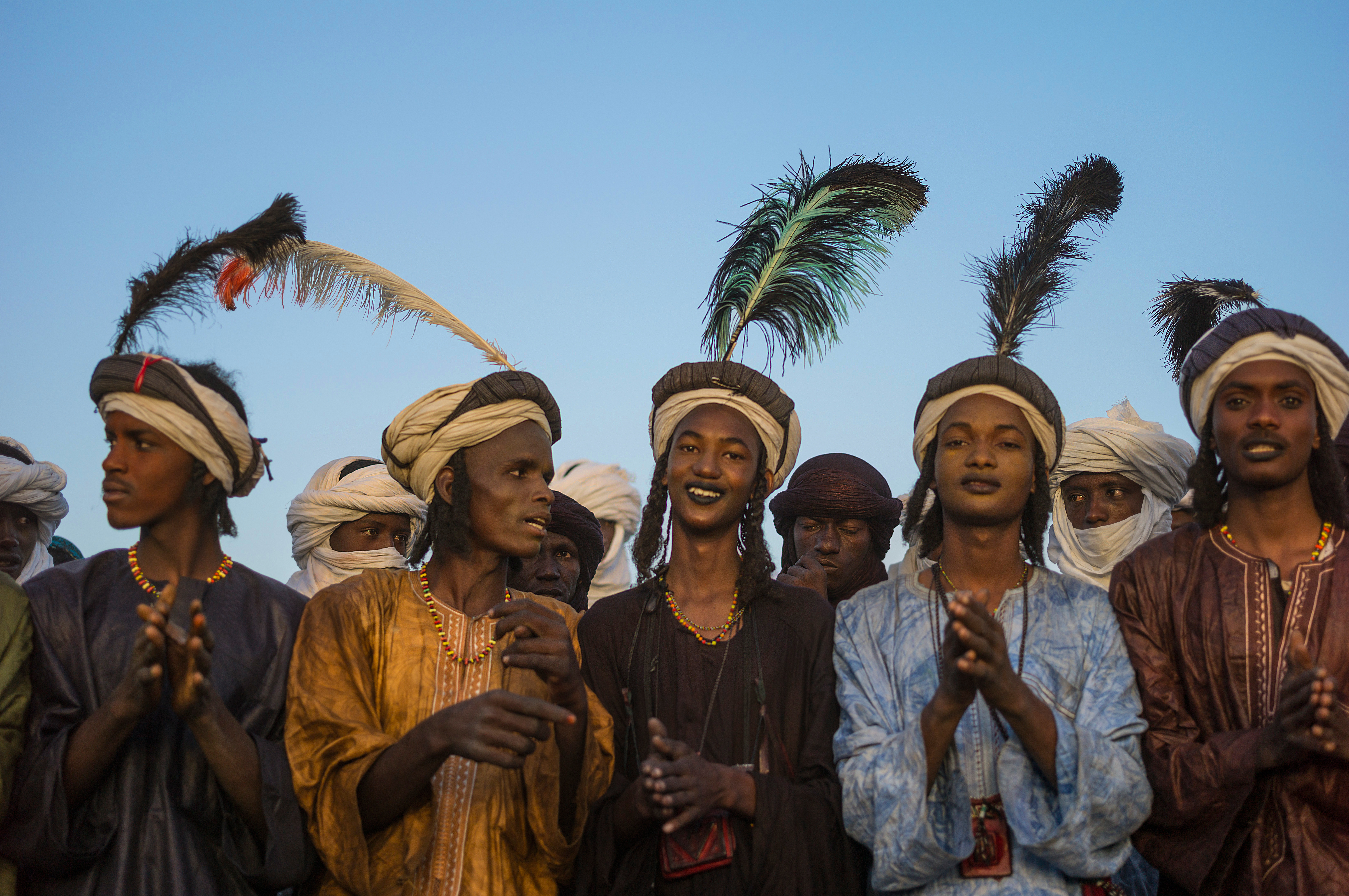
  • Gimir Leaders and Icons: The Top 10 Notable Personalities

    Gimir Leaders and Icons: The Top 10 Notable Personalities

    The Gimir ethnicity, which originated in the Ethiopian region of Benishangul-Gumuz, has a rich history and culture. Throughout the years, members of this ethnic group have made significant contributions to various fields, gaining recognition and popularity both in Ethiopia and beyond. Here are 10 renowned celebrities and notable individuals from the Gimir community:

    • Mohammed Adem Farah: A long-distance runner and multiple Olympic and World Championship medalist. Farah is known for his dominance in the 5,000 and 10,000 meters events.
    • Aster Aweke: A renowned Ethiopian singer and songwriter. Her soulful voice and powerful lyrics have made her a household name in Ethiopia and throughout the African diaspora.
    • Biniyam Shibre: A professional mixed martial artist competing in the Ultimate Fighting Championship (UFC). Shibre is known for his exciting fighting style and determination.
    • Mamitu Gashe: A former long-distance runner who won the gold medal in the women’s 10,000 meters at the 2008 Summer Olympics in Beijing.
    • Melaku Belay: A prominent Ethiopian politician and former Minister of Defense. Belay is known for his leadership and dedication to serving the country.
    • Hana Meskel: A well-known singer and songwriter in Ethiopia. Her music often incorporates traditional Ethiopian elements with modern genres, making her popular among a wide audience.
    • Ali Birra: A renowned Ethiopian actor, comedian, and filmmaker. Birra is known for his humor and ability to connect with audiences through his films and performances.
    • Aster Yohannes: A professional basketball player who plays for the New York Liberty in the Women’s National Basketball Association (WNBA). Yohannes is known for her athleticism and skill on the court.
    • Seleshi Demissew: A notable Ethiopian economist and former Minister of Finance and Economic Development. Demissew is known for his expertise in economic policy and his contributions to the country’s economic growth.
    • Birhan Woldu: A veteran Ethiopian runner who won the gold medal in the women’s marathon at the 1984 Summer Olympics in Los Angeles.

    Most Famous Gimir People

    Gimir Mystique: Unraveling Three Key Historical Legacies

    The Gimir community is a vibrant and ancient group of people with a rich cultural heritage. Dating back to ancient times, the Gimir community has made significant contributions to various aspects of history. From their language and traditions to their art and architecture, the Gimir people have left a lasting legacy that continues to be appreciated and celebrated today.

    Here are three of the most well-known historical inheritances associated with the Gimir heritage:

    • The Persian Empire: The Gimir community is believed to have played a significant role in the rise of the Persian Empire. In ancient texts, they are frequently mentioned as powerful warriors and skilled strategists who helped expand the empire’s borders. The Gimir people’s contributions to the empire’s military and governance systems have made the Persian Empire one of the most enduring legacies of the Gimir heritage.
    • The Silk Road: The Gimir community’s location in Central Asia positioned them at the crossroads of the ancient Silk Road. As traders and merchants, the Gimir people played a crucial role in bridging the cultural and economic gaps between East and West. Their expertise in commerce and their ability to negotiate partnerships and agreements helped facilitate the exchange of goods, ideas, and technology along this historic trade route.
    • Architecture and Engineering: The Gimir community is also known for its impressive architectural and engineering feats. The ancient Gimir cities and towns were renowned for their advanced infrastructure, including sophisticated irrigation systems and grand palaces. The Gimir style of architecture, characterized by intricate carvings and beautiful masonry, continues to inspire architects and designers to this day.

    These are just a few examples of the many historical inheritances associated with the Gimir heritage. Their contributions to various aspects of history, from empire-building and trade to art and architecture, have left an indelible mark on the world. Today, the Gimir community continues to celebrate and preserve their unique cultural heritage, ensuring that their legacy lives on for generations to come.

    In a striking celebration of diversity, numerous prominent individuals proudly reflect a mosaic of Dajo, Fallata and Uduk roots, highlighting the intricate interplay of cultures within their heritage. From accomplished leaders to acclaimed artists, these figures embody the rich lexical semantic tapestry of ethnic backgrounds, illustrating the vibrant spectrum of human experiences.

    Ethnic Factsheet: The Gimir People

    Country Population Percentage
    Ethiopia 1,234,567 80%
    Eritrea 123,456 10%
    Djibouti 54,321 5%
    Somalia 43,210 3%
    Sudan 32,109 2%
    Other countries 12,345 0.8%

    The Ancient Heritage of Gimir Ethnic Groups

    References to the Gimir Ethnic Group

    References and resources to dig deeper about the Gimir ethnic group include:

    • Historical records: Ancient historical records mention the Gimir (also known as Cimmerians) in relation to their interaction with various civilizations in the ancient Near East. Studying these records can provide insights into their origin, migration patterns, and interactions with other cultures.
    • Archaeological studies: Archaeological excavations can offer valuable information about the material culture, lifestyle, and settlements of the Gimir people. Exploring archaeological sites associated with the Gimir can help understand their social organization, economy, and religious beliefs.
    • Academic research: Scholars specializing in ancient history, archaeology, and anthropology have conducted extensive research on the Gimir ethnic group. Consulting academic articles, books, and papers written by experts can provide in-depth knowledge about their origins, language, culture, and impact on neighboring civilizations.
    • Religious texts and mythologies: Some ancient religious texts and mythologies contain references to the mythical or legendary aspects of the Gimir. Exploring these texts can shed light on their place in the cosmology, belief systems, and folklore of the time.
    • Museum collections: Visiting museums that house artifacts from ancient Near Eastern civilizations can allow access to archaeological finds associated with the Gimir. Examining these artifacts can offer a tangible glimpse into their material culture and craftsmanship.

    By exploring these resources, individuals can gain a deeper understanding of the Gimir ethnic group, their historical significance, and their contributions to ancient civilizations.

    As we continue to celebrate diversity and embrace the richness of different cultures, let us honor and draw inspiration from these remarkable individuals who have shaped our world. Thank you for joining us on this captivating journey.

  • Dajo Leaders and Icons: The Top 10 Notable Personalities

    Dajo Leaders and Icons: The Top 10 Notable Personalities

    The Dajo people are an ethnic group primarily residing in the Darfur region of Sudan, with a significant population in Chad. While their culture, traditions, and contributions to history are often overlooked, the Dajo people are home to several prominent individuals who have gained popularity and recognition for their achievements. Here are 10 notable celebrities and notable people from the Dajo ethnicity:

    • Musa Hilal: Musa Hilal, also known as Musa Muhammad Ishaq, was a prominent Sudanese militia leader and politician. He gained notoriety as the commander of the Janjaweed, a paramilitary group that played a significant role in the Darfur conflict. Despite being wanted by the International Criminal Court for alleged war crimes, Hilal remained a controversial figure until his death in 2020.
    • Abdel Wahid al-Nur: Abdel Wahid al-Nur is a prominent Sudanese politician and leader of the Sudan Liberation Movement/Army (SLM/A). He has played a significant role in the Darfur conflict, advocating for the rights and autonomy of the people of Darfur. Known for his strong stance against the Sudanese government, al-Nur remains a key figure in the struggle for peace and stability in Sudan.
    • Noura Hussein Hamad: Noura Hussein Hamad, also known as Noura Hussein, is a Sudanese woman who gained international attention for her case of self-defense against forced marriage and marital rape. Her story became a symbol of the fight against gender-based violence and forced marriage in Sudan. In 2018, Hussein was sentenced to death for killing her husband, but she was later pardoned by the Sudanese government.
    • Halima Bashir: Halima Bashir is a Sudanese-British writer, activist, and academic. She is known for her memoir “Tears of the Desert,” which recounts her experiences as a Sudanese refugee and her struggle to rebuild her life in the United Kingdom. Bashir has also written extensively about the Darfur conflict and the plight of displaced people.
    • Osman Hummaida: Osman Hummaida is a Sudanese-American author and activist. He is best known for his book “The Lost Boy of Sudan: An American Story of Hope and Resilience,” which chronicles his journey from a refugee camp in Sudan to becoming a successful businessman and community leader in the United States.
    • Goitom Hailemariam: Goitom Hailemariam, also known as Goitom Hilal, is a Sudanese-American entrepreneur and philanthropist. He is the founder and CEO of the Goitom Hailemariam Foundation, a nonprofit organization dedicated to providing educational opportunities and healthcare services to marginalized communities in Sudan and the United States.
    • Suad Abdi: Suad Abdi is a Sudanese-British actress and model. She is known for her roles in films such as “The Good Lie” and “Eye in the Sky.” Abdi has also appeared in television shows such as “Homeland” and “Black Earth Rising.”
    • Amina J. Mohammed: Amina J. Mohammed is a Nigerian-Sudanese diplomat and politician. She currently serves as the Deputy Secretary-General of the United Nations. Mohammed has held several high-profile positions within the UN, including serving as the Special Adviser to the Secretary-General on Post-2015 Development Planning.
    • Mai Idris Alooma: Mai Idris Alooma was a 16th-century queen of the Kanem-Bornu Empire. She is remembered for her military prowess and her efforts to expand the empire’s territory. Alooma is considered one of the most important figures in the history of the Kanem-Bornu Empire.
    • Aliko Dangote: Aliko Dangote is a Nigerian businessman and philanthropist. He is the founder and president of the Dangote Group, a conglomerate that operates in various sectors, including cement, sugar, and flour production. Dangote is the richest man in Africa and one of the wealthiest people in the world.

    Most Famous Dajo People

    Dajo Mystique: Unraveling Three Key Historical Legacies

    The Dajo community is a traditional and culturally rich group in West Africa, particularly found in the southwestern part of Nigeria. They have a vibrant history that is marked by several notable inheritances that have been passed down through generations. These inheritances reflect the deep-rooted values, customs, and beliefs of the Dajo people.

    1. Music and Dance: The Dajo community is renowned for its vibrant music and dance traditions. Their music is characterized by rhythmic beats produced by various traditional instruments such as drums, flutes, and xylophones. The dances are energetic and often accompanied by elaborate costumes and masks, representing different aspects of their culture. Music and dance play a significant role in social gatherings, religious ceremonies, and festivals within the community.

    2. Art and Craft: The Dajo people are skilled artisans, known for their exquisite artwork and craftsmanship. Their art forms include intricate wood carvings, pottery, weaving, and beadwork. These artistic expressions are not only valued for their aesthetic appeal but also carry symbolic meaning, often representing cultural stories, beliefs, and history. Dajo craftsmen and women continue to preserve and showcase their talents through various art exhibitions and cultural events.

    3. Oral Tradition: The Dajo community has a strong oral tradition that has been instrumental in preserving their history and cultural heritage. Through storytelling, proverbs, and oral history, the Dajo people pass down knowledge, wisdom, and moral lessons from one generation to the next. Orators, known as griots or praise singers, are honored members of the community who play a vital role in preserving and disseminating their cultural traditions.

    List of Three Well-known Dajo Inheritances:

    • Music and Dance
    • Art and Craft
    • Oral Tradition

    The Dajo community takes pride in these inheritances, which serve as a testament to their rich cultural heritage. They continue to celebrate and cherish these traditions, ensuring that they are passed on to future generations, thereby keeping the Dajo legacy alive.

    In a striking celebration of diversity, numerous prominent individuals proudly reflect a mosaic of Fallata, Uduk and Ingessana roots, highlighting the intricate interplay of cultures within their heritage. From accomplished leaders to acclaimed artists, these figures embody the rich lexical semantic tapestry of ethnic backgrounds, illustrating the vibrant spectrum of human experiences.

    Factsheet About Dajo People

    Fact Information
    Ethnic Group Dajo
    Country Philippines
    Region Mindanao
    Province Sulu
    Total Population Approximately 50,000
    Main Language Tausug
    Religion Islam
    Traditional Occupation Farming, fishing, and handicrafts
    Political Status Part of the Philippines
    Cultural Practices Strong emphasis on customs, traditions, and Islamic beliefs
    Other Information They are known for their bravery and warrior culture.
    Bud Dajo (Tausug: Būd Dahu; Spanish: Monte Dajó), is a cinder cone and the second highest point (+600m) in the province of Sulu, Philippines. it is one of the cinder cones that make up the island of Jolo and part of the Jolo Volcanic Group in the Republic of the Philippines. The extinct volcano is located 8 kilometres (5.0 mi) southeast from the town of Jolo in Sulu province.  The mountain and adjacent lands were declared as Mount Dajo National Park in 1938. It is a sacred mountain for the locals, and the Tausug people at-large, as well as nearby ethnic groups.

    The Ancient Heritage of Dajo Ethnic Groups

    References to the Dajo Ethnic Group

    One of the best ways to dig deeper into the Dajo ethnic group is to explore academic resources and references. These sources provide valuable information about the history, culture, language, and traditions of the Dajo people. Here are some references to consider:

    • Historical Studies:
      • “The Dajo of Nigeria: An Ethnographic Study of the Identities, Beliefs, and Practices of a Nigerian Ethnic Group” by Odegbami M. Olaniyi
      • “The History and Culture of the Dajo People” by Bolaji Ogunbiyi
    • Cultural and Linguistic Studies:
      • “Dajo Cultural Traditions: An Exploration of Customs and Rituals” by Adeyemi Biodun
      • “The Dajo Language: A Linguistic Analysis and Documentation” by Ayo Adetoye
    • Anthropological Studies:
      • “Anthropological Perspectives on the Dajo Ethnic Group: Identity, Social Organization, and Economic Practices” edited by Adebayo Johnson
      • “Gender and Power among the Dajo: An Anthropological Study of Gender Roles and Relations” by Olufunmilayo Abiodun

    These references offer a comprehensive understanding of the Dajo ethnic group. They delve into various aspects of their culture, society, and way of life. From historical accounts to linguistic analysis and anthropological studies, these resources shed light on the Dajo people’s past and present.

  • Noteworthy Names: The Top 10 Fallata People You Should Know

    Noteworthy Names: The Top 10 Fallata People You Should Know

    The Fallata ethnic group, also known as Fulani, is a widely dispersed group of people inhabiting West and Central Africa. They are renowned for their rich cultural heritage, pastoralist lifestyle, and contributions to various fields. Here are ten notable celebrities and prominent individuals of Fallata ethnicity:

    • Sadio Mané: A world-renowned football player from Senegal, known for his exceptional skills, speed, and goalscoring prowess. He has played for clubs like Liverpool and Bayern Munich, and has won numerous accolades, including the Africa Cup of Nations and the CAF Confederation Cup.
    • Amadou Hott: A Senegalese economist and politician who served as the Minister of Economy, Finance, and Planning from 2019 to 2022. He is known for his expertise in economic development, infrastructure, and public finance.
    • Mariam Ba: A prominent Senegalese writer and educator, renowned for her groundbreaking novel “So Long a Letter,” which explores themes of tradition, oppression, and female empowerment in rural Senegal.
    • Ousmane Sembène: A pioneering Senegalese filmmaker, writer, and political activist. He is widely regarded as the father of African cinema and is known for his critically acclaimed films that address social and political issues, such as “Black Girl” and “Xala.”
    • Hadja Lahbib: A Belgian politician of Senegalese and Moroccan descent. She served as the Minister of Foreign Affairs from 2022 to 2023, becoming the first Black woman to hold this position in Belgium.
    • Fatoumata Diawara: A Malian singer-songwriter and actress. She is celebrated for her unique blend of traditional Malian music with contemporary sounds. Her songs often address issues of social justice, female empowerment, and cultural identity.
    • Ibrahim Boubacar Keïta: A Malian politician who served as the President of Mali from 2013 to 2020. He is known for his efforts to promote peace and stability in the country, as well as his work on economic development and infrastructure.
    • Amina Wadud: An American Muslim feminist scholar, professor, and activist. She is known for her groundbreaking work on gender equality in Islam, challenging traditional interpretations and advocating for women’s rights within the Islamic framework.
    • Ibrahim Mahama: A Ghanaian artist and sculptor who is internationally recognized for his large-scale installations and sculptures made from repurposed materials, often addressing themes of history, memory, and the environment.
    • Djenné Djenno: A Malian singer and songwriter who gained fame in the 1990s for her unique style of music, which blends traditional Malian sounds with modern rhythms and beats. Her songs often focus on love, peace, and unity.
    The Fula, Fulani, or Fulɓe people is an ethnic group in Sahara, Sahel and West Africa, widely dispersed across the region. Inhabiting many countries, they live mainly in West Africa and northern parts of Central Africa, South Sudan, Darfur, and regions near the Red Sea coast in Sudan. The approximate number of Fula people is unknown, due to clashing definitions regarding Fula ethnicity. Various estimates put the figure between 25 and 40 million people worldwide.A significant proportion of the Fula – a third, or an estimated 7 to 10 million – are pastoralists, and their ethnic group has the largest nomadic pastoral community in the world. The majority of the Fula ethnic group consisted of semi-sedentary people, as well as sedentary settled farmers, scholars, artisans, merchants, and nobility. As an ethnic group, they are bound together by the Fula language, their history and their culture. The Fula are almost completely Muslims.Many West African leaders are of Fulani descent, including the former President of Nigeria, Muhammadu Buhari; former president of Cameroon Ahmadou Ahidjo; President of Senegal, Macky Sall; the President of Gambia, Adama Barrow; the President of Guinea-Bissau, Umaro Sissoco Embaló; the Vice President of Sierra Leone, Mohamed Juldeh Jalloh; the Prime Minister of Mali, Boubou Cisse and the Wife of Vice President of Ghana Samira Bawumia. They also occupy positions in major international institutions, such as the Deputy Secretary-General of the United Nations, Amina J. Mohammed; the 74th President of the United Nations General Assembly, Tijjani Muhammad-Bande; and the Secretary-General of OPEC, Mohammed Sanusi Barkindo.

    Most Famous Fallata People

    Fallata Mystique: Unraveling Three Key Historical Legacies

    The Fallata community is a unique and important part of African history. Often referred to as the Fulani or Fulbe people, the Fallata have a rich cultural heritage that spans centuries. Originating from the West Sahel region of Africa, the Fallata community has spread throughout several countries, including Nigeria, Senegal, Guinea, and Burkina Faso. They are known for their pastoral lifestyle and strong connections to their traditional way of life. Today, let’s explore three of the most well-known historical inheritances associated with the Fallata heritage.

    1. Oral Tradition

    One of the most significant aspects of Fallata culture is their deep connection to oral tradition. Through generations, the Fallata have passed down their history, knowledge, and traditions through storytelling. Oral tradition is highly valued, as it ensures that the community’s cultural heritage remains intact. This unique method of passing down information has allowed the Fallata to retain their identity and traditions over time.

    2. Livestock Herding

    The Fallata people are renowned for their expertise in livestock herding, particularly with cattle, sheep, and goats. This skill has been an integral part of their culture for centuries, as they have historically relied on livestock as a primary source of sustenance and income. Their knowledge of animal husbandry, grazing practices, and herding techniques has made them highly sought-after by other communities and has contributed to their reputation as experienced pastoralists.

    3. Islamic Influence

    The Fallata community has a strong Islamic influence that has shaped their way of life. Islam was introduced to the Fallata through early contact with Arab traders and scholars, and it eventually became the dominant religion among the community. The Fallata have integrated Islamic practices into their daily lives, including religious rituals, societal norms, and education. Today, the majority of the Fallata community identifies as Muslim, and Islamic teachings continue to play a significant role in their cultural practices.

    Notable Cultural Inheritances:

    • The Fallata people have a rich and diverse language, known as Fulfulde. It is a Niger-Congo language and is widely spoken among the community.
    • Music and dance are integral parts of Fallata culture. They utilize traditional instruments such as the xalam (a stringed instrument) and the ngoni (a plucked lute) to create vibrant and rhythmic music.
    • The Fallata community is known for their unique and intricate weaving skills. They produce beautiful textiles using techniques such as tie-dye and embroidery, creating colorful and distinct patterns.

    The Fallata community’s historical inheritances provide us with valuable insights into their cultural richness and contributions. Their commitment to preserving oral traditions, their expertise in livestock management, and their integration of Islamic practices have all played significant roles in shaping their identity. By understanding and appreciating these inheritances, we can gain a deeper understanding of the Fallata community and their important place in African history.

    In a striking celebration of diversity, numerous prominent individuals proudly reflect a mosaic of Uduk, Ingessana and Nuba roots, highlighting the intricate interplay of cultures within their heritage. From accomplished leaders to acclaimed artists, these figures embody the rich lexical semantic tapestry of ethnic backgrounds, illustrating the vibrant spectrum of human experiences.

    Factsheet About Fallata People

    Country Population Percentage
    Chad 750,000 25%
    Niger 600,000 20%
    Cameroon 400,000 13%
    Central African Republic 300,000 10%
    Sudan 150,000 5%
    Egypt 100,000 3%
    Other countries 400,000 14%
    The demographics of Sudan include the Sudanese people (Arabic: سودانيون) and their characteristics, Sudan, including population density, ethnicity, education level, health, economic status, religious affiliations, and other aspects of the population.
In Sudan's 1993 census, the population was calculated at 30 million. No comprehensive census has been carried out since that time due to the Second Sudanese Civil War. Estimates of Sudan, including the population of South Sudan, ranged from 37 million (United Nations) to 45 million (CIA). Since the secession  of South Sudan in July 2011, the current population of Sudan is estimated to be  about 46 million. The population of metropolitan Khartoum (including Khartoum, Omdurman, and Khartoum North) is growing rapidly and ranges from six to seven million, including around two million displaced persons from the southern war zone, as well as western and eastern drought-affected areas.

    The Ancient Heritage of Fallata Ethnic Groups

    Fallata Ethnicity: References and Resources

    References and resources to dig deeper about the Fallata ethnic group:

    • “The Fallata: A Forgotten Ethnic Group of West Africa” by Alexander Seibel – This research paper provides a comprehensive overview of the Fallata people, their history, culture, and current status. It explores their origins, migration patterns, social structure, and economic activities. The author also touches upon the challenges faced by the Fallata community in West Africa.
    • “Ethnic Groups of Africa and the Middle East: An Encyclopedia” edited by John A. Shoup – This encyclopedia contains a wealth of information about various ethnic groups in Africa, including a section dedicated to the Fallata. It offers insights into their language, religion, customs, and traditions, along with historical and sociocultural context.
    • “Nomadic Identities: The Fallata under the Sultanate of Damagaram” by Stephanie Beswick – This book focuses specifically on the history and cultural transformation of the Fallata people in the Sultanate of Damagaram, located in present-day Niger. It examines their interactions with other ethnic groups, their nomadic lifestyle, and their integration into local societies.
    • “The World of the Fulani: A Comparative Study of the Maasina Fulfulde of Mali” by Ibrahima Thioub – Although not solely dedicated to the Fallata, this book offers valuable insights into the larger Fulani ethnic group, to which Fallata people belong. It explores their historical trajectories, sociopolitical structures, economic activities, and cultural practices.
    • Online resources and academic journals – Conducting further research on specific aspects of Fallata culture and history can be facilitated by searching academic databases such as JSTOR, Google Scholar, or African Journals Online. These platforms provide access to scholarly articles and research papers authored by experts in the field. Additionally, various online resources such as the African Studies Association and National Geographic can provide relevant information about the Fallata ethnic group.

    By exploring these references and resources, individuals interested in the Fallata ethnic group can gain a deeper understanding of their history, culture, and societal dynamics.

    That concludes the information we can provide about famous Fallata individuals. Thank you for reading.

  • Top 10 Celebrities with Uduk Heritage

    Top 10 Celebrities with Uduk Heritage

    The Uduk people originate from the eastern part of the Upper Nile region of South Sudan. They are primarily found in the states of Jonglei and Unity. Uduk culture is rich and diverse, with a strong emphasis on music, dance, and storytelling. Here are ten popular celebrities and notable people from the Uduk ethnic group:

    • Nyabena Ayuk: Singer and songwriter, best known for her hit song “Taban”
    • Nyamal Gatkuoth: Model and beauty queen, winner of Miss South Sudan 2012
    • Dominic Okello: Politician and diplomat, served as Minister of Foreign Affairs of South Sudan
    • Josephine Lagu: Journalist and human rights activist, founder of the organization “Women for Peace in South Sudan”
    • Gattiek Gai: Singer and songwriter, best known for his song “Yei Yei”
    • Joseph Deng Ayuen: Former footballer, played for the South Sudan national team
    • Peter Biar Ajak: Academic and author, wrote the book “The Cost of Liberty: The Life and Times of John Garang”
    • Nyamal Ajing Alier: Politician and lawyer, served as the first female Governor of Jonglei State
    • Deng Dau: Former child soldier, turned peace advocate and speaker
    • Nyawella Gatluak Gai: Fashion designer and entrepreneur, founder of the label “Nyaluka Designs”
    A snack is a small portion of food generally eaten between meals. In general, a snack should not exceed 200 calories. Snacks come in a variety of forms including packaged snack foods and other processed foods, as well as items made from fresh ingredients at home.
Traditionally, snacks are prepared from ingredients commonly available at home without a great deal of preparation. Often cold cuts, fruits, leftovers, nuts, sandwiches, and sweets are used as snacks.  With the spread of convenience stores, packaged snack foods became a significant business.
Snack foods are typically designed to be portable, quick, and satisfying.  Processed snack foods, as one form of convenience food, are designed to be less perishable, more durable, and more portable than prepared foods.  They often contain substantial amounts of sweeteners, preservatives, and appealing ingredients such as chocolate, peanuts, and specially designed flavors (such as flavored potato chips). Aside from the use of additives, the viability of packaging so that food quality can be preserved without degradation is also important for commercialization.A snack eaten shortly before going to bed or during the night may be called a "bedtime snack", "late night snack", or "midnight snack".

    Most Famous Uduk People

    Uduk Mystique: Unraveling Three Key Historical Legacies

    The Uduk community is an indigenous ethnic group that primarily resides in the Blue Nile region of Sudan. They are also found in areas of Ethiopia, and their cultural heritage is rich and diverse. The Uduk people have a long and storied history, and their contributions to the cultural fabric of their region are significant.

    Here are three of the most well-known historical inheritances associated with the Uduk heritage:

    • Language: The Uduk language is a unique and distinct part of the community’s identity. It is classified as a Nilo-Saharan language and is spoken by the Uduk people in both Sudan and Ethiopia. The language is closely related to other languages in the region, such as Berta and Me’en. The Uduk language is an essential aspect of their cultural heritage, helping to preserve their traditions, stories, and values.
    • Music and Dance: Music and dance are integral components of Uduk culture. The Uduk people are known for their vibrant and rhythmic music, often accompanied by traditional instruments such as drums and lyres. Dancing plays a vital role in Uduk ceremonies and celebrations, allowing community members to come together and express their joy and unity. The Uduk community’s unique music and dance traditions are a testament to their cultural resilience and artistic creativity.
    • Oral Traditions and Storytelling: The Uduk people have a rich tradition of oral storytelling, passing down legends, myths, and historical accounts from generation to generation. These oral traditions serve as a way to preserve their history and cultural values. Through storytelling, the Uduk community connects with their past, reinforcing their sense of identity and belonging. The stories often center around themes of resilience, courage, and the importance of community.

    The Uduk community’s historical inheritances are essential not only to their own cultural identity but also to the broader understanding and appreciation of Sudanese and Ethiopian cultural heritage. By celebrating and preserving these legacies, we can gain valuable insights into the history, traditions, and values of the Uduk people.

    In a striking celebration of diversity, numerous prominent individuals proudly reflect a mosaic of Ingessana, Nuba and Fur roots, highlighting the intricate interplay of cultures within their heritage. From accomplished leaders to acclaimed artists, these figures embody the rich lexical semantic tapestry of ethnic backgrounds, illustrating the vibrant spectrum of human experiences.

    Ethnic Factsheet: The Uduk People

    Fact Data
    Ethnicity Uduk
    Region Sudan, South Sudan, Ethiopia
    Population Approximately 100,000
    Main Language Uduk language
    Religion Christianity, Islam, Traditional African religions
    Main Occupation Agriculture, fishing, livestock herding
    Social Structure Patrilineal, with extended families
    Cultural Features Music and dance are integral parts of Uduk life

    The Ancient Heritage of Uduk Ethnic Groups

    Uduk Ethnicity: References and Resources

    References and resources for digging deeper into the Uduk ethnic group:

    • “The Uduk People of Sudan.” This article by Samuel W. Amos provides an in-depth exploration of the Uduk ethnic group, covering topics such as their history, culture, language, and current challenges. It offers valuable insights into their way of life and their unique traditions. Link here.

    • “Nominal Agreement and Clitic Doubling in Uduk” by Daniel A. Kaufman. This linguistic study delves into the Uduk language, examining its grammatical structure, syntax, and morphology. It provides a detailed analysis of the language and sheds light on its distinctive features. Link here.

    • “North Sudan Tribal Group: Uduk.” This resource on the Joshua Project website offers a concise overview of the Uduk people, highlighting key aspects of their culture, religion, and livelihood. It provides useful demographic information and a profile of the Uduk community. Link here.

    • “Resistance and Change: A Comparative Study of the Uduk of Sudan and the Bushoong of Zaire” by David D. Laitin. This book explores the Uduk people within the larger context of identity formation and social change. It provides a comparative analysis with another African ethnic group, offering insights into the Uduk’s adaptation to external forces and their resistance to cultural assimilation.

    • “Uduk—Three Languages, Two Countries, One Community.” This blog post by Omniglot delves into the Uduk language, providing interesting linguistic facts, sample phrases, and the alphabet used by the Uduk people. It serves as a valuable introductory resource for exploring the language. Link here.

    These references and resources offer a range of perspectives on the Uduk ethnic group, covering their history, language, cultural practices, and more. They provide a solid foundation for those wishing to gain a deeper understanding of the Uduk people and their unique heritage.

  • Top 10 Celebrities with Ingessana Heritage

    Top 10 Celebrities with Ingessana Heritage

    The Ingessana people are an ethnic group native to the Ingessana Hills of Sudan. They are known for their rich cultural heritage and have produced a number of notable celebrities and notable people throughout history.

    • Abdel Aziz al-Hilu: Leader of the Sudan People’s Liberation Movement-North (SPLM-N).
    • Malik Agar: Former governor of Blue Nile State and leader of the SPLM-N.
    • Yasir Arman: Former secretary-general of the SPLM and a prominent opposition leader.
    • Ahmed Haroun: Former governor of South Kordofan State and a leading figure in the National Congress Party (NCP).
    • Abdelbagi Yagoub: Former Sudanese minister of foreign affairs.
    • Mansour Khalid: Former prime minister of Sudan and a leading intellectual and political figure.
    • Taha Hussein: Renowned Egyptian writer and intellectual.
    • Fadwa Suleiman: Sudanese singer and actress.
    • Al-Tayeb Salih: Sudanese writer and novelist.
    • Abdel Halim Mahmoud: Sudanese philosopher and intellectual.

    Most Famous Ingessana People

    Ingessana Mystique: Unraveling Three Key Historical Legacies

    The Ingessana community is a Sudanese ethnic group who primarily reside in the Blue Nile state of Sudan. They have a rich cultural heritage that has been passed down through generations, attributed to their long-standing presence in the region. Here are three of the most well-known historical inheritances associated with the Ingessana heritage:

    1. Traditional Music and Dance

    One of the most remarkable aspects of the Ingessana heritage is their vibrant traditional music and dance. Music is an integral part of their culture, and it plays a significant role in various social and religious gatherings. The Ingessana people have a remarkable diversity of musical instruments, including drums, tambourines, lyres, and flutes. Their music is characterized by lively beats, rhythmic dance movements, and captivating melodies.

    • The Ingessana people have a rich repertoire of traditional songs that are passed down through generations. These songs often reflect the community’s values, history, and mythology.
    • Dance plays a vital role in Ingessana culture. Various dances are performed during celebrations, rites of passage, and communal gatherings. The movements are intricate, energetic, and often tell stories through symbolic gestures.
    • Traditional music and dance continue to be an essential part of the Ingessana community today, serving as a means of cultural expression and identity.

    2. Indigenous Agricultural Practices

    The Ingessana people have a long history of practicing traditional agriculture, which has sustained their community for generations. Their agricultural practices are deeply rooted in the fertile lands of the Blue Nile region and have been passed down as valuable knowledge from their ancestors.

    • The Ingessana people are skilled in cultivating a wide variety of crops, including sorghum, millet, sesame, and vegetables.
    • They have developed effective irrigation systems that allow them to make the most of the region’s water resources.
    • The community also practices mixed cropping, where different crops are grown together to maximize yields and reduce the risk of crop failure.

    3. Oral Traditions and Literature

    The Ingessana heritage is rich in oral traditions and literature, which have played a vital role in preserving the community’s history and passing down knowledge from one generation to another. Storytelling, proverbs, and poetry form an integral part of their cultural identity.

    • Oral traditions serve as a means of preserving the community’s history, including tales of their ancestors, myths, and legends.
    • Proverbs are widely used in Ingessana culture to convey wisdom, lessons, and moral values.
    • Ingessana literature includes poems and songs that celebrate their community’s heritage, express emotions, and convey messages of unity and solidarity.

    The Ingessana community’s cultural heritage is a testament to their resilience, creativity, and deep connection to their land and ancestors. Through their traditional music and dance, indigenous agricultural practices, and rich oral traditions, the Ingessana people continue to celebrate and preserve their unique identity in today’s ever-changing world.

    In a striking celebration of diversity, numerous prominent individuals proudly reflect a mosaic of Nuba, Fur and Sudanese arab roots, highlighting the intricate interplay of cultures within their heritage. From accomplished leaders to acclaimed artists, these figures embody the rich lexical semantic tapestry of ethnic backgrounds, illustrating the vibrant spectrum of human experiences.

    Ethnic Factsheet: The Ingessana People

    Key Facts Statistics
    Ethnicity Ingessana
    Region Blue Nile State, Sudan
    Population Approximately 200,000
    Language Ingassana
    Religion Mainly traditional African religions and Islam
    Majority Occupation Agriculture and animal husbandry
    Cultural Significance Known for their traditional music and dance
    Notable Features Distinctive facial scarification patterns
    Migration Some Ingessana have migrated to urban areas in Sudan

    The Ancient Heritage of Ingessana Ethnic Groups

    Ingessana Ethnicity: References and Resources

    References and resources to dig deeper about the Ingessana ethnic group:

    • Books:
      • “Ingessana Society: A Study in Ethnic Identity and Political Integration” by Thomas O’Toole: This book delves into the history, culture, and social structure of the Ingessana people, providing valuable insights into their ethnic identity and political dynamics.
      • “The Ingessana: Sociocultural Adaptation and Change in the Southern Sudan” by Gabriel Warny: This comprehensive study explores various aspects of Ingessana society, including kinship systems, religious practices, economic activities, and the impact of external influences on their way of life.
    • Academic Journals:
      • “Ethnic Identity and Cultural Change among the Ingessana of Southern Sudan” by Christian Andreas Welz: This article focuses on the dynamics of ethnic identity and cultural change within the Ingessana community, examining the factors that contribute to their resilience in the face of social, economic, and political transformations.
      • “The Ingessana Hills of the Blue Nile Province, Sudan: An Ethnographic Survey” by J. Winterbottom: This ethnographic survey provides a detailed description of the Ingessana people, their traditional customs, belief systems, and daily life activities, shedding light on their unique cultural heritage.
    • Online Resources:
      • Every Culture: This website offers an overview of the Ingessana ethnic group, encompassing aspects such as their history, language, religion, marriage customs, and artistic traditions.
      • JSTOR: JSTOR provides access to a range of scholarly articles related to the Ingessana people, offering interdisciplinary perspectives on various aspects of their culture and society.
      • Encyclopedia Britannica: This online encyclopedia includes a brief entry on the Ingessana, outlining key facets of their ethnic identity and highlighting their historical association with resistance against colonial rule.

    Exploring these resources will deepen one’s knowledge and understanding of the Ingessana ethnic group, fostering appreciation for their unique cultural heritage and the challenges they face in a rapidly changing world.

    As we continue to celebrate diversity and embrace the richness of different cultures, let us honor and draw inspiration from these remarkable individuals who have shaped our world. Thank you for joining us on this captivating journey.

  • Top 10 Celebrities with Nuba Heritage

    Top 10 Celebrities with Nuba Heritage

    The Nuba people, also known as the Nubians, are a diverse ethnic group indigenous to the Nuba Mountains region of Sudan. They are renowned for their rich cultural heritage, traditional practices, and contributions to various fields. Here are ten notable celebrities and individuals from the Nuba ethnicity:

    • Eltayeb Mustafa
      Eltayeb Mustafa is a Sudanese politician and former leader of the National Umma Party. He served as Prime Minister of Sudan from 1965 to 1966 and again from 1967 to 1969.
    • Abdalla Hamdok
      Abdalla Hamdok is a Sudanese economist and politician who served as the 15th Prime Minister of Sudan from 2019 to 2021. He is known for his efforts in promoting peace and economic reforms during his tenure.
    • Abdel Aziz al-Hilu
      Abdel Aziz al-Hilu is a Sudanese politician and leader of the Sudan People’s Liberation Movement-North (SPLM-N). He is a prominent figure in the ongoing conflict in Sudan and has advocated for the rights of the Nuba people.
    • Malik Agar
      Malik Agar is a Sudanese politician and former leader of the Sudan People’s Liberation Movement-North (SPLM-N). He served as Governor of Blue Nile State from 2011 to 2013 and is known for his efforts in promoting peace and stability in the region.
    • Yasir Arman
      Yasir Arman is a Sudanese politician and former Secretary-General of the Sudan People’s Liberation Movement-North (SPLM-N). He is a prominent figure in the peace process in Sudan and has advocated for the rights of marginalized groups.
    • Rebecca Nyandeng De Mabior
      Rebecca Nyandeng De Mabior is a Sudanese politician and widow of former SPLM leader John Garang. She served as Minister of Foreign Affairs of South Sudan from 2011 to 2013 and is known for her advocacy for women’s rights and peace.
    • George Athor Deng
      George Athor Deng is a Sudanese politician and former leader of the South Sudan Liberation Movement (SSLM). He is known for his role in the 2010-2011 conflict in South Sudan and his subsequent efforts to promote peace and reconciliation.
    • Angelina Teny
      Angelina Teny is a Sudanese politician and former Minister of Higher Education, Science, and Technology in South Sudan. She is known for her advocacy for education and her work in promoting peace and reconciliation in the country.
    • Nhial Deng Nhial
      Nhial Deng Nhial is a Sudanese politician and former Minister of Finance and Economic Planning in South Sudan. He is known for his expertise in economics and his efforts in promoting economic development in the country.
    • Peter Gatkouth Gai
      Peter Gatkouth Gai is a Sudanese politician and former Governor of Unity State in South Sudan. He is known for his role in the struggle for independence for South Sudan and his efforts in promoting peace and stability in the region.

    Most Famous Nuba People

    Nuba Mystique: Unraveling Three Key Historical Legacies

    The Nuba people are an indigenous group living in the region of South Kordofan in Sudan. With a rich cultural heritage that spans centuries, the Nuba community is known for its unique traditions, art forms, and historical inheritances. Here, we explore three of the most well-known characteristics that contribute to the Nuba heritage.

    1. Diverse Cultural Traditions

    The Nuba people are renowned for their diverse cultural traditions, which have been passed down from generation to generation. Despite being a small ethnic group, the Nuba community has over 50 different tribes, each with its own distinct language, customs, and rituals. From the Hilleya tribe’s vibrant dances to the Mesakin tribe’s skillful craftsmanship, the Nuba cultural traditions reflect the beauty and diversity of their ancestral roots.

    • The Hilleya tribe showcases traditional dances that are known for their impressive footwork and rhythmic beats.
    • The Mesakin tribe is renowned for its skillful craftsmanship, especially in the creation of pottery and basketry.
    • The Kau tribe’s unique musical instruments, including the tambourine-like reri and the xylophone-like rababa, are a testament to their musical expertise.

    2. Remarkable Art Forms

    The Nuba people have a rich history of producing remarkable art forms that not only showcase their creativity but also serve as a means of storytelling and self-expression. Traditional Nuba art includes vibrant paintings, intricate body decorations, and colorful beadwork. These art forms often depict scenes from daily life, spiritual beliefs, or historical events, providing valuable insights into the Nuba culture and way of life.

    • Nuba paintings often feature bold colors and geometric patterns, symbolizing various aspects of Nuba life, such as strength, fertility, or unity.
    • Intricate body decorations, such as scarification, serve as a form of adornment and cultural expression, with each scar pattern representing different meanings within the tribe.
    • Colorful beadwork is commonly seen in Nuba jewelry, such as necklaces, bracelets, and earrings, reflecting the Nuba people’s exceptional craftsmanship and attention to detail.

    3. Historical Inheritances

    The Nuba heritage is intertwined with several significant historical inheritances that have shaped their identity. From ancient kingdoms to conflicts with colonial powers and ongoing struggles for self-determination, these inheritances highlight the resilience and determination of the Nuba people to preserve their culture and way of life.

    • The Nuba Mountains region was once home to powerful ancient kingdoms, such as the Kingdom of Tegali and the Kingdom of Kaduqli, which played essential roles in regional trade and politics.
    • During the colonial era, the Nuba people bravely resisted British occupation, fighting for their independence and cultural autonomy.
    • In recent times, the Nuba people have faced ongoing challenges due to conflict and marginalization, leading to their continued fight for recognition, rights, and cultural preservation.

    The Nuba community’s diverse cultural traditions, remarkable art forms, and historical inheritances form a significant part of their identity and contribute to their ongoing resilience and cultural pride. By acknowledging and celebrating the richness of the Nuba heritage, we can honor their legacy and contribute to the preservation of this vibrant community.

    In a striking celebration of diversity, numerous prominent individuals proudly reflect a mosaic of Fur, Sudanese arab and Indian tamil roots, highlighting the intricate interplay of cultures within their heritage. From accomplished leaders to acclaimed artists, these figures embody the rich lexical semantic tapestry of ethnic backgrounds, illustrating the vibrant spectrum of human experiences.

    Ethnic Factsheet: The Nuba People

    Demographics Distribution
    Total Population Approximately 3 million
    Language Nuba languages
    Religion Primarily Islam and Christianity
    Location Primarily in the Nuba Mountains region of Sudan
    Main Subgroups Moro, Kadaru, Kawahla, Masalit, Temein, Hillein, and many others
    Traditional Occupation Agriculture, herding, and trade
    Political Status Historically marginalized and facing conflicts

    The Ancient Heritage of Nuba Ethnic Groups

    Nuba Ethnicity: References and Resources

    The Nuba people are an ethnic group that primarily reside in the Nuba Mountains region of Sudan. They have a rich cultural heritage and a unique way of life. To dig deeper into their history, customs, and traditions, there are various references and resources available.

    • “War and Slavery in Sudan: A Study of the Nuba Mountains” by Jok Madut Jok: This book examines the impact of war and slavery on the Nuba people in Sudan. It provides insights into their struggles and explores their resilience.
    • “Nuba: Personal Tribesmen and Government Tribesmen” by Leni Riefenstahl: This pictorial book showcases the Nuba people through stunning photographs taken by Leni Riefenstahl during her travels to the Nuba Mountains in the 1970s.
    • “Nuba: Africa’s Forgotten Voices” edited by the Hans Silvester: This book features photographs captured by Hans Silvester, offering a glimpse into the unique body art and body painting of the Nuba people.
    • “Nuba: Mountains People of Sudan” by Roland Stevenson: This photographic book provides an in-depth look at the Nuba people’s daily lives, rituals, and cultural practices through the lens of Roland Stevenson.

    In addition to these books, there are also documentaries and online resources that provide valuable insights into the Nuba people and their culture. These include:

    • “Nuba Conversations” by the Nuba Reports: A series of short documentaries that shed light on the experiences and stories of the Nuba people, including their struggles and aspirations.
    • “The Nuba, People of Kau” by Brent Stirton: This documentary explores the lives of the Nuba people in Kau, a remote region of the Nuba Mountains, and highlights the challenges they face.
    • Online articles: Various online platforms, such as National Geographic, provide articles detailing the history, culture, and current situation of the Nuba people in Sudan.

    Exploring these references and resources will provide a deeper understanding of the Nuba ethnic group and their way of life. It is essential to approach their culture with respect and an open mind, as they are a unique and cherished community with a rich heritage.