Author: Syarif Muhamad

  • Top 10 Notable Sinhalese People: Well-Known Individuals

    Top 10 Notable Sinhalese People: Well-Known Individuals

    Sri Lanka, formerly known as Ceylon, is an island nation located in the Indian Ocean and is known for its diverse population. The Sinhalese people are the predominant ethnic group in Sri Lanka, accounting for about 74% of the total population. Throughout history, many influential individuals of Sinhalese ethnicity have gained recognition for their contributions to various fields.

    • Srimathi Bandaranaike: The first female Prime Minister of Sri Lanka, serving from 1960 to 1965. She is known for her contributions to education, social welfare, and international relations.
    • J.R. Jayewardene: The second President of Sri Lanka, serving from 1978 to 1989. He is remembered for implementing economic reforms, opening up the country to foreign investment, and promoting development.
    • Mahinda Rajapaksa: The sixth President of Sri Lanka, serving from 2005 to 2015. He is known for his role in ending the Sri Lankan Civil War, as well as his infrastructure development projects.
    • Maithripala Sirisena: The seventh President of Sri Lanka, serving from 2015 to 2019. He is recognized for his efforts to promote reconciliation after the civil war and his commitment to good governance.
    • Ranil Wickremesinghe: The current President of Sri Lanka, serving since 2022. He has previously held the office of Prime Minister on several occasions. Wickremesinghe is known for his economic policies, diplomatic initiatives, and efforts to address the country’s challenges.
    • Sanath Jayasuriya: A former Sri Lankan cricketer, considered one of the greatest all-rounders in the history of the sport. Jayasuriya is known for his aggressive batting style and his ability to bowl both spin and pace. He is also involved in philanthropy and social welfare.
    • Kumar Sangakkara: Another legendary Sri Lankan cricketer, Sangakkara is regarded as one of the best batsmen of his generation. He is known for his elegant strokeplay, consistency, and exceptional records in all formats of the game. Sangakkara is also involved in commentary, coaching, and various business ventures.
    • Muttiah Muralitharan: Widely considered the greatest bowler in the history of cricket, Muralitharan is known for his unique off-spin bowling action and his ability to deceive batsmen. He holds the world record for the most wickets taken in Test and One-Day International cricket. Muralitharan is also involved in coaching and promotes sports development in Sri Lanka.
    • Thanushka Perera: A popular actor and comedian, Perera is known for his humorous roles in various Sinhala films and television shows. He is also involved in stage plays, hosting events, and promoting tourism in Sri Lanka.
    • Ayon Perera: A talented singer, songwriter, and musician, Perera is known for his soulful voice and eclectic musical style. He has released several popular albums and singles, and has gained a significant fan following both in Sri Lanka and internationally.
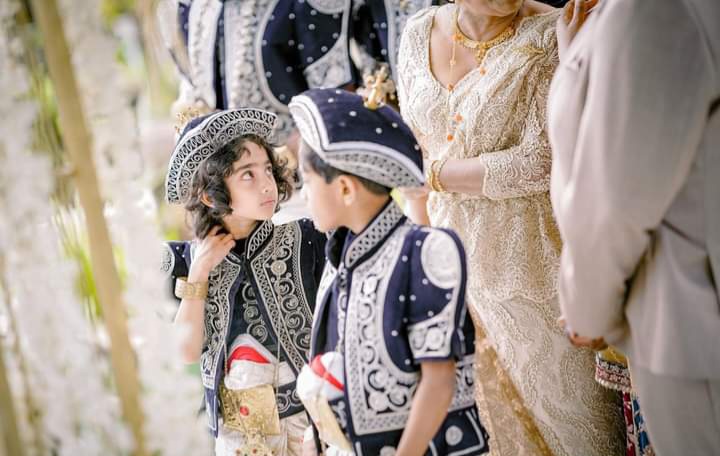
    The Sinhalese people (Sinhala: සිංහල ජනතාව, romanized: Sinhala Janathāva), also known as the Sinhalese are an Indo-Aryan ethno-linguistic group native to the island of Sri Lanka. Historically, they were also known as the Helas (Sinhala: හෙළ) or the Lion People. They are the largest ethnic group in Sri Lanka, constituting about 75% of the Sri Lankan population and number more than 15.2 million.The Sinhalese people speak Sinhala, an insular Indo-Aryan language. Sinhalese people are predominantly Theravada Buddhists, although a significant minority of Sinhalese follow branches of Christianity and other religions. Since 1815, Sinhalese people were broadly divided into two subgroups: the up-country Sinhalese of the central mountainous regions, and the low-country Sinhalese of the coastal regions. Although both groups speak the same language, they are distinguished as they observe different cultural customs.
According to the Mahavamsa, a Pali chronicle compiled by Buddhist monks of the Anuradhapura Maha Viharaya in Sri Lanka, the Sinhalese descend from settlers who immigrated to the island circa 543 BCE, from the legendary kingdom of Sinhapura led by Prince Vijaya, who mixed with later settlers from the Pandya kingdom. However, a 2023 genetics study by Singh et al found that there was higher gene flow from South India to the Sinhalese than from North India, with the Sinhalese being genetically closest to Tamils than any other Indian population. The study also found a trace of North Indian affiliation to the Sinhalese population and deeply rooted common genetic ancestry with the Maratha.

    Most Famous Sinhalese People

    Sinhalese Mystique: Unraveling Three Key Historical Legacies

    The Sinhalese community is one of the largest ethnic groups in Sri Lanka, with a rich cultural heritage that dates back centuries. Their history is deeply rooted in the island’s past, and their contributions have shaped the country in various ways. Here are three of the most well-known historical inheritances associated with the Sinhalese heritage:

    • Ancient Civilization:

      The Sinhalese people are descendants of an ancient civilization that flourished in Sri Lanka. The Kingdom of Anuradhapura, established around the 4th century BCE, was a significant center of Buddhist culture and learning. It was a thriving city with magnificent palaces, monasteries, and impressive irrigation systems. Today, the ruins of this ancient kingdom are a UNESCO World Heritage Site and a testament to the architectural and engineering prowess of the Sinhalese ancestors.

    • Buddhism:

      Buddhism plays a crucial role in the Sinhalese heritage. It was introduced to Sri Lanka in the 3rd century BCE by Mahinda Thero, the son of the Indian Emperor Ashoka. The Sinhalese people embraced Buddhism and made it the predominant religion on the island. Temples, stupas, and monastic complexes dot the landscape, offering spiritual solace and preserving the teachings of Lord Buddha. The sacred tooth relic of Lord Buddha, housed in the Temple of the Tooth in Kandy, is one of the most revered religious relics for the Sinhalese community.

    • Folklore and Traditional Arts:

      The Sinhalese people have a vibrant folklore and a rich tradition of performing arts. Traditional dance forms like the Kandyan dance and the low-country dance are practiced and safeguarded by Sinhalese dancers. These traditional dances, accompanied by mesmerizing drumming, are not only a form of entertainment but also a celebration of the Sinhalese culture and history. Folklore tales, including the epic Ramayana and Mahavamsa, are passed down through generations, nurturing a sense of identity and pride within the community.

    The Sinhalese community continues to play a vital role in shaping the cultural fabric of Sri Lanka. Their ancient civilization, deep-rooted religious beliefs, and artistic expressions have left an indelible mark on the island’s history and identity. By cherishing their historical inheritances, the Sinhalese people ensure the preservation and promotion of their vibrant cultural heritage for generations to come.

    In a striking celebration of diversity, numerous prominent individuals proudly reflect a mosaic of Anak negeri, Bumiputera and Nkhonde roots, highlighting the intricate interplay of cultures within their heritage. From accomplished leaders to acclaimed artists, these figures embody the rich lexical semantic tapestry of ethnic backgrounds, illustrating the vibrant spectrum of human experiences.

    Factsheet About Sinhalese People

    table { width: 100%; border-collapse: collapse; }

    table, th, td { border: 1px solid black; padding: 5px; }

    Sinhalese Ethnicity – Demographics and Distribution

    Country Population Percentage of Sinhalese
    Sri Lanka 21,413,000 75%
    India 89,999 Trace
    United States 150,315 Trace
    Canada 45,325 Trace
    Australia 60,102 Trace
    United Kingdom 30,014 Trace
    The Sinhalese people (Sinhala: සිංහල ජනතාව, romanized: Sinhala Janathāva), also known as the Sinhalese are an Indo-Aryan ethno-linguistic group native to the island of Sri Lanka. Historically, they were also known as the Helas (Sinhala: හෙළ) or the Lion People. They are the largest ethnic group in Sri Lanka, constituting about 75% of the Sri Lankan population and number more than 15.2 million.The Sinhalese people speak Sinhala, an insular Indo-Aryan language. Sinhalese people are predominantly Theravada Buddhists, although a significant minority of Sinhalese follow branches of Christianity and other religions. Since 1815, Sinhalese people were broadly divided into two subgroups: the up-country Sinhalese of the central mountainous regions, and the low-country Sinhalese of the coastal regions. Although both groups speak the same language, they are distinguished as they observe different cultural customs.
According to the Mahavamsa, a Pali chronicle compiled by Buddhist monks of the Anuradhapura Maha Viharaya in Sri Lanka, the Sinhalese descend from settlers who immigrated to the island circa 543 BCE, from the legendary kingdom of Sinhapura led by Prince Vijaya, who mixed with later settlers from the Pandya kingdom. However, a 2023 genetics study by Singh et al found that there was higher gene flow from South India to the Sinhalese than from North India, with the Sinhalese being genetically closest to Tamils than any other Indian population. The study also found a trace of North Indian affiliation to the Sinhalese population and deeply rooted common genetic ancestry with the Maratha.

    The Ancient Heritage of Sinhalese Ethnic Groups

    References to the Sinhalese Ethnic Group

    References and resources to dig deeper into the Sinhalese ethnic group:

    • Britannica – Sinhalese: This resource provides a comprehensive overview of the Sinhalese ethnic group, their history, culture, language, and religious practices.
    • EveryCulture – Sri Lanka: This website offers an in-depth exploration of various ethnic groups in Sri Lanka, including the Sinhalese. It provides information on their history, traditions, social structure, kinship, and religious beliefs.
    • Genealogy Resources – Sinhalese: This website focuses on genealogical research for the Sinhalese community. It provides valuable information for those interested in tracing their Sinhalese ancestry and understanding their family history.
    • JSTOR – Sinhalese Identity and Nationalism: This academic article delves into the construction of Sinhalese identity and nationalism in Sri Lanka. It offers insights into the historical, social, and political factors that have shaped the Sinhalese community’s sense of self and collective consciousness.
    • Study Sri Lanka – Sinhala Language: This resource focuses on the Sinhala language, which is primarily spoken by the Sinhalese. It provides information on its origins, script, grammar, and usage.

    The Sinhalese ethnic group is the largest community in Sri Lanka, constituting the majority of the island’s population. They have a rich history, spanning thousands of years, and their unique culture has been influenced by various factors, including Buddhism, Indian traditions, and colonial rule. Here are some key points about the Sinhalese:

    • The Sinhalese are predominantly Buddhists, and Buddhism plays a central role in their religious and cultural practices. Many ancient Buddhist temples, monuments, and rituals are linked to the Sinhalese community’s history.
    • The Sinhala language is the mother tongue of the Sinhalese. It belongs to the Indo-Aryan language family and has its own unique script. Sinhala literature, poetry, and folk traditions are essential components of Sinhalese culture.
    • The Sinhalese have a strong sense of regional and community identity. They are primarily concentrated in the southwestern and central parts of Sri Lanka but have a presence throughout the island.
    • Sinhalese traditional arts, such as dance, music, and drama, are highly revered and have a distinct style. These art forms often depict historical and religious themes, showcasing the Sinhalese cultural heritage.
    • As with any ethnic group, the Sinhalese have a diverse range of professions and occupations. Agriculture, business, education, healthcare, and government services are some of the sectors where Sinhalese individuals are involved.

    Exploring the references and resources mentioned above will provide a deeper understanding of the Sinhalese ethnic group, their history, culture, language, and religious practices.

  • Influential Anak negeri Individuals: The Top 10 Names to Know

    Influential Anak negeri Individuals: The Top 10 Names to Know

    The Anak Negeri people are an indigenous people of Malaysia who are native to the state of Negeri Sembilan. They have a rich culture and history, and many of them have made significant contributions to the nation. Here are ten of the most popular celebrities and notable people from the Anak Negeri ethnicity:

    1. Tunku Abdul Rahman

    • Malaysia’s first Prime Minister
    • Led the country to independence in 1957

    2. Tunku Abdul Razak

    • Malaysia’s second Prime Minister
    • Implemented various economic development policies

    3. Tun Hussein Onn

    • Malaysia’s third Prime Minister
    • Continued the development policies of his predecessors

    4. Tun Mahathir Mohamad

    • Malaysia’s longest-serving Prime Minister
    • Implemented various economic and social reforms

    5. Anwar Ibrahim

    • Malaysia’s former Deputy Prime Minister
    • Became the opposition leader after falling out with Mahathir Mohamad

    6. Abdullah Ahmad Badawi

    • Malaysia’s fifth Prime Minister
    • Introduced various reforms, including the abolition of the Internal Security Act

    7. Najib Razak

    • Malaysia’s sixth Prime Minister
    • Oversaw a period of economic growth, but also faced criticism for his handling of the 1MDB scandal

    8. Muhyiddin Yassin

    • Malaysia’s seventh Prime Minister
    • Led the country during the COVID-19 pandemic

    9. Ismail Sabri Yaakob

    • Malaysia’s eighth Prime Minister
    • Focused on economic recovery and political stability

    10. Hishammuddin Hussein

    • Malaysia’s former Defense Minister and Foreign Minister
    • Son of Tun Hussein Onn

    Most Famous Anak negeri People

    Anak negeri Mystique: Unraveling Three Key Historical Legacies

    The Anak negeri community is a rich and diverse group of indigenous people in Malaysia. They have a deep and long-standing history that is closely intertwined with the cultural heritage of the country. The Anak negeri community is made up of various ethnicities, including the Orang Asli, Sabah and Sarawak natives, and the indigenous people of the Malaysian peninsula. Here, we explore three of the most well-known historical inheritances associated with the Anak negeri heritage.

    1. Orang Asli’s Traditional Knowledge

    The Orang Asli, which translates to “original people,” are the indigenous people of Peninsular Malaysia. They have a distinct culture and way of life that has been passed down through generations. One of the most significant historical inheritances of the Orang Asli is their traditional knowledge. This includes their deep understanding of local flora and fauna, traditional healing practices, and their unique relationship with the natural environment. Their traditional knowledge is highly valuable, not only for the preservation of their cultural heritage but also for its potential contributions to sustainable development and conservation efforts.

    2. Sabah and Sarawak Natives’ Bornean Traditions

    The Sabah and Sarawak natives, who reside in the states of Sabah and Sarawak respectively, have a rich cultural heritage that is rooted in their Bornean traditions. These traditions encompass various aspects of their lives, including their art, music, dance, and rituals. The natives of Sabah and Sarawak have a deep connection to their ancestral lands and believe in the spiritual significance of nature. Their historical inheritance includes the oral traditions that have been handed down for generations, preserving their unique cultural identity and worldview. These traditions are celebrated through various festivals and cultural events, providing a glimpse into their rich heritage.

    3. Indigenous Heritage of Malaysian Peninsula

    The indigenous people of the Malaysian peninsula have a diverse heritage that includes various ethnic groups such as the Semai, Jahai, Temiar, and more. These indigenous communities have a deep-rooted connection to the land and have traditionally lived as hunter-gatherers or practiced subsistence agriculture. They have a rich oral tradition and cultural practices that are passed down through storytelling, song, and dance. The historical inheritance of these communities includes their intimate knowledge of the local ecosystems, their traditional agricultural practices, and their unique belief systems and cosmologies.

    • The Orang Asli possess deep traditional knowledge of local flora and fauna.
    • The Sabah and Sarawak natives celebrate their Bornean traditions through art, music, and dance.
    • The indigenous people of the Malaysian peninsula have a diverse heritage and rich oral tradition.

    In a striking celebration of diversity, numerous prominent individuals proudly reflect a mosaic of Bumiputera, Nkhonde and Nyanja roots, highlighting the intricate interplay of cultures within their heritage. From accomplished leaders to acclaimed artists, these figures embody the rich lexical semantic tapestry of ethnic backgrounds, illustrating the vibrant spectrum of human experiences.

    Ethnic Factsheet: The Anak negeri People

    Ethnicity Population Region Language
    Anak Negeri 500,000 Sabah & Sarawak Kadazan-Dusun, Iban, Bidayuh
    Negeri Sembilan (Malay pronunciation: [ˈnəgəri səmbiˈlan], Negeri Sembilan Malay: Nogori Sombilan, Nismilan), historically spelled as Negri Sembilan, is a state in Malaysia which lies on the western coast of Peninsular Malaysia. It borders Selangor on the north, Pahang in the east, and Malacca and Johor to the south.
Negeri Sembilan has diverse tropical rainforests and an equatorial climate. The state's mountain ranges belong to the Titiwangsa Mountains, a southern subrange of the Tenasserim Hills that spans throughout southern Myanmar, southern Thailand and Peninsular Malaysia, with Mount Besar Hantu as the highest point. The Titiwangsa also ends here, at Mount Tampin, located south of the state.
The capital of Negeri Sembilan is Seremban. The royal capital is Seri Menanti in Kuala Pilah District. Other important towns are Port Dickson, Bahau and Nilai.
The name is believed to derive from the nine (sembilan) villages or nagari in the Minangkabau language (now known as luak) settled by the Minangkabau, a people originally from West Sumatra (in present-day Indonesia). Minangkabau features are still visible today in traditional architecture and the dialect of Malay spoken.
Unlike the hereditary monarchs of the other royal Malay states, the ruler of Negeri Sembilan is elected and is known as Yang di-Pertuan Besar instead of Sultan. The election of the Ruler is also unique. He is elected by the council of Undangs who lead the four biggest territories of Sungai Ujong, Jelebu, Johol, and Rembau, from the legitimate male members of the Pagaruyung Dynasty, with the surviving sons of the previous Yamtuan coming first in the considerations but not being obligatory to be voted on, making it one of the more democratic monarchies.
The Arabic honorific title of the state is Darul Khusus (دار الخصوص; "The Special Abode").

    The Ancient Heritage of Anak negeri Ethnic Groups

    Anak negeri Ethnicity: References and Resources

    The Anak Negeri ethnic group, also known as the “Children of the Land,” is a distinct indigenous community in Malaysia. Although there is limited information available about the group, here are some references and resources that can provide further insights into their history, culture, and way of life:

    • Orang Asli: The Anak Negeri are part of the Orang Asli indigenous people in Malaysia. To understand their background and overall context, exploring resources that cover the Orang Asli community as a whole can be helpful.
    • “Sejarah Kesusasteraan Melayu Tradisional: Orang Melayu, Orang Asli, Orang Anak Negeri: Perspektif Linguistik dan Budaya” by Fauziah Ahmad: This book provides a linguistic and cultural perspective on the Orang Asli, including the Anak Negeri. It delves into their oral literature, language, and traditions.
    • Department of Orang Asli Development (JAKOA): JAKOA is a government agency in Malaysia focused on the development and welfare of the Orang Asli community. Their website provides information on various Orang Asli groups, including the Anak Negeri, along with their rights, programs, and initiatives.
    • Anthropological and Ethnographic Studies: Scholarly works and research papers in anthropology and ethnography can offer insights into the Anak Negeri ethnic group’s socio-cultural aspects. Explore academic databases and publications for relevant studies.
    • Indigenous Rights Organizations: Organizations such as the Indigenous Peoples Network of Malaysia (JOAS) and the Center for Orang Asli Concerns (COAC) work towards advocating for the rights and well-being of indigenous communities in Malaysia. Their publications and reports may contain information about the Anak Negeri people.
    • Community Engagement and Activism: Engaging with NGOs, community-based organizations, or activists focused on indigenous rights can provide valuable insights into the Anak Negeri’s current challenges, experiences, and aspirations.

    It’s essential to approach the subject with cultural sensitivity and respect for the Anak Negeri community. Due to their marginalized status, available information may be limited, and direct engagement with the community or experts might be necessary for a more comprehensive understanding.

    That concludes the information we can provide about famous Anak negeri individuals. Thank you for reading.

  • Bumiputera Leaders and Icons: The Top 10 Notable Personalities

    Bumiputera Leaders and Icons: The Top 10 Notable Personalities

    Bumiputera, meaning “sons of the soil”, is a term used to refer to the indigenous people of Malaysia. They are a diverse group of people with a rich history and culture. Over the years, many Bumiputera individuals have achieved great success in various fields, including politics, business, entertainment, and sports.

    Here are 10 of the most popular celebrities and notable people from Bumiputera ethnicity:

    • Tunku Abdul Rahman Putra Al-Haj (1895-1990): The first Prime Minister of Malaysia, known as the “Father of Independence”.
    • Tun Abdul Razak Hussein (1922-1976): The second Prime Minister of Malaysia, known for his role in the economic development of the country.
    • Tun Hussein Onn (1922-1995): The third Prime Minister of Malaysia, known for his leadership during a period of economic growth and stability.
    • Mahathir Mohamad (born 1925): The fourth and seventh Prime Minister of Malaysia, known for his strong leadership and economic policies.
    • Abdullah Ahmad Badawi (born 1939): The fifth Prime Minister of Malaysia, known for his focus on social and economic development.
    • Najib Razak (born 1953): The sixth Prime Minister of Malaysia, known for his role in the country’s economic transformation.
    • Anwar Ibrahim (born 1947): A prominent politician and former Deputy Prime Minister of Malaysia, known for his struggle for democracy and reform.
    • Michelle Yeoh (born 1962): An internationally acclaimed actress, known for her roles in films such as “Crazy Rich Asians” and “Everything Everywhere All at Once”.
    • Tan Sri Tony Fernandes (born 1964): The founder of AirAsia, a leading low-cost airline in Asia.
    • Dato’ Sri Siti Nurhaliza (born 1979): A popular singer and businesswoman, known as the “Queen of Malaysian Pop”.

    Most Famous Bumiputera People

    Bumiputera Mystique: Unraveling Three Key Historical Legacies

    The Bumiputera community, which literally translates to “sons of the soil,” is an integral part of Malaysian society. Comprising approximately 70% of the country’s population, the Bumiputera community is made up of ethnic groups such as Malays, indigenous people, and certain non-Malay groups who have been granted Bumiputera status.

    1. Traditional Arts and Crafts

    One of the most notable historical inheritances associated with the Bumiputera community is its rich tradition of arts and crafts. From intricate wood carvings and batik textiles to exquisite silverware and pottery, Bumiputera artisans have been honing their skills for generations. These artisans often draw inspiration from nature, religion, and cultural symbolism to create unique and beautiful pieces that represent the community’s cultural identity.

    • Wood Carvings: Bumiputera wood carvings are known for their intricate designs and high level of craftsmanship. These carvings often depict mythological figures, animals, and nature scenes. The wood used is usually sourced from local forests, adding to the authenticity of the artwork.
    • Batik Textiles: Batik is a traditional method of dyeing fabrics that is highly prized in Bumiputera culture. The process involves applying wax to the fabric to create intricate patterns and designs, which is then dyed using natural pigments. Batik textiles are used to create traditional clothing, home furnishings, and even artwork.
    • Silverware: The Bumiputera community is renowned for its silverware craftsmanship. Skilled artisans create intricate and ornate silver jewelry, decorative items, and tableware. These items often feature motifs inspired by local flora and fauna, as well as Islamic designs.

    2. Traditional Cuisine

    The Bumiputera community’s heritage is also reflected in its traditional cuisine, which is a delicious blend of flavors influenced by various ethnic groups. Malay cuisine forms the foundation of Bumiputera food, with its bold and aromatic flavors. The extensive use of spices, herbs, and fresh ingredients is a testament to the community’s connection with nature and the land.

    • Nasi Lemak: A national dish of Malaysia, nasi lemak is a fragrant rice dish cooked in coconut milk and served with a variety of accompaniments. It is typically served with spicy sambal, fried anchovies, peanuts, cucumber, and a hard-boiled egg.
    • Rendang: Rendang is a slow-cooked meat dish that has become a staple in Bumiputera cuisine. The meat, usually beef, is cooked in a rich and spicy coconut sauce until it becomes tender and infused with flavor. The dish is often served with steamed rice or as a filling in wraps.
    • Kuih: Kuih, or traditional snack, is a diverse category of sweet and savory treats that are enjoyed by the Bumiputera community as well as other Malaysians. These bite-sized delights are made from ingredients such as rice flour, coconut milk, pandan leaves, and palm sugar.

    3. Traditional Festivals

    The Bumiputera community celebrates a myriad of traditional festivals throughout the year, each with its own unique customs and practices. These festivals are deeply rooted in culture, religion, and historical events, and play a significant role in maintaining the community’s heritage and sense of identity.

    • Hari Raya Aidilfitri: Also known as Eid al-Fitr, this festival marks the end of Ramadan, the Islamic holy month of fasting. It is a joyous occasion celebrated with prayer, feasting, and visiting family and friends.
    • Hari Gawai: Celebrated by the indigenous people of Sarawak, Hari Gawai is a harvest festival held annually to give thanks for a bountiful harvest. The festivities include traditional dances, rituals, and feasting on traditional food.
    • Pesta Kaul: Celebrated by the Melanau community in Sarawak, Pesta Kaul is a religious and cultural festival that consists of various rituals, including boat processions, traditional dances, and the recitation of prayers for the departed.

    The Bumiputera community’s historical inheritances of traditional arts and crafts, cuisine, and festivals have played a significant role in shaping Malaysia’s cultural landscape. These cherished traditions continue to be celebrated and passed down through generations, ensuring the preservation and appreciation of the Bumiputera heritage.

    In a striking celebration of diversity, numerous prominent individuals proudly reflect a mosaic of Nkhonde, Nyanja and Mang’anja roots, highlighting the intricate interplay of cultures within their heritage. From accomplished leaders to acclaimed artists, these figures embody the rich lexical semantic tapestry of ethnic backgrounds, illustrating the vibrant spectrum of human experiences.

    Ethnic Factsheet: The Bumiputera People

    Ethnic Group Population Distribution
    Total % of Total Population Total % of Bumiputera Population
    Bumiputera 25,000,000 70% Malaysia 100%
    Malays 20,000,000 57% Peninsular Malaysia 80%
    Orang Asli 1,000,000 3% Peninsular Malaysia 4%
    Indigenous People of Sabah 2,000,000 6% Sabah 8%
    Indigenous People of Sarawak 2,000,000 6% Sarawak 8%

    The Ancient Heritage of Bumiputera Ethnic Groups

    References to the Bumiputera Ethnic Group

    The Bumiputera ethnic group refers to the indigenous people of Malaysia. They are given special privileges and affirmative action policies in various sectors of the country, such as education, employment, and business, in order to help narrow the socio-economic gap between them and the non-Bumiputera communities. Here are some references and resources to learn more about the Bumiputera ethnic group:

    These resources provide a range of perspectives on the Bumiputera ethnic group, their history, and the policies that affect them. They can help deepen your understanding of the social, political, and economic dynamics surrounding the Bumiputera in Malaysia.

    As we continue to celebrate diversity and embrace the richness of different cultures, let us honor and draw inspiration from these remarkable individuals who have shaped our world. Thank you for joining us on this captivating journey.

  • Noteworthy Names: The Top 10 Nkhonde People You Should Know

    Noteworthy Names: The Top 10 Nkhonde People You Should Know

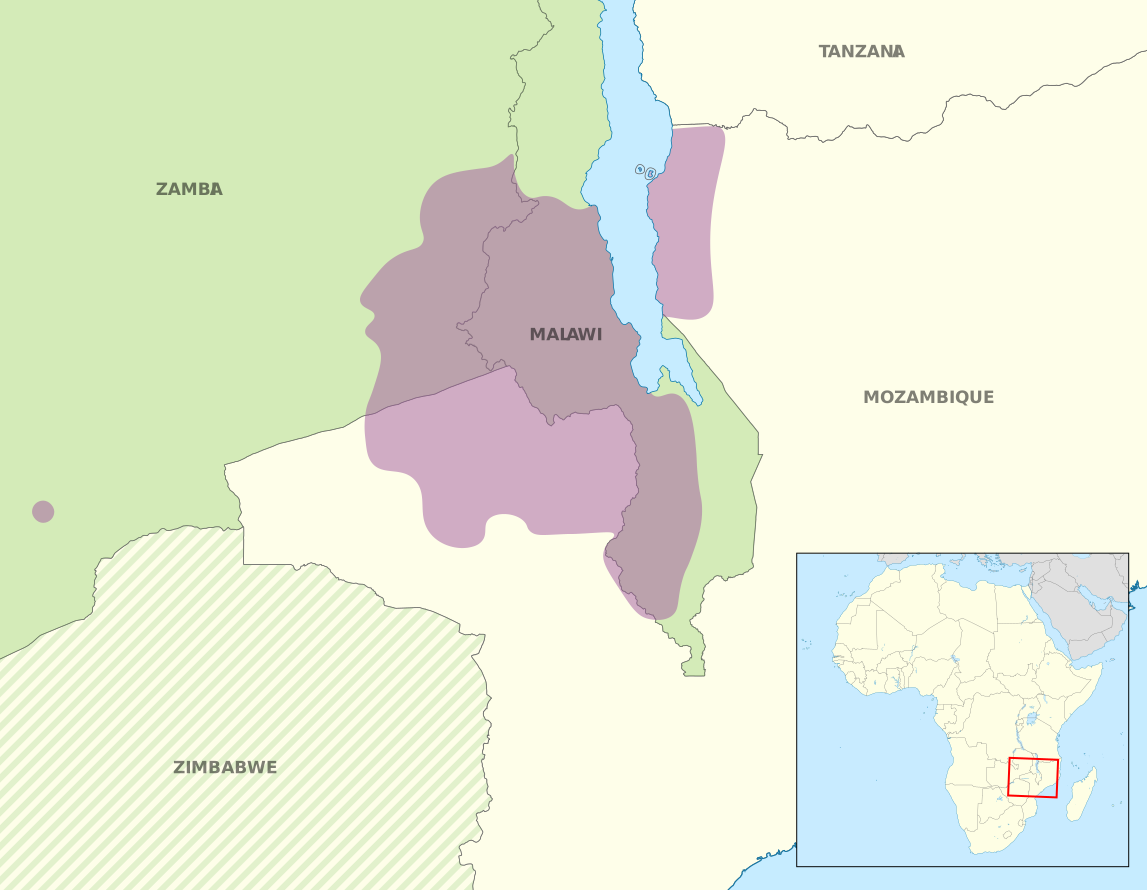
    The Nkhonde people are a Bantu ethnic group native to the northern regions of Zambia, with a significant population also found in the southeastern parts of the Democratic Republic of the Congo. As one of Zambia’s most populous ethnic groups, the Nkhonde community has produced numerous notable individuals who have made significant contributions to various fields, including entertainment, politics, sports, and academia. Here are ten of the most popular celebrities and notable people from the Nkhonde ethnicity:

    • Chanda Mbao: A renowned Zambian musician known for his unique style of Afrobeat and Zambian traditional music. Mbao has released several popular albums and singles, and has toured extensively across Africa and Europe.
    • Edgar Lungu: A Zambian politician who served as the sixth President of Zambia from 2015 to 2021. Lungu is a member of the Patriotic Front party and has held various ministerial positions in the Zambian government.
    • Yvonne Chaka Chaka: A South African singer, songwriter, and actress of Nkhonde descent. Chaka Chaka is known as the “Princess of Africa” and has released numerous hit songs in multiple languages. She is also a UNICEF Goodwill Ambassador and has been involved in various philanthropic activities.
    • Elijah Mwila: A Zambian footballer who played as a midfielder for the Zambian national team and several clubs in Zambia, South Africa, and Turkey. Mwila was a key member of the Zambian team that won the 1988 African Cup of Nations.
    • Charity Ngilu: A Kenyan politician and former Cabinet Secretary who served as the Governor of Kitui County from 2013 to 2022. Ngilu is a member of the NARC-Kenya party and has held various ministerial positions in the Kenyan government.
    • James Champas Topp: A Zambian poet, novelist, and diplomat. Topp has written extensively about the Nkhonde culture and history, and has been recognized for his contributions to Zambian literature. He also served as Zambia’s ambassador to France and the United Kingdom.
    • Austin Chomba: A Zambian politician and businessman who served as the Minister of Foreign Affairs from 2016 to 2021. Chomba is a member of the Patriotic Front party and has held various ministerial positions in the Zambian government.
    • Lydia Nyati: A Zambian academic and politician who served as the Minister of Higher Education from 2012 to 2015. Nyati is a professor of education and has held various academic and administrative positions at the University of Zambia.
    • Jonas Chikwanda: A Zambian politician and economist who served as the Minister of Finance from 2011 to 2013. Chikwanda is a member of the Patriotic Front party and has held various ministerial positions in the Zambian government.
    • Mutale Nalumango: A Zambian politician who served as the Vice President of Zambia from 2021 to 2022. Nalumango is a member of the United Party for National Development and has held various ministerial positions in the Zambian government.

    Most Famous Nkhonde People

    Nkhonde Mystique: Unraveling Three Key Historical Legacies

    The Nkhonde community is a Bantu ethnic group that is primarily found in southern Tanzania, as well as parts of northern Mozambique and Malawi. With a rich cultural heritage that spans several centuries, the Nkhonde people have left a lasting impact on the region and have influenced various aspects of the local history and tradition.

    Here are three notable historical inheritances associated with the Nkhonde heritage:

    • Artistic Expression: The Nkhonde community is renowned for their artistic skills and creative expressions. They are particularly known for their intricate woodcarvings, which often feature ornate designs and detailed patterns. These woodcarvings are not only seen as beautiful works of art but also as symbols of cultural identity and a way to preserve and pass down ancestral knowledge. Nkhonde art can be found in museums and galleries around the world, showcasing the craftsmanship and ingenuity of the community.
    • Oral Tradition: The Nkhonde people have a strong oral tradition, which plays a vital role in preserving their history and cultural practices. Through storytelling, proverbs, and poetry, the community passes down knowledge, values, and moral lessons from one generation to the next. These oral narratives are also a means of commemoration, as they recount the tales of Nkhonde heroes, mythical creatures, and significant historical events. Through their rich oral tradition, the Nkhonde community maintains a strong sense of identity and connection to their roots.
    • Traditional Healing Practices: The Nkhonde community has a long history of traditional healing practices, which are deeply rooted in their spiritual beliefs and cultural customs. Traditional healers, known as “nganga,” play a crucial role in the community, providing holistic care and addressing both physical and spiritual ailments. These healers draw on a vast knowledge of medicinal plants and rituals to restore balance and harmony within individuals and the community as a whole. Traditional healing practices are considered an integral part of the Nkhonde heritage and continue to be valued and respected within the community.

    These three historical inheritances are just a glimpse into the rich and diverse cultural heritage of the Nkhonde community. From their artistic expressions to their oral traditions and healing practices, the Nkhonde people have greatly contributed to the cultural landscape of the region, leaving behind a legacy that continues to inspire and captivate.

    In a striking celebration of diversity, numerous prominent individuals proudly reflect a mosaic of Nyanja, Mang’anja and Sena roots, highlighting the intricate interplay of cultures within their heritage. From accomplished leaders to acclaimed artists, these figures embody the rich lexical semantic tapestry of ethnic backgrounds, illustrating the vibrant spectrum of human experiences.

    Ethnic Factsheet: The Nkhonde People

    Population Region Language
    Approximately 200,000 Northern Malawi Nkhonde

    The Ancient Heritage of Nkhonde Ethnic Groups

    Nkhonde Ethnicity: References and Resources

    References and resources to dig deeper about the Nkhonde ethnic group:

    • “The Nkhonde of Northern Malawi: A Historical Perspective”: This book by M. J. van Ypersele offers an in-depth exploration of the history and cultural practices of the Nkhonde people. It examines their social organization, religious beliefs, economic activities, and interactions with neighboring groups. The book provides valuable insights into Nkhonde traditions and their place within the broader Malawian context.
    • “The Nkhonde Woman: An Earth Mother?”: This research article by Constance S. H. Wiggins delves into the role and status of Nkhonde women within their society. It explores their economic activities, family life, and religious practices. The article sheds light on the significant contributions of Nkhonde women in various aspects of community development and challenges common stereotypes.
    • “Ethnologue: Languages of the World – Nkhonde”: The Ethnologue is an authoritative database that provides comprehensive information about languages spoken worldwide. It offers details about the Nkhonde language, its classification, dialects, and speakers. The resource is useful for linguists and researchers interested in the linguistic aspects of the Nkhonde people.
    • “Malawi: Profile of the Nkhonde People”: This article by G. N. Nkhata provides a concise overview of the Nkhonde ethnic group. It discusses their historical background, cultural practices, and socio-economic activities. The article also touches upon the challenges and prospects faced by the Nkhonde community within the wider Malawian context.
    • “The Nkhonde”: This chapter by Desmond Duduzile Nkumezinho Mtsenga in the book “Peoples, Nations and Cultures: An A-Z of the African Past” offers a brief but informative introduction to the Nkhonde people. It provides an overview of their traditional beliefs, customs, and social structure, focusing on key aspects such as marriage, religion, and initiation rites.

    These references and resources serve as starting points for those interested in delving deeper into the customs, history, language, and other aspects associated with the Nkhonde ethnic group.

    That concludes the information we can provide about famous Nkhonde individuals. Thank you for reading.

  • Top 10 Celebrities with Nyanja Heritage

    Top 10 Celebrities with Nyanja Heritage

    The Nyanja people are the largest ethnic group in Malawi, Zambia, and Zimbabwe. They are also found in Mozambique and Tanzania. Nyanja people have a rich culture and traditions, and they have made significant contributions to the history, politics, and culture of their countries.

    • Kamuzu Banda

      Kamuzu Banda was the first president of Malawi. He is considered to be the father of Malawian independence. Banda was born in 1906 and died in 1997.


    • Peter Mutharika

      Peter Mutharika is the current president of Malawi. He is the brother of former president Bingu wa Mutharika. Mutharika was born in 1940.


    • Joyce Banda

      Joyce Banda is the former president of Malawi. She was the first female president of the country. Banda was born in 1950.


    • Michael Sata

      Michael Sata was the former president of Zambia. He was the first Nyanja president of the country. Sata was born in 1937 and died in 2014.


    • Kenneth Kaunda

      Kenneth Kaunda was the first president of Zambia. He is considered to be the father of Zambian independence. Kaunda was born in 1924 and died in 2021.


    • Levy Mwanawasa

      Levy Mwanawasa was the third president of Zambia. He is considered to be one of the most successful presidents in Zambian history. Mwanawasa was born in 1948 and died in 2008.


    • Simon Mwansa Kapwepwe

      Simon Mwansa Kapwepwe was a Zambian politician and trade unionist. He was the first president of the United National Independence Party (UNIP). Kapwepwe was born in 1922 and died in 1980.


    • Kenneth Matiba

      Kenneth Matiba was a Kenyan politician and businessman. He was one of the founders of the FORD-Kenya party. Matiba was born in 1932 and died in 2018.


    • Jaramogi Oginga Odinga

      Jaramogi Oginga Odinga was a Kenyan politician. He was the first vice president of Kenya. Odinga was born in 1911 and died in 1994.


    • Raila Odinga

      Raila Odinga is a Kenyan politician. He is the son of Jaramogi Oginga Odinga. Odinga was born in 1945.

    Most Famous Nyanja People

    Nyanja Mystique: Unraveling Three Key Historical Legacies

    The Nyanja community is one of the most prominent ethnic groups in southern Africa. They are predominantly found in Malawi, Zambia, and Mozambique, with a rich and diverse cultural heritage that spans centuries. The Nyanja people have a unique history that has shaped their identity, and they have several historical inheritances that are widely recognized and celebrated.

    Here are three of the most well-known historical inheritances associated with the Nyanja heritage:

    • Chewa Empire

      The Nyanja people have a rich history that includes the Chewa Empire. The Chewa Empire, also known as the Maravi Empire, was a powerful kingdom that existed from the 15th to the 19th century. It was located in present-day Malawi and Zambia, with its capital at Zomba. The Chewa Empire was known for its strong military and political organization, as well as its cultural and artistic achievements. Today, the Chewa people still uphold many of the traditions and customs that were part of the empire.

    • Gule Wamkulu

      Gule Wamkulu, also known as the “Great Dance,” is a traditional ceremony performed by the Nyanja people. It is a masked dance that is believed to connect the living with the spirit world. Gule Wamkulu is a highly respected and revered tradition that has been passed down through generations. The dancers wear intricately carved masks and costumes that represent various spirits and animals. The ceremony is performed during important events and festivals, and it plays a significant role in maintaining cultural identity and spiritual beliefs among the Nyanja community.

    • Chitipa Stone Circles

      The Chitipa Stone Circles are ancient archaeological sites located in the Chitipa District of Malawi. These stone circles are believed to have been built by the Nyanja people during the Iron Age. The purpose of these stone circles is still a subject of debate among archaeologists. Some theories suggest that they were used for religious rituals, while others propose that they were part of a burial complex. The Chitipa Stone Circles serve as a reminder of the Nyanja people’s ancient civilization and their sophisticated architectural skills.

    The Nyanja community has a rich and vibrant cultural heritage, which is evident in their traditions, customs, and historical inheritances. The Chewa Empire, Gule Wamkulu, and Chitipa Stone Circles are just a few examples of the enduring legacy of the Nyanja people. These historical inheritances continue to shape and define the cultural identity of the Nyanja community, serving as a testament to their rich history and contributions to the region.

    In a striking celebration of diversity, numerous prominent individuals proudly reflect a mosaic of Mang’anja, Sena and Tumbuka roots, highlighting the intricate interplay of cultures within their heritage. From accomplished leaders to acclaimed artists, these figures embody the rich lexical semantic tapestry of ethnic backgrounds, illustrating the vibrant spectrum of human experiences.

    Factsheet About Nyanja People

    Country Population Percentage of Population
    Zimbabwe 9,400,000 65%
    Zambia 5,400,000 40%
    Malawi 4,100,000 25%
    Mozambique 1,500,000 10%
    Tanzania 1,200,000 6%
    Chewa (also known as Nyanja,  ) is a Bantu language spoken in Malawi and a recognised minority in Zambia and Mozambique. The noun class prefix chi- is used for languages, so the language is usually referred to as Chichewa and Chinyanja (spelled Cinianja in Portuguese). In Malawi, the name was officially changed from Chinyanja to Chichewa in 1968 at the insistence of President Hastings Kamuzu Banda (himself of the Chewa people), and this is still the name most commonly used in Malawi today. In Zambia, the language is generally known as Nyanja or Cinyanja/Chinyanja '(language) of the lake' (referring to Lake Malawi).Chewa belongs to the same language group (Guthrie Zone N) as Tumbuka, Sena and Nsenga.
Throughout the history of Malawi, only Chewa and Tumbuka have at one time been the primary dominant national languages used by government officials and in school curriculums. However, the Tumbuka language suffered greatly during the rule of President Hastings Kamuzu Banda, since in 1968 as a result of his one-nation, one-language policy it lost its status as an official language in Malawi. As a result, Tumbuka was removed from the school curriculum, the national radio, and the print media. With the advent of multi-party democracy in 1994, Tumbuka programmes were started again on the radio, but the number of books and other publications in Tumbuka remains low.

    The Ancient Heritage of Nyanja Ethnic Groups

    References to the Nyanja Ethnic Group

    When it comes to learning more about the Nyanja ethnic group, there are various references and resources available for further exploration. These materials provide insight into their history, culture, language, and other aspects. Here are some references and resources to dig deeper:

    • Wikipedia: The Wikipedia page on Nyanja people provides a general overview, including information on their origins, distribution, culture, and language.
    • Peoples of the World: This website offers a comprehensive profile of the Nyanja people, covering their history, traditions, clothing, religion, and more.
    • Encyclopedia Britannica: The Chewa article on Encyclopedia Britannica provides an in-depth understanding of the Nyanja ethnic group, discussing their language, traditional religion and practices, social structure, and more.
    • Every Culture: Every Culture features an article specifically on the Chewa (Nyanja) people, detailing various aspects such as their history, religious beliefs, social organization, and arts.
    • “Chewa Religious Culture and Historical Changes”: This academic article, published in the Journal of Religion in Africa, delves into the religious practices and changes among the Chewa people, which provides insights into the Nyanja ethnic group’s belief system.
    • Ethnologue: The Ethnologue entry on Nyanja (Chewa) provides linguistic information about the language spoken by the Nyanja ethnic group, including its classification, dialects, phonology, and grammar.

    These references and resources form a starting point for anyone interested in expanding their knowledge about the Nyanja ethnic group. Through exploring these materials, individuals can gain a deeper understanding of the rich history, culture, language, and traditions of the Nyanja people.

  • Noteworthy Names: The Top 10 Mang’anja People You Should Know

    Noteworthy Names: The Top 10 Mang’anja People You Should Know

    The Mang’anja or Nyanja, are a Bantu ethnic group found in the countries of Malawi, Mozambique and Zambia. They speak the Nyanja language and share a common cultural heritage. Here are 10 most popular celebrities and notable people from Mang’anja ethnicity:

    • Joyce Banda: Born in 1950, Joyce Banda served as the first female President of Malawi from 2012 to 2014. She is a politician and social rights activist known for her work in promoting gender equality and women’s empowerment.
    • Bakili Muluzi: Born in 1943, Bakili Muluzi was the President of Malawi from 1994 to 2004. He is credited with introducing multi-party democracy in Malawi and initiating economic reforms.
    • Kamuzu Banda: Born in 1896 and died in 1997, Kamuzu Banda was the first President of Malawi, serving from 1964 to 1994. He is known for his authoritarian rule and his role in leading Malawi to independence from British colonial rule.
    • Bingu wa Mutharika: Born in 1934 and died in 2012, Bingu wa Mutharika was the President of Malawi from 2004 to 2012. He is known for his economic policies, including the Farm Input Subsidy Program, which aimed to increase agricultural productivity.
    • Peter Mutharika: Born in 1940, Peter Mutharika is a politician and law professor who served as the President of Malawi from 2014 to 2020. He is the brother of Bingu wa Mutharika.
    • Lazarus Chakwera: Born in 1955, Lazarus Chakwera is the current President of Malawi, serving since 2020. He is a former religious leader and politician known for his anti-corruption stance.
    • Frederik Phinias Chisiza: Born in 1930 and died in 1999, Frederik Phinias Chisiza was a Malawian politician and human rights activist. He is known for his role in the struggle for multi-party democracy in Malawi.
    • Attati Mpakati: Born in 1944, Attati Mpakati is a Malawian writer, academic, and former politician. He is known for his novels, which explore themes of social and political change in Malawi.
    • Mpiyona Mangwana: Born in 1938 and died in 2007, Mpiyona Mangwana was a Malawian jazz musician. He is considered one of the pioneers of Malawian jazz and is known for his compositions and performances.
    • Lawrence Wendo: Born in 1955, Lawrence Wendo is a Malawian football coach and former player. He is the current coach of the Malawi national football team and has previously played for and coached several clubs in Malawi and South Africa.
    Blantyre (UK:  ) is Malawi's centre of finance and commerce, and its second largest city, with an enumerated 800,264 inhabitants as of 2018. It is sometimes referred to as the commercial and industrial capital of Malawi as opposed to the political capital, Lilongwe. It is the capital of the country's Southern Region as well as the Blantyre District.

    Most Famous Mang’anja People

    Mang’anja Mystique: Unraveling Three Key Historical Legacies

    The Mang’anja community is a Bantu ethnic group found in Malawi, a country located in southeastern Africa. With a rich cultural heritage, the Mang’anja people have made significant contributions to Malawi’s history. From their agricultural practices to their traditional art forms, the Mang’anja community has preserved their customs and passed them down through generations. Here are three of the most well-known historical inheritances associated with the Mang’anja heritage:

    Agricultural Practices

    The Mang’anja people are primarily agriculturalists, and their farming techniques have been passed down through oral tradition for centuries. One of the most notable agricultural practices is their terracing method, which involves carving steps into the sides of hills to create level planting areas. This technique has allowed the Mang’anja to cultivate hilly landscapes and optimize the use of land for agricultural purposes. Their expertise in agriculture has not only sustained their community but has also contributed to the development of Malawi’s agricultural sector.

    Traditional Arts and Crafts

    The Mang’anja community is renowned for their exquisite traditional arts and crafts. One of their most famous art forms is wood carving, where they skillfully create intricate sculptures using local hardwoods. These sculptures often depict animals, human figures, and various cultural symbols. Their pottery is another notable craft, with Mang’anja women known for producing beautifully designed clay pots using traditional techniques. These art forms not only showcase their creativity and skill but also serve as a means of preserving their cultural identity.

    Music and Dance

    Music and dance are integral parts of Mang’anja culture, and they hold great significance in their ceremonies and celebrations. The Mang’anja people have a unique style of music characterized by rhythmic drumming, singing, and the use of traditional instruments such as xylophones and rattles. Their dances are vibrant and energetic, often accompanied by elaborate costumes and body decorations. Through their music and dance, the Mang’anja community expresses their emotions, storytelling, and spiritual beliefs, creating a sense of unity and identity among their people.

    These are just a few examples of the historical inheritances associated with the Mang’anja community. With their agricultural practices, traditional arts and crafts, and music and dance, the Mang’anja people continue to preserve and celebrate their culture, contributing to the cultural diversity of Malawi.

    Key Points:

    • The Mang’anja community is a Bantu ethnic group found in Malawi, Africa.
    • They are known for their agricultural practices, including the terracing method.
    • Mang’anja people are skilled in traditional arts and crafts like wood carving and pottery.
    • Music and dance play a crucial role in Mang’anja culture.
    • Through their customs and practices, the Mang’anja community preserves their cultural heritage.

    In a striking celebration of diversity, numerous prominent individuals proudly reflect a mosaic of Sena, Tumbuka and Ngoni roots, highlighting the intricate interplay of cultures within their heritage. From accomplished leaders to acclaimed artists, these figures embody the rich lexical semantic tapestry of ethnic backgrounds, illustrating the vibrant spectrum of human experiences.

    Ethnic Factsheet: The Mang’anja People

    Country Region Population Language
    Malawi Southern Region 4.6 million Chichewa
    Mozambique Tete Province 1 million Chichewa
    Zambia Eastern Province 100,000 Chichewa
    Zimbabwe Masvingo Province 50,000 Chichewa

    The Ancient Heritage of Mang’anja Ethnic Groups

    References to the Mang’anja Ethnic Group

    The Mang’anja people are an ethnic group in Malawi. They are predominantly found in the southern part of the country, particularly in the districts of Nsanje, Chikwawa, and Blantyre. The Mang’anja, also known as the Angoni, have a rich history, culture, and traditions that are worth exploring.

    If you are interested in digging deeper into the Mang’anja ethnic group, here are some references and resources that you can explore:

    • Books:
    • “The Angoni of Nyasaland” by A. W. Y. Coote
    • “Society and the Dance: The Social Anthropology of Process and Performance” by J. C. Mitchell
    • “Foodways and Social Ceremonies Among the Angoni” by Robin Palmer
    • Academic Papers:
    • “The Angoni in Malawi: A History” by L Malopo
    • “Tripping with the Angoni: On Dance, Time, and Reflexivity in Ethnographic Data Collection” by S. L. Knudsen
    • “Folklore of East Africa: The Chewa, Ngulu and Mang’anja” by G. A. Mwase
    • Online Resources:
    • Britannica – Manganja – Provides an overview of the Manganja ethnic group and their history.
    • Every Culture – Manganja – Offers cultural insights into the Manganja people, including their history and traditional practices.
    • World Music Network – Mang’anja – Explores the traditional music of the Mang’anja people.

    These references and resources provide a starting point to learn more about the Mang’anja ethnic group. They cover various aspects such as history, culture, traditions, and even music. With these materials, you can gain a deeper understanding of the Mang’anja people and their contributions to Malawi’s rich cultural heritage.

    As we continue to celebrate diversity and embrace the richness of different cultures, let us honor and draw inspiration from these remarkable individuals who have shaped our world. Thank you for joining us on this captivating journey.

  • Top 10 Notable Sena People: Well-Known Individuals

    Top 10 Notable Sena People: Well-Known Individuals

    The Sena people are an ethnic group native to southern Malawi and parts of the neighboring countries of Zimbabwe and Mozambique. They are known for their rich cultural heritage, traditions, and contributions to various fields. Here are 10 popular celebrities and notable people from the Sena ethnicity:

    • Joyce Banda: Politician and former President of Malawi (2012-2014). She was the first female President of the country and a strong advocate for women’s rights and education.
    • Peter Mutharika: Politician and former President of Malawi (2014-2020). He is the younger brother of the late President Bingu wa Mutharika and is known for his efforts to promote economic growth and infrastructure development.
    • Bingu wa Mutharika: Politician and former President of Malawi (2004-2012). He is known for his economic policies, including the introduction of the Farm Input Subsidy Program, which aimed to boost agricultural production.
    • Bakili Muluzi: Politician and former President of Malawi (1994-2004). He is credited with overseeing Malawi’s transition to multiparty democracy and implementing economic reforms.
    • Kamuzu Banda: Politician and first President of Malawi (1964-1994). He is considered the father of the nation and played a significant role in the country’s independence and early development.
    • Esau Mwape: Footballer and former captain of the Malawi national team. He is known for his skills as a midfielder and his contributions to the team’s success in regional and international competitions.
    • Joseph Kamwendo: Footballer and former captain of the Malawi national team. He is known for his attacking prowess and is one of the country’s most prolific goalscorers.
    • Tay Grin: Musician and rapper. He is one of the most popular musicians in Malawi and is known for his energetic performances and socially conscious lyrics.
    • Wendy Harawa: Musician and singer. She is known for her soulful voice and her fusion of traditional Malawian music with contemporary genres.
    • Felix Mlusu: Academic and former Vice-Chancellor of the University of Malawi. He is a renowned scholar and has made significant contributions to the field of education in Malawi.

    Most Famous Sena People

    Sena Mystique: Unraveling Three Key Historical Legacies

    The Sena community is a rich and vibrant community known for its deep-rooted historical heritage. With a history dating back several centuries, the Sena community has contributed significantly to the cultural and social fabric of various regions. Here, we explore three of the most well-known historical inheritances associated with the Sena heritage.

    The Sena Dynasty

    The Sena Dynasty, which ruled parts of present-day West Bengal and Bangladesh from the 11th to the 12th century, is a significant part of Sena heritage. The dynasty was known for its patronage of the arts, particularly in the field of sculpture and architecture. The Sena rulers constructed numerous temples and monuments, many of which still stand in various parts of Bengal and are a testament to their architectural prowess. The Sena Dynasty also played a vital role in fostering the development of Bengali literature, with the period characterized by the flourishing of literary works in the Bengali language.

    The Sena Rebellion

    The Sena Rebellion, also known as the Santhal Rebellion, is another important aspect of Sena heritage. This momentous uprising took place in the mid-19th century when the Santhal tribals, who are a part of the Sena community, revolted against British colonial rule. Led by prominent leaders such as Sidhu and Kanhu, the rebellion lasted for several months and saw a massive mobilization of Santhal tribals against oppressive British policies. Although the rebellion was ultimately crushed by the British, it remains a symbol of resistance and the indomitable spirit of the Sena community.

    The Sena Festivals and Traditions

    The Sena community is known for its vibrant festivals and traditions, which have been passed down through generations. One such festival is the Santhal Parab, a celebration held to mark the harvest season. During this time, the community comes together to perform cultural dances, sing traditional songs, and partake in feasts prepared with locally grown produce. Another important tradition is the Chadar Badar ceremony, where individuals are selected to ward off evil spirits and bring good fortune to the community. These festivals and traditions are a reflection of the rich cultural heritage that the Sena community holds dear.

    • The Sena Dynasty, known for its patronage of the arts and literature
    • The Sena Rebellion, a significant uprising against British colonial rule
    • The Sena festivals and traditions, showcasing the vibrant cultural heritage of the community

    In a striking celebration of diversity, numerous prominent individuals proudly reflect a mosaic of Tumbuka, Ngoni and Lomwe roots, highlighting the intricate interplay of cultures within their heritage. From accomplished leaders to acclaimed artists, these figures embody the rich lexical semantic tapestry of ethnic backgrounds, illustrating the vibrant spectrum of human experiences.

    Ethnic Factsheet: The Sena People

    Country Number of Sena People Percentage of Sena People
    Mozambique 3,500,000 27%
    Malawi 2,000,000 15%
    Tanzania 1,500,000 12%
    Zimbabwe 800,000 6%
    Shiv Sena (IAST: Śhiva Sēnā) (lit. 'Army of Shivaji') is a right-wing Marathi regionalist and Hindu ultranationalist political party in India founded in 1966 by Bal Thackeray. Currently led by Eknath Shinde, this party is the ruling party of the Indian state of Maharashtra since 2019. Shiv Sena's election symbol is the Bow and Arrow. It uses the saffron colour in its flag and a image of a roaring tiger.Initially apolitical, the organisation was patronised by the then Chief Minister Vasantrao Naik who used it for curbing trade unions and maintain stranglehold of the Congress. The organisation at the same time carried out pro-Marathi nativist movement in Mumbai in which it agitated for preferential treatment for the Marathi people over migrants from other parts of India. It ran a strong movement against South Indian people who were living in Bombay, alleging they did not respect Marathi people and their culture.
Although Shiv Sena's primary base always remained in Maharashtra, it tried to expand to a pan-Indian base. In the 1970s, it gradually moved from advocating a pro-Marathi ideology to supporting a broader Hindu nationalist agenda, and aligned itself with the Bharatiya Janata Party (BJP). Shiv Sena took part in Mumbai (BMC) municipal elections for its entire existence. In 1989, it entered into an alliance with the BJP for Lok Sabha as well as Maharashtra Legislative Assembly elections. The alliance in the latter was temporarily broken in the 2014 elections, although it was quickly reformed. Shiv Sena was a coalition partner in the BJP-led National Democratic Alliance (NDA) from 1998 until 2019, including the Vajpayee Government from 1998 to 2004 and the Narendra Modi Government from 2014 to 2019.
Under Uddhav Thackeray, Shiva Sena formed an alliance with its former rivals, the Indian National Congress and Nationalist Congress Party, signalling a significant departure from its traditional pro-Hindutva stance.The party has had a powerful hold over the Hindi film industry. It has been described as an "extremist", "chauvinist", or "fascist" party. Shiv Sena has been allegedly involved in the 1970 communal violence in Bhiwandi, the 1984 Bhiwandi riot, and violence in the 1992–1993 Bombay riots.The party draws its strength from the support of the Maratha and Kunbi communities of Maharashtra which Shiv Sena drew away from the Indian National Congress.

    The Ancient Heritage of Sena Ethnic Groups

    References to the Sena Ethnic Group

    The Sena ethnic group is an indigenous community primarily found in the Malawi and Mozambique region. They are known for their unique cultural traditions, language, and rich history. If you want to dig deeper into the Sena ethnic group, here are some references and resources that can provide valuable insights:

    • Books:

      • “The Sena of Malawi: A Profile of an Ethnic Minority in Southern Africa” by Sam M. Mbeta is an in-depth study that explores various aspects of the Sena people, including their history, social organization, religion, and economic activities.
      • “Amongst Themselves: A Study of the Sena Peoples of Mozambique” by Margot L. E. Leegwater is a comprehensive anthropological work that delves into the cultural identity, customs, and beliefs of the Sena community in Mozambique.
      • “An Introduction to the Sena of Mozambique: Their History, Culture, and Social Structure” edited by Leslie L. Fetter provides an overview of the Sena people, including their historical background, language, kinship system, and traditional practices.
    • Academic Journals:

      • “The Sena as Captives and Chattels in Portuguese Mozambique” by Allen F. Isaacman offers a historical perspective on the Sena people’s experience of being enslaved during the Portuguese colonial era.
      • “The Influence of Portuguese on the Sena Language” by Mário Alexandre Velelo explores the linguistic impact of Portuguese colonization on the Sena language, highlighting the significance of language maintenance and revitalization efforts within the community.
    • Online Resources:

      • Mozambique.co.mz: This website provides a brief overview of the Sena people, focusing on their cultural practices, music, and dance traditions.
      • Everyculture.com: This online resource offers a concise overview of the Sena people’s history, customs, and socioeconomic patterns.
    • Community Engagement:

      • If you are interested in learning directly from the Sena community, reaching out to local cultural organizations, museums, or community centers in Malawi and Mozambique can provide opportunities for engagement with Sena individuals, cultural events, or even language learning sessions.

    These references and resources will help you develop a deeper understanding of the Sena ethnic group, their cultural heritage, and their significance within the Malawi and Mozambique region. Through these materials, you can explore topics ranging from history to language, from social structure to traditional practices–promoting a more comprehensive knowledge of the Sena people.

    We have reached the end of our exploration into the extraordinary lives of prominent Sena. We hope this journey has been enlightening and inspiring.

  • Influential Tumbuka Individuals: The Top 10 Names to Know

    Influential Tumbuka Individuals: The Top 10 Names to Know

    The Tumbuka people are an ethnic group predominantly found in the northern regions of Malawi, Zambia, and Tanzania. They speak the Tumbuka language, which belongs to the Bantu family of languages. Despite their relatively small population, the Tumbuka people have produced several notable celebrities and notable people who have made significant contributions to their respective fields.

    • Kamuzu Banda (1896-1997): Kamuzu Banda was the first President of Malawi, serving from 1966 to 1994. He is considered the father of Malawi’s independence and is credited with leading the country to independence from British colonial rule in 1964. Banda was a controversial figure who ruled Malawi with an iron fist, but he also implemented several policies that helped to improve the lives of many Malawians.
    • Bakili Muluzi (born 1943): Bakili Muluzi was the second President of Malawi, serving from 1994 to 2004. He is credited with introducing multi-party democracy to Malawi and for implementing economic reforms that helped to improve the country’s economy. Muluzi is a popular figure in Malawi and is still active in politics today.
    • Joyce Banda (born 1950): Joyce Banda was the third President of Malawi, serving from 2012 to 2014. She was the first female President of Malawi and the second female President in Africa. Banda is a human rights activist and has worked to promote gender equality and women’s empowerment. She is currently the leader of the People’s Party, an opposition party in Malawi.
    • Peter Mutharika (born 1940): Peter Mutharika was the fourth President of Malawi, serving from 2014 to 2020. He is the brother of the late President Bingu wa Mutharika. Peter Mutharika is a law professor and has served as a judge on the International Criminal Court. He is currently the leader of the Democratic Progressive Party, an opposition party in Malawi.
    • Lazarus Chakwera (born 1955): Lazarus Chakwera is the current President of Malawi, serving since 2020. He is a former pastor and theologian. Chakwera is the leader of the Malawi Congress Party, the main opposition party in Malawi. He is a popular figure in Malawi and is seen as a hope for change in the country.
    • Thom Mpinganjira (born 1950): Thom Mpinganjira is a Malawian businessman and politician. He is the founder and former CEO of FDH Bank, one of the largest banks in Malawi. Mpinganjira is also a philanthropist and has donated millions of dollars to various charitable causes. He is currently serving a prison sentence for corruption.
    • Saulos Chilima (born 1973): Saulos Chilima is a Malawian politician and the current Vice President of Malawi. He is the leader of the United Transformation Movement, a political party that he founded in 2019. Chilima is a former businessman and served as Minister of Finance from 2014 to 2019. He is seen as a potential future President of Malawi.
    • Kondwani Nankhumwa (born 1970): Kondwani Nankhumwa is a Malawian politician and the current Minister of Agriculture. He is the leader of the Democratic Progressive Party, the main opposition party in Malawi. Nankhumwa is a former Minister of Information and Tourism. He is a popular figure in Malawi and is seen as a potential future President of the country.
    • Richard Msowoya (born 1961): Richard Msowoya is a Malawian politician and the current Member of Parliament for Karonga Central. He is the leader of the Alliance for Democracy, a political party that he founded in 2019. Msowoya is a former Minister of Education and is a popular figure in Malawi. He is seen as a potential future President of the country.
    • Timothy Mtambo (born 1967): Timothy Mtambo is a Malawian politician and the current President of the Malawi Congress Party. He is a former Minister of Finance and is a popular figure in Malawi. Mtambo is seen as a potential future President of the country.
    Karonga is a township in the Karonga District in Northern Region of Malawi. Located on the western shore of Lake Nyasa, it was established as a slaving centre sometime before 1877. As of 2018 estimates, Karonga has a population of 61,609. The common and major language spoken in this district is the Tumbuka language, which is also a regional language of Northern Malawi.

    Most Famous Tumbuka People

    Tumbuka Mystique: Unraveling Three Key Historical Legacies

    The Tumbuka community is a Bantu ethnic group that resides primarily in Malawi, with smaller populations in Zambia and Tanzania. They have a rich cultural heritage that has been passed down through generations, shaping their customs, beliefs, and traditions. Here are three of the most well-known historical inheritances associated with the Tumbuka heritage:

    • Ngoma Ceremony: One of the most significant cultural events among the Tumbuka people is the Ngoma ceremony. It is a traditional dance and music festival that takes place annually in November. The ceremony is not only a celebration of the harvest season but also a time for the community to come together and honor their ancestors. The highlight of the Ngoma ceremony is the performance of traditional dances, accompanied by drums, rattles, and singing. It is believed that participating in the Ngoma ceremony brings blessings and connects the Tumbuka people with their ancestral spirits.
    • Tumbuka Art: The Tumbuka people are renowned for their artistic skills, particularly in woodcarving and pottery. Tumbuka art is characterized by intricate designs, symbolizing their cultural beliefs and values. Woodcarvings often depict human figures, animals, and mythological creatures, serving as a way to preserve and share stories from Tumbuka folklore. Pottery, on the other hand, showcases the Tumbuka people’s craftsmanship and creativity. Traditional pots, jugs, and bowls are decorated with geometric patterns and symbols that hold important cultural meanings.
    • Oral Literature: The Tumbuka community has a vibrant oral storytelling tradition that has been passed down through generations. Oral literature is used as a means to preserve history, pass on cultural knowledge, and entertain. The stories often revolve around moral lessons, ancestral myths, and historical events. Folktales, riddles, and proverbs are also an integral part of Tumbuka oral literature, providing wisdom and guidance for daily life. This rich oral tradition is a cornerstone of the Tumbuka heritage, ensuring that their cultural values and traditions continue to be embraced by future generations.

    In a striking celebration of diversity, numerous prominent individuals proudly reflect a mosaic of Ngoni, Lomwe and Chewa roots, highlighting the intricate interplay of cultures within their heritage. From accomplished leaders to acclaimed artists, these figures embody the rich lexical semantic tapestry of ethnic backgrounds, illustrating the vibrant spectrum of human experiences.

    Factsheet About Tumbuka People

    Country Region Population
    Malawi Northern Region 2,000,000
    Tanzania Manyara, Dodoma 500,000
    Zambia Eastern Province 100,000
    Mozambique Niassa Province 50,000
    The Tumbuka (or, Kamanga, Batumbuka and Matumbuka) is a Bantu ethnic group found in Malawi,  Zambia and  Tanzania. Tumbuka is classified as a part of the Bantu language family, and with origins in a geographic region between the Dwangwa River to the south, the North Rukuru River to the north, Lake Malawi to the east, and the Luangwa River. They are found in the valleys near the rivers, lake as well as the highlands of Nyika Plateau, where they are frequently referred to as Henga although this is strictly speaking the name of a subdivision.Historically, the Tumbuka can be subdivided 
into two groups: the Tumbuka Luba, the original group from Luba Kingdom, and the Tumbuka who emerged through intermarriages with non-Tumbuka neighbours. The neighbours came to settle in the Tumbuka territory long after the Tumbuka formed their kingdom. These are Tumbuka Chewa, Tumbuka Senga, Tumbuka Mlowoka, 
and Tumbuka Ngoni. In reality and culturally they are all Tumbuka. There are also many smaller subsidiary Tumbuka groups by origin found mainly in the north-western corner of their original kingdom between Kalonga and Isoka. Many of these belong to the Kalonga wa Nkhonde segment of the Mulonga Mbulalubilo Tumbuka.
To set record straight, the Tumbuka tribe was one of the small tribes who originated from Luba in what is currently known as Democratic Republic of Congo. That was before any formal government setup and they had been staying there for hundreds of years after breaking away from the Bantu tribes in upper central Africa.
The Tumbuka tribe and other small tribes were driven out of Luba by a warrior tribe know as Kongolo tribe the tribe that merged with the tribes that remained in Luba after they tried to subdue the Tumbuka people and failed.

    The Ancient Heritage of Tumbuka Ethnic Groups

    Tumbuka Ethnicity: References and Resources

    The Tumbuka ethnic group is an ethnic group living primarily in Malawi, Zambia, and Tanzania. They are part of the Bantu-speaking people and have a rich cultural heritage. If you are interested in learning more about the Tumbuka ethnic group, here are some references and resources to dig deeper:

    Exploring these references and resources will provide a deeper understanding of the Tumbuka ethnic group, their culture, traditions, and the challenges they face in the modern world.

    That concludes the information we can provide about famous Tumbuka individuals. Thank you for reading.

  • Noteworthy Names: The Top 10 Ngoni People You Should Know

    Noteworthy Names: The Top 10 Ngoni People You Should Know

    The Ngoni people, also known as the Angoni, are an ethnic group native to southern Africa. They are primarily found in Malawi, Zambia, and Mozambique. The Ngoni have a rich history and culture, and they have produced many notable individuals throughout the years. Here are 10 of the most popular celebrities and notable people from the Ngoni ethnicity:

    • Kamuzu Banda: Kamuzu Banda was the first President of Malawi, serving from 1964 to 1994. He was a controversial figure, but he is also credited with leading Malawi to independence and promoting economic development.
    • Hastings Kamuzu Banda: Hastings Kamuzu Banda was a Malawian politician who served as the country’s first president from 1966 to 1994. He was a controversial figure who is credited with leading Malawi to independence and promoting economic development.
    • Joyce Banda: Joyce Banda is a Malawian politician who served as the country’s fourth president from 2012 to 2014. She was the first female president of Malawi and is known for her work in promoting gender equality and women’s rights.
    • Peter Mutharika: Peter Mutharika is a Malawian politician who served as the country’s fifth president from 2014 to 2020. He is the brother of Bingu wa Mutharika, who served as president from 2004 to 2012.
    • Bakili Muluzi: Bakili Muluzi is a Malawian politician who served as the country’s second president from 1994 to 2004. He is known for his role in bringing democracy to Malawi and for promoting economic reforms.
    • John Lwanda: John Lwanda is a Malawian musician and songwriter who is known for his unique style of music, which blends traditional African sounds with contemporary pop and rock influences.
    • Mwanahamis Shaba: Mwanahamis Shaba is a Tanzanian musician and songwriter who is known for her powerful vocals and her songs that often address social and political issues.
    • Francis Nyamnjoh: Francis Nyamnjoh is a Cameroonian anthropologist and academic who is known for his work on ethnicity, nationalism, and development in Africa.
    • Thandiwe Banda: Thandiwe Banda is a Malawian-American actress who is known for her roles in the films “The Rundown” and “The No. 1 Ladies’ Detective Agency.”
    • Esau Mwamwaya: Esau Mwamwaya is a Malawian-American basketball player who is known for his time with the NBA’s New York Knicks and Toronto Raptors.
    The Tsonga people (Tsonga: Vatsonga) are a Bantu ethnic group primarily native to Southern Mozambique and South Africa (Limpopo and Mpumalanga). They speak Xitsonga, a Southern Bantu language.
A very small number of Tsonga people are also found in Zimbabwe and Northern Eswatini. The Tsonga people of South Africa share some history with the Tsonga people of Southern Mozambique, and have similar cultural practices, but differ in the dialects spoken.

    Most Famous Ngoni People

    Ngoni Mystique: Unraveling Three Key Historical Legacies

    The Ngoni community is a Bantu ethnic group found in southern Africa, primarily in Malawi, Mozambique, Zambia, and Tanzania. With a rich cultural heritage, the Ngoni people formed a powerful kingdom in the 19th century, known for their strong warrior traditions and migration history. Today, their legacy is upheld through various historical inheritances that emphasize their bravery, resilience, and artistic expressions.

    1. Military Prowess

    One of the most well-known historical inheritances of the Ngoni community is their militaristic background. Originating from the Zulu people of South Africa, the Ngoni society was shaped by warfare and conquest. They possessed a highly organized military structure, led by fearless and seasoned warriors. The Ngoni warriors were known for their tactical skills, prowess in battle, and their traditional weapon known as the iklwa, a short stabbing spear. Their military prowess played a significant role in shaping their society and their influence in the region.

    2. Migration History

    The Ngoni people have a fascinating migration history, which greatly impacted the region they settled in. In the early 19th century, they embarked on a series of epic migrations led by their leader, Zwangendaba. These migrations were a result of various factors, including population pressure, internecine wars, and the desire for new opportunities. The Ngoni community assimilated and interacted with different ethnic groups as they migrated, leaving a lasting impact on the cultural landscape of the regions they settled in. Today, their migration story is celebrated and serves as a testament to their resilience and adaptability.

    3. Artistic Expressions

    The Ngoni heritage is rich in artistic expressions, particularly in the realms of music, dance, and crafts. The Ngoni people have a vibrant musical tradition, characterized by the use of various indigenous instruments such as drums, xylophones, and stringed instruments like the likembe. Traditional Ngoni dances are known for their energetic and rhythmic movements, often accompanied by singing and ululation. Additionally, the Ngoni community is renowned for their craftsmanship in pottery, basket weaving, and ironwork. These artistic expressions not only serve as a means of cultural identity and preservation but also contribute to the economic and cultural development of the Ngoni society.

    • Military Prowess
    • Migration History
    • Artistic Expressions

    In a striking celebration of diversity, numerous prominent individuals proudly reflect a mosaic of Lomwe, Chewa and Comoran roots, highlighting the intricate interplay of cultures within their heritage. From accomplished leaders to acclaimed artists, these figures embody the rich lexical semantic tapestry of ethnic backgrounds, illustrating the vibrant spectrum of human experiences.

    Factsheet About Ngoni People

    Country Population Percentage of Total Population
    Tanzania 2,571,000 4.2%
    Zambia 1,845,000 12%
    Malawi 1,401,000 9.2%
    Mozambique 868,000 3.1%
    Zimbabwe 596,000 3.5%
    South Africa 470,000 0.9%
    Other Countries 978,000 6.1%
    The Ngoni people are an ethnic group living in the present-day Southern African countries of Malawi, Mozambique, Tanzania, Zimbabwe, and Zambia. The Ngoni trace their origins to the Nguni and Zulu people of kwaZulu-Natal in South Africa. The displacement of the Ngoni people in the great scattering following the Zulu wars had repercussions in social reorganization as far north as Malawi and Zambia.

    The Ancient Heritage of Ngoni Ethnic Groups

    Ngoni Ethnicity: References and Resources

    The Ngoni ethnic group is a Bantu-speaking ethnic group that originated from southern Tanzania in East Africa. They are a subgroup of the larger Nguni-speaking people, which also include the Zulu, Xhosa, and Swazi peoples. The Ngoni people are known for their rich history and vibrant culture, which is still celebrated today. If you want to dig deeper into the Ngoni ethnic group, here are some references and resources to explore:

    • The Ngoni of Tanzania: History and Adaptation – This book by James L. Giblin provides a comprehensive analysis of the Ngoni people in Tanzania. It explores their history, migration patterns, and cultural adaptations over time. It also delves into their social organization, economic activities, and political systems.
    • Ngoni Political Systems: An Introduction – Written by Ben K. Mahamba, this book explores the political systems of the Ngoni people. It examines their governance structures, leadership roles, and the impact of colonialism on their political organization. It is a great resource for understanding the historical and present-day political dynamics of the Ngoni ethnic group.
    • Traditional Ngoni Music – Music is an integral part of the Ngoni culture. If you want to explore their traditional music, there are various recordings available that showcase their unique rhythms, instruments, and vocal styles. These recordings provide a glimpse into the vibrant musical traditions of the Ngoni people.
    • Ngoni Art and Craft – The Ngoni people are skilled artisans and craftsmen. Their traditional artwork, such as beadwork, woodcarvings, and pottery, is highly valued for its intricate designs and cultural significance. Exploring Ngoni art and craft can give you a deeper appreciation for their artistic expressions.

    These references and resources offer valuable insights into the history, culture, and traditions of the Ngoni ethnic group. Whether you are conducting research, writing an academic paper, or simply interested in learning more about this fascinating community, these materials provide a solid foundation for further exploration.

    As we continue to celebrate diversity and embrace the richness of different cultures, let us honor and draw inspiration from these remarkable individuals who have shaped our world. Thank you for joining us on this captivating journey.