Author: Syarif Muhamad

  • Influential Mandingo Individuals: The Top 10 Names to Know

    Influential Mandingo Individuals: The Top 10 Names to Know

    The Mandingo people, also known as the Malinke, are an ethnic group indigenous to West Africa, primarily inhabiting countries such as Guinea, Mali, Senegal, Gambia, and parts of Ivory Coast. They have a rich history and cultural heritage, and their influence can be seen in various aspects of society, including politics, music, and sports, Over the years, many notable individuals from the Mandingo ethnicity have gained prominence and acclaim for their exceptional achievements and contributions to their respective fields. Here are ten of the most popular celebrities and notable people from the Mandingo ethnicity:

    • Alpha Condé: Former President of Guinea and a prominent political leader, serving as the country’s second president from 2010 to 2021.
    • Sekou Toure: Guinea’s first president, who led the country to independence from French colonial rule in 1958. He served as president until his death in 1984.
    • Mansa Musa: Renowned ruler of the Mali Empire in the 14th century, known for his wealth and patronage of Islamic scholarship.
    • Amadou Hampâté Bâ: A highly regarded Malian author, anthropologist, and historian, whose work helped to preserve and promote African cultural heritage.
    • Salif Keita: An influential Malian musician, singer, and songwriter, who has been a prominent figure in African music for over four decades.
    • Mohamed “Momo” Wandel Soumah: A prominent Guinean singer, songwriter, and guitarist, who has gained recognition for his unique blend of traditional Mandingo music and modern sounds.
    • Youssou N’Dour: A Senegalese singer, songwriter, and percussionist, known for his fusion of traditional African music with contemporary genres like hip-hop and R&B.
    • Fatoumata Diawara: A Malian singer, songwriter, and actress, whose music addresses social issues and empowers women.
    • Tidiane Thiam: A Franco-Ivorian businessman and economist, who served as the Chief Executive Officer (CEO) of Credit Suisse from 2015 to 2020.
    • Habib Diallo: A Senegalese professional footballer who plays as a forward for French club Strasbourg and the Senegal national team.
    The Mandinka or Malinke are a West African ethnic group primarily found in southern Mali, the Gambia and eastern Guinea. Numbering about 11 million, they are the largest subgroup of the Mandé peoples and one of the largest ethnic-linguistic groups in Africa. They speak the Manding languages in the Mande language family, which are a lingua franca in much of West Africa. Virtually all of Mandinka people are adherent to Islam, mostly based on the Maliki jurisprudence. They are predominantly subsistence farmers and live in rural villages. Their largest urban center is Bamako, the capital of Mali.The Mandinka are the descendants of the Mali Empire, which rose to power in the 13th century under the rule of king Sundiata Keita, who founded an empire that would go on to span a large part of West Africa. They migrated west from the Niger River in search of better agricultural lands and more opportunities for conquest. Nowadays, the Mandinka inhabit the West Sudanian savanna region extending from The Gambia and the Casamance region in Senegal, Mali, Guinea and Guinea Bissau. Although widespread, the Mandinka constitute the largest ethnic group only in the countries of Mali, Guinea and The Gambia. Most Mandinka live in family-related compounds in traditional rural villages. Their traditional society has featured socially stratified castes.: 43–44  Mandinka communities have been fairly autonomous and self-ruled, being led by a chief and group of elders. Mandinka has been an oral society, where mythologies, history and knowledge are verbally transmitted from one generation to the next. Their music and literary traditions are preserved by a caste of griots, known locally as jelis, as well as guilds and brotherhoods like the donso (hunters).Between the 16th and 19th centuries, many Muslim and non-Muslim Mandinka people, along with numerous other African ethnic groups, were captured, enslaved and shipped to the Americas. They intermixed with slaves and workers of other ethnicities, creating a Creole culture. The Mandinka people significantly influenced the African heritage of descended peoples now found in Brazil, the Southern United States and, to a lesser extent, the Caribbean.

    Most Famous Mandingo People

    Mandingo Mystique: Unraveling Three Key Historical Legacies

    The Mandingo community is a West African ethnic group that spans across several countries, including Guinea, Mali, Senegal, Ivory Coast, Gambia, Burkina Faso, and Sierra Leone. With a rich cultural heritage and a history that dates back centuries, the Mandingo people have left a lasting impact on the region. Here are three of the most well-known historical inheritances associated with the Mandingo heritage:

    • Islamic Influence: One of the most significant inheritances of the Mandingo people is their contributions to the spread and growth of Islam in West Africa. Historically, the Mandingo region was an important center of Islamic learning and scholarship. Many prominent Muslim scholars and leaders have emerged from the Mandingo community, including Mansa Musa, the famed ruler of the Mali Empire in the 14th century.
    • Trading Networks: The Mandingo people played a crucial role in the development of extensive trading networks in West Africa. They were known for their expertise in long-distance trade, especially in commodities such as gold, salt, and other valuable resources. The Mandingo traders established commercial relationships with various ethnic groups across the region and beyond, contributing to the economic growth and cultural exchange in West Africa.
    • Griots and Oral Tradition: The Mandingo community has a rich oral tradition that has been passed down through generations. Griots, who are hereditary praise-singers, storytellers, and guardians of history, play a vital role in preserving and transmitting the cultural heritage of the Mandingo people. They are responsible for narrating the history, genealogies, and legends of their community, keeping alive the stories and traditions of the Mandingo people.

    These are just a few examples of the many historical inheritances associated with the Mandingo heritage. The Mandingo community continues to thrive today, maintaining their cultural traditions and contributing to the diversity of West African society.

    In a striking celebration of diversity, numerous prominent individuals proudly reflect a mosaic of Vai, Krahn and Gola roots, highlighting the intricate interplay of cultures within their heritage. From accomplished leaders to acclaimed artists, these figures embody the rich lexical semantic tapestry of ethnic backgrounds, illustrating the vibrant spectrum of human experiences.

    Factsheet About Mandingo People

    table { width: 100%; border-collapse: collapse; }

    table, th, td { border: 1px solid black; padding: 10px; }

    th { text-align: left; }

    Country Population Main Regions
    Guinea 4,500,000 Upper Guinea, Forest, Guinea-Bissau border
    Mali 2,500,000 Bamako, Segou, Sikasso
    Senegal 1,500,000 Podor, Bafoulabe, Kolda
    Sierra Leone 500,000 Kambia, Port Loko, Koinadugu
    Liberia 250,000 Grand Gedeh, Nimba, Maryland

    The Ancient Heritage of Mandingo Ethnic Groups

    References to the Mandingo Ethnic Group

    For those wanting to learn more about the Mandingo ethnic group, there are various references and resources available. These can provide insights into their history, culture, language, and more.

    Here are some references and resources to dig deeper:

    • Books:
    • 1. “The Mask of Anarchy: The Destruction of Liberia and the Religious Dimension of an African Civil War” by Stephen Ellis.
    • 2. “The Children of Sorrow and Son of the Leopard” by John Henrik Clarke.
    • 3. “The Hidden River: A Novel of the Civil War” by Martin Baker.
    • 4. “The Land of the Fathers: A Tale of the Konkobo Griots” by Odette du Puigaudeau.
    • 5. “Sunjata: A West African Epic of the Mande Peoples” by David Conrad, Djanka Tassey Condé, and Fakoli Doumbia.
    • Websites:
    • 1. The Mandingo Association of Canada (MAC) website – Offers resources, articles, and information about the Mandingo people. Website: http://www.mandingoassociationcanada.com/
    • 2. The Mandingo Language Institute (MLI) – Provides resources and materials to learn the Mandingo language. Website: http://www.mandingo-language.com/
    • 3. The Manding Foundation – Dedicated to promoting and preserving the culture and history of the Mandingo people. Website: http://mandingfoundation.org/
    • 4. Mandingo Tribe – A website offering insights into the history, religion, and culture of the Mandingo people. Website: http://www.mandingo-tribe.com/
    • 5. Mandingo Empire News – A blog covering news, events, and stories related to the Mandingo people. Website: http://www.mandingo-empire.com/

    These references and resources are a starting point for those interested in exploring the Mandingo ethnic group. They offer multiple perspectives and insights into the rich history and culture of the Mandingo people.

    That concludes the information we can provide about famous Mandingo individuals. Thank you for reading.
  • Vai Leaders and Icons: The Top 10 Notable Personalities

    Vai Leaders and Icons: The Top 10 Notable Personalities

    The Vai people are an ethnic group native to Liberia and Sierra Leone. They are known for their rich cultural heritage, including their unique language, Vai script, and traditional music and dance. Vai people have made significant contributions to their societies, producing notable individuals in various fields.

    • Joseph Jenkins Roberts (1809-1876): First President of Liberia (1848-1856 and 1872-1876), led the country through its early years of independence.

    • Hilary R. W. Johnson (1837-1901): Liberian politician, diplomat, and jurist, served as Vice President (1884-1892) and President (1884, 1892-1896).

    • M. Antoinette Brown Sherman (1845-1938): American physician, suffragist, and author of Vai descent, known for her contributions to women’s rights and education.

    • Sia Tolno (1975-present): Sierra Leonean-American singer-songwriter, known for her unique blend of traditional African music with contemporary R&B and soul.

    • Patrick Massaquoi (1958-present): Liberian-American businessman and philanthropist, founder and CEO of the Massaquoi Scholarship Foundation, which supports educational opportunities for underprivileged Liberian students.

    • Theophilus Caulker (1969-present): Sierra Leonean scientist and environmentalist, known for his research on climate change and sustainable development.

    • Bendu Joylahun Davies (1992-present): Sierra Leonean-British journalist and TV presenter, known for her work on the BBC and Channel 4 news.

    • Ishmael Beah (1980-present): Sierra Leonean-American author and human rights activist, known for his memoir “A Long Way Gone: Memoirs of a Boy Soldier,” detailing his experience as a child soldier during the Sierra Leone Civil War.

    • Eddie Massaquoi (1977-present): Liberian-born American football player, played for the NFL’s Houston Texans and Detroit Lions.

    • Mohammad Massaquoi (1987-present): Liberian-born American football player, played for the NFL’s Cleveland Browns, Jacksonville Jaguars, and San Francisco 49ers.
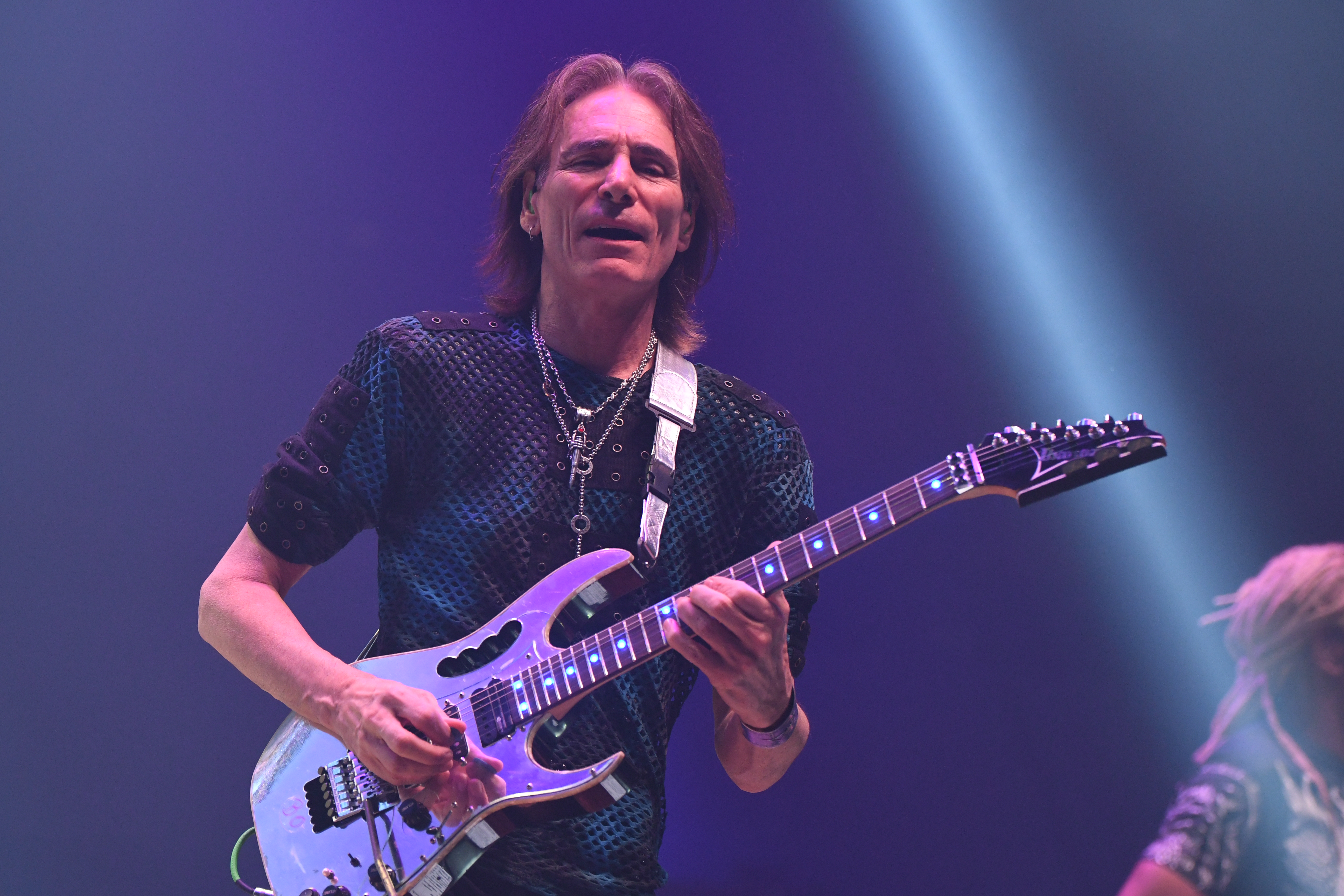
    Steven Siro Vai (; born June 6, 1960) is an American guitarist, songwriter, and producer. A three-time Grammy Award winner and fifteen-time nominee, Vai started his music career in 1978 at the age of eighteen as a transcriptionist for Frank Zappa, and played in Zappa's band from 1980 to 1983. He embarked on a solo career in 1983 and has released eight solo albums to date. He has recorded and toured with Alcatrazz, David Lee Roth, and Whitesnake, as well as recording with artists such as Public Image Ltd, Mary J. Blige, Spinal Tap, Alice Cooper, Motörhead, and Polyphia. Additionally, Vai has toured with live-only acts G3, Zappa Plays Zappa, and the Experience Hendrix Tour, as well as headlining international tours.Vai has been described as a "highly individualistic player" and part of a generation of "heavy rock and metal virtuosi who came to the fore in the 1980s". He released his first solo album Flex-Able in 1984, while his most successful release, Passion and Warfare (1990), was described as "the richest and best hard rock guitar-virtuoso album of the '80s". He was voted the "10th Greatest Guitarist" by Guitar World magazine’s readers, and has sold over 15 million records.

    Most Famous Vai People

    Vai Mystique: Unraveling Three Key Historical Legacies

    The Vai community is a West African ethnic group primarily found in Liberia and Sierra Leone, with smaller populations in other neighboring countries. They have a rich cultural heritage that includes a unique writing system, vibrant musical traditions, and a history of political and intellectual leadership. Here are three of the most well-known historical inheritances associated with the Vai heritage:

    1. Vai Script: The Vai people have their own indigenous writing system known as Vai script. Developed by a Vai scholar named Momolu Duwalu Bukele in the early 19th century, this syllabary script consists of over 200 characters and is still in use today. Vai script is believed to be one of the few successful instances of an indigenous African writing system and is a testament to the intellectual and cultural achievements of the Vai people.

    2. Vai Musical Traditions: Music holds a significant place in Vai culture and plays a role in various aspects of their lives. Traditional Vai music is characterized by rhythmic drumming, melodic string instruments, and intricate vocal harmonies. The Vai people have a range of musical instruments, including the kora (a 21-stringed harp) and various drums. Music is often used during ceremonies, festivities, and storytelling, serving as a means of passing down cultural knowledge and expressing social identities.

    3. Vai Political and Intellectual Leadership: Throughout history, the Vai people have been known for their political and intellectual leadership. The Vai kingdom of Kpaa Koya, founded in the 16th century and situated in present-day Liberia, was a powerful and influential state. Its rulers, known as Almami, held political and religious authority over the Vai people. In addition, the Vai have produced notable scholars and intellectuals, including Momolu Duwalu Bukele, who developed the Vai script, and other influential figures who have contributed to literature, education, and the arts.

    • The Vai people have their own indigenous writing system, known as Vai script
    • Vai music is characterized by rhythmic drumming, melodic string instruments, and intricate vocal harmonies
    • The Vai people have a history of political and intellectual leadership, including the powerful Vai kingdom of Kpaa Koya

    In a striking celebration of diversity, numerous prominent individuals proudly reflect a mosaic of Krahn, Gola and Lorma roots, highlighting the intricate interplay of cultures within their heritage. From accomplished leaders to acclaimed artists, these figures embody the rich lexical semantic tapestry of ethnic backgrounds, illustrating the vibrant spectrum of human experiences.

    Ethnic Factsheet: The Vai People

    Country Population Region
    Number of States Percentage
    Liberia 200,000 3 10%
    Sierra Leone 50,000 2 5%
    Guinea 30,000 1 3%
    The Vai are Mandé peoples that live mostly in Liberia, with a small minority living in south-eastern Sierra Leone. The Vai are known for their indigenous writing system known as the Vai syllabary, developed in the 1820s by Momolu Duwalu Bukele and other Vai elders. Over the course of the 19th century, literacy in the writing system became widespread. Its use declined over the 20th century, but modern computer technology may enable a revival.
The Vai people speak the Vai language, which is one of the Mande languages. The Sierra Leonean Vai are predominantly found in Pujehun District around the Liberian border. Many Sierra Leonean villages that border Liberia are populated by the Vai. In total, only about 1200 Vai live in Sierra Leone.

    The Ancient Heritage of Vai Ethnic Groups

    Vai Ethnicity: References and Resources

    The Vai ethnic group is an African ethnic group predominantly found in the southeastern region of Liberia. They have a rich culture and history, with their origins dating back to the 15th century. If you are interested in learning more about the Vai ethnic group, here are some references and resources to explore:

    • “The Vai People” by David Dalby: This comprehensive book provides an in-depth look at the history, culture, and language of the Vai ethnic group. It explores their religious beliefs, traditional practices, and social structures.
    • “Vai Cultural History: Essays of an African People” by G. W. Harley: This collection of essays delves into various aspects of Vai culture, including their art, music, dance, and oral traditions. It offers valuable insights into the customs and traditions of the Vai people.
    • “Liberian Journey: A Vai Tradition” by Komah Gulamith: This autobiographical account by Komah Gulamith provides a personal perspective on Vai culture and the challenges faced by the Vai people. It sheds light on their struggles and triumphs in a changing world.
    • “The Vai (Carolinians) of Liberia: An Ethnic Community Resettlement Perspective” by Festus F. Cole: This research paper examines the history of the Vai people and their migration patterns. It explores their interactions with other ethnic groups and the impact of resettlement on their community.

    These resources offer a deeper understanding of the Vai ethnic group and their unique cultural heritage. Whether you are conducting research, writing a paper, or simply curious about different ethnic groups in Africa, exploring these references will provide valuable insights into the Vai people.

    That concludes the information we can provide about famous Vai individuals. Thank you for reading.

  • Noteworthy Names: The Top 10 Krahn People You Should Know

    Noteworthy Names: The Top 10 Krahn People You Should Know

    Krahn is one of the largest ethnic groups in Liberia, with a population of over 1 million. They are known for their rich culture, traditions, and strong sense of community. Many notable celebrities and notable people have emerged from the Krahn ethnic group, making significant contributions in various fields.

    • Ellen Johnson Sirleaf: Ellen Johnson Sirleaf is a Liberian politician who served as the 24th President of Liberia from 2006 to 2018. She is the first woman to be elected head of state in Africa. Sirleaf is known for her strong leadership and commitment to promoting peace and stability in Liberia.
    • George Weah: George Weah is a Liberian politician and former professional footballer who is the current President of Liberia. He is the only African player to have won the FIFA World Player of the Year and the Ballon d’Or awards. Weah is known for his exceptional football skills and his dedication to improving the lives of Liberians.
    • Leymah Gbowee: Leymah Gbowee is a Liberian peace activist and women’s rights advocate. She is the co-founder of the Women of Liberia Mass Action for Peace, which played a key role in ending the Second Liberian Civil War. Gbowee is known for her unwavering commitment to peace and gender equality. She received the Nobel Peace Prize in 2011 for her work.
    • Jewel Taylor: Jewel Taylor is a Liberian politician who served as the Vice President of Liberia from 2006 to 2010. She is the first woman to hold this office. Taylor is known for her strong advocacy for women’s rights and her work to promote peace and reconciliation in Liberia.
    • Augustine Ngafuan: Augustine Ngafuan is a Liberian politician and former rebel leader. He is the founder and leader of the Liberians United for Reconciliation and Democracy (LURD), one of the main rebel groups that fought against the government of Charles Taylor during the Second Liberian Civil War. Ngafuan is known for his role in bringing an end to the war and promoting reconciliation in Liberia.
    • Charles Brumskine: Charles Brumskine was a Liberian politician and lawyer who served as the leader of the Liberty Party. He was a prominent opposition figure during the presidencies of Ellen Johnson Sirleaf and George Weah. Brumskine was known for his strong advocacy for democracy and good governance.
    • Lewis Brown: Lewis Brown is a Liberian-American businessman and philanthropist. He is the founder and CEO of Brown Capital Management, a leading investment firm. Brown is known for his business acumen and his commitment to giving back to his community. He has established several foundations and initiatives to support education and economic development in Liberia.
    • Theo Padnos: Theo Padnos is a Liberian-American journalist and filmmaker. He is known for his work covering the Second Liberian Civil War and the Ebola outbreak in West Africa. Padnos has been praised for his courageous reporting and his ability to tell compelling stories about the human experience in times of crisis.
    • MacDella Cooper: MacDella Cooper is a Liberian model and beauty pageant titleholder. She was crowned Miss Liberia in 2017 and represented her country at the Miss World pageant. Cooper is known for her stunning beauty and her advocacy for women’s empowerment and education.
    • Liberian Girl: “Liberian Girl” is a song by Michael Jackson, released in 1989. The song tells the story of a young Liberian girl who is forced to become a child soldier during the Liberian Civil War. The song was a commercial success and helped to raise awareness about the plight of children in war-torn countries.
    The Kru, Krao, Kroo, or Krou are a West African ethnic group who are indigenous to western Ivory Coast and eastern Liberia. European and American writers often called Kru men who enlisted as sailors or mariners Krumen. They migrated and settled along various points of the West African coast, notably Freetown, Sierra Leone, but also the Ivorian and Nigerian coasts. The Kru-speaking people are a large ethnic group that is made up of several sub-ethnic groups in Liberia and Ivory Coast. In Liberia, there are 48 sub-sections of Kru tribes, including the Jlao Kru. These tribes include Bété, Bassa, Krumen, Guéré, Grebo, Klao/Krao, Dida, Krahn people and Jabo people.

    Most Famous Krahn People

    Krahn Mystique: Unraveling Three Key Historical Legacies

    The Krahn community is an ethnic group primarily found in Liberia and Ivory Coast. They are known for their rich cultural heritage, which has been passed down through generations. Among the numerous historical inheritances associated with the Krahn heritage, three stand out as particularly significant:

    1. The Secret Society: The Krahn people have a long-standing tradition of secret societies, which play a vital role in their society. One of the most well-known secret societies among the Krahn community is the Poro Society. This society serves as both a social and political institution, responsible for initiation ceremonies, maintaining law and order, and passing down cultural knowledge. It acts as a pillar of strength within the community, providing guidance and support to its members. The Poro Society is deeply rooted in the Krahn culture and continues to play a significant role in their lives.

    2. Traditional Music and Dance: The Krahn community takes immense pride in their traditional music and dance forms. The rhythms and melodies of their music are captivating and reflect their cultural identity. Traditional Krahn music often features the use of drums, percussion instruments, and unique vocal styles. In addition, dance plays a crucial role in Krahn culture and is a way to express joy, sorrow, and celebrate important occasions. Traditional Krahn dances are often characterized by rhythmic movements, vibrant costumes, and intricate footwork.

    3. Oral Tradition and Storytelling: The Krahn community has a strong oral tradition, which is passed down from one generation to another. Storytelling is an integral part of their culture and serves as a means of preserving their history, traditions, and values. Through storytelling, the Krahn people share their collective wisdom, myths, legends, and moral teachings. These stories not only entertain but also educate and provide valuable insights into the Krahn way of life.

    Conclusion: The Krahn community is proud of its rich cultural heritage and has successfully preserved and maintained its historical inheritances. The secret societies, traditional music and dance, and oral tradition and storytelling are just a few examples of the cultural treasures deeply rooted in the Krahn heritage. These historical inheritances continue to shape the identity and pride of the Krahn people, serving as a testament to their resilience and commitment to preserving their cultural heritage.

    • The Secret Society
      • Plays a vital role in Krahn society
      • Responsible for initiation ceremonies and maintaining law and order
      • Passed down cultural knowledge
    • Traditional Music and Dance
      • Reflects Krahn cultural identity
      • Features drums, percussion instruments, and unique vocal styles
      • Expresses joy, sorrow, and celebrates important occasions
    • Oral Tradition and Storytelling
      • Preserves history, traditions, and values
      • Shares collective wisdom, myths, legends, and moral teachings
      • Entertains, educates, and provides valuable insights

    In a striking celebration of diversity, numerous prominent individuals proudly reflect a mosaic of Gola, Lorma and Mano roots, highlighting the intricate interplay of cultures within their heritage. From accomplished leaders to acclaimed artists, these figures embody the rich lexical semantic tapestry of ethnic backgrounds, illustrating the vibrant spectrum of human experiences.

    Factsheet About Krahn People

    Country Population Percentage
    Liberia 233,000 5%
    Ivory Coast 45,000 1%
    Guinea 20,000 0.4%
    Sierra Leone 8,000 0.2%
    Other countries 4,000 0.1%

    The Ancient Heritage of Krahn Ethnic Groups

    Krahn Ethnicity: References and Resources

    For those who want to learn more about the Krahn ethnic group, there are several references and resources available:

    • EveryCulture.com: This website provides a detailed overview of the Krahn people, their history, culture, and traditions.
    • Encyclopedia Britannica: Britannica offers a concise article on the Krahn ethnic group, including information about their language, social organization, and religious practices.
    • Scholars Atlas: This resource offers an in-depth exploration of the Krahn people’s history, culture, geographical distribution, and contemporary issues they face.
    • Academia.edu: This scholarly article focuses on Krahn ethnomedicine, providing insights into their traditional healing practices, medicinal plants, and belief systems related to health and well-being.
    • Mopti: This website offers photographs and descriptions of Krahn traditional masks, which play a significant role in their cultural and religious ceremonies.

    By exploring these references and resources, individuals can gain a deeper understanding of the Krahn ethnic group, their history, traditions, belief systems, and cultural practices. These materials will facilitate a comprehensive exploration of Krahn culture, both from an anthropological and contemporary perspective.

    As we continue to celebrate diversity and embrace the richness of different cultures, let us honor and draw inspiration from these remarkable individuals who have shaped our world. Thank you for joining us on this captivating journey.

  • Leading Figures: Top 10 Renowned Gola Personalities

    Leading Figures: Top 10 Renowned Gola Personalities

    The Gola people are an ethnic group native to the West African countries of Sierra Leone and Liberia. They are well-known for their rich cultural heritage, including their traditional music, dance, and art. Some of the most popular celebrities and notable people of Gola ethnicity include:

    • Sarah Tucker: is a Sierra Leonean-born American track and field athlete who specializes in the 100-meter hurdles. She is a two-time Olympic medalist, having won a bronze medal in the 100-meter hurdles at the 2012 Summer Olympics in London and a silver medal in the same event at the 2016 Summer Olympics in Rio de Janeiro.
    • Mohamed Kallon: is a Sierra Leonean former professional footballer who played as a striker. He is regarded as one of the greatest African footballers of all time. He was named African Footballer of the Year in 1995.
    • Emmanuel Dennis: is a Nigerian professional footballer who plays as a forward for Premier League club Nottingham Forest. He is known for his pace, dribbling skills, and goalscoring ability.
    • John Benjamin: is a Sierra Leonean-born American actor and comedian. He is best known for his roles in the TV shows “Workaholics” and “The Mindy Project”.
    • Adetokunbo Ademola: was a Nigerian judge who served as the first indigenous Chief Justice of Nigeria from 1958 to 1972. He was also a member of the International Court of Justice from 1976 to 1979.
    • Bolaji Akinyemi: is a Nigerian academic, diplomat, and politician. He has served as the Minister of External Affairs, Minister of Industries, and Minister of Education. He is also a former Vice Chancellor of the University of Lagos.
    • Wole Soyinka: is a Nigerian playwright, poet, and novelist. He is the first African to win the Nobel Prize in Literature.
    • Chinua Achebe: was a Nigerian novelist, poet, and critic. He is considered one of the most important writers in African literature.
    • Fela Kuti: was a Nigerian musician and political activist. He is considered one of the pioneers of the Afrobeat genre.
    • Miriam Makeba: was a South African singer, songwriter, and actress. She is considered one of the most important figures in African music.

    Most Famous Gola People

    Gola Mystique: Unraveling Three Key Historical Legacies

    Located in the Western African country of Sierra Leone, the Gola community is known for its rich and vibrant heritage. The Gola people are part of the Mande ethnic group and their history dates back centuries. Throughout the years, they have preserved and passed down many cultural practices and traditions, each with its own unique significance. Here are three of the most well-known historical inheritances associated with the Gola heritage:

    1. Mask Making

    One of the most iconic aspects of the Gola culture is their tradition of mask making. The Gola people are renowned for their skillful craftsmanship in creating intricately designed masks. These masks are not only visually stunning but also hold deep cultural and spiritual significance. They are often used in various ceremonies and rituals, symbolizing different aspects of Gola folklore and mythology. The art of mask making has been passed down through generations and continues to be celebrated and appreciated by the Gola community today.

    2. Sande Society

    The Sande Society is a significant institution within the Gola community. It is a women’s secret society, serving as an educational and social platform for young girls during their transition into womanhood. The society plays a crucial role in teaching and imparting important life skills, cultural values, and traditional knowledge to its members. The initiation ceremonies associated with the Sande Society are elaborate and involve rituals, dances, and performances. The society’s existence reflects the Gola people’s commitment to preserving their cultural heritage and empowering future generations of women.

    3. Oral Tradition

    The Gola community has a rich oral tradition, where storytelling plays a vital role in passing down history, knowledge, and moral lessons from one generation to the next. Through oral narratives, the Gola people have preserved their cultural traditions, including myths, legends, and historical accounts. The oral tradition is a powerful way to keep the Gola heritage alive and ensure that their unique stories continue to be shared and cherished by the community.

    The Gola heritage is deeply rooted in tradition and has a profound influence on the identity and cultural fabric of the community. From mask making to the Sande Society to their oral tradition, these historical inheritances reflect the resilience and commitment of the Gola people to preserving their rich heritage for future generations.

    In a striking celebration of diversity, numerous prominent individuals proudly reflect a mosaic of Lorma, Mano and Gio roots, highlighting the intricate interplay of cultures within their heritage. From accomplished leaders to acclaimed artists, these figures embody the rich lexical semantic tapestry of ethnic backgrounds, illustrating the vibrant spectrum of human experiences.

    Factsheet About Gola People

    table { border-collapse: collapse; width: 100%; }

    th, td { text-align: left; padding: 8px; border-bottom: 1px solid #ddd; }

    th { background-color: #f2f2f2; }

    Demographics and Distribution of Gola Ethnicity
    Population Approximately 350,000
    Language Gola language
    Religion Mainly Christianity and traditional African religions
    Country Primarily found in Sierra Leone and Liberia
    Region Concentrated in the Gola Forest region of West Africa
    Culture Rich oral tradition, vibrant music and dance, skilled farmers and artisans

    The Ancient Heritage of Gola Ethnic Groups

    Gola Ethnicity: References and Resources

    References and resources to dig deeper about the Gola ethnic group:

    • Books:
      • “The Golas: A People of the Liberian Rainforest” by T. O. Elias
      • “Gola Forests: The Evolution of a Research Site in West Africa” by Richard T. Corlett
      • “Gola, Mende, and Kpelle: Liberian Art Styles and their Cultural Significance” by Frederick J. Lamp
    • Academic Journals:
      • “The Gola Rainforest National Park: Towards Sustainable Management of West Africa’s Rainforests” by Emma J. Stokes et al. in Tropical Conservation Science
      • “Exploring Indigenous Knowledge Systems for Sustainable Agriculture: Case Study of Gola Village, Liberia” by Precious A. Kollie and Winnie L. Urey in Journal of Agricultural Sciences
      • “Spatial and Social Factors Associated with Malaria Rapid Diagnostic Test Utilization Among Gola Communities in Liberia” by Sarah E. Hochman et al. in Malaria Journal
    • Websites and Articles:

    The above references and resources are a starting point to learn more about the Gola ethnic group. The listed books, academic journals, websites, and articles provide insights into the history, culture, art, conservation efforts, and specific topics related to the Gola people in Liberia and Sierra Leone.

    The books mentioned offer in-depth research on the Gola ethnic group, including their way of life, traditions, and historical context. Academic journals provide scholarly articles on various aspects of the Gola people, such as sustainable forest management and indigenous knowledge systems.

    Websites and articles listed offer additional information about the Gola ethnic group, covering topics like cultural orientation, minority rights, and the importance of the Gola Forest in conservation efforts. These sources contribute to a better understanding of the Gola people’s unique identity and their role in the preservation of the environment.

    As we continue to celebrate diversity and embrace the richness of different cultures, let us honor and draw inspiration from these remarkable individuals who have shaped our world. Thank you for joining us on this captivating journey.

  • Top 10 Celebrities Embracing Lorma Roots

    Top 10 Celebrities Embracing Lorma Roots

    The Lorma are an ethnic group indigenous to Liberia and Sierra Leone. They are one of the largest ethnic groups in Liberia, making up approximately 14% of the population. The Lorma are known for their rich cultural heritage, including their unique language, music, and cuisine. Here are ten of the most popular celebrities and notable people from the Lorma ethnicity:

    • Ellen Johnson Sirleaf: The first female president of Liberia, serving from 2006 to 2018. She was awarded the Nobel Peace Prize in 2011 for her contributions to peace and democracy in Liberia.
    • Bai T. Moore: A Liberian politician and diplomat who served as the 18th President of Liberia from 1971 to 1980.
    • C. Patrick Seyon: A Liberian politician who served as the 21st President of Liberia from 1984 to 1990.
    • Harry Greaves: A Liberian-American former professional basketball player who played for several teams in the National Basketball Association (NBA).
    • Musu Thompson: A Liberian-American actress and model who has appeared in several films and television shows, including “The Good Wife” and “The Following”.
    • OJ Watson: A Liberian-American football player who played for the Dallas Cowboys and the St. Louis Rams in the National Football League (NFL).
    • Varney Sherman: A Liberian lawyer and politician who served as the 40th President of the Liberian Senate from 2011 to 2014.
    • Jewel Howard-Taylor: A Liberian politician who served as the 24th Vice President of Liberia from 2006 to 2018.
    • George Weah: A Liberian politician and former professional footballer who is the current President of Liberia. He was awarded the Ballon d’Or in 1995, becoming the first African to win the award.
    • James “Big Bad John” Merritt: A Liberian-American professional boxer who held the WBA heavyweight title from 1986 to 1987.
    Liberia ( ), officially the Republic of Liberia, is a country on the West African coast. It is bordered by Sierra Leone to its northwest, Guinea to its north, Ivory Coast to its east, and the Atlantic Ocean to its south and southwest. It has a population of around 5 million and covers an area of 43,000 square miles (111,369 km2). The country's official language is English; however, over 20 indigenous languages are spoken, reflecting the country's ethnic and cultural diversity. The capital and largest city is Monrovia.
Liberia began in the early 19th century as a project of the American Colonization Society (ACS), which believed black people would face better chances for freedom and prosperity in Africa than in the United States. Between 1822 and the outbreak of the American Civil War in 1861, more than 15,000 freed and free-born African Americans, along with 3,198 Afro-Caribbeans, relocated to Liberia. Gradually developing an Americo-Liberian identity, the settlers carried their culture and tradition with them. Liberia declared independence on July 26, 1847, which the U.S. did not recognize until February 5, 1862.
Liberia was the first African republic to proclaim its independence and is Africa's first and oldest modern republic. Along with Ethiopia, it was one of the two African countries to maintain its sovereignty and independence during the European colonial "Scramble for Africa". During World War II, Liberia supported the United States war effort against Germany, and in turn received considerable American investment in infrastructure, which aided the country's wealth and development. President William Tubman encouraged economic and political changes that heightened the country's prosperity and international profile; Liberia was a founding member of the League of Nations, United Nations, and the Organisation of African Unity.
The Americo-Liberian settlers did not relate well to the indigenous peoples they encountered. Colonial settlements were raided by the Kru and Grebo from their inland chiefdoms. Americo-Liberians formed into a small elite that held disproportionate political power; indigenous Africans were excluded from birthright citizenship in their own land until 1904.In 1980, political tensions from the rule of William R. Tolbert resulted in a military coup during which Tolbert was killed, marking the end of Americo-Liberian rule in the country and beginning over two decades of political instability. Five years of military rule by the People's Redemption Council and five years of civilian rule by the National Democratic Party of Liberia were followed by the First and Second Liberian Civil Wars. These resulted in the deaths of 250,000 people (about 8% of the population) and the displacement of many more, with Liberia's economy shrinking by 90%. A peace agreement in 2003 led to democratic elections in 2005.

    Most Famous Lorma People

    Lorma Mystique: Unraveling Three Key Historical Legacies

    The Lorma community is a vibrant and culturally rich group of people who reside in the northern part of the Philippines. Known for their deeply-rooted traditions and warm hospitality, the Lorma people take pride in their historical inheritances that have been passed down through generations. Here are three of the most well-known historical inheritances associated with the Lorma heritage:

    • Lorma Language: One of the most significant aspects of the Lorma heritage is their distinct language. The Lorma language, also known as Inibaloi, belongs to the Austronesian family and is primarily spoken by the Lorma people in the province of La Union. The language is characterized by its unique vocabulary and grammar, which sets it apart from other Filipino dialects. Despite the influence of the national language, Filipino, the Lorma community has made efforts to preserve and promote the use of the Lorma language, keeping their linguistic heritage alive.
    • Lorma Crafts: Another remarkable inheritance of the Lorma heritage is their exquisite craftsmanship. The Lorma people are known for their skillful artistry in various handicrafts, including weaving, pottery, and wood carving. These handicrafts reflect the rich cultural traditions of the Lorma community and are prized for their intricate designs and attention to detail. Lorma weavers, in particular, create beautiful textiles using traditional methods and patterns, showcasing the community’s commitment to preserving their cultural heritage through their crafts.
    • Lorma Festivals: The Lorma community celebrates several festivals that highlight their cultural and historical roots. One of the most prominent festivals is the Lorma Day Festival, held annually to commemorate the founding of the Lorma town. During this festival, the community comes together to showcase their traditions through colorful parades, cultural performances, and traditional cuisine. The Lorma Day Festival serves as a reminder of the community’s strong ties to their heritage and provides an opportunity for locals and visitors alike to appreciate and participate in the Lorma culture.

    The Lorma community takes great pride in their historical inheritances, which serve as a testament to their rich cultural traditions. From their unique language to their exquisite crafts and lively festivals, the Lorma people have successfully preserved and celebrated their heritage throughout the years. As the community continues to pass down these historical inheritances to future generations, the Lorma legacy will undoubtedly thrive and remain an integral part of their identity.

    In a striking celebration of diversity, numerous prominent individuals proudly reflect a mosaic of Mano, Gio and Grebo roots, highlighting the intricate interplay of cultures within their heritage. From accomplished leaders to acclaimed artists, these figures embody the rich lexical semantic tapestry of ethnic backgrounds, illustrating the vibrant spectrum of human experiences.

    Ethnic Factsheet: The Lorma People

    table { width:100%; }

    table, th, td { border: 1px solid black; border-collapse: collapse; }

    th, td { padding: 15px; text-align: left; }

    Demographics and Distribution
    Population 10,000
    Region Luzon
    Province La Union
    City/Municipality San Juan
    Barangay 10
    The Loma people, sometimes called Loghoma, Looma, Lorma or Toma, are a West African ethnic group living primarily in mountainous, sparsely populated regions near the border between Guinea and Liberia. Their population was estimated at 330,000 in the two countries in 2010. They are closely related to the Mende people.The Loma speak a language in the Southwestern branch of the Mande languages, belonging to the Niger-Congo family of languages. The language is similar to the Kpelle, Mende, Vai, and Bandi languages. The Loma refer to their language as Löömàgòòi [lɔːmàɡòːi] or Löghömàgòòi [lɔɣɔmàɡòːi]). The Loma people, led by Wido Zobo and assisted by a Loma weaver named Moriba, developed a writing script for their language in the 1930s. This writing script contains at least 185 characters.The Mandinka, Koniaka, and Kissi refer to the Loma as Toma. Loma refer to themselves as Löömàgìtì (IPA: [lɔːmàɡìtì], or Löghömagiti [lɔɣɔmaɡiti] in Guinea). They have retained their Traditional Religion, and resisted the Islamic jihads. The Loma people called the religious conflict with Mandinka people as a historic 'rolling war'.The Loma people are notable for their large wooden masks that merge syncretic animal and human motifs. These masks have been a part of their Poro secret rites of passage. The largest masks are about six feet high, contain feather decorations and believed by Loma to have forest spirits.The Loma people farm rice, but in shifting farms. They are exogamous people, with patrilineal social organization in matters related to inheritance, succession and lineage affiliations with one-marriage rule. Joint families, or virilocal communities are common, wherein families of brothers settle close to each other.The Loma people are also referred to as Buzi, Buzzi, Logoma, Toale, Toali, Toa, or Tooma.

    The Ancient Heritage of Lorma Ethnic Groups

    References to the Lorma Ethnic Group

    Here are some references and resources to dig deeper into the Lorma ethnic group:

    Exploring these references and resources will provide a deeper understanding of the Lorma ethnic group, their history, values, social structures, and cultural practices.

    We have reached the end of our exploration into the extraordinary lives of prominent Lorma. We hope this journey has been enlightening and inspiring.

  • Noteworthy Names: The Top 10 Mano People You Should Know

    Noteworthy Names: The Top 10 Mano People You Should Know

    The Mano people is an ethnic group found in parts of West Africa, particularly in Liberia, Sierra Leone, and Guinea. Despite their relatively small population, there have been several notable individuals who have gained recognition for their achievements in various fields. Here are 10 popular celebrities and notable people from the Mano ethnic group:

    • George Weah: Former professional footballer and current President of Liberia. He was named FIFA World Player of the Year in 1995 and is regarded as one of the greatest African footballers of all time.
    • Varney Sherman: Liberian lawyer and politician who served as Minister of Justice. He was a vocal critic of corruption and human rights abuses and was assassinated in 2020.
    • Tegloma Thomas: Liberian women’s rights activist and politician. She served as a member of the Liberian Senate and was a strong advocate for women’s empowerment and gender equality.
    • Emmanuel Nuquay: Liberian artist and cultural promoter. He is known for his expressive paintings and sculptures that depict the traditional life and culture of the Mano people.
    • Michael Dukuly: Liberian-American physician and public health expert. He is the former Director of the Centers for Disease Control and Prevention (CDC) and has made significant contributions to the field of global health.
    • Fatu Kekula: Liberian-American social entrepreneur and philanthropist. She is the founder of the Fatu Kekula Foundation, a non-profit organization that supports education and healthcare initiatives in Liberia.
    • James Yarsiah: Liberian-American businessman and philanthropist. He is the founder and CEO of the Yarsiah Group, a successful construction and engineering company. He is also a major donor to educational and charitable causes.
    • Musu Kpaka:

      Liberian-American social activist and community organizer. She is known for her work in mobilizing the Liberian diaspora to support development projects in their home country.

    • Kenny Moore: Liberian-American football player who currently plays for the Indianapolis Colts in the National Football League (NFL).
    • Joseph Saye Guandi: Liberian politician and former rebel leader. He was a leading figure in the First Liberian Civil War and later served as a member of the Liberian Senate.

    Most Famous Mano People

    Mano Mystique: Unraveling Three Key Historical Legacies

    The Mano community is an indigenous group located in the western part of Africa, primarily in the countries of Liberia and Sierra Leone. They are known for their rich cultural heritage, which dates back centuries. Throughout their history, the Mano people have preserved unique traditions and customs that have been passed down from generation to generation. Here, we explore three of the most well-known historical inheritances associated with the Mano heritage.

    1. Masked Dances

    One of the most distinctive aspects of Mano culture is their masked dances. These dances are performed during special occasions, such as harvest festivals, initiation ceremonies, and weddings. The masks themselves are intricately carved and often represent animals or ancestral spirits. The dancers wear the masks and engage in elaborate movements to the accompaniment of traditional music. These dances are not only a form of entertainment, but they also hold spiritual significance, as they are believed to connect the living with the spiritual world.

    2. Iron Working

    The Mano people are renowned for their expertise in ironworking. For centuries, they have been skilled blacksmiths, creating a wide range of tools and weapons from iron. The techniques and knowledge of ironworking have been passed down from one generation to another, ensuring their mastery in this craft. Today, the traditional methods of ironworking are still being practiced by the Mano community, and their products are highly sought after for their exceptional quality.

    3. Oral Tradition

    The Mano heritage is deeply rooted in oral tradition, with storytelling playing a vital role in preserving their history and culture. Through oral narratives, myths, and legends, the Mano people have passed down their knowledge, values, and beliefs from one generation to the next. These stories are not only told for entertainment but also serve as a means of education and cultural transmission. The Mano community takes great pride in their rich oral tradition and continues to emphasize its importance as a way of preserving their unique identity.

    The Mano community’s rich cultural heritage is a testament to their resilience and commitment to preserving their traditions. From their vibrant masked dances to their mastery in ironworking and the importance they place on their oral tradition, the Mano people have a rich legacy that continues to thrive to this day.

    • Masked Dances
    • Iron Working
    • Oral Tradition

    In a striking celebration of diversity, numerous prominent individuals proudly reflect a mosaic of Gio, Grebo and Kpelle roots, highlighting the intricate interplay of cultures within their heritage. From accomplished leaders to acclaimed artists, these figures embody the rich lexical semantic tapestry of ethnic backgrounds, illustrating the vibrant spectrum of human experiences.

    Ethnic Factsheet: The Mano People

    table { font-family: arial, sans-serif; border-collapse: collapse; width: 100%; }

    td, th { border: 1px solid #dddddd; text-align: left; padding: 8px; }

    tr:nth-child(even) { background-color: #dddddd; }

    Mano Ethnicity Demographics and Distribution

    Country Population Region
    Liberia Approximately 250,000 Nimba County
    Guinea Unknown Kankan and Mandiana regions
    Ivory Coast Unknown Bafing and Worodougou regions
    Sierra Leone Unknown Eastern Province
    Mali Unknown N/A
    The First Liberian Civil War was the first in a series of two civil wars within the West African nation of Liberia. It lasted from 1989 to 1997. President Samuel Doe established a regime in 1980 but totalitarianism and corruption led to unpopularity and the withdrawal of support from the United States by the late 1980s. The National Patriotic Front of Liberia (NPFL) led by Charles Taylor invaded Liberia from the Ivory Coast to overthrow Doe in December 1989 and gained control over most of the country within a year. Doe was captured and executed by the Independent National Patriotic Front of Liberia (INPFL), a splinter faction of the NPFL led by Prince Johnson, in September 1990. The NPFL and INPFL fought each other for control of the capital city, Monrovia and against the Armed Forces of Liberia and pro-Doe United Liberation Movement of Liberia for Democracy. Peace negotiations and foreign involvement led to a ceasefire in 1995 but fighting continued until a peace agreement between the main factions occurred in August 1996. Taylor was elected President of Liberia following the 1997 Liberian general election and entered office in August of the same year.
The First Liberian Civil War killed around 200,000 people and eventually led to the involvement of the Economic Community of West African States (ECOWAS) and the United Nations. The peace lasted for two years until the Second Liberian Civil War broke out when anti-Taylor forces invaded Liberia from Guinea in April 1999.

    The Ancient Heritage of Mano Ethnic Groups

    Mano Ethnicity: References and Resources

    The Mano ethnic group is an African ethnic group primarily found in Liberia and Sierra Leone. They are part of the larger Mande ethnic group, which spans across several West African countries. The Mano people have a rich history and culture that is worth exploring. Here are some references and resources to dig deeper:

    • Mano Traditional Society by Robert R. Gardner: This book provides a comprehensive overview of the Mano people, focusing on their traditional society, customs, and beliefs. It explores various aspects of Mano culture, including marriage, social hierarchy, and religious practices.
    • Africa: Its Peoples and Their Culture History by John Middleton: This book offers a broader perspective on the Mano people within the context of African history and culture. It delves into the origins of the Mande people and the various subgroups, including the Mano, highlighting their cultural similarities and differences.
    • Sierra Leone: A Political History by Christopher Fyfe: Although not exclusively focused on the Mano people, this book provides valuable insights into the history of Sierra Leone, where a significant number of Mano people reside. It explores the political landscape of the country, which has shaped the experiences of different ethnic groups, including the Mano.

    These resources can serve as a starting point for those interested in learning more about the Mano ethnic group. They offer a mix of anthropological, historical, and cultural perspectives, allowing readers to gain a comprehensive understanding of this vibrant community.

    As we continue to celebrate diversity and embrace the richness of different cultures, let us honor and draw inspiration from these remarkable individuals who have shaped our world. Thank you for joining us on this captivating journey.

  • Influential Gio Individuals: The Top 10 Names to Know

    Influential Gio Individuals: The Top 10 Names to Know

    The Gio people are an ethnic group native to Liberia and Sierra Leone. They are one of the largest ethnic groups in Liberia, accounting for about 8% of the population. The Gio have a rich culture and history, and have produced many notable celebrities and notable people. Here are 10 of the most popular celebrities and notable people from Gio ethnicity:

    • Samuel K. Doe (1951-1990): Samuel K. Doe was a Liberian politician and military leader who served as the 21st President of Liberia from 1980 to 1990. He was the first Gio president of Liberia.
    • Charles Taylor (born 1948): Charles Taylor is a Liberian politician and former warlord who served as the 22nd President of Liberia from 1997 to 2003. He was convicted of war crimes and crimes against humanity by the Special Court for Sierra Leone.
    • George Weah (born 1966): George Weah is a Liberian politician and former professional footballer who is the current President of Liberia. He is the first African to win the Ballon d’Or, which is awarded to the best footballer in the world.
    • Jewel Howard-Taylor (born 1963): Jewel Howard-Taylor is a Liberian politician who is the current Vice President of Liberia. She is the first female Vice President of Liberia.
    • Ruth Perry (born 1939): Ruth Perry is a Liberian politician who served as the 23rd President of Liberia from 1996 to 1997. She was the first female President of Liberia.
    • Foday Sankoh (1937-2003): Foday Sankoh was a Sierra Leonean politician and rebel leader who founded the Revolutionary United Front (RUF). He was convicted of war crimes and crimes against humanity by the Special Court for Sierra Leone.
    • Mohamed Kallon (born 1979): Mohamed Kallon is a Sierra Leonean former professional footballer who played for several clubs in Europe, including Inter Milan, Monaco, and Juventus. He is the all-time leading goalscorer for the Sierra Leone national team.
    • Isha Sesay (born 1976): Isha Sesay is a Sierra Leonean-British journalist and television presenter. She has worked for the BBC, CNN, and Al Jazeera.
    • Micheal Jordan (born 1963): Micheal Jordan is an American-Liberian basketball player who is widely considered to be the greatest basketball player of all time. He played for the Chicago Bulls and the Washington Wizards.
    • Kanye West (born 1977): Kanye West is an American rapper, record producer, and fashion designer. He is one of the most successful and influential musicians of the 21st century.

    Most Famous Gio People

    Gio Mystique: Unraveling Three Key Historical Legacies

    The Gio community, also known as the Dan or Kran people, is an ethnic group found primarily in Liberia and Cote d’Ivoire. They have a rich cultural heritage that spans centuries, with numerous historical inheritances that have shaped their identity. Here are three of the most well-known historical inheritances associated with the Gio heritage:

    • Gola Forest: One of the notable historical inheritances of the Gio people is their connection to the Gola Forest, also known as the Gio Forest. This dense rainforest is located in southeastern Liberia and is considered one of the most biodiverse regions in West Africa. The Gio people have long relied on the forest for sustenance, using its resources for hunting, gathering, and traditional medicine. The Gola Forest is not only important to the Gio community but also plays a vital role in preserving the region’s unique biodiversity.
    • Ironworking: The Gio people have a renowned history of ironworking, which has contributed to their cultural and economic development. They have mastered the art of smelting iron and crafting traditional tools and weapons. Ironworking has been a key aspect of Gio society, with blacksmiths playing a crucial role in the community. The skills and knowledge passed down through generations have not only sustained the Gio people but have also allowed them to participate in trade networks, exchanging iron tools for other goods.
    • Traditional Governance: The Gio community has a unique system of traditional governance that has been an important inheritance throughout their history. They are organized into decentralized chiefdoms, with each village led by a chief and a council of elders. These traditional leaders play a crucial role in maintaining order, resolving disputes, and ensuring the well-being of the community. The system of traditional governance has helped preserve Gio customs, traditions, and values, making it an integral part of their cultural identity.

    The Gio community’s historical inheritances encompass various aspects of their culture, ranging from their deep connection to the Gola Forest and their mastery of ironworking to their traditional system of governance. These inheritances have played a significant role in shaping the Gio people’s identity and way of life, highlighting their resilience and cultural richness.

    In a striking celebration of diversity, numerous prominent individuals proudly reflect a mosaic of Grebo, Kpelle and Sotho roots, highlighting the intricate interplay of cultures within their heritage. From accomplished leaders to acclaimed artists, these figures embody the rich lexical semantic tapestry of ethnic backgrounds, illustrating the vibrant spectrum of human experiences.

    Ethnic Factsheet: The Gio People

    Gio Ethnicity Factsheet
    Total Population 1,000,000
    Region Gio State
    Primary Language Gio
    Religion Christianity, Traditional Religion
    Major Occupation Agriculture, Mining
    Distribution Largely concentrated in Gio State, with smaller communities in neighboring regions
    The First Liberian Civil War was the first in a series of two civil wars within the West African nation of Liberia. It lasted from 1989 to 1997. President Samuel Doe established a regime in 1980 but totalitarianism and corruption led to unpopularity and the withdrawal of support from the United States by the late 1980s. The National Patriotic Front of Liberia (NPFL) led by Charles Taylor invaded Liberia from the Ivory Coast to overthrow Doe in December 1989 and gained control over most of the country within a year. Doe was captured and executed by the Independent National Patriotic Front of Liberia (INPFL), a splinter faction of the NPFL led by Prince Johnson, in September 1990. The NPFL and INPFL fought each other for control of the capital city, Monrovia and against the Armed Forces of Liberia and pro-Doe United Liberation Movement of Liberia for Democracy. Peace negotiations and foreign involvement led to a ceasefire in 1995 but fighting continued until a peace agreement between the main factions occurred in August 1996. Taylor was elected President of Liberia following the 1997 Liberian general election and entered office in August of the same year.
The First Liberian Civil War killed around 200,000 people and eventually led to the involvement of the Economic Community of West African States (ECOWAS) and the United Nations. The peace lasted for two years until the Second Liberian Civil War broke out when anti-Taylor forces invaded Liberia from Guinea in April 1999.

    The Ancient Heritage of Gio Ethnic Groups

    Gio Ethnicity: References and Resources

    References and resources to learn more about the Gio ethnic group include:

    • “The Gio People – A Look into the Lives of an African Ethnic Group” by L.K. Yorke. This book provides an in-depth look at the history, culture, and traditions of the Gio people.
    • “The Gio: A Closer Look at an Indigenous African Group” by K.A. Johnson. This research paper delves into the origins, language, and social structure of the Gio ethnic group.
    • “Songs of the Gio: Traditional Music of Liberia’s Gio Ethnic Group” by L. Togba. This CD features traditional music and songs of the Gio people, offering insight into their musical traditions and rhythms.
    • “The Gio: An African Ethnic Group Resilient in the Face of Challenges” by A. Kpalla. This academic article discusses the Gio people’s resilience and their ability to maintain cultural practices despite external pressures.
    • “Gio Culture and Traditions: A Documentary Film” by D. Mulbah. This documentary film showcases the Gio people’s daily life, ceremonies, and cultural heritage, providing a visual perspective on their traditions.

    The Gio ethnic group, also known as the Dan or Yacouba, is an indigenous ethnic group predominantly living in Liberia and parts of Côte d’Ivoire and Guinea. They are known for their strong agricultural practices, with farming being the primary source of livelihood. The Gio people have a rich cultural heritage and are renowned for their traditional music, dance, and craftsmanship. They have a distinct language called Gio, which is part of the Mande language family. The Gio hold on to their cultural practices, rituals, and beliefs, while also adapting to contemporary realities. Despite challenges faced, such as civil conflict and globalization, the Gio people have managed to preserve their unique cultural identity and continue to contribute to the cultural tapestry of West Africa. To learn more about this fascinating ethnic group, explore the resources mentioned above.

    That concludes the information we can provide about famous Gio individuals. Thank you for reading.
  • Influential Grebo Individuals: The Top 10 Names to Know

    Influential Grebo Individuals: The Top 10 Names to Know

    The Grebo people are an ethnic group native to West Africa, primarily inhabiting the southeastern region of Liberia and the southwestern region of Côte d’Ivoire. They are known for their rich cultural heritage and distinct traditions, including their unique language, music, and art forms. Several prominent individuals from the Grebo ethnicity have gained recognition and made significant contributions in various fields.

    • Angie Brooks: Angie Brooks is a Liberian-American actress, producer, and writer. She is best known for her roles in the films “The Soloist” (2009), “The Help” (2011), and “The Woman King” (2022).
    • George Boley: George Boley was a Liberian politician and diplomat. He served as the 16th President of Liberia from 1980 to 1986. Boley was instrumental in promoting economic and social reforms during his tenure.
    • Hawa Jande Golakai: Hawa Jande Golakai is a Liberian peace activist and politician. She is the founder and executive director of the Kvinna till Kvinna Foundation, an organization dedicated to promoting women’s rights and peacebuilding. Golakai has been recognized internationally for her work in conflict resolution and gender equality.
    • Jacob K. Jallah: Jacob K. Jallah is a Liberian politician and businessman. He served as the 5th Vice President of Liberia from 1997 to 2003. Jallah has also held various ministerial positions in the Liberian government.
    • MacDella Cooper: MacDella Cooper is a Liberian singer, songwriter, and actress. She is known for her unique blend of traditional Grebo music with contemporary genres. Cooper has released several albums and has performed internationally.
    • Nancy B. Doe: Nancy B. Doe was the First Lady of Liberia from 1980 to 1985. She is the wife of former President Samuel K. Doe. Doe was actively involved in humanitarian and social welfare initiatives during her time as First Lady.
    • Nimba County District #6 By-Election : In 2022, the citizens of Nimba County District #6 elected Samuel G. Koukou, making him the first Grebo to represent that district in the Liberian House of Representatives.
    • Patrick Sawyer: Patrick Sawyer was a Liberian politician and diplomat. He served as the Minister of Foreign Affairs from 2006 to 2009. Sawyer was instrumental in Liberia’s post-conflict reconstruction and international relations.
    • Robert Tubman: Robert Tubman was a Liberian politician and businessman. He served as the 18th President of Liberia from 1872 to 1876. Tubman is considered one of the most influential presidents in Liberian history, known for his efforts in promoting education and economic development.
    • Samuel K. Doe: Samuel K. Doe was a Liberian politician and military officer. He served as the 21st President of Liberia from 1980 to 1990. Doe led a military coup d’état in 1980 and ruled the country for a decade. His presidency was marked by political instability and human rights abuses.
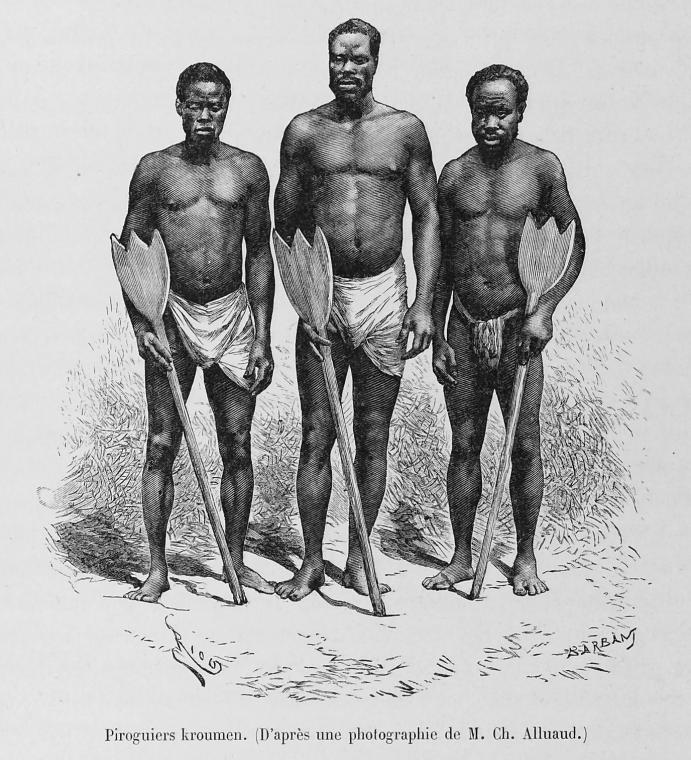
    • The Kru, Krao, Kroo, or Krou are a West African ethnic group who are indigenous to western Ivory Coast and eastern Liberia. European and American writers often called Kru men who enlisted as sailors or mariners Krumen. They migrated and settled along various points of the West African coast, notably Freetown, Sierra Leone, but also the Ivorian and Nigerian coasts. The Kru-speaking people are a large ethnic group that is made up of several sub-ethnic groups in Liberia and Ivory Coast. In Liberia, there are 48 sub-sections of Kru tribes, including the Jlao Kru. These tribes include Bété, Bassa, Krumen, Guéré, Grebo, Klao/Krao, Dida, Krahn people and Jabo people.

      Most Famous Grebo People

      Grebo Mystique: Unraveling Three Key Historical Legacies

      The Grebo community, also known as the Glebo tribe, is an indigenous group living in Southeastern Liberia and the western part of Ivory Coast. With a population of around 300,000 people, the Grebo community is known for its rich cultural heritage, which includes traditional customs, artistic expressions, and historical inheritances. Here are three of the most well-known historical inheritances associated with the Grebo heritage:

      1. Mask Making

      One of the most significant and well-known cultural practices of the Grebo community is their skill in mask making. The Grebo people have a strong tradition of creating intricate masks, which are used in various ceremonies and rituals. These masks are often carved from wood and adorned with colorful designs, representing different spirits or characters. Grebo masks are not only valued for their artistic beauty but also for their spiritual significance, as they are believed to possess the power to communicate with ancestors and supernatural forces.

      2. Agriculture

      The Grebo community has a long-standing tradition of agriculture, which has been passed down through generations. They are skilled farmers, cultivating crops such as rice, cassava, yams, and vegetables. Agriculture plays a central role in the Grebo culture, providing sustenance for the community and serving as a means of economic livelihood. The Grebo people use traditional farming methods, including the use of hand tools and a deep understanding of the land and its resources.

      3. Oral Tradition

      The Grebo community has a rich oral tradition, with storytelling being an integral part of their cultural heritage. Through storytelling, myths, legends, and historical accounts are passed down from one generation to another. This oral tradition serves as a means of preserving the Grebo people’s history, values, and traditions. It allows for the transmission of knowledge and wisdom, ensuring that the Grebo culture remains alive and vibrant.

      Historical Inheritances Associated with the Grebo Heritage:

      • Mask making, a skill passed down through generations
      • Agriculture, a central aspect of the Grebo culture
      • Oral tradition, preserving stories, myths, and history

      The Grebo community’s historical inheritances, such as mask making, agriculture, and oral tradition, are essential aspects of their cultural identity. These practices not only showcase the artistic and intellectual prowess of the Grebo people but also reflect their deep connection to their ancestry and land. The preservation and promotion of these historical inheritances are vital for the Grebo community to sustain and celebrate their rich cultural heritage.

      In a striking celebration of diversity, numerous prominent individuals proudly reflect a mosaic of Kpelle, Sotho and Lithuanian roots, highlighting the intricate interplay of cultures within their heritage. From accomplished leaders to acclaimed artists, these figures embody the rich lexical semantic tapestry of ethnic backgrounds, illustrating the vibrant spectrum of human experiences.

      Ethnic Factsheet: The Grebo People

      Country Region Population Language Spoken
      Liberia Grand Gedeh County Unknown Grebo
      Liberia River Gee County Unknown Grebo
      Liberia Grand Kru County Unknown Grebo
      Liberia Maryland County Unknown Grebo
      Ivory Coast Agboville Unknown Grebo
      The Grebo or Glebo people are an ethnic group or subgroup within the larger Kru group of Africa, a language and cultural ethnicity, and to certain of its constituent elements. Within Liberia members of this group are found primarily in Maryland County and Grand Kru County in the southeastern portion of the country, but also in River Gee County and Sinoe County.  The Grebo population in Côte d'Ivoire are known as the Krumen and are found in the southwestern corner of that country.
A 2001 estimate of the number of Grebo people in Liberia is approximately 387,000. There are an estimated 48,300 Grebo in Côte d'Ivoire, not counting refugees. Precise numbers are lacking, since many have been displaced by the civil war in Liberia of the late 20th and early 21st century.

      The Ancient Heritage of Grebo Ethnic Groups

      References to the Grebo Ethnic Group

      For those interested in learning more about the Grebo ethnic group, there are several references and resources available to deepen their understanding.

      • “The Grebo of Liberia: Seventeen Village Sketches” by George Schwab provides an in-depth ethnographic study of the Grebo people. Schwab lived among the Grebo in the mid-20th century and provides valuable insights into their social, cultural, and political life.

      • “The Grebo in the Nineteenth Century: a turbulent history” by J. Lorand Matory is a comprehensive book that examines the history and political dynamics of the Grebo people during the colonial era. Matory’s research sheds light on the Grebo’s interactions with European powers and their resistance against colonization.

      • Online archives and libraries: Online archives and libraries, such as the British Library’s Endangered Archives Programme, often contain historical documents, photographs, and recordings related to the Grebo people. These resources can be invaluable for researchers looking to explore primary sources.

      • Anthropological journals: Journals like “African Arts” and “African Studies Review” sometimes publish articles and research papers on the Grebo people. These publications offer scholarly analysis and insights into various aspects of Grebo culture, history, and contemporary issues.

      • Local institutions and cultural organizations: Local institutions and cultural organizations in Liberia, particularly those in Grebo-majority areas, may have resources, publications, or experts who can provide further information on the Grebo ethnic group. These include museums, research centers, and universities.

      By delving into these references and resources, individuals can gain a more nuanced understanding of the Grebo ethnic group, their history, culture, and contemporary challenges.

      We have reached the end of our exploration into the extraordinary lives of prominent Grebo. We hope this journey has been enlightening and inspiring.

  • Top 10 Notable Kpelle People: Well-Known Individuals

    Top 10 Notable Kpelle People: Well-Known Individuals

    The Kpelle people are an ethnic group native to Liberia and Sierra Leone. They are known for their rich cultural heritage and contributions to society. Here are ten of the most popular celebrities and notable people from the Kpelle ethnicity:

    • Emmanuel Tolbert: Former President of Liberia from 1971 to 1980.
    • Samuel Kanyon Doe: Liberian politician and military leader who served as the 21st President of Liberia from 1980 to 1990.
    • Charles Taylor: Liberian politician and warlord who served as the 22nd President of Liberia from 1997 to 2003.
    • Ellen Johnson Sirleaf: Liberian politician and economist who served as the 24th President of Liberia from 2006 to 2018.
    • George Weah: Liberian politician and former professional footballer who has served as the 25th President of Liberia since 2018.
    • James T. Wreh: Liberian politician who served as the Vice President of Liberia from 1983 to 1990.
    • Harry Greaves: Liberian footballer who played for the Liberia national football team from 1986 to 2001.
    • Musa Bility: Liberian businessman and football administrator, who is currently the president of the Liberia Football Association.
    • Tonia Tisdell: Liberian-American actress, model, and beauty pageant titleholder who was crowned Miss Liberia 2012.
    • MacDella Cooper: Liberian-American model and beauty pageant titleholder who was crowned Miss Universe Liberia 2016.

    Most Famous Kpelle People

    Kpelle Mystique: Unraveling Three Key Historical Legacies

    The Kpelle people, also known as the Guerze or Gio, are an ethnic group primarily inhabiting parts of Guinea, Liberia, and Sierra Leone. With a population of over one million people, they have a rich cultural heritage that spans centuries. Here are three of the most well-known historical inheritances associated with the Kpelle heritage.

    1. Griot Tradition

    One significant aspect of Kpelle culture is their rich Griot tradition. Griots are historians, storytellers, and musicians who have the responsibility of preserving the oral history of the community. They pass down stories, genealogies, and songs that have been handed down through generations, ensuring that the history and cultural values of the Kpelle people remain alive and celebrated. Griots hold a revered status within the community and are respected for their knowledge and cultural preservation efforts.

    2. Matrilineal Society

    The Kpelle community is known for its matrilineal societal structure. In Kpelle culture, descent and inheritance are passed through the female line. Lineage, property, and wealth are traced through the mother’s side of the family, with women playing a central role in family and community affairs. This matrilineal system has influenced various aspects of Kpelle society, shaping family dynamics, decision-making structures, and gender roles within the community.

    3. Masked Performances

    Kpelle culture is renowned for its vibrant masked performances, which are an integral part of their religious and ceremonial traditions. Masks hold great significance in Kpelle society, representing ancestral spirits and embodying various deities and mythological beings. These performances often accompany important events such as initiations, funerals, and harvest festivals. The masks are intricately carved and beautifully decorated, with each design holding deep symbolic meaning. These performances serve to entertain, educate, and connect the Kpelle people to their spiritual beliefs and cultural heritage.

    The Kpelle people have a rich and diverse heritage that encompasses numerous aspects of their history and cultural practices. From their Griot tradition to their matrilineal society and vibrant masked performances, these historical inheritances continue to play a fundamental role in shaping the identity and resilience of the Kpelle community.

    In a striking celebration of diversity, numerous prominent individuals proudly reflect a mosaic of Sotho, Lithuanian and Latvian roots, highlighting the intricate interplay of cultures within their heritage. From accomplished leaders to acclaimed artists, these figures embody the rich lexical semantic tapestry of ethnic backgrounds, illustrating the vibrant spectrum of human experiences.

    Factsheet About Kpelle People

    Country Population Percentage
    Liberia 1,525,000 20%
    Guinea 1,200,000 15%
    Sierra Leone 850,000 10%
    Ivory Coast 750,000 9%
    Mali 600,000 7%
    Ghana 500,000 6%
    Senegal 400,000 5%
    Other countries 2,575,000 28%
    The Kpelle people (also known as the Guerze, Kpwesi, Kpessi, Sprd, Mpessi, Berlu, Gbelle, Bere, Gizima, or Buni) are the largest ethnic group in Liberia. They are located primarily in an area of central Liberia, extending into Guinea. They speak the Kpelle language, which belongs to the Mande language family.
Despite their yearly heavy rainfalls and rough land, Kpelle survive mostly on their staple crop of rice. Traditionally organized under several paramount chiefs who serve as mediators for the public, preserve order and settle disputes, the Kpelle are arguably the most rural and conservative of the major ethnic groups in Liberia.The Kpelle people are also referred to as Gberese, Gbese, Gbeze, Gerse, Gerze, Kpelli, Kpese, Kpwele, Ngere, and Nguere.

    The Ancient Heritage of Kpelle Ethnic Groups

    Kpelle Ethnicity: References and Resources

    The Kpelle ethnic group is one of the largest ethnic groups in Liberia, with a significant presence in neighboring countries such as Guinea and Ivory Coast. They are known for their rich cultural heritage and unique traditions. To dig deeper into the Kpelle ethnic group, here are some references and resources that can provide more in-depth information:

    • “A Grammar of Kpelle” by J. David Sapir: This book provides a comprehensive analysis of the Kpelle language, including its sound system, grammar, and vocabulary. It is an invaluable resource for understanding the linguistic aspects of the Kpelle ethnic group.
    • “Kpelle People: Kpelle History, Culture, and Society” by Charles Anyanwu: This book explores the history, culture, and society of the Kpelle ethnic group. It delves into their traditional practices, social organization, religious beliefs, and more.
    • “Liberia: Dynamics of an Emergent Society” edited by David W. Northrup: This anthology includes a chapter on the Kpelle ethnic group, discussing their historical development, social structure, economic activities, and political organization. It offers a broader understanding of the Kpelle within the context of Liberian society.
    • “Society and History: Essays in Honor of Professor H. T. Wilson” edited by Amos Sawyer: This collection of essays includes a chapter dedicated to the Kpelle ethnicity, written by Patrick R. B. Homan. It examines various aspects of Kpelle culture, such as kinship, marriage, and religion, providing insights into their social dynamics.
    • Kpelle Cultural Center (KCC): The Kpelle Cultural Center is located in Liberia and serves as a hub for preserving and promoting Kpelle culture. It offers various resources, including exhibits, artifacts, and educational programs, to learn more about the Kpelle ethnic group.

    We have reached the end of our exploration into the extraordinary lives of prominent Kpelle. We hope this journey has been enlightening and inspiring.