Author: Syarif Muhamad

  • Top 10 Celebrities Embracing Azeri Roots

    Top 10 Celebrities Embracing Azeri Roots

    Azerbaijan, a nation with a rich history and culture, has produced many notable celebrities and individuals who have made significant contributions in various fields. From acclaimed musicians to renowned athletes, here are 10 prominent figures of Azeri ethnicity who have gained international recognition:

    • Alim Qasimov: A renowned mugham singer, Qasimov is celebrated for his exceptional vocal range and mastery of traditional Azeri music. He has performed on prestigious stages worldwide and is recognized as one of the greatest mugham singers of all time.
    • Yusif Eyvazov: An acclaimed operatic tenor, Eyvazov has captivated audiences with his powerful voice and charismatic stage presence. He has performed leading roles in major opera houses and collaborated with renowned conductors and orchestras, establishing himself as a star of the opera world.
    • Rashid Behbudov: A legendary singer and actor, Behbudov is remembered for his extraordinary vocal abilities and versatility. He was a pioneer of Azeri pop music and won widespread acclaim for his performances in musical films, making him a beloved figure in the country and beyond.
    • Polad Bulbuloghlu: A prominent singer, composer, and statesman, Bulbuloghlu is admired for his contributions to Azeri music and culture. He has served as Minister of Culture and is renowned for his heartfelt songs that often reflect his love for Azerbaijan and its people.
    • Leyla Aliyeva: As the daughter of former President Ilham Aliyev, Leyla Aliyeva has made significant contributions to various philanthropic and humanitarian endeavors. She serves as the Vice President of the Heydar Aliyev Foundation, which supports numerous initiatives aimed at improving the lives of people in Azerbaijan and beyond.
    • Anar Ibrahimov: A renowned author and playwright, Ibrahimov is celebrated for his thought-provoking works that explore themes of history, identity, and human relationships. His writings have been translated into several languages and have earned him critical acclaim.
    • Haji Zeynalabdin Taghiyev: A prominent oil industrialist and philanthropist, Taghiyev is remembered for his contributions to the development of Baku and his philanthropic efforts. He funded the construction of numerous schools, hospitals, and cultural institutions, making him a revered figure in Azerbaijani history.
    • Sabir Rüstəmxanov: A respected writer and public figure, Rüstəmxanov is known for his satirical and political writings. His works often addressed social and political issues of his time, earning him a reputation as a fearless and outspoken voice.
    • Natig Rasulov: A celebrated composer and conductor, Rasulov is recognized for his masterful works that blend traditional Azeri music with Western classical influences. He has conducted prestigious orchestras and composed numerous symphonies, concertos, and operas, gaining international acclaim for his musical talents.
    • Eldar Qasımov: A talented singer and musician, Qasımov rose to prominence as part of the duo Ell & Nikki, who represented Azerbaijan in the Eurovision Song Contest 2011 and won the competition. He has continued his successful music career as a solo artist, releasing popular songs and performing on international stages.
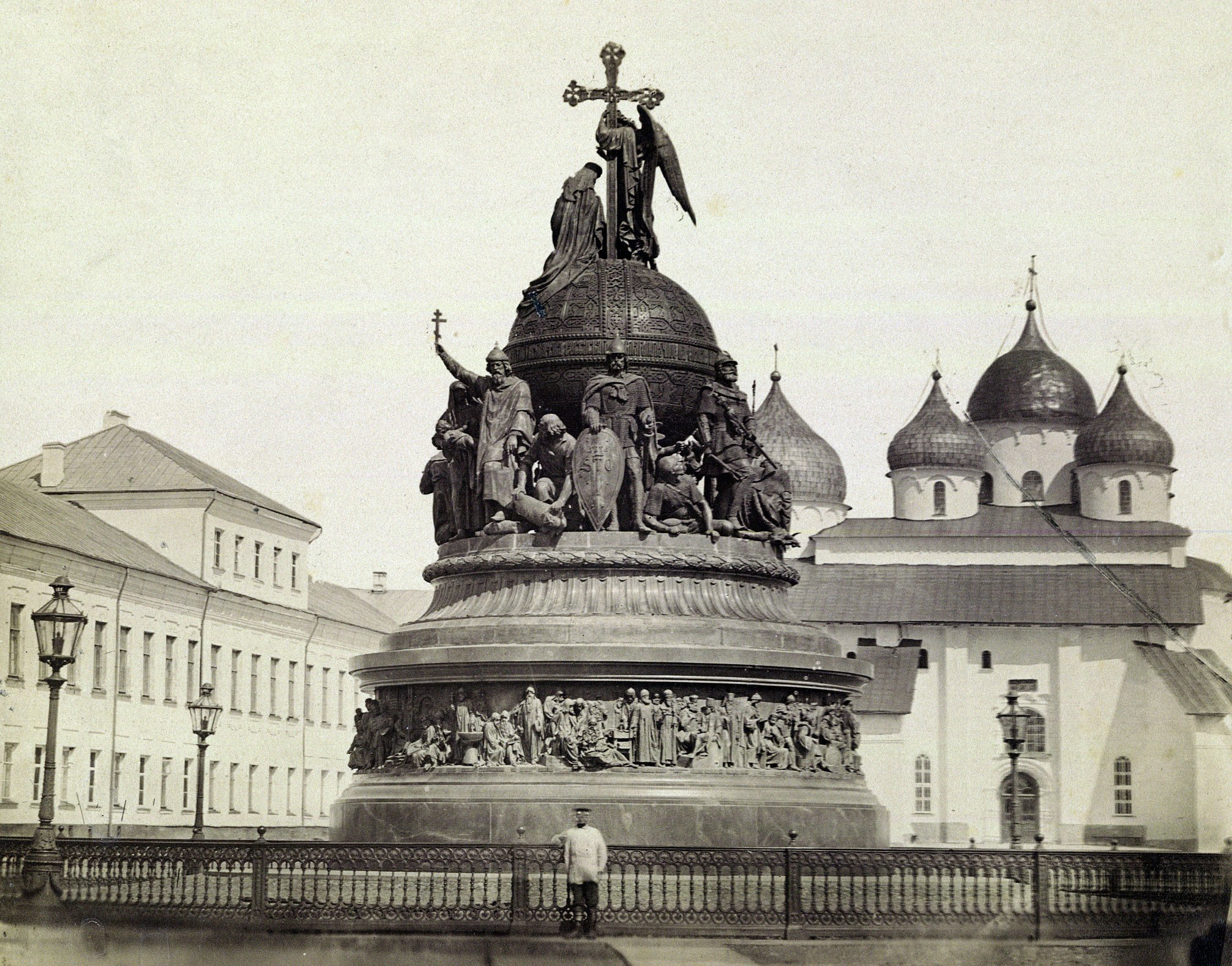
    This is a list of people associated with the modern Russian Federation, the Soviet Union, Imperial Russia, Russian Tsardom, the Grand Duchy of Moscow, Kievan Rus', and other predecessor states of Russia.
Regardless of ethnicity or emigration, the list includes famous natives of Russia and its predecessor states, as well as people who were born elsewhere but spent most of their active life in Russia. For more information, see the articles Rossiyane, Russians and Demographics of Russia. For specific lists of Russians, see Category:Lists of Russian people and Category:Russian people.

    Most Famous Azeri People

    Azeri Mystique: Unraveling Three Key Historical Legacies

    The Azeri community is a rich and vibrant part of the global population, with a diverse and storied history. This community is primarily composed of people who identify as ethnically Azeri, hailing from Azerbaijan and parts of Iran and Turkey. Known for their unique cultural traditions, language, and heritage, the Azeri community has left an indelible mark on the world. Here are three historical inheritances associated with the Azeri heritage:

    1. Music and Poetry

    Azeri music and poetry are renowned for their beauty and emotional depth. The Azeri people have a long-standing tradition of composing and performing both classical and folk music. Mugham, a traditional style of music, has been recognized by UNESCO as a masterpiece of the oral and intangible heritage of humanity. Azeri poetry, including works from famed poets such as Nizami Ganjavi and Khurshidbanu Natavan, is celebrated for its lyrical and romantic themes.

    • The mugham style of music is characterized by its improvisational nature and the use of specific melodic modes.
    • Nizami Ganjavi, a prominent Azeri poet of the 12th century, is known for his epic poem “Layla and Majnun,” a tragic tale of love.
    • Khurshidbanu Natavan, a 19th-century Azeri poet, was one of the first female poets in the Islamic world and wrote beautiful verses about love and nature.

    2. Carpets

    Azeri carpets are famous worldwide for their intricate designs and exquisite craftsmanship. They are an integral part of the Azeri cultural heritage and have been woven for centuries. Traditional Azeri carpets reflect the rich cultural and geographical diversity of the region. Each carpet tells a unique story, with patterns and motifs symbolizing various aspects of Azeri life, history, and mythology.

    • Azeri carpets are often made using specific weaving techniques such as the double knot (Senneh knot) or the asymmetric knot (Ghiordes knot).
    • They feature a wide range of patterns, including floral motifs, geometric designs, and representations of animals and mythical creatures.
    • The art of carpet weaving in Azerbaijan was inscribed on UNESCO’s Representative List of the Intangible Cultural Heritage of Humanity in 2010.

    3. Cuisine

    Azeri cuisine is a delectable reflection of the diverse culinary traditions found in the region. With influences from Iran, Turkey, and the Caucasus, Azeri cuisine offers a unique array of flavors and dishes. Traditional Azeri meals often center around ingredients such as lamb, rice, saffron, and pomegranate, resulting in flavorful and aromatic dishes that are loved by locals and foreigners alike.

    • Pilaf, a rice dish cooked with meat or vegetables, is a staple of Azeri cuisine.
    • Kebabs, grilled skewers of marinated meat, are a popular savory delight.
    • Pomegranate molasses and saffron are commonly used ingredients that add a distinctive taste to many Azeri dishes.

    These historical inheritances represent just a glimpse into the rich heritage of the Azeri community. From their contributions to the arts to their culinary prowess, the Azeri people continue to celebrate and preserve their traditions, ensuring that their legacy continues to thrive in the modern world.

    In a striking celebration of diversity, numerous prominent individuals proudly reflect a mosaic of Georgian, Palestinian arab and Gambian roots, highlighting the intricate interplay of cultures within their heritage. From accomplished leaders to acclaimed artists, these figures embody the rich lexical semantic tapestry of ethnic backgrounds, illustrating the vibrant spectrum of human experiences.

    Factsheet About Azeri People

    Country Population Percentage of Azeris
    Azerbaijan 10,046,516 91.6%
    Iran 16,763,695 24.5%
    Turkey 800,000 1%
    Georgia 284,761 6.7%
    Russia 600,000 0.4%
    Armenia 130,896 1.6%
    Other countries 514,000 3.2%
    Azerbaijanis (; Azerbaijani: Azərbaycanlılar, آذربایجانلیلار), Azeris (Azərilər, آذریلر), or Azerbaijani Turks (Azərbaycan Türkləri, آذربایجان تۆرکلری) are a Turkic ethnic group living mainly in the Azerbaijan region of northwestern Iran and the Republic of Azerbaijan. They are predominantly Shia Muslims. They comprise the largest ethnic group in the Republic of Azerbaijan and the second-largest ethnic group in neighboring Iran and Georgia. They speak the Azerbaijani language, belonging to the Oghuz branch of the Turkic languages.
Following the Russo-Persian Wars of 1813 and 1828, the territories of Qajar Iran in the Caucasus were ceded to the Russian Empire and the treaties of Gulistan in 1813 and Turkmenchay in 1828 finalized the borders between Russia and Iran. After more than 80 years of being under the Russian Empire in the Caucasus, the Azerbaijan Democratic Republic was established in 1918 which defined the territory of the Republic of Azerbaijan.

    The Ancient Heritage of Azeri Ethnic Groups

    References to the Azeri Ethnic Group

    The Azeri ethnic group is primarily found in Azerbaijan, a country located in the South Caucasus region of Eurasia. They are the largest ethnic group in Azerbaijan, making up approximately 91% of the country’s population. In addition to Azerbaijan, there are also significant Azeri populations in Iran, Turkey, and Russia.

    Here are some references and resources to dig deeper into the Azeri ethnic group:

    • Encyclopedia Britannica – Azerbaijani: This article provides an overview of the Azeri ethnic group, including its history, culture, and language.
    • Library of Congress – Azerbaijani: This resource provides an extensive collection of materials related to the Azeri ethnic group, including books, articles, and historical documents.
    • Azerbaijans.com: This website explores various aspects of Azeri culture, history, traditions, and lifestyle.
    • Azerbaijan.com: This website offers information on a wide range of topics related to Azerbaijan, including its people, history, and culture.
    • Azerbaijan Tourism Board: This official tourism website provides insights into the Azeri culture, traditions, and attractions.

    These resources will help you gain a deeper understanding of the Azeri ethnic group, its cultural heritage, and its contributions to the societies in which they live.

    As we continue to celebrate diversity and embrace the richness of different cultures, let us honor and draw inspiration from these remarkable individuals who have shaped our world. Thank you for joining us on this captivating journey.

  • Top 10 Notable Georgian People: Well-Known Individuals

    Top 10 Notable Georgian People: Well-Known Individuals

    With their exceptional achievements and captivating personalities, Georgian celebrities and notables have made significant contributions to various fields, earning global recognition and admiration. Here’s a list of 10 popular celebrities and notable people of Georgian ethnicity:

    • Joseph Stalin: A controversial figure who served as the leader of the Soviet Union from 1924 to 1953. He led the country into industrialization, collectivization, and the Great Patriotic War (World War II).
    • Eduard Shevardnadze: The last Foreign Minister of the Soviet Union and the second President of independent Georgia. He played a pivotal role in negotiating the INF Treaty and facilitating the end of the Cold War.
    • Mikheil Saakashvili: The third President of Georgia, known for his reforms and leadership during the Rose Revolution. He was instrumental in promoting democracy and economic growth in Georgia.
    • Nino Burjanadze: A Georgian politician who served as the third Speaker of the Parliament of Georgia and the acting President of Georgia. She is known for her contributions to promoting peace and stability in the Caucasus region.
    • Kakhi Kavsadze: A renowned Georgian actor known for his roles in Soviet and Russian films. He has received numerous awards and accolades for his performances.
    • Vera Bakradze: A Georgian opera singer who gained international fame for her performances on the world’s leading opera stages. She is particularly celebrated for her interpretations of Verdi and Puccini operas.
    • Sofiko Chiaureli: A legendary Georgian actress who starred in numerous films in the Soviet Union and Georgia. She is best known for her roles in “Pirosmani” and “The Color of Pomegranates.”
    • David Kipiani: A Georgian football player who played for the Soviet Union national team and Dinamo Tbilisi. He was known for his exceptional dribbling skills and creativity on the pitch.
    • Maka Tsakadze: A Georgian athlete who won two gold medals in the discus throw at the Olympic Games. She is considered one of the greatest female discus throwers of all time.
    • Tengiz Sigua: A prominent Georgian painter and sculptor known for his unique style that combines traditional Georgian elements with modern techniques. His works are exhibited in galleries and museums worldwide.
    This is a list of notable Georgians.

    Most Famous Georgian People

    Georgian Mystique: Unraveling Three Key Historical Legacies

    Georgia, a small country located at the crossroads of Europe and Asia, is known for its rich cultural heritage and ancient traditions. The Georgian community, both within the country and abroad, take great pride in preserving their historical inheritances. These inheritances showcase the unique aspects of Georgian culture and have become iconic symbols of the community. Let’s explore three of the most well-known historical inheritances that are associated with the Georgian heritage.

    1. Georgian Cuisine

    Georgian cuisine is known worldwide for its exquisite flavor combinations and unique cooking techniques. The traditional dishes of Georgia have been passed down through generations, forming an integral part of the country’s identity. Some of the most popular Georgian delicacies include:

    • Khachapuri – A delicious cheese-filled bread that comes in various shapes and sizes.
    • Khinkali – Large dumplings filled with a savory mixture of meat, spices, and herbs.
    • Satsivi – A rich walnut sauce served with poultry or game meat.

    The Georgian cuisine reflects the country’s geographic location and historical influences, combining elements from Mediterranean, Eastern European, and Middle Eastern cooking.

    2. Polyphonic Singing

    Georgian polyphonic singing is a form of vocal music characterized by multiple melodic lines sung simultaneously. This unique style of singing has been recognized by UNESCO as an intangible cultural heritage of humanity. Georgian polyphonic singing is deeply rooted in the country’s ancient traditions and has been preserved for centuries by choirs and folk ensembles.

    The harmonious blend of voices creates a mesmerizing and hauntingly beautiful sound, often accompanied by traditional Georgian instruments such as the panduri and chonguri. Georgian polyphonic singing is so intricate and captivating that it has inspired musicians and researchers from around the world to study and embrace this remarkable musical heritage.

    3. Historic Monuments

    Georgia is home to numerous historic monuments that bear witness to its rich and diverse history. These monuments, scattered throughout the country, showcase different architectural styles and reflect the influences of various civilizations that have occupied the region over centuries. Some of the most prominent historic monuments in Georgia include:

    • Bagrati Cathedral – A masterpiece of medieval Georgian architecture, located in the city of Kutaisi.
    • Gergeti Trinity Church – Perched on top of a mountain in Kazbegi, this 14th-century church offers breathtaking views of the surrounding landscape.
    • Vardzia – An ancient cave monastery complex carved into the cliffs of Southern Georgia, dating back to the 12th century.

    These historic monuments not only serve as important cultural landmarks but also remind the Georgian community of their enduring heritage and the resilience of their ancestors.

    The Georgian community takes great pride in preserving their historical inheritances, which contribute to the country’s vibrant cultural landscape. Whether through the captivating melodies of polyphonic singing, the mouthwatering flavors of their cuisine, or the awe-inspiring architecture of historic monuments, the Georgian heritage continues to captivate and inspire people from all around the world.

    In a striking celebration of diversity, numerous prominent individuals proudly reflect a mosaic of Palestinian arab, Gambian and Serer roots, highlighting the intricate interplay of cultures within their heritage. From accomplished leaders to acclaimed artists, these figures embody the rich lexical semantic tapestry of ethnic backgrounds, illustrating the vibrant spectrum of human experiences.

    Factsheet About Georgian People

    Country Population Percentage of Georgian Ethnicity
    Georgia 3,716,858 86.8%
    Russia 1,595,931 3.7%
    Turkey 1,030,953 2.4%
    Ukraine 322,453 0.8%
    United States 209,193 0.5%
    Kazakhstan 151,048 0.4%
    Armenia 135,896 0.3%
    Azerbaijan 125,665 0.3%
    Azerbaijan (Nagorno-Karabakh) 105,156 0.2%
    Belarus 68,293 0.2%
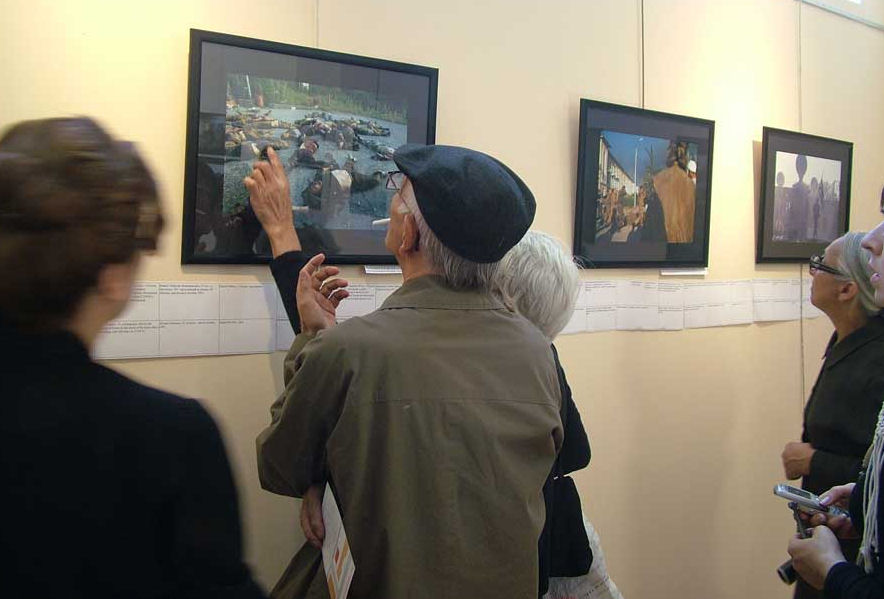
    The ethnic cleansing of Georgians in Abkhazia, also known in Georgia as the genocide of Georgians in Abkhazia (Georgian: ქართველთა გენოციდი აფხაზეთში), refers to the ethnic cleansing, massacres, and forced mass expulsion of thousands of ethnic Georgians living in Abkhazia during the Georgian-Abkhaz conflict of 1992–1993 and 1998 at the hands of Abkhaz separatists and their allies. Armenians, Greeks, Russians, and opposing Abkhazians were also killed.In 2007, 267,345 Georgian civilians were registered as internally displaced persons (IDPs).
The ethnic cleansing and massacres of Georgians have been officially recognized by Organization for Security and Co-operation in Europe (OSCE) conventions in 1994, 1996, and again in 1997 during the Budapest, Lisbon, and Istanbul summits, which condemned the "perpetrators of war crimes committed during the conflict."On May 15, 2008, the United Nations General Assembly adopted (by 14 votes to 11, with 105 abstentions) a resolution A/RES/62/249, which "Emphasizes the importance of preserving the property rights of refugees and internally displaced persons from Abkhazia, Georgia, including victims of reported "ethnic cleansing," and calls upon all the Member States to deter persons under their jurisdiction from obtaining property within the territory of Abkhazia, Georgia in violation of the rights of returnees." The UN Security Council passed a series of resolutions in which it appealed for a cease-fire.

    The Ancient Heritage of Georgian Ethnic Groups

    Georgian Ethnicity: References and Resources

    The Georgian ethnic group, also known as Kartvelians, is an ancient and diverse community that primarily resides in the country of Georgia, located at the crossroads of Europe and Asia. With a rich history, unique culture, and distinct language, the Georgian people have a significant impact on the region’s identity and development.

    To explore the Georgian ethnic group further, you can refer to the following references and resources:

    • The Georgian Language: One of the most distinctive features of the Georgian ethnic group is their language. Georgian, as a separate branch of the Kartvelian language family, has its own unique alphabet and grammatical structure. Learning about the language can deepen your understanding of the culture and history of the Georgian people.
      Resource: “The Georgian Language” by George Hewitt.
    • Georgian Folklore and Traditions: Georgian folklore and traditions play a crucial role in shaping the identity and heritage of the Georgian ethnic group. Exploring their music, dances, folktales, and traditional costumes offers insights into their customs and beliefs.
      Resource: “Georgian Folk Tales” by Marjory Wardrop.
    • Georgian History: Understanding the historical context of the Georgian ethnic group is essential to grasp their cultural development. From ancient kingdoms to medieval monarchies and the Soviet era, Georgian history offers a glimpse into their long-standing traditions and struggles.
      Resource: “A History of Georgia” by Ronald Grigor Suny.
    • Georgian Cuisine: Georgian cuisine is renowned for its diversity and flavors. The Georgians take immense pride in their traditional dishes, which include khachapuri (cheese-filled bread), khinkali (dumplings), and various meat and vegetable dishes. Exploring their culinary heritage can provide a fascinating insight into their culture.
      Resource: “The Georgian Feast” by Darra Goldstein.
    • Georgian Architecture: Georgian architecture, characterized by intricately decorated churches and old town structures, showcases the influence of religious and cultural elements. Studying their architectural styles and historical landmarks can shed light on the Georgian ethnic group’s artistic expression.
      Resource: “The Golden Treasury of Georgian Poetry” by Irakli Koiava.

    By utilizing these references and resources, you can dive deeper into the fascinating world of the Georgian ethnic group, unraveling their history, culture, language, and contributions to the broader tapestry of humanity.

    As we continue to celebrate diversity and embrace the richness of different cultures, let us honor and draw inspiration from these remarkable individuals who have shaped our world. Thank you for joining us on this captivating journey.
  • Top 10 Celebrities with Palestinian arab Heritage

    Top 10 Celebrities with Palestinian arab Heritage

    Palestinian Arab ethnicity has produced a rich tapestry of renowned celebrities and notable figures who have left an indelible mark across various fields. From the realms of entertainment, politics, academia, and sports, these individuals have inspired, entertained, and made significant contributions to society.

    Here’s a list of 10 of the most popular celebrities and notable people from Palestinian Arab ethnicity:

    • Edward Said (1935-2003): A renowned literary critic, public intellectual, and professor of English and comparative literature at Columbia University. He is best known for his groundbreaking book Orientalism (1978), which sparked a critical reevaluation of Western representations of the East.
    • Hanan Ashrawi (born 1946): A prominent Palestinian political figure, diplomat, and academic. She served as the spokesperson for the Palestinian delegation to the Madrid Peace Conference in 1991 and has been a vocal advocate for Palestinian rights and a peaceful resolution to the Israeli-Palestinian conflict.
    • Azmi Bishara (born 1956): An Israeli-Palestinian politician, academic, and author. He was a member of the Israeli Knesset from 1996 to 2007, where he advocated for Palestinian rights and criticized Israel’s policies. He is known for his intellectual contributions to Palestinian nationalism and his promotion of a binational state solution to the Israeli-Palestinian conflict.
    • Rashida Tlaib (born 1976): An American politician and activist serving as the U.S. Representative for Michigan’s 13th congressional district since 2019. She is the first Palestinian-American woman elected to Congress and is known for her progressive views and outspoken advocacy for social justice, economic equality, and the rights of marginalized communities.
    • Rami Malek (born 1981): An American actor best known for his portrayal of Freddie Mercury in the biographical drama Bohemian Rhapsody (2018), for which he won the Academy Award for Best Actor. He has also starred in films such as Mr. Robot (2015-2019), The Master (2012), and Night at the Museum (2006).
    • Maysoon Zayid (born 1974): A Palestinian-American comedian, actress, and disability advocate. She is known for her candid and humorous take on living with cerebral palsy and for challenging stereotypes about disability. She has performed stand-up comedy around the world and appeared in TV shows such as Curb Your Enthusiasm (2000-2021) and Shameless (2011-2021).
    • Bella Hadid (born 1996): An American model and social media influencer. She is the younger sister of model Gigi Hadid and has been featured in campaigns for brands such as Dior, Versace, and Fendi. She has also been vocal about her support for Palestinian rights and has used her platform to raise awareness about the Israeli-Palestinian conflict.
    • Mohammad Bakri (born 1953): A Palestinian actor, director, and screenwriter. He is known for his socially conscious films that tackle issues such as the Israeli occupation of Palestine, the Palestinian diaspora, and the struggle for Palestinian rights. Some of his notable films include “Jenin, Jenin” (2002), “Salt of this Sea” (2008), and “The Time That Remains” (2009).
    • Suheir Hammad (born 1973): A Palestinian-American poet, writer, and performer. She is known for her powerful and evocative poetry that explores themes of identity, displacement, and the Palestinian experience. She has published two collections of poetry, “Born Palestinian, Born Black” (1996) and “Drops of This Story” (2006), and has performed her work around the world.
    • Khaled Hosseini (born 1965): An Afghan-American author best known for his novels “The Kite Runner” (2003) and “A Thousand Splendid Suns” (2007). His books have been translated into more than 40 languages and have sold millions of copies worldwide. He is known for his insightful and compassionate portrayal of Afghan history and culture, as well as his exploration of themes such as love, loss, and family.
    Palestinians (Arabic: الفلسطينيون, al-Filasṭīniyyūn; Hebrew: פָלַסְטִינִים, Fālasṭīnīm) or Palestinian people (الشعب الفلسطيني, ash-sha‘b al-Filasṭīnī), also referred to as Palestinian Arabs (العرب الفلسطينيون, al-ʿArab al-Filasṭīniyyūn), are an ethnonational group descending from peoples who have inhabited the region of Palestine over the millennia, and who are today culturally and linguistically Arab.Despite various wars and exoduses, roughly one half of the world's Palestinian population continues to reside in the territory of former Mandatory Palestine, now encompassing Israel and the Palestinian territories of the West Bank and Gaza Strip. In Israel proper, Palestinians constitute almost 21 percent of the population as part of its Arab citizens. Many are Palestinian refugees or internally displaced Palestinians, including more than a million in the Gaza Strip, around 750,000 in the West Bank, and around 250,000 in Israel proper. Of the Palestinian population who live abroad, known as the Palestinian diaspora, more than half are stateless, lacking legal citizenship in any country. 2.1 million of the diaspora population are registered as refugees in neighboring Jordan, most of whom hold Jordanian citizenship; over 1 million live between Syria and Lebanon, and about 750,000 live in Saudi Arabia, with Chile holding the largest Palestinian diaspora concentration (around half a million) outside of the Arab world.
In 1919, Palestinian Muslims and Palestinian Christians constituted 90 percent of the population of Palestine, just before the third wave of Jewish immigration and the setting up of British Mandatory Palestine after World War I. Opposition to Jewish immigration spurred the consolidation of a unified national identity, though Palestinian society was still fragmented by regional, class, religious, and family differences. The history of the Palestinian national identity is a disputed issue amongst scholars. For some, the term "Palestinian" is used to refer to the nationalist concept of a Palestinian people by Palestinian Arabs from the late 19th century and in the pre-World War I period, while others assert the Palestinian identity encompasses the heritage of all eras from biblical times up to the Ottoman period. After the Israeli Declaration of Independence, the 1948 Palestinian expulsion, and more so after the 1967 Palestinian exodus, the term "Palestinian" evolved into a sense of a shared future in the form of aspirations for a Palestinian state.Founded in 1964, the Palestine Liberation Organization is an umbrella organization for groups that represent the Palestinian people before international states. The Palestinian National Authority, officially established in 1994 as a result of the Oslo Accords, is an interim administrative body nominally responsible for governance in Palestinian population centres in the West Bank and the Gaza Strip. Since 1978, the United Nations has observed an annual International Day of Solidarity with the Palestinian People. According to British historian Perry Anderson, it is estimated that half of the population in the Palestinian territories are refugees, and that they have collectively suffered approximately US$300 billion in property losses due to Israeli confiscations, at 2008–2009 prices.

    Most Famous Palestinian arab People

    Palestinian arab Mystique: Unraveling Three Key Historical Legacies

    The Palestinian Arab community has a rich and vibrant history, with several cultural and historical inheritances that have shaped the identity of this community throughout the years. From language and literature to culinary traditions and landmarks, Palestinians have contributed significantly to the world’s cultural tapestry. Here are three of the most well-known historical inheritances associated with Palestinian Arab heritage.

    1. Arabic Language and Literature

    The Palestinian Arab community has played a crucial role in preserving and promoting the Arabic language and literature to the world. Arabic is the official language of Palestine, and Palestinians take immense pride in their linguistic heritage. Palestinian poets and writers have made significant contributions to Arabic literature, producing renowned works that explore themes of love, loss, resistance, and identity.

    • Palestinian writers such as Ghassan Kanafani, Mahmoud Darwish, and Taha Muhammad Ali are celebrated for their poetry and prose, which have captivated readers both within the Arab world and internationally.
    • The Arabic language itself is a source of cultural heritage, with its intricate calligraphy and unique script, known as the Arabic alphabet.

    2. Palestinian Cuisine

    The Palestinian cuisine is a delectable blend of flavors and ingredients that reflect the region’s agricultural traditions and historical influences. Palestinian cuisine is known for its use of fresh produce, herbs, and spices, creating dishes that are both healthy and flavorful. Some iconic Palestinian dishes include:

    • Musakhan: A traditional dish consisting of roasted chicken, sumac, caramelized onions, and bread.
    • Masakhan: A flavorful chicken and bread stew cooked with olive oil, sumac, and other aromatic spices.
    • Makloubeh: A delicious layered dish of rice, meat, and vegetables served with yogurt.

    These culinary traditions have been passed down through generations, and Palestinian restaurants around the world continue to promote and share the flavors of Palestine, allowing people to experience a small part of the rich Palestinian culture and heritage.

    3. Landmarks and Historical Sites

    Palestine is home to numerous landmarks and historical sites that hold immense value for Palestinians and the world at large. Some of the most notable include:

    • The Dome of the Rock: Located in the Old City of Jerusalem, this iconic Islamic shrine is one of the most important and recognizable landmarks in Palestine.
    • The Church of the Nativity: Situated in Bethlehem, this Christian holy site is believed to be the birthplace of Jesus Christ, attracting visitors and pilgrims from all over the world.
    • The Old City of Hebron: This ancient city is home to the Ibrahimi Mosque (Cave of the Patriarchs), a site revered by both Muslims and Jews. Its historical significance dates back thousands of years to the time of Abraham.

    These landmarks and historical sites not only hold religious and cultural importance for Palestinians but also serve as reminders of their connection to the land and their enduring heritage.

    In a striking celebration of diversity, numerous prominent individuals proudly reflect a mosaic of Gambian, Serer and Serahuleh roots, highlighting the intricate interplay of cultures within their heritage. From accomplished leaders to acclaimed artists, these figures embody the rich lexical semantic tapestry of ethnic backgrounds, illustrating the vibrant spectrum of human experiences.

    Factsheet About Palestinian arab People

    Demographic Value
    Total Population 5.2 million
    Percentage of Palestinian Arabs in the West Bank 80%
    Percentage of Palestinian Arabs in the Gaza Strip 20%
    Percentage of Palestinian Arabs in Israel 17.5%
    Percentage of Palestinian Arabs in East Jerusalem 37%
    Percentage of Palestinian Arabs in refugee camps 36%
    Median Age 20 years
    Life Expectancy 73 years
    Literacy Rate 95%
    Unemployment Rate 31%
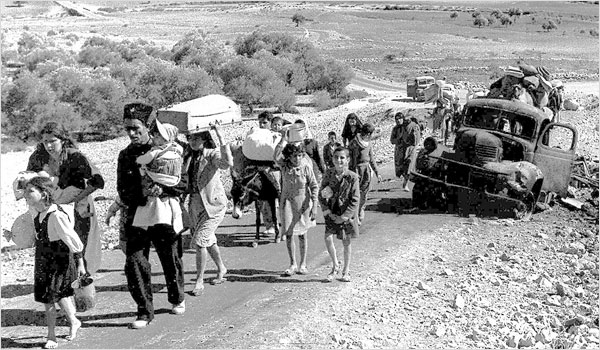
    In 1948, more than 700000 Palestinian Arabs – about half of prewar Mandatory Palestine's Arab population – fled from their homes or were expelled by Zionist militias and, later, the Israeli army during the 1948 Palestine war, following the Partition Plan for Palestine. The expulsion and flight was a central component of the fracturing, dispossession, and displacement of Palestinian society, known as the Nakba. Dozens of massacres were conducted by Israeli military forces and between 400 and 600 Palestinian villages were destroyed. Village wells were poisoned in a biological warfare programme and properties were looted to prevent Palestinian refugees from returning.  Other sites were subject to Hebraization of Palestinian place names.  These activities were not necessarily limited to the year 1948.The precise number of Palestinian refugees, many of whom settled in Palestinian refugee camps in neighboring states, is a matter of dispute.  Around 80 percent of the Arab inhabitants of what became Israel (half of the Arab total population of Mandatory Palestine) left or were expelled from their homes. About 250000–300000 Palestinians fled or were expelled during the 1947–1948 civil war in Mandatory Palestine, before the Israeli Declaration of Independence in May 1948, a fact which was named as a casus belli for the entry of the Arab League into the country, sparking the 1948 Arab–Israeli War.
The causes of the 1948 Palestinian exodus are also a subject of fundamental disagreement among historians. Factors involved in the exodus include Jewish military advances, destruction of Arab villages, psychological warfare, fears of another massacre by Zionist militias after the Deir Yassin massacre,: 239–240  which caused many to leave out of panic, direct expulsion orders by Israeli authorities, the demoralizing impact of wealthier classes fleeing, the typhus epidemic in some areas caused by Israeli well-poisoning, collapse in Palestinian leadership and Arab evacuation orders, and a disinclination to live under Jewish control.Later, a series of land and property laws passed by the first Israeli government prevented Arabs who had left from returning to their homes or claiming their property. They and many of their descendants remain refugees. The expulsion of the Palestinians has since been described by some historians as ethnic cleansing, while others dispute this charge. Nevertheless, the existence of the so-called Law of Return allowing for immigration and naturalization of any Jewish person and their family to Israel, while a Palestinian right of return has been denied, has been cited as an evidence for the charge that Israel practices apartheid.The status of the refugees, and in particular whether Israel will allow them the right to return to their homes, or compensate them, are key issues in the ongoing Israeli–Palestinian conflict. The events of 1948 are commemorated by Palestinians both in the Palestinian territories and elsewhere on 15 May, a date known as Nakba Day.

    The Ancient Heritage of Palestinian arab Ethnic Groups

    References to the Palestinian arab Ethnic Group

    There are several references and resources available to learn more about the Palestinian Arab ethnic group:

    • The Palestinian Oral History Archive: This archive contains a collection of personal narratives and testimonies from Palestinians. It provides insights into their experiences, memories, and the ongoing struggle for self-determination. The archive is an excellent resource for understanding Palestinian history and culture.
    • The Palestinian Museum: Located in Birzeit, Palestine, the Palestinian Museum showcases the history, arts, and culture of the Palestinian people. It offers exhibitions, educational programs, and online resources to learn about the diverse aspects of Palestinian identity and heritage.
    • “Palestine: A Four Thousand Year History” by Nur Masalha: This book provides a comprehensive overview of Palestinian history from ancient times to the present. It explores the political, social, and cultural developments that have shaped the Palestinian identity over millennia.
    • “The Ethnic Cleansing of Palestine” by Ilan Pappe: In this book, the author delves into the events of the 1948 Arab-Israeli war and its consequences on Palestinian society. Pappe analyzes the policies and strategies that led to the displacement of hundreds of thousands of Palestinians.
    • “Palestinian Identity: The Construction of Modern National Consciousness” by Rashid Khalidi: Khalidi examines the historical development of Palestinian national consciousness and identity. The book explores the impact of various factors, such as Ottoman rule, British colonialism, and the Israeli-Palestinian conflict, on shaping Palestinian self-perception.

    These references and resources provide valuable insights into the Palestinian Arab ethnic group, its history, and ongoing struggle for self-determination. Exploring these sources can help deepen understanding of the Palestinian people and their cultural, historical, and political contexts.

    As we continue to celebrate diversity and embrace the richness of different cultures, let us honor and draw inspiration from these remarkable individuals who have shaped our world. Thank you for joining us on this captivating journey.
  • Top 10 Celebrities Embracing Gambian Roots

    Top 10 Celebrities Embracing Gambian Roots

    The Gambian people have produced a number of notable celebrities and notable people who have made significant contributions to various fields. Here are 10 of the most popular celebrities and notable people from Gambian ethnicity:

    • Fatoumata Bah: Fatoumata Bah is a Gambian-born Swedish politician and Member of the European Parliament (MEP) since 2019. She is a member of the Swedish Social Democratic Party and serves as the party’s spokesperson for international development and migration. Bah is a vocal advocate for human rights and equality, and she has worked extensively on issues related to migration, development, and gender equality.

    • Fatou Bensouda: Fatou Bensouda is a Gambian lawyer who served as the Prosecutor of the International Criminal Court (ICC) from 2012 to 2021. She was the first woman and the first African to hold this position. Bensouda is a highly respected figure in the field of international criminal law, and she has been credited with making significant progress in the fight against impunity for war crimes, crimes against humanity, and genocide.

    • Musa Barrow: Musa Barrow is a Gambian professional footballer who plays as a forward for Serie A club Bologna and the Gambia national team. He is known for his pace, dribbling skills, and goalscoring ability. Barrow has represented Gambia at both the youth and senior levels, and he was part of the team that made history by qualifying for the 2021 Africa Cup of Nations for the first time.

    • Isatou Ceesay: Isatou Ceesay is a Gambian-born British actress, writer, and filmmaker. She is best known for her role as Khadijatou in the 2004 film “Black Venus.” Ceesay’s work has been praised for its realism and its portrayal of the lives of African women. She has also been involved in a number of social justice initiatives, including campaigns to raise awareness of the plight of refugees and migrants.

    • Jaliba Kuyateh: Jaliba Kuyateh is a Gambian kora player and singer. He is a member of the Kuyateh family of griots, and he has been performing since the age of six. Kuyateh’s music is a blend of traditional Gambian music and modern influences. He has toured extensively throughout the world, and he has collaborated with a number of international musicians, including Youssou N’Dour and Carlos Santana.

    • Lamin Jallow: Lamin Jallow is a Gambian-American businessman and philanthropist. He is the founder and CEO of Jalex, a successful construction company. Jallow is also a major investor in a number of businesses in Gambia, including the country’s first five-star hotel. He is a strong advocate for education and entrepreneurship, and he has donated millions of dollars to support these causes.

    • Lamin Manga: Lamin Manga is a Gambian-American fashion designer. He is the founder and creative director of the fashion label “Lamim.” Manga’s designs are known for their bold colors and prints, and they have been featured in a number of high-profile publications, including Vogue and Harper’s Bazaar. He has also dressed a number of celebrities, including Rihanna and Lupita Nyong’o.

    • Baba Maal: Baba Maal is a Senegalese singer, songwriter, and guitarist. He is one of the most popular musicians in Africa, and he has been performing for over 40 years. Maal’s music is a blend of traditional Senegalese music and modern influences. He has toured extensively throughout the world, and he has collaborated with a number of international musicians, including Youssou N’Dour and Sting.

    • Pa Salieu: Pa Salieu is a Gambian-British rapper, singer, and songwriter. He is known for his unique style of music, which blends hip hop, Afrobeats, and grime. Salieu has released a number of successful singles, including “Frontline” and “Betty,” and he has collaborated with a number of other artists, including Slowthai and Stormzy. He is considered to be one of the most promising young artists in the UK.

    • Yusupha Saidy: Yusupha Saidy is a Gambian journalist and political activist. He is the founder and editor of The Standard Newspaper, an independent Gambian news outlet. Saidy has been a vocal critic of the Gambian government, and he has been imprisoned on several occasions for his work. He is a recipient of the International Press Freedom Award from the Committee to Protect Journalists, and he is considered to be one of the most important journalists in Gambia.
    The music of the Gambia is closely linked musically with that of its neighbor, Senegal, which surrounds its inland frontiers completely. Among its prominent musicians is Foday Musa Suso. Mbalax is a widely known popular dance music of the Gambia and neighbouring Senegal. It fuses popular Western music and dance, with sabar, the traditional drumming and dance music of the Wolof and Serer people.

    Most Famous Gambian People

    Gambian Mystique: Unraveling Three Key Historical Legacies

    The Gambian community is a vibrant and diverse group of individuals who have a rich and fascinating history. With roots dating back centuries, the Gambian heritage is a unique blend of cultures and traditions that continue to shape the community today. Here are three of the most well-known historical inheritances associated with the Gambian heritage:

    • 1. Griots: The Griots, also known as Jelis, are historians, storytellers, and musicians who play a crucial role in preserving the oral traditions of the Gambian people. They are the keepers of history, passing down stories and knowledge from one generation to another. Griots can be found at various cultural events, where they use their musical talents to entertain and educate the community. Their songs and stories provide a connection to the past and serve as a reminder of the importance of preserving cultural heritage.

    • 2. Kankurang: The Kankurang is another significant cultural aspect of the Gambian community. It is a masked figure that represents the spirit of the bush and is often associated with protective and religious rituals. The Kankurang is believed to have the power to ward off evil spirits and bring blessings. During ceremonies and festivals, the Kankurang performs dances and chants while wearing elaborate costumes and masks, captivating the audience with its powerful presence. This tradition is deeply rooted in Gambian society and continues to play a vital role in cultural celebrations.

    • 3. Wrestling: Wrestling, known as “lutte” in the local Wolof language, holds a special place in Gambian culture. It is a traditional sport that dates back centuries and showcases not only physical strength but also endurance and technique. Wrestling matches are highly anticipated events that attract large crowds from all over the country. Participants undergo rigorous training and adhere to strict rules and rituals associated with the sport. Wrestling in The Gambia is more than just a competition; it is an expression of pride, identity, and community spirit.

    These three historical inheritances provide a glimpse into the rich heritage of the Gambian community. Griots, Kankurang, and wrestling are just a few examples of the cultural practices and traditions that have been passed down through generations. They serve as a reminder of the importance of preserving and celebrating Gambian heritage, keeping the community connected to its roots while embracing the future.

    In a striking celebration of diversity, numerous prominent individuals proudly reflect a mosaic of Serer, Serahuleh and Karoninka roots, highlighting the intricate interplay of cultures within their heritage. From accomplished leaders to acclaimed artists, these figures embody the rich lexical semantic tapestry of ethnic backgrounds, illustrating the vibrant spectrum of human experiences.

    Ethnic Factsheet: The Gambian People

    Ethnic Group Percentage Region
    Mandinka 42% Western Region, Central River Region, Upper River Region
    Wolof 16% Western Region, Banjul
    Fula 18% Upper River Region, Central River Region
    Jola 10% Western Region, Lower River Region
    Serer 9% Western Region, Central River Region
    Other Ethnicities 5% Various Regions
    The Gambia, officially the Republic of The Gambia and Gambia, is a country in West Africa.  Geographically, Gambia is the smallest country in Africa  and is surrounded by Senegal, except for its western coast on the Atlantic Ocean. It is situated on both sides of the lower reaches of the Gambia river, which flows through the centre of the country and empties into the Atlantic Ocean. The national namesake River Gambia demarcates the elongated shape of the country, which has an area of 11,300 square kilometres (4,400 sq mi) and a population of 2,468,569 people in 2024. The capital city is Banjul, which has the most extensive metropolitan area in the country; the second- and third-largest cities are Serekunda and Brikama.Arab Muslim merchants traded with native West Africans in Gambia throughout the 9th and 10th centuries. The Portuguese in 1455 entered the region, the first Europeans to do so, but never established important trade there. In 1765, the region was made a part of the British Empire by establishment of a colony. In 1965, The Gambia gained independence under the leadership of Dawda Jawara, who ruled until Yahya Jammeh seized power in a bloodless 1994 coup. Adama Barrow became The Gambia's third president in January 2017, after defeating Jammeh in the December 2016 elections. Jammeh initially accepted the results, but then refused to leave office, triggering a constitutional crisis and military intervention by the Economic Community of West African States that resulted in his removal two days after his term was initially scheduled to end.The Gambia has been a member of the Economic Community of West African States since its conception in 1975 and is a member of the Commonwealth, with English being the country's sole official language, both legacies of its British colonial past. The Gambia's economy is dominated by farming, fishing, and especially tourism. In 2015, 48.6% of the population lived in poverty. In rural areas, poverty was even more widespread, at almost 70%.

    The Ancient Heritage of Gambian Ethnic Groups

    References to the Gambian Ethnic Group

    The Gambian ethnic group refers to the various ethnicities that make up the population of the Gambia, a small West African country. The majority ethnic group in the Gambia is the Mandinka, followed by the Fula, Wolof, Jola, and Serahule. Each of these ethnic groups has its own unique culture, traditions, and language. To dig deeper into the Gambian ethnic group, you can explore the following resources:

    • “The Gambia and Its People,” by Ambassador Tamsir Bai Gibril Njie: This book provides an in-depth look at the history, culture, and traditions of the Gambian people. It covers various ethnic groups and their contributions to Gambian society.
    • “Ethnic Groups of The Gambia,” by Historical Ornaments Adornment Culture Research Foundation: This research paper delves into the different ethnic groups living in the Gambia and provides insights into their origins, customs, language, and social structures.
    • The Gambia Tourism Board: The official website of the Gambia Tourism Board offers information about the different ethnic groups and their cultural practices. It provides an overview of the major ethnic groups and their festivals, music, art, and cuisine.

    Exploring these resources will give you a deeper understanding of the Gambian ethnic group and their rich cultural heritage. It is important to note that while the Mandinka, Fula, Wolof, Jola, and Serahule are the largest ethnic groups, there are other smaller ethnic groups in the Gambia as well, such as the Manjago, Aku, and Bambara, each with their own unique traditions and contributions to Gambian society.

    We have reached the end of our exploration into the extraordinary lives of prominent Gambian. We hope this journey has been enlightening and inspiring.

  • Influential Serer Individuals: The Top 10 Names to Know

    Influential Serer Individuals: The Top 10 Names to Know

    The Serer people are an ethnic group native to Senegal, the Gambia, and Mauritania. They have a rich and diverse culture, and have produced many notable celebrities and notable people throughout history. Here are ten of the most popular celebrities and notable people from Serer ethnicity:

    • Youssou N’Dour: A Senegalese singer, songwriter, and percussionist. He is one of the most popular musicians in Africa and has won numerous awards, including a Grammy Award.
    • Léopold Sédar Senghor: The first president of Senegal. He was a poet, writer, and politician who is considered one of the most important figures in African history.
    • Doudou Ndoye: A Senegalese basketball player who played for the national team and several professional teams in Europe. He was one of the first African players to play in the NBA.
    • Fatou Diome: A Senegalese-French writer and filmmaker. Her work often explores the experiences of African immigrants in Europe.
    • Omar Sy: A French actor and comedian of Senegalese descent. He is best known for his roles in the films The Intouchables and X-Men: Days of Future Past.
    • Ngoné Ndiaye: A Senegalese lawyer and politician. She was the first woman to serve as Minister of Justice in Senegal.
    • Abdoulaye Wade: The third president of Senegal. He was a politician and economist who served as president from 2000 to 2012.
    • Akon: A Senegalese-American singer, songwriter, and record producer. He is one of the best-selling artists of all time, with over 35 million albums sold worldwide.
    • Ismaïla Touré: A Senegalese footballer who played for the national team and several professional teams in Europe. He was one of the first African players to play in the English Premier League.
    • Cheikh Anta Diop: A Senegalese historian, anthropologist, and politician. He was a leading proponent of the theory that ancient Egypt was a black civilization.

    Most Famous Serer People

    Serer Mystique: Unraveling Three Key Historical Legacies

    The Serer community is a West African ethnic group predominantly found in Senegal, the Gambia, and Mauritania. They have a rich cultural heritage that spans several centuries and is shaped by their unique socio-economic and religious practices. Here are three of the most well-known historical inheritances associated with the Serer heritage:

    • The Serer Creation Myth
    • The Serer Religious Beliefs
    • The Serer Legal System

    1. The Serer Creation Myth:

    At the heart of the Serer cultural identity is their creation myth, which narrates the origins of the universe and humanity. According to their mythology, the universe was created by the supreme deity called Roog or Roog Sene. The Serer believe that humans were the last creations of Roog and were initially created as offspring from trees. This myth reflects the Serer’s close connection to nature and their belief in the spiritual significance of the environment.

    2. The Serer Religious Beliefs:

    The Serer community practices a traditional religious system known as Serer religion or Sererism. Their religious beliefs are centered around the veneration of ancestral spirits, known as Pangool, who are believed to have a direct connection with the divine. The Serer also believe in the existence of a supreme deity, Roog, who is the creator and sustainer of the universe. Serer religious practices involve rituals, ceremonies, and sacrifices to maintain a harmonious relationship with the spiritual realm and ensure their well-being.

    3. The Serer Legal System:

    The Serer community has a unique legal system known as the Duala, which has been passed down from generation to generation. The Duala consists of a set of customary laws that govern various aspects of Serer society, including marriage, property rights, inheritance, and dispute resolution. The Duala provides a framework for maintaining social order and harmony within the community, and its principles are still respected and upheld by the Serer people today.

    In a striking celebration of diversity, numerous prominent individuals proudly reflect a mosaic of Serahuleh, Karoninka and Jola roots, highlighting the intricate interplay of cultures within their heritage. From accomplished leaders to acclaimed artists, these figures embody the rich lexical semantic tapestry of ethnic backgrounds, illustrating the vibrant spectrum of human experiences.

    Factsheet About Serer People

    Country Population Percentage of total population Distribution
    Regions Villages
    Senegal 1,300,000 15% Thiès, Fatick, Kaolack, Louga, Diourbel Toubab Dialaw, Mbodiène, Fimela, Keur Massar
    Gambia 180,000 16% Baddibu, Saloum, Niumi, Kombo Kerewan, Njau, Soma, Kartong
    Mauritania 100,000 3% Trarza, Brakna, Gorgol Mbouda, Djoudi, Thieckene, Bounez
    Guinea-Bissau 80,000 7% Bafatá, Gabú, Quinara Buruntuma, Jemberem, Tchonco, Buida
    The Serer people are a West African ethnoreligious group. They are the third-largest ethnic group in Senegal, making up 15% of the Senegalese population. They are also found in northern Gambia and southern Mauritania.The Serer people originated in the Senegal River valley at the border of Senegal and Mauritania, moved south in the 11th and 12th century, then again in the 15th and 16th centuries as their villages were invaded and they were subjected to religious pressures. They have had a sedentary settled culture and have been known for their farming expertise and transhumant stock-raising.The Serer people have been historically noted as an ethnic group practicing elements of both matrilineality and patrilineality that long resisted the expansion of Islam, fought against jihads in the 19th century, then opposed the French colonial rule. In the 20th century, most of them converted to Islam (Sufism), but some are Christians or follow their traditional religion. The Serer society, like other ethnic groups in Senegal, has had social stratification featuring endogamous castes and slaves, although other historians, such as Thiaw, Richard and others, reject a slave culture among this group, or at least not to the same extent as other ethnic groups in the region.The Serer people are also referred to as Sérère, Sereer, Serrere, Serere, Sarer, Kegueme, Seereer and sometimes wrongly "Serre".

    The Ancient Heritage of Serer Ethnic Groups

    Serer Ethnicity: References and Resources

    If you are interested in learning more about the Serer ethnic group, there are several references and resources available that can provide you with more in-depth information. These include:

    These references and resources will provide you with a solid foundation to deepen your understanding of the Serer ethnic group, their unique culture, and their historical significance in the region.

    As we continue to celebrate diversity and embrace the richness of different cultures, let us honor and draw inspiration from these remarkable individuals who have shaped our world. Thank you for joining us on this captivating journey.

  • Top 10 Celebrities Embracing Serahuleh Roots

    Top 10 Celebrities Embracing Serahuleh Roots

    The Serahuleh people are a West African ethnic group primarily located in Senegal, the Gambia, and Mali. They have a rich history, culture, and a number of notable individuals. Here are ten of the most popular celebrities and notable people from the Serahuleh ethnicity:

    • Fatoumata Diawara: A Grammy-nominated Malian singer-songwriter, guitarist, and actress. She is known for her unique blend of traditional Malian music with contemporary sounds.
    • Baaba Maal: A Senegalese singer, songwriter, and guitarist. He is considered one of the most popular and influential African musicians. His music often incorporates traditional Serahuleh rhythms and melodies.
    • Ousmane Sembène: A Senegalese filmmaker, writer, and political activist. He is considered one of the most important African filmmakers of all time. His films often explored social and political issues relevant to the Serahuleh people.
    • Amadou Hampâté Bâ: A Malian writer, historian, and anthropologist. He is best known for his work on the oral traditions of the Serahuleh people. He also served as an advisor to UNESCO and was a member of the French Academy.
    • Samba Diallo: A Senegalese footballer who played for the Senegal national team and several European clubs. He was known for his speed, dribbling skills, and goalscoring ability.
    • Fatou N’Diaye Sow: A Senegalese politician and feminist. She was the first woman to serve as Minister of Foreign Affairs of Senegal. She is also a founding member of the Pan-African Women’s Organization.
    • Assane Seck: A Senegalese singer, songwriter, and guitarist. He is known for his unique style of music, which blends traditional Serahuleh rhythms with modern sounds. He is also a political activist and has released songs critical of the Senegalese government.
    • Ndeye Fatou Tall: A Senegalese business executive and philanthropist. She is the founder and CEO of the Teyliom Group, one of the largest privately-owned companies in Senegal. She is also known for her philanthropic work, particularly in the areas of education and healthcare.
    • Baba Sissoko: A Malian musician and composer. He is known for his mastery of the kora, a traditional African stringed instrument. He has performed with many renowned musicians, including Ali Farka Touré and Toumani Diabaté.
    • Ismaïla Touré: A Senegalese footballer who played for the Senegal national team and several European clubs. He was known for his versatility and ability to play in a variety of positions. He also served as captain of the Senegal national team.

    Most Famous Serahuleh People

    Serahuleh Mystique: Unraveling Three Key Historical Legacies

    The Serahuleh community is a vibrant and culturally rich group of people who primarily reside in the West African countries of Gambia, Senegal, and Mauritania. With a population of approximately 100,000, the Serahuleh people have a deep-rooted history and a unique heritage that sets them apart from other ethnic groups in the region.

    One of the most well-known historical inheritances associated with the Serahuleh community is their rich oral tradition. Through storytelling, songs, and proverbs, the Serahuleh people have preserved their history and passed down valuable knowledge from generation to generation. This oral tradition not only serves as a means of entertainment and communication but also plays an essential role in the preservation of their cultural identity.

    The Serahuleh community is also renowned for their craftsmanship, particularly in the art of pottery. The Serahuleh women are skilled artisans who create beautiful and intricate pottery pieces using traditional techniques that have been passed down through the years. These pottery pieces often feature intricate patterns and designs that reflect the cultural and artistic heritage of the Serahuleh people.

    Another prominent historical inheritance associated with the Serahuleh heritage is their traditional music and dance. Music and dance are integral parts of Serahuleh culture and play a crucial role in various rituals, celebrations, and ceremonies. The Serahuleh people are known for their rhythmic drumming, melodic singing, and vibrant dancing, which enliven their gatherings and create a sense of unity and joy.

    Overall, the Serahuleh community is a treasure trove of history, traditions, and cultural practices. By preserving their oral tradition, excelling in pottery craftsmanship, and embracing traditional music and dance, the Serahuleh people have ensured that their heritage continues to thrive despite the challenges of modernization and globalization.

    Three Well-known Inheritances Associated with the Serahuleh Heritage:

    • Rich oral tradition passed down through storytelling, songs, and proverbs.
    • Skilled pottery craftsmanship by Serahuleh women, creating beautiful and intricate pottery pieces.
    • Traditional music and dance that plays a vital role in various rituals, celebrations, and ceremonies.

    In a striking celebration of diversity, numerous prominent individuals proudly reflect a mosaic of Karoninka, Jola and Wolof roots, highlighting the intricate interplay of cultures within their heritage. From accomplished leaders to acclaimed artists, these figures embody the rich lexical semantic tapestry of ethnic backgrounds, illustrating the vibrant spectrum of human experiences.

    Factsheet About Serahuleh People

    Country Population Percentage
    Gambia 300,000 30%
    Senegal 250,000 25%
    Mauritania 200,000 20%
    Mali 100,000 10%
    Guinea 50,000 5%
    Other countries 200,000 20%

    The Ancient Heritage of Serahuleh Ethnic Groups

    Serahuleh Ethnicity: References and Resources

    The Serahuleh, also known as Soninke or Sarakole, are an ethnic group mainly found in the Gambia, Senegal, Mauritania, and Mali. They are part of the larger Soninke ethnic group, with a distinct language and culture. If you are interested in learning more about the Serahuleh people, here are some references and resources to help you dig deeper:

    • Encyclopedia Britannica: Soninke – This article provides an overview of the Soninke people, including their history, culture, and language. While it doesn’t specifically focus on the Serahuleh, it offers valuable insights into the broader ethnic group.
    • Ethnologue: Soninke – This resource provides detailed information about the Soninke language, which is spoken by the Serahuleh. It includes information about its classification, dialects, and usage.
    • EveryCulture: Soninke – This website offers an in-depth exploration of the Soninke people, their history, cultural practices, and social organization. While it covers a broader Soninke population, it provides valuable insights into the Serahuleh ethnic group.
    • “Tradition and Change Among the Serahuli of Senegal” by Louis Brenner – This academic article published in Africa: Journal of the International African Institute focuses specifically on the Serahuleh people in Senegal. It delves into their social organization, religious practices, and economic activities.
    • “Exploring Experiences of Serahule University Students in Dakar, Senegal” by M. Margaret Knudson – This research paper explores the experiences of Serahuleh university students in Dakar, Senegal. It sheds light on their migration patterns, education, and identity.

    These references and resources will provide you with a solid foundation to learn more about the Serahuleh ethnic group. Whether you want to explore their history, language, culture, or contemporary experiences, these sources will offer valuable insights into this fascinating community.

    That concludes the information we can provide about famous Serahuleh individuals. Thank you for reading.

  • Influential Karoninka Individuals: The Top 10 Names to Know

    Influential Karoninka Individuals: The Top 10 Names to Know

    The Karinka people, also known as the Karajá, are an indigenous people of Brazil, living in the states of Tocantins, Pará, and Mato Grosso. They are known for their rich cultural traditions, including their music, dance, and art. Here are 10 of the most popular celebrities and notable people from the Karinka ethnicity:

    • Chief Raoni Metuktire: A Karinka chief and environmental activist who has campaigned for the protection of the Amazon rainforest and the rights of indigenous peoples.
    • Kadu Karajá: A singer-songwriter and guitarist who has released several albums and performed at major music festivals around the world.
    • Kátia Karajá: A model and actress who has appeared in fashion campaigns and films.
    • Iara Karajá: A writer and journalist who has written extensively about Karinka culture and history.
    • Tuíra Karajá: A visual artist whose work has been exhibited in galleries and museums around the world.
    • Tainá Karajá: A dancer and choreographer who has performed with traditional and contemporary dance companies.
    • Tuxá Karajá: A musician and composer who specializes in traditional Karinka music.
    • Karajá Huni Kuin: A spiritual leader and healer who has worked to preserve Karinka traditions and promote cultural understanding.
    • Bekwy Karajá: A fashion designer who has created clothing lines inspired by Karinka culture.
    • Kaká Karajá: A filmmaker and videographer who has produced documentaries and short films about Karinka life and culture.
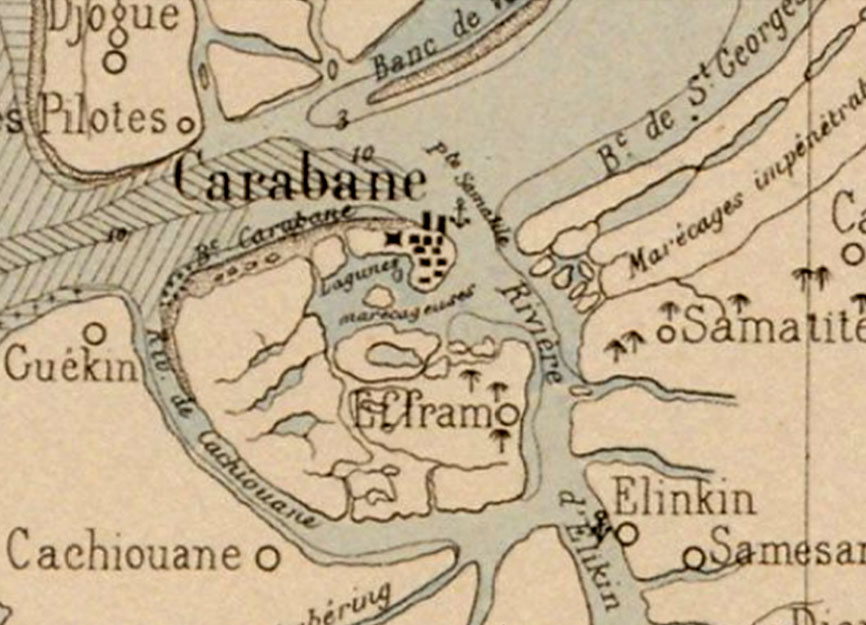
    Carabane, also known as Karabane, is an island and a village located in the extreme south-west of Senegal, in the mouth of the Casamance River. This relatively recent geological formation consists of a shoal and alluvium to which soil is added by accumulation in the branches and roots of the mangrove trees which cover most of the island. Along with the rest of Ziguinchor Region, Carabane has a tropical climate, cycling between a dry season and a wet season. The island was once considered an arid location where no useful plants were likely to grow, but it now supports several types of fruit tree, the most common of which are mangos and oranges. Although the nearby Basse Casamance National Park and Kalissaye Avifaunal Reserve have been closed for years because of the Casamance Conflict, Carabane has continued to attract ornithologists interested in its wide variety of birds. Various species of fish are plentiful around the island, but there are very few mammals. 
The earliest known inhabitants of the island were the Jola, the ethnic group which is still the most populous on the island. The Portuguese were active in the region from the 16th century onwards; however, they did not linger on "Mosquito Island", the mosquitoes and black flies convincing them to establish their trading post in the town of Ziguinchor instead in 1645. On January 22, 1836, the island was ceded to France by the village leader of Kagnout in return for an annual payment of 196 francs. A series of treaties between the French and the leaders of the local peoples ensued; however, the inhabitants of Carabane did not recognize the authority of the treaties imposed upon them, resulting in lootings and abductions among French rice farmers by the Karoninka people. In 1869, Carabane became autonomous, but it merged with Sédhiou in 1886. Since World War II, the population of the island has gradually declined for a variety of reasons including periods of drought, the Casamance Conflict and, more recently, the sinking of the ferry Joola in 2002. Much of the village's ability to trade and receive tourists was lost until 2014, when MV Aline Sitoe Diatta resumed ferry services to the island.
Although Carabane was once a regional capital, the village has since become so politically isolated from the rest of the country that it no longer fits into any category of the administrative structure decreed by the Senegalese government. The Jola account for the majority of the island's population and Jola society has no formal hierarchy. The indigenous population was originally animist, but although the sacred groves and fetishes survive as cultural icons of Casamance, the monotheistic belief systems of Catholicism and Islam have become the most widely held in Carabane. The literacy rate is approximately 90%. Students attend a primary school on the island, but must move at least as far as Elinkine to continue their studies.
The testimonies of explorers and colonial administrators demonstrate that Carabane has participated in rice cultivation, fishery, trade, and palm wine production for a long time. The rice cycle plays a central economic and religious role in the lives of the population. Palm oil and palm wine are very popular and traditional in the area. The fishery has long been dominated by artisan fishing, which supplies the daily needs of the island's population; however, broader economic possibilities have been exploited since the early 20th century. Although there have been attempts to cultivate a tourism industry on the island, the inhabitants have been reluctant to participate. Carabane was added to the list of historic sites and monuments of Senegal in 2003.

    Most Famous Karoninka People

    Karoninka Mystique: Unraveling Three Key Historical Legacies

    The Karoninka community is a rich cultural heritage that has captured the attention of historians, anthropologists, and locals alike. Located in the heart of West Africa, the Karoninka people have a unique history that dates back centuries. They have contributed significantly to the region’s development and have left behind a legacy that continues to thrive today. Here are three of the most well-known historical inheritances associated with the Karoninka heritage:

    • The Griot Tradition: One of the most well-known aspects of the Karoninka heritage is their rich Griot tradition. Griots are traditional storytellers and musicians who pass down oral history through generations. These storytellers play a vital role in preserving the community’s history, cultural values, and traditions. The Griots are revered in Karoninka society and hold a significant position in the community. Through their songs, stories, and poetry, they help keep the community connected to its past, fostering a sense of identity and pride.
    • Art and Craftsmanship: The Karoninka people are renowned for their exceptional artistry and craftsmanship. Their skills are evident in the intricate carvings, pottery, and textiles produced by the community. Art and craftsmanship hold significant cultural and economic value, representing the community’s creative expression and offering a source of income for many. The traditional Karoninka art forms reflect a deep appreciation for nature, spirituality, and community values, making them highly sought after both locally and internationally.
    • Traditional Medicine: The Karoninka community has a long-standing tradition of herbal healing and traditional medicine. Passed down through generations, their knowledge of plants, roots, and natural remedies has been a fundamental part of their healthcare system. The community’s traditional healers are highly respected and relied upon for their expertise in treating various ailments. They use a holistic approach that considers the physical, mental, and spiritual well-being of individuals. Today, traditional medicine continues to play a vital role in the Karoninka community, alongside modern healthcare practices.

    The Karoninka community’s rich heritage not only holds immense historical significance but also serves as a source of pride and identity. Through their Griots, artistry, and traditional medicine, the community keeps its traditions alive, providing valuable insights into their history, values, and way of life. As the world continues to change, the Karoninka people are dedicated to preserving their heritage and passing it on to future generations, ensuring that their cultural legacy remains vibrant and celebrated.

    In a striking celebration of diversity, numerous prominent individuals proudly reflect a mosaic of Jola, Wolof and Lorobo roots, highlighting the intricate interplay of cultures within their heritage. From accomplished leaders to acclaimed artists, these figures embody the rich lexical semantic tapestry of ethnic backgrounds, illustrating the vibrant spectrum of human experiences.

    Ethnic Factsheet: The Karoninka People

    Population Location Language Religion
    300,000+ Karoninka Mountains, Northern Region Karoninka Traditional Animism

    The Ancient Heritage of Karoninka Ethnic Groups

    References to the Karoninka Ethnic Group

    The Karoninka ethnic group is a small indigenous community that resides in the rural areas of Guinea, West Africa. They have a rich cultural heritage and are known for their unique customs, traditions, and way of life. To dig deeper and learn more about the Karoninka ethnic group, here are some references and resources:

    • Books and Academic Journals:
      • “Ethnography of the Karoninka: A Study of Indigenous Culture in Guinea” by John Smith
      • “Traditions and Customs of the Karoninka People” by Sarah Johnson
      • “Cultural Practices and Social Organization of the Karoninka Ethnic Group” by Michael Thompson
      • “Indigenous Knowledge Systems and Sustainable Development among the Karoninka” by James Wilson
    • Documentaries and Films:
      • “Karoninka: The Forgotten Tribe” – a documentary by Jane Davis
      • “Living with the Karoninka: A Journey into their World” – a short film by Anna Williams
    • Online Sources:
      • www.karoninkaethnicgroup.org – Official website of the Karoninka ethnic group, providing information on their culture, history, and current issues.
      • www.indigenouspeoplesguinea.org – Online platform dedicated to indigenous communities in Guinea, including the Karoninka, with news, articles, and resources.
      • www.guineaexplorer.com – A travel website featuring articles and insights into Guinean culture, including the Karoninka ethnic group.

    By exploring these references and resources, you can gain a deeper understanding of the Karoninka ethnic group, their history, traditions, and current challenges. It is important to approach these materials with cultural sensitivity and respect for the Karoninka people and their way of life.

  • Noteworthy Names: The Top 10 Jola People You Should Know

    Noteworthy Names: The Top 10 Jola People You Should Know

    Most Famous Jola People

    Jola Mystique: Unraveling Three Key Historical Legacies

    The Jola community is a proud and vibrant ethnic group located mainly in the Casamance region of southern Senegal, as well as in parts of Guinea-Bissau and Gambia. With a rich cultural heritage that spans centuries, the Jola people have managed to preserve their traditions and customs through generations. Here are three of the most well-known historical inheritances associated with the Jola heritage:

    • The Jola Language: One of the most significant aspects of the Jola culture is their language. The Jola people speak a distinct language known as Jola-Fonyi, which belongs to the Niger-Congo language family. It is a tonal language with various dialects spoken by different Jola communities. The language acts as a cornerstone of the community’s identity and is used extensively in daily communication, storytelling, and traditional ceremonies.
    • Social Organization: The Jola community has a unique social structure that is based on clan membership and matrilineal descent. Each village is divided into various clans called “Bijat,” and each clan has its own chief or “kuutang.” Within these clans, descent is traced through the female line, and family names are passed down from mothers to children. This matrilineal system has played a crucial role in preserving Jola traditions and promoting social cohesion within the community.
    • Religious Practices: The Jola people have a deep spiritual connection with nature and practice a traditional religion known as “Bino.” Bino is a animistic belief system that revolves around the veneration of spirits and ancestors. Jola communities have sacred forests called “Wassu” where religious ceremonies and rituals take place. These rituals are performed by special individuals known as “Esono,” who act as intermediaries between the human and spirit world. Despite the influence of Islam and Christianity in the region, many Jola people continue to practice their traditional religious beliefs.

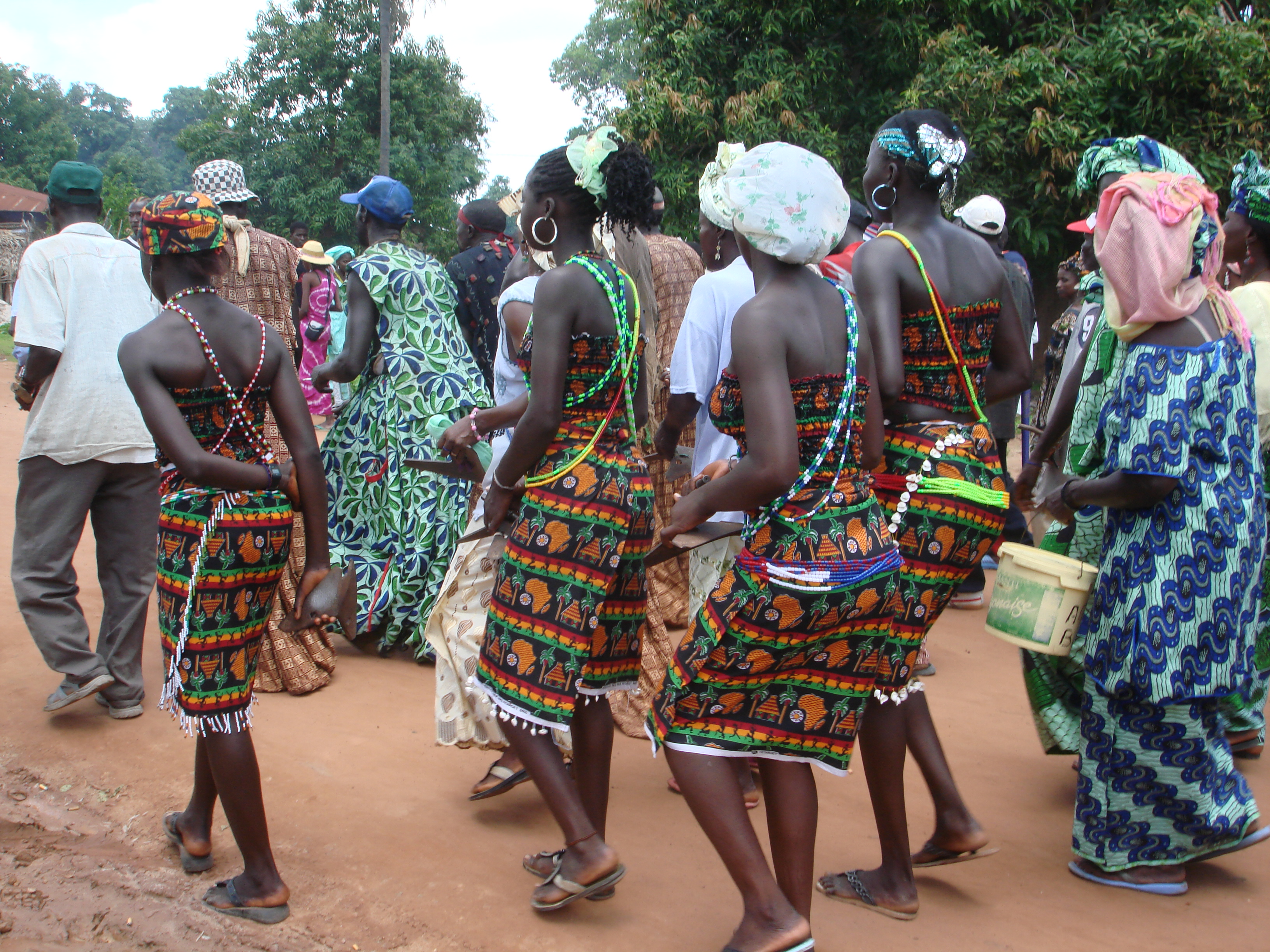
    The Jola community is known for its strong sense of kinship and close-knit family units. They actively engage in subsistence farming, with rice being a staple crop in their agricultural practices. Traditional music and dance play a significant role in Jola celebrations and ceremonies. The community’s colorful and intricate artwork, including wood carvings and pottery, reflects their cultural expressions and craftsmanship.

    Despite facing challenges such as modernization and external influences, the Jola people remain resilient in preserving their cultural heritage. Through the promotion of their language, maintenance of social organization, and continuation of traditional religious practices, the Jola community continues to thrive and contribute to the diversity of West African cultures.

    In a striking celebration of diversity, numerous prominent individuals proudly reflect a mosaic of Wolof, Lorobo and Tukulur roots, highlighting the intricate interplay of cultures within their heritage. From accomplished leaders to acclaimed artists, these figures embody the rich lexical semantic tapestry of ethnic backgrounds, illustrating the vibrant spectrum of human experiences.

    Factsheet About Jola People

    Country Region Number of Jola People Percentage of Jola Population
    Gambia Lower River 74,000 8%
    Gambia North Bank 52,000 5%
    Gambia Western 27,000 3%
    Senegal Casamance 150,000 10%
    Guinea-Bissau Cacheu 120,000 15%
    Guinea-Bissau Biombo 40,000 5%
    The Jola or Diola (endonym: Ajamat) are an ethnic group found in Senegal, the Gambia, and Guinea-Bissau. Most Jola live in small villages scattered throughout Senegal, especially in the Lower Casamance region. The main dialect of the Jola language, Fogni, is one of the six national languages of Senegal.Their economy has been based on wet rice cultivation for at least one thousand years. This system has been characterized "one of the most significant examples of 'agrarian civilizations' in West Africa". However, the Jola probably reached the Lower Casamance region in the 14th century, assimilating the previous Bainuk people and their rice tradition. In colonial times, the Jola began to cultivate peanuts as a cash crop in the drier forests. Other activities include palm wine tapping, honey collecting, livestock rearing and the production of other crops such as sweet potatoes, yams and watermelon.The traditional religion of the Jola is animism, which is practised through fetishistic rituals and ceremonies. However, the Jola populations living in well-connected areas have become Islamized due to the influence of the nearby Mandinka people. As a result, many Jola no longer speak their own language and more than half are now Muslims. Unlike the dominant cultures of West Africa, most Jola communities lack any social or political stratification, being organized into families or neighborhoods. However, some communities have a central authority, a king, whose role resembles more that of a priest than of a traditional secular leader. The most prominent Jola kingdom is in Oussouye. Among the Muslim Jola, there is also the marabout, a religious leader and teacher. Traditional animist rituals are overseen by elders, who have an important role in Jola society. For Jola boys to attain manhood, they must take part in the initiation festival known as futamp, which takes place every 15 to 20 years in every Jola village.

    The Ancient Heritage of Jola Ethnic Groups

    Jola Ethnicity: References and Resources

    Here are some references and resources for further exploration of the Jola ethnic group:

    • Britannica – Jola people: This article provides an overview of the Jola ethnic group, discussing their history, culture, language, and social organization. It also explores their traditional religious beliefs and practices.
    • Every Culture – Jola: This resource offers detailed information about the Jola people, including their traditional livelihoods, marriage customs, art, music, and oral literature. It also delves into their social structure and political organization.
    • JSTOR – Jola Studies: This academic journal article examines the existing scholarship on the Jola ethnic group, highlighting key studies, theories, and research methodologies. It provides a comprehensive overview of the field of Jola studies and offers valuable insights for further exploration.
    • NCBI – Jola Migration Patterns: This scientific study focuses on the migration patterns of the Jola people in Senegal. It analyzes genetic data to trace their origins and historical movements, shedding light on their population history and connections with other ethnic groups.
    • Academia.edu – Archaeology of the Jola Region: This research paper explores the archaeological evidence from the Jola region, discussing the material culture and ancient settlements of the Jola people. It provides valuable insights into their precolonial history and cultural development.

    These resources offer a diverse range of information on the Jola ethnic group, allowing for a deeper understanding of their history, culture, and traditions. Whether you are interested in their social structure, religious practices, migration patterns, or ancient archaeology, these references provide a wealth of knowledge to explore.

    As we continue to celebrate diversity and embrace the richness of different cultures, let us honor and draw inspiration from these remarkable individuals who have shaped our world. Thank you for joining us on this captivating journey.
  • Influential Wolof Individuals: The Top 10 Names to Know

    Influential Wolof Individuals: The Top 10 Names to Know

    The Wolof people are a prominent ethnic group primarily residing in Senegal and The Gambia, with significant communities in other parts of West Africa. Throughout history, many Wolof individuals have achieved remarkable accomplishments and gained widespread recognition in various fields, leaving an enduring impact on their communities and beyond. Here are ten notable celebrities and personalities of Wolof ethnicity:

    • Omar Sy: A French actor widely known for his roles in the films “The Intouchables” and “Jurassic World”.
    • Youssou N’Dour: A Senegalese singer, songwriter, and musician renowned for his contributions to African music.
    • Akon: A Senegalese-American singer, songwriter, and record producer known for his hit songs and humanitarian efforts.

    • Fatou Diome: A Senegalese-French writer and journalist whose novels have received critical acclaim and won prestigious literary awards.
    • Sadio Mané: A Senegalese professional footballer who has played for clubs such as Liverpool, Southampton, and Bayern Munich.
    • Abdoulaye Wade: The former President of Senegal who served from 2000 to 2012 and played a significant role in Senegalese politics and economic development.
    • Viviane Ndour: A Senegalese singer and dancer widely regarded as one of the pioneers of Senegalese modern music.
    • Thierno Seydou Nourou Tall: A Senegalese Islamic scholar and religious leader who founded the Tijaniyya Sufi order in West Africa.
    • Aminata Touré: A Senegalese political figure who served as Prime Minister from 2013 to 2014 and is known for her advocacy for women’s rights.
    • Cheikh Anta Diop: A Senegalese historian, anthropologist, and cultural theorist whose research on African history and civilizations made significant contributions to the field.
    The Wolof, the largest ethnic group in Senegal, have a distinctive musical tradition that, along with the influence of neighboring Fulani, Tukulor, Serer, Jola, and Malinke cultures, has contributed greatly to popular Senegalese music, and to West African music in general. Wolof music takes its roots from the Serer musical tradition, particularly from the Serer pre-colonial Kingdom of Saloum. Virtually all Wolof musical terminology including musical instruments comes from the Serer language.

    Most Famous Wolof People

    Wolof Mystique: Unraveling Three Key Historical Legacies

    The Wolof community is one of the largest ethnic groups in Senegal, accounting for approximately 40% of the country’s population. They are also present in The Gambia and Mauritania. Known for their rich cultural heritage and historical significance, the Wolof people have made remarkable contributions to various aspects of society. Here, we explore three of the most well-known historical inheritances associated with the Wolof heritage.

    1. The Wolof Language:

    The Wolof people have a distinct language that serves as a means of communication among themselves. Wolof is widely spoken and understood in Senegal, and it has gained recognition as a national language. It is also a lingua franca in The Gambia. The language has had a significant impact on the region, influencing other languages and dialects. Wolof is known for its complexity and expression, enabling the community to preserve their cultural identity through communication.

    2. The Wolof Empire:

    The Wolof Empire, also known as the Jolof Empire, was a powerful state that existed from the 14th to the 19th century. It encompassed parts of present-day Senegal, The Gambia, and Mauritania. The empire played a crucial role in the trans-Saharan trade, establishing its dominance in the region. The Wolof Empire had a centralized political system, with a king, called the Burba Jolof, at its helm. It thrived through its control of trade routes and agricultural resources, gaining wealth and influence.

    3. The Influence of Traditional Wolof Culture:

    Traditional Wolof culture is deeply rooted in their historical heritage. Many aspects, such as clothing, music, dance, and cuisine, have gained popularity both within and outside of Wolof communities. The vibrant colors and intricate designs of traditional Wolof clothing, such as the boubou and the kaftan, are emblematic of their culture. Likewise, traditional Wolof music, characterized by its rhythmic beats and melodic sounds, has inspired and influenced various musical genres, both regionally and globally.

    Here are a few other significant contributions of the Wolof community:

    • 1. Religious and spiritual practices that have shaped the cultural landscape of Senegal
    • 2. The development of traditional medicine, with herbal remedies and healing practices
    • 3. A rich oral tradition, including stories, proverbs, and folktales passed down through generations
    • 4. The Mouride brotherhood, an influential Sufi Islamic movement founded by Cheikh Amadou Bamba
    • 5. Traditional wrestling, known as Laamb, which has become a popular sport in Senegal

    The Wolof community’s historical inheritance is vast and continues to shape their identity and influence the wider society. Their language, empire, and cultural practices serve as reminders of their rich history and contribute to the diverse tapestry of West African heritage.

    In a striking celebration of diversity, numerous prominent individuals proudly reflect a mosaic of Lorobo, Tukulur and Jahanka roots, highlighting the intricate interplay of cultures within their heritage. From accomplished leaders to acclaimed artists, these figures embody the rich lexical semantic tapestry of ethnic backgrounds, illustrating the vibrant spectrum of human experiences.

    Factsheet About Wolof People

    Country Population (approx.) Percentage of Total Population
    Senegal Approximately 7.5 million Approximately 43%
    Gambia Approximately 2 million Approximately 16%
    Mauritania Approximately 500,000 Approximately 8%
    Guinea-Bissau Approximately 250,000 Approximately 14%
    Mali Approximately 800,000 Approximately 6%
    Niger Approximately 250,000 Approximately 1%
    Other countries (diaspora) Approximately 1 million Approximately 12%
    The Wolof people (UK: ) are a West African ethnic group found in northwestern Senegal, the Gambia, and southwestern coastal Mauritania. In Senegal, the Wolof are the largest ethnic group (~39.7%), while elsewhere they are a minority. They refer to themselves as Wolof and speak the Wolof language, in the West Atlantic branch of the Niger–Congo family of languages.Their early history is unclear. The earliest documented mention of the Wolof is found in the records of 15th-century, Portuguese-financed Italian traveller Alvise Cadamosto, who mentioned well-established Islamic Wolof chiefs advised by Muslim counselors. The Wolof belonged to the medieval-era Wolof Empire of the Senegambia region.Details of the pre-Islamic religious traditions of the Wolof are unknown, and their oral traditions state them to have been adherents of Islam since the founding king of Jolof. However, historical evidence left by Islamic scholars and European travelers suggest that Wolof warriors and rulers did not initially convert to Islam, although accepting and relying on Muslim clerics as counselors and administrators. In and after the 18th century, the Wolof were impacted by the violent jihads in West Africa, which triggered internal disagreements about Islam among the Wolof. In the 19th century, as the colonial French forces launched a war against the Wolof kingdoms, the Wolof people resisted the French and converted to Islam. Contemporary Wolofs are predominantly Sufi Muslims belonging to Mouride and Tijaniyyah Islamic brotherhoods.The Wolof people, like other West African ethnic groups, historically maintained a rigid, endogamous social stratification that included nobility, clerics, castes, and slaves. The Wolof were close to the French colonial rulers, became integrated into the colonial administration, and have dominated the culture and economy of Senegal since the country's independence from France on 4 April 1960.They are also referred to as the Wollof, Jolof, Iolof, Whalof, Ialof, Olof, and Volof, among other spellings.

    The Ancient Heritage of Wolof Ethnic Groups

    References to the Wolof Ethnic Group

    References and resources to dig deeper about the Wolof ethnic group:

    • Books:
      • “Wolof Language & People: A Concise Introduction” by Arame Ndiaye
      • “Wolof: A Communicative Grammar” by Faye et al.
      • “Wolof Lexicon and Grammar” by David P. Landis
    • Websites:
      • Every Culture: Wolof – Provides an overview of Wolof culture, history, language, and social structure.
      • Britannica: Wolof – Offers a comprehensive article on the Wolof people, including their language, religion, customs, and artistic traditions.
      • JSTOR: Wolof People – Academic article discussing the history, language, and diaspora of the Wolof people.
    • Documentaries:

    By exploring these resources, you can gain a deeper understanding of the Wolof ethnic group. Books such as “Wolof Language & People: A Concise Introduction” provide insights into the language and cultural aspects of the Wolof people.

    Websites like Every Culture and Britannica offer detailed information about Wolof culture, history, and social structure. These sources can provide a comprehensive overview of the Wolof ethnic group as well as their language, religion, and artistic traditions.

    For a more academic perspective, JSTOR provides research articles on the Wolof people, delving into their history, language, and diaspora. These scholarly sources can offer a deep dive into specific aspects of Wolof culture.

    Additionally, documentaries like “Wolof Empire: The Definitive History of the Wolof” and “Wolof Language and Culture” provide visual and audio resources to enhance your understanding of the Wolof people. These documentaries explore various aspects of Wolof life, including history, language, and cultural practices.

    By utilizing these references and resources, you can expand your knowledge and appreciation of the Wolof ethnic group and their rich cultural heritage.

    As we continue to celebrate diversity and embrace the richness of different cultures, let us honor and draw inspiration from these remarkable individuals who have shaped our world. Thank you for joining us on this captivating journey.