Author: Syarif Muhamad

  • Top 10 Celebrities Embracing Bengali Roots

    Top 10 Celebrities Embracing Bengali Roots

    Bengal, a culturally vibrant region in South Asia shared by Bangladesh and the Indian state of West Bengal, has produced many celebrated personalities who have made significant contributions to various fields. These individuals have gained international recognition and admiration for their accomplishments, inspiring and entertaining audiences worldwide.

    • Rabindranath Tagore: A renowned poet, writer, philosopher, and composer, Tagore is widely regarded as one of the most influential figures in Bengali literature and Indian cultural history. He was awarded the Nobel Prize in Literature in 1913, becoming the first non-European to receive this honor.
    • Satyajit Ray: An acclaimed filmmaker, Ray is considered one of the greatest and most influential directors in the history of cinema. His films, known for their realism, humanism, and cinematic brilliance, have won numerous awards, including an Honorary Academy Award in 1992.
    • Amartya Sen: A Nobel laureate in Economics, Sen is a renowned philosopher, economist, and social choice theorist. His work has significantly impacted welfare economics, social choice theory, economic and social justice, and development economics.
    • Mother Teresa: A Catholic nun and missionary, Mother Teresa founded the Missionaries of Charity, a religious congregation dedicated to serving the poor and sick. For her tireless work, she was awarded the Nobel Peace Prize in 1979.
    • Sheikh Mujibur Rahman: The founding father of Bangladesh, Rahman led the Bengali nationalist movement and served as the country’s first president. He is revered as a national hero for his role in achieving independence from Pakistan.
    • Taslima Nasrin: A writer, poet, and human rights activist, Nasrin has faced persecution and threats for her outspoken views on religion, women’s rights, and freedom of expression. Her writings have garnered international attention and acclaim.
    • Runa Laila: A legendary singer, Laila is known as the “Nightingale of Bangladesh” for her melodious voice and captivating performances. She has won numerous awards, including the Bangladesh National Film Award for Best Female Playback Singer.
    • Shakib Khan: A popular Bangladeshi actor, Khan has starred in over 250 films and is considered one of the most successful actors in the country. He has won numerous awards for his acting skills and commercial success.
    • Mamata Banerjee: A politician, Banerjee is the current Chief Minister of West Bengal, India. Known for her strong leadership and populist policies, she has been praised for her efforts in social welfare and development.
    • Jhumpa Lahiri: A writer and novelist, Lahiri has received critical acclaim for her works exploring the experiences of Bengali immigrants in the United States. Her novels have won prestigious awards, including the Pulitzer Prize for Fiction.
    This article provides lists of famous and notable Bengali people in the Indian subcontinent, people with Bengali ancestry, and people who speak Bengali as their primary language.

    Most Famous Bengali People

    Bengali Mystique: Unraveling Three Key Historical Legacies

    The Bengali community is one of the most vibrant and diverse communities in the world. With a rich history dating back centuries, the Bengali heritage has left a lasting impact on various aspects of culture, art, and literature. Here are three of the most well-known historical inheritances that are associated with the Bengali community:

    1. Bengal Renaissance

    The Bengal Renaissance, which occurred during the 19th and early 20th centuries, was a period of immense intellectual and cultural growth for the Bengali community. As a result of British colonization, the Bengali people were exposed to Western ideas and philosophies, sparking a revival in arts, science, and literature.

    During this time, prominent figures like Rabindranath Tagore, the first non-European Nobel laureate in Literature, and Swami Vivekananda, a renowned philosopher and spiritual leader, emerged from the Bengal Renaissance. Their contributions and the collective efforts of many others in this period led to significant advancements in literature, music, education, and social reform.

    2. Bengali Language and Literature

    The Bengali language, also known as Bangla, is one of the most widely spoken languages in the Indian subcontinent. With its own unique script, Bengali literature has a rich tradition that dates back to the 10th century. The renowned poet and philosopher, Rabindranath Tagore, played a crucial role in promoting the Bengali language and literature internationally through his acclaimed works.

    Bengali literature encompasses a wide range of genres, including poetry, novels, short stories, and dramas. It has produced several literary luminaries such as Kazi Nazrul Islam, the national poet of Bangladesh, and Sharat Chandra Chattopadhyay, whose novels continue to captivate readers across generations. The Bengali community’s love for literature is celebrated through various literary festivals and book fairs held in different parts of the world.

    3. Bengali Cuisine

    Bengali cuisine is renowned for its delectable flavors and unique culinary techniques. The community takes immense pride in its diverse range of traditional dishes, which include a harmonious blend of flavors, textures, and spices.

    Some famous Bengali dishes that have gained international recognition include mouth-watering delicacies like macher jhol (fish curry), shorshe ilish (hilsa fish in mustard sauce), and mishti doi (sweet yogurt). Bengali sweets, known as “mishti,” are also widely relished, with offerings like rasgulla and sandesh being particularly popular.

    The Bengali community’s culinary heritage is celebrated through various food festivals and cultural events, where people come together to indulge in the diverse flavors and culinary delights that Bengali cuisine has to offer.

    In Conclusion

    The Bengali community’s historical inheritances have left an indelible mark on the world. From the intellectual and cultural movement of the Bengal Renaissance to the rich literary tradition and mouth-watering cuisine, the Bengali heritage continues to be cherished and celebrated by millions around the globe.

    Notable Bengali Contributions:

    • Rabindranath Tagore – Nobel laureate poet and philosopher
    • Swami Vivekananda – renowned spiritual leader and philosopher
    • Kazi Nazrul Islam – national poet of Bangladesh
    • Raja Ram Mohan Roy – social reformer and founder of Brahmo Samaj
    • Sharat Chandra Chattopadhyay – acclaimed novelist

    Famous Bengali Dishes:

    • Macher Jhol – fish curry
    • Shorshe Ilish – hilsa fish in mustard sauce
    • Mishti Doi – sweet yogurt
    • Rasgulla – spongy cottage cheese balls in syrup
    • Sandesh – sweet confectionery made with milk and sugar

    In a striking celebration of diversity, numerous prominent individuals proudly reflect a mosaic of Nort American, Bahraini and Talysh roots, highlighting the intricate interplay of cultures within their heritage. From accomplished leaders to acclaimed artists, these figures embody the rich lexical semantic tapestry of ethnic backgrounds, illustrating the vibrant spectrum of human experiences.

    Ethnic Factsheet: The Bengali People

    Country Population Percentage
    Bangladesh 163 million 98.4%
    India 9 million 0.8%
    Pakistan 2 million 0.1%
    United States 702,440 0.4%
    United Kingdom 485,277 0.3%
    United Arab Emirates 370,000 0.2%
    Saudi Arabia 298,000 0.2%
    Bengalis (Bengali: বাঙালি, বাঙ্গালী [baŋali, baŋgali] ), also rendered as Bangalee, are an Indo-Aryan ethnolinguistic group originating from and culturally affiliated with the Bengal region of South Asia. The current population is divided between the sovereign country Bangladesh and the Indian states of West Bengal and Tripura, Barak Valley, Andaman and Nicobar Islands, Jharkhand and part of Meghalaya and Manipur. Most of them speak Bengali, a language from the Indo-Aryan language family.
Bengalis are the third-largest ethnic group in the world, after the Han Chinese and Arabs. Thus, they are the largest ethnic group within the Indo-Europeans and the largest ethnic group in South Asia. Apart from Bangladesh and the Indian states of West Bengal, Tripura, Manipur, and Assam's Barak Valley, Bengali-majority populations also reside in India's union territory of Andaman and Nicobar Islands, with significant populations in the Indian states of Arunachal Pradesh, Delhi, Odisha, Chhattisgarh, Jharkhand, Mizoram, Nagaland and Uttarakhand as well as Nepal's Province No. 1. The global Bengali diaspora (Bangladeshi Bengalis and Indian Bengalis) have well-established communities in the Middle East, Pakistan, Myanmar, the United Kingdom, the United States, Malaysia, Italy, Singapore, Maldives, Canada, Australia, Japan and South Korea.
Bengalis are a diverse group in terms of religious affiliations and practices. Today, approximately 68% are adherents of Islam with a large Hindu minority and sizeable communities of Christians and Buddhists. Bengali Muslims, who live mainly in Bangladesh, primarily belong to the Sunni denomination. Bengali Hindus, who live primarily in West Bengal, Tripura, Assam's Barak Valley, Jharkhand and Andaman and Nicobar Islands, generally follow Shaktism or Vaishnavism, in addition to worshipping regional deities. There also exist small numbers of Bengali Christians, a large number of whom are descendants of Portuguese voyagers, as well as Bengali Buddhists, the bulk of whom belong to the Bengali-speaking Barua group in Chittagong and Rakhine (who should not be confused with other Buddhists of Bangladesh that belong to different ethnic groups).
Like every large culture group in history, Bengalis have greatly influenced and contributed to diverse fields, notably the arts and architecture, language, folklore, literature, politics, military, business, science and technology.

    The Ancient Heritage of Bengali Ethnic Groups

    Bengali Ethnicity: References and Resources

    If you are interested in learning more about the Bengali ethnic group, there are various references and resources available that can help you dig deeper into their rich history, culture, and traditions. Here are a few:

    • Books: There are many books written about the Bengali ethnic group that provide comprehensive information about their history, language, literature, art, and more. Some notable books include “Bengal Divided: The Unmaking of a Nation” by Nitish Sengupta, “The Bengalis: A Portrait of a Community” by Sudeep Chakravarti, and “A History of Bangladesh” by Willem van Schendel.
    • Academic Journals: Academic journals such as “South Asian History and Culture,” “Journal of Bengal Studies,” and “Journal of Asian Studies” often publish research articles that focus on various aspects of the Bengali ethnic group. These journals provide in-depth analysis and insights into the culture, politics, sociology, and other facets of the community.
    • Museums: Visiting museums focused on the Bengali culture can offer a unique and immersive experience. The Bangladesh National Museum in Dhaka and the Victoria Memorial Hall in Kolkata, India, are two notable institutions that display artifacts, artworks, and historical objects related to the Bengali ethnic group.
    • Documentaries and Films: Documentaries and films can provide a visual and narrative understanding of the Bengali culture. “The Last Jews of Kolkata” is a documentary that explores the Jewish community in Kolkata, many of whom identify as Bengali. Films like “Pather Panchali” by Satyajit Ray and “Aparajito” offer a glimpse into Bengali cinema and storytelling traditions.
    • Online Resources: Websites and online resources, such as academic databases, cultural organizations, and websites run by Bengali diaspora communities, can offer a wealth of information about the Bengali ethnic group. Websites like the British Library’s “Endangered Archive Programme” and the “Digital South Asia Library” provide access to historical documents, photographs, and other resources.

    By exploring these references and resources, you can gain a deeper understanding of the Bengali ethnic group and its diverse heritage. Whether you are interested in history, literature, art, or any other aspect of the culture, these sources can serve as valuable tools for further exploration.

  • Top 10 Celebrities with Nort American Heritage

    Top 10 Celebrities with Nort American Heritage

    North America is home to a diverse and vibrant population of celebrities and notable people. From actors and musicians to athletes and politicians, these individuals have made their mark on the world stage and continue to inspire and entertain audiences around the globe. Here are ten of the most popular celebrities and notable people from North American ethnicity:

    • Barack Obama: The 44th President of the United States, Obama is the first African American to hold the office. He is a Nobel Peace Prize laureate and a highly respected figure in both domestic and international politics.
    • Oprah Winfrey: A talk show host, actress, producer, and media executive, Winfrey is one of the most influential women in the world. Her talk show, The Oprah Winfrey Show, ran for 25 seasons and was a cultural phenomenon.
    • Beyoncé: A singer, songwriter, and actress, Beyoncé is one of the most successful and acclaimed musicians of all time. She has won 28 Grammy Awards and has sold over 200 million records worldwide.
    • Leonardo DiCaprio: An actor and producer, DiCaprio is one of the most popular and versatile actors in Hollywood. He has won an Academy Award, three Golden Globes, and a SAG Award.
    • Dwayne Johnson: An actor, producer, and former professional wrestler, Johnson is one of the highest-grossing actors of all time. He is also a popular figure on social media, with over 300 million followers on Instagram.
    • Justin Bieber: A singer, songwriter, and musician, Bieber is one of the most popular pop stars in the world. He has won a Grammy Award and has sold over 150 million records worldwide.
    • Jennifer Lopez: A singer, actress, and dancer, Lopez is a multi-talented entertainer who has achieved success in both music and film. She has won a Grammy Award and two Golden Globes.
    • Kim Kardashian: A reality television star, social media influencer, and businesswoman, Kardashian is one of the most famous people in the world. She has over 200 million followers on Instagram and has launched several successful businesses.
    • Kanye West: A rapper, singer, songwriter, and record producer, West is one of the most influential musicians of the 21st century. He has won 21 Grammy Awards and has sold over 21 million albums worldwide.
    • Tom Cruise: An actor and producer, Cruise is one of the most successful and popular actors in Hollywood. He has won three Golden Globes and has starred in some of the highest-grossing films of all time.
    Richard Scott Harmon (born August 18, 1991) is a Canadian actor. His roles on television include John Murphy in The CW's The 100, Jasper Ames in The Killing and Julian Randol on Continuum. Harmon received critical praise for his role in the movie If I Had Wings.

    Most Famous Nort American People

    Nort American Mystique: Unraveling Three Key Historical Legacies

    The North American community is a rich tapestry of diverse cultures and historical influences. From the indigenous peoples who inhabited the land for thousands of years, to the European colonizers who arrived in the 15th century, the history of North America is filled with significant inheritances that have shaped both the past and present of this vast continent.

    One of the most well-known historical inheritances associated with North American heritage is the Native American culture. The indigenous peoples of North America have a rich history that dates back thousands of years. With over 500 distinct tribes and nations, each with their own unique customs, languages, and beliefs, Native American culture is incredibly diverse. From the powwows that celebrate their traditions, to the intricate art and craftsmanship displayed in their pottery and beadwork, Native American culture is a testament to the resilience and creativity of these ancient civilizations.

    • The Native American culture is known for its deep connection to the natural world. Many tribes have spiritual beliefs that are closely tied to nature, and their respect for the land and its resources is evident in their traditional practices.
    • A key aspect of Native American heritage is storytelling. Through oral traditions, legends, and myths, Native Americans pass down their history and cultural values from generation to generation.
    • The Native American influence can also be seen in modern American society, particularly in the fields of art, music, and fashion. Many Native American artists and musicians have gained recognition for their talent and have contributed to the cultural landscape of North America.

    Another significant inheritance in North American history is the European colonization. The arrival of Christopher Columbus in 1492 marked the beginning of European influence on the continent. From the Spanish conquistadors in the south to the British colonizers in the north, European powers established colonies and brought their customs, languages, and traditions to North America.

    • Language is one of the most enduring inheritances of European colonization. English, Spanish, French, and Dutch are just a few of the European languages that are spoken in different parts of North America today.
    • Religion is another legacy of European colonization. Christianity, brought by European colonizers, became the dominant religion in many parts of North America and continues to play a significant role in society.
    • The European influence can also be seen in the architecture and infrastructure of North America. Many cities, especially in the eastern part of the continent, boast colonial-era buildings and landmarks that serve as reminders of the past.

    Finally, African heritage has played a profound role in shaping North American culture. The forced migration of Africans to North America as slaves from the 17th to the 19th centuries resulted in a blending of African and European traditions, creating a distinct African-American culture that has left an indelible mark on the continent.

    • One of the most notable contributions of African heritage is music, particularly the development of genres such as jazz, blues, and gospel. African rhythms, melodies, and instruments merged with European musical traditions to create these iconic American art forms.
    • African-American cuisine, often referred to as soul food, is another important inheritance. Influenced by traditional African cooking techniques and ingredients, as well as European cuisine, soul food has become a beloved part of American culinary culture.
    • The African-American civil rights movement, which fought for equality and justice, is another significant legacy. Through their struggle for freedom and rights, African Americans have made immense contributions to the progress and development of North American society.

    These three historical inheritances – Native American culture, European colonization, and African heritage – are just a glimpse into the multifaceted tapestry that is the North American community. The blending of these diverse cultures and traditions has resulted in a unique and vibrant society that continues to evolve and shape the continent today.

    In a striking celebration of diversity, numerous prominent individuals proudly reflect a mosaic of Bahraini, Talysh and Russian roots, highlighting the intricate interplay of cultures within their heritage. From accomplished leaders to acclaimed artists, these figures embody the rich lexical semantic tapestry of ethnic backgrounds, illustrating the vibrant spectrum of human experiences.

    Ethnic Factsheet: The Nort American People

    “`html

    Ethnicity Population Percentage
    White 195,286,000 60.4%
    Hispanic or Latino 59,763,631 18.5%
    African American 41,456,000 12.8%
    Asian 20,600,000 6.4%
    Native American 4,600,000 1.4%
    Other 8,800,000 2.7%

    “`

    The Ancient Heritage of Nort American Ethnic Groups

    References to the Nort American Ethnic Group

    When it comes to understanding the diverse ethnic groups in North America, there are numerous references and resources available that can provide invaluable insights. Whether you are interested in learning about the indigenous people or the immigrant communities, these sources can help you dig deeper into North American ethnicity and culture.

    • Smithsonian National Museum of the American Indian: The museum’s website offers a wealth of information on the indigenous peoples of North America. From online exhibits to educational resources, you can explore the history, cultures, and contemporary issues of Native American tribes.
    • Library of Congress – Digital Collections: The Library of Congress provides an extensive collection of materials related to North American ethnic groups. With digitized documents, photographs, and recordings, you can access primary sources that shed light on the different cultures and experiences within the region.
    • Migration Policy Institute: If you are interested in immigrant communities in North America, the Migration Policy Institute offers research, data, and analysis on immigration trends and policy. It provides an in-depth understanding of the diverse ethnic groups that have shaped North America over the years.
    • National Geographic – Indigenous Peoples Atlas of Canada: Although focused on Canada, the Indigenous Peoples Atlas is a comprehensive resource that explores the histories, languages, and cultures of Indigenous peoples across North America. It provides valuable insights into the indigenous communities of the region.
    • University Research Libraries: Universities often have extensive research libraries that cover a wide range of topics, including North American ethnicity. Exploring the catalogs of universities with strong Anthropology, Ethnic Studies, or Native American Studies departments can lead to a wealth of scholarly resources and publications on the subject.

    By utilizing these references and resources, you can deepen your understanding of North American ethnicity and gain a broader perspective on the rich cultural tapestry of the region.

    As we continue to celebrate diversity and embrace the richness of different cultures, let us honor and draw inspiration from these remarkable individuals who have shaped our world. Thank you for joining us on this captivating journey.

  • Leading Figures: Top 10 Renowned Bahraini Personalities

    Leading Figures: Top 10 Renowned Bahraini Personalities

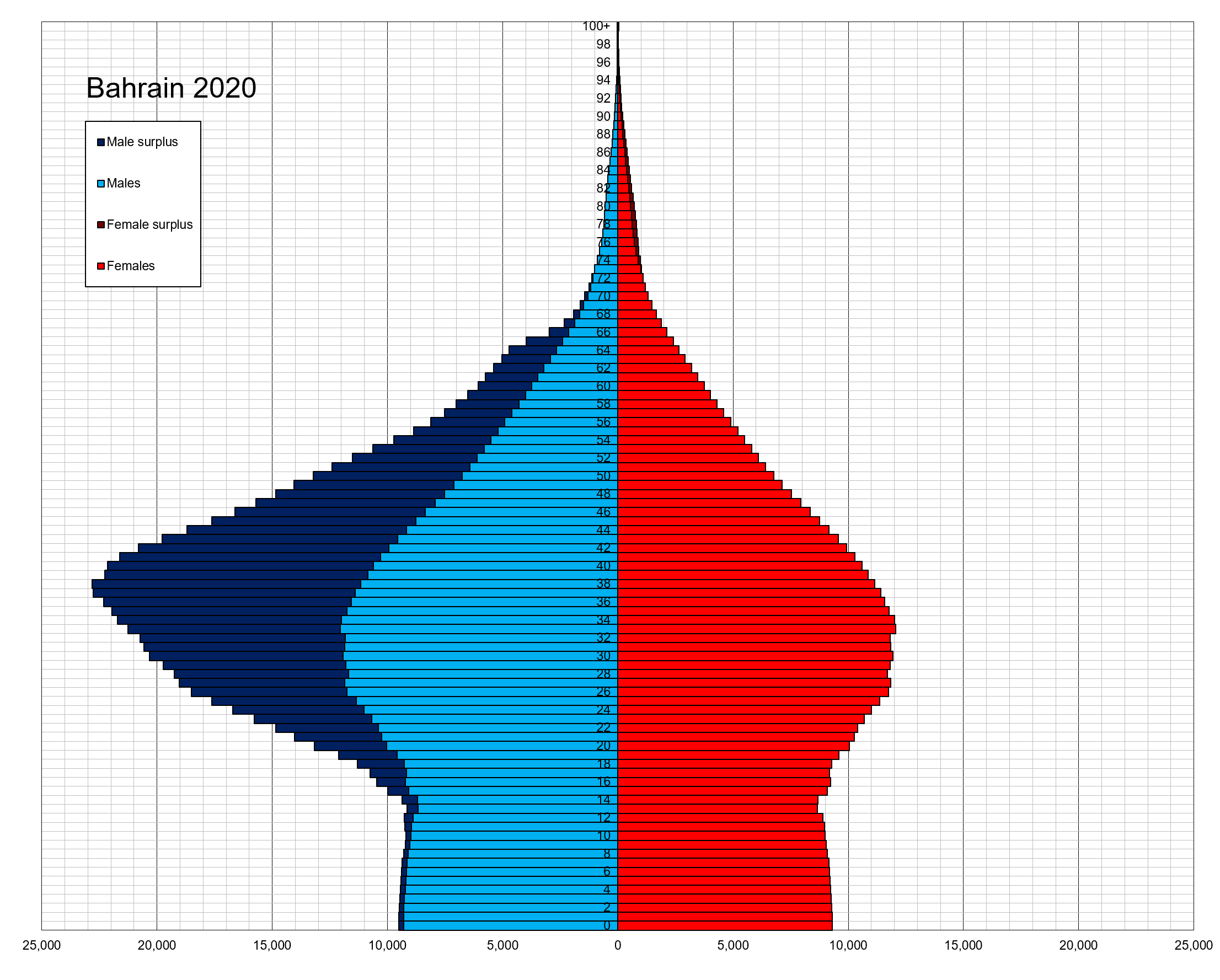
    Bahrain (  bah-RAYN, ; Arabic: البحرين, romanized: al-Baḥrayn, locally [æl baħˈreːn] ), officially the Kingdom of Bahrain, is an island country in West Asia. It is situated on the Persian Gulf, and comprises a small archipelago made up of 50 natural islands and an additional 33 artificial islands, centered on Bahrain Island which makes up around 83 per cent of the country's landmass. Bahrain is situated between Qatar and the northeastern coast of Saudi Arabia, to which it is connected by the King Fahd Causeway. The current population of Bahrain is 1,501,635 as of May 14, 2023, based on elaborations of the latest United Nations data, of whom 712,362 are Bahraini nationals. Bahrain spans some 760 square kilometres (290 sq mi), and is the third-smallest nation in Asia after the Maldives and Singapore. The capital and largest city is Manama.
Bahrain is the site of the ancient Dilmun civilization. It has been famed since antiquity for its pearl fisheries, which were considered the best in the world into the 19th century. Bahrain was one of the earliest areas to be influenced by Islam, during the lifetime of Muhammad in 628 AD. Following a period of Arab rule, Bahrain was ruled by the Portuguese Empire from 1521 until 1602, when they were expelled by Shah Abbas the Great of the Safavid Iran. In 1783, the Bani Utbah clan captured Bahrain from Nasr Al-Madhkur and it has since been ruled by the Al Khalifa royal family, with Ahmed al Fateh as Bahrain's first hakim.
In the late 1800s, following successive treaties with the British, Bahrain became a protectorate of the United Kingdom. In 1971, it declared independence. Formerly an emirate, Bahrain was declared an Islamic constitutional monarchy in 2002. In 2011, the country experienced protests inspired by the regional Arab Spring. Bahrain's ruling Sunni Muslim Al Khalifa royal family has been criticised for violating the human rights of groups including dissidents, political opposition figures, and its majority Shia Muslim population.Bahrain developed the first post-oil economy in the Persian Gulf, the result of decades of investing in the banking and tourism sectors; many of the world's largest financial institutions have a presence in the country's capital. It is recognised by the World Bank as a high-income economy. Bahrain is a member of the United Nations, Non-Aligned Movement, Arab League, Organisation of Islamic Cooperation and the Gulf Cooperation Council. Bahrain is a Dialogue partner of the Shanghai Cooperation Organization.

    Most Famous Bahraini People

    Bahraini Mystique: Unraveling Three Key Historical Legacies

    The Bahraini community is known for its rich and diverse heritage, which has been shaped by centuries of history and cultural influences. From ancient civilizations to modern times, Bahrain has left a lasting impact on the region and the world. Here are three of the most well-known historical inheritances associated with the Bahraini heritage.

    • Dilmun Civilization: One of the earliest recorded civilizations in the Middle East, the Dilmun civilization flourished in Bahrain between 2300 BCE and 1700 BCE. Known for its advanced trade and maritime activities, the Dilmun civilization played a crucial role in connecting ancient Mesopotamia, the Indus Valley, and ancient Persia. The archaeological sites in Bahrain provide a glimpse into the sophisticated culture of the Dilmun people, with well-preserved tombs, temples, and artifacts.
    • Pearl Diving: For centuries, Bahrain’s economy relied heavily on pearl diving, which was a major industry in the region. The pristine waters of the Persian Gulf were home to an abundant supply of oysters, making Bahrain one of the world’s leading centers for pearl trading. The skill of pearl divers was legendary, as they would free-dive to great depths without any modern diving equipment. Pearl diving not only shaped the economic landscape of Bahrain but also influenced its culture and traditions.
    • Fortifications: Bahrain is home to a number of historical fortifications that stand as a testament to the island’s strategic importance throughout history. The Bahrain Fort, also known as Qal’at al-Bahrain, is a UNESCO World Heritage site that dates back to the Dilmun civilization. This ancient fort served as a military stronghold and a center for trading and religious activities. Other notable fortifications in Bahrain include the Arad Fort and the Riffa Fort, each with its own unique architectural style and historical significance.

    These three aspects of Bahrain’s historical inheritance are just a glimpse into the rich tapestry of its cultural heritage. The Bahraini community takes great pride in preserving and celebrating these traditions, ensuring that future generations will continue to appreciate and learn from the country’s vibrant history.

    In a striking celebration of diversity, numerous prominent individuals proudly reflect a mosaic of Talysh, Russian and Lezghin roots, highlighting the intricate interplay of cultures within their heritage. From accomplished leaders to acclaimed artists, these figures embody the rich lexical semantic tapestry of ethnic backgrounds, illustrating the vibrant spectrum of human experiences.

    Factsheet About Bahraini People

    Ethnic Group Population Distribution
    Bahraini 1,505,533 Throughout Bahrain
    Other Arab 170,893 Concentrated in urban areas
    Asian 333,216 Primarily in construction and service sectors
    African 26,398 Concentrated in labor-intensive industries
    Western Expat 30,212 Predominantly in professional roles
    The demographics of the population of Bahrain includes population density, ethnicity, education level, health of the populace, economic status, religious affiliations and other aspects of the population.
Most of the population of Bahrain is concentrated in the two principal cities, Manama and Al Muharraq.

    The Ancient Heritage of Bahraini Ethnic Groups

    References to the Bahraini Ethnic Group

    When it comes to learning more about the Bahraini ethnic group, there are a variety of resources available that provide deep insights into their history, culture, and traditions. These references can help you gain a better understanding of the Bahraini people and their rich heritage.

    By delving into these resources, you can explore various aspects of the Bahraini ethnic group and gain a deeper understanding of their rich cultural heritage.

    We have reached the end of our exploration into the extraordinary lives of prominent Bahraini. We hope this journey has been enlightening and inspiring.

  • Influential Talysh Individuals: The Top 10 Names to Know

    Influential Talysh Individuals: The Top 10 Names to Know

    The Talysh people are an Iranian ethnic group who inhabit the southern coast of the Caspian Sea. They have a rich history and culture, and many notable people from Talysh ethnicity have made significant contributions to the world.

    • Nematulla Pashayev: Azerbaijani-born painter, sculptor, and poet. He is considered one of the most important Azerbaijani artists of the 20th century.
    • Natig Rasulov: Azerbaijani-born actor and director. He is known for his roles in the films “Ali and Nino” and “The Pomegranate Orchard”.
    • Arzu Abbasova: Azerbaijani-born singer. She is one of the most popular singers in Azerbaijan and has released several hit songs.
    • Eldar Gasimov: Azerbaijani-born singer. He is best known for winning the Eurovision Song Contest 2011 as part of the duo Ell & Nikki.
    • Nigar Jamal: Azerbaijani-born singer. She is best known for winning the Eurovision Song Contest 2011 as part of the duo Ell & Nikki.
    • Samir Bayramov: Azerbaijani-born footballer. He is a member of the Azerbaijan national football team and plays for the club Qarabag FK.
    • Vugar Gashimov: Azerbaijani-born chess player. He was a grandmaster and a two-time winner of the European Individual Chess Championship.
    • Shahin Novrasli: Azerbaijani-born writer and journalist. He is known for his novels and short stories, which often deal with social and political issues.
    • Aynur Hasanova: Azerbaijani-born journalist and human rights activist. She is the founder and editor-in-chief of the independent news website Meydan TV.
    • Leyla Aliyeva: Azerbaijani-born businesswoman and philanthropist. She is the daughter of President Ilham Aliyev and is involved in a number of charitable and social initiatives.

    Most Famous Talysh People

    Talysh Mystique: Unraveling Three Key Historical Legacies

    The Talysh community, also known as the Taleshians, is an ethnic group primarily residing in the border region between Iran and Azerbaijan. This community is famous for its rich cultural heritage, which includes diverse traditions, folklore, and historical inheritances. Here are three of the most well-known historical inheritances associated with the Talysh heritage:

    • The Talysh Language:
    • The Talysh language is a Northwestern Iranian language spoken by the Talysh people. It is a unique language with its own script and a rich literary tradition. The language is mainly oral, and its origins can be traced back to the native tongues of the ancient Iranian tribes that inhabited the region. Today, efforts are being made to preserve and promote the Talysh language, including the development of dictionaries, teaching materials, and literature.

    • Cultural and Artistic Traditions:
    • The Talysh community boasts a vibrant cultural heritage with a variety of traditions and artistic expressions. These include traditional music, dance, clothing, and handicrafts. Talysh music is characterized by melodious tunes played on traditional instruments such as the tar and the kamancha. The Talysh people are known for their colorful and intricately designed costumes, often adorned with handcrafted embroidery. The community’s artistic traditions reflect their close connection to nature and portray elements of their daily life and folklore.

    • Historical Sites and Landmarks:
    • The Talysh heritage is also closely tied to several historical sites and landmarks that hold significant cultural and historical value. One such example is the Church of Saint Bartholomew, located in the village of Ivanovka in Azerbaijan. This historic church, built in the medieval period, is a testament to the region’s diverse religious history. The Talysh people also have a strong connection to the picturesque mountains and forests of their homeland, which are not only beautiful but also have been crucial to their livelihoods throughout history.

    The Talysh community’s historical inheritances have played a vital role in shaping their identity and pride. From their unique language to their rich cultural traditions and historical landmarks, the Talysh people continue to preserve and celebrate their heritage, passing it down from generation to generation.

    In a striking celebration of diversity, numerous prominent individuals proudly reflect a mosaic of Russian, Lezghin and Azerbaijani roots, highlighting the intricate interplay of cultures within their heritage. From accomplished leaders to acclaimed artists, these figures embody the rich lexical semantic tapestry of ethnic backgrounds, illustrating the vibrant spectrum of human experiences.

    Ethnic Factsheet: The Talysh People

    table { border-collapse: collapse; width: 100%; }

    th, td { text-align: left; padding: 8px; border-bottom: 1px solid #ddd; }

    tr:hover {background-color:#f5f5f5;}

    Talysh Ethnicity
    Country: Azerbaijan, Iran
    Region: Talysh Mountains (includes parts of Azerbaijan and Iran)
    Population: Approximately 1-1.5 million
    Language: Talysh (an Iranian language)
    Religion: Mainly Shia Islam with some adhering to Sunni Islam and other beliefs
    Culture: Talysh people have a rich cultural heritage, including traditional music, dance, and clothing
    Distribution: Primarily in the Talysh Mountains region, with communities found in various towns and villages
    Significance: The Talysh people have a unique identity and contribute to the cultural diversity of the region
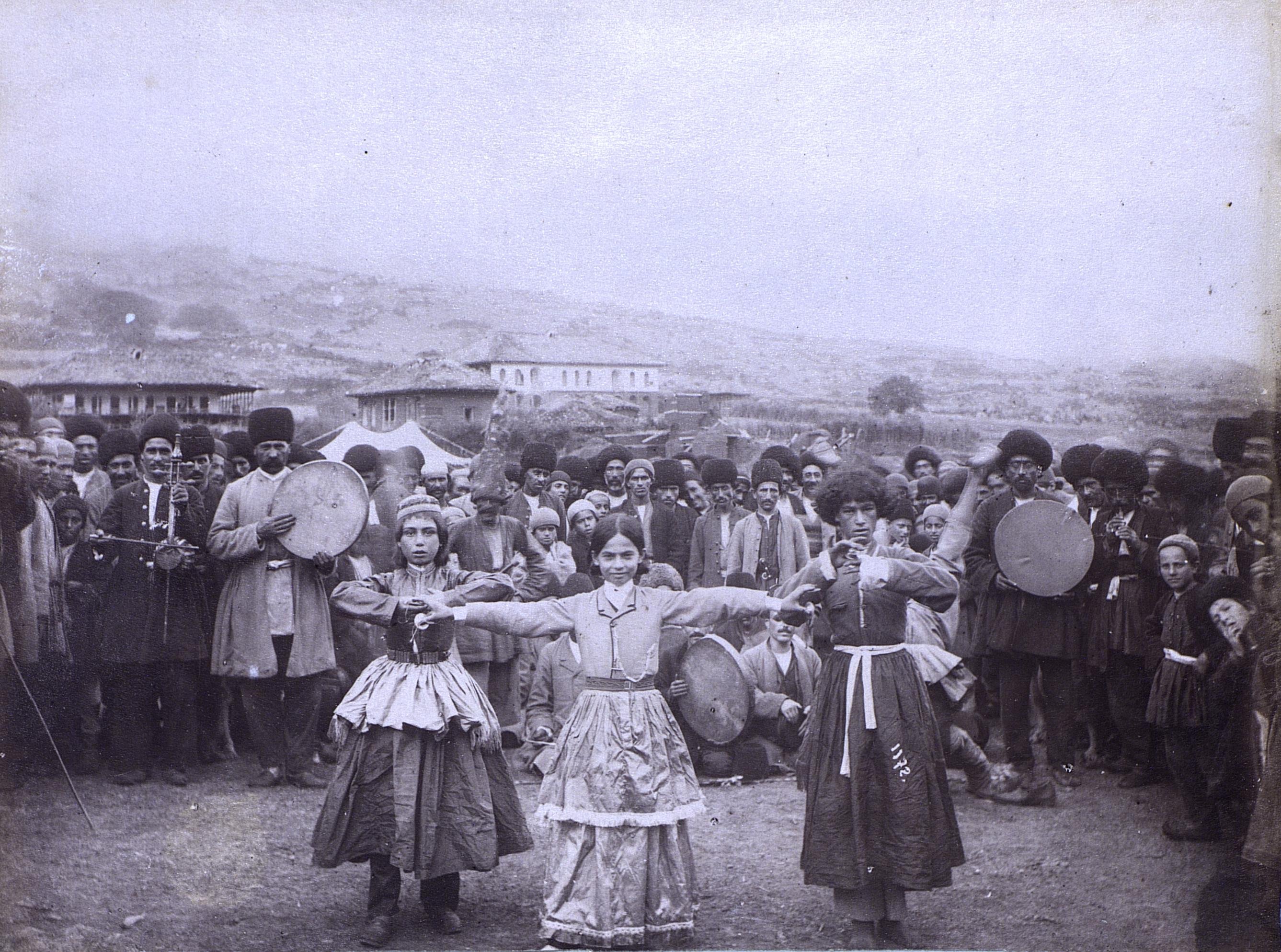
    The Talysh people (Talysh: Tolışon تالشان) are an Iranian ethnic group indigenous to the Talish region shared between Azerbaijan and Iran which spans the South Caucasus and the southwestern shore of the Caspian Sea. They speak the Talysh language, one of the Northwestern Iranian languages. It is spoken in the northern regions of the Iranian provinces of Gilan and Ardabil and the southern parts of the Republic of Azerbaijan. The areas in the Republic of Azerbaijan where Northern Talysh is spoken was historically known as Talish-i Gushtasbi. In Iran there is a Talesh County in Gilan Province.

    The Ancient Heritage of Talysh Ethnic Groups

    Talysh Ethnicity: References and Resources

    The Talysh people are an ethnic group living primarily in the Talysh Mountains of Azerbaijan and Iran. They are believed to have ancient Persian origins and have their own language, Talysh, which is classified as a Northwestern Iranian language. If you are interested in learning more about the Talysh ethnic group, here are some references and resources to explore:

    • Books:
    • “The Talysh and their Homeland: A Sociocultural and Historical Study” by Farroukh Jorat
    • “Encyclopedia of the World’s Minorities” edited by Carl Skutsch
    • Academic Articles:
    • “The Talysh: A People of South Azerbaijan” by Touraj Atabaki (Iranian Studies, Vol. 24, No. 3/4, 1991)
    • “The Talysh: Ethnogenesis, Cultural Refractions, and the Distribution of its Sub-ethnic and Linguistic Divisions” by Murtazali Gadjiev (Iran and the Caucasus, Vol. 11, No. 2, 2007)
    • Websites:
    • EveryCulture: Talysh
    • Britannica: Talysh
    • Documentaries:
    • “Vanishing Dialects: The Enigma of Endangered Languages” by Emil Balayev

    These resources will provide you with a wealth of information about the history, culture, and language of the Talysh ethnic group. Whether you are a researcher, student, or simply curious about the diversity of the world, you can delve deeper into the fascinating world of the Talysh people through these references.

  • Noteworthy Names: The Top 10 Russian People You Should Know

    Noteworthy Names: The Top 10 Russian People You Should Know

    Russian ethnicity has produced a wealth of talented and influential individuals who have made significant contributions to various fields. Here are 10 of the most popular celebrities and notable people of Russian ethnicity:

    • Anton Chekhov: A renowned playwright and short story writer, considered one of the greatest writers in Russian literature. His works explore themes of human nature, love, and social issues.
    • Vladimir Lenin: A revolutionary leader and the first leader of the Soviet Union. His political ideologies and actions had a profound impact on the course of Russian and world history.
    • Fyodor Dostoevsky: A prominent novelist, philosopher, and journalist. His complex and thought-provoking works delve into the depths of human psychology, morality, and spirituality.
    • Peter the Great: A transformative ruler who modernized Russia and expanded its territories. His reforms and policies had a lasting impact on the country’s development and its role in international affairs.
    • Anna Pavlova: A legendary ballet dancer, known for her grace, artistry, and innovative choreography. She is considered one of the greatest ballet dancers of all time.
    • Sergei Rachmaninoff: A renowned composer, pianist, and conductor. His music is characterized by its emotional depth, lyrical melodies, and technical brilliance.
    • Yuri Gagarin: The first human to travel into space. His historic flight aboard the Vostok 1 spacecraft in 1961 marked a major milestone in space exploration.
    • Mikhail Gorbachev: The last leader of the Soviet Union. His reforms and policies, including glasnost and perestroika, played a significant role in the collapse of the Soviet Union and the end of the Cold War.
    • Vladimir Putin: The current President of Russia. He has been in power since 2000 and has had a profound impact on Russian politics, foreign policy, and the country’s global standing.
    • Dmitry Medvedev: A former President of Russia and the current Prime Minister. He is known for his role in modernizing Russia’s economy and promoting technological advancements.
    This is a list of people associated with the modern Russian Federation, the Soviet Union, Imperial Russia, Russian Tsardom, the Grand Duchy of Moscow, Kievan Rus', and other predecessor states of Russia.
Regardless of ethnicity or emigration, the list includes famous natives of Russia and its predecessor states, as well as people who were born elsewhere but spent most of their active life in Russia. For more information, see the articles Rossiyane, Russians and Demographics of Russia. For specific lists of Russians, see Category:Lists of Russian people and Category:Russian people.

    Most Famous Russian People

    Russian Mystique: Unraveling Three Key Historical Legacies

    The Russian community is known for its rich cultural heritage that spans centuries. From the Orthodox Christian religion to the traditional arts and literature, Russian heritage has made significant contributions to world history. Here are three of the most well-known historical inheritances associated with the Russian heritage:

    1. Orthodox Christianity

    Orthodox Christianity is the dominant religion in Russia, with deep historical roots. The Russian Orthodox Church, established in the 10th century, has played a vital role in shaping Russian culture and spirituality. Its influence can be seen in the ornate and grandiose architecture of Russian churches, such as the iconic St. Basil’s Cathedral in Moscow. The Russian Orthodox Church’s liturgical traditions, including elaborate ceremonies and the use of icons, are integral to the Russian cultural identity.

    2. Russian Literature

    Russian literature is renowned for its depth and complexity, producing some of the world’s greatest literary works. From Fyodor Dostoevsky’s “Crime and Punishment” to Leo Tolstoy’s “War and Peace,” these novels explore profound human themes that have captivated readers across generations. Russian literary giants like Anton Chekhov and Alexander Pushkin have left an indelible mark on the literary world with their masterpieces. The themes of love, tragedy, and introspection that permeate Russian literature reflect the complexities of the Russian soul.

    3. The Bolshoi Ballet

    The Bolshoi Ballet is one of the oldest and most prestigious ballet companies in the world, originating in Moscow in 1776. Known for its breathtaking performances and impeccable technique, the Bolshoi Ballet showcases the mastery and artistry of Russian dancers. The company’s performances of classical ballets like “Swan Lake” and “The Nutcracker” have become iconic, attracting audiences from all over the globe. The Bolshoi Ballet’s influence on the world of ballet cannot be overstated, and its dedication to preserving Russian ballet traditions is a testament to the enduring legacy of Russian culture.

    Notable Russian heritage inheritances:

    • Dominance of Orthodox Christianity
    • World-renowned Russian literature
    • The iconic Bolshoi Ballet

    In a striking celebration of diversity, numerous prominent individuals proudly reflect a mosaic of Lezghin, Azerbaijani and Romanian roots, highlighting the intricate interplay of cultures within their heritage. From accomplished leaders to acclaimed artists, these figures embody the rich lexical semantic tapestry of ethnic backgrounds, illustrating the vibrant spectrum of human experiences.

    Ethnic Factsheet: The Russian People

    | Age Group | Percentage of Population | |—————|————————-| | 0-14 years | 17% | | 15-64 years | 71% | | 65 years and above | 12% | | Male-Female Ratio | 0.86 | | Urban Population | 74% | | Rural Population | 26% | | Russian Ethnicity Distribution | | | Russia | 81% | | Ukraine | 2% | | Kazakhstan | 2% | | Belarus | 1% | | Others | 14% |

    The Ancient Heritage of Russian Ethnic Groups

    Russian Ethnicity: References and Resources

    There are several references and resources available to dig deeper into the Russian ethnic group. Here are some recommended sources:

    • “The Russians” by Ronald Hingley: This book provides a comprehensive overview of the history, culture, and identity of the Russian people. It explores the ethnic diversity within Russia and delves into the influence of historical events on the development of the Russian nation.
    • “The Russian Americans” by Max J. Rossvally: Focusing on the Russian diaspora in America, this book delves into the history, experiences, and contributions of Russian immigrants and their descendants. It provides a unique perspective on the Russian ethnic group outside of their homeland.
    • “Russia: The Land, People, and Politics” by Abraham Ascher: This book offers a comprehensive exploration of Russia’s geography, demographics, and political history. It provides insights into the different ethnic groups within Russia, including the Russians, and analyzes their role in shaping the country’s political landscape.
    • “The Russian Fascination” by Andrei P. Tsygankov: This book discusses the concept of Russian identity and its influence on Russia’s domestic and foreign policies. It explores the factors that shape the Russian ethnic group’s perception of themselves and their role in the world.
    • “Russia: A Cultural Atlas” by Caroline Brooke and Tony Allan: This visual guide offers a richly illustrated exploration of Russian culture, including art, music, literature, and traditions. It provides a broad understanding of the cultural legacy of the Russian ethnic group.

    These references and resources will help you gain a deeper understanding of the Russian ethnic group, their history, culture, and identity. Whether you are interested in exploring their influence within Russia or their diaspora communities around the world, these sources offer valuable insights.

    As we continue to celebrate diversity and embrace the richness of different cultures, let us honor and draw inspiration from these remarkable individuals who have shaped our world. Thank you for joining us on this captivating journey.

  • Top 10 Celebrities Embracing Lezghin Roots

    Top 10 Celebrities Embracing Lezghin Roots

    The Lezghin people are an ethnic group native to the Caucasus region, primarily residing in southern Dagestan, northern Azerbaijan, southern Chechnya, and northeastern Georgia. Throughout history, several Lezghin individuals have gained recognition and popularity in various fields, including politics, sports, music, and literature.

    • Fatimah Khanum (1832-1906): A renowned Lezghin poet and songwriter, known for her beautiful verse and captivating storytelling.
    • Heydar Aliyev (1923-2003): The third President of Azerbaijan, Aliyev played a significant role in shaping the country’s post-Soviet history.
    • Ali Isaev (born 1983): A Russian-born Azerbaijani wrestler, Isaev is a two-time Olympic gold medalist and four-time world champion.
    • Said Abasov (born 1965): A former Soviet and Azerbaijani football player, Abasov is considered one of the country’s greatest footballers.
    • Fikret Amirov (1922-1984): A prominent Azerbaijani composer, Amirov is known for his operas, ballets, and symphonic works inspired by Lezghin folk music.
    • Zaur Uguev (born 1995): A Russian wrestler of Lezghin descent, Uguev won a gold medal at the 2020 Summer Olympics in Tokyo.
    • Leyla Bedirova (born 1998): A Russian-born Azerbaijani rhythmic gymnast, Bedirova is a two-time European champion and a medalist at the World Championships.
    • Ruslan Gadzhiev (1982-2020): A Russian mixed martial artist, Gadzhiev competed in the UFC and was known for his aggressive fighting style.
    • Kamil Samedov (born 1996): A Russian-born Azerbaijani judoka, Samedov is a two-time European champion and a bronze medalist at the World Championships.
    • Elchin Safarli (born 1984): An Azerbaijani writer and screenwriter, Safarli is known for his romantic and philosophical novels, which have been translated into several languages.

    Most Famous Lezghin People

    Lezghin Mystique: Unraveling Three Key Historical Legacies

    The Lezghins are a distinct ethnic group native to the Caucasus region, with their ancestral homeland spanning across Azerbaijan and southern Russia. They have a rich cultural heritage that is deeply rooted in their history and traditions. Here, we explore three of the most well-known historical inheritances associated with the Lezghin heritage.

    1. Language

    One of the most important elements of the Lezghin community’s historical inheritance is their language. Lezghin is a Northeast Caucasian language with its own unique alphabet. It is considered a part of the Nakh–Dagestanian language family, which also includes other languages spoken in the Caucasus region. The Lezghin language has a rich oral tradition, with folklore, poems, and songs passed down through generations. Today, efforts are being made to preserve and revive the language through education programs and cultural initiatives.

    2. Dance and Music

    Another prominent element of the Lezghin heritage is their traditional dances and music. Lezghin dances are highly energetic and vibrant, often accompanied by music played on traditional instruments. The most famous Lezghin dance is called the “Lezginka,” which is a dynamic and acrobatic dance performed by both men and women. The music played during these dances is lively and features instruments such as the daira (a frame drum), balaban (wind instrument), and kamancha (a stringed instrument). Lezghin dance and music are not only a source of entertainment but also hold deep cultural and historical significance for the community.

    3. Cuisine

    The Lezghin community has a unique and diverse culinary heritage that showcases the richness of their culture. Traditional Lezghin cuisine is known for its flavorful and hearty dishes, often incorporating locally sourced ingredients. Some popular dishes include dumplings called “khinkal,” various types of kebabs, and a variety of soups and stews. Lezghin cuisine also features an abundance of fresh herbs, spices, and vegetables, as well as dairy products such as yogurt and cheeses. The cuisine reflects the community’s centuries-old agricultural practices and their harmonious relationship with the land.

    Conclusion

    The Lezghin community’s historical inheritances, such as their language, dance and music, and cuisine, provide a glimpse into their culture and identity. These elements not only serve as a source of pride for the Lezghins but also contribute to the rich cultural tapestry of the Caucasus region as a whole. By preserving and celebrating these historical inheritances, the Lezghin community ensures that their traditions and customs continue to thrive for future generations to come.

    In a striking celebration of diversity, numerous prominent individuals proudly reflect a mosaic of Azerbaijani, Romanian and Serbian roots, highlighting the intricate interplay of cultures within their heritage. From accomplished leaders to acclaimed artists, these figures embody the rich lexical semantic tapestry of ethnic backgrounds, illustrating the vibrant spectrum of human experiences.

    Factsheet About Lezghin People

    table { border-collapse: collapse; width: 100%; }

    th, td { text-align: left; padding: 8px; border-bottom: 1px solid #ddd; }

    th { background-color: #f2f2f2; }

    Country Population Percentage
    Azerbaijan 400,000 43%
    Russia 200,000 21%
    Georgia 100,000 11%
    Turkey 80,000 9%
    Iran 70,000 7%
    Other 50,000 5%
    Lezgins or Leks (Lezgian: Лезгияр. IPA: lezgijar) are a Northeast Caucasian ethnic group native predominantly to southern Dagestan, a republic of Russia, and northeastern Azerbaijan, and speak the Lezgin language. Their social structure is firmly based on equality and deference to individuality. Lezgin society is structured around djamaat (Lezgian: жамаат- unions of clans) and has traditionally been egalitarian and organised around many autonomous local clans, called syhils (сихилар).
The land of the Lezgins has been subject to multiple invaders throughout history. Its isolated terrain and the strategic value outsiders have placed on the areas settled by Lezgins has contributed much to the Lezgin community ethos and helped shape its national character. Due to constant attacks from the invaders, the Lezgins have developed a national code of honor and conduct, Lezgiwal, passed down from generation to generation by parents and society. It implies moral and ethical behaviour, generosity and the will to safeguard the honor of women.

    The Ancient Heritage of Lezghin Ethnic Groups

    References to the Lezghin Ethnic Group

    The Lezghins are an ethnic group native to the Caucasus region, primarily inhabiting parts of Azerbaijan and Dagestan (a federal subject of Russia). They have a rich history and culture, known for their distinct language and traditional customs. If you are interested in learning more about the Lezghin ethnic group, here are some key references and resources to explore:

    • Encyclopedia Britannica: Lezghian Languages – This article provides an overview of the Lezghian languages, including their classification, dialects, and linguistic characteristics. It offers valuable insights into the linguistic aspect of the Lezghin people.
    • “Lezgins over the Caucasus” by Yuri Stustein – This scholarly paper delves into the history, culture, and identity of the Lezghin people. It explores their interactions with neighboring ethnic groups, the influence of religions such as Islam and Christianity, and the challenges they have faced over the centuries.
    • Lezghins – Religion and Expressive Culture – This resource on EveryCulture.com delves into the religious beliefs and cultural practices of the Lezghin people. It covers topics such as folk beliefs, rituals, music, dance, and traditional arts, offering a comprehensive exploration of their expressive culture.
    • D+C Development and Cooperation: Dagestan – Divided, Proud, and Founder of Several “Principled” Countries – In this article, the diverse ethnic groups of Dagestan, including the Lezghins, are discussed in the context of the region’s history, politics, and current challenges. It sheds light on the geopolitical dynamics that have influenced the Lezghin community.

    By exploring these references and resources, you can gain a deeper understanding of the Lezghin ethnic group, their language, history, culture, religious practices, and the challenges they face in the modern world.

  • Azerbaijani Leaders and Icons: The Top 10 Notable Personalities

    Azerbaijani Leaders and Icons: The Top 10 Notable Personalities

    Azerbaijan, a country located in the South Caucasus region, has produced numerous notable celebrities and influential people who have made significant contributions in various fields. Here’s a list of 10 prominent Azerbaijani individuals:

    • Leyla Aliyeva: Leyla Aliyeva is the Vice President of the Heydar Aliyev Foundation and serves as a Goodwill Ambassador for UNESCO and ISESCO. She is known for her philanthropic work and her contributions to the fields of education, culture, and health.

    • Anar Akhundov: Anar Akhundov is a renowned writer, playwright, and screenwriter. His works have been translated into several languages and have won numerous awards, including the State Prize of the USSR. He is considered one of the most significant figures in contemporary Azerbaijani literature.

    • Muslim Magomayev: Muslim Magomayev was a legendary operatic baritone and pop singer. He enjoyed immense popularity throughout the Soviet Union and is regarded as one of the greatest singers of his time. Magomayev was honored with numerous awards and distinctions, including the People’s Artist of the USSR and the Lenin Prize.

    • Polad Bulbuloghlu: Polad Bulbuloghlu is a distinguished composer, singer, and politician. He served as Minister of Culture of Azerbaijan and is the founder of the Azerbaijan State Symphony Orchestra. Bulbuloghlu has composed numerous popular songs, operettas, and ballets, and has received various awards, including the People’s Artist of the USSR and the State Prize of Azerbaijan.

    • Heydar Aliyev: Heydar Aliyev was a prominent political leader who served as President of Azerbaijan from 1993 to 2003. He played a crucial role in shaping the country’s modern political and economic landscape. Aliyev is credited with restoring stability and developing Azerbaijan’s oil and gas industry.

    • Rashid Behbudov: Rashid Behbudov was a beloved actor and singer who enjoyed immense popularity throughout the Soviet Union. He starred in numerous films and performed countless songs, earning him the title of People’s Artist of the USSR. Behbudov’s legacy continues to inspire generations of artists and performers.

    • Garry Kasparov: Garry Kasparov is a renowned chess grandmaster who attained the title of World Chess Champion at the age of 22. He held the title for 15 years and is considered one of the greatest chess players of all time. Kasparov has also been actively involved in politics and has been a vocal critic of the Russian government.

    • Ilham Aliyev: Ilham Aliyev is the current President of Azerbaijan, serving since 2003. He is the son of Heydar Aliyev and has continued his father’s policies of economic development and diplomatic outreach. Aliyev has overseen the construction of numerous infrastructure projects and has promoted Azerbaijan’s international standing.

    • Rustam Ibrahimbayov: Rustam Ibrahimbayov was a celebrated film director and screenwriter. He is best known for directing the Oscar-nominated film “Burnt by the Sun,” which won the Grand Prize at the Cannes Film Festival in 1994. Ibrahimbayov’s films often explored themes of war, history, and the human condition.

    • Haji Zeynalabdin Taghiyev: Haji Zeynalabdin Taghiyev was a prominent oil industrialist and philanthropist. He made significant contributions to the development of Baku and funded numerous educational and cultural institutions. Taghiyev is remembered for his generosity and his commitment to social progress.
    This is a list of people associated with the modern Russian Federation, the Soviet Union, Imperial Russia, Russian Tsardom, the Grand Duchy of Moscow, Kievan Rus', and other predecessor states of Russia.
Regardless of ethnicity or emigration, the list includes famous natives of Russia and its predecessor states, as well as people who were born elsewhere but spent most of their active life in Russia. For more information, see the articles Rossiyane, Russians and Demographics of Russia. For specific lists of Russians, see Category:Lists of Russian people and Category:Russian people.

    Most Famous Azerbaijani People

    Azerbaijani Mystique: Unraveling Three Key Historical Legacies

    The Azerbaijani community is a vibrant and culturally rich group of people, known for their fascinating history and heritage. As one of the oldest continuously inhabited regions in the world, Azerbaijan has a deep and diverse cultural tapestry that has been shaped by various influences throughout the centuries.

    • Carpet weaving: One of the most renowned aspects of Azerbaijani heritage is the art of carpet weaving. Azerbaijani carpets are known for their intricate designs, vibrant colors, and stunning craftsmanship. This ancient tradition has been passed down through generations, and Azerbaijani carpets are now recognized as a UNESCO Intangible Cultural Heritage. The designs and patterns of these carpets often tell stories and reflect the unique cultural identity of the Azerbaijani people.
    • Mugham music: Azerbaijani mugham is a traditional form of music that holds great significance in the country’s cultural heritage. Mugham is a complex genre characterized by improvisation and emotive melodies, usually accompanied by a stringed instrument called the tar. It is believed to have roots in ancient Persian, Turkish, and Arabic music, and has been passed down through oral tradition for centuries. Mugham is considered a window into the soul of Azerbaijani culture, and its expressive nature continues to captivate audiences worldwide.
    • Novruz: Celebrated on March 20th or 21st, Novruz is the traditional Azerbaijani New Year and spring holiday. This ancient festival marks the arrival of spring and the awakening of nature. Celebrations include the lighting of bonfires, traditional dances and music, and the preparation and sharing of festive foods. Novruz is a time of renewal and joy, and it is deeply rooted in Azerbaijani culture. The holiday was inscribed on the UNESCO Representative List of the Intangible Cultural Heritage of Humanity in 2009.

    These are just a few examples of the rich historical inheritances associated with the Azerbaijani community. From the art of carpet weaving to the soul-stirring sounds of mugham music, and the festive spirit of Novruz, Azerbaijani heritage is a source of immense pride and fascination. Through these cultural practices and traditions, the Azerbaijani community continues to preserve and celebrate its unique identity.

    In a striking celebration of diversity, numerous prominent individuals proudly reflect a mosaic of Romanian, Serbian and Turkish roots, highlighting the intricate interplay of cultures within their heritage. From accomplished leaders to acclaimed artists, these figures embody the rich lexical semantic tapestry of ethnic backgrounds, illustrating the vibrant spectrum of human experiences.

    Ethnic Factsheet: The Azerbaijani People

    Population 10 million+
    Regions with Azerbaijani Majority Azerbaijan
    Significant Azerbaijani Population Iran, Turkey, Russia, Georgia
    Language Azerbaijani
    Religion Majority: Shia Islam
    Other Minorities Kurds, Talysh, Lezgins
    Azerbaijanis (; Azerbaijani: Azərbaycanlılar, آذربایجانلیلار), Azeris (Azərilər, آذریلر), or Azerbaijani Turks (Azərbaycan Türkləri, آذربایجان تۆرکلری) are a Turkic ethnic group living mainly in the Azerbaijan region of northwestern Iran and the Republic of Azerbaijan. They are predominantly Shia Muslims. They comprise the largest ethnic group in the Republic of Azerbaijan and the second-largest ethnic group in neighboring Iran and Georgia. They speak the Azerbaijani language, belonging to the Oghuz branch of the Turkic languages.
Following the Russo-Persian Wars of 1813 and 1828, the territories of Qajar Iran in the Caucasus were ceded to the Russian Empire and the treaties of Gulistan in 1813 and Turkmenchay in 1828 finalized the borders between Russia and Iran. After more than 80 years of being under the Russian Empire in the Caucasus, the Azerbaijan Democratic Republic was established in 1918 which defined the territory of the Republic of Azerbaijan.

    The Ancient Heritage of Azerbaijani Ethnic Groups

    References to the Azerbaijani Ethnic Group

    The Azerbaijani ethnic group is primarily found in the country of Azerbaijan, which is located in the South Caucasus region of Eurasia. They are also found in significant numbers in neighboring countries such as Iran and Russia. The Azerbaijani people are believed to have Turkic origins and are closely related to other Turkic-speaking communities in the region.

    To learn more about the Azerbaijani ethnic group, here are some references and resources you can explore:

    Exploring these resources will offer you a deeper understanding of the Azerbaijani ethnic group, their history, language, and culture. It is important to note that the Azerbaijani people have a rich and diverse heritage that continues to shape their identity today.

    We have reached the end of our exploration into the extraordinary lives of prominent Azerbaijani. We hope this journey has been enlightening and inspiring.

  • Noteworthy Names: The Top 10 Romanian People You Should Know

    Noteworthy Names: The Top 10 Romanian People You Should Know

    Romania has produced a number of notable celebrities and individuals who have made significant contributions in various fields, ranging from entertainment and sports to science and politics. Here’s a list of 10 prominent Romanian celebrities and notable people:

    • Nadia Comaneci: A legendary gymnast who won three Olympic gold medals at the 1976 Montreal Olympics, including the first perfect 10.0 score in Olympic gymnastics history.
    • Henri Coandă: An aeronautical engineer and inventor known for his pioneering work in fluid dynamics and the Coandă effect, a phenomenon of fluid flow named after him.
    • Ion Luca Caragiale: A renowned playwright, novelist, and short story writer considered to be one of the most significant figures in Romanian literature.
    • Mircea Eliade: A notable philosopher, historian of religion, and fiction writer who explored themes of myth, symbolism, and the sacred in his works.
    • George Enescu: A celebrated composer, violinist, pianist, and conductor who left a lasting impact on Romanian classical music and is considered one of the greatest musicians of the 20th century.
    • Constantin Brâncuși: A pioneering sculptor and visual artist known for his abstract and minimalist works, including his famous “The Kiss” and “Bird in Space” sculptures.
    • Nicolae Ceaușescu: A former Romanian communist leader who ruled the country from 1965 to 1989, becoming one of the longest-serving leaders in Eastern Europe during the Cold War era.
    • Simona Halep: A professional tennis player who has achieved remarkable success, including winning the French Open in 2018 and the Wimbledon Championship in 2019, making her the first Romanian player to win a Grand Slam singles title.
    • Sebastian Stan: An actor known for his various roles in films and television series, including portraying Bucky Barnes/Winter Soldier in the Marvel Cinematic Universe and his critically acclaimed performance in the biopic “I, Tonya.”
    • Vlad Chiriches: A professional footballer who plays as a center back for FC Internazionale Milano and the Romania national team, having also played for Tottenham Hotspur and Napoli.

    Most Famous Romanian People

    Romanian Mystique: Unraveling Three Key Historical Legacies

    The Romanian community is a vibrant and diverse group of individuals who are united by a rich cultural heritage. Romania, located in Eastern Europe, has a long and fascinating history that has left a lasting impact on its people. From ancient civilizations to medieval kingdoms, Romania’s historical inheritances are both fascinating and influential. Here, we will explore three of the most well-known historical inheritances associated with the Romanian heritage.

    1. Dacian Civilization: The Dacians were an ancient civilization that inhabited the region of present-day Romania. They were known for their advanced farming techniques, skilled craftsmanship, and warrior culture. The most famous Dacian king was Burebista, who united the tribes and established a powerful kingdom. The Dacians resisted Roman conquest for many years, but were eventually conquered by the Romans in 106 AD. Despite this, their legacy lives on in the Romanian culture, with many traditional customs and beliefs originating from the Dacians.

    2. Medieval Kingdoms: During the medieval period, Romania was divided into several independent kingdoms. The most well-known of these is Transylvania, which has become synonymous with vampires and folklore. Transylvania’s medieval castles, such as Bran Castle (often referred to as Dracula’s Castle), attract tourists from around the world. The medieval kingdoms of Romania also left a lasting architectural legacy, with many stunning churches and fortresses still standing today.

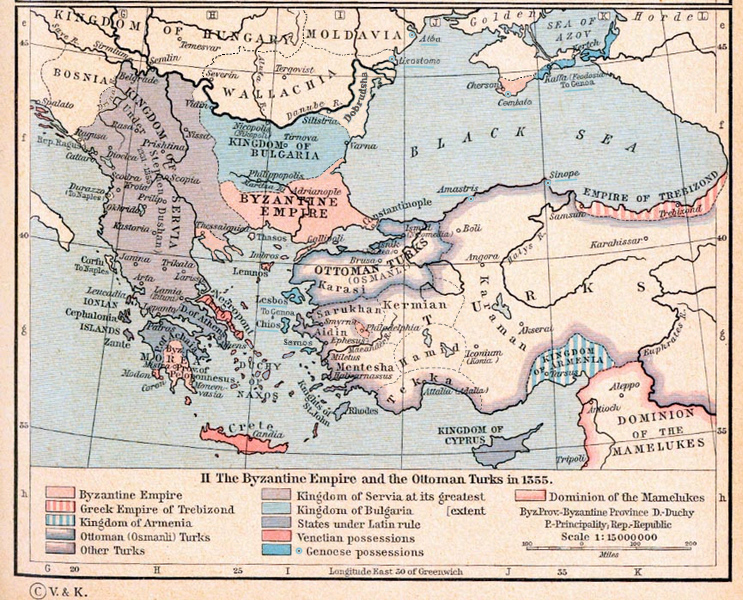
    3. Byzantine Influence: In the 14th century, Romania came under the influence of the Byzantine Empire. This influence can be seen in the Romanian Orthodox Church, which plays a central role in the lives of many Romanians. The Byzantine influence is also evident in Romanian art and architecture, with colorful frescoes and intricate church decorations being a hallmark of the country’s cultural heritage.

    Notable Romanian Historical Inheritances:

    • The advanced farming techniques and warrior culture of the Dacians
    • The medieval kingdoms of Transylvania and their iconic castles
    • The Byzantine influence on Romanian Orthodox Church and art

    In a striking celebration of diversity, numerous prominent individuals proudly reflect a mosaic of Serbian, Turkish and Herzegovinian roots, highlighting the intricate interplay of cultures within their heritage. From accomplished leaders to acclaimed artists, these figures embody the rich lexical semantic tapestry of ethnic backgrounds, illustrating the vibrant spectrum of human experiences.

    Factsheet About Romanian People

    Country Percentage of Population Total Population
    Romania 82.0% 16,383,000
    Moldova 89.9% 2,805,000
    Ukraine 2.4% 262,335
    Italy 1.8% 1,156,000
    Spain 1.5% 693,000
    Germany 1.3% 520,000
    Russia 1.2% 1,790,000
    United Kingdom 1.0% 397,000
    France 0.9% 342,000
    Canada 0.7% 242,000
    The Romanians (Romanian: români, pronounced [roˈmɨnʲ]; dated exonym Vlachs) are a Romance-speaking ethnic group, native to Central, Eastern and Southeastern Europe. Sharing a common Romanian culture and ancestry, and speaking the Romanian language, they live primarily in Romania and Moldova. The 2021 Romanian census found that 89.3% of Romania's citizens identified themselves as ethnic Romanians.In one interpretation of the 1989 census results in Moldova, the majority of Moldovans were counted as ethnic Romanians in this country as well. Romanians also form an ethnic minority in several nearby countries situated in Central, Southeastern, and Eastern Europe, most notably in Hungary, Serbia (including Timok), and Ukraine.
Estimates of the number of Romanian people worldwide vary from minimum 24 to maximum 30 million, in part depending on whether the definition of the term "Romanian" includes natives of both Romania and Moldova, their respective diasporas, and native speakers of both Romanian and other Eastern Romance languages.
Other speakers of the latter languages are the Aromanians, the Megleno-Romanians, and the Istro-Romanians (native to Istria, Croatia), all of them unevenly distributed throughout the Balkan Peninsula, which may be considered either Romanian subgroups or separated yet, nevertheless, related ethnicities.

    The Ancient Heritage of Romanian Ethnic Groups

    References to the Romanian Ethnic Group

    Here are some references and resources to dig deeper into the Romanian ethnic group:

    • Wikipedia – Romanians: The Wikipedia page on Romanians provides a comprehensive overview of the ethnic group, including their history, culture, language, and notable individuals.
    • Britannica – Romanian: The Britannica article on Romanians offers detailed information about the ethnic group, their traditions, their presence in various countries, and their contributions to the arts, sciences, and literature.
    • Every Culture – Romanians: This resource explores various aspects of Romanian culture, including folklore, traditions, religion, family life, and social customs.
    • BBC – Romania: The BBC provides an in-depth country profile on Romania, covering not only the ethnic group but also the history, geography, politics, and economy of the country.
    • Library of Congress – Romania: The Library of Congress contains a detailed country study on Romania, including information on the ethnic composition of the population and the historical development of the Romanian identity.

    These resources will allow you to delve deeper into the rich history, culture, and traditions of the Romanian ethnic group. Whether you are interested in their folklore, language, or notable figures, these references will provide a wealth of information to satisfy your curiosity.

    That concludes the information we can provide about famous Romanian individuals. Thank you for reading.

  • Top 10 Notable Serbian People: Well-Known Individuals

    Top 10 Notable Serbian People: Well-Known Individuals

    The Serbian people have contributed many notable figures to the world of arts, politics, sports, and more. Here are 10 of the most popular celebrities and notable people from Serbian ethnicity:

    • Nikola Tesla: A Serbian-American inventor, electrical engineer, mechanical engineer, and futurist who is best known for his contributions to the design of the modern alternating current (AC) electrical system. He is also known for his work on wireless communication and radio.
    • Milos Forman: A Serbian-American film director, screenwriter, and actor. He is best known for his films One Flew Over the Cuckoo’s Nest (1975), Amadeus (1984), and The People vs. Larry Flynt (1996), all of which won the Academy Award for Best Picture.
    • Emir Kusturica: A Serbian film director, screenwriter, actor, and musician. He is known for his surreal and often darkly humorous films, which have won him numerous awards, including two Palme d’Or awards at the Cannes Film Festival.
    • Novak Djokovic: A Serbian professional tennis player. He is widely considered to be one of the greatest tennis players of all time. He has won 21 Grand Slam singles titles, a record he shares with Rafael Nadal.
    • Ana Ivanovic: A Serbian former professional tennis player. She is a former world No. 1 and has won one Grand Slam singles title, the 2008 French Open.
    • Jelena Jankovic: A Serbian former professional tennis player. She is a former world No. 1 and has won 15 WTA singles titles.
    • Boris Tadić: A Serbian politician who served as the President of Serbia from 2004 to 2012. He is known for his efforts to improve Serbia’s relations with the European Union and for his commitment to democratic reforms.
    • Aleksandar Vučić: A Serbian politician who has served as the President of Serbia since 2017. He is a controversial figure, known for his authoritarian tendencies and his close ties to Russia.
    • Zdravko Čolić: A Serbian singer-songwriter. He is one of the most popular singers in the former Yugoslavia and has released over 20 studio albums.
    • Rade Šerbedžija: A Serbian actor. He has appeared in over 100 films and television shows, including Harry Potter and the Philosopher’s Stone (2001) and Eyes Wide Shut (1999).
    List of people from Serbia is a list of notable people from Serbia. The list contains names of people who are associated with Serbia and its territory by their place of birth, and also by naturalization, domicile, citizenship or some other similar connection, modern or historical. List is territorially defined, and includes all people from Serbia, regardless of their ethnic, linguistic, religious or some other personal distinctions.

    Most Famous Serbian People

    Serbian Mystique: Unraveling Three Key Historical Legacies

    Serbia, located in Southeast Europe, is a country known for its rich history and diverse cultural heritage. The Serbian community comprises a proud and resilient group of people who have made significant contributions to the world in various fields. From literature and art to music and sports, Serbians have left an indelible mark on the global stage. Here are three of the most well-known historical inheritances associated with the Serbian heritage:

    1. Orthodox Christianity:

    • One of the most prominent aspects of Serbian heritage is its ties to Orthodox Christianity. With more than 85% of the population identifying as Orthodox Christians, Serbia has a long and deep-rooted religious tradition. The Serbian Orthodox Church, an autocephalous Eastern Orthodox Church, plays a central role in the spiritual and cultural life of the country.
    • The Serbian Orthodox Church is known for its beautiful monasteries, adorned with stunning frescoes and icons that depict religious scenes and stories. These monasteries, such as Studenica Monastery and Žiča Monastery, are not only places of worship but also serve as important cultural and historical landmarks.
    • Throughout history, Serbian Orthodox Christianity has played a significant role in shaping the identity and values of the Serbian people. It has influenced art, literature, and architecture, reflecting the deep faith and spirituality of the community.

    2. Serbian Language and Literature:

    • The Serbian language, a member of the South Slavic branch of the Slavic languages, is an essential element of Serbian heritage. It is the official language of Serbia and is spoken by the majority of the population.
    • Serbian literature has a long and illustrious history, with notable authors such as Ivo Andrić, who won the Nobel Prize in Literature in 1961 for his novel “The Bridge on the Drina.” Andrić’s works explore themes of history, culture, and the complexities of human nature, providing deep insights into Serbian society.
    • The Serbian language and literature serve as a window into the rich history and cultural heritage of the Serbian people, allowing for the preservation and transmission of their stories, traditions, and values.

    3. Traditional Folklore and Music:

    • Serbian folklore is a vibrant and colorful aspect of Serbian heritage. Traditional dances, costumes, and music are an integral part of Serbian cultural identity. The folklore is often characterized by intricate choreography, lively music, and elaborate costumes that represent different regions of Serbia.
    • Serbian music, both traditional and contemporary, has gained international recognition. The soulful sounds of traditional Serbian folk music, known as “narodna muzika,” evoke a sense of nostalgia and pride. Similarly, Serbian classical music, with composers like Stevan Mokranjac and Isidor Bajić, has made significant contributions to the world of classical music.
    • Serbian folklore and music play an essential role in celebrating and preserving the cultural heritage of the Serbian community, bringing people together and creating a sense of unity and belonging.

    The Serbian community’s historical inheritances encompass diverse aspects of its rich culture, including religion, language, literature, folklore, and music. These inheritances not only contribute to the unique identity of the Serbian people but also serve as bridges that connect them to their past, present, and future.

    In a striking celebration of diversity, numerous prominent individuals proudly reflect a mosaic of Turkish, Herzegovinian and Bosnian roots, highlighting the intricate interplay of cultures within their heritage. From accomplished leaders to acclaimed artists, these figures embody the rich lexical semantic tapestry of ethnic backgrounds, illustrating the vibrant spectrum of human experiences.

    Ethnic Factsheet: The Serbian People

    Country Population Percentage
    Serbia 6,945,856 83.3%
    Bosnia and Herzegovina 1,330,000 30.8%
    Montenegro 265,890 28.7%
    Croatia 186,633 4.4%
    North Macedonia 53,879 2.6%
    United States 382,000 1.1%
    Germany 350,000 0.7%
    Switzerland 186,600 2.2%
    The Serbs (Serbian Cyrillic: Срби, romanized: Srbi, pronounced [sr̩̂bi]) are a South Slavic ethnic group native to Southeastern Europe who share a common Serbian ancestry, culture, history, and language. They primarily live in Serbia, Kosovo, Bosnia, Croatia, Montenegro as well as in North Macedonia, Slovenia, Germany and Austria. They also constitute a significant diaspora with several communities across Europe, the Americas and Oceania.The Serbs share many cultural traits with the rest of the peoples of Southeast Europe. They are predominantly Eastern Orthodox Christians by religion. The Serbian language (a standardized version of Serbo-Croatian) is official in Serbia, co-official in Kosovo and Bosnia and Herzegovina, and is spoken by the plurality in Montenegro.

    The Ancient Heritage of Serbian Ethnic Groups

    References to the Serbian Ethnic Group

    There are several references and resources available to dig deeper into the Serbian ethnic group and learn more about its history, culture, and traditions. These sources provide valuable insights and information for anyone interested in understanding the Serbian people.

    Here are some references and resources to explore:

    • “Serbia: The Essential Guide to Customs & Culture” by Lara Zmukic: This book offers a comprehensive overview of Serbia’s history, traditions, and customs. It covers various aspects of Serbian culture, including language, food, festivals, and social etiquette. It is a great resource for gaining a deeper understanding of Serbian society.
    • “Serbia: History, Culture, and Identity” edited by Dennis P. Hupchick and Harold E. Cox: This collection of essays explores the historical, cultural, and social aspects of Serbia. It delves into topics such as the country’s medieval past, Ottoman rule, Serbian literature, art, and architecture. It provides a detailed examination of the Serbian identity.
    • “The Balkans: Nationalism, War, and the Great Powers, 1804-2012” by Misha Glenny: While this book focuses on the entire Balkan region, it offers valuable insights into the complex history, ethnic tensions, and conflicts that have shaped Serbia. It analyzes the rise of nationalism and the breakup of Yugoslavia, contributing to a better understanding of Serbia’s position within the Balkans.
    • “Serbian Folklore: Traditional Music and Dance”: Serbian folklore is a significant part of the country’s cultural heritage. Exploring traditional music and dance can provide a deeper understanding of Serbian traditions. There are various online resources, such as YouTube channels and websites, where you can find recordings and performances of Serbian folk music and dance.
    • Websites and Academic Journals: Academic journals and websites dedicated to Balkan studies and Eastern European history provide a wealth of information on the Serbian ethnic group. These sources often publish research papers, articles, and essays on various aspects of Serbian culture, history, and society. Some notable websites to explore include the Balkan Insight, Balkan Studies, and the Journal of Balkan and Near Eastern Studies.

    By exploring these references and resources, you can delve deeper into the rich history, culture, and traditions of the Serbian ethnic group.