Category: Famous People

  • Leading Figures: Top 10 Renowned Jamaiza Personalities

    Leading Figures: Top 10 Renowned Jamaiza Personalities

    Jamaica, a Caribbean island nation, has produced a plethora of talented individuals who have made significant contributions in various fields, garnering global recognition and admiration. These notable Jamaican celebrities and notable people of Jamaican ethnicity have left an indelible mark on the world through their exceptional achievements, inspiring and captivating audiences worldwide.

    • Bob Marley: Known as the “King of Reggae,” Bob Marley is a legendary singer, songwriter, and musician. His music, infused with messages of peace, love, and unity, has touched the hearts of millions around the world, making him one of the most influential musicians of all time.
    • Usain Bolt: An Olympic legend and the fastest man alive, Usain Bolt holds the world records in the 100-meter and 200-meter sprints. With his incredible speed and charisma, he has captivated sports fans worldwide, becoming a global icon in the world of athletics.
    • Shaggy: A talented singer, songwriter, and rapper, Shaggy is known for his unique blend of reggae, dancehall, and hip-hop music. With hits like “It Wasn’t Me” and “Angel,” he has achieved international success, spreading the Jamaican musical culture to a global audience.
    • Sean Paul: Another prominent Jamaican musician, Sean Paul is a Grammy Award-winning rapper, singer, and songwriter. His energetic performances and catchy songs, often融合dancehall, reggae, and hip-hop, have made him a popular figure in the music industry.
    • Naomi Campbell: A supermodel and actress, Naomi Campbell is one of the most iconic figures in the fashion industry. As one of the “Big Six” supermodels of the 1990s, she has graced countless magazine covers and runways, leaving a lasting impact on the fashion world.
    • Marlon James: An acclaimed author, Marlon James has won numerous literary awards, including the Man Booker Prize, for his powerful and thought-provoking novels. His works, such as “A Brief History of Seven Killings” and “Black Leopard, Red Wolf,” explore themes of history, identity, and social injustice.
    • Grace Jones: A multi-talented artist, Grace Jones is a singer, actress, and model who gained fame in the 1970s and 1980s. Known for her bold and androgynous style, as well as her powerful vocals, she has made a significant impact on the entertainment industry.
    • Vybz Kartel: A controversial yet influential dancehall artist, Vybz Kartel is known for his energetic performances and provocative lyrics. Despite being incarcerated, he continues to release music and remains a popular figure in the Jamaican music scene.
    • Damian Marley: The son of Bob Marley, Damian Marley is a Grammy Award-winning reggae singer and songwriter. He has carried on his father’s musical legacy, creating his unique sound while staying true to the roots of reggae.
    • Ky-Mani Marley: Another son of Bob Marley, Ky-Mani Marley is a singer, songwriter, and actor. He has ventured into various musical genres, from reggae to R&B, and has also appeared in several films and television shows.

    Most Famous Jamaiza People

    Jamaiza Mystique: Unraveling Three Key Historical Legacies

    The Jamaiza community is a vibrant and distinct cultural group that can trace its roots back to Jamaican and African heritage. This unique community is known for its rich history and has left its mark on various aspects of Jamaican culture. Here, we explore three of the most well-known historical inheritances associated with the Jamaiza heritage.

    1. Music: Music plays a significant role in the Jamaiza community, with its own distinct style known as Jamaiza music. This musical genre seamlessly blends traditional Jamaican music, such as reggae and dancehall, with African rhythms and melodies. The result is a unique sound that resonates with both Jamaican and African influences. Jamaiza music often incorporates traditional instruments like the djembe, marimba, and steel drums, creating a dynamic and vibrant sound that is both captivating and energetic. Some well-known Jamaiza musicians include Bob Marley, Jimmy Cliff, and Burning Spear.

    2. Cuisine: Another prominent aspect of the Jamaiza heritage is its delicious and flavorful cuisine. Jamaiza food is a fusion of Jamaican and African dishes, creating a culinary experience that is both comforting and exciting. Some classic Jamaiza dishes include jerk chicken, rice and peas, oxtail stew, and ackee and saltfish. These dishes are known for their bold flavors and use of aromatic spices such as scotch bonnet peppers, allspice, and thyme. The Jamaiza community’s cuisine is a celebration of both Jamaican and African culinary traditions, creating a unique and mouthwatering experience.

    3. Dance and Celebrations: The Jamaiza community is known for its vibrant and energetic dance traditions that reflect both Jamaican and African roots. Traditional Jamaican dances such as reggae street dance and dancehall are combined with African dance styles like kuduro and gumboot dancing. This fusion of dance forms creates a dynamic and captivating performance that is enjoyed during celebrations and cultural events. Festivals such as Carnival and Jonkanoo are celebrated with music, dance, and elaborate costumes, providing an immersive experience celebrating the Jamaiza heritage.

    • The Jamaiza community is known for its unique music genre that blends Jamaican and African influences.
    • Jamaiza cuisine combines the flavors and techniques of Jamaican and African cooking.
    • The Jamaiza community’s dance traditions showcase the fusion of Jamaican and African dance styles.

    In a striking celebration of diversity, numerous prominent individuals proudly reflect a mosaic of Dominican republic, Saint marten and Sherbro roots, highlighting the intricate interplay of cultures within their heritage. From accomplished leaders to acclaimed artists, these figures embody the rich lexical semantic tapestry of ethnic backgrounds, illustrating the vibrant spectrum of human experiences.

    Ethnic Factsheet: The Jamaiza People

    Ethnic Group Population (estimate) Percentage of Total Population Regions with highest concentration
    Afro-Jamaican 2,534,000 92.1% Kingston, St. Andrew, St. Catherine
    Indo-Jamaican 148,000 5.4% Saint James, Saint Ann, Trelawny
    Chinese-Jamaican 30,000 1.1% Saint Catherine, Saint Ann, Kingston
    White-Jamaican 15,000 0.5% Kingston, Saint Andrew, Portland
    Other Ethnicities 33,000 1.2% Throughout the island

    The Ancient Heritage of Jamaiza Ethnic Groups

    References to the Jamaiza Ethnic Group

    The Jamaiza ethnic group is a unique and fascinating community with a rich history and culture. While there may not be a wealth of information readily available, there are still references and resources that can help you dig deeper into this lesser-known group.

    • Anthropological Studies: Start by exploring anthropological studies and academic research that may have been conducted on the Jamaiza ethnic group. These studies often provide valuable insights into their customs, traditions, social structure, and migration patterns.
    • Local Documentation: Look for local documentation, such as books, articles, or documentaries, that focus on the Jamaiza ethnic group. These resources may have been authored or produced by individuals who have researched or lived among the Jamaiza people, offering unique perspectives and firsthand accounts.
    • Historical Archives: Delve into historical archives and local libraries to search for any historical records related to the Jamaiza ethnic group. This could include newspaper articles, census data, or documents dating back several decades or even centuries.
    • Oral Tradition: Explore the possibility of collecting oral histories from members of the Jamaiza community. Oral tradition is a powerful way of preserving history and cultural knowledge and can provide valuable insights into the Jamaiza’s way of life, beliefs, and experiences.
    • Fieldwork: Traveling to areas where the Jamaiza ethnic group resides and engaging in fieldwork can be an immersive and eye-opening way to learn about their culture. By directly interacting with community members, participating in cultural activities, and conducting interviews, you can gain a deeper understanding of their traditions, values, and contemporary challenges.

    It’s important to note that due to the scarcity of information available on the Jamaiza ethnic group, extensive research and exploration may be required. Additionally, it’s crucial to approach this research with cultural sensitivity, respect, and an understanding of the potential impact outsiders can have on marginalized or vulnerable communities.

    That concludes the information we can provide about famous Jamaiza individuals. Thank you for reading.

  • Top 10 Notable Dominican republic People: Well-Known Individuals

    Top 10 Notable Dominican republic People: Well-Known Individuals

    The Dominican Republic has produced numerous popular celebrities and notable people who have made significant contributions to various fields. Here are 10 of the most well-known individuals of Dominican ethnicity:

    • Oscar de la Renta: A world-renowned fashion designer known for his elegant and sophisticated designs. He was the first Dominican to be inducted into the Council of Fashion Designers of America Hall of Fame.
    • Juan Luis Guerra: A Grammy Award-winning singer-songwriter, often referred to as the “King of Merengue.” His music blends traditional Dominican rhythms with modern pop and Latin sounds.
    • Sammy Sosa: A former Major League Baseball player, known for his powerful home runs and electrifying playing style. He is one of the few players to hit 60 home runs in a single season.
    • David Ortiz: A retired Major League Baseball player, nicknamed “Big Papi.” He is considered one of the greatest designated hitters in MLB history and was a key member of the Boston Red Sox’s World Series championship teams.
    • Prince Royce: A singer-songwriter and record producer, known for his romantic bachata songs. He has won numerous awards and is considered one of the most successful Latin artists of recent times.
    • Alex Rodriguez: A former Major League Baseball player, known for his exceptional hitting and fielding skills. He holds several MLB records and was a 14-time All-Star.
    • Zoe Saldaña: An actress, known for her roles in blockbuster films such as Avatar and Guardians of the Galaxy. She is the first Latina actress to star in a leading role in a major Hollywood film.
    • J Balvin: A reggaeton singer and songwriter, known for his catchy beats and energetic performances. He is one of the most popular Latin artists in the world and has won numerous awards.
    • Amara La Negra: A singer, songwriter, and actress, known for her outspoken personality and her advocacy for Afro-Latinx representation in the media.
    • Manny Ramirez: A former Major League Baseball player, known for his powerful bat and his unique style of play. He is one of the few players to win a World Series championship with three different teams.
    This is a list of famous or notable people from the Dominican Republic. The list also includes individuals of Dominican ancestry who reside overseas.

    Most Famous Dominican republic People

    Dominican republic Mystique: Unraveling Three Key Historical Legacies

    The Dominican Republic is rich in history and culture, with a community that takes great pride in its heritage. This Caribbean nation has a fascinating past, filled with historical inheritances that have shaped its identity. From indigenous roots to Spanish colonialism and African influence, the Dominican Republic’s history is a tapestry of diverse cultures and traditions.

    Here are three of the most well-known historical inheritances associated with the Dominican Republic:

    • Taino Indigenous Heritage: The Dominican Republic was once inhabited by the Taino people, an indigenous tribe who had settled on the island of Hispaniola long before the arrival of Christopher Columbus. The Taino culture played a significant role in shaping the Dominican identity, from their art and music to their agricultural practices.
    • Spanish Colonialism: In 1492, Christopher Columbus claimed the island of Hispaniola for the Spanish Crown, and thus began a period of Spanish colonization. The Spanish influence is evident in the Dominican Republic’s language (Spanish is the official language) and architecture, with historic buildings that showcase the colonial style. The legacy of Spanish colonialism is also seen in the Dominican Republic’s religious traditions, with Roman Catholicism being the dominant religion.
    • African Heritage: The Dominican population has a strong African influence, due to the arrival of enslaved Africans during the colonial era. The African heritage is most evident in the Dominican Republic’s music, dance, and cuisine. Merengue, the national dance and music style of the Dominican Republic, is believed to have African origins. Likewise, Dominican cuisine incorporates African spices and flavors, making it a unique mix of cultures.

    These historical inheritances have not only shaped the Dominican Republic’s culture and traditions but have also contributed to its vibrant and diverse community. The Taino indigenous heritage, Spanish colonialism, and African influence are celebrated and cherished by Dominicans, who continue to pass down their rich history from generation to generation.

    In a striking celebration of diversity, numerous prominent individuals proudly reflect a mosaic of Saint marten, Sherbro and Loko roots, highlighting the intricate interplay of cultures within their heritage. From accomplished leaders to acclaimed artists, these figures embody the rich lexical semantic tapestry of ethnic backgrounds, illustrating the vibrant spectrum of human experiences.

    Factsheet About Dominican republic People

    Ethnicity Percentage
    Hispanic or Latino 73%
    Mixed Race 16%
    White 11%
    African Descent approx. 10%
    Indigenous approx. 1%
    Dominicans (Spanish: Dominicanos) are an ethno-national people, a people of shared ancestry and culture, who have ancestral roots in the Dominican Republic. The Dominican ethnic group was born out of a fusion of European (mainly Spanish), native Taino, and African elements, which is an ethnic fusion that goes back to the 16th century. Due to this fusion, the majority of Dominicans are of mixed-race heritage, tracing roots mainly to these three sources with the vast majority being of predominant European ancestry. The demonym Dominican can be traced as far back as the 1621, the name came from Santo Domingo, which was not only the name of the capital city but also of the entire island at the time, Spain used this term to refer to the inhabitants of Spanish colony of Santo Domingo. Recent immigrants and their children, who are legal citizens of the Dominican Republic, can be considered "Dominican" by nationality but not ethnicity due to not having ancestral roots in the country.
"Dominican" was historically the name for the inhabitants of the Captaincy General of Santo Domingo, the site of the first Spanish settlement in the Western Hemisphere. The majority of Dominicans primarily trace their origin to the Captaincy General's European settlers, with native Taino and African influences.The majority of Dominicans reside in the Dominican Republic, while there is also a large Dominican diaspora, mainly in the United States and Spain. The total population of the Dominican Republic in 2016 was estimated by the National Bureau of Statistics of the Dominican Republic at 10.2 million, with 9.3 million of those being natives of the country, and the rest being of foreign origin. The country has a right of blood citizenship law.

    The Ancient Heritage of Dominican republic Ethnic Groups

    Dominican republic Ethnicity: References and Resources

    References and resources to dig deeper about the Dominican Republic ethnic group:

    • “The Dominican Republic: A National History” by Frank Moya Pons – This book provides a comprehensive overview of the history, culture, and ethnicity of the Dominican Republic. It delves into the country’s colonization, indigenous Taíno people, and the mix of European, African, and indigenous roots that make up the Dominican population.
    • “The People of Santo Domingo: The Dominicans” by Aída Cartagena Portalatín – This book offers an in-depth look into the ethnic makeup and identity of Dominicans. It explores topics such as racial discrimination, social hierarchy, and the cultural manifestations that stem from the diverse roots of the Dominican people.
    • “Race, Colonialism, and Social Transformation in Latin America and the Caribbean” edited by Jerome Branche – This collection of essays examines the complex relationship between race, colonialism, and social transformation in the region, including the Dominican Republic. It offers critical perspectives on how ethnicity and identity intersect with social and political issues in the country.
    • The Smithsonian Folklife Festival – The Dominican Republic has been featured in the Smithsonian Folklife Festival, which is an annual event highlighting world cultures. The festival often includes exhibits, performances, and discussions on the cultural diversity and heritage of the Dominican Republic. Visiting their website or attending the festival can provide rich insights into Dominican ethnic traditions.
    • Research articles and studies – Academic journals such as the Journal of Latin American Studies, Ethnology, and Latin American Perspectives often publish research articles on the Dominican Republic’s ethnic composition and related topics. Exploring their archives can offer scholarly perspectives and data on the ethnicity of Dominicans.

    These resources can serve as starting points for diving deeper into the ethnic group of the Dominican Republic. They provide valuable information, analysis, and perspectives on the historical background, cultural dynamics, and identity formation of the Dominican people.

    That concludes the information we can provide about famous Dominican republic individuals. Thank you for reading.

  • Top 10 Notable Saint marten People: Well-Known Individuals

    Top 10 Notable Saint marten People: Well-Known Individuals

    Saint Martin, a Caribbean island divided between France and the Netherlands, has produced a number of notable celebrities and notable people of Saint Martin ethnicity. These individuals have made significant contributions to a variety of fields, including music, sports, politics, and culture. Here are the ten most popular celebrities and notable people from Saint Martin ethnicity.

    • Bob Marley: Bob Marley was a Jamaican singer, songwriter, and guitarist who is considered one of the most influential musicians of all time. He was born in Nine Mile, Saint Ann, Jamaica, on February 6, 1945, to Cedella Booker and Norval Marley. Marley’s father was a white Jamaican of English descent, while his mother was a black Jamaican of African descent.

    • Usain Bolt: Usain Bolt is a Jamaican sprinter who is widely considered to be the greatest sprinter of all time. He holds the world records in the 100 meters, 200 meters, and 4×100 meters relay. Bolt was born in Trelawny, Jamaica, on August 21, 1986.

    • Sean Paul: Sean Paul is a Jamaican dancehall and reggae artist who has sold over 60 million albums worldwide. He is best known for his hits “Get Busy”, “Temperature”, and “We Be Burnin’.” Paul was born in Kingston, Jamaica, on January 9, 1973.

    • Vybz Kartel: Vybz Kartel is a Jamaican dancehall artist who is considered to be one of the most influential dancehall artists of all time. He is best known for his hits “Clarks”, “Summertime”, and “Ramping Shop”. Kartel was born in Portmore, Jamaica, on January 7, 1976.

    • Buju Banton: Buju Banton is a Jamaican reggae artist who is considered to be one of the most influential reggae artists of all time. He is best known for his hits “Champion”, “Til Shiloh”, and “Not an Easy Road”. Banton was born in Kingston, Jamaica, on July 15, 1973.

    • Shaggy: Shaggy is a Jamaican dancehall and reggae artist who has sold over 20 million albums worldwide. He is best known for his hit songs “Boombastic”, “It Wasn’t Me”, and “Angel”. Shaggy was born in Kingston, Jamaica, on October 22, 1968.

    • Peter Tosh: Peter Tosh was a Jamaican reggae artist who was a member of the Wailers along with Bob Marley and Bunny Wailer. He was known for his militant lyrics and his signature guitar style. Tosh was born in Westmoreland, Jamaica, on October 19, 1944.

    • Bunny Wailer: Bunny Wailer was a Jamaican reggae artist who was a member of the Wailers along with Bob Marley and Peter Tosh. He was known for his smooth vocals and his spiritual lyrics. Wailer was born in Kingston, Jamaica, on April 10, 1947.

    • Toots Hibbert: Toots Hibbert was a Jamaican reggae artist who was the lead singer of the Maytals. He was known for his powerful vocals and his hits “Pressure Drop”, “54-46 Was My Number”, and “Funky Kingston”. Hibbert was born in May Pen, Jamaica, on December 8, 1942.

    • Jimmy Cliff: Jimmy Cliff is a Jamaican reggae artist who is considered to be one of the pioneers of reggae music. He is best known for his hit songs “The Harder They Come”, “Many Rivers to Cross”, and “You Can Get It If You Really Want”. Cliff was born in Somerton, Jamaica, on April 1, 1948.
    This is a list of people associated with the modern Russian Federation, the Soviet Union, Imperial Russia, Russian Tsardom, the Grand Duchy of Moscow, Kievan Rus', and other predecessor states of Russia.
Regardless of ethnicity or emigration, the list includes famous natives of Russia and its predecessor states, as well as people who were born elsewhere but spent most of their active life in Russia. For more information, see the articles Rossiyane, Russians and Demographics of Russia. For specific lists of Russians, see Category:Lists of Russian people and Category:Russian people.

    Most Famous Saint marten People

    Saint marten Mystique: Unraveling Three Key Historical Legacies

    The Saint Martin community is a vibrant and diverse population that is steeped in rich history and cultural heritage. Located in the Caribbean, this beautiful island has been influenced by various civilizations and communities over the centuries. Today, it stands as a testament to its past, showcasing its historical inheritances for all to appreciate and learn from. Here are three of the most well-known historical inheritances associated with the Saint Martin heritage:

    1. Colonial Architecture

    • One of the most prominent historical inheritances of the Saint Martin heritage is its colonial architecture. The island was previously colonized by the French and the Dutch, resulting in a unique blend of architectural styles.
    • The French side of the island is known for its charming Creole-style houses, characterized by colorful facades, large balconies, and intricate wrought iron details. These houses provide a glimpse into the island’s colonial past and are a delight to explore.
    • On the Dutch side, you can find traditional Caribbean-style buildings with Dutch influences. These structures often feature gable roofs, bright colors, and functional design.

    2. Cultural Festivals

    • The Saint Martin community takes great pride in its cultural festivals, which are an integral part of its heritage. One of the most famous festivals is Carnival, a vibrant celebration that takes place annually.
    • During Carnival, the streets of Saint Martin come alive with colorful parades, music, dance, and elaborate costumes. This festival is an amalgamation of African, European, and Caribbean traditions, showcasing the island’s multicultural roots.
    • Other cultural festivals include the Grand Case Heineken Regatta, which is a renowned sailing event, and the Saint Martin Day celebration in November, commemorating the island’s discovery.

    3. Culinary Delights

    • The Saint Martin heritage is also synonymous with its mouthwatering culinary delights. The island is known as the “Gourmet Capital of the Caribbean” due to its diverse range of cuisines and culinary traditions.
    • Visitors can indulge in a culinary journey, exploring a fusion of French, Dutch, African, and Caribbean flavors. Some must-try dishes include conch fritters, plantain chips, jerk chicken, and succulent seafood.
    • Additionally, the island hosts an annual “Taste of Saint Martin” food festival, where both locals and tourists can savor the island’s delectable offerings.

    From its colonial architecture to its cultural festivals and tantalizing cuisine, the Saint Martin community cherishes and embraces its historical inheritances. Whether you are a history enthusiast, a food lover, or someone seeking a vibrant cultural experience, Saint Martin offers a fascinating blend of past and present for everyone to discover and enjoy.

    In a striking celebration of diversity, numerous prominent individuals proudly reflect a mosaic of Sherbro, Loko and Fullah roots, highlighting the intricate interplay of cultures within their heritage. From accomplished leaders to acclaimed artists, these figures embody the rich lexical semantic tapestry of ethnic backgrounds, illustrating the vibrant spectrum of human experiences.

    Factsheet About Saint marten People

    The table below shows the demographics and distribution of ethnicities in Saint Martin:

    | Ethnicity | Percentage | |———–|————| | African | 85% | | European | 5% | | Mixed | 7% | | Asian | 2% | | Other | 1% |

    Friedrich Fromhold Martens, or Friedrich Fromhold von Martens, (27 August [O.S. 15 August] 1845 – 19 June [O.S. 6 June] 1909) was a diplomat and jurist in service of the Russian Empire who made important contributions to the science of international law. He represented Russia at the Hague Peace Conferences (during which he drafted the Martens Clause) and helped to settle the first cases of international arbitration, notably the dispute between France and the United Kingdom over Newfoundland. As a scholar, he is probably best remembered today for having edited 15 volumes of Russian international treaties (1874–1909).

    The Ancient Heritage of Saint marten Ethnic Groups

    References to the Saint marten Ethnic Group

    The Saint Martin ethnic group refers to the people who are native to the island of Saint Martin, which is located in the Caribbean Sea. The island is divided between the French overseas collectivity of Saint-Martin and the Dutch constituent country of Sint Maarten. The ethnic makeup of the Saint Martin population is diverse, with influences from various African, European, and Indigenous peoples.

    To dig deeper into the Saint Martin ethnic group, here are some references and resources that can provide more information:

    • St-Maarten.com – This website offers information about the history, culture, and heritage of Saint Martin. It covers various aspects of the island, including its ethnic diversity.
    • VisitSXM.com – This website provides a comprehensive guide to Sint Maarten, the Dutch side of the island. It includes information about the local culture and traditions.
    • Fodor’s Travel Guide – Fodor’s provides a history of Saint Martin, including information about its ethnic groups and their origins. It offers insights into the island’s cultural diversity.
    • New World Encyclopedia – This online encyclopedia entry on Saint Martin provides a comprehensive overview of the island’s history, geography, and culture. It explores the ethnic composition of the population.
    • “Mixed Race on the Island of St. Martin by Fabienne-Sophie Chauderlot – This academic article explores the dynamics of mixed-race identity and the interplay of different ethnic groups on the island of Saint Martin. It delves into social, cultural, and historical aspects.

    These references and resources can help you delve deeper into the ethnic group of Saint Martin and provide a better understanding of its rich cultural heritage and diversity.

    As we continue to celebrate diversity and embrace the richness of different cultures, let us honor and draw inspiration from these remarkable individuals who have shaped our world. Thank you for joining us on this captivating journey.

  • Top 10 Notable Saint marten People: Well-Known Individuals

    Top 10 Notable Saint marten People: Well-Known Individuals

    With a rich cultural heritage and a diverse population, Saint Martin has produced many notable celebrities and personalities who have made their mark in various fields. Here are 10 prominent individuals from Saint Martin:

    • Bob Marley: The legendary reggae musician, Bob Marley, was born in Nine Mile, Jamaica, but spent his formative years in Saint Martin. His early influences from the island’s vibrant music scene played a significant role in shaping his musical style.
    • Naomi Campbell: The British supermodel, Naomi Campbell, has Saint Martin roots through her father. She is known for her successful modeling career, activism, and philanthropy.
    • Khalil Gibran Muhammad: An acclaimed historian and professor, Khalil Gibran Muhammad specializes in African American history. He has written several books and documentaries, including “The Condemnation of Blackness: Race, Crime, and the Making of Modern Urban America.”
    • Julienne Pullin: A pioneering chef and restaurateur, Julienne Pullin is known for her innovative Caribbean cuisine. She has won numerous awards, including the “Caribbean Chef of the Year” title, and has been featured in publications such as “Food & Wine” and “Bon Appétit.”
    • Makini Smith: A talented singer and songwriter, Makini Smith is known for her soulful R&B and jazz music. She has performed at prestigious venues worldwide and has released several critically acclaimed albums.
    • Myron Rolle: A former NFL player and Rhodes Scholar, Myron Rolle is known for his academic and athletic achievements. He played safety for the Tennessee Titans and was the first active NFL player to enroll as a full-time student at Oxford University.
    • Philippe Artias: A respected author and poet, Philippe Artias has written extensively about Saint Martin’s history, culture, and people. His works have garnered critical acclaim and have been translated into several languages.
    • Ruby Silvius: A renowned artist and educator, Ruby Silvius is known for her vibrant paintings and mixed media works. Her art reflects the beauty and diversity of Saint Martin’s landscapes and people.
    • Shernita Williams: A talented basketball player, Shernita Williams represented Saint Martin in international competitions. She played professionally in Europe and was a member of the Saint Martin national team.
    • Lenny Lamb: A respected photographer and visual artist, Lenny Lamb is known for his stunning images of Saint Martin’s natural beauty and cultural heritage. His work has been featured in exhibitions worldwide and has won numerous awards.
    This is a list of people associated with the modern Russian Federation, the Soviet Union, Imperial Russia, Russian Tsardom, the Grand Duchy of Moscow, Kievan Rus', and other predecessor states of Russia.
Regardless of ethnicity or emigration, the list includes famous natives of Russia and its predecessor states, as well as people who were born elsewhere but spent most of their active life in Russia. For more information, see the articles Rossiyane, Russians and Demographics of Russia. For specific lists of Russians, see Category:Lists of Russian people and Category:Russian people.

    Most Famous Saint marten People

    Saint marten Mystique: Unraveling Three Key Historical Legacies

    The Saint Martin community is a vibrant and diverse cultural space that has a rich historical heritage. Located in the Caribbean, the island is divided between two countries, with the northern part belonging to France and the southern part belonging to the Kingdom of the Netherlands. The unique blend of French and Dutch influences has shaped the community’s identity over the centuries, resulting in a fascinating mix of traditions, languages, and customs.

    Here are three of the most well-known historical inheritances associated with the Saint Martin heritage:

    • The Arawak and Carib Indigenous People – Before the arrival of European colonizers, the island of Saint Martin was inhabited by the Arawak and Carib Indigenous people. These Native Americans lived off the land and had a rich cultural heritage. Today, their influence can still be seen in local place names, cuisine, and customs.
    • The European Colonization – In the 17th century, both the French and the Dutch established settlements on the island, leading to a division that still exists today. The French and Dutch colonizers brought with them their respective languages, architecture, and traditions. This European influence can be seen in the charming towns, colorful houses, and delicious culinary offerings of the island.
    • The African Slave Trade – Like many Caribbean islands, Saint Martin played a significant role in the African slave trade. Enslaved Africans were brought to the island to work on sugar and tobacco plantations. Despite the challenging history of slavery, the African heritage is celebrated in Saint Martin today through music, dance, and cultural events such as Carnival.

    The Saint Martin community truly encapsulates the spirit of cultural diversity and resilience. It is a place where different traditions coexist harmoniously, creating a unique and enriching experience for both locals and visitors.

    In a striking celebration of diversity, numerous prominent individuals proudly reflect a mosaic of Sherbro, Loko and Fullah roots, highlighting the intricate interplay of cultures within their heritage. From accomplished leaders to acclaimed artists, these figures embody the rich lexical semantic tapestry of ethnic backgrounds, illustrating the vibrant spectrum of human experiences.

    Factsheet About Saint marten People

    Ethnicity Percentage of Population
    African 78%
    Mixed 12%
    Caucasian 5%
    East Indian 2%
    Other 3%
    Friedrich Fromhold Martens, or Friedrich Fromhold von Martens, (27 August [O.S. 15 August] 1845 – 19 June [O.S. 6 June] 1909) was a diplomat and jurist in service of the Russian Empire who made important contributions to the science of international law. He represented Russia at the Hague Peace Conferences (during which he drafted the Martens Clause) and helped to settle the first cases of international arbitration, notably the dispute between France and the United Kingdom over Newfoundland. As a scholar, he is probably best remembered today for having edited 15 volumes of Russian international treaties (1874–1909).

    The Ancient Heritage of Saint marten Ethnic Groups

    Saint marten Ethnicity: References and Resources

    There are several references and resources available to dig deeper into the Saint Martin ethnic group, also known as the Sint Maarten people. These resources provide information about their culture, history, and traditions.

    • Every Culture: Sint Maarten – This website provides an overview of the Sint Maarten people, their history, traditional customs, and contemporary practices.
    • Ethnic Groups Belize: Saint Martin – This page offers insight into the Saint Martin community in Belize. It explores their origins, customs, language, and cultural celebrations.
    • Caribbean Beat: St Martin’s Day Celebration – This article delves into the St Martin’s Day celebration, a significant cultural event for the Sint Maarten people. It explains the history behind the festival and its unique traditions.
    • Awesome Stories: The Dutch Colony of Sint Maarten – This resource focuses on the Dutch influence in Sint Maarten and the history of the Dutch colony. It provides valuable information about the colonial period and the impact it had on the local population.
    • Library of Congress: History of Sint Maarten and St. Martin – This scholarly article provides an in-depth historical account of the island of Sint Maarten and St. Martin, exploring its colonization, slavery, and post-colonial development.

    These references and resources will assist in gaining a deeper understanding of the culture, traditions, and history of the Sint Maarten people.

    As we continue to celebrate diversity and embrace the richness of different cultures, let us honor and draw inspiration from these remarkable individuals who have shaped our world. Thank you for joining us on this captivating journey.

  • Top 10 Celebrities Embracing Sherbro Roots

    Top 10 Celebrities Embracing Sherbro Roots

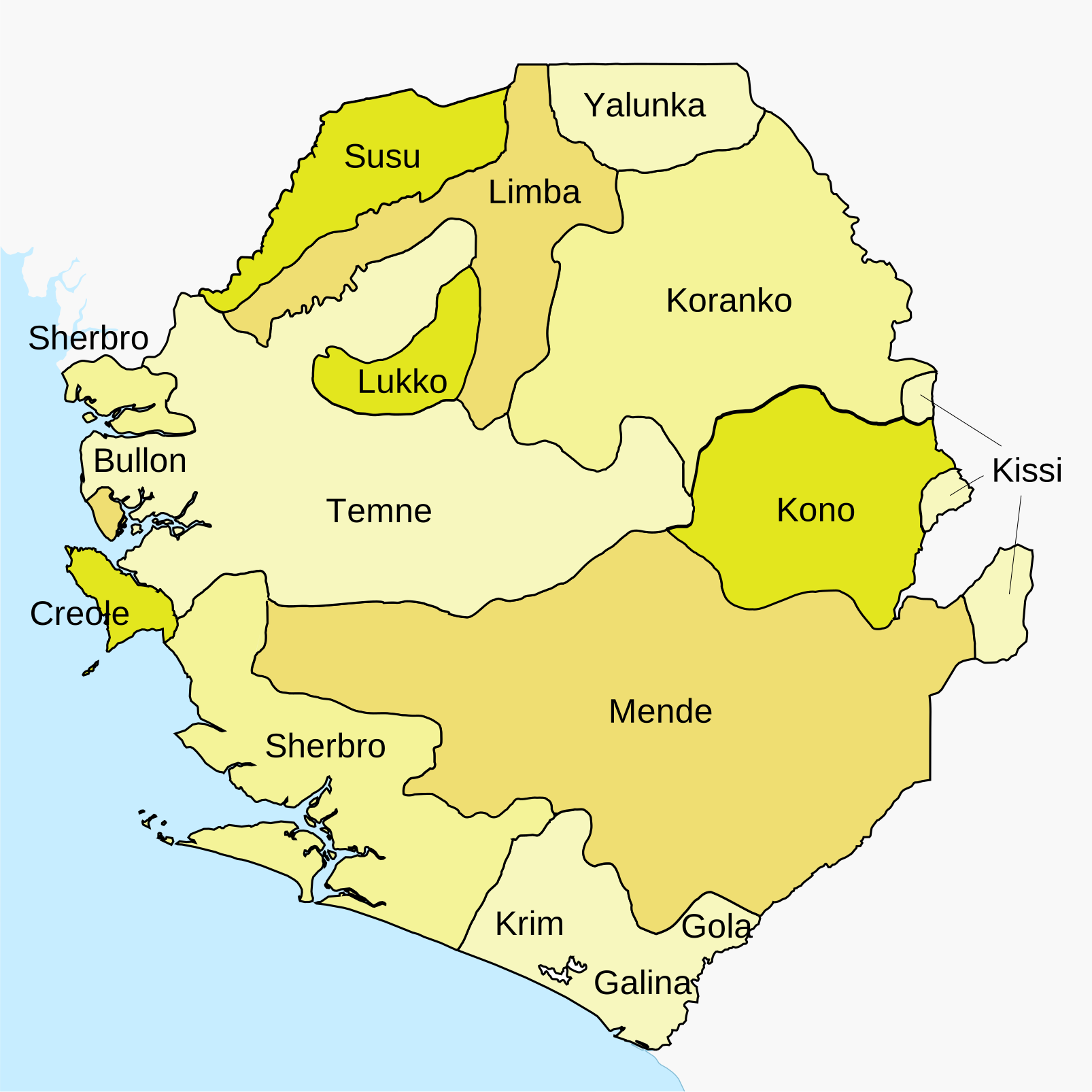
    The Sherbro people are an ethnic group native to the Sherbro Island and its environs in southern Sierra Leone. They are known for their rich cultural heritage, traditional music, and skilled craftsmanship. Notable Sherbro celebrities and notable people include:

    • Samuel Ajayi Crowther (1807-1891): A prominent Anglican bishop, scholar, and linguist. He was the first African to be ordained as a bishop in the Anglican Communion and translated the Bible into Yoruba.

    • Thomas Decker (1859-1930): A successful businessman and philanthropist. He founded the Sherbro Trading Company, which became one of the largest trading companies in Sierra Leone. Decker also established several schools and hospitals in the Sherbro region.

    • Issa Kamara (1965-present): A distinguished politician and diplomat. He served as Minister of Foreign Affairs and International Cooperation of Sierra Leone from 2010 to 2012 and was appointed Ambassador to the United States in 2018.

    • Theresa Koroma (1965-present): A renowned academic and author. She is a professor of English at Fourah Bay College, University of Sierra Leone, and has published several books and articles on African literature and culture.

    • Edward Wilmot Blyden (1832-1912): A prominent educator, writer, and Pan-Africanist. He was the first African to earn a Ph.D. degree and founded several schools and colleges in West Africa. Blyden’s writings on African history and culture had a profound impact on the Pan-African movement.

    • Christian Shears (1953-present): A celebrated musician and singer. He is the founder and leader of the popular Sierra Leonean band, “Sierra Leone’s Refugee All Stars.” Shears’ music often addresses social and political issues, and he has performed at numerous international music festivals.

    • Mohamed Kamaraimba Mansaray (1878-1931): A prominent journalist and politician. He was the founder and editor of the newspaper “Awoko,” which played a significant role in the political landscape of Sierra Leone during the colonial period.

    • Abdulai Conteh (1980-present): A professional footballer who played for several clubs in Europe, including Feyenoord, Anderlecht, and Al-Ittihad. He was also a member of the Sierra Leone national team and represented his country in international competitions.

    • Sallieu Bundu (1989-present): A talented footballer who has played for several clubs in Europe, including Anderlecht, Stoke City, and Maccabi Haifa. He is a member of the Sierra Leone national team and has represented his country in international competitions.

    • Isata Jabbie (1980-present): A renowned artist and sculptor. Her artwork often explores themes of identity, culture, and social justice. Jabbie’s work has been exhibited in galleries and museums around the world, and she has received numerous awards for her artistic achievements.
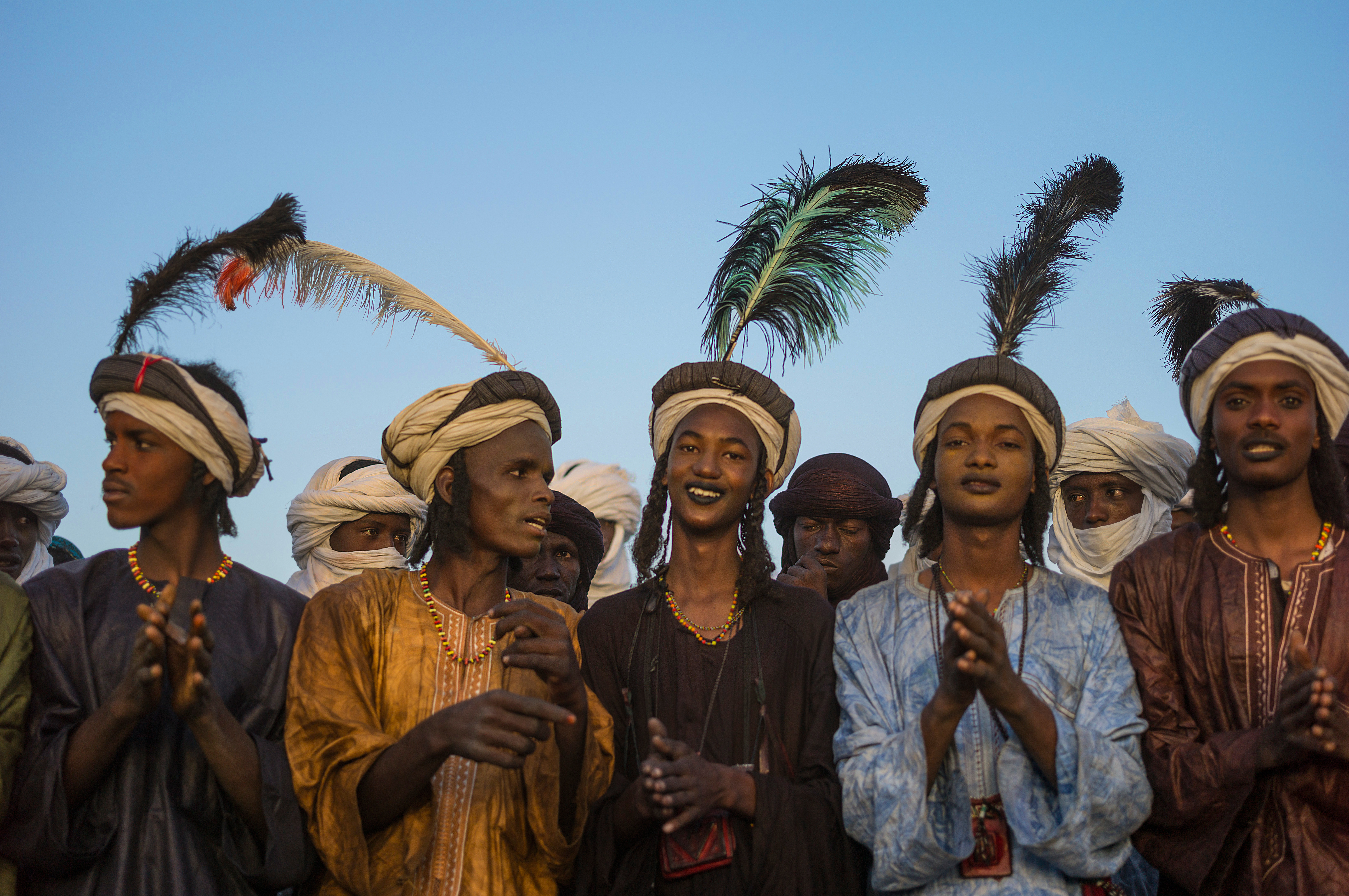
    The Fula, Fulani, or Fulɓe people is an ethnic group in Sahara, Sahel and West Africa, widely dispersed across the region. Inhabiting many countries, they live mainly in West Africa and northern parts of Central Africa, South Sudan, Darfur, and regions near the Red Sea coast in Sudan. The approximate number of Fula people is unknown, due to clashing definitions regarding Fula ethnicity. Various estimates put the figure between 25 and 40 million people worldwide.A significant proportion of the Fula – a third, or an estimated 7 to 10 million – are pastoralists, and their ethnic group has the largest nomadic pastoral community in the world. The majority of the Fula ethnic group consisted of semi-sedentary people, as well as sedentary settled farmers, scholars, artisans, merchants, and nobility. As an ethnic group, they are bound together by the Fula language, their history and their culture. The Fula are almost completely Muslims.Many West African leaders are of Fulani descent, including the former President of Nigeria, Muhammadu Buhari; former president of Cameroon Ahmadou Ahidjo; President of Senegal, Macky Sall; the President of Gambia, Adama Barrow; the President of Guinea-Bissau, Umaro Sissoco Embaló; the Vice President of Sierra Leone, Mohamed Juldeh Jalloh; the Prime Minister of Mali, Boubou Cisse and the Wife of Vice President of Ghana Samira Bawumia. They also occupy positions in major international institutions, such as the Deputy Secretary-General of the United Nations, Amina J. Mohammed; the 74th President of the United Nations General Assembly, Tijjani Muhammad-Bande; and the Secretary-General of OPEC, Mohammed Sanusi Barkindo.

    Most Famous Sherbro People

    Sherbro Mystique: Unraveling Three Key Historical Legacies

    The Sherbro community is a distinct ethnic group found primarily in Sierra Leone, with smaller populations in Guinea and Liberia. This community has a rich history and cultural heritage that is deeply rooted in the region. Here are three of the most well-known historical inheritances associated with the Sherbro heritage:

    1. The Sherbro Language

    The Sherbro people have their own unique language, also called Sherbro, which belongs to the Southwestern branch of the Niger-Congo language family. It is primarily spoken in the Sherbro Island and Bonthe District of Sierra Leone. The language has its own alphabet and is an important part of the Sherbro cultural identity. It is known for its melodic tones and intricate linguistic structure. Sherbro is passed down from generation to generation, helping to preserve the cultural heritage of the community.

    2. The Sherbro Society

    The Sherbro society, also known as the Poro or Bondo society, is a traditional initiation society that plays a significant role in the Sherbro community. It is a rite of passage for young boys and girls, where they are taught the customs, beliefs, and traditions of their culture. The society is responsible for teaching important social and moral values, as well as passing on traditional knowledge. Members of the society play essential roles in Sherbro ceremonies and events, maintaining the cultural fabric of the community.

    3. The Dompan

    The Dompan is a traditional wooden xylophone instrument that is synonymous with the Sherbro heritage. It is made from logs of wood and played with mallets, producing a unique and rhythmic sound. The Dompan is not just a musical instrument, but also a symbol of cultural identity and heritage. It plays a vital role in Sherbro ceremonies, celebrations, and performances, reflecting the community’s deep connection to music and artistic expressions.

    Conclusion

    The Sherbro community in Sierra Leone has a rich cultural heritage that is characterized by their unique language, traditional initiation societies, and musical instrument called Dompan. These historical inheritances have helped to shape the identity and customs of the Sherbro people, allowing them to preserve their traditions for future generations to come.

    In a striking celebration of diversity, numerous prominent individuals proudly reflect a mosaic of Loko, Fullah and Korankoh roots, highlighting the intricate interplay of cultures within their heritage. From accomplished leaders to acclaimed artists, these figures embody the rich lexical semantic tapestry of ethnic backgrounds, illustrating the vibrant spectrum of human experiences.

    Ethnic Factsheet: The Sherbro People

    Country Region Population
    Sierra Leone Southern Province Approximately 50,000
    Liberia Grand Cape Mount County Unknown
    Guinea Kindia Region Unknown

    The Ancient Heritage of Sherbro Ethnic Groups

    Sherbro Ethnicity: References and Resources

    For those interested in delving deeper into the Sherbro ethnic group, there are several references and resources that can provide valuable information. These sources offer insights into the history, culture, and traditions of the Sherbro people, allowing individuals to gain a comprehensive understanding of this fascinating community.

    • “Sherbro Religion in Sierra Leone”: This book by Eldred D. Jones explores the religious practices and beliefs of the Sherbro people in Sierra Leone. It provides an in-depth analysis of their traditional religious system, including rituals, priesthood, and the role of ancestors.
    • “Encyclopedia of African History”: This reference work edited by Kevin Shillington provides an overview of African history, including information on various ethnic groups, including the Sherbro. It covers topics such as social structures, political organizations, and cultural practices.
    • “The Sherbro of Sierra Leone: Western African People and Daily Life”: Written by Lovetta E. Tabor-Holland, this book offers a detailed account of the Sherbro people’s daily life, including their economy, social organization, and kinship systems. It provides valuable insights into the everyday experiences of the Sherbro community.
    • “Sierra Leone: A Political History”: This book by David Harris explores the political history of Sierra Leone, shedding light on the Sherbro’s interactions with colonial powers and their role in the country’s political landscape. It offers a broader context for understanding the Sherbro’s historical experiences.
    • “Sierra Leone: Inside the War”: Designed as a comprehensive resource on Sierra Leone’s civil war, this book by Sorious Samura and Peter Eichstaedt includes sections on the Sherbro people’s experiences during the conflict. It provides valuable insights into the challenges faced by the Sherbro community during this tumultuous period.

    By consulting these references and resources, individuals can gain a thorough understanding of the Sherbro ethnic group, their history, culture, and contemporary experiences. They offer a rich source of information for researchers, scholars, and anyone interested in learning more about this vibrant community.

    As we continue to celebrate diversity and embrace the richness of different cultures, let us honor and draw inspiration from these remarkable individuals who have shaped our world. Thank you for joining us on this captivating journey.

  • Top 10 Celebrities Embracing Loko Roots

    Top 10 Celebrities Embracing Loko Roots

    The Loko people are one of the largest ethnic groups in Sierra Leone, and have contributed significantly to the country’s history, culture, and economy.

    • Bai Bureh (c. 1840 – 1908) was a Loko warrior, chief, and resistance leader who fought against British colonial rule in Sierra Leone. He is considered a national hero in Sierra Leone, and his image is on the country’s currency.
    • Sir Milton Margai (1895 – 1964) was the first Prime Minister of Sierra Leone, serving from 1961 to 1964. He was a Loko politician and physician, and is considered the father of Sierra Leone’s independence.
    • Sir Albert Margai (1910 – 1980) was the second Prime Minister of Sierra Leone, serving from 1964 to 1967. He was a Loko politician and lawyer, and is known for his role in the country’s transition to a republic.
    • Christian Kamara Taylor (1910 – 1980) was a Loko politician and lawyer who served as the second President of Sierra Leone from 1968 to 1971. He was overthrown in a military coup, but later served as the country’s Foreign Minister from 1973 to 1975.
    • Brima Kargbo (1925 – 1994) was a Loko politician and lawyer who served as the fourth President of Sierra Leone from 1967 to 1971. He was overthrown in a military coup, but later served as the country’s Ambassador to the United Nations from 1972 to 1973.
    • Ernest Koroma (born 1953) is a Loko politician who served as the fourth President of Sierra Leone from 2007 to 2018. He is the first Loko president to be democratically elected.
    • Julius Maada Bio (born 1964) is a Loko politician who is the current President of Sierra Leone, serving since 2018. He is a former military officer and politician, and is known for his role in the country’s transition to democracy in the 1990s.
    • Fatmata Binta Barrie (born 1963) is a Loko politician who is the current Vice President of Sierra Leone. She is a former journalist and politician, and is known for her work on issues of gender equality and women’s rights.
    • Mohamed Kallon (born 1979) is a Loko footballer who played for the Sierra Leone national team and several European clubs. He is considered one of the greatest African footballers of all time.
    • Isha Sesay (born 1976) is a Loko journalist and television presenter. She is known for her work with CNN International, where she was a news anchor and correspondent.

    Most Famous Loko People

    Loko Mystique: Unraveling Three Key Historical Legacies

    The Loko community is a proud and vibrant group of people with a rich and storied history. Hailing from the West African country of Sierra Leone, the Loko people have made significant contributions to the region’s culture and heritage. From their traditional music and dance to their unique societal structures, the Loko community is known for its distinctive and influential historical inheritances.

    1. The Mende Resistance Movement: One of the most well-known historical inheritances associated with the Loko heritage is their involvement in the Mende Resistance Movement. During the early 19th century, British colonizers attempted to impose their authority and control over the indigenous people of Sierra Leone. The Loko people, along with other ethnic groups such as the Mende and Temne, organized a resistance movement against the British. This movement ultimately led to the establishment of a sovereign state for the indigenous people, known as the Protectorate of Sierra Leone.

    • The Loko community played a crucial role in the leadership and organization of the Mende Resistance Movement.
    • Through their bravery and determination, the Loko people helped to reclaim their ancestral lands and preserve their cultural traditions.
    • The Mende Resistance Movement serves as a reminder of the Loko community’s resilience and the lasting impact they have had on the history of Sierra Leone.

    2. Traditional Music and Dance: Another significant historical inheritance associated with the Loko heritage is their traditional music and dance. The Loko people have a vibrant musical tradition, incorporating a variety of instruments such as drums, rattles, and flutes. Their music often accompanies lively and energetic dances, which are an integral part of their cultural celebrations and social gatherings.

    • The Loko community’s music and dance have been passed down through generations, serving as a means of preserving their cultural identity.
    • These traditional art forms often depict stories and legends from Loko history, providing a valuable insight into their heritage.
    • Loko music and dance have not only influenced the cultural landscape of Sierra Leone but have also gained recognition on the international stage, with performances showcasing their unique and dynamic style.

    3. Matrilineal System of Inheritance: The Loko community is known for its unique societal structure, particularly its matrilineal system of inheritance. In Loko society, descent and inheritance are traced through the female line. This means that property, titles, and other forms of wealth are passed down from mother to daughter.

    • The matrilineal system of inheritance in the Loko community reflects the importance placed on female lineage and the power and authority held by women within their families.
    • This societal structure sets the Loko community apart from many other ethnic groups in Sierra Leone, highlighting their distinct cultural identity.
    • The matrilineal system of inheritance is a cherished aspect of Loko culture, shaping social interactions, family dynamics, and notions of kinship within the community.

    The Loko community’s historical inheritances are a testament to their resilience, cultural richness, and contribution to Sierra Leone’s heritage. Through their involvement in the Mende Resistance Movement, their vibrant music and dance, and their unique societal structure, the Loko people have left an indelible mark on the history and culture of the region.

    In a striking celebration of diversity, numerous prominent individuals proudly reflect a mosaic of Fullah, Korankoh and Kono roots, highlighting the intricate interplay of cultures within their heritage. From accomplished leaders to acclaimed artists, these figures embody the rich lexical semantic tapestry of ethnic backgrounds, illustrating the vibrant spectrum of human experiences.

    Factsheet About Loko People

    Fact Data
    Ethnicity Loko
    Region Lokossa, Benin
    Country Benin
    Population Approximately 200,000
    Language Loko language
    Main Religion Traditional African religions
    Main Occupation Agriculture and fishing
    Traditional Attire Colorful and hand-woven fabric garments
    The Loko (IPA: Lɔkɔ) are one of the indigenous ethnic groups in Sierra Leone. Landogo is used as an endonym for the people and language, but other groups refer to them as Loko.  They speak a Southwestern Mande language that is also called Loko. The majority of the Loko people live in the Northern Province of the country, particularly in Bombali District , and around the capital city of Freetown in communities such as Regent. Important regional towns include Tambiama, Kalangba, Kagbere, Batkanu, and Gbendembu, though other groups such as the Mandingo, Fula and Temne peoples live there too.
The Loko belong to the larger group of Mande peoples who live throughout West Africa. The Loko are mostly farmers and hunters. Loko believe that most humanistic and scientific power is passed down through the secret societies, such as the Kpangbani.
The Loko people also utilize practices of the Bondo secret society which aims at gradually but firmly  establishing attitudes related to adulthood in girls, discussions on fertility, morality and proper sexual comportment. The society also maintains an interest in the well-being of its members throughout their lives.

    The Ancient Heritage of Loko Ethnic Groups

    References to the Loko Ethnic Group

    The Loko ethnic group is a Bantu-speaking population primarily found in Sierra Leone. They are one of the largest ethnic groups in the country, with a population of over one million people. The Loko people are known for their rich cultural heritage, including traditional music, dance, and crafts. They have their own traditional religion, but many Loko people have also converted to Christianity or Islam.

    If you are interested in learning more about the Loko ethnic group, here are some references and resources that can help you dig deeper:

    • Encyclopedia Britannica: This article provides an overview of the Loko people, including their history, language, and cultural practices.
    • BBC News: This news article sheds light on the Loko people’s struggle to preserve their cultural traditions in the face of modernization and globalization.
    • Research Paper – The Loko Ritual Category Uroh: This academic paper explores the traditional Loko ritual known as Uroh and its significance in addressing social transgressions within the Loko community.
    • Journal of Caribbean Studies: This scholarly article delves into the complex relationship between the Loko people and the Sierra Leonean state, particularly regarding land rights and resource management.
    • African Journal of Reproductive Health: This research article focuses on the reproductive health practices and beliefs of the Loko people in Sierra Leone.

    These references and resources can provide you with a deeper understanding of the Loko ethnic group, their culture, and their contributions to Sierra Leonean society.

    That concludes the information we can provide about famous Loko individuals. Thank you for reading.

  • Leading Figures: Top 10 Renowned Fullah Personalities

    Leading Figures: Top 10 Renowned Fullah Personalities

    The Fullah people, also known as the Fulani or Fulbe, are an ethnic group primarily found in West and West-Central Africa. Despite their significant population, there are relatively few well-known personalities from this ethnicity due to historical factors such as marginalization and discrimination.

    However, a few noteworthy individuals have gained recognition and made significant contributions in their respective fields. Here are 10 notable celebrities and influential people from the Fullah ethnic group:

    • Amadou Hampaté Bâ (1901-1991): Renowned Malian writer and anthropologist who wrote extensively about the history and culture of the Fullah people. His works have been translated into more than 20 languages and have earned him international acclaim.

    • Ousmane Sembène (1923-2007): Celebrated Senegalese filmmaker, writer, and political activist. Considered one of the most important figures in African cinema, his films address issues of colonialism, neocolonialism, and social justice.

    • Aminata Sow Fall (1941-): Senegalese author and educator known for her insightful portrayal of women’s experiences in African society. Her novels, including “The Beggar’s Strike” and “The Call of the Arena,” have received critical acclaim.

    • Alpha Oumar Konaré (1946-): Former President of Mali (1992-2002). His presidency marked an era of relative peace, economic growth, and democratic reforms. He also served as the Chairman of the African Union from 2003 to 2008.

    • Hama Arba Diallo (1954-): Celebrated Burkinabe writer, poet, and journalist. His works explore themes of identity, spirituality, and the African experience. His poetry has been translated into several languages and has earned him international recognition.

    • Fatoumata Tambajang (1963-): Gambian politician and former Vice President (2017-2018). She is the first woman to hold this position in Gambia and has been a strong advocate for gender equality and women’s rights.

    • Aliko Dangote (1957-): Nigerian business magnate and philanthropist. He is the founder and president of the Dangote Group, one of the largest conglomerates in Africa. Dangote is known for his contributions to economic development and his philanthropic initiatives.

    • Aïssata Tall Sall (1955-): Senegalese politician and former Minister of Foreign Affairs (2012-2013). She is a strong advocate for women’s rights and has held several leadership positions within the Senegalese government.

    • Didier Awadi (1969-): Senegalese rapper, singer, and activist. He is a founding member of the influential hip-hop group Positive Black Soul and has used his music to address issues of social justice, racism, and poverty.

    • Rahama Sadau (1993-): Nigerian actress and producer. She is known for her outspoken views on social issues and her advocacy for human rights. Her performances in films such as “The Wedding Party” and “The Milkmaid” have earned her widespread recognition.
    The Fula, Fulani, or Fulɓe people is an ethnic group in Sahara, Sahel and West Africa, widely dispersed across the region. Inhabiting many countries, they live mainly in West Africa and northern parts of Central Africa, South Sudan, Darfur, and regions near the Red Sea coast in Sudan. The approximate number of Fula people is unknown, due to clashing definitions regarding Fula ethnicity. Various estimates put the figure between 25 and 40 million people worldwide.A significant proportion of the Fula – a third, or an estimated 7 to 10 million – are pastoralists, and their ethnic group has the largest nomadic pastoral community in the world. The majority of the Fula ethnic group consisted of semi-sedentary people, as well as sedentary settled farmers, scholars, artisans, merchants, and nobility. As an ethnic group, they are bound together by the Fula language, their history and their culture. The Fula are almost completely Muslims.Many West African leaders are of Fulani descent, including the former President of Nigeria, Muhammadu Buhari; former president of Cameroon Ahmadou Ahidjo; President of Senegal, Macky Sall; the President of Gambia, Adama Barrow; the President of Guinea-Bissau, Umaro Sissoco Embaló; the Vice President of Sierra Leone, Mohamed Juldeh Jalloh; the Prime Minister of Mali, Boubou Cisse and the Wife of Vice President of Ghana Samira Bawumia. They also occupy positions in major international institutions, such as the Deputy Secretary-General of the United Nations, Amina J. Mohammed; the 74th President of the United Nations General Assembly, Tijjani Muhammad-Bande; and the Secretary-General of OPEC, Mohammed Sanusi Barkindo.

    Most Famous Fullah People

    Fullah Mystique: Unraveling Three Key Historical Legacies

    The Fullah community is a prominent ethnic group spread across several countries in West Africa, including Sierra Leone, Guinea, Senegal, and Nigeria. They are known for their rich cultural heritage, which is steeped in history and tradition. Here, we explore three of the most well-known historical inheritances associated with the Fullah heritage.

    1. Islamic Influence

    The Fullah community has a strong Islamic presence, with a majority of its members being followers of the Islamic faith. Islam was introduced to the Fullah people during the 11th century by Arab traders and merchants who traveled through the region. Over the centuries, the Fullah community embraced the religion and incorporated it into their way of life. Today, the Fullah people are known for their strong adherence to Islamic practices, including daily prayers, fasting during the holy month of Ramadan, and adherence to Islamic laws.

    2. Cattle Herding Traditions

    One of the most distinctive aspects of the Fullah heritage is their long-standing tradition of cattle herding. Historically, the Fullah people were semi-nomadic and relied on cattle herding as their primary means of livelihood. They were skilled in the art of animal husbandry and used their cattle for milk, meat, and as a form of currency. Even in modern times, the Fullah community has maintained its affinity for cattle rearing, with many Fullah families still engaged in the practice.

    3. Fulfulde Language

    The Fullah people speak Fulfulde, a dialect of the Fula language, which belongs to the Niger-Congo language family. Fulfulde is one of the most widely spoken languages in West Africa and is often referred to as the language of the Fullah people. The language has its unique script and is oral-based, with a strong emphasis on oral tradition and storytelling. Fulfulde is not only a means of communication but also serves as an essential part of the Fullah cultural identity.

    The Fullah heritage is marked by a rich history and a strong sense of cultural identity. Their Islamic influence, cattle herding traditions, and Fulfulde language are just some of the key inheritances that have shaped the Fullah community throughout the centuries. Today, the Fullah people continue to pass down these traditions from generation to generation, ensuring the preservation of their unique cultural heritage.

    • Islamic influence
    • Cattle herding traditions
    • Fulfulde language

    In a striking celebration of diversity, numerous prominent individuals proudly reflect a mosaic of Korankoh, Kono and Limba roots, highlighting the intricate interplay of cultures within their heritage. From accomplished leaders to acclaimed artists, these figures embody the rich lexical semantic tapestry of ethnic backgrounds, illustrating the vibrant spectrum of human experiences.

    Factsheet About Fullah People

    Country Population Percentage of Total Population
    Sierra Leone 6,941,000 99%
    Guinea 2,209,328 24%
    Mali 887,124 4%
    Senegal 400,000 2%
    Other 300,000 1%
    The Fula, Fulani, or Fulɓe people is an ethnic group in Sahara, Sahel and West Africa, widely dispersed across the region. Inhabiting many countries, they live mainly in West Africa and northern parts of Central Africa, South Sudan, Darfur, and regions near the Red Sea coast in Sudan. The approximate number of Fula people is unknown, due to clashing definitions regarding Fula ethnicity. Various estimates put the figure between 25 and 40 million people worldwide.A significant proportion of the Fula – a third, or an estimated 7 to 10 million – are pastoralists, and their ethnic group has the largest nomadic pastoral community in the world. The majority of the Fula ethnic group consisted of semi-sedentary people, as well as sedentary settled farmers, scholars, artisans, merchants, and nobility. As an ethnic group, they are bound together by the Fula language, their history and their culture. The Fula are almost completely Muslims.Many West African leaders are of Fulani descent, including the former President of Nigeria, Muhammadu Buhari; former president of Cameroon Ahmadou Ahidjo; President of Senegal, Macky Sall; the President of Gambia, Adama Barrow; the President of Guinea-Bissau, Umaro Sissoco Embaló; the Vice President of Sierra Leone, Mohamed Juldeh Jalloh; the Prime Minister of Mali, Boubou Cisse and the Wife of Vice President of Ghana Samira Bawumia. They also occupy positions in major international institutions, such as the Deputy Secretary-General of the United Nations, Amina J. Mohammed; the 74th President of the United Nations General Assembly, Tijjani Muhammad-Bande; and the Secretary-General of OPEC, Mohammed Sanusi Barkindo.

    The Ancient Heritage of Fullah Ethnic Groups

    References to the Fullah Ethnic Group

    When researching the Fullah ethnic group, there are several references and resources available that can provide valuable information about their history, culture, and way of life. Here are some key references to dig deeper into the Fullah ethnic group:

    • 1. “The Fullahs of Sierra Leone: An Ethnographic History” by Marie Konte provides an in-depth ethnographic account of the Fullah people in Sierra Leone. The book explores their social structure, religious practices, economic activities, and political organization.
    • 2. “The Fullahs: A Muslim People in Sierra Leone” by Muhammad S. Bah offers a comprehensive study on the Fullahs, focusing on their Islamic faith, kinship system, economic roles, and cultural traditions. The book provides valuable insights into the religious and cultural dimensions of the Fullah community.
    • 3. “The Fullahs of Nigeria: A Muslim Community in a Multi-Religious State” edited by John N. Paden and David Robinson examines the Fullahs’ presence in Nigeria, their historical migration patterns, and their interactions with other ethnic and religious groups in the country. The book sheds light on the religious diversity within the Fullah community and its impact on their social and political integration.
    • 4. “The Fullahs in Contemporary Central Africa: Pastoralist Experiences in Northeastern Democratic Republic of Congo” by John M. Kabamba offers a unique perspective on the Fullahs’ livelihoods as pastoralists in the Democratic Republic of Congo. The study explores their cattle-keeping practices, social organization, and interactions with other ethnic groups in the region.
    • 5. “The Fullahs of Nigeria: An Ethnographic Study of Muslim-Fulani Nomads” by Carol J. Greenhouse delves into the challenges faced by the Fullah nomads in Nigeria, including land rights issues, political marginalization, and environmental changes. The book provides an anthropological examination of the Fullahs’ nomadic lifestyle and their adaptation strategies.

    These references offer a wealth of information on various aspects of the Fullah ethnic group, including their history, cultural practices, religious beliefs, socio-economic activities, and contemporary challenges. By exploring these resources, researchers can gain a deeper understanding of the Fullah people and their significance within the larger context of West African societies.

  • Leading Figures: Top 10 Renowned Korankoh Personalities

    Leading Figures: Top 10 Renowned Korankoh Personalities

    Korankoh is an ethnic group found primarily in the coastal regions of Ghana. They are known for their vibrant culture, rich history, and contributions to various fields. Here are ten notable celebrities and prominent individuals from the Korankoh ethnic group:

    • Adwoa Aboah: A British-Ghanaian model and activist, Aboah is known for her boundary-pushing work in fashion and her advocacy for mental health and diversity.
    • Paapa Essiedu: A British-Ghanaian actor, Essiedu has gained recognition for his powerful performances in stage productions and films, including “The Merchant of Venice” and “Gangs of London”.
    • Majid Michel: A Ghanaian actor, Michel is one of the most popular and versatile actors in West Africa, known for his charismatic performances in both English and local language films.
    • Jackie Appiah: A Ghanaian actress, Appiah is one of the most sought-after actresses in Africa, winning numerous awards for her roles in popular films and television series.
    • Fuse ODG: A British-Ghanaian musician, Fuse ODG is known for his unique blend of Afrobeats, hip hop, and R&B, and his hit songs like “Azonto” and “Dangerous Love”.
    • Joseph Amuah: A Ghanaian actor and producer, Amuah is best known for his role in the popular television series “Taxi Driver” and his numerous contributions to the Ghanaian entertainment industry.
    • Shirley Frimpong-Manso: A Ghanaian filmmaker and producer, Frimpong-Manso is considered one of the pioneers of the modern Ghanaian film industry, with critically acclaimed films like “The Perfect Picture” and “Potato Potahto.
    • Nii Ayikwei Parkes: A Ghanaian-British writer and poet, Parkes has gained international recognition for his literary works, including the novels “The Tail of the Blue Bird” and “The Hibiscus Girl”.
    • Akwasi Aidoo: A Ghanaian-American businessman and philanthropist, Aidoo is the founder and CEO of several successful companies, including the Golden Pride Group, and is known for his contributions to African entrepreneurship.
    • Yvonne Nelson: A Ghanaian actress, producer, and entrepreneur, Nelson is a popular figure in the Ghanaian entertainment industry, known for her roles in films like “Princess Tyra” and “Single and Married”.

    Most Famous Korankoh People

    Korankoh Mystique: Unraveling Three Key Historical Legacies

    The Korankoh community is a small but vibrant community located in the heart of West Africa. It is known for its rich cultural heritage and fascinating history. In this article, we will explore three of the most well-known historical inheritances associated with the Korankoh heritage.

    1. Oral Traditions:

    The Korankoh community has a strong emphasis on oral traditions, which have been passed down from generation to generation. These oral traditions include stories, songs, and proverbs that provide insights into the community’s history, values, and beliefs. Through these oral traditions, the Korankoh people have preserved their cultural heritage and ensured that their history is not forgotten.

    2. Traditional Practices:

    The Korankoh community is known for its adherence to traditional practices, which are deeply rooted in their cultural heritage. These practices encompass various aspects of life, including rituals, ceremonies, and even everyday activities. Traditional practices such as mask dancing, drumming, and storytelling are not only a way to celebrate and honor their ancestors but also serve as a means of passing down cultural knowledge to younger generations.

    3. Architecture and Art:

    The Korankoh community is also renowned for its unique architecture and art forms. Traditional Korankoh houses are made from locally sourced materials such as mud, wood, and thatch. These houses are not only designed for practicality but also reflect the cultural beliefs and values of the community. Additionally, Korankoh artisans create intricate wood carvings, pottery, and textiles, showcasing their artistic skills and craftsmanship.

    Historical Heritage:

    • The Korankoh community has a rich history that dates back centuries.
    • The community has managed to preserve its traditions and customs despite external influences.
    • The Korankoh people take great pride in their cultural heritage and work to pass it down to future generations.

    Overall, the Korankoh community is a treasure trove of history and cultural heritage. From the rich oral traditions to the fascinating traditional practices and unique architecture and art, the Korankoh people continue to cherish and honor their heritage. Their commitment to preserving their culture and passing it down to future generations is truly inspiring.

    In a striking celebration of diversity, numerous prominent individuals proudly reflect a mosaic of Kono, Limba and Temne roots, highlighting the intricate interplay of cultures within their heritage. From accomplished leaders to acclaimed artists, these figures embody the rich lexical semantic tapestry of ethnic backgrounds, illustrating the vibrant spectrum of human experiences.

    Factsheet About Korankoh People

    Population 500,000
    Region Kankan
    Country Guinea
    Language Korankoh
    Religion Islam

    The Ancient Heritage of Korankoh Ethnic Groups

    References to the Korankoh Ethnic Group

    References and resources to dig deeper into the Korankoh ethnic group:

    By delving into these resources, you can gain a deeper understanding of the Korankoh ethnic group, including their history, cultural practices, linguistic traditions, and contemporary challenges they face. These reference materials provide valuable insights for anyone interested in learning more about this particular ethnic group and its unique contributions to history and society.

    As we continue to celebrate diversity and embrace the richness of different cultures, let us honor and draw inspiration from these remarkable individuals who have shaped our world. Thank you for joining us on this captivating journey.

  • Top 10 Celebrities Embracing Kono Roots

    Top 10 Celebrities Embracing Kono Roots

    The Kono people are an ethnic group native to Sierra Leone. Kono people have made significant contributions to various fields both within Sierra Leone and internationally. Here is a list of ten notable Kono celebrities and notable people:

    • Ibrahim Bio: Current President of Sierra Leone. He was elected in 2018.
    • Samura Kamara: Former Vice President of Sierra Leone from 2007 to 2015.
    • Victor Bockarie Foh: Former Vice President of Sierra Leone from 2015 to 2018.
    • John Benjamin: Former Minister of Finance and Economic Development of Sierra Leone.
    • Hindolo Trye: Former Minister of Defence of Sierra Leone.
    • Kadiatu Sesay: Current Member of Parliament for the Kono District.
    • Dauda Kamara: Current Member of Parliament for the Kenema District.
    • Mohamed Mansaray: Current Member of Parliament for the Kailahun District.
    • Sallieu Conteh: Former Member of Parliament for the Kono District.
    • Sama Banya: Former Member of Parliament for the Kenema District.
    Kono District is a district in the Eastern Province of Sierra Leone. Its capital and largest city is Koidu Town. Motema is the second most populous city in the district. The other major towns in the district include Yengema, Tombodu, Jaiama Nimikor and Sewafe. The district is the largest diamond producer in Sierra Leone.  The population of Kono District is 505,767. Kono District borders Kenema District to the southwest, The Republic of Guinea to the east, Koinadugu District to the northeast and Kailahun District to the southeast. Kono District is divided into fourteen chiefdoms.Kono District is one of the most ethnically diverse Districts in Sierra Leone and is home to a large population of many of Sierra Leone's ethnic groups, with no single ethnic group forming a majority.
Kono District population is religiously diverse among Muslims and Christians, though Muslims make up the majority of the population in Kono District.
Before the civil war, Kono District had a population well over 600,000; however, it experienced devastation during the Sierra Leone Civil War, which forced many of the residents out of the district.  The district was heavily looted and constantly fought over due to the rich diamond reserves in the area.

    Most Famous Kono People

    Kono Mystique: Unraveling Three Key Historical Legacies

    The Kono community, located in the Eastern Province of Sierra Leone, is known for its rich cultural heritage and historical significance. This vibrant community has existed for centuries, and its traditions, customs, and historical inheritances continue to be celebrated and cherished by Kono people all over the world. In this article, we will explore three of the most well-known historical inheritances associated with the Kono heritage.

    1. Diamond Mining: One of the most iconic historical inheritances of the Kono community is their association with diamond mining. Kono is renowned for having some of the largest and richest diamond mines in the world. Dating back to the early 20th century, Kono’s diamond mining industry has played a significant role in the economic development of the region and the country as a whole. The wealth generated from diamond mining has contributed to the establishment of schools, hospitals, and infrastructure, making it a vital part of the Kono community’s history.

    • Unique Diamond Found: Kono is home to the famous “Star of Sierra Leone” diamond, which was discovered in 1972. This 969-carat gemstone remains one of the largest alluvial diamonds ever found and has brought international attention to the Kono community’s diamond mining industry.
    • Diamond Mining Associations: The Kono community has organized itself into various diamond mining associations to protect the interests of its members. These associations ensure fair wages and working conditions for the miners while promoting sustainable mining practices to protect the environment.
    • Community Development Initiatives: The wealth generated from diamond mining has also led to the establishment of community development initiatives in Kono. These initiatives focus on education, healthcare, and infrastructure development, improving the standard of living for Kono residents.

    2. Upholding Traditional Chieftaincy: The Kono community has a long-standing tradition of chieftaincy, with paramount chiefs playing important roles in preserving Kono culture and traditions. The paramount chief is a respected figure and serves as a custodian of Kono customs. They oversee community affairs, resolve disputes, and promote unity among the Kono people.

    • The Paramount Chief System: Kono’s paramount chief system is highly structured and hierarchical. Each chief has specific responsibilities based on their rank and is expected to maintain the cultural heritage of the Kono community.
    • Cultural Festivals: Throughout the year, various cultural festivals are celebrated in Kono to honor the community’s heritage. These festivals provide an opportunity for people to showcase their traditional music, dance, art, and crafts, strengthening the bonds of the community.
    • Rites of Passage: Kono’s chieftaincy also plays a significant role in traditional rites of passage, such as initiation ceremonies and weddings. The paramount chief’s involvement ensures that these ceremonies are conducted according to Kono customs and traditions.

    3. Promoting Agricultural Excellence: The Kono community has a strong agricultural heritage, with farming being an integral part of their culture and livelihood. Kono’s fertile soil and favorable climate allow for the cultivation of a variety of crops, making it an agricultural powerhouse in Sierra Leone.

    • Focus on Cocoa Production: Kono is well-known for its cocoa production, with farmers utilizing innovative cultivation techniques to maximize yields. The community takes pride in producing high-quality cocoa beans that are sought after both locally and internationally.
    • Community Farming Initiatives: Kono supports community farming initiatives to enhance agricultural productivity. These initiatives provide farmers with access to resources, training, and financial support, empowering them to succeed in their farming endeavors.
    • Promotion of Sustainable Agriculture: The Kono community places great importance on sustainable agriculture practices. They prioritize environmentally friendly techniques that conserve soil fertility and reduce the use of chemicals, ensuring the long-term viability of their agricultural practices.

    The Kono community’s historical inheritances are a testament to their resilience, cultural pride, and dedication to their heritage. Through their diamond mining industry, traditional chieftaincy, and agricultural excellence, the Kono community continues to leave a lasting impact on Sierra Leone and the world.

    In a striking celebration of diversity, numerous prominent individuals proudly reflect a mosaic of Limba, Temne and Malagasy roots, highlighting the intricate interplay of cultures within their heritage. From accomplished leaders to acclaimed artists, these figures embody the rich lexical semantic tapestry of ethnic backgrounds, illustrating the vibrant spectrum of human experiences.

    Ethnic Factsheet: The Kono People

    # Fact Value
    1 Ethnicity Kono
    2 Country Sierra Leone
    3 Region Eastern Province
    4 Population Approximately 500,000
    5 Language Kono
    6 Religion Mainly Christianity and Islam
    7 Occupation Agriculture, mining, trading
    8 Traditional Beliefs Including ancestor worship
    9 Traditional Clothing Distinctive bright, multi-colored patterns
    Sierra Leone is home to about sixteen ethnic groups, each with its own language. In Sierra Leone, membership of an ethnic group often overlaps with a shared religious identity.

    The Ancient Heritage of Kono Ethnic Groups

    Kono Ethnicity: References and Resources

    For further information and research on the Kono ethnic group, the following references and resources can be consulted:

    • “Kono Heritage: A Brief Introduction to the Kono People of Sierra Leone” by Dr. Abdulai Conteh: This book provides an overview of the history, culture, and traditions of the Kono people. It explores topics such as the Kono kingdom, social organization, religion, and art. The author, Dr. Abdulai Conteh, is a Kono scholar and provides valuable insights into the Kono culture.
    • “The Kono of Sierra Leone” by David Zeitlyn: This academic journal article delves into the ethnography and social structure of the Kono people. It discusses topics such as marriage, kinship, politics, and economic activities within Kono society. The article is based on extensive fieldwork and interviews conducted by the author.
    • “Kono Language and Culture Documentation Project” by the Kono Language Project: This online resource provides access to various materials related to the Kono language and culture. It includes audio recordings, transcriptions, grammar guides, and a dictionary. The website aims to preserve and promote the Kono language through documentation.
    • “Sierra Leone: Kono People” by Joshua Project: This website provides a brief overview of the Kono people’s history, language, and religion. It also includes statistical data on the Kono population and their geographic distribution. Joshua Project aims to highlight the ethnic communities of Africa and their cultural aspects.

    By exploring these references and resources, researchers can gain a deeper understanding of the Kono ethnic group and their rich cultural heritage.