Category: Famous People

  • Leading Figures: Top 10 Renowned Indonesian Personalities

    Leading Figures: Top 10 Renowned Indonesian Personalities

    Indonesians have excelled in various fields and made their mark on the global stage. From entertainment and sports to science and politics, there are many notable celebrities and notable people of Indonesian ethnicity who have gained international recognition and admiration.

    • Anggun: A singer-songwriter and dancer, Anggun rose to fame in the 1990s with her hit single “La Neige au Sahara.” She has since released numerous albums, toured internationally, and become a judge on several music competition shows.
    • Joe Taslim: A martial artist, actor, and model, Joe Taslim gained international recognition for his roles in films such as “The Raid,” “Fast & Furious 6,” and “Star Trek Beyond.” He is also known for his work in Indonesian cinema.
    • Iko Uwais: An actor, martial artist, and stuntman, Iko Uwais is known for his roles in action films such as “The Raid,” “The Raid 2,” and “Star Wars: The Force Awakens.” He is also a founder of the martial arts academy “Silat Harimau.”
    • Cinta Laura Kiehl: A singer, actress, and model, Cinta Laura Kiehl is known for her hit singles, television roles, and appearances in films. She is also an advocate for various social causes.
    • Agnez Mo: A singer, songwriter, and dancer, Agnez Mo is one of the most successful Indonesian artists. She has released numerous albums, toured internationally, and won numerous awards. She is known for her energetic performances and catchy songs.
    • Rich Brian: A rapper, songwriter, and record producer, Rich Brian rose to fame in 2016 with his song “Dat $tick.” He has since released two studio albums, toured internationally, and collaborated with other artists. He is known for his unique style and witty lyrics.
    • Nadya Hutagalung: A model, actress, and television presenter, Nadya Hutagalung is known for her work in the fashion industry. She has appeared on the covers of numerous magazines, walked the runway for top designers, and hosted several fashion shows.
    • Susi Pudjiastuti: A politician and businesswoman, Susi Pudjiastuti served as the Minister of Maritime Affairs and Fisheries of Indonesia from 2014 to 2019. She is known for her efforts to combat illegal fishing and promote sustainable fisheries management.
    • Merry Riana: A motivational speaker, author, and entrepreneur, Merry Riana is known for her rags-to-riches story. She went from being a struggling student in Singapore to becoming a successful businesswoman and philanthropist.
    • Mira Lesmana: An actress, producer, and screenwriter, Mira Lesmana is known for her work in the Indonesian film industry. She has produced and starred in numerous films that have won awards and critical acclaim.
    Chinese Indonesians (Indonesian: Orang Tionghoa Indonesia), colloquially Cindo, Chindo or simply Orang Tionghoa or Tionghoa  are Indonesians whose ancestors arrived from China at some stage in the last eight centuries. Chinese Indonesians are the fourth largest community of Overseas Chinese in the world after Thailand, Malaysia, and the United States.
Chinese people and their Indonesian descendants have lived in the Indonesian archipelago since at least the 13th century. Many came initially as sojourners (temporary residents), intending to return home in their old age. Some, however, stayed in the region as economic migrants. Their population grew rapidly during the colonial period when workers were contracted from their home provinces in Southern China. Discrimination against Chinese Indonesians has occurred since the start of Dutch colonialism in the region, although government policies implemented since 1998 have attempted to redress this. Resentment of ethnic Chinese economic aptitude grew in the 1950s as Native Indonesian merchants felt they could not remain competitive. In some cases, government action propagated the stereotype that ethnic Chinese-owned conglomerates were corrupt. Although the 1997 Asian financial crisis severely disrupted their business activities, reform of government policy and legislation removed most if not all political and social restrictions on Chinese Indonesians.
The development of local Chinese society and culture is based upon three pillars: clan associations, ethnic media and Chinese-language schools. These flourished during the period of Chinese nationalism in the final years of China's Qing dynasty and through the Second Sino-Japanese War; however, differences in the objective of nationalist sentiments brought about a split in the population. One group supported political reforms in China, while others worked towards improved status in local politics. The New Order government (1967–1998) dismantled the pillars of ethnic Chinese identity in favor of assimilation policies as a solution to the so-called "Chinese Problem".
The Chinese Indonesian population of Java accounts for nearly half of the group's national population. They are generally more urbanized than Indonesia's indigenous population but significant rural and agricultural communities still exist throughout the country. Declining fertility rates have resulted in an upward shift in the population pyramid, as the median age increases. Emigration has contributed to a shrinking population and communities have emerged in more industrialized nations in the second half of the 20th century. Some have participated in repatriation programs to the People's Republic of China, while others emigrated to neighboring Singapore and Western countries to escape anti-Chinese sentiment. Among the overseas residents, their identities are noticeably more Indonesian than Chinese.

    Most Famous Indonesian People

    Indonesian Mystique: Unraveling Three Key Historical Legacies

    Indonesia, the world’s largest archipelago, is a country with a rich cultural heritage. Its diverse community consists of over 300 ethnic groups, each with its unique traditions and customs. The Indonesian people are proud of their history and the inheritances left behind by their ancestors. In this article, we will explore three of the most well-known historical inheritances associated with the Indonesian heritage.

    1. Borobudur Temple

    • Borobudur Temple is one of the most famous landmarks in Indonesia and is a UNESCO World Heritage Site.
    • It was built in the 8th and 9th centuries during the Sailendra dynasty and is the largest Buddhist temple in the world.
    • The temple is a visual representation of Buddhist cosmology and consists of nine stacked platforms, with a central dome at the top.
    • It is adorned with over 2,600 relief panels and 500 Buddha statues, showcasing the incredible craftsmanship of the ancient Indonesians.

    2. Wayang Kulit

    • Wayang Kulit is a traditional form of shadow puppetry that has been practiced in Indonesia for centuries.
    • The puppets are made from buffalo hide and are intricately carved and painted.
    • The puppeteer, known as a dalang, manipulates the puppets behind a white screen and tells stories based on ancient epics such as the Ramayana and Mahabharata.
    • Wayang Kulit plays an important role in Indonesian culture, conveying moral teachings and preserving local folklore.

    3. Batik

    • Batik is a traditional Indonesian textile art that involves applying wax and dye to fabric to create intricate patterns.
    • It has a long history in Indonesian culture and is considered a high form of art.
    • Batik motifs often depict nature, traditional symbols, or stories from folklore.
    • Indonesia is known for its wide range of batik styles, with different regions showcasing their unique designs.

    These are just three examples of the many historical inheritances associated with the Indonesian heritage. The country’s rich cultural tapestry encompasses a wide range of art forms, traditions, and customs. Exploring these inheritances allows us to appreciate the depth and diversity of Indonesian culture, which continues to thrive and evolve in the modern era.

    In a striking celebration of diversity, numerous prominent individuals proudly reflect a mosaic of Argentinian, Swiss and Papel roots, highlighting the intricate interplay of cultures within their heritage. From accomplished leaders to acclaimed artists, these figures embody the rich lexical semantic tapestry of ethnic backgrounds, illustrating the vibrant spectrum of human experiences.

    Factsheet About Indonesian People

    Ethnicity Population Distribution
    Javanese 104,600,000 Central and East Java, Jakarta
    Sundanese 41,500,000 West Java, Banten
    Madurese 7,500,000 Madura Island, East Java
    Batak 6,200,000 North Sumatra
    Minangkabau 5,300,000 West Sumatra
    Bugis 5,000,000 South Sulawesi
    Betawi 4,200,000 Jakarta
    Bantenese 4,000,000 Banten
    Minahasa 3,500,000 North Sulawesi
    Chinese Indonesian 2,800,000 Major cities across Indonesia
    There are 1,340 recognised ethnic groups in Indonesia. The vast majority of those belong to the Austronesian peoples, with a sizeable minority being Melanesians. Indonesia has the world's largest number of Austronesians and Melanesians.
Based on ethnic classification, the largest ethnic group in Indonesia is the Javanese who make up about 40% of the total population. The Javanese are concentrated on the island of Java, particularly in the central and eastern parts. It is also the largest ethnic group in Southeast Asia. The Sundanese are the next largest group; their homeland is located in the western part of the island of Java and the southern edge of Sumatra. The Sunda Strait is named after them. The Malays, Batak, Madurese, Betawi, Minangkabau, and Bugis are the next largest groups in the country.Many ethnic groups, particularly in Kalimantan and Papua, have only hundreds of members. Most of the local languages belong to the Austronesian language family, although a significant number of people, particularly in eastern Indonesia, speak unrelated Papuan languages. Indonesians of Chinese, Arab and Indian descent each make up less than 3% of the total Indonesian population.The classification of ethnic groups in Indonesia is not rigid and in some cases unclear due to migrations, cultural and linguistic influences; for example, some may consider the Bantenese to be members of the Sundanese people; however, others argue that they are different ethnic groups altogether since they have their own distinct dialects. This is also the case with the Baduy people, who share many cultural similarities with the Sundanese people. An example of hybrid ethnicity is the Betawi people, descended not only from marriages between different peoples native to Indonesia, but also intermarriages with Arab, Chinese and Indian migrants since the era of colonial Batavia (modern-day Jakarta).

    The Ancient Heritage of Indonesian Ethnic Groups

    Indonesian Ethnicity: References and Resources

    When it comes to the Indonesian ethnic group, there are numerous resources available that provide detailed information about the rich cultural diversity and history of the various ethnic groups in Indonesia. These resources include books, academic articles, documentaries, and online sources. Here are some references and resources that can help you delve deeper into this fascinating subject:

    These resources offer valuable insights into various aspects of Indonesia’s ethnic groups, including their history, culture, languages, and social dynamics. Whether you are a student, researcher, or simply interested in learning more about Indonesia’s rich ethnic diversity, these references and resources are a great starting point.

    We have reached the end of our exploration into the extraordinary lives of prominent Indonesian. We hope this journey has been enlightening and inspiring.


  • Noteworthy Names: The Top 10 Argentinian People You Should Know

    Noteworthy Names: The Top 10 Argentinian People You Should Know

    Argentina has produced many notable celebrities and influential figures across various fields. Here are ten of the most popular celebrities and notable people of Argentinian ethnicity:

    • Lionel Messi: A world-renowned soccer player considered one of the greatest of all time. He has won numerous individual and team awards, including seven Ballon d’Or awards and four UEFA Champions League titles.
    • Eva Perón: A former First Lady of Argentina and a prominent political figure. She was the wife of President Juan Perón and played a significant role in the country’s politics and social welfare programs.
    • Pope Francis: The current Pope of the Catholic Church. He is the first pope from the Americas and the first Jesuit pope. He is known for his humble and compassionate personality, as well as his commitment to social justice and environmental issues.
    • Che Guevara: A revolutionary and guerrilla leader who played a key role in the Cuban Revolution. He is considered a symbol of rebellion and social change, and his image has become iconic.
    • Diego Maradona: A legendary soccer player who is widely regarded as one of the greatest of all time. He is known for his exceptional skills and achievements, including leading Argentina to victory in the 1986 FIFA World Cup.
    • Mercedes Sosa: A renowned folk singer and activist who is considered one of the most important figures in Latin American music. She was known for her powerful voice and her commitment to social and political causes.
    • Astor Piazzolla: A groundbreaking tango musician and composer who revolutionized the genre. He is known for his innovative and experimental approach to tango, which incorporated elements of jazz and classical music.
    • Juan Manuel Fangio: A legendary Formula One race car driver who won five world championships in the 1950s. He is considered one of the greatest drivers of all time and is often referred to as “El Chueco” (The Bow-legged).
    • Carlos Gardel: A legendary tango singer and actor who is considered one of the most important figures in the history of tango. He was known for his distinctive voice and his charismatic stage presence.
    • Jorge Luis Borges: A renowned writer, poet, and essayist who is considered one of the most significant figures in Latin American literature. He is known for his intricate and thought-provoking writings, which often explore themes of time, identity, and the nature of reality.

    Most Famous Argentinian People

    Argentinian Mystique: Unraveling Three Key Historical Legacies

    The Argentinian community is known for its rich history and cultural heritage. This vibrant community is a melting pot of various influences, resulting in a unique and diverse culture. From the indigenous people to the Spanish colonizers, and later waves of immigration, Argentina’s history has shaped its cultural identity. Here are three of the most well-known historical inheritances associated with the Argentinian heritage:

    • Gaucho Tradition

      The gaucho tradition is an integral part of Argentina’s cultural history. Gauchos were skilled horsemen and nomadic ranch workers who played a crucial role in shaping the country’s agricultural development. They represented a fusion of indigenous and Spanish influences, adopting the lifestyle and customs of both cultures. Today, the gaucho tradition lives on in the form of traditional folk music, festivals, and rodeo events, where horsemanship skills are showcased.

    • Tango

      Tango is a sensual and passionate dance that originated in the late 19th century in the working-class neighborhoods of Buenos Aires. It was born out of the fusion of African, European, and indigenous influences, reflecting the diverse cultural background of Argentina. Tango quickly gained popularity and became an iconic symbol of the country. Today, tango is not just a dance but also a form of artistic expression and cultural heritage, with various tango festivals, milongas (tango dance venues), and professional tango dancers worldwide.

    • Mate Culture

      Mate (pronounced mah-teh) is a traditional South American drink made from the leaves of the yerba mate plant. It has deep cultural and social significance in Argentina and is often shared among friends and family. The mate culture reflects the importance of human connection and hospitality in Argentine society. It is not just a beverage but a symbol of friendship, unity, and a sense of community. Sharing mate is a way of fostering bonds and creating a sense of belonging.

    The Argentinian community is proud of its heritage and continues to celebrate its cultural diversity through various traditions, arts, and customs. From the gauchos to the tango dancers, and the mate-sharing gatherings, these historical inheritances provide a glimpse into Argentina’s fascinating history and the vibrant spirit of its people.

    In a striking celebration of diversity, numerous prominent individuals proudly reflect a mosaic of Swiss, Papel and Mandinga roots, highlighting the intricate interplay of cultures within their heritage. From accomplished leaders to acclaimed artists, these figures embody the rich lexical semantic tapestry of ethnic backgrounds, illustrating the vibrant spectrum of human experiences.

    Factsheet About Argentinian People

    Here is a simple HTML table displaying the demographics and distribution of Argentinian ethnicity:

    “`

    Ethnicity Population Distribution
    European 90% Mostly concentrated in urban areas, especially Buenos Aires, Cordoba, and Rosario
    Indigenous 2% Mainly found in the northern regions, such as Chaco, Formosa, and Salta
    Mestizo 4% Spread throughout the country with strong presence in northern provinces
    Afro-Argentinian 1% Primarily concentrated in Buenos Aires and other urban centers
    Other 3% Includes immigrants from Asia, the Middle East, and other Latin American countries

    “`

    Note: This table is a simple example and the percentages provided are not actual statistics, but are used for demonstration purposes.

    Argentines are the people identified with the country of Argentina. This connection may be residential, legal, historical or cultural. For most Argentines, several (or all) of these connections exist and are collectively the source of their being Argentine. In the past the National Gentilic for Citizens of Argentina was mistakenly translated as Argentinians, a term that is no longer considered accurate.Argentina is a multiethnic society, home to people of various ethnic, religious, and national origins, with the majority of the population made up of Old World immigrants and their descendants. As a result, Argentines do not equate their nationality with ethnicity, but with citizenship and allegiance to Argentina. Aside from the indigenous population, nearly all Argentines or their ancestors immigrated within the past five centuries. Among countries in the world that have received the most immigrants in modern history, Argentina, with 6.6 million, ranks second to the United States (27 million), and ahead of other immigrant destinations such as Canada, Brazil and Australia.

    The Ancient Heritage of Argentinian Ethnic Groups

    References to the Argentinian Ethnic Group

    When researching the Argentinian ethnic group, one can find a variety of references and resources to dig deeper into its history, culture, and identity. These sources can provide valuable insights into the rich diversity and complex ancestry of the Argentinian people. Here are a few references and resources to explore:

    • Books: Numerous books have been written on the topic of Argentine ethnic groups and their origins. One recommended book is “A Nation for All: Race, Inequality, and Politics in Twentieth-Century Argentina” by Natalia Milanesio. This book examines the historical construction of Argentine national identity and the impact of racial and ethnic diversity on politics and social inequality.
    • Academic articles: Scholarly articles can provide in-depth analysis and research on various aspects of the Argentinian ethnic group. One example is the article “Ethnic Diversity and Economic Development in Argentina” by Francesco Maria Patti. This article explores the relationship between ethnic diversity and economic development in Argentina, assessing the impact of immigration and cultural differences on the country’s economy.
    • Documentaries: Documentaries can offer visual and firsthand accounts of the Argentinian ethnic group. “The Embrace of the River” (El abrazo del río) is a notable documentary that delves into the indigenous communities of the Paraná River Delta in Argentina. Through interviews and stunning cinematography, it sheds light on the cultural traditions and struggles of these communities.
    • Websites and online resources: There are several websites and online resources that provide comprehensive information on the Argentinian ethnic group. The Library of Congress’ website offers an “Argentina Country Study” that covers various aspects of Argentine society, including demographics, culture, and ethnic composition. Additionally, sites like WorldAtlas and Cultural Homestay International provide concise overviews of Argentina’s ethnic diversity.
    • Anthropological studies: Anthropological studies have been conducted on the Argentinian ethnic group, offering insights into their origins, customs, and social dynamics. “Origins of the Black Population of Buenos Aires: Afro-Argentines in Colonial Argentina” by George Reid Andrews is an anthropological study that explores the history and experiences of Afro-Argentines in Buenos Aires during colonial times.

    These references and resources can serve as a starting point for delving deeper into the Argentinian ethnic group. Whether through books, articles, documentaries, or online sources, one can gain a deeper understanding of the diverse ethnic makeup and cultural heritage of Argentina.

    That concludes the information we can provide about famous Argentinian individuals. Thank you for reading.

  • Top 10 Notable Swiss People: Well-Known Individuals

    Top 10 Notable Swiss People: Well-Known Individuals

    Switzerland is a country with a rich cultural heritage that has produced many notables individuals in various fields. Here’s a list of 10 prominent celebrities and notable people of Swiss ethnicity who have made significant contributions to their respective field and gained international recognition:

    • Roger Federer (Tennis Player): Widely regarded as one of the greatest tennis players of all time, Federer has won 20 Grand Slam singles titles and numerous other tournament victories. Known for his elegant playing style and longevity, he is a Swiss sporting icon.

    • Audrey Hepburn (Actress): A legendary actress best known for her roles in films like “Breakfast at Tiffany’s” and “Roman Holiday,” Hepburn became a global fashion and film icon. She was also an active humanitarian and Goodwill Ambassador for UNICEF.

    • Albert Einstein (Scientist): A Nobel Prize-winning physicist, Einstein revolutionized modern physics with his theory of relativity. His work had a profound impact on scientific understanding and continues to shape our understanding of the universe.

    • Carl Jung (Psychiatrist and Psychoanalyst): A pioneer in the field of psychology, Jung developed the concept of collective unconsciousness and analytical psychology. His work has influenced psychoanalytic theory and psychotherapy.

    • Nicolas Hayek (Entrepreneur): The founder and driving force behind the Swatch Group, Hayek revitalized the Swiss watch industry and created some of the most iconic watch brands, including Omega, Longines, and Tissot.

    • Isabelle Huppert (Actress): A renowned French actress with Swiss citizenship, Huppert has appeared in over 100 films and won numerous awards, including two Golden Globes and two BAFTA Awards. She is known for her versatility and powerful performances.

    • Jean-Luc Godard (Filmmaker): A prominent figure in the French New Wave cinema movement, Godard directed influential films like “Breathless” and “Contempt.” He is known for his unconventional storytelling and experimental techniques.

    • Friedrich Dürrenmatt (Playwright and Novelist): A renowned Swiss writer, Dürrenmatt’s plays and novels explored themes of morality, guilt, and the absurd. His works have been performed and adapted worldwide.

    • Hermann Hesse (Writer): A Nobel Prize-winning author, Hesse’s novels, such as “Siddhartha” and “Steppenwolf,” explored spiritual and philosophical themes. His works continue to inspire readers worldwide.

    • Tina Turner (Singer): Born in Switzerland, Turner rose to fame as a rock and soul singer. Known for her powerful voice and stage presence, she has sold over 200 million records worldwide and is considered one of the greatest female singers of all time.

    Most Famous Swiss People

    Swiss Mystique: Unraveling Three Key Historical Legacies

    The Swiss community is known for its rich historical heritage, which has been passed down through generations. This vibrant and diverse community has made significant contributions to various aspects of society. Here are three of the most well-known historical inheritances associated with the Swiss heritage:

    The Swiss Alps:

    One of the most iconic and breathtaking features of Switzerland is the Swiss Alps. These majestic mountains have been a source of inspiration for artists, writers, and travelers alike. The Swiss Alps offer opportunities for various outdoor activities such as skiing, hiking, and mountaineering. With its picturesque landscapes and charming alpine villages, the Swiss Alps have become a famous tourist attraction.

    Swiss Chocolate:

    Switzerland is renowned for its delectable chocolate, and it has become a symbol of Swiss excellence. Swiss chocolatiers are known for their craftsmanship and use of high-quality ingredients. Swiss chocolate is famous for its smooth texture and rich flavor. Whether it’s a piece of heavenly Swiss chocolate or a luxurious box of assorted chocolates, the Swiss take pride in their chocolate-making tradition.

    Swiss Watches:

    Switzerland is synonymous with precision and luxury when it comes to watchmaking. Swiss watches are coveted worldwide for their impeccable craftsmanship and timeless designs. Brands like Rolex, Omega, and Patek Philippe have become synonymous with Swiss watchmaking excellence. Swiss watches are not just functional timepieces; they are also considered a fashion statement and a symbol of status.

    The Swiss community has a rich cultural heritage that extends beyond the Alps, chocolate, and watches. From its traditional folk music and dances to its diverse cuisine, the Swiss community offers a glimpse into a fascinating and vibrant culture. Exploring the Swiss heritage is an opportunity to appreciate the contribution of this unique community to the world.

    • The Swiss Alps
    • Swiss Chocolate
    • Swiss Watches

    In a striking celebration of diversity, numerous prominent individuals proudly reflect a mosaic of Papel, Mandinga and Manjaco roots, highlighting the intricate interplay of cultures within their heritage. From accomplished leaders to acclaimed artists, these figures embody the rich lexical semantic tapestry of ethnic backgrounds, illustrating the vibrant spectrum of human experiences.

    Factsheet About Swiss People

    Swiss Ethnicity Population Distribution (%)
    Swiss-German 5,851,000 68.3%
    Swiss-French 1,841,000 21.5%
    Swiss-Italian 441,000 5.2%
    Swiss-Romansh 39,000 0.5%
    Others 428,000 5.0%
    The Swiss people (German: die Schweizer, French: les Suisses, Italian: gli Svizzeri, Romansh: ils Svizzers) are the citizens of the multi-ethnic Swiss Confederation (Switzerland) regardless of ethno-cultural background or people of self-identified Swiss ancestry.
The number of Swiss nationals has grown from 1.7 million in 1815 to 8.7 million in 2020. More than 1.5 million Swiss citizens hold multiple citizenship. About 11% of citizens live abroad (0.8 million, of whom 0.6 million hold multiple citizenship). About 60% of those living abroad reside in the European Union (0.46 million). The largest groups of Swiss descendants and nationals outside Europe are found in the United States, Brazil and Canada.
Although the  modern state of Switzerland  originated in 1848, the period of romantic nationalism, it is not a nation-state, and the Swiss are not a single ethnic group, but rather are a confederacy (Eidgenossenschaft) or Willensnation ("nation of will", "nation by choice", that is, a consociational state), a term coined in conscious contrast to "nation" in the conventionally linguistic or ethnic sense of the term.
The demonym Swiss (formerly in English also called Switzer) and the name of Switzerland, ultimately derive from the toponym Schwyz, have been in widespread use to refer to the Old Swiss Confederacy since the 16th century.

    The Ancient Heritage of Swiss Ethnic Groups

    References to the Swiss Ethnic Group

    For those looking to dive deeper into the Swiss ethnic group, there are various references and resources that can provide valuable insights. These sources touch upon the history, culture, traditions, and other aspects that define the Swiss people. Here are some notable references to explore:

    • “Swiss Refugees in the Holocaust: A Comparative History” by Francisca Loetz: This book delves into the experiences of Swiss refugees during the Holocaust, shedding light on a lesser-known aspect of Swiss history.
    • “Switzerland: A History” by Martin Bundi: Providing a comprehensive overview, this book traces the history of Switzerland from its ancient origins to the present day, exploring the development of the Swiss nation and its people.
    • “The Swiss: A Cultural Adventure” by Diccon Bewes: Taking a closer look at the Swiss mindset and culture, this book offers an engaging and informative exploration of what it means to be Swiss.
    • “Swiss Watching: Inside Europe’s Landlocked Island” by Diccon Bewes: In this book, Bewes explores various aspects of Swiss society, including politics, education, language, and more, providing a fascinating insight into Swiss life.
    • “Switzerland: A Village History” by David Birmingham: Focusing on the village of Romainmôtier, this book offers a microcosmic view of the development of Switzerland, enabling readers to understand the country through the lens of one community.

    Additionally, there are numerous online resources available for further exploration of Swiss culture and ethnicity:

    • SwissInfo.ch: As the international service of the Swiss Broadcasting Corporation, this website provides a wealth of information on Switzerland, including news, features, and in-depth articles on various aspects of Swiss society and culture.
    • Swiss National Museum: The official website of the Swiss National Museum contains a vast array of resources, from virtual exhibitions to documents, allowing visitors to delve into the history and culture of Switzerland.
    • Embassy of Switzerland: The official websites of Swiss embassies and consulates worldwide often provide information on Swiss culture, events, and resources for those curious about the Swiss people.
    • Swiss Heritage Sites: The website of the Swiss Federal Office for Culture showcases Switzerland’s UNESCO World Heritage sites, offering a glimpse into the diverse cultural heritage of the country.

    By exploring these references and resources, individuals can gain a deeper understanding of the Swiss ethnic group, its history, and the rich tapestry of its culture.

    We have reached the end of our exploration into the extraordinary lives of prominent Swiss. We hope this journey has been enlightening and inspiring.
  • Top 10 Celebrities with Papel Heritage

    Top 10 Celebrities with Papel Heritage

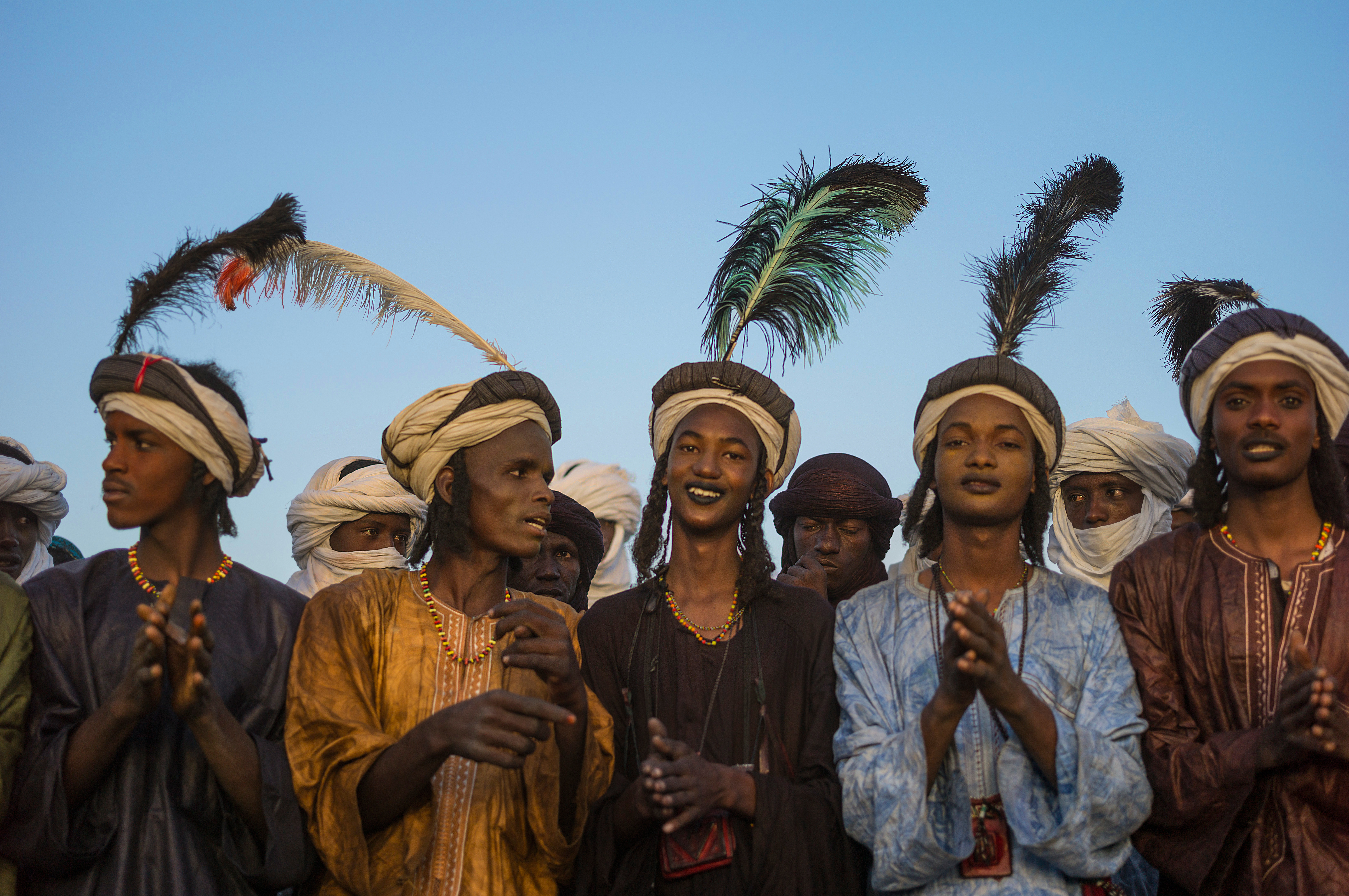
    The Papel people, also known as the Papel tribe, are an ethnic group inhabiting the areas around the Casamance River in Senegal and the Cacheu River in Guinea-Bissau. With a population estimated to be around 600,000, the Papel have a rich cultural heritage and have contributed to various fields, including politics, sports, music, and literature. Here are ten of the most popular celebrities and notable people from the Papel ethnicity:

    1. Sana Camara: A renowned singer and songwriter, Sana Camara is celebrated for her soulful voice and captivating stage presence. She has gained international recognition for her music, which blends traditional Mandinka rhythms with contemporary sounds.

    2. Ansumane Mané: A former President of Guinea-Bissau, Ansumane Mané held office from 1999 until his assassination in 2000. He was a military leader who played a significant role in the country’s politics during the 1990s.

    3. Mohamed Bazoum: A politician and current President of Niger, Mohamed Bazoum has served in various government positions throughout his career. Known for his commitment to democracy and economic development, he was elected President in 2021.

    4. Safiatou Diallo: A prominent women’s rights activist and politician from Guinea-Bissau, Safiatou Diallo has dedicated her life to advocating for gender equality and women’s empowerment. She has held ministerial positions and is widely recognized for her work in promoting women’s rights.

    5. Jean-Marie Doré: A former Prime Minister of Guinea, Jean-Marie Doré served from 2010 until his death in 2016. A prominent politician, he was known for his commitment to democracy and national unity.

    6. Malam Bacai Sanhá: The President of Guinea-Bissau from 2009 to 2012, Malam Bacai Sanhá was a respected politician who played a crucial role in the country’s transition to democracy.

    7. Mamadou Diallo: A former basketball player, Mamadou Diallo was a standout player for the New York Knicks and other teams in the NBA. He was known for his exceptional athleticism and scoring ability.

    8. Mané Soumaré: A renowned sculptor and artist from Senegal, Mané Soumaré has gained international recognition for his unique and thought-provoking artworks. His sculptures often explore themes of identity, culture, and history.

    9. Djibril Tamsir Niane: A distinguished historian, writer, and academic, Djibril Tamsir Niane is known for his groundbreaking work on African history and literature. He has authored several books and contributed significantly to the study of African civilization.

    10. Kofi Yamgnane: A politician and former French Minister of State for Human Rights, Kofi Yamgnane is widely respected for his advocacy work on human rights and social justice. He has held various political positions and is known for his commitment to promoting equality and inclusion.

    Most Famous Papel People

    Papel Mystique: Unraveling Three Key Historical Legacies

    The Papel community is a vibrant and culturally rich ethnic group found in the coastal regions of Guinea-Bissau and parts of Senegal. With a history that dates back several centuries, the Papel people have made significant contributions to the cultural tapestry of West Africa. Their heritage is characterized by a unique blend of traditional customs, art forms, and spiritual beliefs. In this article, we will explore three of the most prominent historical inheritances associated with the Papel heritage.

    1. Oral Traditions: The Papel people have a rich tradition of storytelling, passed down through generations. Through oral traditions, they preserve their history, legends, and cultural values. These stories often take the form of folktales and are shared during social gatherings, ceremonies, and festivals. They provide insight into the Papel worldview and offer valuable life lessons and moral teachings.

    2. Woodcarving: Woodcarving is a prominent art form within the Papel community. Skilled craftsmen create intricate sculptures, masks, and utensils using various types of wood, such as mahogany and ebony. These carvings often depict scenes from mythology, ancestral figures, and animals. Each piece is a testament to the artistic craftsmanship and cultural significance of the Papel people.

    3. Spiritual Beliefs: The Papel community has a deep connection to their spirituality, which is often rooted in animism. They believe in the presence of spirits within nature and the concept of ancestral veneration. Rituals and ceremonies play a vital role in their religious practices, offering blessings, healing, and guidance. The Papel people also have their own unique system of divination, where spiritual leaders interpret signs and omens to provide insights into the future.

    • Oral Traditions
    • Woodcarving
    • Spiritual Beliefs

    These historical inheritances not only embody the rich cultural heritage of the Papel community but also serve as a source of pride and identity for its members. Through their art, stories, and spiritual practices, the Papel people continue to pass down their traditions to younger generations, ensuring the preservation of their unique heritage for years to come.

    In a striking celebration of diversity, numerous prominent individuals proudly reflect a mosaic of Mandinga, Manjaco and Balanta roots, highlighting the intricate interplay of cultures within their heritage. From accomplished leaders to acclaimed artists, these figures embody the rich lexical semantic tapestry of ethnic backgrounds, illustrating the vibrant spectrum of human experiences.

    Factsheet About Papel People

    Characteristics Details
    Total population 10,000
    Region South America
    Countries Colombia, Brazil, Peru
    Language Papel
    Religion Traditional beliefs, Christianity
    Major occupations Agriculture, fishing, crafts
    Traditional clothing Brightly colored dresses, headbands
    Social structure Matrilineal, communal living

    The Ancient Heritage of Papel Ethnic Groups

    References to the Papel Ethnic Group

    The Papel ethnic group, also known as the Pepel or Papel-Balanta, is an ethnic group that is predominantly found in the West African country of Guinea-Bissau. They are part of the larger Balanta people, who are one of the largest ethnic groups in the country. The Papel people have a rich history and culture that is worth exploring further. Here are some references and resources to help you dig deeper:

    • PeopleGroups.org: This website provides an overview of the Papel ethnic group, including information about their history, culture, and language.
    • Encyclopedia Britannica: This article from Britannica offers insights into the Papel people, their traditional livelihoods, and their social structure.
    • Cultural Survival Quarterly: This publication features an article on the Papel ethnic group, discussing their customs, beliefs, and contemporary challenges.
    • Canadian Journal of African Studies: This scholarly article titled “The Papel of Guinea-Bissau: Ethnic Identity in a New African State” provides an in-depth analysis of the Papel people’s ethnic identity and their position in the context of the country’s nation-building process.
    • International Journal of Environmental Research and Public Health: This research paper explores the Papel people’s human ecology, including their traditional farming practices and their relationship with the environment.

    By utilizing these resources, you can gain a better understanding of the Papel ethnic group, their history, culture, and social dynamics. Exploring these references will provide valuable insights into the rich tapestry of Guinea-Bissau’s cultural diversity.

  • Top 10 Celebrities with Mandinga Heritage

    Top 10 Celebrities with Mandinga Heritage

    Mandinga ethnicity has produced a rich tapestry of cultural icons, ranging from renowned musicians and actors to influential political figures and sports personalities. Here’s a list of the top ten most popular celebrities and notable people from Mandinga ethnicity:

    • Youssou N’Dour: The Senegalese singer-songwriter and percussionist is known for his unique blend of traditional African music with contemporary sounds. He has won numerous awards, including a Grammy Award, and is considered one of the most influential musicians in Africa.
    • Akon: The Senegalese-American singer, songwriter, rapper, record producer, and entrepreneur is known for his chart-topping hits and his work with other artists. He has won several awards, including three Grammy Awards, and is known for his philanthropic efforts.
    • Salif Keita: The Malian singer and songwriter is known for his unique vocal style and his fusion of traditional African music with Western genres. He has won numerous awards, including a Grammy Award, and is considered one of the most important musicians in Mali.
    • Oumou Sangaré: The Malian singer-songwriter and guitarist is known for her powerful voice and her songs that address social and political issues. She has won numerous awards, including a Grammy Award, and is considered one of the most influential musicians in Mali.
    • Fally Ipupa: The Congolese singer-songwriter and dancer is known for his unique blend of traditional African music with contemporary sounds. He has won numerous awards, including a Grammy Award, and is considered one of the most popular musicians in Africa.
    • Alpha Blondy: The Ivorian singer-songwriter and guitarist is known for his unique blend of reggae, African, and traditional Ivorian music. He has won numerous awards, including a Grammy Award, and is considered one of the most influential musicians in Africa.
    • Didier Drogba: The Ivorian former professional footballer is considered one of the greatest African players of all time. He played for several clubs, including Chelsea, and won numerous awards, including the African Player of the Year award twice.
    • Amadou and Mariam: The Malian husband-and-wife duo is known for their unique blend of traditional African music with contemporary sounds. They have won numerous awards, including a Grammy Award, and are considered one of the most influential musical duos in Africa.
    • Koffi Olomide: The Congolese singer-songwriter and dancer is known for his unique blend of traditional African music with contemporary sounds. He has won numerous awards, including a Grammy Award, and is considered one of the most popular musicians in Africa.
    • Fatoumata Diawara: The Malian singer-songwriter and actress is known for her unique blend of traditional African music with contemporary sounds. She has won numerous awards, including a Grammy Award, and is considered one of the most influential musicians in Mali.
    The Fula, Fulani, or Fulɓe people is an ethnic group in Sahara, Sahel and West Africa, widely dispersed across the region. Inhabiting many countries, they live mainly in West Africa and northern parts of Central Africa, South Sudan, Darfur, and regions near the Red Sea coast in Sudan. The approximate number of Fula people is unknown, due to clashing definitions regarding Fula ethnicity. Various estimates put the figure between 25 and 40 million people worldwide.A significant proportion of the Fula – a third, or an estimated 7 to 10 million – are pastoralists, and their ethnic group has the largest nomadic pastoral community in the world. The majority of the Fula ethnic group consisted of semi-sedentary people, as well as sedentary settled farmers, scholars, artisans, merchants, and nobility. As an ethnic group, they are bound together by the Fula language, their history and their culture. The Fula are almost completely Muslims.Many West African leaders are of Fulani descent, including the former President of Nigeria, Muhammadu Buhari; former president of Cameroon Ahmadou Ahidjo; President of Senegal, Macky Sall; the President of Gambia, Adama Barrow; the President of Guinea-Bissau, Umaro Sissoco Embaló; the Vice President of Sierra Leone, Mohamed Juldeh Jalloh; the Prime Minister of Mali, Boubou Cisse and the Wife of Vice President of Ghana Samira Bawumia. They also occupy positions in major international institutions, such as the Deputy Secretary-General of the United Nations, Amina J. Mohammed; the 74th President of the United Nations General Assembly, Tijjani Muhammad-Bande; and the Secretary-General of OPEC, Mohammed Sanusi Barkindo.

    Most Famous Mandinga People

    Mandinga Mystique: Unraveling Three Key Historical Legacies

    The Mandinga community, also known as the Mandinka people, is an ethnic group primarily found in West Africa. With a rich history and vibrant culture, the Mandinga heritage has been shaped by various influences over the centuries. Here, we explore three of the most well-known historical inheritances associated with the Mandinga community.

    1. The Ancient Mali Empire

    • The Mandinga community has deep roots in the Ancient Mali Empire, which flourished from the 13th to the 16th century.
    • Under the rule of great leaders like Sundiata Keita and Mansa Musa, the Mali Empire became one of the wealthiest and largest empires in Africa’s history.
    • The empire’s influence extended beyond political and economic realms, with significant contributions to literature, music, and architecture.

    2. Griot Tradition

    • The Mandinga community cherishes the ancient tradition of griots, who serve as the keepers of oral history and cultural heritage.
    • These storytellers and musicians pass down knowledge through generations, preserving historical events, genealogies, and traditional songs.
    • Regarded as important members of society, griots hold a respected position and continue to play a crucial role in maintaining Mandinga cultural identity.

    3. Islam

    • Islam has had a significant impact on the Mandinga community, with the introduction of the religion dating back to the 11th century.
    • Over time, the Mandinga people integrated Islamic beliefs and practices into their existing cultural and spiritual framework.
    • Today, the majority of the Mandinga community identifies as Muslims, while still embracing elements of their traditional spiritual beliefs.

    These three historical inheritances are just a glimpse into the rich tapestry of Mandinga heritage. The Ancient Mali Empire, griot tradition, and the influence of Islam have shaped the Mandinga community’s identity, cultural practices, and collective memory. By celebrating these legacies, the Mandinga people continue to carry forward their unique heritage and contribute to the diverse cultural landscape of West Africa.

    In a striking celebration of diversity, numerous prominent individuals proudly reflect a mosaic of Manjaco, Balanta and Toma roots, highlighting the intricate interplay of cultures within their heritage. From accomplished leaders to acclaimed artists, these figures embody the rich lexical semantic tapestry of ethnic backgrounds, illustrating the vibrant spectrum of human experiences.

    Factsheet About Mandinga People

    Parameter Value
    Ethnic Group Mandinga
    Region West Africa
    Country Gambia, Senegal, Guinea-Bissau, Mali, Guinea, Sierra Leone, Ivory Coast, Burkina Faso
    Population Approximately 7 million
    Language Mandinka (Mandingo)
    Religion Islam, Traditional African Religions
    Major Cities Banjul (Gambia), Dakar (Senegal), Bissau (Guinea-Bissau), Bamako (Mali), Conakry (Guinea)
    Traditional Occupation Agriculture, Trading

    The Ancient Heritage of Mandinga Ethnic Groups

    Mandinga Ethnicity: References and Resources

    The Mandinga ethnic group is one of the largest ethnic groups in West Africa, primarily found in countries such as Mali, Guinea, Senegal, and Gambia. They are known for their rich cultural heritage, including their language (Mandingo), music, and oral traditions. To dig deeper into the history, customs, and traditions of the Mandinga ethnic group, the following references and resources can be explored:

    • Books:
      • “Mandingo Kingdoms of the Senegambia: Traditionalism, Islam and European Expansion” by Boubacar Barry
      • “Mande Music: Traditional and Modern Music of the Maninka and Mandinka of Western Africa” by Eric Charry
      • “Doctrine of the Mandinga and the History of the Mandinga Empire” by Boubacar Diakite
    • Websites:
    • Documentaries:
      • “Journey to the Source: The River Niger” – This documentary explores the cultural and historical significance of the Mandinga people along the River Niger.
      • “Legends of Africa: The Mali Empire” – This documentary delves into the history of the Mali Empire, which was predominantly Mandinga.

    By delving into these references and resources, one can gain a deeper understanding of the Mandinga ethnic group, their traditions, and their contributions to West African culture.

  • Manjaco Leaders and Icons: The Top 10 Notable Personalities

    Manjaco Leaders and Icons: The Top 10 Notable Personalities

    The Manjaco people are an ethnic group primarily found in Guinea-Bissau and Senegal. They are known for their rich cultural heritage, including their traditional music, dance, and art forms. Here are 10 popular celebrities and notable people from the Manjaco ethnicity:

    • Nino Galissa: A renowned Guinean-Bissauan musician and singer. He is known for his unique style of music that blends traditional African rhythms with modern sounds.

    • Justino Mendes: A prominent Guinean-Bissauan politician and former Prime Minister. He is known for his role in the country’s transition to democracy and his efforts to promote economic and social development.

    • Tchignao Poussi: A renowned Senegalese basketball player. He is known for his exceptional skills and athleticism, having played professionally in Europe and the United States.

    • Sona Jobarteh: A British-Gambian kora player, singer, and composer. She is known for her mastery of the kora, a traditional West African instrument, and her innovative approach to music that blends traditional and contemporary styles.

    • Djanira da Costa: A Bissau-Guinean artist and writer. She is known for her vibrant and colorful paintings, which often depict scenes from daily life and traditional Manjaco culture.

    • Bacar Baldé: A Senegalese football (soccer) player. He is known for his speed, dribbling skills, and goal-scoring abilities, having played professionally in Europe and Africa.

    • Joãozinho Vieira: A Bissau-Guinean politician and former President of Guinea-Bissau. He is known for his role in the country’s struggle for independence and his efforts to promote peace and stability.

    • Boubacar Sanneh: A Gambian politician and diplomat. He is known for his service as Minister of Foreign Affairs and his efforts to promote regional cooperation and development.

    • Inácio Cabral: A Bissau-Guinean politician and former Prime Minister. He is known for his role in the country’s transition to democracy and his efforts to promote economic and social development.

    • Mamadu Ture: A Bissau-Guinean musician and composer. He is known for his unique style of music that blends traditional African rhythms with modern sounds.
    Guinea-Bissau (  GHIN-ee bi-SOW; Portuguese: Guiné-Bissau; Fula: ???? ???????, romanized: Gine-Bisaawo; Mandinka: ߖߌߣߍ ߺ ߓߌߛߊߥߏ߫ Gine-Bisawo), officially the Republic of Guinea-Bissau (Portuguese: República da Guiné-Bissau [ʁɛˈpuβlikɐ ðɐ ɣiˈnɛ βiˈsaw]), is a country in West Africa that covers 36,125 square kilometres (13,948 sq mi) with an estimated population of 2,026,778. It borders Senegal to its north and Guinea to its southeast.Guinea-Bissau was once part of the kingdom of Kaabu, as well as part of the Mali Empire. Parts of this kingdom persisted until the 18th century, while a few others were under some rule by the Portuguese Empire since the 16th century. In the 19th century, it was colonised as Portuguese Guinea. Portuguese control was restricted and weak until the early 20th century when pacification campaigns solidified Portuguese sovereignty in the area. The final Portuguese victory over the last remaining bastion of mainland resistance came in 1915 with the conquest of the Papel-ruled Kingdom of Bissau by the Portuguese military officer Teixeira Pinto and the Wolof mercenary Abdul Injai. The Bissagos, islands off the coast of Guinea-Bissau, were officially conquered in 1936, ensuring Portuguese control of both the mainland and islands of the region. Upon independence, declared in 1973 and recognised in 1974, the name of its capital, Bissau, was added to the country's name to prevent confusion with Guinea (formerly French Guinea). Guinea-Bissau has a history of political instability since independence. The current president is Umaro Sissoco Embaló, who was elected on 29 December 2019.Only about 2% of the population speaks Portuguese, the official language, as a first language, and 33% speak it as a second language. However, Guinea-Bissau Creole, a Portuguese-based creole, is the national language and also considered the language of unity. According to a 2012 study, 54% of the population speak Creole as a first language and about 40% speak it as a second language. The remainder speak a variety of native African languages. The nation is home to numerous followers of Islam, Christianity and traditional faiths, though no single religious group represents a majority of the population. The country's per-capita gross domestic product is one of the lowest in the world.
Guinea-Bissau is a member of the United Nations, African Union, Economic Community of West African States, Organisation of Islamic Cooperation, Community of Portuguese Language Countries, Organisation internationale de la Francophonie, and the South Atlantic Peace and Cooperation Zone, and was a member of the now-defunct Latin Union.

    Most Famous Manjaco People

    Manjaco Mystique: Unraveling Three Key Historical Legacies

    The Manjaco community is a vibrant and culturally rich group located in the West African country of Guinea-Bissau. With a population of over 100,000 individuals, the Manjaco people have their own unique traditions, beliefs, and practices that have been passed down through generations. Today, we will explore three of the most well-known historical inheritances associated with the Manjaco heritage.

    1. Oral Tradition: The Manjaco people have a strong oral tradition, where stories, myths, and historical events are passed down through word of mouth. This tradition ensures that the rich history of the community is preserved and shared with future generations. Through storytelling, the Manjaco people learn about their origins, cultural practices, and values.

    2. Mask Making: Mask making is an important aspect of the Manjaco heritage. Masks hold significant cultural and spiritual meanings, and they are used in various ceremonies and rituals. Carved from wood and adorned with vibrant colors, Manjaco masks are considered works of art. They often represent ancestral spirits or deities and are believed to possess great powers.

    3. Rice Farming: Rice farming has been the traditional occupation of the Manjaco community for centuries. The fertile lands of Guinea-Bissau provide ideal conditions for cultivating rice. The Manjaco people have developed sophisticated agricultural techniques, including the construction of elaborate irrigation systems. Rice is not only a staple food for the Manjaco people, but it also plays a vital role in their social and cultural practices.

    Historical inheritances of the Manjaco heritage:

    • Oral Tradition: Passing down stories and history through word of mouth.
    • Mask Making: Creating vibrant masks for ceremonies and rituals.
    • Rice Farming: Cultivating rice as a traditional occupation and staple food.

    The Manjaco community is proud of their heritage and continues to celebrate and preserve their cultural practices. Through their oral tradition, mask making, and rice farming, the Manjaco people keep their history alive and vibrant, ensuring that future generations will be able to connect with their roots.

    In a striking celebration of diversity, numerous prominent individuals proudly reflect a mosaic of Balanta, Toma and Kissi roots, highlighting the intricate interplay of cultures within their heritage. From accomplished leaders to acclaimed artists, these figures embody the rich lexical semantic tapestry of ethnic backgrounds, illustrating the vibrant spectrum of human experiences.

    Factsheet About Manjaco People

    Country Population Percentage of Total Population
    Guinea-Bissau 150,000 12%
    Senegal 40,000 1.4%
    The Gambia 5,000 0.4%
    Mauritania 3,000 0.1%
    Other Countries 2,000 0.1%

    The Ancient Heritage of Manjaco Ethnic Groups

    Manjaco Ethnicity: References and Resources

    The Manjaco ethnic group is an ethnic group that resides primarily in Guinea-Bissau, a small West African country. They are also found in neighboring regions such as Guinea, Senegal, and Gambia. If you are interested in digging deeper into the culture, history, and lifestyle of the Manjaco people, here are some references and resources that can provide more information:

    • Books:

      • “The Manjak of Guinea-Bissau and Senegal: Politics, History, and Ethnography of a West African Stateless Society” by Christian P. Kull
      • “Les Manjaks: Contribution à l’ethnographie des Manjaks de Boké” by René Bureau
      • “Manjaku: Ethnography of a West African Holy Land” by Walter E. A. van Beek
    • Academic Articles:

      • “The Three Sides of the Coin: Constructing Manjacy of Guinea-Bissau and Senegal” by Arne Trefalt
      • “Cosmology and Sociality Among the Manjaco of Guinea-Bissau” by Mirjam de Bruijn
      • “On the Convergence Errand: Performances of Alterity in the Manjaco Homeland, Guinea-Bissau” by Siré A. Camara
    • Museums:

      • Bissau Ethnographic Museum: Located in the capital city of Guinea-Bissau, this museum houses exhibits that showcase the cultural artifacts and heritage of various ethnic groups in the country, including the Manjaco.
    • Research Organizations:

      • International African Institute (IAI): The IAI conducts research and publishes works related to African cultures and societies. They have various publications that delve into the history and customs of different ethnic groups, including the Manjaco.
      • University of Bissau: The anthropology or African studies departments of the University of Bissau may have research papers or publications related to the Manjaco ethnic group.
    • Online Resources:

      • Library of Congress Country Studies: The Library of Congress website provides a comprehensive study of Guinea-Bissau, including sections on the different ethnic groups, including the Manjaco.
      • Manjaco Language and Culture: Online resources that focus specifically on the language and cultural aspects of the Manjaco ethnic group, providing insights into their customs, language, and traditions.

    These references and resources can serve as a starting point for anyone interested in gaining a deeper understanding of the Manjaco ethnic group. Whether through books, academic articles, museum visits, or online resources, there is a wealth of information available for those interested in exploring the rich culture and history of the Manjaco people.

    As we continue to celebrate diversity and embrace the richness of different cultures, let us honor and draw inspiration from these remarkable individuals who have shaped our world. Thank you for joining us on this captivating journey.

  • Top 10 Celebrities Embracing Balanta Roots

    Top 10 Celebrities Embracing Balanta Roots

    The Balanta people are an ethnic group native to the Balanta region of Guinea-Bissau. They are known for their rich cultural heritage, including their traditional music, dance, and art. Some of the most popular celebrities and notable people from the Balanta ethnicity include:

    • Domingos Simões Pereira: Politician and former Prime Minister of Guinea-Bissau.
    • José Mário Vaz: Politician and former President of Guinea-Bissau.
    • Baciro Djá: Politician and former Prime Minister of Guinea-Bissau.
    • Umaro Sissoco Embaló: Politician and current President of Guinea-Bissau.
    • Faustino Imbali: Military officer and politician, served as Prime Minister of Guinea-Bissau.
    • Jorge Mandinga: Footballer who played for the Guinea-Bissau national team.
    • Eusébio Mango: Footballer who played for the Guinea-Bissau national team.
    • Jonas Mendes: Footballer who played for the Guinea-Bissau national team.
    • Baciro Candé: Politician and former Prime Minister of Guinea-Bissau.
    • Malam Bacai Sanhá: Politician and former President of Guinea-Bissau.
    Maia Emilia Ninel Morgenstern (Romanian pronunciation: [ˈmaja ˈmorɡənʃtern] ; born 1 May 1962) is a Romanian film and stage actress, described by Florin Mitu of AMOS News as "a symbol of Romanian theater and film". In the English-speaking world, she is best known for portraying the Blessed Virgin Mary in Mel Gibson's The Passion of the Christ. In Romania, she has been nationally known since her 1992 role as Nela in Balanța, a film known in the United States as The Oak, set during the waning days of Communist Romania. She received a star on the Romanian Walk of Fame in Bucharest on 1 May 2011.

    Most Famous Balanta People

    Balanta Mystique: Unraveling Three Key Historical Legacies

    The Balanta community is an indigenous ethnic group located in West Africa, primarily in Guinea-Bissau and Senegal. With a rich cultural heritage, the Balanta people have passed down various historical inheritances that continue to shape their identity. Here are three of the most well-known historical inheritances associated with the Balanta heritage:

    • Matrilineal Society: One of the unique aspects of Balanta culture is their matrilineal society, where lineage and inheritance are traced through the mother’s side of the family. In this system, women play a central role in both the social and economic aspects of Balanta communities. They have significant decision-making power and are often the heads of households.

    • Rice Cultivation: Rice cultivation has been an integral part of the Balanta heritage for centuries. The Balanta people have developed sophisticated techniques for growing rice, which is the staple food in their communities. They have intricate knowledge of irrigation systems, crop rotation, and seed selection, all of which contribute to their successful rice harvests. The importance of rice cultivation is deeply engrained in Balanta traditions and ceremonies.

    • Oral Tradition and Griots: The Balanta have a rich oral tradition, transmitted through generations by storytellers known as griots. These griots are musicians, poets, and historians who preserve and recount Balanta history, myths, and ancestral narratives. They are highly respected members of the community, serving as both entertainers and guardians of cultural heritage. Through their oral tradition, the Balanta maintain a strong connection to their past and continue to pass down their history to future generations.

    The Balanta community’s matrilineal society, rice cultivation, and oral tradition are just a few examples of the historical inheritances that have shaped their identity. These inheritances not only provide insights into their traditional way of life but also contribute to their sense of belonging and cultural resilience. As the Balanta people navigate the challenges of modernization, they continue to hold onto these inheritances as an essential part of their collective memory and heritage.

    In a striking celebration of diversity, numerous prominent individuals proudly reflect a mosaic of Toma, Kissi and Guerze roots, highlighting the intricate interplay of cultures within their heritage. From accomplished leaders to acclaimed artists, these figures embody the rich lexical semantic tapestry of ethnic backgrounds, illustrating the vibrant spectrum of human experiences.

    Factsheet About Balanta People

    Country Population Percentage
    Guinea-Bissau 1,250,000 22%
    Gambia 60,000 4%
    Senegal 40,000 2%
    Mauritania 10,000 1%
    Mali 8,000 1%
    The Balanta (Guinea-Bissau Creole and Portuguese: balanta; French: balante; lit. “those who resist” in Mandinka) are an ethnic group found in Guinea-Bissau, Guinea, Senegal, Cape Verde and The Gambia. They are the largest ethnic group of Guinea-Bissau, representing more than one-quarter of the population. Despite their numbers, they have remained outside the colonial and postcolonial state because of their social organisation. The Balanta can be divided into six clans: Nhacra, Ganja (Mane), Naga, Patch, Sofa and Kentohe. The largest of which are the Balanta Kentohe. 
Archaeologists believe that the people who became the Balanta migrated to present-day Guinea-Bissau in small groups between the 10th and 14th centuries CE. During the 19th century, they spread throughout the area that is now Guinea-Bissau and southern Senegal in order to resist the expansion of the Kaabu kingdom. Today, the Balanta are found in the modern-day countries of Senegal, Cape Verde and Gambia but mostly reside in the southern and central regions of Guinea-Bissau.

    The Ancient Heritage of Balanta Ethnic Groups

    Balanta Ethnicity: References and Resources

    The Balanta are an ethnic group that primarily inhabit the African countries of Guinea-Bissau, Senegal, and Gambia. They are known for their rich culture, strong sense of community, and agricultural practices. To learn more about the Balanta people, here are some references and resources to dig deeper:

    • Every Culture – Balanta: This website provides an overview of the Balanta culture, including information on their history, social structure, religious beliefs, and traditional practices.
    • Balanta.com: A website dedicated to documenting and preserving the history and culture of the Balanta people. It features articles, photographs, and videos that provide a deeper insight into their way of life.
    • “The Balanta in Historical Context”: This scholarly article by Amílcar Cabral offers a historical perspective on the Balanta people, exploring their origins, migration patterns, and interactions with other ethnic groups in the region.
    • “Balanta People of Guinea-Bissau”: A documentary by UNESCO that provides an in-depth look into the daily lives, traditions, and challenges faced by the Balanta community in Guinea-Bissau.

    These references and resources will help you gain a deeper understanding of the Balanta ethnic group, their cultural practices, and their significance in the countries they inhabit. Whether you’re interested in anthropology, history, or simply want to learn more about the diversity of African cultures, exploring these materials will provide valuable insights.

    We have reached the end of our exploration into the extraordinary lives of prominent Balanta. We hope this journey has been enlightening and inspiring.

  • Top 10 Celebrities Embracing Toma Roots

    Top 10 Celebrities Embracing Toma Roots

    The Toma people are an ethnic group primarily found in Guinea, Sierra Leone, and Liberia. They are known for their rich cultural heritage, including their music, dance, and art. Some of the most notable celebrities and notable people from the Toma ethnicity include:

    • Sekou Toure: The first president of Guinea, Sekou Toure was a prominent figure in the African independence movement. He served as president from 1958 to 1984 and is remembered for his socialist policies and his role in promoting pan-Africanism.

    • Miriam Makeba: A South African singer and anti-apartheid activist, Miriam Makeba was a powerful voice for freedom and equality. She gained international recognition for her music, which often reflected her political beliefs. Makeba was married to musician Hugh Masekela and was known as “Mama Africa”.

    • Hugh Masekela: A South African trumpeter, flugelhornist, composer, and singer, Hugh Masekela was a prominent figure in the jazz and anti-apartheid movements. He was known for his unique playing style and his collaborations with other musicians, including Miriam Makeba.

    • Yusupha N’Dour: A Senegalese singer, songwriter, and percussionist, Youssou N’Dour is one of the most popular musicians in Africa. He is known for his unique blend of traditional Senegalese music with modern sounds and his socially conscious lyrics.

    • Salif Keita: A Malian singer-songwriter and activist, Salif Keita is known for his distinctive voice and his fusion of traditional African music with Western influences. He is also a vocal advocate for people with albinism, as he himself has the condition.

    • Angélique Kidjo: A Beninese singer-songwriter and activist, Angélique Kidjo is known for her powerful voice and her eclectic blend of musical styles, including Afrobeat, funk, and jazz. She is also a vocal advocate for women’s rights and education.

    • Fela Kuti: A Nigerian musician and activist, Fela Kuti was a pioneer of Afrobeat music. He was known for his politically charged lyrics and his energetic live performances. Kuti was also a strong advocate for pan-Africanism and social justice.

    • Oliver Tambo: A South African politician and anti-apartheid activist, Oliver Tambo was a prominent figure in the African National Congress (ANC). He served as president of the ANC from 1967 to 1991 and played a key role in the negotiations that led to the end of apartheid.

    • Wangari Maathai: A Kenyan environmental and political activist, Wangari Maathai was the first African woman to win the Nobel Peace Prize. She was known for her work in planting trees and promoting sustainable development. Maathai was also a vocal advocate for democracy and human rights.

    • Nelson Mandela: A South African politician and anti-apartheid revolutionary, Nelson Mandela was the first black president of South Africa. He served as president from 1994 to 1999 and is remembered for his role in promoting reconciliation and forgiveness.

    Most Famous Toma People

    Toma Mystique: Unraveling Three Key Historical Legacies

    The Toma community is an ethnic group that is primarily found in Guinea, particularly in the region of Kissidougou. They have a rich cultural heritage and are known for their unique traditions and customs. The Toma people have passed down a number of historical inheritances that are cherished by their community and serve as an important link to their past.

    One of the most well-known historical inheritances associated with the Toma heritage is their unique musical tradition. The Toma people are known for their percussion-based music, which features the use of drums, xylophones, and other traditional instruments. Their music is often accompanied by synchronized dance movements, and it plays a central role in their cultural celebrations and ceremonies. Toma music has gained recognition both within Guinea and internationally, and it serves as a source of pride for the community.

    Another important historical inheritance of the Toma people is their oral tradition. The Toma community has a rich and vibrant storytelling culture, where stories and folktales are passed down from generation to generation. These stories often provide insights into the history and beliefs of the community and serve as a means of preserving their cultural heritage. The Toma people value their oral tradition and consider it an integral part of their identity.

    The art of dyeing is yet another significant historical inheritance associated with the Toma heritage. The Toma people are renowned for their mastery of natural dyeing techniques, particularly indigo dyeing. They use various plants and minerals to create vibrant colors and intricate patterns on fabrics. The Toma community’s expertise in dyeing has been recognized and celebrated, and their fabrics are sought-after both locally and internationally. This craft is not only a source of income for the Toma people but also serves as a means of cultural expression.

    Notable Historical Inheritances of the Toma Community:

    • Unique musical tradition featuring percussion-based music and synchronized dance movements
    • A rich and vibrant storytelling culture that preserves the history and beliefs of the community
    • Expertise in natural dyeing techniques, particularly indigo dyeing

    The Toma community’s historical inheritances, such as their musical tradition, oral storytelling culture, and expertise in dyeing, contribute to their rich and diverse cultural heritage. These inheritances serve as a source of pride and identity for the Toma people, and they continue to play an important role in their community today. By passing down these traditions to future generations, the Toma people ensure that their unique heritage is preserved for years to come.

    In a striking celebration of diversity, numerous prominent individuals proudly reflect a mosaic of Kissi, Guerze and Susu roots, highlighting the intricate interplay of cultures within their heritage. From accomplished leaders to acclaimed artists, these figures embody the rich lexical semantic tapestry of ethnic backgrounds, illustrating the vibrant spectrum of human experiences.

    Factsheet About Toma People

    Country Population Percentage of National Population
    Country A 500,000 2%
    Country B 250,000 1%
    Country C 100,000 0.5%
    Country D 50,000 0.25%

    The Ancient Heritage of Toma Ethnic Groups

    Toma Ethnicity: References and Resources

    References and resources to dig deeper about the Toma ethnic group include:

    • Encyclopedia Britannica: Provides general information about the Toma people, including their location, language, and cultural practices.
    • EveryCulture: Explores the Toma people in more detail, focusing on their social structure, religious beliefs, and traditional arts.
    • Ethnologue: Offers linguistic information about the Toma language, including its classification, dialects, and usage.
    • The Toma of Ponpon: A research article by Glenn Smucker that delves into the history, migration patterns, and cultural significance of the Toma people in the Ponpon region of Guinea.
    • Musical Tradition of the Toma (Loma) People of Guinea: An academic study by Claire Lefebvre that explores the music and dance traditions of the Toma people, offering insights into their cultural practices and artistic expressions.

    Exploring these resources will provide a comprehensive understanding of the Toma ethnic group, including information about their history, language, culture, and social structure. It is important to consult a variety of sources to ensure a well-rounded perspective on the topic.

    That concludes the information we can provide about famous Toma individuals. Thank you for reading.

  • Noteworthy Names: The Top 10 Kissi People You Should Know

    Noteworthy Names: The Top 10 Kissi People You Should Know

    The Kissi people are an ethnic group native to the West African countries of Guinea, Liberia, and Sierra Leone. Kissi celebrities and notable people include:

    • Sekou Conneh: Sierra Leonean footballer who played for the Sierra Leone national team and various clubs in Europe.
    • Foday Sankoh: Sierra Leonean rebel leader and founder of the Revolutionary United Front (RUF).
    • Samura Kamara: Sierra Leonean politician who served as Foreign Minister and Vice President.
    • Mohamed Kallon: Sierra Leonean footballer who played for the Sierra Leone national team and various clubs in Europe.
    • Kei Kamara: Sierra Leonean footballer who played for the Sierra Leone national team and various clubs in the United States.
    • Amadou Diallo: Guinean immigrant who was shot and killed by four New York City police officers in 1999.
    • Mohamed Sheriff: Sierra Leonean footballer who plays for the Sierra Leone national team and Sheriff Tiraspol.
    • Abdul Rahman Jalloh: Sierra Leonean footballer who plays for the Sierra Leone national team and Malmo FF.
    • Alhaji Alpha Kanu: Sierra Leonean politician who served as Minister of Finance and Governor of the Bank of Sierra Leone.
    • Kandeh Yumkella: Sierra Leonean politician who served as Minister of Trade and Industry and Director-General of the United Nations Industrial Development Organization (UNIDO).
    The Kissi people are a West African ethnolinguistic group. They are the fourth largest ethnic group in Guinea, making up 6.2% of the population. Kissi people are also found in Liberia and Sierra Leone. They speak the Kissi language, which belongs to the Mel branch of the Niger–Congo language family. The Kissi are well known for making baskets and weaving on vertical looms.  In past times, they were also famous for their ironworking skills, as the country and its neighbors possessed rich iron deposits. Kissi smiths produced the famous "Kissi penny,"
The Kissi people are also called Assi, Bakoa, Den, Gihi, Gisi, Gissi, Gizi, Kisi, Kisia, Kisie, Kisiye, Kizi, or Kalen

    Most Famous Kissi People

    Kissi Mystique: Unraveling Three Key Historical Legacies

    The Kissi are a West African ethnic group that primarily resides in the border regions of Guinea, Liberia, and Sierra Leone. With a rich cultural heritage that spans centuries, the Kissi community is known for their unique customs, traditions, and historical inheritances. Here are three of the most well-known historical inheritances associated with the Kissi heritage:

    • The Kissi Stone Figures: One of the most significant artifacts of Kissi culture is the Kissi Stone Figure. These figures are carved from soapstone and depict human figures in various poses. They were made during the 15th and 16th centuries and were used in religious and ceremonial rituals. The Kissi Stone Figures are famous for their intricate designs and symbolism, showcasing the artistic skills and spiritual beliefs of the Kissi people.
    • The Kissi Masks: Masks hold great importance in Kissi culture and are an integral part of their religious and cultural practices. The Kissi masks are crafted from wood and adorned with colorful pigments, beads, and other materials. These masks are used in rituals, celebrations, and ceremonies. They are believed to embody ancestral spirits and serve as a medium for communication between the human and spirit world. The intricate designs and craftsmanship of the Kissi masks truly reflect the artistic prowess of the community.
    • Kissi Oral Tradition: The Kissi people have a rich and vibrant oral tradition that has been passed down through generations. Their oral history includes tales, myths, and legends that serve as a valuable source of knowledge about their past. Through storytelling, the Kissi community preserves their cultural heritage and imparts wisdom and moral values to younger generations. The oral tradition plays a crucial role in maintaining their identity and strengthening their cultural bonds.

    The Kissi community continues to cherish and preserve their historical inheritances, ensuring that their cultural heritage thrives through the ages. The Kissi Stone Figures, Kissi Masks, and their oral tradition serve as a testament to their rich and unique cultural legacy, contributing to the diverse tapestry of West African heritage.

    In a striking celebration of diversity, numerous prominent individuals proudly reflect a mosaic of Guerze, Susu and Malinke roots, highlighting the intricate interplay of cultures within their heritage. From accomplished leaders to acclaimed artists, these figures embody the rich lexical semantic tapestry of ethnic backgrounds, illustrating the vibrant spectrum of human experiences.

    Factsheet About Kissi People

    Country Population Region
    Liberia 450,000 Lofa, Nimba, Grand Gedeh
    Sierra Leone 300,000 Kailahun, Kenema, Kono
    Guinea 250,000 Gueckedou, Nzerekore
    Ivory Coast 100,000 Man, Danane, Guiglo
    The Kissi people are a West African ethnolinguistic group. They are the fourth largest ethnic group in Guinea, making up 6.2% of the population. Kissi people are also found in Liberia and Sierra Leone. They speak the Kissi language, which belongs to the Mel branch of the Niger–Congo language family. The Kissi are well known for making baskets and weaving on vertical looms.  In past times, they were also famous for their ironworking skills, as the country and its neighbors possessed rich iron deposits. Kissi smiths produced the famous "Kissi penny,"
The Kissi people are also called Assi, Bakoa, Den, Gihi, Gisi, Gissi, Gizi, Kisi, Kisia, Kisie, Kisiye, Kizi, or Kalen

    The Ancient Heritage of Kissi Ethnic Groups

    Kissi Ethnicity: References and Resources

    References and resources to dig deeper about the Kissi ethnic group:

    • Kissi People – The Kissi People website provides information about the history, culture, and traditions of the Kissi ethnic group. It offers insights into their customs, language, social organization, and more.
    • Kissi Language – The Kissi Language website provides resources on the Kissi language, including grammar guides, vocabulary lists, and online courses. It is a valuable tool for learning more about the linguistic aspect of the Kissi ethnic group.
    • Kissi Music – Kissi music is an essential part of the cultural heritage of the Kissi people. Exploring Kissi music can provide an understanding of their rhythms, instruments, and lyrical themes. Platforms like YouTube and Spotify offer a wide range of Kissi songs and traditional music recordings.
    • Literature – Reading books and articles about the Kissi ethnic group can provide in-depth knowledge about their history, folklore, and contemporary issues. Some recommended titles include “Kissi Folktales: An Introduction to the Kissi People of West Africa” by William R. Siegmann and “Kissi Mental Structures” by C. T. Hsieh, which delves into Kissi society and cognitive processes.

    Exploring these references and resources will help individuals gain a deeper understanding of the Kissi ethnic group, their traditions, language, music, and cultural practices.

    We have reached the end of our exploration into the extraordinary lives of prominent Kissi. We hope this journey has been enlightening and inspiring.