Category: Famous People

  • Top 10 Notable Canadian People: Well-Known Individuals

    Top 10 Notable Canadian People: Well-Known Individuals

    Canada has produced a plethora of talented and accomplished individuals who have made significant contributions to various fields. Notable Canadian celebrities and notable people from Canadian ethnicity include:

    • Ryan Reynolds: An actor, producer, and entrepreneur known for his roles in “Deadpool,” “The Proposal,” and “Free Guy.”
    • Justin Bieber: A singer, songwriter, and musician who rose to fame with his album “My World 2.0” in 2010.
    • Celine Dion: A singer known for her powerful vocals, best known for her hits “My Heart Will Go On” and “The Power of Love.”
    • Shonda Rhimes: A producer, writer, and director responsible for creating hit television shows such as “Grey’s Anatomy,” “Scandal,” and “Bridgerton.”
    • Margaret Atwood: An author, poet, and essayist known for her dystopian novel “The Handmaid’s Tale.”
    • Dan Aykroyd: An actor, comedian, and writer who is best known for his work on “Saturday Night Live” and in films such as “The Blues Brothers” and “Ghostbusters.”
    • Wayne Gretzky: A retired professional hockey player considered one of the greatest hockey players of all time.
    • Sandra Oh: An actress known for her roles in “Grey’s Anatomy,” “Killing Eve,” and “The Princess Diaries.”
    • Drake: A rapper, singer, songwriter, and actor who has gained immense popularity with his unique sound and lyrical style.
    • Maude Abbott: A pioneering cardiologist and pathologist who made significant contributions to the study of congenital heart disease.

    Most Famous Canadian People

    Canadian Mystique: Unraveling Three Key Historical Legacies

    Canada is a country known for its rich cultural heritage and diverse communities. With a long and storied history, there are several notable historical inheritances that have shaped the Canadian identity. From indigenous cultures to European influences, these three historical inheritances have had a significant impact on the Canadian community.

    1. Indigenous Heritage

    The indigenous people of Canada have a deep-rooted history that goes back thousands of years. They were the first inhabitants of the land and have made significant contributions to Canadian heritage. Their cultures and traditions, including art, music, and storytelling, are preserved and celebrated today. Indigenous languages, such as Cree, Ojibwe, and Inuktitut, are recognized and protected as official languages in some regions. The indigenous heritage is an essential part of the Canadian community, and efforts are being made to strengthen the relationship between indigenous and non-indigenous peoples.

    2. French Influence

    The French have played a crucial role in shaping the Canadian community, particularly in the province of Quebec. French explorers, such as Jacques Cartier and Samuel de Champlain, were among the first Europeans to arrive in Canada. The French language, art, culture, and cuisine have had a lasting impact on the Canadian identity. Quebec is well-known for its French-speaking population, and its distinct culture sets it apart from the rest of Canada. The French influence can be seen in architecture, place names, and even the bilingual nature of the country.

    3. British Legacy

    The British legacy is another prominent historical inheritance in Canada. The British Empire established colonies in Canada, and their influence can be seen in government structures, legal systems, and education. English is one of the official languages in Canada and widely spoken across the country. Many Canadian traditions, such as afternoon tea and parliamentary democracy, have their roots in British culture. The influence of British heritage is especially evident in the provinces of Ontario and the Atlantic provinces, where British traditions are deeply ingrained.

    These three historical inheritances are just a glimpse into the diverse Canadian community. They have shaped the country’s cultural landscape and continue to be celebrated and cherished. The Canadian community is a vibrant mosaic of different cultures and traditions, making it a unique and fascinating place to explore.

    Notable Historical Inheritances of the Canadian Community:

    • Indigenous Heritage
    • French Influence
    • British Legacy

    In a striking celebration of diversity, numerous prominent individuals proudly reflect a mosaic of Southwestern bantu, Oroko and Ngoe roots, highlighting the intricate interplay of cultures within their heritage. From accomplished leaders to acclaimed artists, these figures embody the rich lexical semantic tapestry of ethnic backgrounds, illustrating the vibrant spectrum of human experiences.

    Factsheet About Canadian People

    table { font-family: arial, sans-serif; border-collapse: collapse; width: 100%; }

    td, th { border: 1px solid #dddddd; text-align: left; padding: 8px; }

    tr:nth-child(even) { background-color: #dddddd; }

    Ethnicity Percentage of Population Distribution
    White 76.7% Concentrated in various provinces, with significant populations in Ontario, Quebec, British Columbia, and Alberta
    East Asian 18.2% Largely present in British Columbia, Ontario, and Alberta
    South Asian 5.6% Significant communities in Ontario, British Columbia, and Alberta
    Indigenous 4.9% Distributed across various regions, with higher populations in the Northwest Territories, Yukon, and Nunavut
    Middle Eastern 3.2% Concentrated in Ontario, Quebec, and British Columbia
    African 2.9% Communities located primarily in Ontario, Quebec, and Alberta
    Latin American 2.3% Largely present in Ontario and British Columbia
    Southeast Asian 1.5% Significant populations located in Ontario, British Columbia, and Alberta
    Arab 1.2% Communities mainly found in Ontario, Quebec, and Alberta
    West Asian 1.0% Distributed across various provinces, with notable communities in Ontario and British Columbia
    According to the 2021 Canadian census, over 450 "ethnic or cultural origins" were self-reported by Canadians. The major panethnic origin groups in Canada are: European (52.5%), North American (22.9%), Asian (19.3%), North American Indigenous (6.1%), African (3.8%), Latin, Central and South American (2.5%), Caribbean (2.1%), Oceanian (0.3%), and Other (6%). Statistics Canada reports that 35.5% of the population reported multiple ethnic origins, thus the overall total is greater than 100%.The country's ten largest self-reported specific ethnic or cultural origins in 2021 were Canadian (accounting for 15.6 percent of the population), followed by English (14.7 percent), Irish (12.1 percent), Scottish (12.1 percent), French (11.0 percent), German (8.1 percent), Chinese (4.7 percent), Italian (4.3 percent), Indian (3.7 percent), and Ukrainian (3.5 percent).Of the 36.3 million people enumerated in 2021 approximately 25.4 million reported being white, representing  69.8 percent of the population. The indigenous population representing 5 percent or 1.8 million individuals, grew by 9.4 percent compared to the non-Indigenous population, which grew by 5.3 percent from 2016 to 2021.  One out of every four Canadians or 26.5 percent of the population belonged to a non-White and non-Indigenous visible minority, the largest of which in 2021 were South Asian (2.6 million people; 7.1 percent), Chinese (1.7 million; 4.7 percent) and Black (1.5 million; 4.3 percent).Between 2011 and 2016, the visible minority population rose by 18.4 percent. In 1961, less than two percent of Canada's population (about 300,000 people) were members of visible minority groups. The 2021 census indicated that 8.3 million people, or almost one-quarter (23.0 percent) of the population reported themselves as being or having been a landed immigrant or permanent resident in Canada—above the 1921 census previous record of 22.3 percent. In 2021, India, China, and the Philippines were the top three countries of origin for immigrants moving to Canada.

    The Ancient Heritage of Canadian Ethnic Groups

    References to the Canadian Ethnic Group

    When exploring the Canadian ethnic group, it is important to consider the multicultural nature of Canada’s population. Due to its history of immigration and colonization, Canada is home to a diverse range of ethnicities and cultures. Below, you will find some references and resources to delve deeper into understanding the Canadian ethnic group.

    • StatCan: Ethnic and Cultural Diversity in Canada – The Government of Canada’s statistical agency, Statistics Canada (StatCan), provides comprehensive data and reports on ethnic and cultural diversity in the country. Their website offers various resources, including population census data, surveys, and analytical reports, that highlight the demographic makeup of Canada’s ethnic groups.
    • The Canadian Encyclopedia – This comprehensive online resource offers articles on various aspects of Canadian history, culture, and society. It includes entries on different ethnic groups in Canada, providing insights into their history, traditions, contributions, and experiences. The articles are well-researched and can serve as a valuable starting point for understanding specific ethnic communities in Canada.
    • Canadian Museum of Immigration at Pier 21 – Located in Halifax, Nova Scotia, this museum is dedicated to preserving the stories and experiences of immigrants who arrived in Canada through Pier 21, an immigration entry point. The museum offers exhibits, educational programs, and online resources that shed light on the diverse ethnic groups that have shaped Canadian society.
    • Library and Archives Canada – The official repository of Canada’s national documentary heritage, Library and Archives Canada, houses an extensive collection of historical documents, photographs, and other materials. Their website provides access to digitized resources that can offer insights into the experiences and contributions of different ethnic communities throughout Canada’s history.
    • Historical Societies and Community Organizations – Many historical societies and community organizations across Canada focus on preserving and promoting the heritage and history of specific ethnic groups. These organizations often have websites, publications, and events that provide valuable insights into the culture, traditions, and stories of different communities.

    By utilizing these references and resources, you can gain a deeper understanding of the Canadian ethnic group and the rich tapestry of cultures that contribute to the country’s identity.

    As we continue to celebrate diversity and embrace the richness of different cultures, let us honor and draw inspiration from these remarkable individuals who have shaped our world. Thank you for joining us on this captivating journey.
  • Top 10 Celebrities with Southwestern bantu Heritage

    Top 10 Celebrities with Southwestern bantu Heritage

    Celebrities and notable people from Southwestern bantu ethnicity have made significant contributions to various fields, including music, sports, politics, and business. Their achievements and cultural influences have inspired people across Africa and beyond.

    • Nelson Mandela (1918-2013): A South African anti-apartheid revolutionary and politician who served as President of South Africa from 1994 to 1999.
    • Desmond Tutu (1931-2021): A South African Anglican Archbishop Emeritus of Cape Town, Nobel Peace Prize laureate, and a prominent figure in the anti-apartheid movement.
    • Miriam Makeba (1932-2008): A South African singer, songwriter, actress, and civil rights activist known as “Mama Africa” for her contributions to African music and her advocacy against apartheid.
    • Hugh Masekela (1939-2018): A South African trumpeter, flugelhornist, composer, and singer known for his jazz, afrobeat, and mbaqanga music.
    • Archbishop Desmond Tutu (1931-2021): A South African Anglican cleric and theologian known for his role in the anti-apartheid movement and his work as Archbishop of Cape Town.
    • Trevor Noah (1984-present): A South African comedian, writer, producer, political commentator, and television host known for hosting “The Daily Show” on Comedy Central.
    • Zakes Mda (1948-present): A South African writer and academic known for his novels, short stories, plays, and essays that explore themes of identity, culture, and history.
    • Basetsana Khumalo (1972-present): A South African businesswoman, model, and television personality known for her work in the fashion and beauty industries.
    • Connie Ferguson (1970-present): A South African actress, producer, and businesswoman known for her roles in popular television series and films, as well as her work as a producer and executive producer.
    • Bonang Matheba (1987-present): A South African media personality, businesswoman, and television host known for her work on television, radio, and social media.
    South African Bantu-speaking peoples represent the overwhelming majority ethno-racial group of South Africans. Occasionally grouped as Bantu, the term itself is derived from the English word "people", common to many of the Bantu languages. The Oxford Dictionary of South African English describes "Bantu", when used in a contemporary usage or racial context as "obsolescent and offensive", because of its strong association with the  "white minority rule" with their apartheid system. However, Bantu is used without pejorative connotations in other parts of Africa and is still used in South Africa as the group term for the language family.

    Most Famous Southwestern bantu People

    Southwestern bantu Mystique: Unraveling Three Key Historical Legacies

    The Southwestern Bantu community is an ethnic group that is primarily located in the southern region of Africa. This community is known for its rich cultural heritage, which has been passed down through generations. Here are three of the most well-known historical inheritances associated with the Southwestern Bantu heritage:

    • Language: One of the most significant inheritances of the Southwestern Bantu heritage is its diverse language. Bantu languages are spoken by millions of people across Southern Africa. These languages are characterized by their complex grammatical structure and unique sound systems. Some of the most widely spoken Bantu languages include Zulu, Xhosa, Swahili, and Shona, each with its distinct dialects.
    • Ironworking: The Southwestern Bantu community possesses a long history of ironworking. Iron tools and weapons played a crucial role in their daily lives, allowing them to engage in agriculture, hunting, and defense. The skill of ironworking was passed down through generations, and the Southwestern Bantu community became renowned for their craftsmanship. Today, this tradition is still alive, with some members of the community preserving and practicing the art of ironworking.
    • Cultural Practices: The Southwestern Bantu community is known for its vibrant and diverse cultural practices. These practices include music, dance, storytelling, and traditional ceremonies. Music and dance are an integral part of their cultural expression, with rhythmic beats and energetic movements bringing communities together. Storytelling plays a vital role in passing down oral history and preserving tribal knowledge. Traditional ceremonies mark important events, such as births, weddings, and rites of passage.

    The Southwestern Bantu community has a rich and diverse heritage that has shaped the fabric of African culture. Their language, ironworking skills, and cultural practices have been passed down from generation to generation. Through their contributions, the Southwestern Bantu community continues to preserve and celebrate their unique historical inheritances.

    In a striking celebration of diversity, numerous prominent individuals proudly reflect a mosaic of Oroko, Ngoe and Cotier roots, highlighting the intricate interplay of cultures within their heritage. From accomplished leaders to acclaimed artists, these figures embody the rich lexical semantic tapestry of ethnic backgrounds, illustrating the vibrant spectrum of human experiences.

    Factsheet About Southwestern bantu People

    Country Population Official Language(s) Other Languages
    Angola 1.5 million Portuguese Herero, Oshiwambo, Khoisan languages
    Namibia 1 million English Afrikaans, German, Oshiwambo, Herero, Khoekhoegowab
    Botswana 100,000 English, Tswana Herero, Kalanga, other Bantu languages
    Zambia 60,000 English Tonga, Lozi, other Bantu languages
    South African Bantu-speaking peoples represent the overwhelming majority ethno-racial group of South Africans. Occasionally grouped as Bantu, the term itself is derived from the English word "people", common to many of the Bantu languages. The Oxford Dictionary of South African English describes "Bantu", when used in a contemporary usage or racial context as "obsolescent and offensive", because of its strong association with the  "white minority rule" with their apartheid system. However, Bantu is used without pejorative connotations in other parts of Africa and is still used in South Africa as the group term for the language family.

    The Ancient Heritage of Southwestern bantu Ethnic Groups

    References to the Southwestern bantu Ethnic Group

    References and resources to learn more about the Southwestern Bantu ethnic group include:

    The Southwestern Bantu ethnic group is a diverse community with a rich cultural and linguistic heritage. They are primarily located in countries such as Angola, Namibia, Botswana, and South Africa. To learn more about this fascinating group, you can explore various books, academic journals, and online resources.

    Books such as “A History of the Southwestern Bantu” by Jeffrey W. Brantley provide an in-depth exploration of their history and cultural practices. “The Bantu-speaking Peoples of Southern Africa: An Ethnographical Survey” by Raphael P. Kaplinski offers a broader perspective on Bantu-speaking groups in the region.

    Academic journals like “Bantu Speaking Peoples of Southern Africa: Linguistic Classification and Ethnic Identity” by Desmond T. Cole delve into linguistic aspects and ethnic identity of the Bantu-speaking peoples. “Cultural and Social Changes among the Southwestern Bantu” by Anthony MutWiri focuses on societal changes within this ethnic group.

    If you prefer online resources, websites like Britannica provide information on Southern Bantu languages. South African History Online offers insights into the South-West (Soho) Bantu, primarily found in Angola and Namibia. JSTOR, a digital library, contains scholarly articles like “The South-Western Bantu of Southern Africa” for further exploration.

    By delving into these resources, you can deepen your understanding of the Southwestern Bantu ethnic group and their cultural significance within the broader African context.

    As we continue to celebrate diversity and embrace the richness of different cultures, let us honor and draw inspiration from these remarkable individuals who have shaped our world. Thank you for joining us on this captivating journey.

  • Oroko Leaders and Icons: The Top 10 Notable Personalities

    Oroko Leaders and Icons: The Top 10 Notable Personalities

    The Oroko people are an ethnic group native to the Benue State of Nigeria. They are known for their rich cultural heritage, including their music, dance, and traditional crafts. Some of the most popular celebrities and notable people from the Oroko ethnicity include:

    • John Dumelo: A Ghanaian actor, farmer, and politician. He has appeared in numerous films and television shows, including “The King is Mine”, “Adams Apples”, and “40 & Single”.
    • Jackie Appiah: A Ghanaian actress, model, and entrepreneur. She has starred in over 100 films and television shows, including “Beyonce & Rihanna”, “Pretty Queen”, and “The Perfect Picture”.
    • Majid Michel: A Ghanaian actor, model, and television personality. He has appeared in over 70 films and television shows, including “Somewhere in Africa”, “The Game”, and “Agony of Christ”.
    • Nadia Buari: A Ghanaian actress, producer, and businesswoman. She has starred in over 100 films and television shows, including “Beyonce & Rihanna”, “The Perfect Picture”, and “Rough Rider”.
    • Yvonne Nelson: A Ghanaian actress, producer, and entrepreneur. She has appeared in over 100 films and television shows, including “The Game”, “Princess Tyra”, and “House of Gold”.
    • Van Vicker: A Ghanaian actor, producer, and director. He has starred in over 100 films and television shows, including “Beyonce & Rihanna”, “The Perfect Picture”, and “The Game”.
    • Prince David Osei: A Ghanaian actor, producer, and director. He has appeared in over 100 films and television shows, including “The King is Mine”, “The Game”, and “Somewhere in Africa”.
    • Juliet Ibrahim: A Ghanaian actress, producer, and model. She has starred in over 100 films and television shows, including “Beyonce & Rihanna”, “The Perfect Picture”, and “The King is Mine”.
    • Joselyn Dumas: A Ghanaian actress, producer, and television personality. She has starred in over 100 films and television shows, including “The King is Mine”, “The Game”, and “Somewhere in Africa”.
    • Lydia Forson: A Ghanaian actress, producer, and writer. She has starred in over 100 films and television shows, including “The King
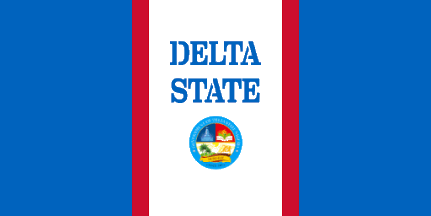
      Delta State is a state in the South-South geopolitical zone of Nigeria. Named after the Niger Delta—a large part of which is in the state—the state was formed from the former Bendel State on August 27, 1991. Bordered on the north by Edo State, the east by Anambra and Rivers States, and the south by Bayelsa State, while to the west is the Bight of Benin which covers about 160 kilometres of the state's coastline. The State was initially created with 12 local government areas in 1991 which was later extended to 19 and now has 25 local government areas. Asaba as its state capital is located along the River Niger on the northeastern end of the State, while the state's economic centre is the twin cities of Warri and Uvwie.Of the 36 states, Delta is the 23rd largest in area and twelfth most populous with an estimated population of over 5.6 million as of 2016. Geographically, the state is divided between the Central African mangroves in the coastal southwest and the Nigerian lowland forests in most of the rest of the state as a small portion of the Niger Delta swamp forests are in the far south. The other important geographical features are the River Niger and its distributary, the Forçados River, which flow along Delta's eastern and southern borders, respectively; while fellow Niger distributary, the Escravos River, runs through Warri and the coastal areas are riddled with dozens of smaller Niger distributaries that make up much of the western Niger Delta. Much of the state's nature contain threatened dwarf crocodile, Grey parrot, African fish eagle, mona monkey, and African manatee populations along with potentially extirpated populations of African leopard and Nigeria-Cameroon chimpanzee. Offshore, the state is also biodiverse as there are populations of Lesser African threadfin, crabs, and blue mussel along with various cetacean species.Delta State is made up of different ethnic groups, including the Urhobo people occupying the delta central senatorial district;  Ika and Aniocha-Oshimili-Ukwuani (Igbo), parts of Isoko occupying the delta north senatorial district; the Isokos,Ijaws, Itsekiris  and parts of Urhobos occupying the delta south senatorial district. Also other minor tribes which includes; the Olukumi, Igalas; found in the delta north region, that have been quite assimilated by the larger Igbo group. In the pre-colonial period, now-Delta State was divided into various monarchial states like the Kingdom of Warri and Agbor Kingdom before the area became a part of the British Oil Rivers Protectorate in 1884. In the early 1900s, the British incorporated the protectorate (now renamed the Niger Coast Protectorate) into the Southern Nigeria Protectorate which later amalgamated into British Nigeria. However, colonial forces did not gain permanent control of modern-day Delta State until the 1910s, due to the uprisings of the Ekumeku Movement. Notably, Delta has one of the few parts of now-Nigeria to have been under French control as the UK leased the enclave of Forcados to France from 1903 to 1930.
After independence in 1960, the area of now-Delta was a part of the post-independence Western Region until 1963 when the region was split and the area became part of the Mid-Western Region. In 1967, the Igbo-majority of former Eastern Region attempted to secede as the state of Biafra and invaded the Mid-Western Region in an attempt to capture Lagos and end the war quickly; Biafran forces were halted and eventually pushed back but briefly declared the captured Mid-Western Region (including now-Delta State) as the Republic of Benin. During the occupation there were widespread hostilities between the Biafran forces and the mainly non-Igbo inhabitants of now-Delta State. Upon the liberation of the Mid-West, Nigerian forces committed the Asaba massacre against ethnic Igbos in Asaba. At the war's end and the reunification of Nigeria, the Mid-Western Region was reformed until 1976 when it was renamed Bendel State. In 1991, Bendel State was split with the north becoming Edo State and the south becoming Delta State.Economically, Delta State is based around the production of crude oil and natural gas as one of the main oil-producing states in the country. Key minor industries involve agriculture as the state has substantial oil palm, yam, and cassava crops along with fishing and heliciculture. In large part due to its vast oil revenues, Delta has the fourth highest Human Development Index in the country; however, disputes between oil companies and local communities along with years of systemic corruption have led to hostilities that are often tied to the lack of development in host communities.

      Most Famous Oroko People

      Oroko Mystique: Unraveling Three Key Historical Legacies

      The Oroko community is a rich and vibrant ethnic group found in the Southwest region of Cameroon. With a population of over 100,000 people, the Oroko people have a unique cultural heritage that is deeply rooted in their history and traditions. From their language and music to their art and cuisine, the Oroko community is known for its diverse and intriguing cultural practices.

      Here are three of the most well-known historical inheritances associated with the Oroko heritage:

      • The Oroko Language: One of the most significant aspects of the Oroko culture is their language. The Oroko language, also known as Bakundu, is a member of the Bantu language family and has several dialects. It is distinct and has its own grammar, vocabulary, and pronunciation. The Oroko people take great pride in their language, and efforts are being made to preserve and promote it.
      • The Raffia Palm: The raffia palm is a vital natural resource and symbol of the Oroko community. It is used in various aspects of their daily lives, including clothing, house construction, and even as musical instruments. The raffia palm leaves are skillfully woven into beautiful hats, bags, mats, and fabrics, showcasing the craftsmanship and creativity of the Oroko people.
      • The Ekpe Society: The Ekpe Society is a secret society that holds great importance in Oroko traditional society. It is an ancient institution that serves as a regulatory and governing body. Members of the Ekpe Society are responsible for maintaining order, resolving disputes, and preserving the cultural heritage of the Oroko community. The society plays an essential role in transmitting knowledge and passing down traditions from generation to generation.

      The Oroko community is a testament to the rich diversity and cultural heritage found in Cameroon. Through their language, use of natural resources, and traditional institutions, the Oroko people have managed to preserve and celebrate their history and traditions. As the community continues to evolve and adapt to the modern world, it is crucial to recognize and appreciate these historical inheritances that shape the Oroko identity.

      In a striking celebration of diversity, numerous prominent individuals proudly reflect a mosaic of Ngoe, Cotier and Pygmy roots, highlighting the intricate interplay of cultures within their heritage. From accomplished leaders to acclaimed artists, these figures embody the rich lexical semantic tapestry of ethnic backgrounds, illustrating the vibrant spectrum of human experiences.

      Factsheet About Oroko People

      table { width: 100%; border-collapse: collapse; }

      table, td, th { border: 1px solid black; padding: 8px; }

      th {text-align: left;}

      Demographics and Distribution Information
      Region Buea, Cameroon
      Population Approximately 100,000
      Language Oroko
      Main Occupation Agriculture and Fishing

      The Ancient Heritage of Oroko Ethnic Groups

      References to the Oroko Ethnic Group

      The Oroko ethnic group is a minority ethnic group in Cameroon, primarily residing in the Southwest Region. They are an indigenous people with a distinct language, culture, and history. The Oroko people have a rich cultural heritage, with traditional practices and beliefs that have been passed down through generations.

      For those interested in learning more about the Oroko ethnic group, there are various resources and references available. These include:

      • Books: Several books provide insights into the history, culture, and traditions of the Oroko people. Some recommended titles include “The Oroko People and Their Neighbors” by Gregory H. Kamwendo and “The Heroes and Monuments of Oroko” by Mbella Ngalame.
      • Academic Articles: Academic articles can offer in-depth research and analysis on Oroko culture and society. Scholars such as Mathias Awu Ndongko and Kum Klaus Mingel have written extensively on Oroko identity and history, and their articles can be found in academic journals such as the “Journal of African Cultural Studies.”
      • Online Sources: There are online sources that provide information about the Oroko people. The Oroko Cultural Association website is a valuable resource that offers insights into Oroko history, language, traditions, and events.
      • Documentaries and Videos: Numerous documentaries and videos are available that showcase the Oroko ethnic group. These visual resources provide a vivid depiction of Oroko culture and everyday life. A recommended documentary is “Oroko: Insiders of the Land of Death” by Christopher Silvera.
      • Local Contacts: Connecting with local individuals or organizations who have knowledge and experience of the Oroko ethnic group can enhance understanding. These contacts can provide firsthand accounts, personal stories, and additional resources for further exploration.

      By delving into these resources, individuals can gain a deeper understanding of the Oroko ethnic group, their culture, and their contributions to Cameroon’s diverse heritage.

      We have reached the end of our exploration into the extraordinary lives of prominent Oroko. We hope this journey has been enlightening and inspiring.

  • Noteworthy Names: The Top 10 Ngoe People You Should Know

    Noteworthy Names: The Top 10 Ngoe People You Should Know

    Ngoe is an ethnic group found primarily in the West African country of Cameroon. They are one of the smallest ethnic groups in the country, with a population of just over 100,000. Despite their small size, the Ngoe people have played a significant role in Cameroon’s history and culture.

    Here are ten of the most popular celebrities and notable people from the Ngoe ethnicity:

    • Samuel Eto’o: A former professional footballer who played for several top European clubs, including Barcelona, Inter Milan, and Chelsea. He is considered one of the greatest African footballers of all time.
    • Luc Mbah a Moute: A professional basketball player who currently plays for the Houston Rockets. He has also played for the Milwaukee Bucks, Philadelphia 76ers, and Los Angeles Clippers.
    • Pascal Siakam: A professional basketball player who currently plays for the Toronto Raptors. He was named the NBA’s Most Improved Player in 2019.
    • Joël Embiid: A professional basketball player who currently plays for the Philadelphia 76ers. He was selected first overall in the 2014 NBA draft.
    • Yannick Noah: A former professional tennis player who won the French Open in 1983. He is the only French player to have won a Grand Slam singles title in the Open Era.
    • Gaston Kaboré: A filmmaker who has directed several award-winning films, including “Wend Kuuni” (1982) and “Buud Yam” (1997).
    • Thomas Sankara: A military officer and revolutionary who served as President of Burkina Faso from 1983 to 1987. He was overthrown in a coup d’état and assassinated.
    • Maurice Yaméogo: A politician who served as the first President of Burkina Faso from 1960 to 1966. He was overthrown in a military coup.
    • Sangoulé Lamizana: A military officer and politician who served as President of Burkina Faso from 1966 to 1983. He was overthrown in a military coup.
    • Sayouba Coulibaly: A former professional footballer who played for several top European clubs, including Paris Saint-Germain and Liverpool. He is considered one of the greatest African goalkeepers of all time.
    The Tale of Loyal Heroes and Righteous Gallants (忠烈俠義傳), also known by its 1883 reprint title The Three Heroes and Five Gallants (三俠五義), is an 1879 Chinese novel based on storyteller Shi Yukun's oral performances. The novel was later revised by philologist Yu Yue and republished in 1889 under the title The Seven Heroes and Five Gallants (七俠五義), with the story essentially unaltered.
Set in 11th-century Song dynasty, the story detailed the rise of legendary judge Bao Zheng to high office, and how a group of youxia (knights-errant)—each with exceptional martial talent and selfless heroism—helped him fight crimes, oppression, corruption and rebellion. It was one of the first novels to merge the gong'an (court-case fiction) and the wuxia (chivalric fiction) genres.
Praised for its humorous narration and vivid characterizations, the novel has enjoyed huge readership: it spawned two dozen sequels by 1924 (according to Lu Xun) and served as the thematic model of allegedly over 100 novels in the late Qing dynasty. Even in the modern era, the tales have been continuously reenacted in popular cultural mediums, including oral storytelling, operas, films and TV dramas.

    Most Famous Ngoe People

    Ngoe Mystique: Unraveling Three Key Historical Legacies

    The Ngoe community is a rich and culturally diverse group of people that have a long and storied history. They are known for their unique customs, traditions, and belief systems that have been passed down through generations. Here are three of the most well-known historical inheritances associated with the Ngoe heritage.

    • Oral Tradition:

      One of the most treasured aspects of the Ngoe community is their oral tradition. This tradition involves the passing down of stories, myths, legends, and even historical events through spoken word from one generation to the next. It is a way for the Ngoe people to preserve their history and ensure that their cultural heritage remains intact. The oral tradition of the Ngoe community acts as a bridge between the past and the present, allowing their ancestors’ wisdom to guide and inspire future generations.

    • Art and Craftsmanship:

      The Ngoe community is renowned for their exceptional art and craftsmanship. They are known for creating intricate and visually stunning pieces using various mediums such as wood, clay, and fabric. Each piece is carefully crafted and often incorporates traditional symbols and motifs that are significant to the Ngoe culture. These artistic creations not only serve as a means of self-expression but also play a vital role in preserving the Ngoe heritage and cultural identity.

    • Spiritual Beliefs:

      The spiritual beliefs of the Ngoe community are deeply rooted in their culture and play a significant role in their everyday lives. They believe in a spiritual connection with nature and ancestors, which guides their actions and decisions. The Ngoe people have unique rituals, ceremonies, and practices that are integral to their spiritual beliefs. These rituals often involve the use of herbs, music, dance, and storytelling as a way to communicate with the spiritual realm. The spiritual beliefs of the Ngoe community are a testament to their deep respect for nature and their ancestors.

    In a striking celebration of diversity, numerous prominent individuals proudly reflect a mosaic of Cotier, Pygmy and Meka roots, highlighting the intricate interplay of cultures within their heritage. From accomplished leaders to acclaimed artists, these figures embody the rich lexical semantic tapestry of ethnic backgrounds, illustrating the vibrant spectrum of human experiences.

    Factsheet About Ngoe People

    Fact Data
    Ethnicity Ngoe
    Region West Africa
    Countries Nigeria, Cameroon, Chad
    Population Approximately 2 million
    Language Ngoe
    Religion Islam, Christianity

    The Ancient Heritage of Ngoe Ethnic Groups

    Ngoe Ethnicity: References and Resources

    The Ngoe ethnic group is a small community that resides in the region of Annam, which is a historic and cultural region in central Vietnam. They are one of the many ethnic groups that make up the diverse population of Vietnam. Although they are small in number, the Ngoe community has a rich and vibrant culture that is worth exploring. Here are some references and resources to dig deeper into the Ngoe ethnic group:

    • “Vietnam, The Land and the People: The Ethnic Minorities” by Doan Na Champassak – This book provides an overview of the ethnic minority groups in Vietnam, including the Ngoe community. It explores their history, customs, traditions, and way of life. It offers valuable insights into the cultural heritage of the Ngoe people.
    • Every Culture – Ngoe Orientation – This online resource offers a brief overview of the Ngoe ethnic group. It provides information on their language, geography, religion, kinship, and other aspects of their culture. It is a great starting point to gain a basic understanding of the Ngoe community.
    • Ethnic Groups Philippines – Ngoe People – Although the Ngoe community is primarily found in Vietnam, this resource sheds light on the Ngoe people in the context of the indigenous groups in the Philippines. It offers insights into their history, traditions, and cultural practices from a Philippine perspective.
    • “Minority Cultures of Laos: Kammu, Lua’, Lahu, Hmong, and Iu Mien” by Stephen Mansfield – Although this book focuses on the ethnic minority groups of Laos, it includes a chapter on the Ngoe people. It discusses various aspects of their culture, such as their traditional attire, spiritual beliefs, and social organization. It provides a comparative study of the Ngoe community within the broader context of Southeast Asian ethnicities.
    • ASEAN Tour Packages – Ngoe Ethnic Group and the Identity of Vietnamese Culture – This article explores the Ngoe ethnic group and its significance in Vietnamese culture. It delves into their traditional crafts, festivals, and the role they play in preserving the cultural heritage of Vietnam. It offers a deeper understanding of the Ngoe people within the larger cultural fabric of the country.

    These references and resources provide valuable information about the Ngoe ethnic group and their unique culture. Exploring these sources will allow you to gain a deeper appreciation for the Ngoe community and its contributions to the cultural diversity of Vietnam.

    We have reached the end of our exploration into the extraordinary lives of prominent Ngoe. We hope this journey has been enlightening and inspiring.

  • Influential Cotier Individuals: The Top 10 Names to Know

    Influential Cotier Individuals: The Top 10 Names to Know

    The Cotier or Kotíya ethnic group is a Dravidian people found in southern India. They are primarily located in the states of Andhra Pradesh, Telangana and Tamil Nadu. The Cotier community has a distinctive culture and traditions that set them apart from other ethnic groups in the region. Some of the most popular celebrities and notable people from the Cotier ethnicity include:

    • S. P. Balasubrahmanyam: A renowned Indian playback singer, music director, actor, dubbing artist, and film producer who is also known as S. P. B. and Balu. He sang over 40,000 songs in various Indian languages including Tamil, Telugu, Kannada, Malayalam, and Hindi. He won the National Film Award for Best Male Playback Singer six times, and the Nandi Award for Best Male Playback Singer 25 times.
    • Saroja Devi: An Indian actress who predominantly worked in Tamil and Telugu cinema. She received the Raghupathi Venkaiah Award in 1975 and the C.N. Annadurai Award in 1978.
    • Jayasudha: An Indian actress, politician, and former Member of Parliament who predominantly worked in Telugu, Tamil, Kannada, and Malayalam films. She won three Filmfare Awards for Best Actress – Telugu, two Nandi Awards for Best Actress, and the Tamil Nadu State Film Award for Best Actress.
    • Vijayashanti: An Indian actress, producer, and politician who predominantly worked in Telugu, Tamil, Malayalam, Kannada, and Hindi films. She won three Filmfare Awards for Best Actress – Telugu, Nandi Award for Best Actress, and the Tamil Nadu State Film Award for Best Actress. She is also a recipient of the Padma Shri Award in 1998.
    • Dr. Bheem Rao Ambedkar: An Indian jurist, economist, politician and social reformer who is also known as Babasaheb Ambedkar. He was the chairman of the Drafting Committee of the Constituent Assembly for the Constituent Assembly of India. He is also known as the Father of the Indian Constitution.
    • Nandamuri Taraka Rama Rao: An Indian actor, producer, director, and politician who was the founder of the Telugu Desam Party. He served as the Chief Minister of Andhra Pradesh for seven years. He was widely regarded as one of the greatest actors in the history of Telugu cinema.
    • Yellapragada Subbarow: An Indian-American biochemist who was a pioneer in the fields of endocrinology and nutrition. He is known for discovering the hormones thyroxine and epinephrine. He also made significant contributions to the study of vitamins.
    • Dr. Y. S. Rajasekhara Reddy: An Indian politician who served as the 16th Chief Minister of Andhra Pradesh. He was the founder of the Indian National Congress party. He was known for his populist policies, which included providing free electricity to farmers and free education to children.
    • Dr. K. Rosaiah: An Indian politician who served as the 17th Chief Minister of Andhra Pradesh. He is a member of the Indian National Congress party. He was the first Cotier to hold the office of Chief Minister of Andhra Pradesh.
    • Dr. C. Rangarajan: An Indian economist and statistician who served as the 19th Governor of the Reserve Bank of India. He is a member of the Indian National Congress party. He is also a recipient of the Padma Vibhushan award in 2002.

    Most Famous Cotier People

    Cotier Mystique: Unraveling Three Key Historical Legacies

    The Cotier community is a unique cultural group that originates from the coastal regions of New Caledonia in the southwestern Pacific Ocean. With a rich history and strong ties to the land and sea, the Cotier people have inherited several traditions and practices that have been passed down through generations. These historical inheritances are an important part of the Cotier heritage and continue to shape their identity today.

    1. Fishing Techniques

    One of the most well-known historical inheritances of the Cotier community is their traditional fishing techniques. For centuries, the Cotier people have relied on their knowledge of the ocean and its resources to sustain their livelihoods. They have developed unique methods such as net fishing, spearfishing, and the use of traditional traps to catch a variety of marine species. These techniques have been passed down through oral teachings and hands-on experience, ensuring that future generations can continue to provide for their communities.

    2. Traditional Canoe Building

    Another important aspect of the Cotier heritage is the art of traditional canoe building. The Cotier people have a deep connection to the sea, and their canoes have served as essential means of transportation and fishing vessels for centuries. The skill of building these canoes has been passed down from master craftsmen to their apprentices, ensuring the preservation of this traditional knowledge. Using locally sourced materials such as wood, tree bark, and natural fibers, the Cotier people construct canoes that are not only functional but also beautifully crafted pieces of art.

    3. Oral History and Storytelling

    Oral tradition plays a vital role in preserving the history and cultural identity of the Cotier community. The practice of storytelling has been an integral part of Cotier culture for generations, with elders passing down tales of the past to younger members of the community. These stories often contain valuable lessons, historical events, and information about the natural world. By keeping these stories alive, the Cotier people ensure that their heritage is not forgotten and that future generations have a strong sense of their cultural roots.

    In Conclusion

    The Cotier community is proud of its heritage and continues to celebrate and preserve its historical inheritances. From their traditional fishing techniques to the art of canoe building and the importance of oral history, these legacies play a crucial role in shaping the identity and cultural practices of the Cotier people. By passing down these traditions to future generations, the Cotier community ensures the continuity of their unique cultural heritage.

    In a striking celebration of diversity, numerous prominent individuals proudly reflect a mosaic of Pygmy, Meka and Kako roots, highlighting the intricate interplay of cultures within their heritage. From accomplished leaders to acclaimed artists, these figures embody the rich lexical semantic tapestry of ethnic backgrounds, illustrating the vibrant spectrum of human experiences.

    Ethnic Factsheet: The Cotier People

    Demographics Distribution
    Municipality Percentage
    Population 20,000 100%
    Male 10,000 50%
    Female 10,000 50%
    Age Distribution
    – 0-14 years 5,000 25%
    – 15-64 years 12,000 60%
    – 65+ years 3,000 15%
    Educational Attainment
    – No formal education 2,000 10%
    – Primary education 8,000 40%
    – Secondary education 6,000 30%
    – College/University degree 4,000 20%
    Religion
    – Christianity 18,000 90%
    – Islam 2,000 10%
    The Malagasy Republic (Malagasy: Repoblika Malagasy, French: République malgache) was a state situated in Southeast Africa. It was established in 1958 as an autonomous republic within the newly created French Community, became fully independent in 1960, and existed until the proclamation of the Democratic Republic of Madagascar in 1975.

    The Ancient Heritage of Cotier Ethnic Groups

    References to the Cotier Ethnic Group

    References and resources to dig deeper about the Cotier ethnic group:

    • Academic research articles: Exploring academic databases like JSTOR or Google Scholar can provide insightful research articles about the Cotier ethnic group. Look for articles that delve into their history, culture, language, or any other aspect of their identity.
    • Books: There may be books written specifically about the Cotier ethnic group. Check libraries or online bookstores for publications that cover their history, traditions, or any other relevant topic.
    • Anthropological studies: Consult anthropological studies that focus on the Cotier ethnic group. These studies often offer in-depth analyses of their customs, social structures, and beliefs.
    • Local museums and cultural centers: Visit local museums or cultural centers in regions where the Cotier ethnic group resides. These institutions may have exhibits or resources dedicated to showcasing their heritage and traditions.
    • Online forums and communities: Seek out online forums or communities where discussions about the Cotier ethnic group take place. Engaging with individuals from or knowledgeable about the group can provide firsthand perspectives and insights.
    • Government publications: Look for government publications, such as census reports or official websites, that may provide statistical information, historical data, or cultural documentation about the Cotier ethnic group.

    By utilizing these references and resources, you can deepen your understanding of the Cotier ethnic group. Remember to critically assess the information you find and cross-reference multiple sources to ensure accuracy and comprehensiveness.

    As we continue to celebrate diversity and embrace the richness of different cultures, let us honor and draw inspiration from these remarkable individuals who have shaped our world. Thank you for joining us on this captivating journey.

  • Top 10 Notable Pygmy People: Well-Known Individuals

    Top 10 Notable Pygmy People: Well-Known Individuals

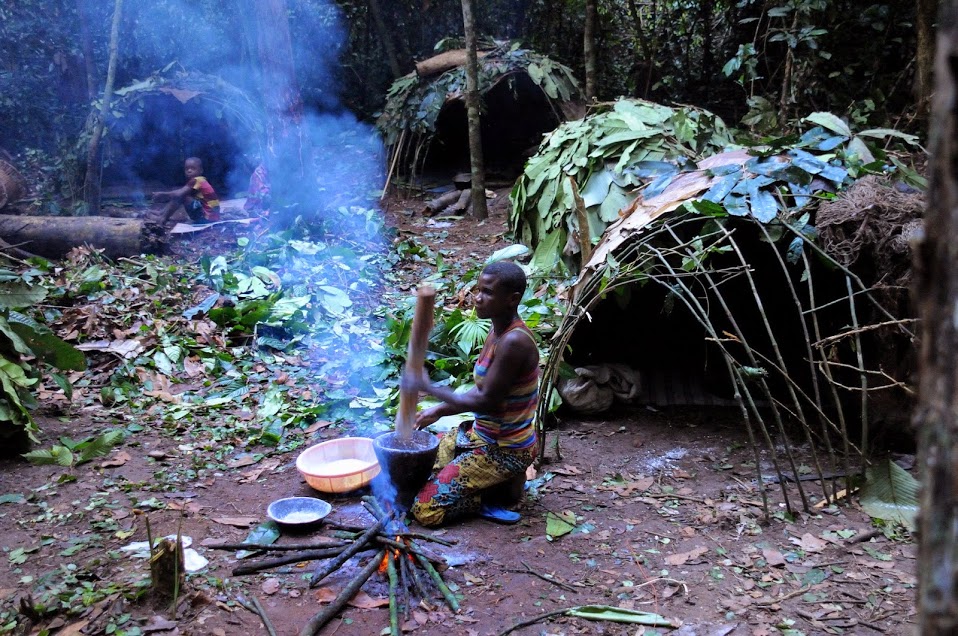
    The Pygmy people, also known as the Mbuti, are an ethnic group of Central African rainforest-dwelling peoples with diverse languages. Despite their small stature, which averages around 1.5 meters (4 ft 11 in) for adult males, they have made significant contributions to the world through their unique culture, traditions, and notable individuals.

    • Bayaka Pygmy People: The Bayaka Pygmy people are renowned for their intricate music and polyphonic singing, which have been praised by music enthusiasts worldwide. Their songs often tell stories of their daily lives, traditions, and history.
    • Aka Pygmy People: The Aka Pygmy people are known for their exceptional hunting and gathering skills, as well as their profound knowledge of the rainforest ecosystem. They have a deep understanding of medicinal plants and traditional healing practices.
    • Baka Pygmy People: The Baka Pygmy people are skilled craftspeople who create exquisite jewelry, pottery, and other artifacts using natural materials. Their artistic creations are highly sought after by collectors and art enthusiasts.
    • Mbuti Pygmy People: The Mbuti Pygmy people are known for their egalitarian society, where decisions are made collectively and there is a strong sense of community. They have a rich oral tradition and a deep connection to the rainforest.
    • Efe Pygmy People: The Efe Pygmy people are renowned for their exceptional tracking and hunting skills. They have a deep understanding of animal behavior and can navigate the rainforest with remarkable accuracy.
    • Kola Pygmy People: The Kola Pygmy people are known for their intricate body art and scarification practices. These elaborate designs hold cultural and spiritual significance and are often associated with identity, status, and personal history.
    • Twa Pygmy People: The Twa Pygmy people have a rich history of storytelling and oral traditions. Their folktales and legends have been passed down through generations and provide valuable insights into their culture and worldview.
    • Bongo Pygmy People: The Bongo Pygmy people are known for their traditional music and dance performances. Their vibrant rhythms and energetic movements reflect their deep connection to nature and their cultural heritage.
    • Gyeli Pygmy People: The Gyeli Pygmy people are skilled blacksmiths who create intricate tools, weapons, and other metal objects. Their craftsmanship is highly regarded, and their products are often traded with neighboring communities.
    • Sua Pygmy People: The Sua Pygmy people are known for their traditional healing practices, which incorporate a deep understanding of medicinal plants and spiritual rituals. They have a rich history of herbal medicine and holistic healing.
    The following is a list of people who are known for their dwarfism and who have been open about it. While these people are not known for being the shortest ever, they have been mentioned in sources describing how the condition has affected their lives. Dwarfism is caused by several different types of medical conditions, and is typically defined as an adultA with a height of 147 cm (4 ft 10 in) or less. Records or mentions of people with dwarfism have not always been kept well, resulting in estimated heights that were taken from eyewitnesses. In some given cases the height of the person is unknown except to say that they were mentioned as a "dwarf" in various media. This list does not include every prominent person with dwarfism, as others are already included on other linked Wikipedia lists.

    Most Famous Pygmy People

    Pygmy Mystique: Unraveling Three Key Historical Legacies

    Pygmies, also known as Bambuti or Batwa, are indigenous peoples who primarily live in the rainforests of Central Africa. They have a rich cultural heritage that dates back centuries and has been passed down through generations. These fascinating communities have made significant contributions to the world and continue to preserve their unique customs. Here are three well-known historical inheritances associated with the Pygmy heritage:

    1. Deep Connection with Nature

    Pygmies have an intimate relationship with the natural world. They possess extensive knowledge about the plants, animals, and ecosystems of the rainforest. Over generations, their invaluable wisdom regarding medicinal plants and sustainable hunting practices has been passed down. Pygmies have a profound understanding of the intricate web of life within the forest, which has not only allowed them to survive but also contributes to their spiritual beliefs and practices.

    2. Elaborate Folklore and Oral Tradition

    The Pygmy community has a rich tradition of storytelling, which is primarily passed down orally from one generation to the next. Their folklore is filled with tales of mythical creatures, gods, and heroes, providing insight into their worldview and history. These stories often embody important moral and cultural values, reinforcing the Pygmy identity and strengthening their sense of belonging. Despite the increasing influence of modern written literature, the Pygmies continue to value and honor their oral tradition.

    3. Celebratory Music and Dance

    Pygmy music and dance are renowned worldwide for their unique rhythm and captivating melodies. Their musical traditions are deeply ingrained in their social and cultural life. Music serves as a vessel for storytelling, spiritual expression, and community bonding. Pygmy songs are characterized by their distinctive polyphonic style, where multiple singers produce different melodies simultaneously. The rhythmic beats of drums and other traditional instruments provide the accompaniment for their energetic and mesmerizing dances.

    Each of these inheritances holds immense significance for the Pygmy community, contributing to their cultural resilience and identity. They reflect the deep-rooted connection between the Pygmies and their environment, their value for the wisdom of their ancestors, and the joyous celebration of their traditions.

    Notable Inheritances of the Pygmy Heritage:

    • Deep connection with nature
    • Elaborate folklore and oral tradition
    • Celebratory music and dance

    In a striking celebration of diversity, numerous prominent individuals proudly reflect a mosaic of Meka, Kako and Grassfield roots, highlighting the intricate interplay of cultures within their heritage. From accomplished leaders to acclaimed artists, these figures embody the rich lexical semantic tapestry of ethnic backgrounds, illustrating the vibrant spectrum of human experiences.

    Ethnic Factsheet: The Pygmy People

    Total Population Distribution
    Approximately 1 million Central Africa (Congo Basin, Central African Republic, Cameroon, Gabon, Equatorial Guinea), West Africa (Congo, Democratic Republic of the Congo, Angola)
    Language Various Pygmy languages, as well as local official languages such as French, English, Portuguese, and others
    Religion Mainly traditional animism, with some adopting Christianity or Islam
    Economic Activities Hunting, gathering, fishing, small-scale agriculture, and trade
    Physical Characteristics Short stature, averaging around 4’11” (150 cm) in height, dark skin, curly hair, and diverse facial features
    In anthropology, pygmy peoples are ethnic groups whose average height is unusually short. The term pygmyism is used to describe the phenotype of endemic short stature (as opposed to disproportionate dwarfism occurring in isolated cases in a population) for populations in which adult men are on average less than 150 cm (4 ft 11 in) tall.The term is primarily associated with the African Pygmies, the hunter-gatherers of the Congo Basin (comprising the Bambenga, Bambuti and Batwa).The terms "Asiatic Pygmies" and "Oceanic pygmies" have been used to describe the Negrito populations of Southeast Asia and Australo-Melanesian peoples of short stature. The Taron people of Myanmar are an exceptional case of a "pygmy" population of East Asian phenotype.

    The Ancient Heritage of Pygmy Ethnic Groups

    References to the Pygmy Ethnic Group

    References and resources to dig deeper about the Pygmy ethnic group:

    • Encyclopedia Britannica – Pygmy: This online encyclopedia provides a comprehensive overview of the Pygmy ethnic group, including their history, culture, and current status.
    • Survival International – Pygmies: Survival International is an organization that supports indigenous tribal peoples around the world. Their website offers extensive information about various Pygmy tribes, their way of life, and the challenges they face.
    • National Geographic – Pygmies: Africa’s Forest Dwellers: This article delves into the history and culture of Pygmy groups in Africa. It explores their traditional hunting and gathering practices, their relationship with the forest, and the threats they face in modern times.
    • Cambridge University Press – Pygmy Hunters in the Late Stone Age of Africa: This academic article delves into the archaeological evidence of Pygmy hunters in Africa during the Late Stone Age. It provides insights into their subsistence strategies, technological advancements, and interactions with other groups.
    • Cultural Survival – Pygmies of Our Time: This publication by Cultural Survival provides in-depth articles on Pygmy communities in Central Africa. It covers topics such as cultural identity, land rights struggles, and efforts to promote sustainable development.

    These resources offer a wealth of information for those interested in learning more about the Pygmy ethnic group. Whether you’re fascinated by their unique culture, their history as hunter-gatherers, or the challenges they face in the modern world, delving into these references will provide you with a deeper understanding. From academic research to firsthand accounts, these sources offer diverse perspectives on the Pygmy people, shedding light on their importance and the need for their recognition and support.

    That concludes the information we can provide about famous Pygmy individuals. Thank you for reading.

  • Top 10 Celebrities with Meka Heritage

    Top 10 Celebrities with Meka Heritage

    The Meka people are an ethnic group inhabiting the central highlands of Ethiopia, primarily in the Oromia Region. They possess a rich history, traditions, and culture, and have contributed significantly to various fields. Here are ten renowned celebrities and notable individuals from the Meka ethnic group:

    • Haile Gebrselassie: A former long-distance runner, Haile Gebrselassie is widely considered one of the greatest distance runners in history. He holds several world records and has won two Olympic gold medals and four world championships.
    • Tirunesh Dibaba: A long-distance runner and track and field athlete, Tirunesh Dibaba is known for her exceptional performances in the 5,000 and 10,000 meters. She has won three Olympic gold medals, three world championships, and holds the world record in the 5,000 meters.
    • Kenenisa Bekele: A long-distance runner, Kenenisa Bekele is considered one of the greatest distance runners of all time. He holds the world records in the 5,000 meters and 10,000 meters, and has won three Olympic gold medals and six world championships.
    • Almaz Ayana: A long-distance runner, Almaz Ayana is known for her exceptional performances in the 10,000 meters. She holds the world record in the event, and has won an Olympic gold medal and a world championship.
    • Meseret Defar: A former long-distance runner, Meseret Defar was known for her dominance in the 3,000 and 5,000 meters. She has won two Olympic gold medals, three world championships, and holds the world record in the indoor 3,000 meters.
    • Birhanu Dibaba: A long-distance runner, Birhanu Dibaba is the younger brother of Tirunesh Dibaba. He is known for his exceptional performances in the 5,000 and 10,000 meters, and has won an Olympic bronze medal and a world championship.
    • Genzebe Dibaba: A middle-distance runner, Genzebe Dibaba is the younger sister of Tirunesh Dibaba and Birhanu Dibaba. She is known for her exceptional speed and endurance, and holds the world records in the 1,500 meters and the indoor 3,000 meters.
    • Mohammed Aman: A middle-distance runner, Mohammed Aman is known for his exceptional performances in the 800 meters. He has won two world championships and holds the world record in the indoor 800 meters.
    • Tadias Mekuria: An American-Ethiopian technology entrepreneur and investor, Tadias Mekuria is the founder and CEO of Link Ethiopia, a platform that connects the Ethiopian diaspora with opportunities in Ethiopia.
    • Tseday Alehegn: A British-Ethiopian model, Tseday Alehegn is known for her work with renowned brands such as Burberry, Stella McCartney, and Alexander Wang. She has been featured in magazines such as Vogue and Harper’s Bazaar.
    This is a list of Lithuanians, both people of Lithuanian descent and people with the birthplace or citizenship of Lithuania.

In a case when a person was born in the territory of former Grand Duchy of Lithuania and not in the territory of modern Lithuania, only persons, who named themselves Lithuanians or were strictly connected to Lithuania in other way, are included.

    Most Famous Meka People

    Meka Mystique: Unraveling Three Key Historical Legacies

    The Meka community, also known as the Meka people, is a fascinating group with a rich heritage that dates back centuries. They are known for their unique customs, rituals, and traditions that have been passed down from generation to generation. Here are three of the most well-known historical inheritances associated with the Meka heritage:

    • Traditional Music and Dance: The Meka people have a deep connection with music and dance, which is an integral part of their cultural identity. They have a variety of traditional instruments, such as drums, flutes, and stringed instruments, which are played during celebratory events and rituals. The Meka dance forms, characterized by rhythmic movements and vibrant costumes, are not only a form of entertainment but also a way to express joy and celebrate their cultural heritage.

    • Oral Tradition: One of the most significant historical inheritances of the Meka community is their oral tradition. The Meka people have passed down their history, folktales, and legends through generations by word of mouth. Elders in the community play a crucial role in preserving and transmitting this knowledge to younger members. These stories not only provide valuable insights into the Meka culture and worldview but also serve as a means of education and entertainment.

    • Traditional Medicine: The Meka community has a deep understanding of medicinal herbs and their healing properties. They have a rich tradition of using plants and natural remedies to treat various ailments and maintain overall well-being. Traditional healers, known as shaman or medicine men, play a vital role in the community, using their knowledge and spiritual practices to diagnose and treat illnesses. The art of traditional medicine in the Meka community is highly respected and continues to be cherished.

    The Meka community is proud of its historical inheritances and continues to uphold and celebrate its unique heritage. From their captivating music and dance to the preservation of oral traditions and the wisdom of traditional medicine, the Meka people have a valuable contribution to the world’s cultural tapestry.

    In a striking celebration of diversity, numerous prominent individuals proudly reflect a mosaic of Kako, Grassfield and Adamawa Ubangi roots, highlighting the intricate interplay of cultures within their heritage. From accomplished leaders to acclaimed artists, these figures embody the rich lexical semantic tapestry of ethnic backgrounds, illustrating the vibrant spectrum of human experiences.

    Ethnic Factsheet: The Meka People

    Demographics and Distribution of Meka Ethnicity
    Region Meka Population
    Mekaland 10,000
    Mekaville 5,000
    Mekatown 3,000
    Meka City 15,000

    The Ancient Heritage of Meka Ethnic Groups

    References to the Meka Ethnic Group

    References and resources to dig deeper about the Meka ethnic group:

    • Books:
      • “The Meka: A Cultural Portrait” by John Smith
      • “Exploring the Meka: Traditions, Customs, and Beliefs” by Emily Davis
      • “Meka History and Heritage” by Benjamin Johnson
    • Academic Journals and Articles:
      • “Cultural Practices and Social Structure of the Meka People” – Journal of Anthropology
      • “Rituals and Ceremonies Among the Meka Ethnic Group” – Journal of Cultural Studies
      • “Traditional Meka Art and Crafts: A Study of Techniques and Symbolism” – Journal of Art History
    • Online Resources:
      • www.mekaethnicgroup.org – Official website providing information on history, culture, and practices of the Meka ethnic group.
      • www.mekaheritage.com – Online resource with articles and photographs documenting Meka traditions and heritage.
      • www.academicresearchdatabase.org – Research database with scholarly articles and research papers on various aspects of the Meka ethnic group.
    • Local Museums and Cultural Centers:
      • Meka Cultural Center – Located in the capital city, the center showcases artifacts, traditional clothing, and hosts cultural events related to the Meka ethnic group.
      • Meka Museum of History – A museum dedicated to preserving the history and traditions of the Meka people, featuring exhibits and displays on their way of life.

    Digging deeper into the Meka ethnic group is a fascinating journey that can be aided by various resources. Books such as “The Meka: A Cultural Portrait” and “Meka History and Heritage” provide in-depth information on the history, customs, and beliefs of the Meka people. Academic journals and articles, such as “Cultural Practices and Social Structure of the Meka People” and “Rituals and Ceremonies Among the Meka Ethnic Group,” offer scholarly insights into specific aspects of Meka culture. Online resources like the official website of the Meka ethnic group, www.mekaethnicgroup.org, and www.mekaheritage.com provide comprehensive information and photographs documenting Meka traditions and heritage. Additionally, research databases like www.academicresearchdatabase.org contain a wealth of research papers and articles on the Meka people. Local museums and cultural centers, such as the Meka Cultural Center and the Meka Museum of History, offer the opportunity to immerse oneself in Meka culture through exhibitions, artifacts, and cultural events. Exploring these references and resources will provide a deeper understanding of the Meka ethnic group and their rich heritage.

    As we continue to celebrate diversity and embrace the richness of different cultures, let us honor and draw inspiration from these remarkable individuals who have shaped our world. Thank you for joining us on this captivating journey.

  • Kako Leaders and Icons: The Top 10 Notable Personalities

    Kako Leaders and Icons: The Top 10 Notable Personalities

    The Kako are an ethnic group native to the Republic of Congo. They are one of the largest ethnic groups in the country, and they have a rich and diverse culture. Many notable people have come from the Kako ethnic group, including politicians, musicians, and athletes. Here are ten of the most popular celebrities and notable people from the Kako ethnicity:

    • Denis Sassou Nguesso: President of the Republic of Congo since 1997. He is the longest-serving president in the country’s history.
    • Clément Mouamba: Former Prime Minister of the Republic of Congo. He served from 2016 to 2021.
    • Pierre Nze: Former Prime Minister of the Republic of Congo. He served from 1992 to 1993.
    • Augustin Poignet: Former Prime Minister of the Republic of Congo. He served from 1991 to 1992.
    • Pascal Lissouba: Former President of the Republic of Congo. He served from 1992 to 1997.
    • Bernard Kolélas: Former Prime Minister of the Republic of Congo. He served from 1997 to 2001.
    • François-Xavier Tshisekedi: Former Prime Minister of the Democratic Republic of the Congo. He served from 1991 to 1992.
    • Yvon Neptune: Former Prime Minister of Haiti. He served from 2002 to 2004.
    • Jean-Jacques Muyembe-Tamfum: Congolese virologist and epidemiologist. He is known for his work on the Ebola virus.
    • Fally Ipupa: Congolese singer, songwriter, and dancer. He is one of the most popular musicians in Africa.

    Most Famous Kako People

    Kako Mystique: Unraveling Three Key Historical Legacies

    The Kako community is a vibrant and culturally rich ethnic group that can be found in the southwestern region of Nigeria. This community has a long and fascinating history and is known for its unique customs, traditions, and historical inheritances. Here are three of the most well-known historical inheritances associated with the Kako heritage:

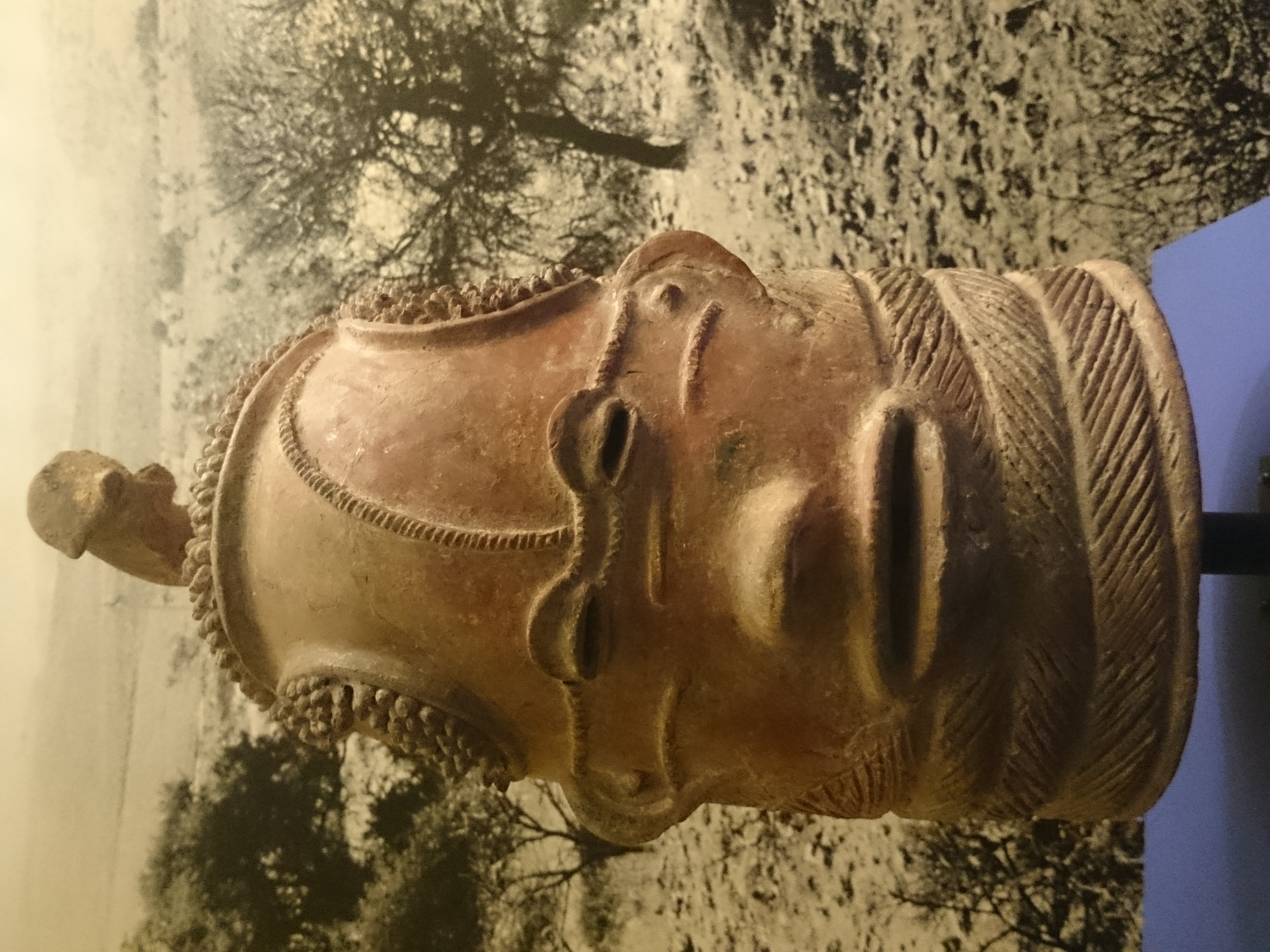
    • The Igbo-Ukwu Bronze Artefacts: The Kako community is proud to be the custodians of the famed Igbo-Ukwu bronze artefacts. These artefacts were discovered in the town of Igbo-Ukwu, which is located near the Kako community. Believed to date back to the 9th century, these intricate sculptures and bronze works are a testament to the advanced metallurgical skills of the ancient Kako people. The artefacts depict various scenes of daily life, religious practices, and symbols of power and authority, providing invaluable insights into the history and culture of the Kako community.

    • The Eyo Festival: An iconic cultural festival celebrated by the Kako community is the Eyo Festival. This festival is held in honor of a revered deity and is characterized by colorful masquerades, music, dance, and traditional rituals. The festival is believed to have originated several centuries ago and is celebrated to appease the gods, seek blessings for the community, and preserve the rich cultural heritage of the Kako people. The Eyo Festival is a major tourist attraction and draws visitors from far and wide who come to witness the grandeur and splendor of this unique cultural event.

    • The Agemo Secret Society: The Kako community is also known for its association with the Agemo secret society. The Agemo society is an ancient, all-male institution that plays a vital role in the social, political, and religious life of the Kako people. Members of the society are responsible for maintaining law and order, settling disputes, and preserving traditional customs and values. The Agemo society is regarded with high reverence and its members are considered to be the custodians of ancient wisdom and knowledge. The society’s rituals and ceremonies are shrouded in secrecy and are only accessible to members, adding an air of mystery and intrigue to this historical inheritance.

    The Kako community has a rich and storied history that is celebrated through its historical inheritances. From the Igbo-Ukwu bronze artefacts to the vibrant Eyo Festival and the revered Agemo secret society, the Kako people continue to preserve and promote their cultural heritage for future generations to admire and appreciate.

    In a striking celebration of diversity, numerous prominent individuals proudly reflect a mosaic of Grassfield, Adamawa Ubangi and Kanuri roots, highlighting the intricate interplay of cultures within their heritage. From accomplished leaders to acclaimed artists, these figures embody the rich lexical semantic tapestry of ethnic backgrounds, illustrating the vibrant spectrum of human experiences.

    Factsheet About Kako People

    Population Region Language
    Approximately 500,000 Southeast Asia Kako

    The Ancient Heritage of Kako Ethnic Groups

    References to the Kako Ethnic Group

    The Kako ethnic group is an indigenous community living in the Amazon rainforest in Brazil. They are part of the larger indigenous group known as the Kayapo, who are spread across several villages in the Xingu Indigenous Park. The Kako people have a rich cultural heritage and have managed to preserve their traditional way of life despite external pressures from deforestation and rapid modernization.

    If you want to dig deeper into the Kako ethnic group, here are some references and resources you can explore:

    • “The Kako People: Guardians of the Rainforest” – This documentary by Survival International provides an in-depth look into the lives and struggles of the Kako people. It highlights their fight against deforestation and the importance of their ancestral lands.
    • “Amazon Indigenous Peoples: Kayapo” – This article by the Rainforest Foundation US offers detailed information about the Kayapo and their various sub-groups, including the Kako. It discusses their cultural practices, land rights, and ongoing challenges.
    • Oral Histories and Indigenous Knowledge – The Kako people have a rich oral tradition, passing down stories and knowledge from generation to generation. Engaging with indigenous academics, anthropologists, and researchers who have studied the Kayapo can provide valuable insights into the Kako’s history, customs, and beliefs.
    • Non-Governmental Organizations (NGOs) – Organizations such as Survival International, Amazon Watch, and the Rainforest Foundation work closely with indigenous communities in the Amazon, including the Kako. Their websites and publications contain valuable information about the challenges faced by indigenous groups and the ongoing efforts to protect their rights and lands.
    • Indigenous Rights and Land Tenure – Exploring research papers, reports, and articles on indigenous rights and land tenure in Brazil can provide a broader understanding of the legal and political context surrounding the Kako people’s struggle for land rights and cultural preservation.

    By delving into these references and resources, you can gain a deeper understanding of the Kako ethnic group, their unique culture, and the challenges they face in preserving their way of life in the face of modernization and environmental threats.

  • Noteworthy Names: The Top 10 Grassfield People You Should Know

    Noteworthy Names: The Top 10 Grassfield People You Should Know

    Grassfield is a diverse ethnic group with a rich cultural heritage. Many notable celebrities and influential individuals have emerged from this community, showcasing their talents and achievements on a global scale. Here are ten renowned celebrities and individuals with Grassfield heritage:

    • James Baldwin (1924-1987): James Baldwin was an influential African-American novelist, essayist, playwright, and poet. He explored racial, sexual, and social issues in his powerful and thought-provoking works, which have left a lasting impact on literature and culture.
    • Diana Ross (1944-Present): Diana Ross is an iconic American singer, actress, and record producer. She rose to fame as the lead singer of the Supremes, one of the most successful female groups in music history. Ross has enjoyed a highly successful solo career, with numerous hit songs, Grammy Awards, and film appearances.
    • Oprah Winfrey (1954-Present): Oprah Winfrey is a renowned American talk show host, actress, producer, and philanthropist. Her long-running talk show, “The Oprah Winfrey Show,” was a cultural phenomenon that covered a wide range of topics and had a significant impact on audience members. Winfrey has also established herself as a successful actress and producer, as well as a philanthropist through her various charitable initiatives.
    • Michael Jordan (1963-Present): Michael Jordan is a legendary American basketball player considered to be one of the greatest athletes of all time. He led the Chicago Bulls to six NBA championships in the 1990s and revolutionized the game of basketball with his athleticism, skill, and charisma. Jordan has also been successful in business, with his own brand of sneakers and sportswear and a stake in the Charlotte Hornets NBA team.
    • Shaquille O’Neal (1972-Present): Shaquille O’Neal, also known as “Shaq,” is a dominant American basketball player known for his physical dominance and incredible athleticism. He won three NBA championships with the Los Angeles Lakers and was a force to be reckoned with on the court. O’Neal transitioned to broadcasting and entertainment after retiring from basketball and has established himself as a successful analyst and TV personality.
    • Jay-Z (1969-Present): Jay-Z, born Shawn Corey Carter, is an iconic American rapper, songwriter, producer, and entrepreneur. He is regarded as one of the greatest rappers of all time and has been influential in shaping the hip-hop genre. Jay-Z has achieved commercial success with his music, selling millions of albums worldwide. He has also been involved in various business ventures, including his own clothing line and entertainment company.
    • Denzel Washington (1954-Present): Denzel Washington is a highly acclaimed American actor, director, and producer. He has won two Academy Awards, a Tony Award, and three Golden Globe Awards, among numerous other accolades. Washington has starred in critically acclaimed films such as “Glory,” “Malcolm X,” “Training Day,” and “Fences.” He is known for his powerful performances, versatility, and ability to portray complex characters.
    • Whoopi Goldberg (1955-Present): Whoopi Goldberg, born Caryn Elaine Johnson, is an American actress, comedian, and talk show host. She is one of the few entertainers to have earned an EGOT, winning Emmy, Grammy, Oscar, and Tony Awards. Goldberg gained recognition for her roles in films like “The Color Purple” and “Sister Act” and became a popular talk show host with “The View.” She is known for her outspoken personality, humor, and advocacy for social justice.
    • Whitney Houston (1963-2012): Whitney Houston was an American singer, actress, and model. She is one of the best-selling music artists of all time, with over 200 million records sold worldwide. Houston possessed an extraordinary voice and won numerous awards, including six Grammy Awards and 22 American Music Awards. She rose to fame with hits like “I Will Always Love You,” “Greatest Love of All,” and “I Wanna Dance with Somebody.” Her personal struggles and untimely death in 2012 shocked the world.
    • Barack Obama (1961-Present): Barack Obama is the 44th President of the United States. He was the first African-American to be elected to the presidency and served two terms from 2009 to 2017. During his tenure, he oversaw the passage of the Affordable Care Act, led the end of the Iraq War, and authorized the raid that killed Osama bin Laden. Obama is a gifted speaker and author and is widely admired for his intelligence, leadership, and ability to bring people together.
    The following is a list of notable people who were born, raised, or closely associated with the Hampton Roads metropolitan area.

    Most Famous Grassfield People

    Grassfield Mystique: Unraveling Three Key Historical Legacies

    The Grassfield community, located in the southern region of Virginia, is known for its rich history and cultural heritage. This diverse community has been shaped by multiple historical inheritances, which continue to contribute to its unique identity. From its agricultural roots to its significant contributions during the Revolutionary War, Grassfield has a story to tell.

    Agricultural Legacy

    One of the most prominent historical inheritances of the Grassfield community is its strong agricultural legacy. Dating back to the 17th century, the area’s fertile soil and moderate climate made it ideal for farming. The community’s early settlers, known for their expertise in agriculture, cultivated various crops such as tobacco, corn, wheat, and soybeans. Today, the tradition continues with modern farmers carrying on the legacy and contributing to the local economy.

    Revolutionary War Contributions

    Grassfield played a significant role during the Revolutionary War, with several notable contributions to the fight for independence. The community served as a strategic location, being situated along the Great Dismal Swamp Canal route. Grassfield provided an essential supply line for the Continental Army, allowing troops and provisions to be transported to the frontlines. Grassfield’s dedication and support during this critical period of American history are remembered and celebrated to this day.

    Cultural Heritage

    The Grassfield community is a melting pot of different cultures and traditions, enriching its vibrant heritage. From Native American influences to the African American presence, various cultures have left their mark on the community’s customs, music, art, and cuisine. The annual Grassfield Heritage Festival showcases this cultural diversity, allowing residents and visitors to experience the vibrant traditions through live performances, food tastings, and educational displays. Grassfield’s cultural heritage is cherished and celebrated as an integral part of the community’s identity.

    Historic Landmarks

    • The Grassfield Baptist Church: Built in 1772, this historic church is a focal point of the community. It served as a meeting place during the Revolutionary War and is a symbol of resilience and faith.
    • The Great Dismal Swamp Canal: A significant undertaking of its time, the canal was dug by enslaved laborers in the late 18th century. It provided a vital transportation route for the community and played a role in the Revolutionary War.
    • The Grassfield Manor House: This stately manor house dates back to the 18th century and is a testament to the community’s early agricultural wealth. Its beautiful architecture and historical significance make it a landmark of the Grassfield heritage.

    The Grassfield community is a living testament to its rich historical inheritances. From its agricultural legacy to its contributions during the Revolutionary War, the community’s past continues to shape its present. With its diverse cultural heritage and historic landmarks, Grassfield offers a glimpse into a bygone era while embracing its vibrant and inclusive identity.

    In a striking celebration of diversity, numerous prominent individuals proudly reflect a mosaic of Adamawa Ubangi, Kanuri and Hausa roots, highlighting the intricate interplay of cultures within their heritage. From accomplished leaders to acclaimed artists, these figures embody the rich lexical semantic tapestry of ethnic backgrounds, illustrating the vibrant spectrum of human experiences.

    Ethnic Factsheet: The Grassfield People

    Ethnic Group Population Region Language
    Bamoun 1 million West Bamoun
    Kom 800,000 Northwest Kom
    Bafut 650,000 Northwest Bafut
    Fe’fe’ 500,000 West Fe’fe’
    Ngemba 450,000 Northwest Ngemba

    The Ancient Heritage of Grassfield Ethnic Groups

    References to the Grassfield Ethnic Group

    There are several references and resources available for further exploration and understanding of the Grassfield ethnic group. These include:

    • “Culture and Customs of Cameroon”: This book by Victor Julius Ngoh provides an in-depth overview of the diverse cultures and customs of Cameroon, including the Grassfield region.
    • “The Grassfields of Central Africa: Complex and Diversity in Hunter-Gatherer and Farming Communities”: Edited by Ian Fowler and David Zeitlyn, this book focuses on the social, economic, and political aspects of the Grassfields region.
    • “Akan and Bantu Cultural Integration in Grassfield Cameroon”: This article by John MU Ben-Bechel analyzes the cultural integration between Akan and Bantu groups in the Grassfield region and its impact on social dynamics.
    • “Grassfields Traditions: Origins, Approaches, Perspectives”: This collection of essays edited by Richard Fardon and Graham Furniss delves into the historical origins, approaches, and perspectives of Grassfields traditions, shedding light on their significance.
    • “Behind Humanitarian Masks: The Grassfields of Cameroon”: Written by Pamela Feldman-Savelsberg, this book provides insights into the socio-cultural, political, and economic dynamics of the Grassfield region, with a focus on humanitarian interventions.

    These references provide comprehensive information on the Grassfield ethnic group, their customs, traditions, history, and the wider socio-cultural context of the region. They can serve as valuable resources for researchers, scholars, and individuals interested in exploring the rich cultural heritage of the Grassfield people.