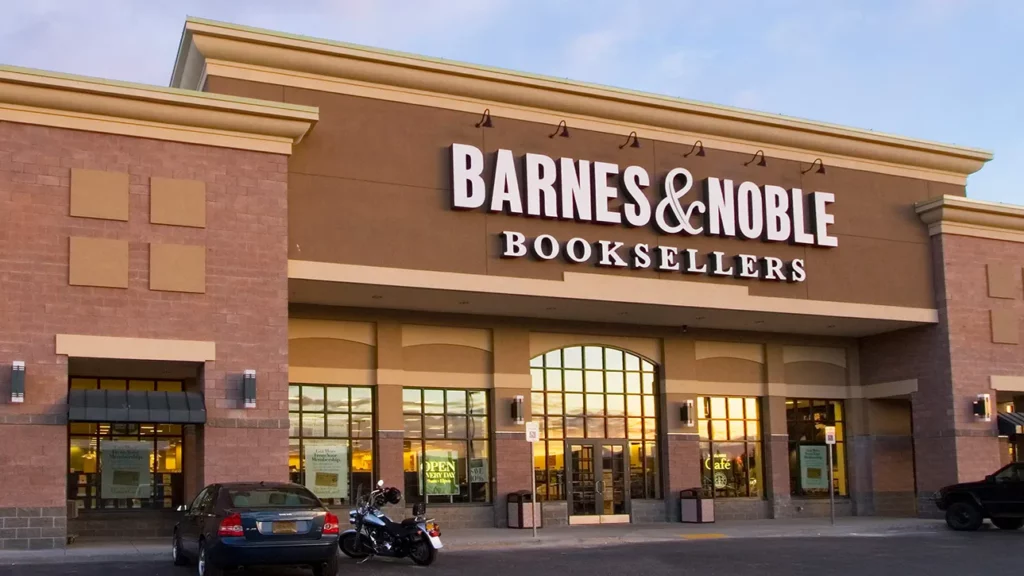
Amidst the complex geopolitics of the Israel-Palestine conflict, Barnes & Noble, an iconic American retailer, faces scrutiny over alleged ties to Israel. With its extensive presence nationwide, questions have surfaced regarding the company’s affiliations within this contentious landscape.
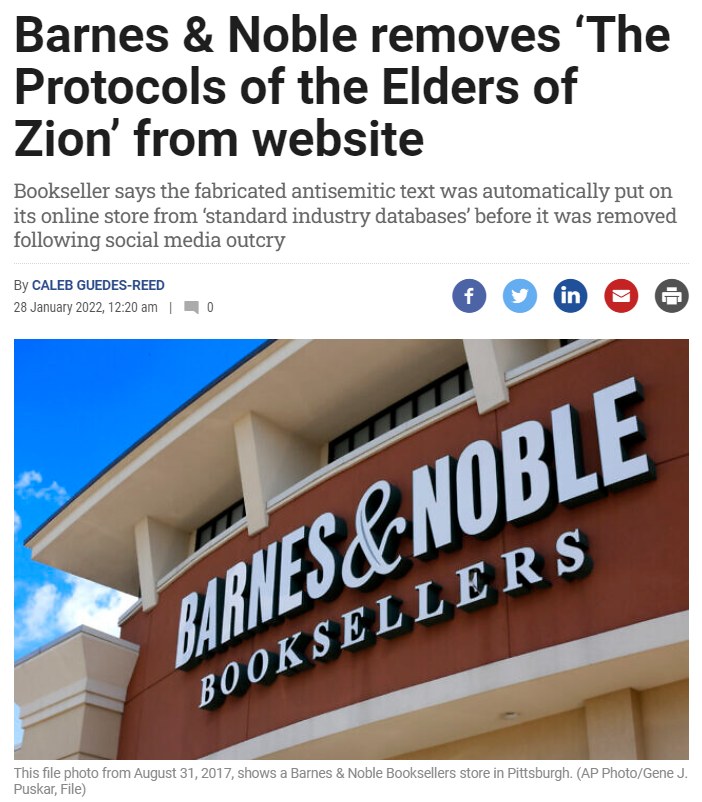
Barnes & Noble’s inadvertent listing of the antisemitic text “The Protocols of the Elders of Zion” on its website sparked outrage and intensified scrutiny. The presence of Starbucks coffee within its premises, often associated with Israel, further fueled suspicions of implicit support.
Revelations about Barnes & Noble’s major shareholders, including The Vanguard Group, Inc. and BlackRock Fund Advisors, investing in Israel, added layers of complexity to the controversy. Despite efforts to distance itself, financial ties raise uncomfortable questions about indirect associations.
Barnes & Noble Removes ‘the Protocols of the Elders of Zion’ from Website
In response to public outcry, Barnes & Noble swiftly removed “The Protocols of the Elders of Zion” from its website. However, the incident amplified suspicions about content oversight and raised questions about the mechanisms behind such material appearing on its platform.
As scrutiny mounts, Barnes & Noble faces the challenge of restoring trust and credibility amidst calls for transparency and accountability.
As global attention shifts towards the Israel-Palestine conflict, Tarte Cosmetics, a prominent American beauty brand, finds itself in the spotlight. With consumers increasingly conscious of corporate affiliations, questions emerge regarding any potential ties between Tarte and Israel, a nation embroiled in the Middle East turmoil.
Amid speculation about ownership, a comprehensive inquiry finds no solid evidence connecting Tarte Cosmetics or its parent company, the KOSÉ Group, to Israel. Executive affiliations, business partnerships, and sales records offer no support for direct ties with the contentious nation.
Tarte Cosmetics in Comparison
With the ongoing scrutiny surrounding brands with potential ties to Israel, consumers are seeking alternatives that align with their values. Tarte Cosmetics emerges as a promising option, offering a diverse range of beauty products that can serve as alternatives to brands like Ahava, CeraVe, and Garnier.
Unlike these brands, which may face association concerns due to their connections, Tarte Cosmetics provides consumers with a viable choice that prioritizes transparency and ethical sourcing. By opting for Tarte Cosmetics, consumers can feel confident in their beauty choices while supporting a brand that maintains distance from controversial geopolitical affiliations.
While the shareholder link casts a shadow of suspicion, the lack of substantial evidence underscores the ambiguity surrounding Tarte Cosmetics’ alleged connections with Israel. In an era of heightened geopolitical sensitivity, this ambiguity prompts ethical reflections, urging consumers to scrutinize the brand’s stance amidst growing concerns over international alignments.
Hada Labo, the brainchild of Rohto Pharmaceutical, emerges as a distinguished Japanese skincare brand celebrated for its hyaluronic acid-infused products and dedication to eco-friendly packaging solutions.
Despite its acclaim in the realm of skincare, an escalating wave of consumer attention now shifts towards probing Hada Labo’s potential associations with Israel, a discourse ignited by the persisting Israel-Palestine conflict.
Hada Labo’s Position Within Rohto Pharmaceutical’s Grasp
The direct tether between Hada Labo and Rohto Pharmaceutical becomes a focal point, not merely scrutinizing the skincare brand’s individual stance but also peeling back layers to unveil the overarching corporate demeanor of its parent company. This scrutiny widens to encompass corporate ethics, responsibility, and actions, particularly in regions marred by geopolitical disputes like the ongoing Israel-Palestine conflict.
Rohto Pharmaceutical Under the Lens of Alleged Connections
A meticulous dissection of Rohto Pharmaceutical’s major shareholders, prominently featuring The Vanguard Group, Inc., unravels purported affiliations or investments in Israel. The exposure of these reported connections among shareholders injects fuel into debates concerning their potential sway over corporate governance, strategic decision-making, and operational conduct, especially in territories ensnared by ongoing geopolitical tensions.
The exploration into Hada Labo’s connections, channeled through the prism of Rohto Pharmaceutical and its intricate web of shareholders, adds nuance to the ongoing discourse surrounding corporate responsibility within regions shadowed by geopolitical upheavals.
These revelations beckon a profound contemplation on the repercussions and ethical considerations tied to corporate involvements in areas marked by the strains of persistent geopolitical turmoil.
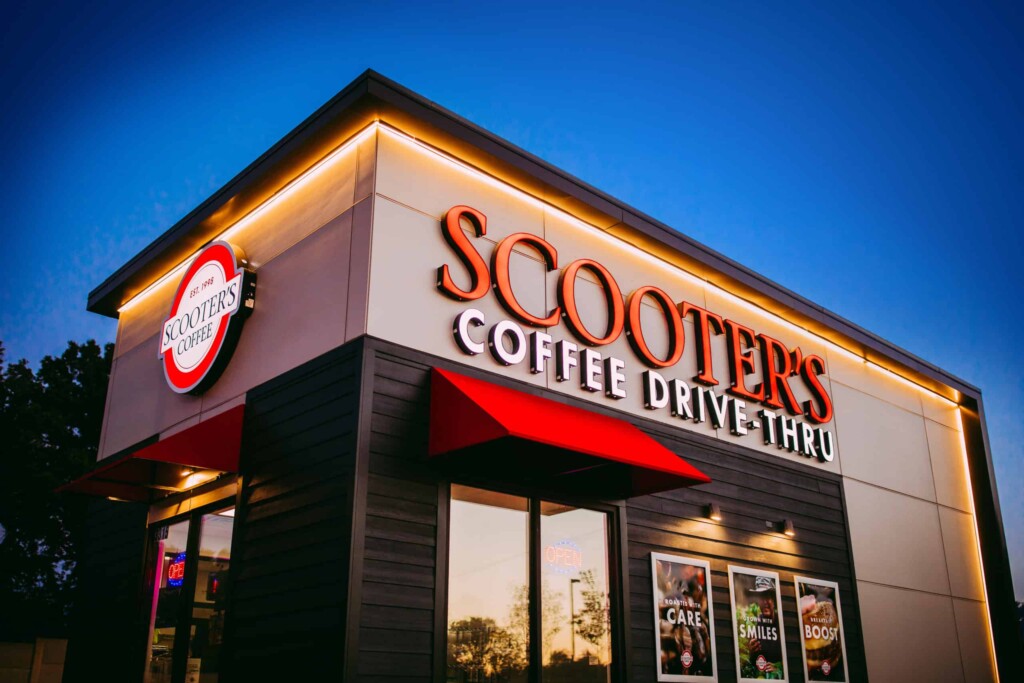
Scooter’s Coffee, originating from a brilliant idea in California during the 1990s, has evolved into a thriving coffeehouse franchise with over 600 locations nationwide. The brand emphasizes a unique combination of coffeehouse quality and drive-thru convenience, backed by a commitment to great locations, high-quality drinks, speedy service, and, of course, a big smile.
As global attention gravitates towards the Israel-Palestine conflict, we delve into whether Scooter’s Coffee holds any affiliations with Israel as tensions rise over the Palestinian territories.
In a positive turn of events, Scooter’s Coffee has expanded its reach to Palestine, establishing a new location at 2107 W. Oak St. To mark this occasion, a Grand Opening was hosted on September 8, featuring a ribbon-cutting ceremony by the Palestine Area Chamber of Commerce. This drive-thru-only location offers a range of specialty espresso beverages, coffee variations, fruit smoothies, and delectable food options. Edward Straub owns and operates this new drive-thru establishment, contributing to Scooter’s Coffee’s extensive presence with nearly 650 locations in 29 states, aiming to build new stores in 30 states by 2023. While the brand emphasizes its commitment to providing an exceptional customer experience, there is no evidence of any direct connection between Scooter’s Coffee and Israel.
In the realm of the Israel-Palestine conflict, Scooter’s Coffee emerges as a distinctive player without substantiated ties to Israel. The absence of evidence linking the brand to Israel is particularly noteworthy in an industry where corporate positions on geopolitical issues can significantly influence consumer choices. Scooter’s Coffee remains committed to delivering exceptional drinks with remarkable speed. Its expansion into Palestine adds a layer to its diverse presence without indicating any specific affiliations with Israel.
For consumers keen on alternatives to coffee brands potentially affiliated with Israel, Scooter’s Coffee presents itself as a compelling choice. With an unwavering commitment to quality and an extensive menu, it positions itself as a distinct alternative to global brands like Starbucks, Costa Coffee, and Pret-a-Manger. In the midst of geopolitical concerns shaping consumer preferences, Scooter’s Coffee serves as a meaningful option for those making informed choices aligned with their values.
In the complex landscape of geopolitical concerns and global business, Scooter’s Coffee navigates the Israel-Palestine situation with an apparent absence of direct affiliations with Israel.
As the brand continues its expansion and commitment to customer satisfaction, it serves as a testament to the intricate intersection of global issues and consumer choices within the coffee industry.
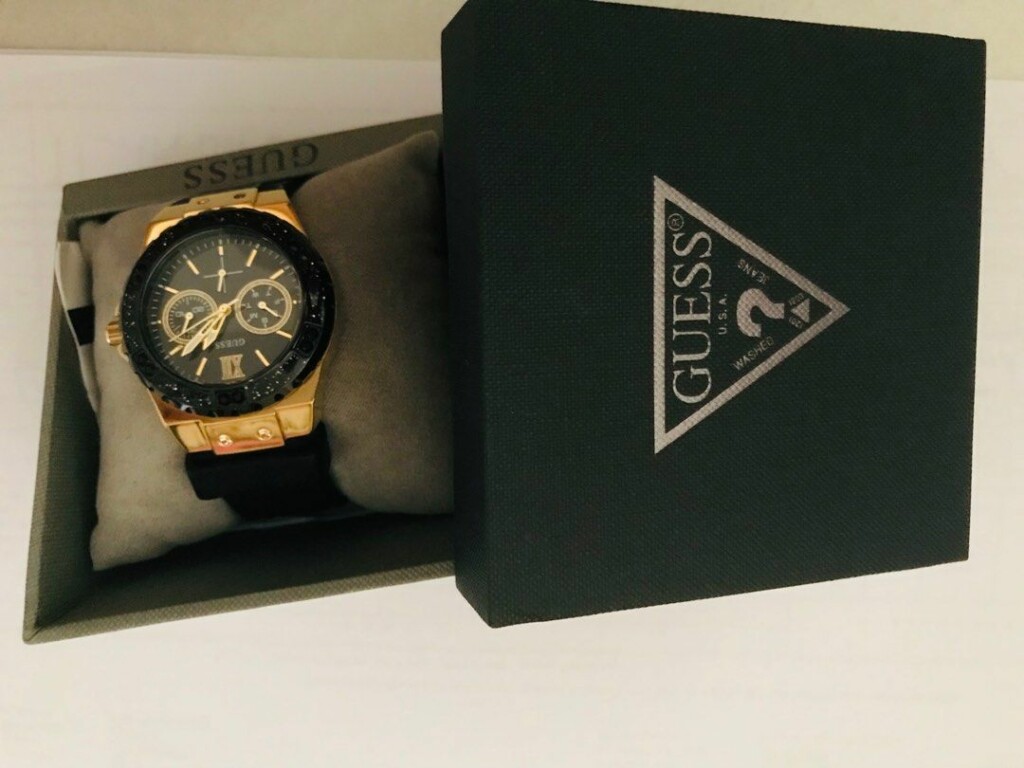
Guess Inc., famed for its striking black-and-white campaigns, stands as an American clothing behemoth with tendrils reaching into the realm of fashion accessories.
As the spotlight of global scrutiny swivels towards the Israeli-Palestinian conflict, murmurs and conjectures surrounding Guess and its conceivable links to Israel, a nation entrenched in regional controversy, gain traction.
Navigating the Landscape of Israeli and Jewish Affiliations within Guess
Guess, birthed by the hands of Maurice and Paul Marciano, becomes a focal point for speculation concerning potential connections to Israel. Paul Marciano, an American fashion designer of Jewish descent born in Morocco, assumes pivotal roles within Guess, including the positions of Chief Executive Officer and Vice Chairman of the Board since 2007. Whispers escalate as reports highlight Marciano’s co-chairmanship of the ‘Western Region’ chapter of Friends of the Israeli Defence Forces (FIDF), an organization seemingly devoted to bolstering Israeli soldiers and their families. The FIDF allegedly extends its assistance to soldiers in the defense of Israel and provides support to families of deceased soldiers.
Israel’s armed forces find themselves under the shadow of persistent accusations involving human rights violations and war crimes in the occupied Palestinian territories. Organizations like Human Rights Watch point accusatory fingers at the Israeli Defense Forces (IDF), citing disproportionate use of force, particularly in densely populated civilian areas, provoking international condemnation. Adding to the maelstrom, movements like BDS (Boycott, Divestment, and Sanctions Platform) champion the boycott of Israeli products and entities aligning with Israel, drawing historical parallels to the triumphant anti-apartheid boycott against South Africa in the 1980s.
The purported ties between Guess and Israel send ripples of scrutiny and disquiet across diverse global quarters. While the debate and speculation swirl in the air, a critical evaluation of the depth of these affiliations and their potential reverberations on the ongoing Israeli-Palestinian conflict becomes an imperative task.
As the narrative unfolds, the enigma surrounding Guess Inc.’s alliances continues to be a subject of intense debate and speculation, leaving observers and consumers alike in a state of contemplation and discernment.
As global attention intensifies on the Israel-Palestine conflict, corporations worldwide, including the Singaporean confectionery giant Delfi, come under scrutiny.
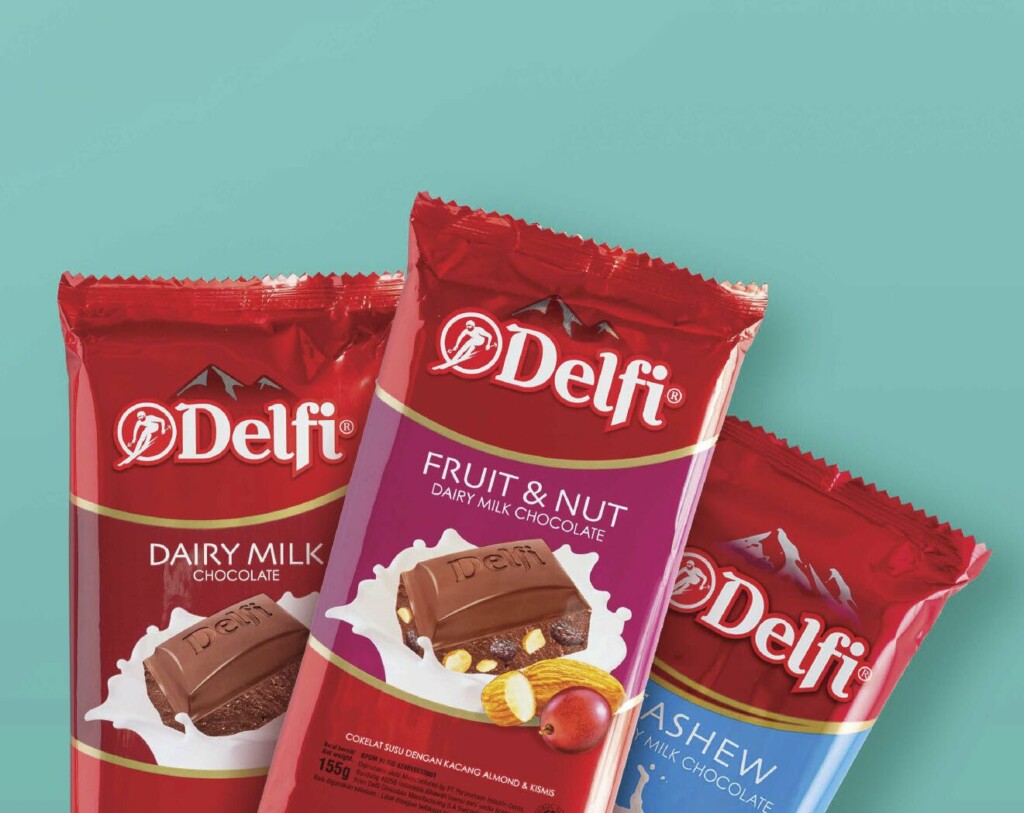
Known for its diverse range of chocolate brands, the company faces allegations of potential associations with Israel, yet the evidence supporting such claims remains elusive.
Delfi Limited, now operating under the name Delfi, underwent a significant transformation since its establishment in 1984. Initially focused on cocoa ingredient production, a pivotal shift occurred in 2016 when the company rebranded to emphasize chocolate-based confectionery. Despite its international presence and extensive history, there is a notable lack of concrete evidence linking Delfi to any direct involvement or associations with Israel amid the ongoing conflict.
A Sweet Alternative in the Global Confectionery Landscape
Delfi’s evolution and expansion within the confectionery industry position it as a formidable alternative to established brands like Cadbury and Toblerone. The company’s portfolio expansion, marked by acquisitions such as the Van Houten chocolate brand and ownership of renowned regional brands like Goya, Knick Knacks, and SilverQueen, underscores its robust market presence.
While Delfi has diversified its offerings over the years, the absence of substantiated evidence linking the company to the Israel-Palestine conflict remains evident. In the competitive landscape of the confectionery industry, Delfi’s strategic growth and brand acquisitions solidify its position as a noteworthy player.
Ongoing scrutiny regarding corporate positions on complex geopolitical issues emphasizes the evolving dynamics of consumer interest in corporate values amidst global sociopolitical concerns. The need for transparency and accountability in such discussions reflects the broader conversations shaping the intersection of business and global affairs.
In the ever-churning currents of global turmoil, the spotlight fixates on Arnott’s Group, an influential Australian titan in the realm of biscuits and snacks.
Established in 1865 by William Arnott, the company now operates under the umbrella of KKR, Kohlberg Kravis Roberts & Co. Inc., ushering forth a tumultuous inquiry into its position regarding the controversial actions of Israel in the ongoing Israel-Palestine conflict.
Billed as the largest biscuit producer in Australia, Arnott’s stands at the nexus of KKR’s intricate ownership web. The association with this financial juggernaut becomes a contentious pivot, blurring the boundaries between corporate accountability and obscure affiliations. Arnott’s reluctance to offer a transparent and unequivocal declaration regarding its stance on the Israel-Palestine conflict further muddies the waters, fostering an air of uncertainty around the company’s allegiances.
Arnott’s in the Quandary of Questionable Investments
The shadows cast over Arnott’s deepen as KKR’s questionable financial forays into Israel come to light. The recent infusion of a substantial $42 million into Optimal+, an Israeli big data analytics firm, casts a stark spotlight on Arnott’s indirect alignment with Israel’s technological strides. KKR’s persistent pattern of investing in Israeli tech entities, exemplified by ventures like ClickTale, renowned for its website behavior analysis software, paints a disquieting tableau. Arnott’s, tethered to KKR, seemingly waltzes in tandem with investments fortifying Israeli tech enterprises, unfurling ethical quandaries and eclipsing transparency in its business approach.
As the chorus of global consumers clamors for ethical probity from corporations, Arnott’s grapples with mounting pressure to unveil the nuances of its stance on Israel and the repercussions of its dalliance with KKR’s investments.
The obfuscation surrounding these affiliations and the conspicuous absence of a lucid ethical standpoint place Arnott’s at risk of estranging a socially conscious consumer base. Urgently navigating these nebulous waters, Arnott’s faces the imperative task of proactively addressing concerns to safeguard trust and foster transparency within its consumer realm.
In the midst of a global landscape marred by political tensions, LU Biscuits, an iconic French biscuit brand hailing from Nantes, finds itself under an unsettling spotlight.
Owned by the US-based Mondelēz International, the brand’s potential connections to Israel, entangled in heated conflicts, raise disconcerting questions. Accusations swirl, and the magnifying glass of scrutiny delves into the depths of LU Biscuits’ associations with a geopolitically contentious nation.
Once a part of Groupe Danone and later claimed by Kraft Foods Inc. in 2007, LU Biscuits eventually fell under the control of Mondelēz International after the 2012 split from Kraft Foods. Despite its European origins, LU’s global footprint and substantial contributions to Danone’s biscuit and cereal division now cast a shadow amid allegations of potential links to Israel.
Mondelēz International’s recent investment in Torr, an Israeli Foodtech entity, adds a controversial chapter to the narrative. Through its SnackFutures division and collaboration with The Kitchen Hub, Mondelēz’s strategic engagement with Torr has triggered uproar. The innovative approach of Torr, blending elemental ingredients for unique sensory experiences, acts as a focal point in Mondelēz’s quest for cutting-edge advancements, further entwining the conglomerate with Israeli ventures. The intricate shareholding dynamics, especially The Vanguard Group, Inc.‘s substantial stake, shed light on the convoluted financial landscape underlying Mondelēz International’s diverse operations, intensifying the multifaceted complexity of its engagements.
As the intricate narrative of LU Biscuits’ ownership transitions, Mondelēz International’s controversial investments, and intricate shareholding dynamics unfolds, a complex tapestry emerges. The discussions surrounding LU’s potential affiliations with Israel amplify, and the convergence of business interests and geopolitical sensitivities becomes a cause for concern.
The looming shadow over LU Biscuits’ reputation amid these unsettling allegations raises pivotal questions about corporate affiliations in the turbulent realms of global politics, setting the stage for debates and demanding a meticulous examination of the delicate balance between business endeavors and geopolitical entanglements.
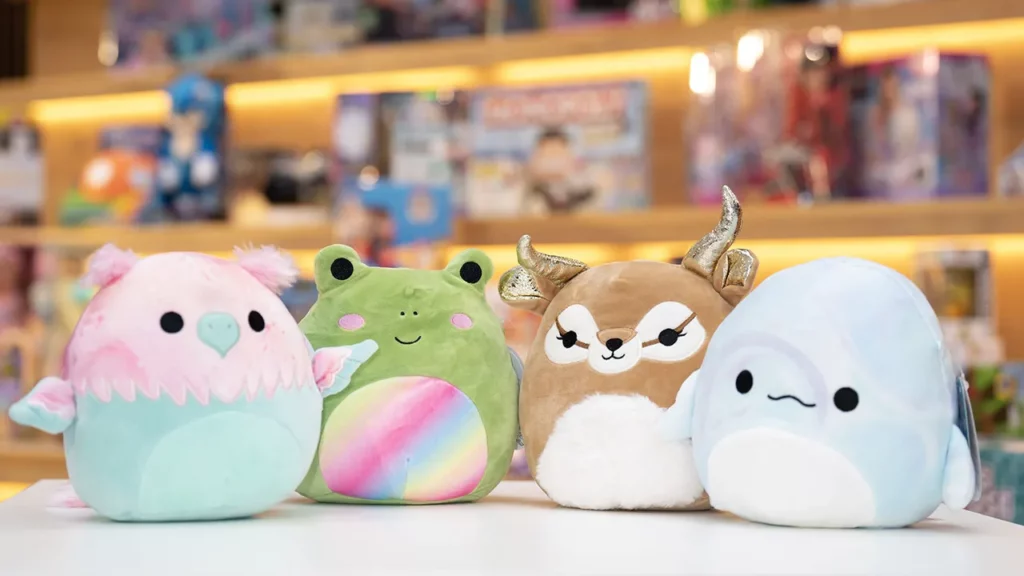
The once-charming world of Squishmallows, celebrated for its delightful plush toys, now stands tainted by controversy. Jazwares, the orchestrator behind Squishmallows, is grappling with a barrage of criticism following a statement from its CEO, Judd Zebersky.
His unabashed support for Israel in the midst of the ongoing conflict with Palestine has not only ignited a firestorm on social media but has also cast a dark shadow over the previously innocent and beloved brand.
Judd Zebersky’s proclamation on LinkedIn, declaring unwavering support for Israel and condemning Hamas, has become a lightning rod for condemnation. The CEO’s remarks, particularly the unsettling mention of interns returning to Israel for defense efforts, have fueled intense reactions. This explicit alignment with Israel’s stance in the conflict has not only sparked controversy but has also raised serious questions about Squishmallows’ and Jazwares’ political inclinations.
The aftermath of Zebersky’s divisive statement has given rise to widespread condemnation across online platforms. Outraged netizens are fervently calling for a boycott of Squishmallows and Jazwares. Social media spaces have transformed into battlegrounds for impassioned debates, with individuals vehemently advocating for alternative plush toys and urging others to steer clear of a company now perceived as endorsing a contentious political standpoint.
Squishmallows’ metamorphosis from an endearing plush toy brand to a center of controversy exposes the intricate challenges of navigating political terrain in the consumer market. Jazwares, once applauded and acknowledged, finds itself entangled in a highly charged debate that underscores the potent interplay between business, politics, and consumer activism.
The lasting repercussions of this controversy on Squishmallows and Jazwares remain uncertain, leaving an ominous cloud hanging over the once-beloved and now contentious realm of plush toys.