Category: News

  • Does Lacoste Support Israel? Decoding the Unraveled Connection

    Does Lacoste Support Israel? Decoding the Unraveled Connection

    Lacoste, a longstanding figure in luxury sports fashion, faces a tide of controversies intertwined with purported connections to Israel amid the Israeli-Palestinian conflict.

    The brand’s storied legacy, once celebrated, now grapples with incidents that prompt scrutiny of its ethical alignment and actions within the complex geopolitical sphere.
    Lacoste
    Lacoste

    Check Out: Does Einstein Bros. Bagels Support Israel? Exploring the Unraveled Connection

    Shareholder Turmoil and Acquisition Disarray

    Since its acquisition by Maus Frères in 2012 for a staggering €1 billion, Lacoste has been entangled in significant turmoil within its family shareholders. The acquisition exposed internal discord among Lacoste’s family members, leading to intense battles over board control and decisions surrounding the sale of their shares. This upheaval disrupted Lacoste’s historical legacy tied to Renée Lacoste, revealing profound conflicts within the brand’s familial hierarchy and marking a tumultuous chapter in its history.

    Artistic Controversies, Alleged Censorship, and Political Entanglements

    Lacoste’s controversies extended beyond internal strife into the geopolitical arena, particularly concerning alleged affiliations with Israel. The exclusion of Palestinian artist Larissa Sansour from the Lacoste Elysée Prize in Photography ignited uproar, shedding light on perceived alignments with Israeli causes and shareholder ties to Israel. Maus Frères, CEO Philippe Nordmann, and their contributions raised ethical concerns, sparking calls for a Lacoste boycott. These controversies also spotlighted Lacoste’s sponsorship choices, suggesting a lack of commitment to artistic freedom and prompting questions about its ethical stance in politically sensitive matters.

    Explore More: Boycott List: Fashion Companies Supporting Israel You Should Be Aware Of
    Lacoste Store
    Lacoste Store

    Lacoste’s intricate web of controversies, entangled in disputes, allegations of censorship, and ethical discrepancies amid the Israeli-Palestinian conflict, casts a profound shadow over the brand’s ethical compass.

    These incidents, interwoven with shareholder disputes and purported affiliations, raise critical questions about Lacoste’s ethical integrity and its role in navigating sensitive geopolitical landscapes.
  • Yakult Stand on Israel-Palestine

    Yakult Stand on Israel-Palestine

    In the realm of probiotic beverages, Yakult Honsha, based in Tokyo, has emerged as a prominent player, celebrated for its renowned milk-based product revered globally.

    Notably, the company’s trajectory has been defined by dynamic corporate relationships, most notably its significant alliance with Groupe Danone. However, recent shifts in ownership and strategic transitions have sparked curiosity about Yakult’s potential affiliations amidst the complex Israel-Palestine landscape.

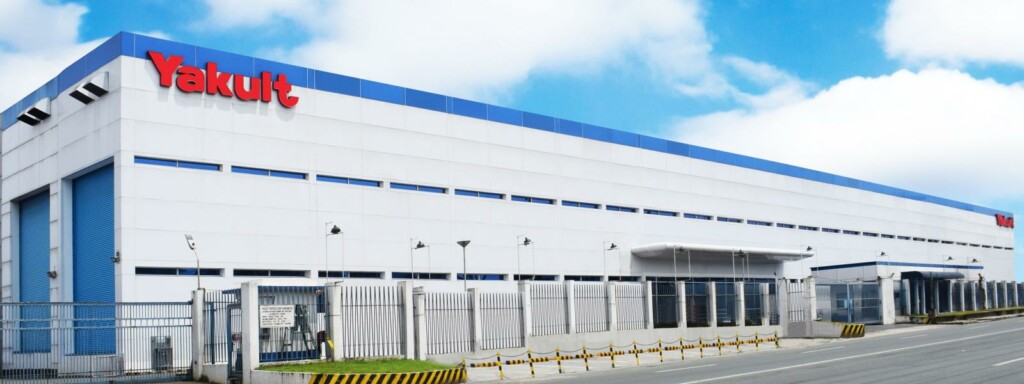
    Yakult
    Yakult

    Check Out: Does Lacoste Support Israel? Decoding the Unraveled Connection

    Yakult’s Dynamic Corporate Relationships

    Yakult Honsha, headquartered in Tokyo, gained acclaim for its probiotic milk beverage, establishing various strategic alliances, notably with Groupe Danone. This partnership, forged in 2004, paved the way for collaborative endeavors until 2013 when both entities terminated their strategic accord and transitioned to a memorandum of cooperation.

    The dynamic between Yakult and Danone underwent a significant shift in February 2018, marked by Danone divesting a substantial portion of its stake in Yakult. This divestment, amounting to $1.9 billion, saw Danone’s ownership in Yakult decrease from 21% to 7%, coinciding with a decline in Yakult’s share value, signaling a notable transformation in their financial relationship.

    Absence of Israeli Affiliation

    Yakult stands distinct in its category, offering a unique probiotic milk beverage revered for its taste and health benefits. Despite discussions hinting at potential connections with Israel, no substantial evidence corroborates such claims. As a viable choice in the beverage market, Yakult presents itself as an alternative to conventional products like Orangina and Minute Maid. Its distinct formulation and nutritional value make it a compelling option for consumers seeking a refreshing and health-conscious drink without direct geopolitical affiliations.

    Explore More: Drinks Companies and Their Ties to the Israeli-Palestinian Situation

    Yakult Corporation
    Yakult Corporation

    Despite Yakult Honsha’s intricate corporate dynamics and historical partnerships, the company maintains a distinct identity in the beverage market. While speculations about its potential ties to Israel persist, concrete evidence remains elusive, reaffirming Yakult’s status as an independent player in the industry.

    Its positioning as a health-focused beverage alternative to conventional brands like Orangina and Minute Maid underscores its appeal to consumers seeking nutritional value without direct geopolitical associations. As Yakult continues to thrive in the global market, its dedication to health and taste stands unmarred by geopolitical debates.

  • Does Mentos Support Israel? Understanding the Intricate Ties

    Does Mentos Support Israel? Understanding the Intricate Ties

    In the dynamic realm of digital discourse, unexpected brands often find themselves caught in the crossfire of controversy.

    Take Mentos, the globally renowned mint candy by Perfetti Van Melle, which recently became embroiled in allegations concerning its potential ties to Israel amidst the charged Israel-Palestine conflict.

    Mentos
    Mentos

    Check Out: Yakult Stand on Israel-Palestine

    Mentos’ Global Presence Amidst Unforeseen Controversy

    Having made its debut in 1932, Mentos has established a strong presence in over 130 countries, celebrated for its distinctive round shape and delightful chewiness. However, an unassuming image depicting a Mentos package emblazoned with the words “I love Israel” surfaced on social media, thrusting the candy into an unexpected and polarizing debate. The origins of this image, tracing back to at least summer 2014, swiftly ignited a heated online discussion about the brand’s supposed affiliations.

    Social Media Eruption and Divergent Reactions

    The resurgence of the image acted as a catalyst for a digital storm, triggering a range of responses from consumers. Social media platforms became battlegrounds, witnessing declarations of support for Israel alongside calls for boycotts of the product in various regions. Despite the escalating tensions in the online sphere, Mentos opted for silence, refraining from engaging or addressing the burgeoning controversy.

    Explore More: Allegations of Top Snack Brands’ Backing of Israel: Unveiling Support Claims

    Mentos Sugar Free
    Mentos Sugar Free

    In the interplay between social media and geopolitical sensitivities, a seemingly innocuous candy package has become a focal point of intense debate. The reappearance of the “I Love Israel” Mentos packaging has sparked fervent discussions, but uncertainties loom over its availability and authenticity.

    The conspicuous silence from Mentos amidst these debates underlines the necessity for transparent communication when navigating sensitive affiliations. This episode serves as a poignant reminder of the influential sway of public perception in today’s digitally connected world, emphasizing the criticality of a thoughtful and communicative approach when addressing such contentious controversies.

  • Does 7 Eleven Support Israel? Exploring the Unraveled Connection

    Does 7 Eleven Support Israel? Exploring the Unraveled Connection

    The recent arrival of 7-Eleven in Israel initially appeared as a boon for convenience enthusiasts. However, beneath the surface of retail allure lay a brewing controversy regarding the brand’s potential connections to the Israel-Palestine conflict.

    What seemed like a strategic business move spiraled into heated discussions and queries about the brand’s stance in a deeply polarized geopolitical landscape.

    7 Eleven
    7 Eleven

    Check Out: Does Mentos Support Israel? Understanding the Intricate Ties

    Pioneering a Presence in Challenging Terrain

    As 7-Eleven introduced itself into Israel with its flagship store in Tel Aviv’s vibrant Dizengoff Center Mall, it initially garnered accolades for bringing its trademark shopping experience to the local populace. Tailoring its offerings to suit regional preferences, the convenience store aimed to resonate with the tech-savvy demographic prevalent in Tel Aviv, highlighting a calculated strategy for market penetration. However, this commendation swiftly turned into discontent as reports surfaced regarding 7-Eleven’s involvement within the political spectrum of the region.

    Navigating the Complex Nexus of Commerce and Politics

    The alleged support extended by 7-Eleven to Israeli soldiers embroiled in the Gaza conflict created a storm of controversy, particularly surrounding discounts provided to military personnel and the public expressions of solidarity. This prompted ethical debates and raised serious questions about the brand’s alignment with a highly sensitive geopolitical situation. The ramifications extended beyond national borders, affecting affiliated corporate entities like Berjaya Food and Retail in Malaysia, illuminating the global reverberations of perceived political alignments by multinational corporations.

    Explore More: A Comprehensive List of Companies Supporting Israel [Verified Proof]

    7 Eleven Store In Israel
    7 Eleven Store in Israel

    The swift transformation of 7-Eleven’s Israel expansion from retail promise to geopolitical scrutiny underscores the immense challenges corporations encounter when venturing into regions marred by political turmoil.

    This saga serves as a powerful lesson, prompting introspection about corporate responsibility and navigational strategies in sensitive geopolitical arenas.

  • Does IBM Cloud Support Israel? Exploring the Unraveled Connection

    Does IBM Cloud Support Israel? Exploring the Unraveled Connection

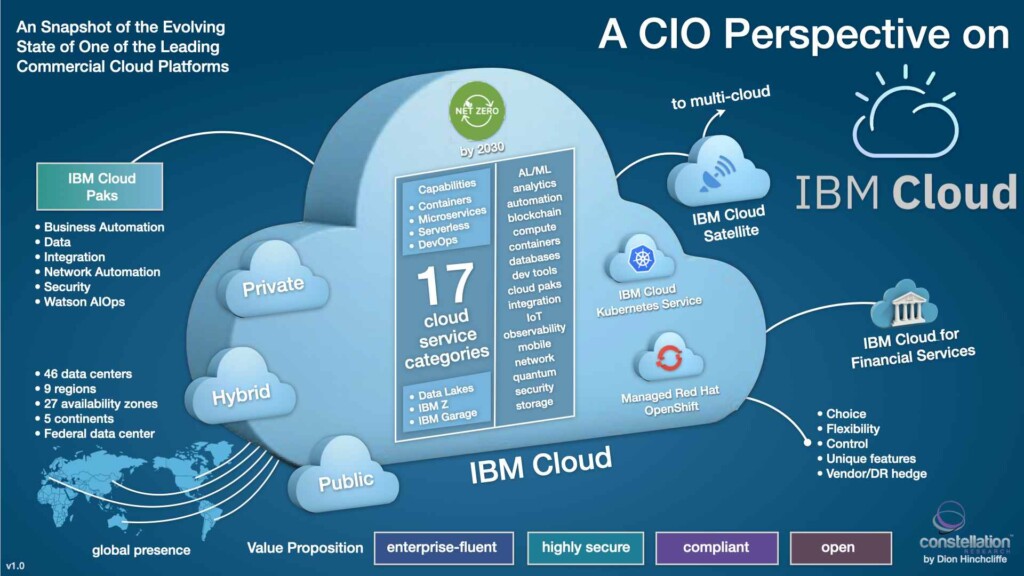
    IBM Cloud, once known as Bluemix, is touted as a suite of cloud computing services for businesses provided by IBM. In the midst of heightened sensitivity around the Israel-Palestine conflict, the association between IBM Cloud and Israel demands a closer, critical examination.

    Unveiling the depth of this connection reveals a more intricate and potentially controversial landscape than IBM’s outward portrayal.

    Ibm Cloud
    IBM Cloud

    Check Out: Does Elementor Support Israel? Exploring the Unraveled Connection

    IBM’s Enigmatic Affiliation with Israel

    The roots of IBM’s involvement in Israel date back to 1972, with the establishment of the IBM Israel Scientific Center. Presently, IBM boasts over 1000 employees spread across various Israeli locations, notably in Haifa, Tel Aviv, Herzliya, Rehovot, and the Jerusalem Technology Park. The Haifa Research Lab, IBM’s flagship R&D center outside the US, focuses on cloud computing, healthcare, verification technologies, and more.

    IBM’s Investments and Shareholders

    IBM’s acquisitions in Israel, such as the $60 million acquisition of Polar Security, an Israeli cyber tech startup, signal deeper entrenchment in Israeli tech ventures. Polar Security’s integration into IBM’s Guardium family of products solidifies IBM’s strategic interest in Israeli technological advancements.

    A scrutiny of IBM’s major shareholders, including The Vanguard Group, Inc. and BlackRock Fund Advisors, exposes intricate financial connections entwined with Israeli interests. These financial stakeholders with significant stakes in IBM accentuate the complex and potentially contentious financial web IBM operates within.

    Explore More: Boycott Alert: Tech Companies in Support of Israeli Occupation

    Ibm Cloud' Cio
    IBM Cloud’ CIO

    IBM’s ostensibly neutral stance in global conflicts and geopolitical complexities starkly contrasts with its multi-faceted and deeply interwoven connections with Israel. From expansive research and development activities to strategic acquisitions and financial alliances, IBM’s involvement in Israel appears far from impartial.

    This intricate involvement demands a reconsideration of IBM Cloud’s proclaimed neutrality, raising poignant questions about its tacit alignment with Israeli interests amid the turbulent landscape of the Israel-Palestine conflict.

  • Does Akamai Technologies Support Israel? Decoding the Unraveled Connection

    Does Akamai Technologies Support Israel? Decoding the Unraveled Connection

    Akamai Technologies, a supposedly neutral American corporation specializing in content delivery networks, cybersecurity, and cloud services, has found itself entangled in a web of connections that hint at a deeper involvement in Israeli affairs.

    Despite its professed detachment, recent actions and affiliations raise unsettling questions about its true alliances and ethical standings.

    Akamai Technologies
    Akamai Technologies

    Check Out: Does IBM Cloud Support Israel? Exploring the Unraveled Connection

    Akamai’s Connection with Israel

    Akamai Technologies’ touted neutrality in political matters is at odds with its actions, notably its explicit support for Israel during tumultuous times. Despite being headquartered in the United States, the company’s visible solidarity with Israel, as highlighted in its condemnation of terrorist attacks and its explicit support for its Israeli team during trying times, raises questions about the depth of its underlying allegiance. This solidarity, expressed publicly through statements on various platforms including X and LinkedIn, reflects a level of engagement that contradicts the proclaimed neutrality, potentially indicating a deeper connection with Israeli affairs beyond a mere business presence.

    Akamai’s Investment in Israel and Their Shareholders

    Furthermore, Akamai’s recent acquisition of Guardicore, an Israel-based cybersecurity company, for a substantial $600 million indicates a deeper financial and strategic commitment to Israeli interests. This acquisition not only signifies a substantial investment in Israel’s technological landscape but also underscores Akamai’s strategic positioning within the country.

    Delving into Akamai’s major shareholders provides an illuminating perspective: The Vanguard Group, Inc. and BlackRock Fund Advisors, together owning a significant stake in Akamai, exhibit connections to Israel, further intertwining the corporation’s financial interests with Israeli agendas. This intricate web of shareholder affiliations raises pertinent questions about Akamai’s implicit alignment with Israel, suggesting a deeper financial complicity and strategic engagement beyond surface-level business dealings.

    Explore More: Boycott Alert: Tech Companies in Support of Israeli Occupation

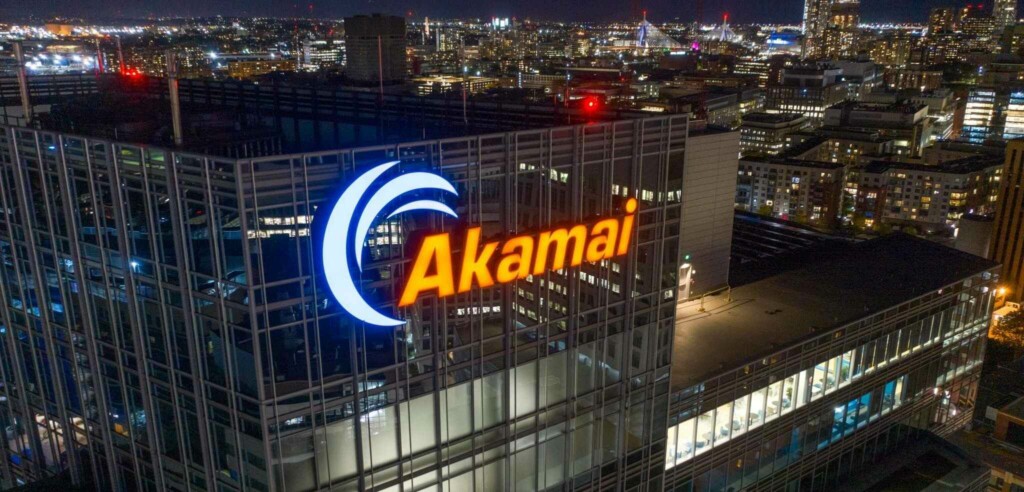
    Akamai Technologies' Hq
    Akamai Technologies’ HQ

    In essence, Akamai Technologies’ outward portrayal of neutrality falls short in the face of its actions, acquisitions, and financial associations, dismantling the narrative of detachment and impartiality. Under scrutiny, a web of intertwined business decisions, acquisitions, and shareholder affiliations surfaces, presenting a disconcerting reality: the corporation appears more deeply entrenched in Israeli affairs than it proclaims.

    As scrutiny intensifies on corporate stances regarding geopolitical issues, Akamai’s purported neutrality stands on shaky ground, beckoning for closer examination and potentially necessitating a reevaluation of its declared allegiances in the intricate landscape of global conflicts.

  • Does Microsoft Azure Support Israel? Understanding the Intricate Ties

    Does Microsoft Azure Support Israel? Understanding the Intricate Ties

    The entanglement of multinational corporations in geopolitical conflicts often goes unnoticed amid their tech advancements.

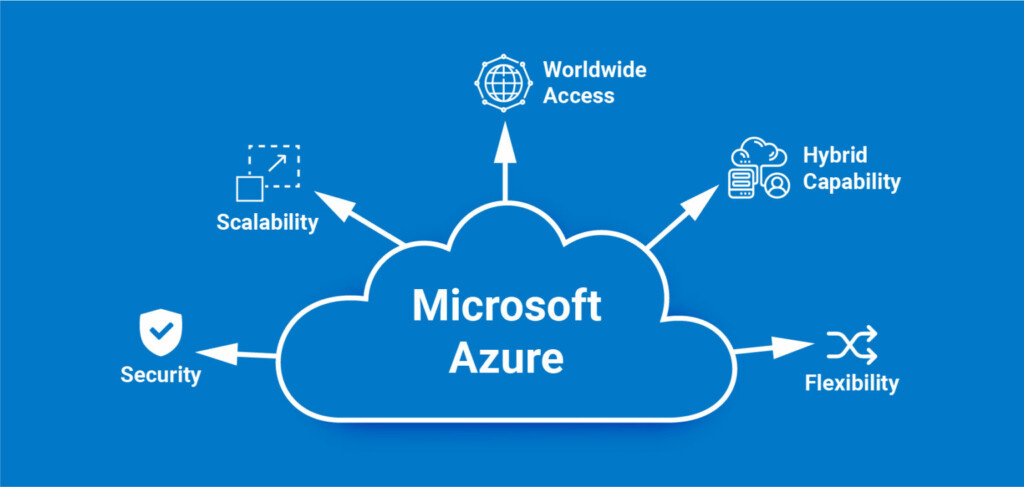
    Microsoft Azure, a cloud computing powerhouse, has found itself intertwined with the complexities of Israel’s landscape. This association, while integral to business interests, reveals a web of collaborations sparking controversy and ethical concerns.

    Microsoft Azure
    Microsoft Azure

    Check Out: Does Akamai Technologies Support Israel? Decoding the Unraveled Connection

    Cloud Investments Amidst Controversy

    Microsoft’s foray into Israel’s cloud infrastructure appears as a strategic move embedded in controversy. The establishment of the first Cloud Datacenter Region in Israel, announced in 2020 and launched in 2023, symbolizes a substantial investment. However, this investment stands on ethically shaky ground due to its ties with Israeli military and settlement entities.

    Military Collusion and Data Privacy Concerns

    Microsoft’s Israeli subsidiary has fostered a disturbingly close relationship with the Israeli military. The “Al Munaseq” app, powered by Microsoft Azure, facilitates surveillance over Palestinians in occupied territories, raising profound privacy and human rights concerns. Collaborative ventures in technological training for military personnel and the development of military-centric applications only deepen the ethical quagmire.

    Explore More: Boycott Alert: Tech Companies in Support of Israeli Occupation

    Microsoft Azure Cloud
    Microsoft Azure Cloud

    The complex affiliation between Microsoft Azure and Israel underscores a disturbing reality where technological advancements align with controversial collaborations. The company’s investment in cloud infrastructure within a politically charged landscape raises ethical eyebrows.

    Microsoft’s engagements, particularly with military entities and settlements, demand a critical evaluation of their ethical implications amid regional conflicts. In an era where tech giants wield immense power, their entanglement in geopolitics brings forth an imperative to scrutinize ethical boundaries and societal impacts.

  • Does Elementor Support Israel? Exploring the Unraveled Connection

    Does Elementor Support Israel? Exploring the Unraveled Connection

    Amidst the turmoil surrounding the Israel-Palestine conflict, Elementor Ltd., an Israeli software development company renowned for its Elementor WordPress website builder, falls under intense scrutiny.

    The company’s ventures and acquisitions within Israel’s tech sphere raise pertinent questions, amplifying concerns over its affiliations amidst the contentious geopolitical landscape.

    Elementor
    Elementor

    Check Out: Does Microsoft Azure Support Israel? Understanding the Intricate Ties

    Origin in Israel’s Tech Domain

    Elementor Ltd., an Israeli software powerhouse, boasts its flagship Elementor WordPress website builder. This platform offers users a seamless drag-and-drop interface to craft and modify websites. However, its Israeli origins and the implications of operating within this polarized region cast a shadow on its operations.

    Strategic Acquisitions and Stance

    Elementor’s public expression of solidarity with Israel during conflict and its significant acquisition of Strattic, an Israeli web solutions provider, raises eyebrows. The multi-million-dollar deal points to Elementor’s deliberate investment within the Israeli tech landscape, igniting concerns about the company’s ethical compass amidst geopolitical turmoil.

    Explore More: Boycott Alert: Tech Companies in Support of Israeli Occupation

    Elementor's Israel
    Elementor’s Israel

    Elementor’s deepening roots within Israel’s tech scene, highlighted by strategic acquisitions and clear affirmations during conflict, fuel ethical concerns.

    While these endeavors aim to fortify its WordPress dominance, they spark debates about the company’s ethical positioning amid volatile geopolitical currents. The need for transparency and ethical evaluations in Elementor’s engagements with Israel remains paramount amidst the escalating conflict.

  • How Top 5 Web Hosting Firms Connect with Israel

    How Top 5 Web Hosting Firms Connect with Israel

    In the ever-expanding realm of global technology, cloud hosting services have become the backbone of innovation, powering businesses and individuals alike. At the forefront of this digital revolution are major players such as Amazon Web Services (AWS), Google Cloud Platform, Microsoft Azure, Akamai Technologies Inc., and Oracle Cloud. Celebrated for their cutting-edge technologies and services, these web hosting companies have found themselves entangled in actions associated with Israel.

    However, the intersection of technology, geopolitics, and corporate responsibility has become an increasingly complex terrain to navigate. In this article, we embark on an insightful exploration into the involvement of top cloud hosting companies in projects supporting Israel.

    Amazon 1
    1. Amazon Web Services (AWS):
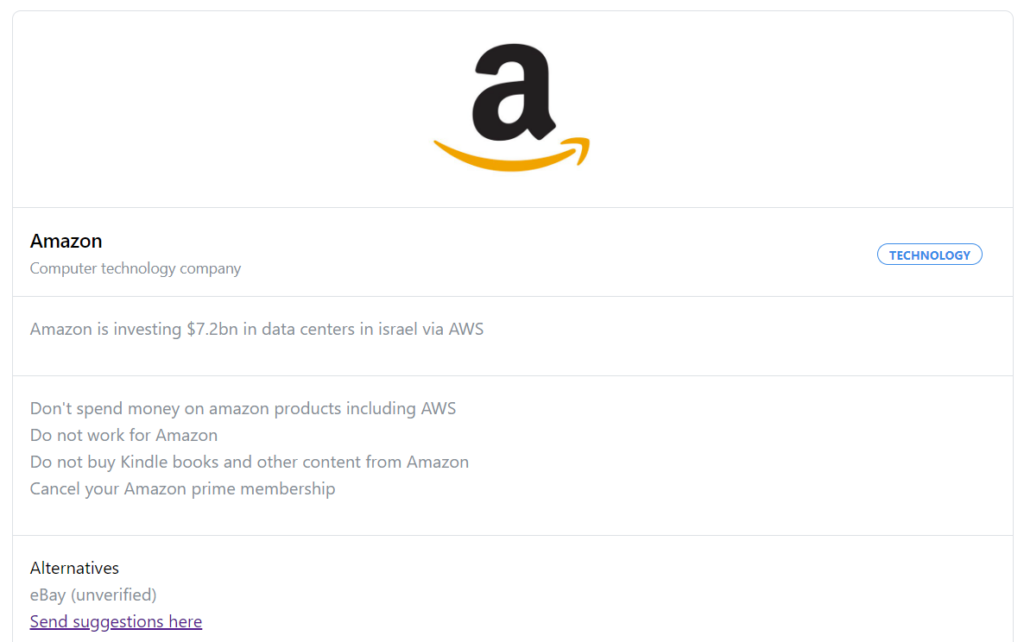
      • As the progenitor of AWS, Amazon’s involvement in supporting Israel is evident through initiatives like the Nimbus project. This project extends cloud services to Israel’s military and government, raising questions about AWS’s alignment with geopolitical interests. A complete analysis could uncover nuanced linguistic choices in public statements, shedding light on AWS’s perception of its role in global affairs.
    2. Google Cloud Platform:
      • Google, a tech giant boasting a vast network of data centers worldwide, participates in Israel’s Nimbus project with an estimated value of 1.2 billion USD. An exploration of Google’s public communications could reveal the company’s narrative surrounding its engagement, offering insights into its commitment to transparency and ethical considerations.
    3. Microsoft Azure:
      • Microsoft, a 21st-century tech behemoth, operates a research and development office in Herzliya, Israel, contributing significantly to its annual revenue. An examination of Microsoft’s discourse could unveil the company’s narrative around its presence in Israel, providing a nuanced understanding of its strategic objectives and corporate values.
    4. Akamai Technologies Inc.:
      • Akamai, a leading cloud services provider, is owned by venture capital affiliated with majority Israeli-owned entities. Additionally, its portfolio includes weapons companies supplying arms to the Israeli military. A comprehensive analysis of Akamai’s corporate communications could illuminate the nuances in its affiliations and the semantic framing of its business operations.
    5. Oracle Cloud:
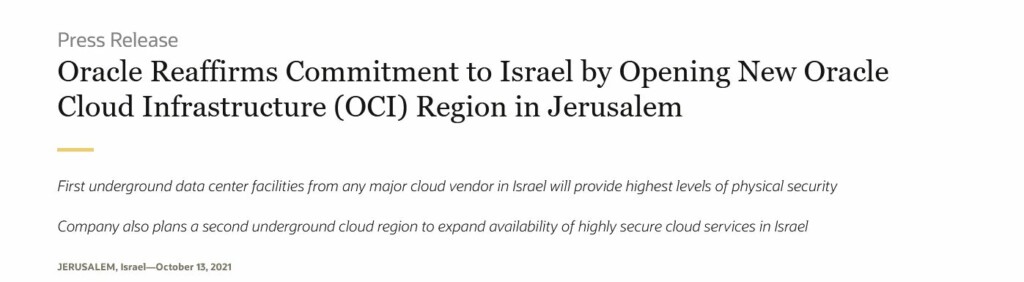
      • Oracle Cloud, a popular choice among multinational corporations, actively supports Israel through investments, including the establishment of the Oracle Cloud Infrastructure (OCI) Region in Jerusalem in 2021. An exploration of Oracle’s public statements may reveal its narrative surrounding its investments, providing a deeper understanding of the company’s strategic goals and ethical considerations.
    Oracle

    Explore more: Tech Companies in Support of Israeli Occupation

    As users and businesses navigate the intricate realm of cloud hosting services, a holistic analysis considering lexical semantics, geopolitical complexities, and corporate responsibility becomes paramount.

    Understanding the nuanced language choices and strategic narratives of these top hosting companies is essential for making informed decisions, fostering transparency, and encouraging ethical considerations in the ever-expanding digital landscape.