Category: News

  • Asda’s Support for Israel: Examining the Details

    Asda’s Support for Israel: Examining the Details

    In an era marked by mounting concerns about human rights violations and ethical quandaries tied to sourcing practices, Asda finds itself under intense scrutiny for its ties to Israeli-produced goods.

    Revelations linking Asda to the sale of products sourced from Israeli settlements in Palestine have reignited contentious debates surrounding corporate responsibility and ethical procurement.
    Asda
    Asda

    Check Out: Sainsbury’s – Israel Support: What You Need to Know

    Human Rights Concerns Amplified

    Recent UN reports chronicling the distressing deaths and injuries of Palestinian children at the hands of Israeli forces have triggered a global uproar. Shockingly, the report underscores a four-fold surge in child casualties in 2018 alone, highlighting the severity of the crisis. These distressing realities have amplified calls for action and ethical considerations, pressuring companies like Asda to reassess their sourcing choices from embattled regions.

    UK Supermarkets and the Israeli Settlement Predicament

    War on Want, a UK charity, has raised alarming red flags concerning high street supermarkets, including Asda, profiting from Israeli settlements in occupied Palestinian territories. The sale of produce from these unlawful settlements, in direct violation of international laws, has triggered condemnations. Criticisms loom over concerns of complicity in illegal ventures and the exploitation of Palestinian suffering. The campaign exerts pressure on the top brass of major supermarkets, including Asda, to terminate the sale of settlement produce in their outlets.

    Herbs and Other Dilemmas Tied to Israeli Settlements

    A significant point of contention revolves around the mislabeling of produce from Israeli settlements as ‘Produce of Israel,’ a ploy aimed at sidestepping import levies. Reports have spotlighted instances where herbs sourced from illegal settlements, notably the No’omi settlement, clandestinely found their way onto Asda’s shelves, contradicting previous disavowals. Further, the involvement of entities like Osem with Yarden GB, sourcing products from occupied territories like the Golan Heights, stokes ethical turmoil.

    Explore More: Supermarket Companies that Supports Israel
    Asda Store
    Asda Store

    Asda’s entanglement with products sourced from Israeli settlements has ignited a cauldron of ethical debates, thrusting into the limelight discussions surrounding corporate responsibility and conscientious procurement practices. The predicament extends far beyond mere commercial transactions, compelling consumers to weigh the moral implications of their purchases.

    The clamor for transparency, ethical procurement, and corporate accountability nudges Asda and fellow supermarkets to reconsider affiliations with products intertwined with strife-laden regions, aligning with ethical benchmarks and human rights doctrines. The imperative for consumers to wield their purchasing influence in advocating for ethical standards remains pivotal in shaping responsible corporate conduct and fostering a global landscape of ethical norms.
  • The Tesco – Israel Connection Unraveled

    The Tesco – Israel Connection Unraveled

    Tesco, a colossal British retail titan, has ignited a storm of controversy by cozying up to Israeli players, most notably Trigo Retail, the brains behind till-less stores invading London.

    The alliance, led by a fervent Zionist, has triggered widespread uproar, sparking fervent calls to boycott Tesco wares, particularly those entangled with its GetGo stores. Consumers are vehemently urging Tesco to cut ties with Trigo, urging a shift towards partnering with local entities.

    Tesco
    Tesco

    Check Out: Asda’s Support for Israel: Examining the Details

    Embracing Israeli Innovation

    Tesco’s foray into the realm of autonomous, checkout-free stores in London, steered by Trigo Retail, appears as a pioneering step in the retail landscape. The partnership introduces a frictionless shopping experience, allowing patrons to grab items and walk out sans traditional checkouts. While the technology mirrors Amazon’s Just Walk Out system, the association with Trigo’s Israeli roots and its CEO’s unwavering Zionist stance has cast a dark cloud over the endeavor.

    Ethical Alarms and Palestinian Plight

    Tesco’s dalliance with Trigo Retail, an Israeli firm, has triggered ethical alarm bells owing to Trigo’s ties with Israel’s disputed territories. The alignment with an entity embroiled in Israel’s technology sphere has raised concerns, compelling Tesco to opt for local partnerships rather than ones mired in geopolitical minefields. Consumers are rallying behind alternatives like Morrisons, Co-op, and Aldi (Sud – UK and south Europe only) as a slap against Tesco’s dalliance with Trigo.

    Consumer Activism and Ethical Sourcing

    The tidal wave of consumer activism against Tesco’s stocking of Israeli goods and investments reveals deep-seated worries about human rights violations in Palestine’s occupied lands. Petitions urging Tesco to cease stocking Israeli products are a unified outcry against alleged complicity in supporting illegal Israeli settlements. Tesco’s shelves filled with products bearing barcode digits and brands like JAFFA and Osem have come under fire, calling into question the company’s stance on ethical sourcing and conflict-laden regions.

    Explore More: Supermarket Companies that Supports Israel

    Tesco Store
    Tesco Store

    Tesco’s cozying up to Israeli entities, particularly Trigo Retail, has thrust the retail giant into a quagmire of ethical and geopolitical conundrums. The uproar from consumers underscores the need for Tesco to reconsider its partnerships and sourcing strategies, stressing the need for ethical responsibility in its retail operations.

    The glaring spotlight on Tesco’s dalliance with Israeli ventures amplifies the intricate interplay between corporate accountability and ethical sourcing, raising pertinent conversations about the role of multinational behemoths in championing ethical business practices amid geopolitical quagmires.

  • Is Costa Coffee Supportive of Israel? Explained

    Is Costa Coffee Supportive of Israel? Explained

    Costa Coffee, a brand nestled within the Coca-Cola Company’s domain, finds itself embroiled in a whirlwind of controversy due to its ties with an Israeli settlement in Occupied Palestine.

    This association with disputed territories has ignited a firestorm of outrage, prompting widespread calls for a boycott and thrusting ethical dilemmas tied to corporate conduct into the spotlight.

    Costa Coffee
    Costa Coffee

    Check Out: The Tesco – Israel Connection Unraveled

    Unveiling the Moral Quagmire

    Coca-Cola, Costa Coffee’s parent company, runs a factory in Atarot, an illegal Israeli settlement erected on contested Palestinian land. The establishment of settlements like Atarot involves forcibly displacing Palestinian communities, a flagrant violation of international law. This blatant disregard for human rights has triggered vehement condemnation and accusations of culpability in an unlawful occupation.

    The Echoes of Corporate Collusion

    Coca-Cola’s involvement in Atarot via its subsidiary, CBC, heightens allegations of profiting from a situation steeped in controversy and disrespect for international regulations. The clarion call to boycott Costa Coffee products resonates as a stand against endorsing companies ensnared in contentious territories. It underscores the unified demand for ethical business conduct and the need for companies to be accountable for adhering to international legal standards.

    Mobilizing Collective Force

    The movement advocating for the boycott of Costa Coffee until it ceases operations in Atarot symbolizes an unwavering stance against complicity in human rights violations. Embracing this boycott transcends being merely a consumer choice; it is a moral stance compelling corporations to reconsider their involvement in disputed territories. The triumph of similar movements, such as General Mills divesting from Atarot under external pressure, underscores the immense influence of unified action.

    Explore More: Refuse Support for Coffee Brands Tied to Israeli Operations

    Costa Coffee Store
    Costa Coffee Store

    Costa Coffee’s link with the contentious Atarot settlement lays bare the intricate ethical intricacies embedded in corporate dealings. The boycott signifies a unified demand for conscientious corporate behavior, stressing the critical need for businesses to prioritize compliance with international law and ethical norms over profiting from territories marked by displacement and discord.

    The scrutiny faced by Costa Coffee serves as a stark reminder of the symbiotic relationship between ethical responsibility and corporate decision-making, compelling a reassessment of business practices in sensitive geopolitical landscapes.

  • Massimo Dutti Perspective on Israel-Palestine

    Massimo Dutti Perspective on Israel-Palestine

    The Israeli-Palestinian conflict has prompted reactions from several Spanish brands, notably within the Inditex group, including Massimo Dutti.

    Amid escalating tensions marked by attacks and retaliatory airstrikes, a collective decision led to temporary closures of stores in Israel by brands such as Zara, Mango, Pull&Bear, and Tous, indicating a unified response to the situation.

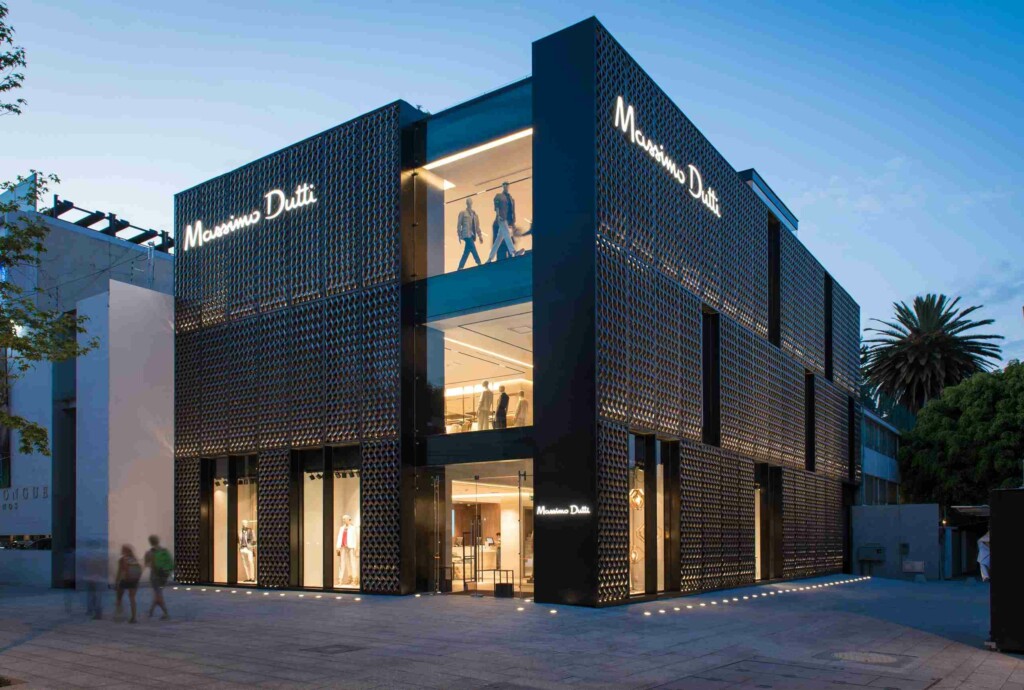
    Massimo Dutti
    Massimo Dutti

    Also See: Bershka Stand on Israel-Palestine

    Unified Closure Response

    In response to the recent hostilities, Spanish retailers under the Inditex umbrella, including Massimo Dutti, chose to temporarily close their stores in Israel. This step affected around 84 franchised outlets operated by the group in the country, aligning with the broader collective action witnessed among several Spanish fashion brands.

    Impact on Spanish-Israeli Business Relations

    The closure decision extended beyond retail, potentially affecting broader Spanish-Israeli business dynamics. Companies like Comsa and Indra, involved in infrastructure projects or generating limited revenue in Israel, shared their minimal immediate exposure to the conflict. This cautious approach reflects the sensitivity of the situation, even for entities with indirect ties to the region.

    Massimo Dutti’s Position and Response

    Amid the closures, reports indicated that Massimo Dutti, a subsidiary under Inditex, temporarily shut down its two stores in Israel. While the brand might not have direct overt connections with the ongoing conflict, its closure mirrored the stance taken by other Spanish retailers, symbolizing solidarity and a cautious approach amidst escalating tensions.

    Explore More: Boycott List: Fashion Companies Supporting Israel You Should Be Aware Of

    Massimo Dutti Store
    Massimo Dutti Store

    The temporary closure of Massimo Dutti stores in Israel, alongside other Spanish brands, serves as a reflection of the complex intersection between global businesses and geopolitical unrest.

    The collective decision showcases a unified response to the situation in Israel, emphasizing the broader impact of socio-political conflicts on international corporations. This move demonstrates a sensitivity to geopolitical tensions and signifies solidarity, despite the absence of direct, overt ties to the conflict by the brands involved.

  • Bershka Stand on Israel-Palestine

    Bershka Stand on Israel-Palestine

    Amidst the recent escalation in tensions between Israel and Palestine, several Spanish fashion brands, including Bershka, a subsidiary of the Inditex group, have taken action by temporarily closing their stores in Israel.

    This move follows similar decisions by other prominent Spanish brands like Zara, Mango, Pull&Bear, and Tous, all operated by Inditex, which collectively closed around 84 franchised stores in Israel.

    Bershka
    Bershka

    Also See: Zara’s Support for Israel: Examining the Details

    Unified Closure Response

    The decision to temporarily close stores in Israel was a collective response by Spanish brands affiliated with Inditex. Bershka, alongside brands like Zara and Pull&Bear, announced the temporary shutdown of its outlets, indicating solidarity with the situation and aligning with the broader move seen across multiple Spanish retailers.

    Impact Across Spanish Businesses

    The temporary closures extended beyond retail, potentially affecting various Spanish companies operating in Israel. While some, like Comsa and Indra, reported minimal immediate impact due to ongoing projects yet to begin or generating minimal revenue in the region, the broader impact on Spanish-Israeli business relations remains to be seen.

    Representation Discrepancies and Observations

    Notably, discrepancies surfaced in the representation of Israeli outlets among Spanish stores, exemplified by Pull&Bear omitting Israel from its global store locations despite having a significant presence in the country. This unintentional omission raised observations and commentary from stakeholders, highlighting the nuanced dynamics in such situations.

    Explore More: Boycott List: Fashion Companies Supporting Israel You Should Be Aware Of

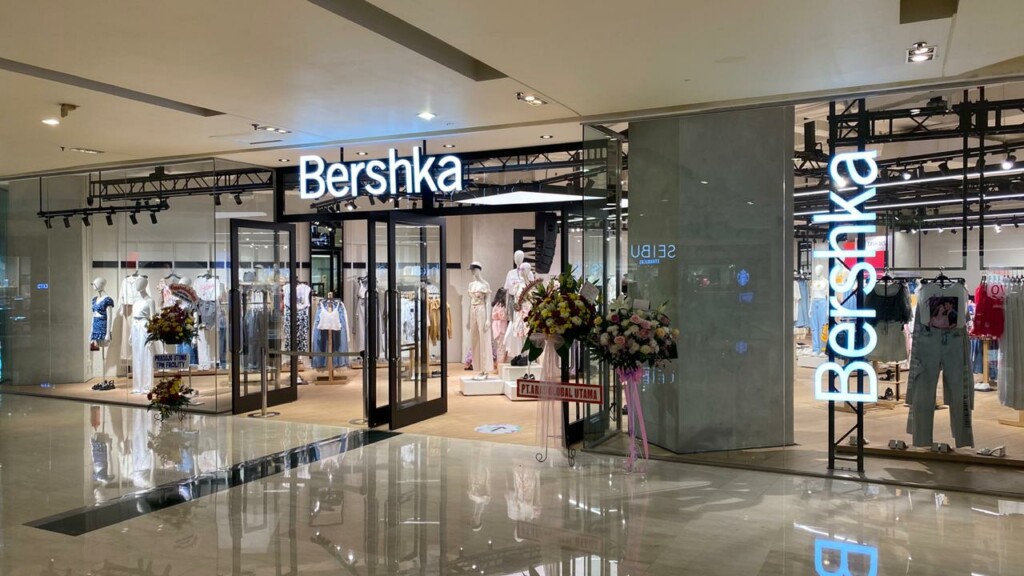
    Bershka Store
    Bershka Store

    The temporary closure of Bershka stores in Israel, in line with other Spanish brands, reflects a collective approach by international businesses towards the complex Israeli-Palestinian conflict.

    This unified action showcases a stance of solidarity, acknowledging the broader impact of socio-political tensions on global corporations. The situation emphasizes the delicate balance multinational companies navigate when responding to sensitive geopolitical contexts.

  • Stradivarius View on Israeli-Palestinian Situation

    Stradivarius View on Israeli-Palestinian Situation

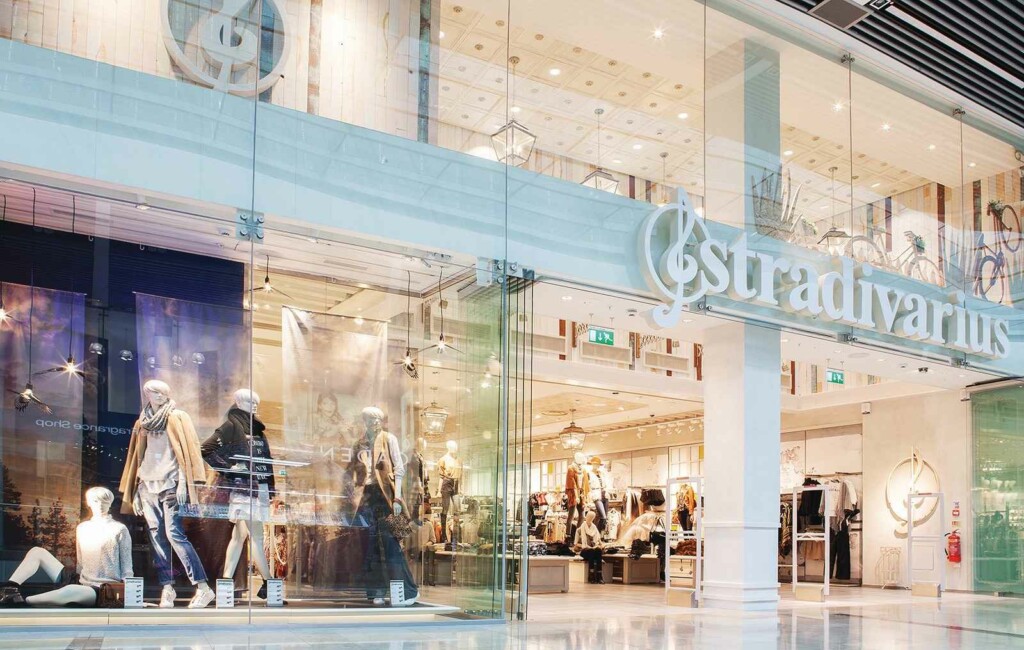
    Amidst the ongoing Israeli-Palestinian conflict, several Spanish fashion brands, including Stradivarius under the Inditex group, have responded to the heightened tensions. The decision to temporarily close stores in Israel echoes a collective move by renowned retailers like Zara, Mango, Pull&Bear, and Tous.

    Stradivarius
    Stradivarius

    Also See: Massimo Dutti Perspective on Israel-Palestine

    The Temporary Closure Response

    In light of the recent conflict escalation involving Hamas and Israel, Spanish fashion giants with operations in Israel, like Zara, Mango, Pull&Bear, Tous, and Stradivarius, opted to close their outlets temporarily. This unified decision affected numerous franchised stores, totaling approximately 84 under the Inditex umbrella, and around 50 Mango outlets, all managed through franchise agreements.

    Impact on Spanish-Israeli Business Relations

    The closures extended beyond retail, potentially impacting broader Spanish businesses in Israel. Companies like Comsa and Indra, involved in infrastructure projects and generating minimal revenue in the region, highlighted their limited immediate exposure to the conflict. This phase of tension has prompted a cautious approach by these entities, with ongoing projects yet to commence or minimal operations on the ground.

    Stradivarius’ Role and Recent Developments

    Stradivarius, a brand within the Inditex portfolio, previously established a presence in Israel, retailing its products in the country. However, recent reports suggest the closure of Stradivarius stores in Israel, aligning with the collective action undertaken by Spanish retailers amidst the escalating conflict. While Stradivarius doesn’t have direct strong ties to the conflict, its closure in Israel signifies the broader solidarity gesture made by Spanish fashion brands.

    Explore More: Boycott List: Fashion Companies Supporting Israel You Should Be Aware Of

    Stradivarius Store
    Stradivarius Store

    The temporary closure of stores by Spanish fashion retailers, including Stradivarius, reflects a broader response to the complex Israeli-Palestinian conflict. This unified action illustrates the influence of geopolitical tensions on global businesses.

    The decision to pause operations in Israel serves not only as a strategic move but also symbolizes a statement of solidarity amidst ongoing socio-political unrest in the region.

  • Pull&Bear Position on the Israeli-Palestine Conflict

    Pull&Bear Position on the Israeli-Palestine Conflict

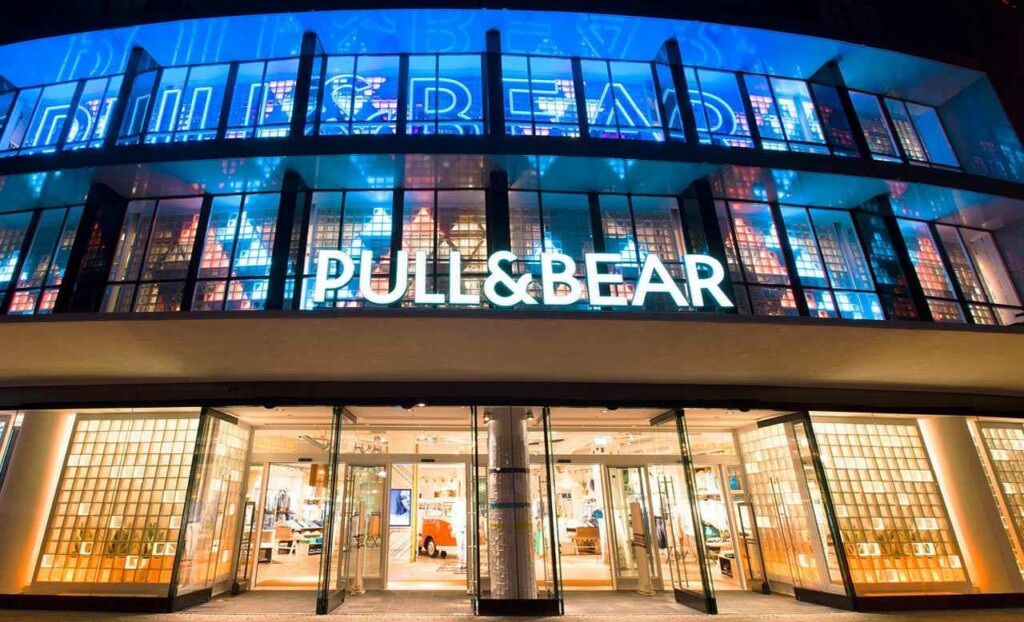
    Spanish fashion brands, including Pull&Bear, Zara, Mango, and Tous, have temporally closed their stores in Israel following recent tensions in the region.

    This decision, made in response to the situation, particularly affected Pull&Bear, an established clothing chain with 22 outlets in Israel, aligning with the actions taken by its parent company, the Inditex Group.

    Pull&bear
    Pull&Bear

    Also See: Stradivarius View on Israeli-Palestinian Situation

    Temporary Closures Amid Tensions

    In response to the escalation of conflict, Pull&Bear, alongside other Spanish brands under the Inditex umbrella, opted to temporarily close its 22 stores in Israel. This decision was part of a broader move by these fashion brands to close down their outlets, temporarily suspending operations in the country in light of the situation.

    Oversight in Global Store Listings

    Observations were made regarding Pull&Bear’s global store listings, notably the absence of Israel in the list displayed at its UK flagship Oxford Street store. Despite having a considerable number of outlets in Israel, the country was not included in the showcased global locations. A spokesperson clarified that this omission was an oversight, denying any deliberate exclusion of Israel from the listed global outlets.

    Complex Business Landscape Amid Conflict

    The closures of Pull&Bear stores in Israel and the discrepancy in the global store listings draw attention to the challenges businesses face in conflict-prone regions. These actions seem to reflect a broader industry response to the escalating tensions rather than intentional alignment or involvement in the conflict.

    Explore More: Boycott List: Fashion Companies Supporting Israel You Should Be Aware Of

    Pull&bear Store
    Pull&Bear Store

    Pull&Bear’s temporary closure of its stores in Israel and the oversight in its global store listings amid the Israeli-Palestinian conflict have sparked discussions. These actions, paralleling those of other Spanish brands, indicate a collective response to the evolving situation in the region.

    However, there is no direct evidence linking Pull&Bear or the Inditex Group to the conflict. The situation appears to be a response to the unfolding circumstances rather than any deliberate alignment or action against the region.

  • Zara’s Support for Israel: Examining the Details

    Zara’s Support for Israel: Examining the Details

    Zara, a globally recognized clothing brand, found itself ensnared in a maelstrom of controversies stemming from its Israeli franchisee’s association with an extreme-right lawmaker and a highly contentious advertising campaign.

    The franchise owner’s hosting of Itamar Ben-Gvir, known for incendiary comments and extreme ideologies, triggered calls for boycotts, while the clothing line’s provocative imagery further exacerbated the brand’s turmoil. The fallout from these events has left Zara’s reputation hanging by a thread, prompting widespread outrage and calls for reevaluation among its customer base.

    Boycott Zara
    Boycott Zara

    Also See: Pull&Bear Position on the Israeli-Palestine Conflict

    Unveiling the Franchise Fiasco

    Zara’s Israeli franchisee’s welcoming of extreme-right MP Itamar Ben-Gvir for a campaign event ahead of elections set off a storm. Ben-Gvir’s history of incendiary remarks and extremist ideologies sparked outrage and ignited widespread calls for a boycott of the global retail giant.

    Backlash and Polarizing Reactions

    Palestinian communities reacted vehemently, launching online campaigns, burning Zara garments, and calling for an international boycott. Although Hebrew social media appeared largely supportive, Arabic posts resoundingly condemned Zara, amplifying boycott demands and urging clothes burning.

    Check Out: Inditex Stand on Israel-Palestine

    A Public Relations Catastrophe

    Zara’s “ZARA ATELIER. Collection 04_The Jacket” campaign further deepened the crisis. The campaign’s imagery, including disturbing references to Muslim burial attire and Palestine’s map, drew intense backlash. Former loyal customers took to social media, expressing shock, disgust, and pledging to boycott the brand indefinitely.

    The Fallout and Continued Silence

    Zara’s response, or rather the lack thereof, to the escalating controversy continues to fuel public discontent. The growing calls for boycotts across diverse platforms and regions, coupled with the brand’s silence, have left its reputation hanging by a thread.

    Explore More: Boycott List: Fashion Companies Supporting Israel You Should Be Aware Of

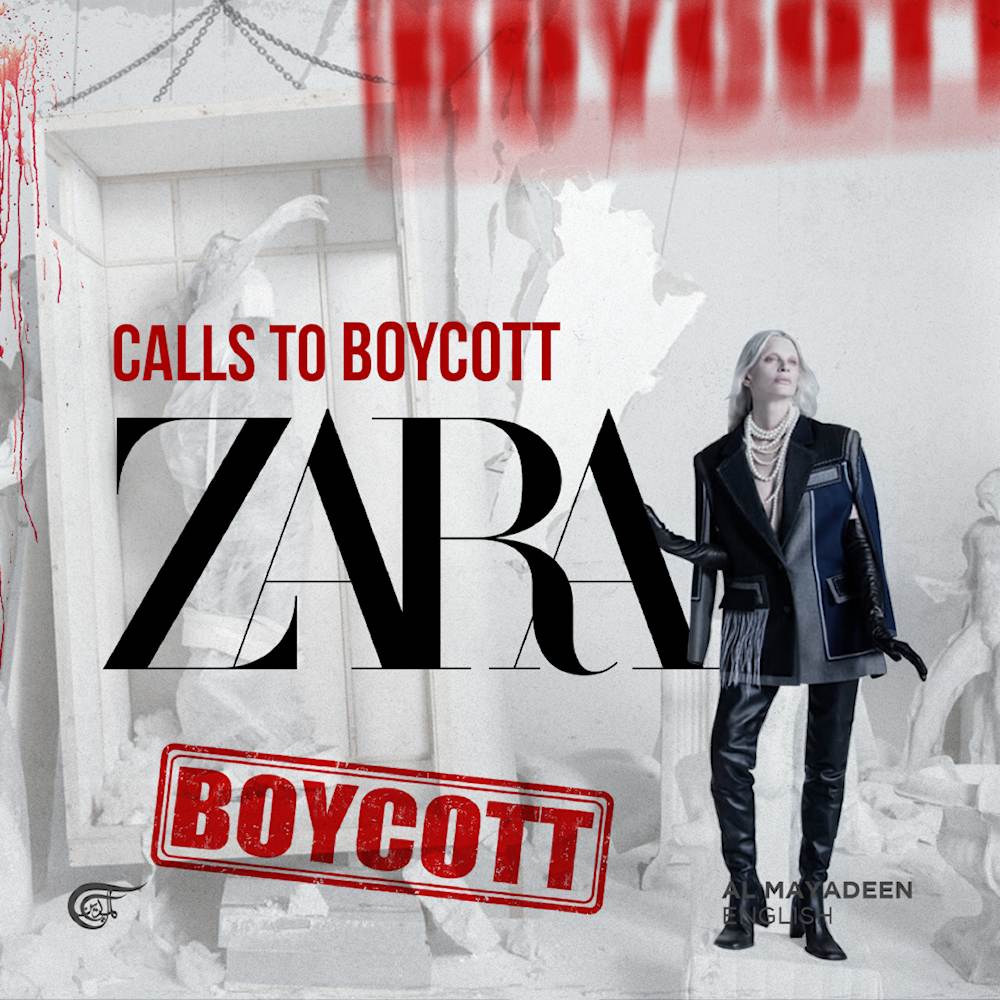
    Calls To Boycott
    Calls To Boycott

    Zara, once a symbol of fashion and trendiness, now grapples with severe backlash due to its franchise’s actions and the contentious campaign. The outcry from various quarters, including Palestinian communities and former loyal customers, has propelled calls for boycotts and raised questions about the brand’s ethical stance.

    Despite the fervent public outcry, Zara’s silence in the face of these controversies remains deafening. The repercussions of these events pose a grave threat to Zara’s credibility and consumer loyalty, signifying a potential turning point in the brand’s relationship with its audience.

  • Inditex Stand on Israel-Palestine

    Inditex Stand on Israel-Palestine

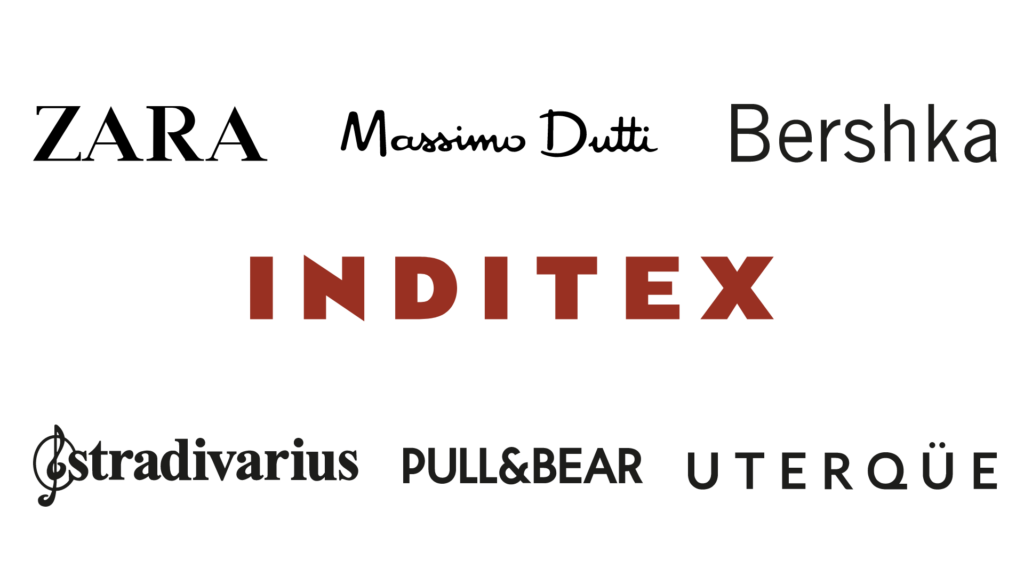
    Inditex, a Spanish multinational clothing company renowned for brands like Zara and Pull&Bear, found itself amid controversy surrounding statements made by its Zara agent in Israel. This issue led to discussions and actions regarding the company’s stance on the Israel-Palestine conflict.

    Inditex Group
    Inditex Group

    Also See: Stradivarius View on Israeli-Palestinian Situation

    Response to Agent’s Statements

    Inditex swiftly responded to concerns raised by the Palestinian National Economy Ministry regarding the Zara agent in Israel. The company distanced itself from the agent’s reported support for Itamar Ben-Gvir, denouncing any alignment with racist ideologies and affirming its dedication to human rights and opposition to racism.

    Check Out: Massimo Dutti Perspective on Israel-Palestine

    Store Closures in Israel

    In a notable move, Inditex temporarily closed 84 stores, including Zara, Mango, Pull&Bear, and Tous, in Israel amid escalating tensions. This decision was seen as a response to the situation, highlighting the company’s stance against the conflict. These closures, managed through franchise agreements, impacted various brands within the Inditex portfolio.

    Omission from Global Store Lists

    Observations were made about some Inditex stores outside Israel, like Pull&Bear, displaying global store locations without mentioning Israel, despite the country having a substantial number of outlets. The company clarified that this omission was unintentional and not reflective of deliberate actions or omissions.

    Also Read: Bershka Stand on Israel-Palestine

    Amidst Uncertainty

    Despite Inditex’s closures and statements distancing from controversial remarks, the company’s direct long-term strategy regarding business operations in the region remains unclear. While there’s no explicit evidence linking Inditex directly or indirectly to Israel, the company’s actions indicate efforts to disassociate from divisive viewpoints amid the ongoing conflict.

    Explore More: Boycott List: Fashion Companies Supporting Israel You Should Be Aware Of

    Inditex Company
    Inditex Company

    Inditex, amidst the controversy surrounding statements made by its Zara agent in Israel, swiftly distanced itself and affirmed its commitment to human rights and opposition to racism. The temporary closure of numerous stores in Israel indicated a response to escalating tensions, showcasing the company’s stance against the conflict.

    However, the future direction of Inditex’s business operations in the region remains uncertain. While no concrete evidence directly associates Inditex with Israel, the company’s actions reflect efforts to avoid any potential association with divisive viewpoints amid the ongoing situation.