The United Arab Emirates is renowned for its affluent cultural legacy and heterogeneous community. In commemoration of various Islamic and national events, the Cabinet has recently announced an array of public holidays for 2024 that will be honored by both public and private sectors.
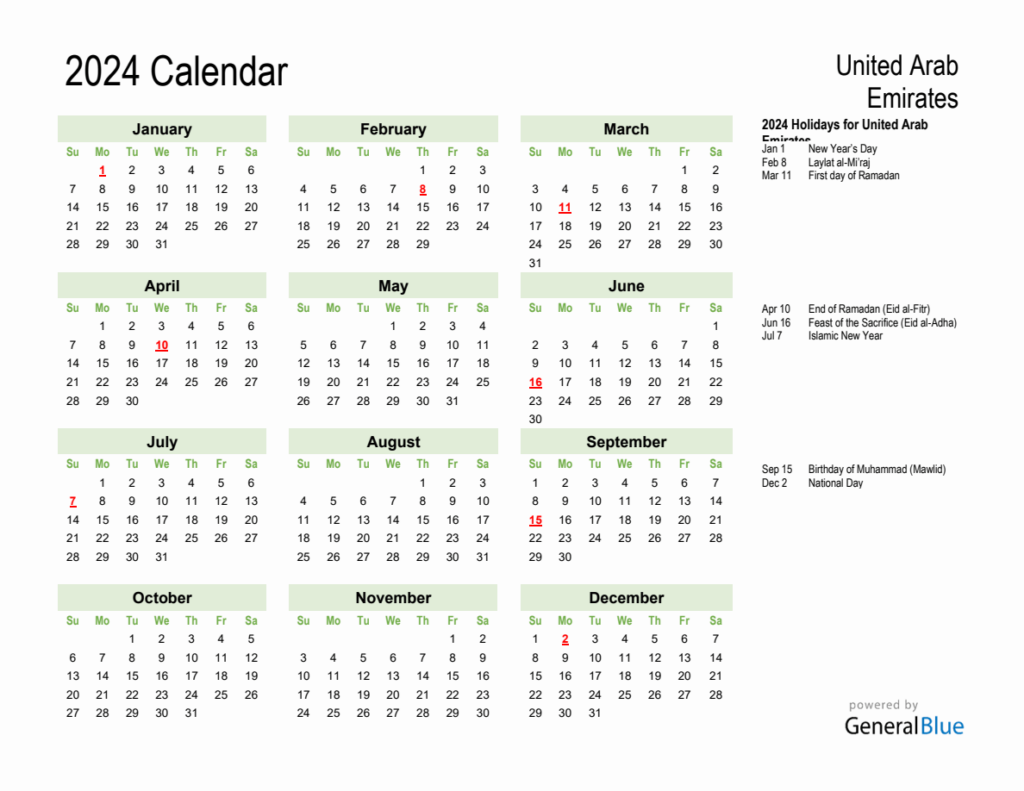
New Year’s Day (January 1)
Kicking off the year, New Year’s Day marks the beginning of the Gregorian calendar and is celebrated with enthusiasm across the country.
Eid Al Fitr (Ramadan 29 to Shawwal 3, 1445 AH)
Eid Al Fitr, the joyous festival that concludes the month of Ramadan, brings communities together for prayers, feasting, and acts of charity.
Arafat Day (Dhu Al-Hijjah 9, 1445 AH)
A significant day in the Islamic calendar, Arafat Day is observed with fasting and reflection, preceding the start of Eid Al Adha.
Eid Al Adha (Dhu Al-Hijjah 10 to 12, 1445 AH)
Eid Al Adha, the Festival of Sacrifice, honors Ibrahim’s willingness to sacrifice his son as an act of obedience to God. Families gather to share meals and distribute meat to the less fortunate.
Islamic New Year (Muharram 1, 1446 AH)
Marking the beginning of the Islamic lunar calendar, the Islamic New Year is a time for reflection, renewal, and setting spiritual goals for the year ahead.
Celebrated with reverence and joy, Prophet Mohammed’s Birthday commemorates the birth of Islam’s final prophet, emphasizing his teachings of compassion, mercy, and justice.
National Day (December 2 to 3)
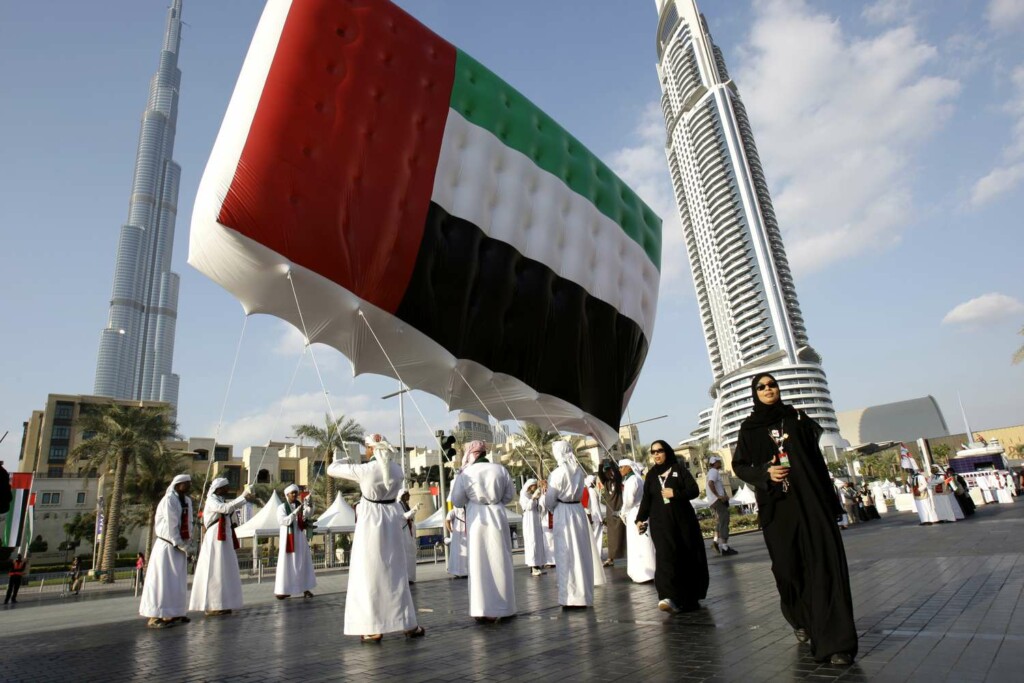
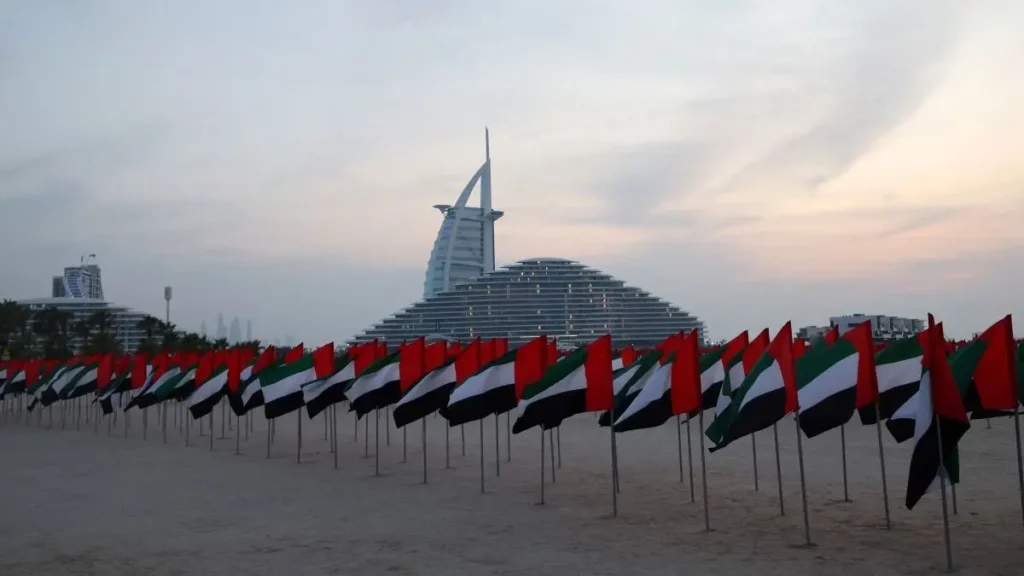
A testament to the UAE’s unity and pride, National Day honors the country’s formation and achievements, accompanied by vibrant festivities, patriotic displays, and cultural events.
It should be noted that certain holidays, including Eid Al Fitr and Eid Al Adha, depend on moon-sighting and may differ by a day or two. The UAE guarantees time off for both public and private sector workers to commemorate these significant events, promoting cultural harmony and inclusivity.
As the country preserves its traditions and principles, these public holidays provide chances for reflection, celebration, and enhancing community connections.
Sand and dust storms are a common occurrence in the United Arab Emirates, posing a significant threat to the air quality and visibility on its roads. However, despite their frequency, the reasons behind these storms remain shrouded in mystery. This leaves us with many questions regarding their causes, potential health implications, and risks.
In this article, we aim to provide some much-needed clarity by exploring five fascinating facts about sandstorms in the UAE. We will delve into their composition, examine the health risks associated with them, discuss protective measures, and highlight ongoing initiatives to improve air quality.
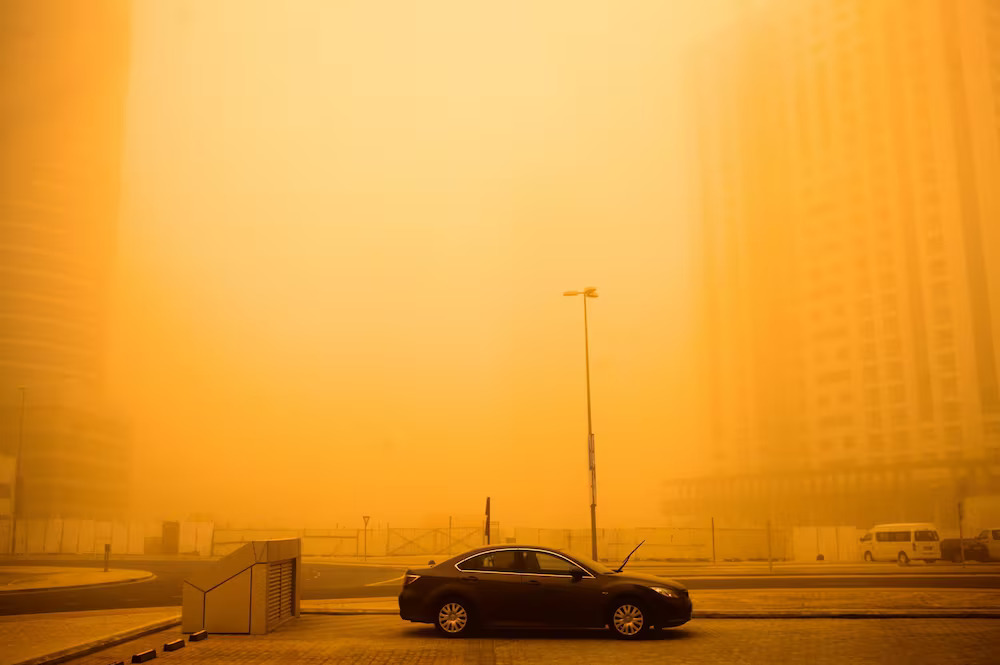
A Sandstorm in Al Hamra Village, Ras Al Khaimah
1. Common Occurrence Amidst Turbulent Weather
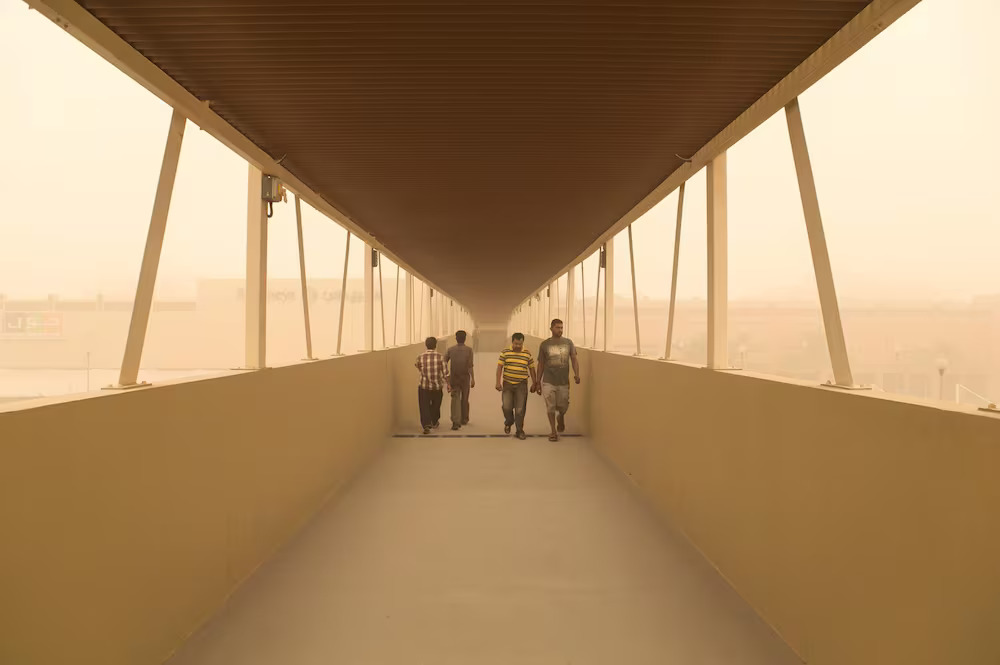
Sand and dust storms are common occurrences in the United Arab Emirates, especially during the summer months and during transitional seasons such as spring. These events are often caused by a combination of high temperatures and powerful winds. In fact, a report from 2017 suggests that the frequency of these storms may increase due to the effects of climate change.
2. Composition Beyond Sand
Sandstorms are more than just carriers of sand, despite what their name suggests. In fact, they have the potential to transport a range of harmful substances, including pollutants, viruses, bacteria, dust mites, fungi, and even plants.
The exact makeup of a sandstorm can vary depending on where it originates and the areas it moves through, meaning it has the ability to pick up and carry harmful pathogens and substances along the way.
A Large Sandstorm Swept Through The UAE in 2015
3. Health Risks and Vulnerable Groups
Although the size of sand particles makes it unlikely for them to deeply penetrate the lungs, they can still cause irritation in the upper airway and mucous membranes.
It is particularly concerning for individuals with allergies, asthma, or weakened immune systems, including the elderly and pregnant women, who face an increased risk of health complications due to exposure to sandstorms. This highlights the importance of taking necessary precautions to minimize the adverse effects of sandstorm exposure, especially for those who are vulnerable.
4. Protective Measures and Health Precautions
When sandstorms rage outside, it’s highly recommended to stay indoors if at all possible. If you do need to venture outside, protecting yourself with masks or wet towels draped over your nose and mouth can be effective in reducing the amount of dust particles you breathe in.
To further minimize the potential harm to your health, running air purifiers inside and keeping yourself well-hydrated are other smart steps to take.
5. Environmental Initiatives and Air Quality Improvement
Abu Dhabi has been actively taking steps to improve the air quality by partnering with global organizations such as the World Health Organization.
In its mission to further its efforts towards ensuring clean air, the UAE has expanded its initiatives to monitor and tackle the harmful effects of dust and sand-related health issues. This move highlights the country’s commitment to maintaining high air quality standards and protecting the well-being of its citizens.
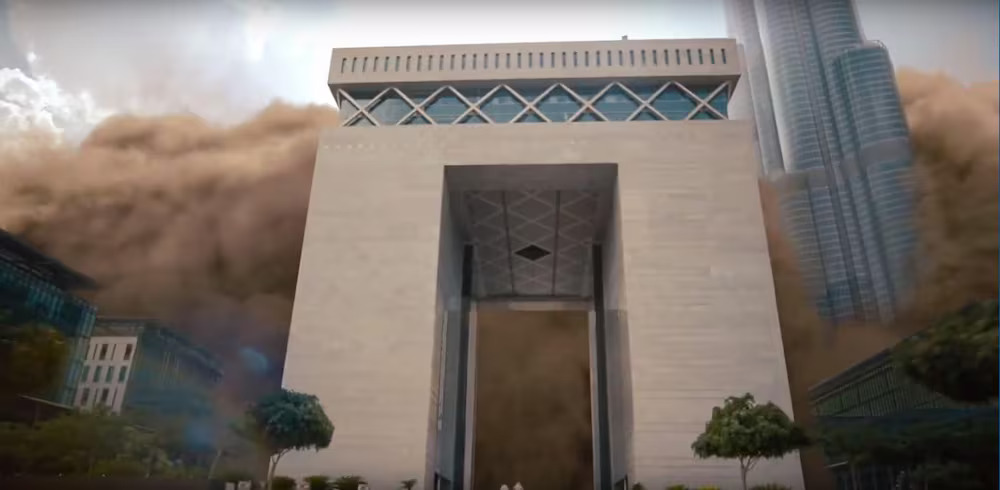
Sandstorms in the UAE are Rarely as Visually Dramatic as the Storm Seen in Dubai in Mission Impossible: Ghost Protocol
Sandstorms in the UAE may not look like the ones you see in Hollywood, but they can still be harmful, particularly for people who are more susceptible to health issues.
It’s crucial to comprehend what causes these storms, what they’re made up of, and how they can impact public health in order to put effective measures in place to lessen their effects and guarantee the safety of those living through these events.
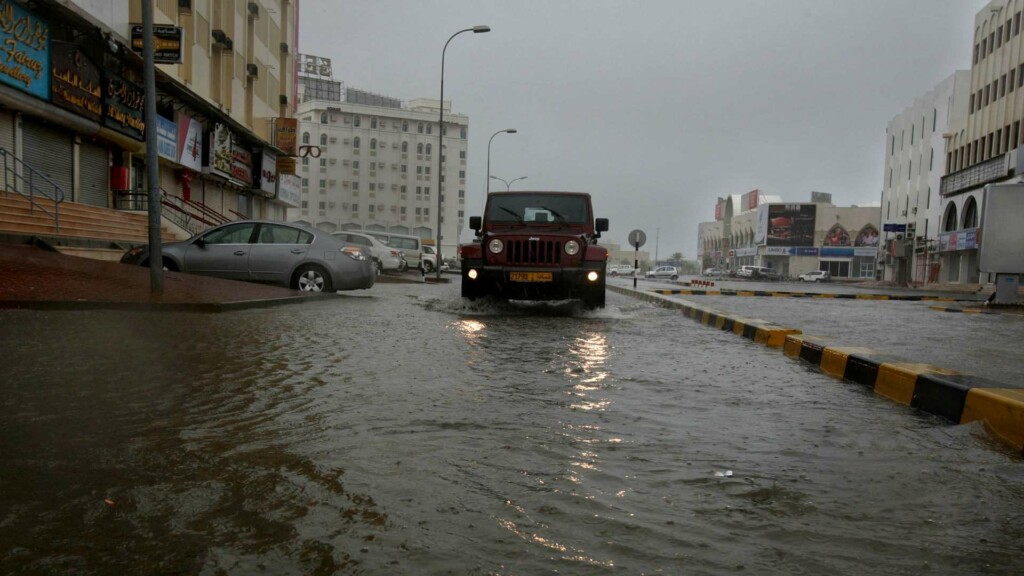
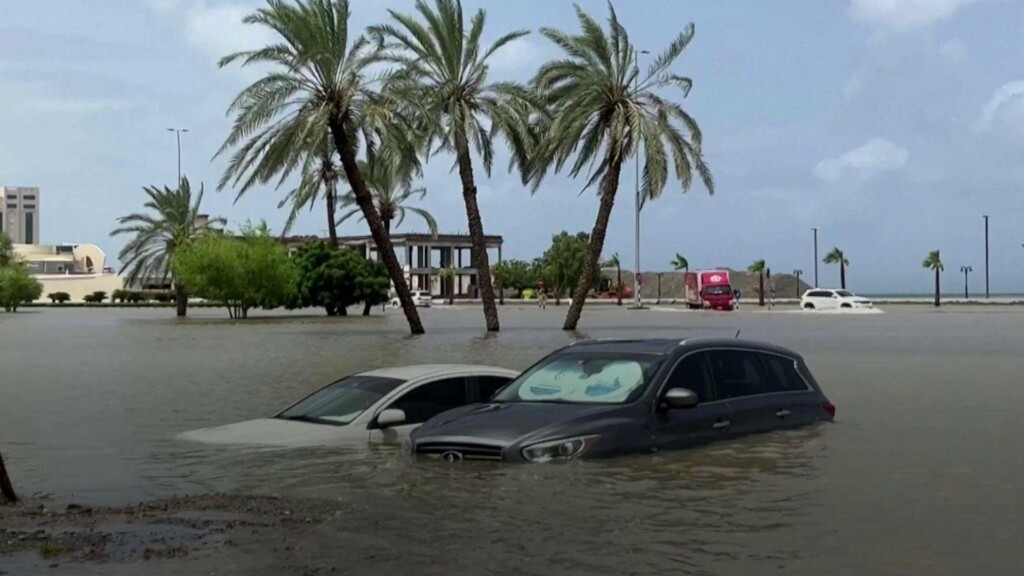
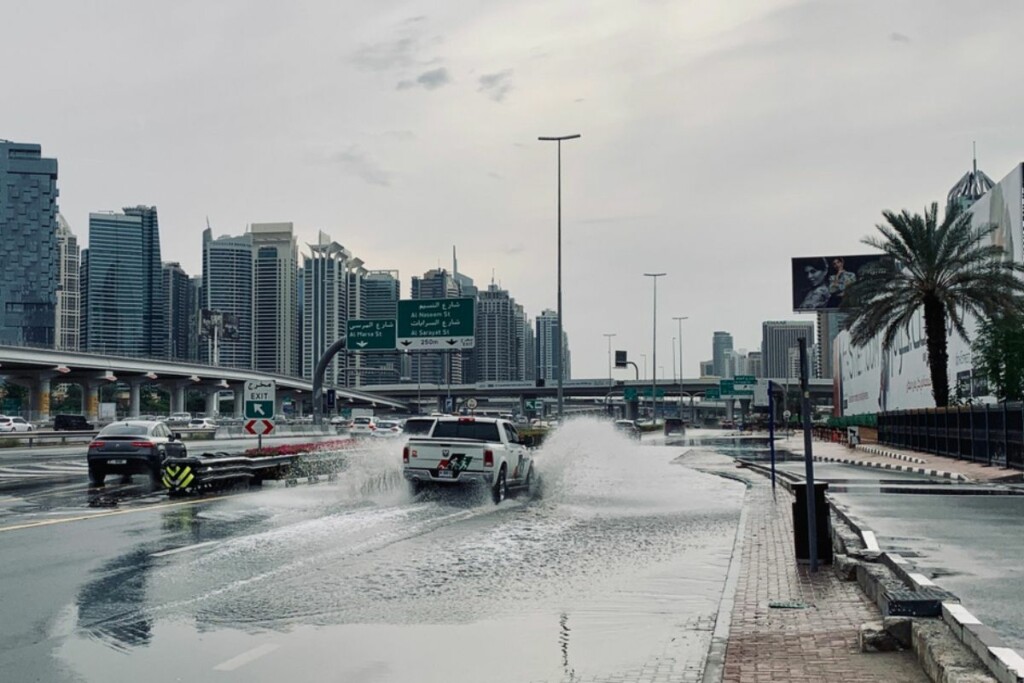
Unusual downpours in the arid lands of the United Arab Emirates have caused significant flooding in multiple areas, throwing normalcy out of gear and creating traffic mayhem in Abu Dhabi and Dubai.
The overnight heavy rains proved too much for the drainage systems to handle, converting highways and roads into swiftly-moving waterways and necessitating warnings from authorities to residents. This is a rare event in the UAE, and its aftermath has been quite disruptive to everyday life.
Abu Dhabi and Dubai: Flooded Neighborhoods
The recent bout of heavy rain wreaked havoc on certain parts of Abu Dhabi and Dubai. Neighborhoods such as Gate City, Mohammed Bin Zayed City, Umm Suqeim and Al Barsha were hit hard, with water-logged streets, submerged roads and disrupted traffic.
The residents are worried about the damage caused to their property and their safety as they navigate through these flooded areas. The authorities need to take swift action to mitigate the impact of such natural calamities.
Impact on Daily Life and Infrastructure
The floods caused widespread disruption in both cities, disrupting the daily routine of schools, businesses, and government offices. Commuters were forced to deal with delays and alternate routes due to waterlogged roads, bringing attention to the pressing issue of improving transportation infrastructure.
The event also highlighted the urgency of investing in resilient drainage systems that can withstand extreme weather events. Despite these challenges, the communities displayed remarkable resilience by rallying together and working with authorities to navigate through the difficult conditions.
It’s clear that continued investment and collaboration are key to ensuring the safety and well-being of residents in the face of future weather-related disasters.
In the wake of heavy rainfall wreaking havoc in the UAE, the authorities are turning their attention towards ensuring that they are better prepared for future weather events. They plan to undertake a review of their drainage systems and emergency response protocols to enhance their ability to handle flooding and reduce the impact it has on communities.
By being proactive and engaging with the community, both Abu Dhabi and Dubai hope to minimize the disruptions caused by extreme weather events, thereby safeguarding the safety and well-being of their residents.
Abu Dhabi, the distinguished capital of the United Arab Emirates, is well-known for its flourishing advancements and futuristic visions that thrive in various sectors. It’s impressive how even their correctional facilities uphold the same standards, particularly the largest prison in the emirate, Al Wathba.
Al Wathba challenges common stereotypes and misguided perceptions by presenting a prime example of how progressive Abu Dhabi’s authorities are in their rehabilitation and incarceration efforts.
Al Wathba Prison
Al Wathba: Redefining Incarceration
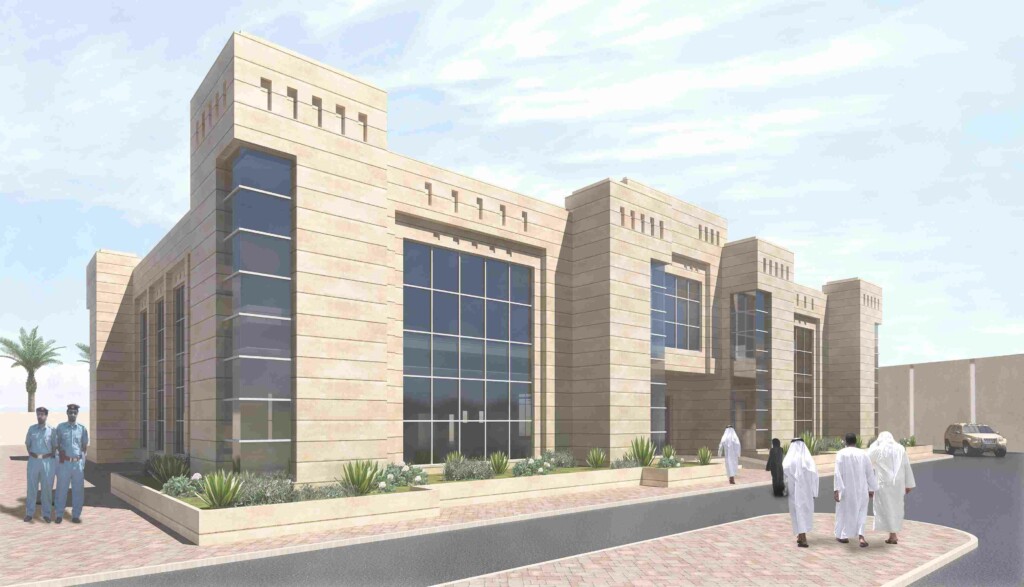
Nestled outside Abu Dhabi city, Al Wathba prison stands out as an atypical correctional facility in the Middle East. Far from resembling the bleak, claustrophobic cells we often associate with jails, it feels more like a comfortable residential complex, complete with cozy living quarters, a state-of-the-art kitchen, a well-stocked library, a theatre, and a workshop.
Rather than being solely punitive, this prison takes a more humane and rehabilitative approach to incarceration. It focuses on fostering an environment that is conducive to personal growth and development, thereby contributing to the successful reintegration of inmates into society upon their release.
In a region where prisons are typically synonymous with misery and despair, Al Wathba offers hope for a more enlightened approach to correctional facilities.
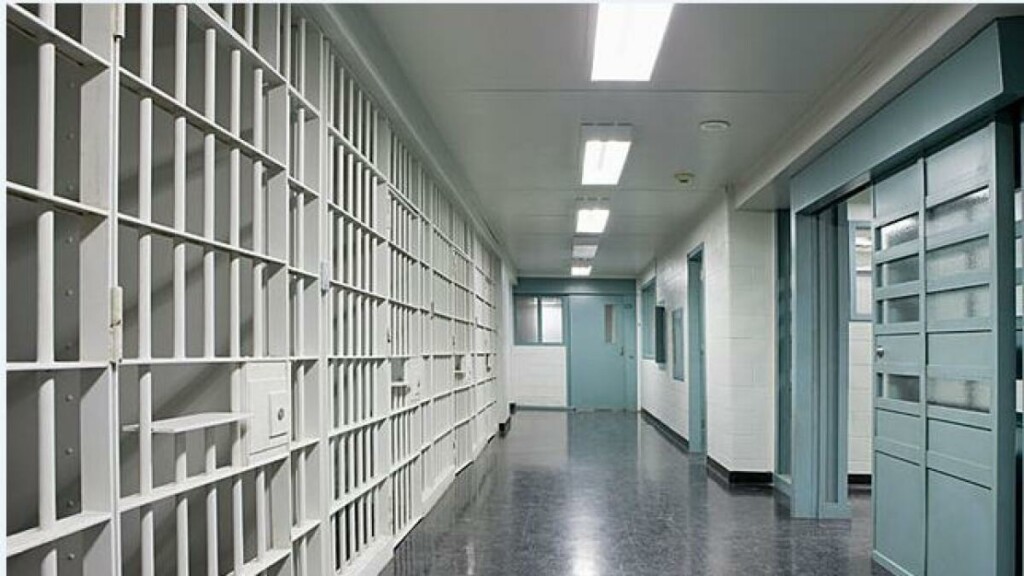
Al Wathba Prison Hallway
Abu Dhabi’s Crime Landscape and Rehabilitation Focus
Al Wathba’s inmate demographics reveal that just 20% are serving time for serious offenses, indicating that minor crimes are more prevalent in the region. Col Mohammed Al Zaabi credits this low crime rate to the area’s strong social networks, deeply-rooted religious values, and an unwaveringly stable economy, all of which promote the security and well-being of the community as a whole.
Inmates, categorized by the severity of their crimes, are treated humanely and with respect, emphasizing the importance of community values and economic stability in cultivating a safe society where rehabilitation and reintegration are prioritized in tandem with justice.
Overall, Abu Dhabi’s reputation as a safe society is well-reflected in Al Wathba’s prison population, a testament to the effectiveness of its holistic approach to law and order.
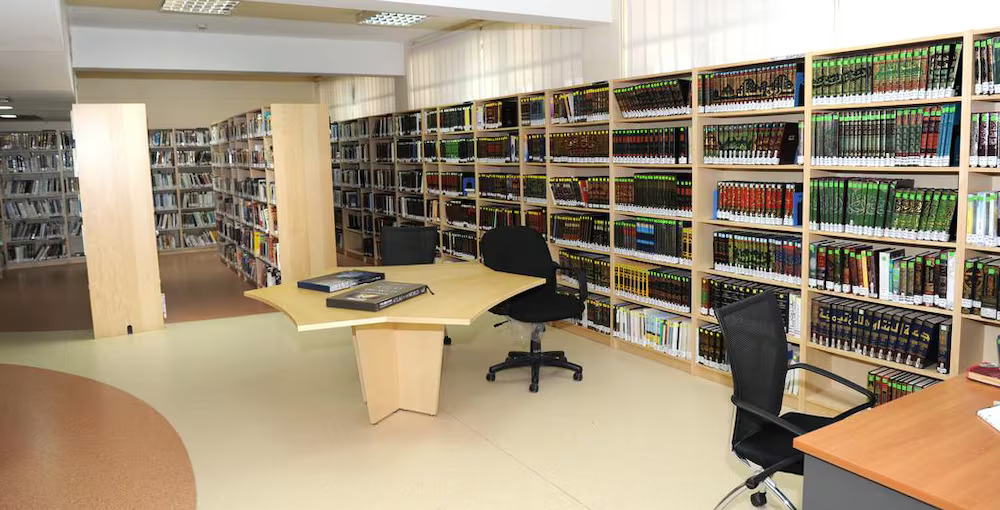
The Library at Al Wathba Prison
Al Wathba is a shining example of a progressive and forward-thinking prison system. It defies stereotypes and showcases Abu Dhabi’s dedication to rehabilitation, human rights, and ongoing improvement. By looking ahead to the future, the emirate is leading the way in terms of prison management and setting a high standard for other regions to follow.
The system prioritizes empathy, responsibility, and the idea that everyone deserves a second chance. Programs like Al Wathba are transforming the way correctional facilities are run in Abu Dhabi and beyond, and contributing to a society that is more equitable and just for all.
Dubai Police is well-known for its impressive collection of supercars that blend luxury and law enforcement in a truly unique and captivating way. As these high-performance vehicles zoom through the bustling streets of Dubai, they not only ensure the safety of the city’s residents but also leave a lasting impression on anyone who happens to witness them in action.
Let’s take a closer look at seven of the most stunning cars in the Dubai Police force’s enviable fleet
1. Mercedes-AMG GT63 S
Mercedes-AMG GT63 S
With its V8 twin-turbocharged engine, the Mercedes-AMG GT63 S exudes power and sophistication. Its sleek design and lightning-fast acceleration make it a formidable addition to the Dubai Police fleet.
2. Maserati GranTurismo
Maserati GranTurismo
This Italian classic combines style and performance, allowing Dubai’s traffic police to patrol the streets in elegance and comfort. With its record-breaking production timeline, the GranTurismo is a symbol of speed and luxury.
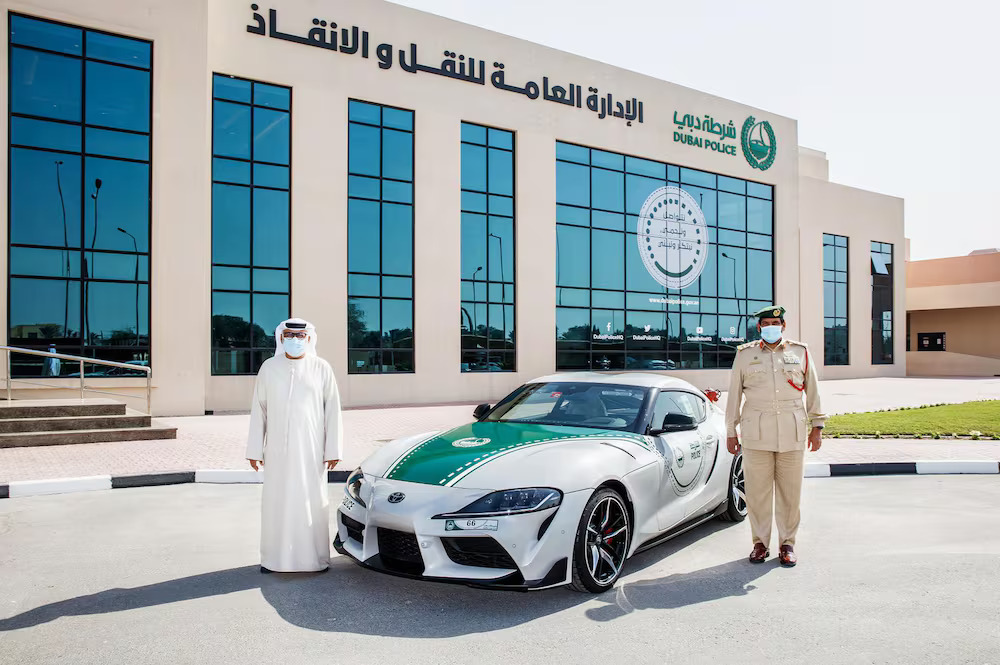
3. Toyota 2021 GR Supra
Toyota 2021 GR Supra
As the latest addition to the Dubai Police fleet, the GR Supra delivers a thrilling driving experience with its impressive acceleration and top speed. Its Japanese engineering and affordability make it a standout choice for law enforcement.
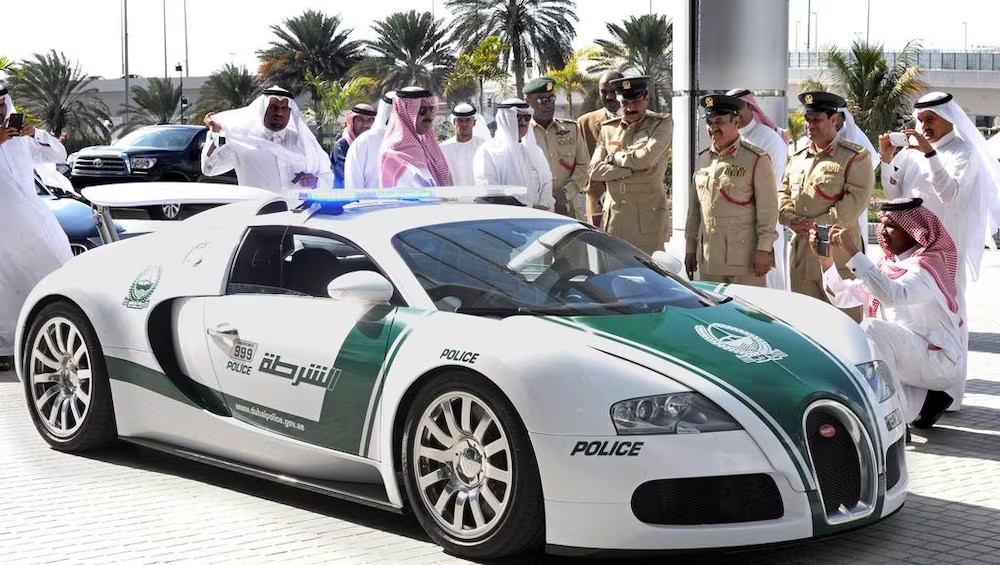
4. Bugatti Veyron
Bugatti Veyron
Widely regarded as the crown jewel of the Dubai Police fleet, the Bugatti Veyron is synonymous with speed and extravagance. With its breathtaking top speed and eye-catching design, it commands attention wherever it goes.
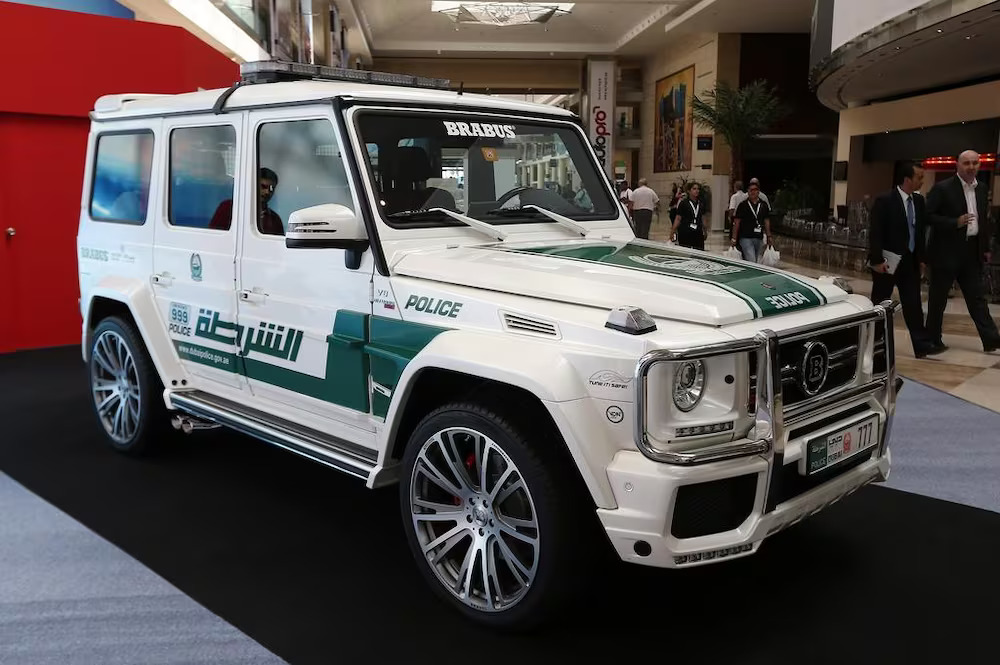
5. Mercedes-Benz G 63
Mercedes-Benz G 63
The iconic “G Wagon” combines ruggedness with refinement, making it a versatile choice for Dubai Police. Its powerful V8 engine and off-road capabilities ensure that law enforcement officers can tackle any terrain with ease.
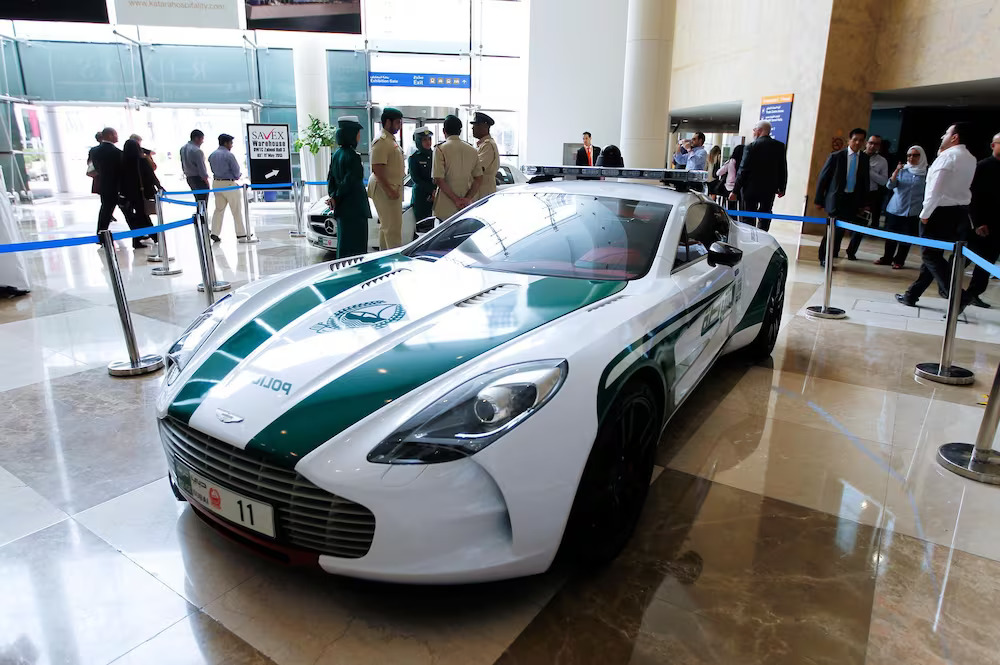
6. Aston Martin One-77
Aston Martin One-77
As a limited edition masterpiece, the Aston Martin One-77 represents the pinnacle of automotive luxury. With its exquisite craftsmanship and unmatched performance, it exemplifies sophistication and exclusivity.
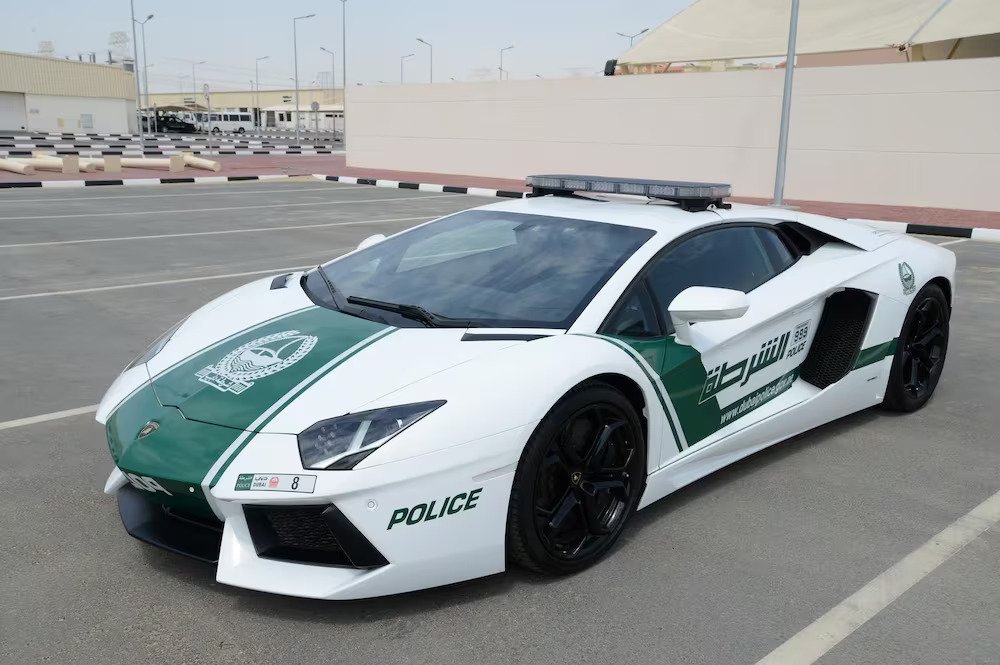
7. Lamborghini Aventador
Lamborghini Aventador
Named after a legendary fighting bull, the Lamborghini Aventador is a symbol of power and prestige. Its striking design and blistering performance make it a worthy addition to the Dubai Police fleet.
Dubai Police’s commitment to safety and innovation on the road is exemplified by seven exceptional supercars that embody the city’s dynamic and progressive approach to law enforcement.
With their cutting-edge technology and unmatched luxury, these cars are a stunning showcase of the Dubai Police’s dedication to excellence. Not only are they beautiful to look at, but their exceptional performance is a testament to the high standards of safety and security that Dubai strives to uphold.
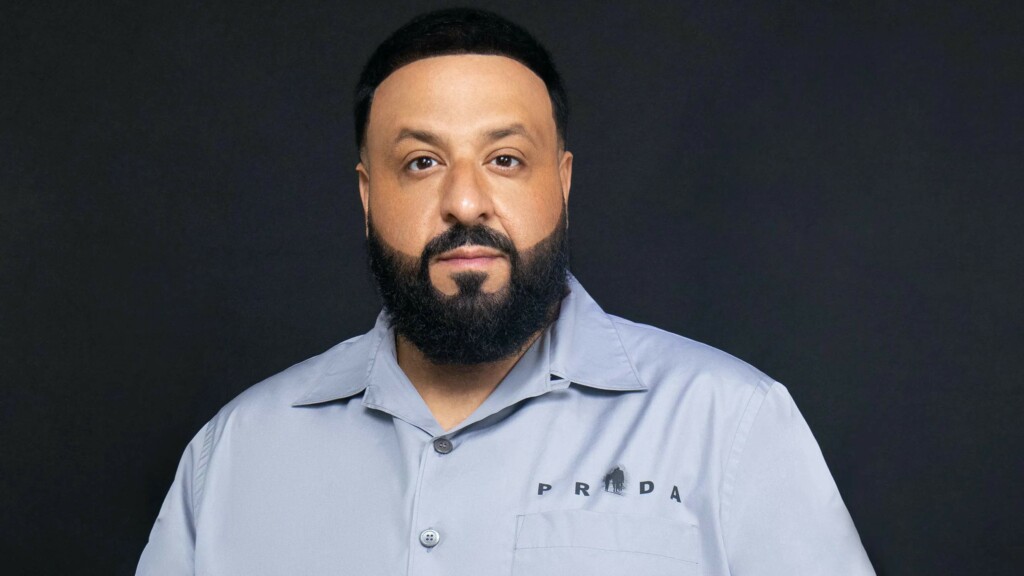
DJ Khaled, the accomplished hip-hop artist and producer of Palestinian descent, has recently shed light on his roots in a captivating video promoting his latest album, “Father of Asahd”. With pride and reverence, Khaled showcases his Palestinian heritage, adding a personal touch to his promotional campaign.
DJ Khaled
Embracing Palestinian Heritage
DJ Khaled, also known as Khaled Mohamed Khaled, recently shared a heartfelt message to his Middle Eastern fans. As he sat aboard a private jet, he took a moment to express his pride in his Palestinian roots. “I want you to know that I am Palestinian.
My mother is from Ramallah and my father is from Mazra’a ash-Sharqiya. Big up Jerusalem,” he exclaimed. DJ Khaled also shared that his album, Father of Asahd, is available now, and it is called Abu Asahd in Arabic. “This one is for us, Middle East,” he added.
DJ Khaled’s passion for music began in New Orleans, where he was born to Palestinian immigrant parents. He started out as a DJ and a radio host under the name Arab Attack before eventually adopting the moniker DJ Khaled.
Through hard work and dedication, he quickly climbed the ranks of the music industry, becoming a chart-topping artist and a highly influential figure in hip-hop.
The New Album
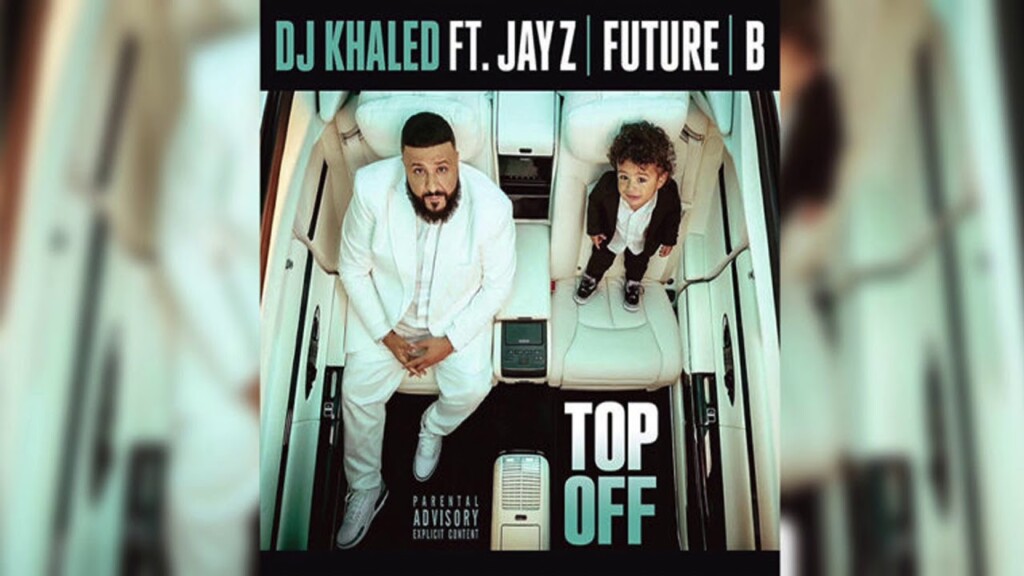
Dj Khaled’ New Video, Top Off
DJ Khaled’s album “Father of Asahd” has captured the attention of the hip-hop community with its star-studded collaborations. Tracks like “Top Off” featuring Jay Z, Beyonce, and Future, and “No Brainer” with Justin Bieber, Chance the Rapper, and Quavo have earned the album widespread acclaim.
However, it’s the album’s latest single, a moving and soulful track featuring John Legend and the late Nipsey Hussle, that has truly left a lasting impact. DJ Khaled’s decision to donate proceeds from the single to Hussle’s children is a testament to the legacy of the beloved rapper who tragically lost his life in a shooting.
Arabs in Hip-Hop
While DJ Khaled stands as a prominent figure in hip-hop, he is not alone in representing Arab talent in the industry. Other notable artists include:
French Montana: French Montana, born Karim Kharbouch, whose Moroccan heritage has had a profound impact on his music. French Montana has worked with some of the biggest names in the business, such as P Diddy and DJ Khaled, and was recently featured on Jennifer Lopez’s hit single “Medicine.”
Noah Shebib: Noah Shebib is another noteworthy artist of Lebanese-Canadian descent, who is known for his work with the megastar Drake. Shebib has produced all of Drake’s albums and has been instrumental in creating the rapper’s signature sound, which has influenced a new generation of producers.
Fredwreck: Fredwreck, also known as Farid Nassar, is a Palestinian-American producer who refined his craft under the guidance of Dr. Dre. With a diverse portfolio that includes collaborations with hip-hop icons such as Snoop Dogg and Xzibit, as well as pop sensations like Britney Spears and Hillary Duff, Fredwreck has made an unforgettable impact on the music industry. These artists prove that Arab talent has a place in hip-hop and beyond.
Arabs in Hip Hop
With each passing moment, DJ Khaled’s unwavering pride in his Palestinian roots serves as a beacon of hope for countless Arab artists seeking to make their voices heard in the highly competitive hip-hop landscape.
Through his awe-inspiring success and unrelenting perseverance, he is blazing a trail that inspires others to tell their unique stories and carve out their place on the global stage.
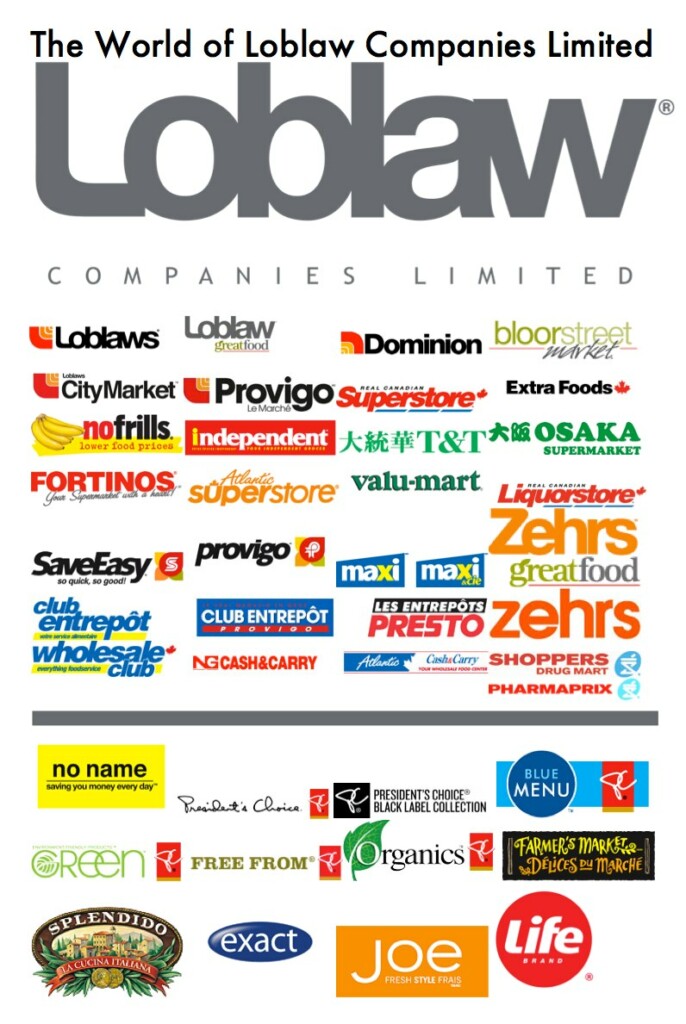
In light of recent events, there’s speculation regarding whether Loblaws, a prominent Canadian supermarket chain, supports Israel. With stores across Ontario, Alberta, and British Columbia, Loblaws is a subsidiary of Loblaw Companies Limited, Canada’s largest food distributor.
Given its extensive reach and influence, questions arise about Loblaws’ stance on issues concerning Israel, particularly amidst ongoing geopolitical tensions in the region.
Loblaws Companies Retails Chains
Loblaws’ Affiliations with Israel
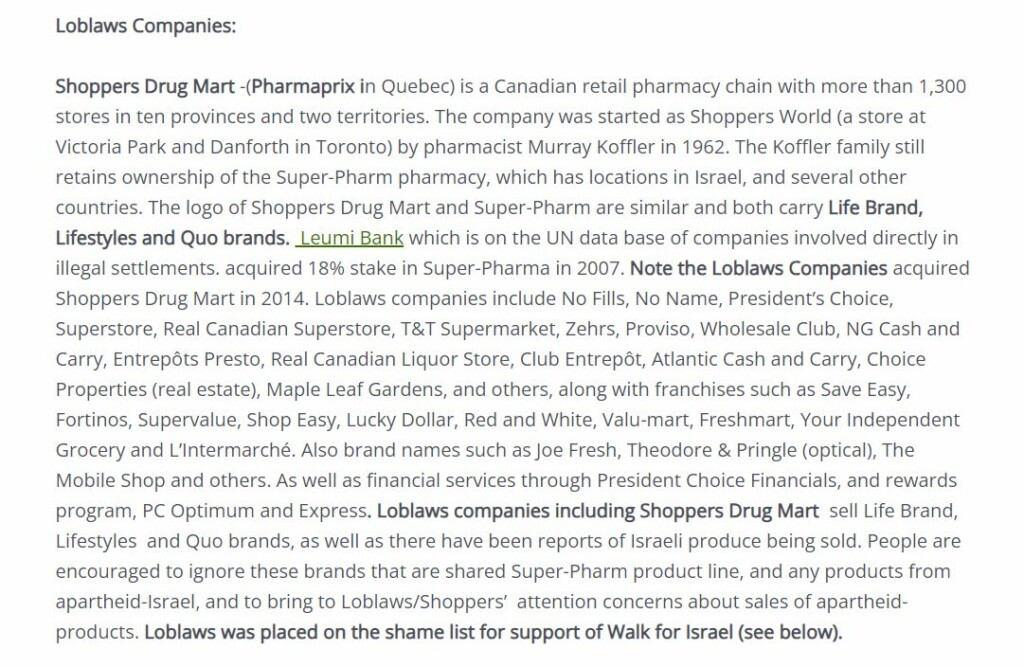
Loblaws, a major Canadian retail conglomerate, has faced scrutiny for its connections to companies involved in controversial activities in Israel. Through its subsidiary Shoppers Drug Mart, Loblaws maintains ties with Super-Pharm, a pharmacy chain with locations in Israel, including settlements deemed illegal by the UN.
Additionally, Loblaws’ ownership of Provigo has led to the sale of Sabra hummus, a product linked to financial support for the Israeli army. These associations have prompted calls to boycott Loblaws and its affiliated brands, urging consumers to reject products tied to Israeli operations in disputed territories.
Loblaws owns Shoppers Drug Mart, which has connections to Super-Pharm, a pharmacy chain in Israel.
Super-Pharm is partially owned by Leumi Bank, listed as being involved in illegal settlements.
Loblaws also owns various other brands and franchises, including No Frills, President’s Choice, and Provigo.
No Frills and Loblaws were criticized for supporting the Walk with Israel event.
Loblaws carries Israeli produce and products, including Sabra hummus, which is associated with the Israeli army.
Based on the above facts, it is clear that Loblaws has contributed to providing economic support to Israel, primarily due to its sale of products originating from or associated with Israel.
As individuals focused on peace and anti-colonialism, we are urged to refrain from purchasing or consuming Loblaws products due to their strong economic ties with Israel as an occupier of Palestinian land.
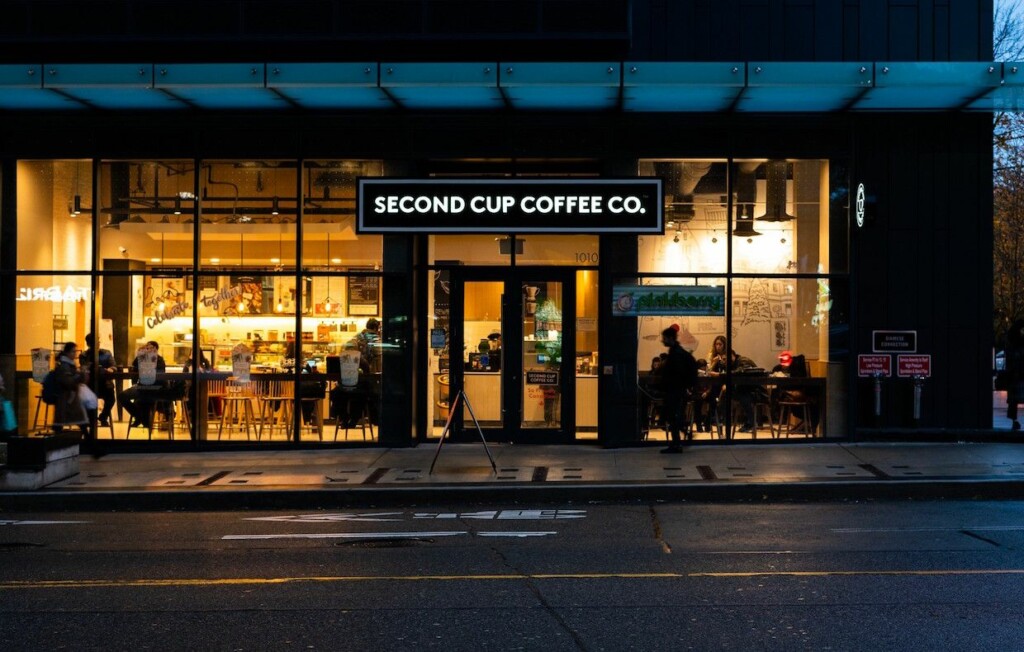
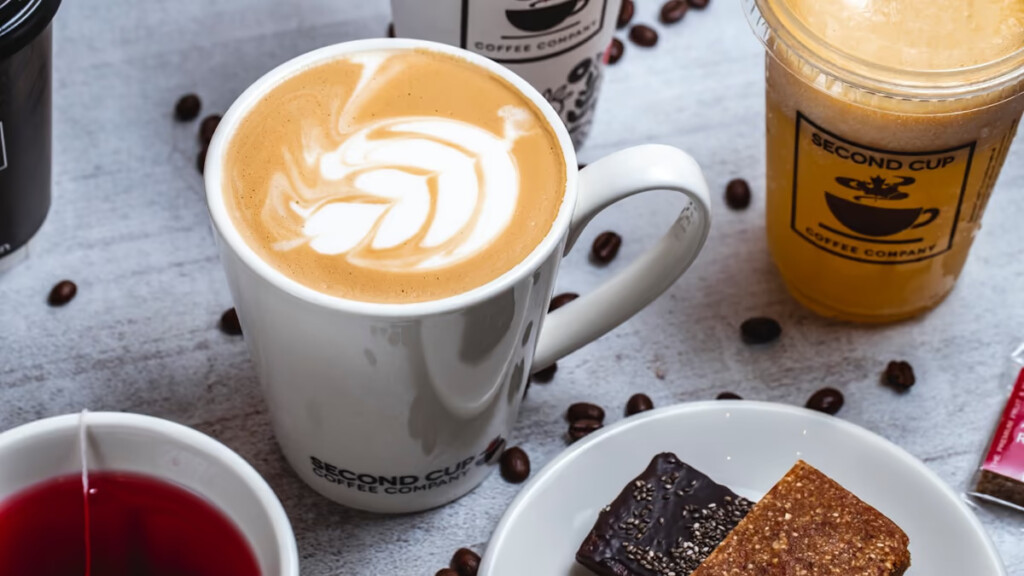
Amidst growing calls to boycott certain coffee retailers, Second Cup, a thriving Canadian coffee chain with over 190 cafes throughout the country, presents a promising alternative.
Not only does Second Cup offer an array of delicious beverages, snacks, sandwiches, and merchandise at its cafes, but it also has a strong presence in numerous countries worldwide. Could Second Cup be the answer to those seeking a high-quality coffee experience without compromising their values?
Second Cup Coffee Co.
A Peaceful Alternative Amidst Boycotts
As consumer preferences shift and boycotts against Starbucks continue, Second Cup has emerged as a promising Canadian alternative. With a diverse menu that caters to different tastes, Second Cup stands out in the crowded coffee chain market.
Operating in several countries, including the United States, Morocco, and Saudi Arabia, Second Cup is a viable option for coffee enthusiasts looking for alternatives to boycotted chains. Furthermore, the lack of controversy surrounding Starbucks and Israel makes Second Cup an appealing choice for consumers seeking a peaceful coffee experience.
Second Cup positioned as Canadian alternative amidst evolving consumer preferences and Starbucks boycotts
Operations in multiple countries including US, Morocco, and Saudi Arabia
Offers alternative choice for coffee consumers amid boycotts against established chains
After analyzing the presented facts, it can be determined that Second Cup Coffee is not associated with Israel in any moral, financial, or material capacity. Consequently, we can confidently view Second Cup Coffee products as viable alternatives to Starbucks products, which have been connected to Israel’s occupation endeavors in Palestine.
In the midst of increased attention on BDS movements and brands involved in the Israeli-Palestinian conflict, discovering ethical, pro-Palestinian brands can be difficult. Working with Mariah Idrissi, we’ve created a list of 11 brands that prioritize ethics and humanity.
During times of change, taking proactive steps is crucial for making a positive impact on society. Social media not only allows for emotional expression but also serves as a vital tool for spreading important information and amplifying the ‘Free Palestine’ campaign.
Recent events have shown that education is key in advocating for justice by exposing the truth. Successfully boycotting brands emphasizes the importance of not only avoiding certain brands, but also finding supportive alternatives.
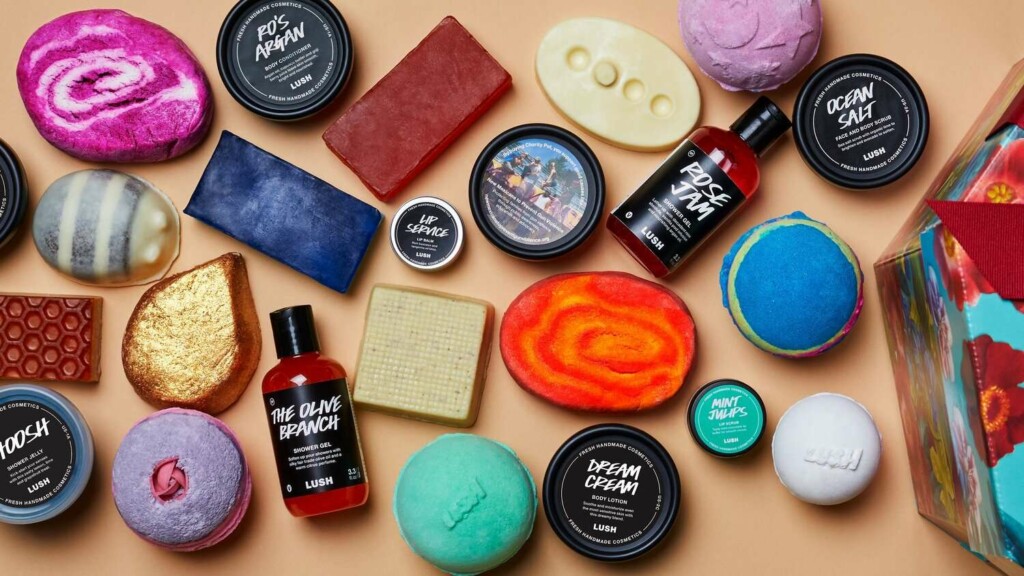
Lush Cosmetics
Brands Promoting Palestine through Fashion and Beauty
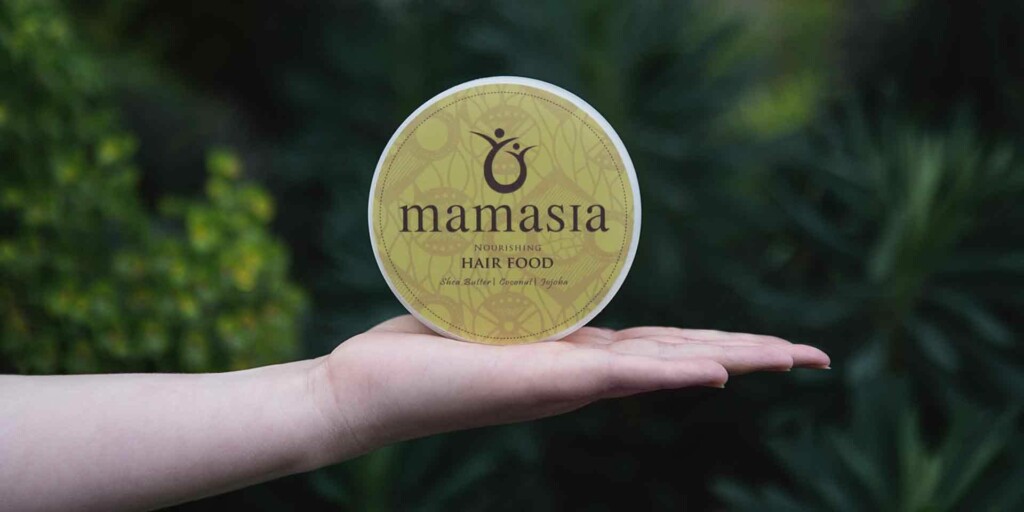
1. MamaSia
MamaSia, established by Maame and Rhian, provides natural and ethically produced beauty and wellness items from Ghana. They contribute 5% of their yearly earnings to aid families in rural Ghana, uniting environmentally-friendly business methods with social efforts, demonstrating cultural diversity and community advancement.
2. Haute Hijab
Haute Hijab, led by Melanie El Turk in New York, goes beyond selling trendy hijabs. It serves as a hub for building community, sharing stories, and promoting diversity, empowerment, and representation.
3. MZ Skin
MZ Skin, created by Dr. Maryam Zamani, is a luxurious skincare brand that combines science and precision. Known for its clinically proven ingredients and exceptional quality, it has set a high standard in the industry.
4. ANZ Clothing
ANZ Clothing by Ainy Naim, a visionary brand, blends tradition with modernity in its knitwear collection, while focusing on high standards, skillful artistry, and fostering local alliances in the UK.
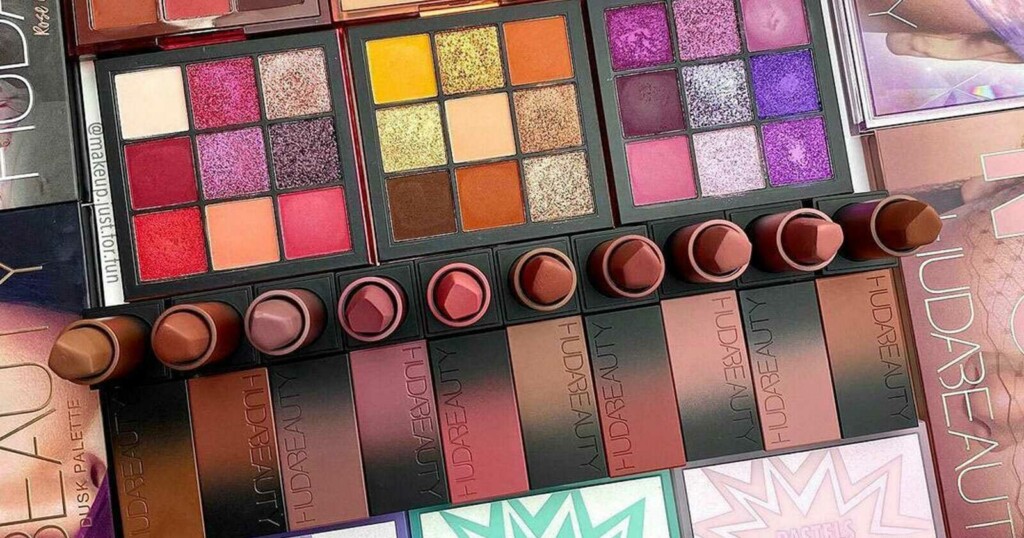
5. Huda Beauty
Huda Kattan’s cosmetics brand represents more than just makeup; it serves as a symbol for social justice advocacy and resonates deeply with its global consumer base.
6. Tuesday in Love
Canada’s Halal nail polish brand, led by Dr. Umar Dar, is distinguished for its unwavering advocacy of ethical principles such as inclusivity and ethical consumerism.
7. Comfee
Comfee, Samia’s brand, fuses fashion and philanthropy flawlessly by offering chic designs while also contributing a percentage of sales to help support those in need. Their compassionate approach is a defining feature of their business model.
MamaSia
8. PaliRoots
PaliRoots goes beyond business by promoting Palestinian culture. Their brand campaigns celebrate and preserve the essence of Palestinian heritage.
9. Lyra Swimwear
Lyra Swimwear upholds ethical labor conditions and offers a diverse selection of swimwear, combining both style and values without compromising either.
10. Lush
Lush, known for their high-quality handmade bath and body products, also advocates for ethical values. They take part in discussions and support causes aligned with their commitment to humanitarian rights, including those in Gaza.
11. Aab
Aab, founded in 2007, is a prominent brand in premium modest wear. Their creations prioritize elegance, modesty, and ethical practices.
12. Kayali
Kayali, the fragrance subsidiary of Huda Beauty, was established in 2018 and is fully supportive of Palestine. Along with creating captivating scents, the brand has utilized its social media platforms and resources to bring awareness to the ongoing humanitarian crisis.
Kayali actively promotes the cause through its unique online presence, contributing to Huda Beauty’s collective efforts in aiding Palestine.
13. Wishful Skin
Wishful Skin, part of Huda Beauty’s empire, supports Huda Beauty and Kayali’s commitment to Palestine by contributing to the $1 million donation drive. The brand is standing in solidarity with the people of Gaza and emphasizing the importance of collective aid in reducing their suffering.
14. FARSÁLI
Recognized for its ethical sourcing and cruelty-free products, FARSÁLI demonstrated its commitment by tying humanitarian aid to its Black Friday sales. For every item sold during this event, the brand pledged to provide a day’s worth of nutritious food to a child in Gaza.
Additionally, FARSÁLI promised a minimum donation of $20,000, irrespective of sales, underscoring their unwavering support for the cause.
15. Glossy Makeup
Natasha Zaki, founder of Glossy Makeup, bravely spoke out against the cruel treatment in Palestine using both her personal and professional platforms. Despite her career in makeup, Zaki used her voice to bring attention to the ongoing violence in Gaza, promoting justice and humanitarian values.
She has amplified the voices of those affected by the crisis, reminding us all of the importance of compassion and support.
Huda Beauty
Choosing ethical and humane brands during times of global unrest is a way to support causes aligned with justice and humanity. By making this choice, individuals contribute to a movement that promotes ethical practices and social responsibility, emphasizing the importance of informed consumer choices.