Mars Petcare stands firm in the belief that pets contribute significantly to the enrichment of our world. In their pursuit of ‘A Better World For Pets™,’ their 100,000 Petcare Associates channel their efforts towards the well-being of the world’s 400 million pets.
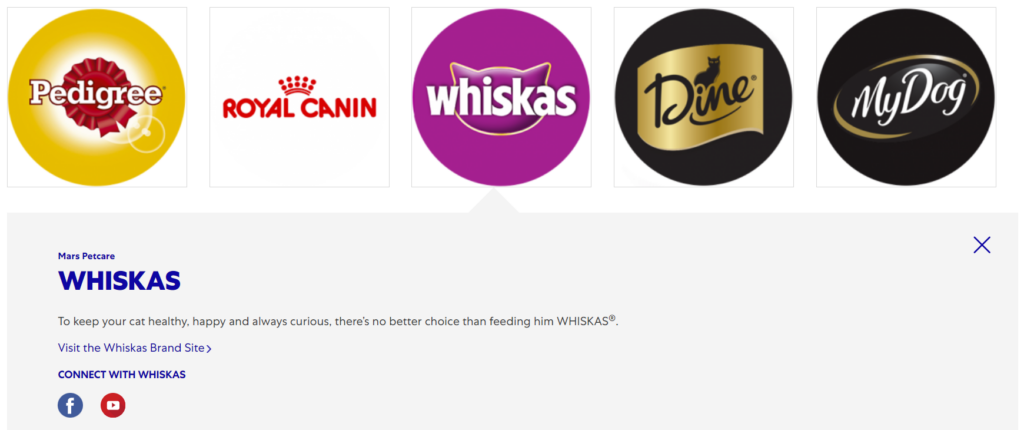
Ranging from nutritional considerations through brands like PEDIGREE®, WHISKAS®, and ROYAL CANIN®, to top-tier medical care provided by BANFIELD® Pet Hospitals, VCA®, and AniCura, Mars Petcare aims to elevate pet lives holistically. Additionally, they tackle larger societal issues, such as pet homelessness, and strive to alleviate student debt for veterinarians. Innovations emerging from the Waltham Petcare Science Center further fuel advancements in pet health through nutrition, data, and veterinary care.
Among the roster of Mars Petcare’s brands stands WHISKAS®, a stalwart in feline nutrition, aimed at ensuring the health, happiness, and natural curiosity of cats.
Exploring Whiskas’ Association with Israel
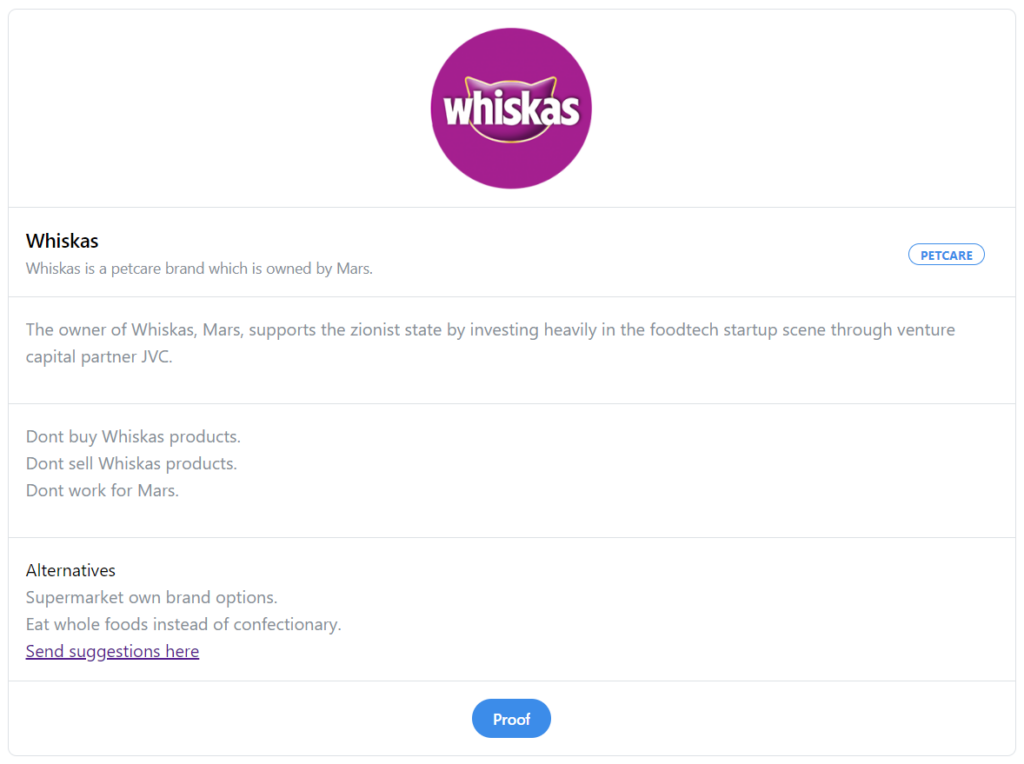
Recent claims have surfaced regarding Whiskas’ ties to Israel through its parent company, Mars. Allegations suggest that Mars, the owner of Whiskas, significantly supports Israel’s foodtech startup scene by heavily investing through its venture capital partner, JVC. This revelation has sparked discourse and activism, urging individuals to abstain from purchasing or selling Whiskas products and discouraging employment with Mars, citing ethical concerns over its support for the Zionist state.
In response to the scrutiny and activism, a movement has gained traction, advocating against the consumption and promotion of Whiskas products. The call extends to exploring alternative options, such as supermarket-owned brands, as well as promoting a dietary shift towards whole foods over processed confectionery.
The controversy surrounding Whiskas’ purported support for Israel via Mars’ investments has triggered a broader conversation about ethical consumerism. It prompts individuals to consider the moral implications of their consumer choices and align them with their ethical compass.
As discussions persist, it highlights the growing awareness among consumers about the socio-political landscapes corporations operate within and the implications of their affiliations. This underscores the evolving relationship between consumer decisions and global socio-political dynamics.
In essence, the scrutiny surrounding Whiskas’ ties to Israel via its parent company, Mars, emphasizes the need for consumers to critically assess the ethical ramifications of their purchases. It prompts a deeper reflection on the interconnectedness of consumer choices, corporate actions, and global socio-political contexts.
Mars Petcare epitomizes the belief that pets enrich our world, striving to create a sphere where these beloved companions thrive. With a vast network of associates dedicated to enhancing the lives of 400 million pets worldwide, Mars Petcare extends its influence from nutrition to healthcare, encompassing various facets of pet well-being.
At the forefront of this endeavor stands PEDIGREE®, a brand synonymous with nurturing the goodness dogs bring into our lives.
Mars Petcare’s Multifaceted Approach
Central to this endeavor are brands like PEDIGREE®, WHISKAS®, and ROYAL CANIN®, which provide nourishment essential for pets’ health. Complementing these offerings are medical services offered through BANFIELD® Pet Hospitals, VCA®, and AniCura, ensuring high-quality healthcare for pets. Additionally, the company extends its efforts beyond immediate pet care, working diligently to address pet homelessness and ease the financial burden on aspiring veterinarians by tackling student debt. Innovations driving pet health improvements, rooted in nutrition, data, and veterinary care, emanate from Mars Petcare’s Waltham Petcare Science Center.
Among Mars Petcare’s notable brands is PEDIGREE®, a champion for creating a better world for dogs. With a legacy spanning over seventy years, PEDIGREE® stands as the leading dog food brand globally, dedicated to crafting healthy and delectable food for dogs of all breeds and sizes. The ethos of Pedigree is encapsulated in its motto: Feed the good™, symbolizing a commitment to fostering the inherent goodness that dogs bring into our lives.
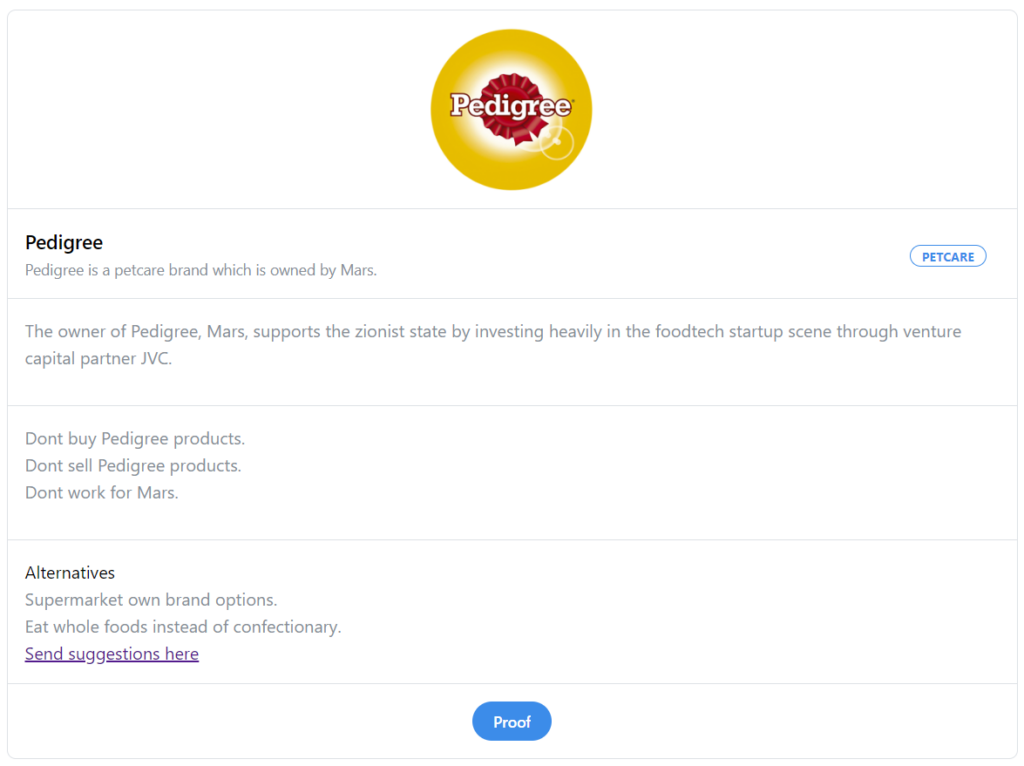
Recently, scrutiny has surfaced regarding Pedigree’s affiliation with Mars and its support for the Zionist state. Mars, the parent company of Pedigree, has made substantial investments in Israel’s foodtech startup landscape through its venture capital partner, JVC. This involvement has sparked debates and calls for action among certain factions advocating against supporting companies with ties to Israel due to political and humanitarian concerns.
In response, a movement urging consumers to abstain from purchasing Pedigree products, refraining from selling them, and even discouraging individuals from working for Mars has gained momentum. The sentiment behind this movement is to encourage a shift toward alternative options, such as supermarket-owned brands, and promoting a diet centered on whole foods instead of confectionery or processed products.
The stance against Pedigree and Mars is rooted in a larger socio-political context, reflecting the complexities and sensitivities surrounding corporate affiliations and international relations. It raises pertinent questions about the ethical considerations individuals may factor in when supporting brands and companies.
The discussion around Pedigree’s connection to Mars and its involvement in specific geopolitical landscapes underscores the complexities of corporate ties and their socio-political implications. It calls attention to the ethical considerations individuals face when supporting brands and corporations.
As this discourse evolves, it prompts reflection on the interconnectedness of consumer choices, global dynamics, and personal ethics, encouraging more conscious decision-making in the realm of consumption.
Mars, Incorporated’s recent partnership with Jerusalem Venture Partners (JVP) marks a significant leap in innovative research and development within the realms of food, agriculture, and nutrition.
This collaboration underscores Mars’ commitment to investing in cutting-edge solutions to address global challenges in these crucial sectors.
Pioneering Partnership: Mars and Jerusalem Venture Partners
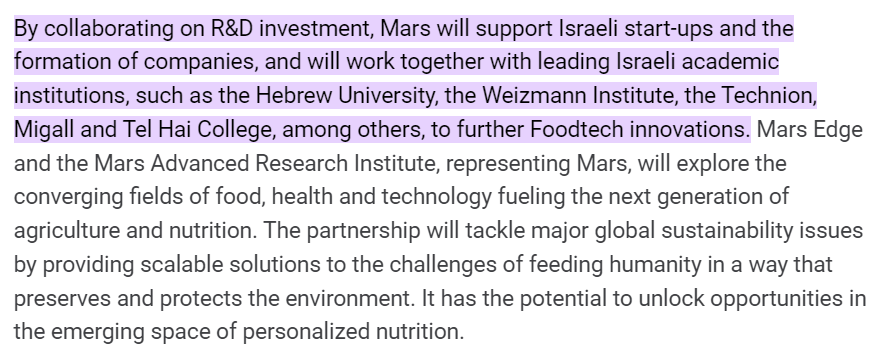
The collaboration between Mars and JVP signifies a groundbreaking initiative aimed at fostering technological advancements in food technology, wellness, agriculture, and nutrition. This alliance, built on a first-of-its-kind research and development agreement in Israel, brings together the expertise of leading academic institutions and signifies a pivotal step towards addressing global challenges in these vital sectors.
Mars Petcare is dedicated to creating a better world for pets, acknowledging their undeniable role in making our world a more enriching place. With a team of 100,000 Petcare Associates, their focus remains on the well-being of the 400 million pets worldwide. This commitment extends across various facets, from enhancing nutrition through renowned brands like PEDIGREE®, WHISKAS®, and ROYAL CANIN®, to providing top-notch medical care through establishments like BANFIELD® Pet Hospitals, VCA®, and AniCura. Beyond immediate care, the associates strive to tackle larger issues, such as reducing pet homelessness and alleviating veterinarian student debt. The Waltham Petcare Science Center acts as a hub of innovation, driving advancements in pet health through nutrition, data, and veterinary care methodologies. This dedication underscores their pursuit of ensuring pets lead healthy, happy lives.
Meanwhile, at Mars Wrigley, the focus is on crafting brands that spread joy and create lasting moments for millions worldwide. The company, with over 34,000 dedicated associates, remains deeply committed to positively impacting the global populace. This commitment extends across their entire product range, spanning from chocolate to chewing gum, featuring iconic favorites like M&M’s®, Snickers®, Twix®, Milky Way®, and Skittles®. Notable endeavors include a substantial $1 billion investment aimed at revolutionizing the cocoa supply chain to benefit smallholder farmers. Additionally, Mars Wrigley has been actively involved in developing more sustainable and resilient mint through advanced plant science while also investing in communities. The company’s “Nourishing Wellbeing” commitment is dedicated to advancing science, innovation, and marketing strategies that enhance the lives of billions, promoting healthier and happier lifestyles. Rigorous testing processes ensure the safety, taste, and quality of their treats, ensuring that their products bring smiles to faces, one piece at a time, echoing the ethos established by Frank C. Mars himself.
Jean-Christophe Flatin, President of Innovation, Science, Technology & Mars Edge at Mars, expressed the company’s dedication to leveraging cutting-edge science and technology to offer consumer-centric products and services. This includes personalized nutrition solutions that cater to individual lifestyles by harmonizing desired food choices with essential nutritional needs.
George Graham, Vice President of Mars Advanced Research Institute, highlighted the eagerness to collaborate with JVP and tap into Israel’s vibrant ecosystem of food, health, and technology. This collaboration is expected to unlock solutions addressing global challenges in the food system, encompassing agri-tech, nutrition, and food security.
This alliance emphasizes Mars’ legacy of scientific excellence, commitment to technological advancements, and a track record of uniting partners to address multifaceted societal issues, particularly those exacerbated by climate change.
Jerusalem Venture Partners (JVP), a prominent international venture capital fund based in Israel, has identified Foodtech as a pivotal sector for future impact. With the global agri-food tech industry witnessing a substantial surge in investments, Israel has seen a burgeoning presence in this ecosystem, hosting over 230 active AgriFood tech startups. JVP’s strategic investment in disruptive technologies within this field further reinforces Israel’s potential to become a global epicenter for Foodtech innovations.
This partnership between JVP and Mars stands as part of JVP’s initiative to transform Israel’s Upper Galilee region into a thriving Foodtech hub. Leveraging Israel’s connections to other global tech hubs, this collaboration aims to propel global dialogues and spearhead solutions for a more sustainable and healthy future.
Mars, with its extensive history and a portfolio of beloved brands, is steering the course towards a more sustainable and innovative future. The partnership with JVP underscores Mars’ commitment to transformative research and development in food, agriculture, and nutrition.
This strategic collaboration not only propels global conversations but also underscores the potential for Israel to emerge as a global epicenter for Foodtech innovations. Mars remains dedicated to shaping the future of consumer products while championing sustainability, health, and well-being. Through pioneering collaborations like the one with JVP, Mars continues its journey towards creating a brighter, healthier future for all.
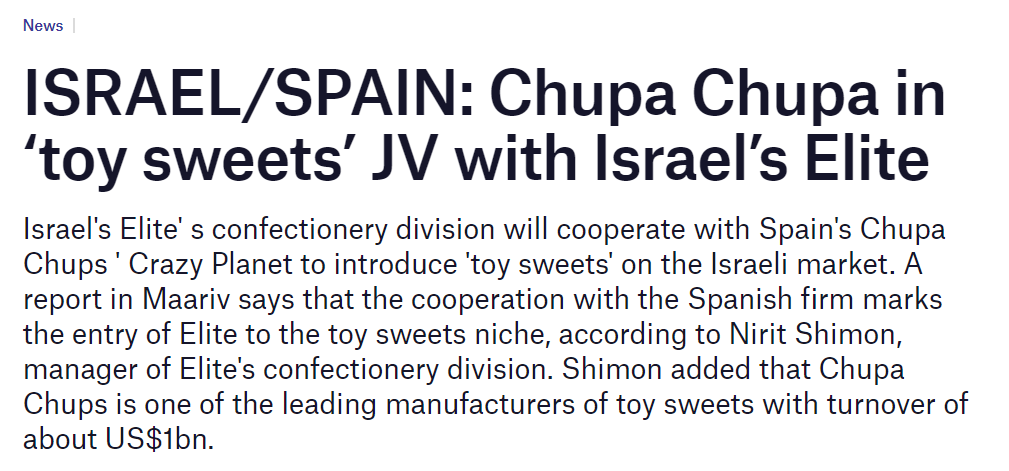
The confectionery industry is witnessing a sweet symphony of collaboration between global giants, as Spain’s Chupa Chups and Israel’s Elite unite to introduce ‘toy sweets’ to the Israeli market. This groundbreaking partnership marks an intriguing evolution within Elite’s confectionery division and signifies Chupa Chups’ strategic foray into Israel, promising a delightful fusion of innovation and quality within the realm of sweet indulgences.
This article delves into the details of this alliance, exploring its implications and the transformative impact it holds for both companies and the Israeli confectionery landscape.
Nirit Shimon, the adept manager overseeing Elite’s confectionery division, emphasized the strategic significance of this alliance, highlighting Chupa Chups’ stature as one of the foremost manufacturers in the realm of toy sweets, boasting an impressive turnover of approximately US$1 billion. The melding of Elite’s local expertise and Chupa Chups’ global prowess promises an infusion of innovation and quality within Israel’s confectionery landscape.
This collaboration arrives at a pivotal juncture for Elite, having recently restructured its confectionery arm into two distinct entities. The bifurcation, delineating one entity for chocolate and sweets and another specifically catering to the broader confectionery domain, delineates a strategic move to bolster their market presence and cater to diverse consumer preferences.
The division focusing on chocolates, sweet snacks, and gift packages underlines Elite’s commitment to delivering premium indulgences to its consumers. Simultaneously, the dedicated confectionery company, concentrating on baking, wafers, cookies, and cakes, signifies a nuanced approach to diversifying their product offerings and catering to varying taste palates.
This alliance between Elite and Chupa Chups not only marks a significant expansion for both entities but also underscores the evolving trends and consumer demands within the confectionery industry. The introduction of ‘toy sweets’ by Elite, in collaboration with the seasoned expertise of Chupa Chups, is poised to capture the imagination of Israeli consumers, offering a fusion of taste, innovation, and novelty.
The strategic synergy between Elite and Chupa Chups propels the confectionery industry in Israel towards a trajectory of growth and adaptation. With Elite’s local market understanding harmonizing with Chupa Chups’ global acumen, this collaboration is poised to set new benchmarks and create a confectionery experience that resonates with the evolving preferences of Israeli consumers.
The collaboration between Elite and Chupa Chups represents not only a strategic business endeavor but a harmonious union of expertise, innovation, and cultural exchange. With Elite’s pivot into the toy sweets niche, guided by the seasoned proficiency of Chupa Chups, the Israeli market stands poised for a confectionery renaissance.
This partnership symbolizes a commitment to evolving consumer tastes, quality, and a shared vision to redefine indulgence. As Elite and Chupa Chups journey forward together, their alliance paves the way for a sweeter, more diverse confectionery experience in Israel, resonating with the evolving desires of consumers and setting new standards within the industry
Amidst the sweetness of its confectionery offerings, Mondelez International, the parent company of globally adored brands like Oreo and Cadbury, has found itself in a nuanced and complex position. Reports of the corporation’s investments in Israeli startups operating in Occupied Palestine have triggered a wave of scrutiny and concern among consumers and activists alike.
This unveiling of corporate connections in a region marked by geopolitical intricacies has sparked a vigorous debate about ethical consumerism and the far-reaching impacts of commercial interests.
Mondelez International’s footprint spans an array of cherished snack brands, including Oreo, Cadbury, Toblerone, and Trident. However, beyond the delectable treats, questions loom about the company’s involvements in regions entangled in geopolitical complexities. Reports suggest the corporation’s investments in Israeli startups operating in Occupied Palestine, thereby entwining itself in the economic landscape of a contentious area. This financial commitment, while seemingly innocuous on the surface, casts shadows of ethical ambiguity and geopolitical implications.
For consumers wary of Mondelez’s potential ties to Occupied Palestine, seeking alternatives to their products becomes a conscientious choice. Exploring options within supermarket own-brand products provides a feasible avenue. Brands available in stores like Aldi and Lidl offer a diverse array of snacks and confectionery choices that allow consumers to align their preferences with their ethical considerations.
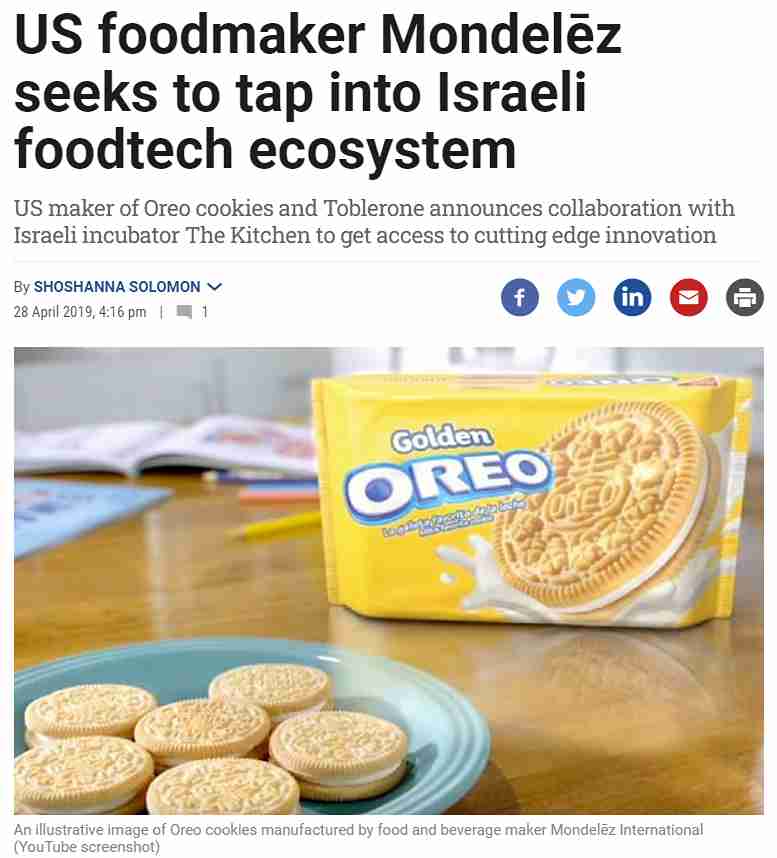
Mondelez’s collaboration with Israeli food tech incubator, The Kitchen, marks a strategic venture aimed at fostering innovation in the snacking sector. This alliance signifies the company’s deepening engagement with Israel’s dynamic innovation ecosystem. While promising technological advancements and entrepreneurial endeavors emerge from such collaborations, they also serve as focal points for ethical deliberation, especially in regions entrenched in geopolitical disputes.
The revelations surrounding Mondelez International’s investments in Israeli startups operating in Occupied Palestine have sparked robust discussions about the ethical dimensions of consumer choices and corporate responsibilities in contentious regions.
As consumers navigate the aisles of global snack giants like Mondelez, the underlying socio-political implications of their purchases become increasingly apparent. The intersection of commerce, ethics, and geopolitical complexities calls for nuanced considerations and conscious decisions as individuals weigh their snacking preferences against broader socio-economic landscapes.
In the intricate landscape of global commerce, the actions of tech conglomerates often intersect with contentious geopolitical conflicts. Amazon, a stalwart in computer technology, has come under scrutiny due to its significant investments in Israel, particularly through Amazon Web Services (AWS).
Amid escalating tensions in the Palestinian territories, the Boycott, Divestment, and Sanctions (BDS) movement has intensified calls for action against corporations perceived to support Israel’s actions. Join us as we delve into Amazon’s involvement, the repercussions of its investments, and the growing discourse surrounding corporate responsibility in contentious geopolitical arenas.
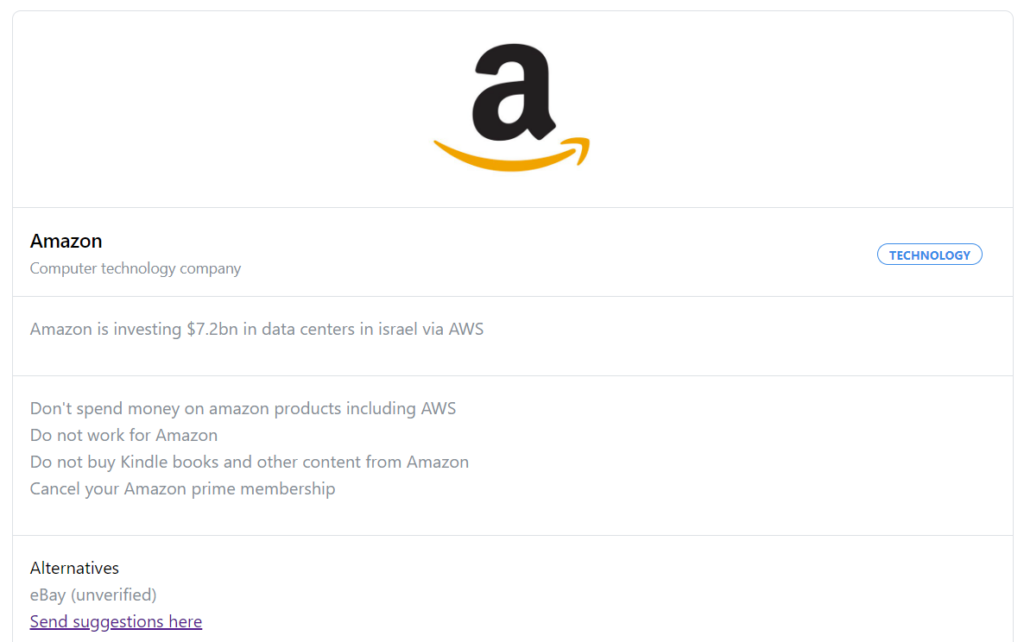
Amazon, a leading force in the realm of computer technology, has recently been embroiled in controversies concerning its investments in Israel, particularly through Amazon Web Services (AWS). The tech giant’s significant investment of $7.2 billion in Israeli data centers via AWS has stirred a wave of backlash, sparking calls for widespread consumer actions and boycotts.
Amidst mounting tensions in the Palestinian territories, the Boycott, Divestment, and Sanctions (BDS) movement, led by the Palestinian BDS National Committee (BNC), has escalated calls for action against corporations involved in Israel’s perceived atrocities. The movement urges individuals to refrain from spending on Amazon products, including AWS, avoid Kindle purchases, cancel Amazon Prime memberships, and avoid working for the company.
For those seeking alternatives, unverified suggestions have been made, including eBay, as a potential alternative to Amazon. However, the BDS movement’s calls primarily focus on exerting pressure through boycotts and divestment from companies seen as complicit in Israeli actions in Gaza.
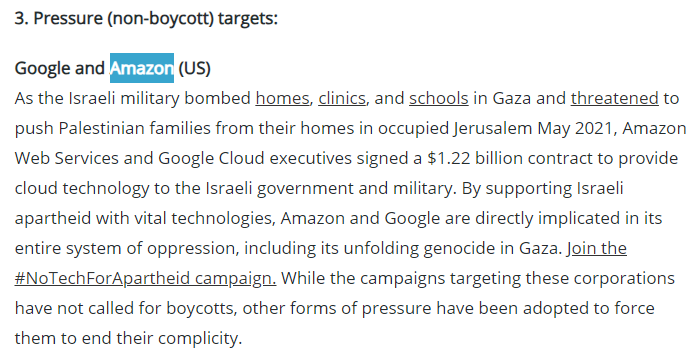
The BDS movement has highlighted Amazon’s collaboration with Google in a $1.22 billion contract providing cloud technology to the Israeli government and military. This direct support, seen as enabling Israel’s actions, has drawn widespread condemnation. Specifically, Amazon’s involvement in Project Nimbus, a cloud services agreement facilitating surveillance and data collection on Palestinians, has stirred outrage within the company itself.
Hundreds of Google employees voiced dissent against the collaboration, expressing concerns over enabling Israeli occupation and unlawful data collection. Amazon’s reported profit from such military-linked contracts, specifically 63% of its profits attributed to AWS in 2020, has fueled accusations of complicity in Israel’s occupation of Palestine.
The allegations against Amazon and Google extend to the support of Israel’s apartheid system, illegal settlements, and violation of Palestinian human rights. The companies’ involvement in projects like Project Nimbus, occurring amidst international condemnation of Israel’s actions, has triggered accusations of turning a blind eye to human rights and international law.
Amidst the corporate involvement, several employees within these tech giants have faced repercussions for their dissent. Ariel Koren, a Google employee vocal about the company’s involvement in controversial projects, allegedly faced retaliation and was reportedly presented with an ultimatum regarding her employment.
Amazon, too, faced scrutiny over worker rights violations and allegations of mistreatment, highlighting a broader concern about profit-driven decisions overshadowing ethical considerations.
The convergence of corporate involvement and geopolitical tensions, as exemplified by Amazon’s investments in Israel, underscores the complex interplay between commerce, ethics, and global conflicts. The BDS movement’s fervent calls for action against corporations tied to Israel’s actions in Palestine have catalyzed discussions about corporate accountability and ethical considerations in consumer choices.
As the debate intensifies, it amplifies the influential role consumers hold in shaping corporate practices and advocating for ethical business conduct. The BDS movement’s efforts serve as a poignant reminder of the intersection between commerce and human rights, emphasizing the need for conscientious decision-making in navigating the intricate web of global commerce and ethical responsibilities.
In the heart of the food industry lies Yum Brands, a global conglomerate renowned for its diverse portfolio of popular restaurant chains. However, beyond the savory delights served at KFC, Taco Bell, and Pizza Hut, Yum Brands’ investments in Israeli startups have spurred a discourse that delves into geopolitical intricacies.
This examination seeks to unravel the complexities surrounding Yum Brands’ involvement in Israeli ventures and its implications within the region.
Yum Brands, with its globally recognized fast-food franchises like KFC, Taco Bell, and Pizza Hut, has expanded its interests to include investments in innovative sectors, notably technology and entrepreneurship. The corporation’s financial backing of Israeli startups underscores its commitment to fostering technological advancements and embracing innovation. However, this involvement raises eyebrows and sparks discussions regarding the implications of corporate investments in regions mired in geopolitical complexities.
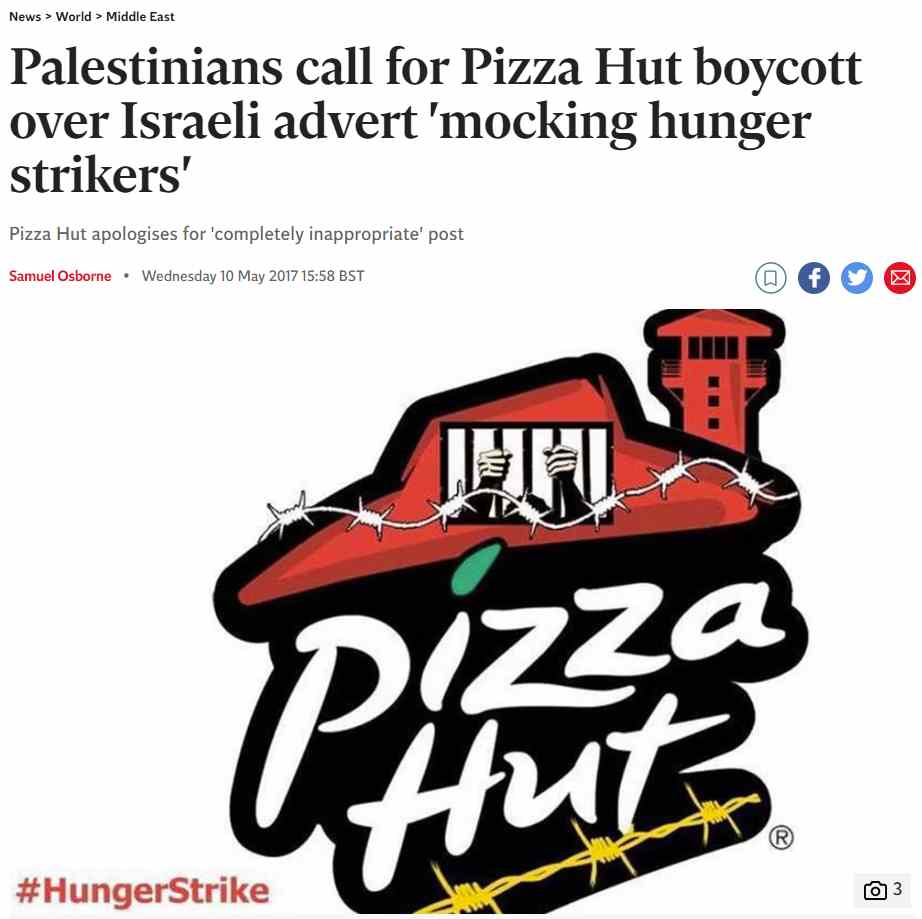
The recent spotlight on Pizza Hut, a subsidiary of Yum Brands, emanates from an advert posted by its Israeli branch that sparked outrage. The advert was perceived as mocking Palestinian hunger strikers, leading to widespread condemnation and calls for boycotts across social media. Pizza Hut’s swift apology and removal of the contentious post emphasized the misalignment of the advert with the brand’s values, but the incident reignited discussions about corporate responsibility amidst sensitive socio-political contexts.
For those seeking culinary alternatives outside Yum Brands’ establishments, patronizing local family-owned businesses emerges as a commendable choice. These enterprises offer not just distinctive cuisines but also contribute significantly to local economies. Choosing to support these establishments provides an opportunity for consumers to engage with their communities while diversifying their gastronomic experiences.
Yum Brands’ investment in Israeli startups reflects its commitment to innovation and entrepreneurial endeavors. However, this association raises pertinent questions about the implications of corporate involvement in regions marked by geopolitical complexities.
As consumers weigh their dining options, embracing local family-owned businesses not only offers diverse culinary pleasures but also champions community-driven enterprises. Understanding the nuanced interplay between corporate investments and local alternatives enriches the dialogue surrounding global food landscapes, enabling individuals to make informed and conscientious dining choices.
Amidst the humanitarian crisis in Israel and Gaza, Sony Group Corporation made headlines by announcing a donation of $2 million to aid organizations in the region.
This gesture, seemingly aimed at alleviating the tragic aftermath of attacks and hostilities, appears incongruous with their recent business endeavors in Israel, which hint at profit-driven motives overshadowing humanitarian concerns.
Sony Corp.’s move to establish the Innovation Growth Ventures (IGV) fund, in partnership with Daiwa Capital Holdings Co., Ltd., to invest in tech startups across Japan, Europe, the U.S., and Israel, raises ethical questions. Despite the ongoing humanitarian crisis, Sony’s pursuit of financial gains by tapping into Israeli startups seems to prioritize business expansion over addressing the pressing humanitarian needs in the region.
Prioritizing Profits over Humanitarian Aid
While Sony’s philanthropic gesture of donating to aid organizations in Israel and Gaza attempts to present a facade of compassion, their simultaneous efforts to foster business ties with Israeli companies paint a conflicting picture. The surge in Japanese investments in Israeli startups and the establishment of numerous offices in Israel, as reported by Elchanan S. Harel, reflects a profit-centric agenda, seemingly indifferent to the region’s humanitarian plight.
The staggering increase in trade between Israel and Japan, excluding diamonds, coupled with Japan’s significant position as an importer of Israeli goods, underscores the economic interests overshadowing the ethical considerations. Sony’s engagement in Israel’s business landscape while the region grapples with ongoing conflicts and humanitarian crises casts a shadow on their commitment to genuine humanitarian aid.
Sony’s dual engagement in both aiding humanitarian causes and pursuing business interests in Israel highlights a stark dichotomy. While their monetary donation attempts to address the immediate aftermath of the crisis, their concerted efforts to invest in Israeli startups and foster trade relations expose a prioritization of profit over genuine humanitarian concerns.
This contradiction raises serious doubts about the authenticity of their humanitarian commitment and underscores the potential ethical compromises made in the pursuit of financial gain. Sony’s involvement in Israel’s business sphere amid ongoing crises serves as a troubling reminder of the often contentious intersection between profit-driven endeavors and genuine humanitarian efforts.
The recent expansion of Lululemon, the renowned Canadian athletic apparel retailer, into the Israeli market has ignited controversy and ethical concerns. The company’s ambitious plans to establish multiple stores in Israel, including in contentious areas like the West Bank, have raised questions about the alignment of their business practices with their professed values.
This article delves into the troubling implications of Lululemon’s move, highlighting the disconnect between their claims of fostering inclusivity and their involvement in a region plagued by apartheid-like policies.
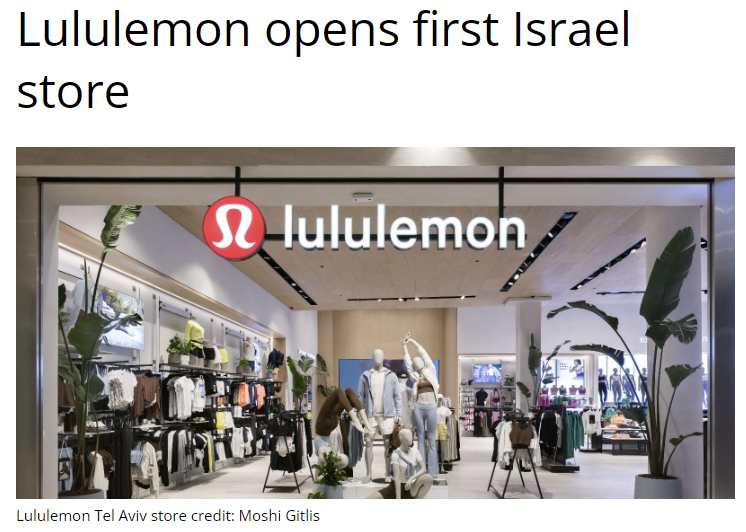
Lululemon’s recent foray into Israel’s market has raised eyebrows and sparked concern over its ethical stance. With the inauguration of its flagship store in the Ramat Aviv Mall in Tel Aviv and ambitious plans for seven more outlets across the country, the Canadian athletic apparel giant seems to have chosen profit over principles.
The haste with which Israeli officials embraced Lululemon’s arrival was notable, with even the Israeli consulate general in Toronto expressing unwavering enthusiasm. However, behind this facade of excitement lies a grim reality – the normalization of a business venture in a region marred by apartheid practices.
Complicity in Unjust Practices
Lululemon’s lofty claims of ‘elevating human potential’ and fostering ‘meaningful connections’ stand in stark contradiction to the harsh reality on the ground. Israel’s policies, particularly in occupied territories like the West Bank and Golan Heights, reek of segregation and oppression. By setting up shop and enabling online purchases to illegal settlements, Lululemon inadvertently becomes complicit in perpetuating these unjust practices.
CEO McDonald’s touted commitment to diversity and inclusion appears hollow when juxtaposed with the company’s expansion into a region embroiled in controversy and human rights violations. The lack of alignment between their proclaimed values and their business decisions in Israel amplifies concerns about the sincerity of their stated commitments.
Moreover, while Lululemon hasn’t explicitly voiced support for Israel’s contentious activities, their silence speaks volumes. Their entrance into the Israeli market without addressing the ongoing concerns and without ensuring that their business practices don’t further endorse or perpetuate oppressive systems is a clear indication of corporate irresponsibility.
The absence of evidence showcasing a direct partnership or support from Lululemon to Israel’s colonial activities in Palestine may shield the company legally, but it doesn’t absolve them of ethical responsibility. In an era where corporations are increasingly held accountable for their global impact, Lululemon’s move into Israel raises legitimate questions about their moral compass.
Lululemon’s entrance into Israel’s market, though a commercial success, poses a significant ethical dilemma. The incongruence between their proclaimed values and their business decisions in this contentious region undermines their credibility and amplifies the normalization of a deeply troubling status quo.
As corporations face increasing scrutiny for their global impact, Lululemon’s move into Israel without addressing the ethical concerns reflects a troubling prioritization of profit over principles. This development serves as a cautionary tale, emphasizing the critical need for businesses to align their actions with the values they profess, especially in regions entangled in socio-political complexities.