Tag: Boycott

  • Cinnabon’s Support for Israel: Examining the Details

    Cinnabon’s Support for Israel: Examining the Details

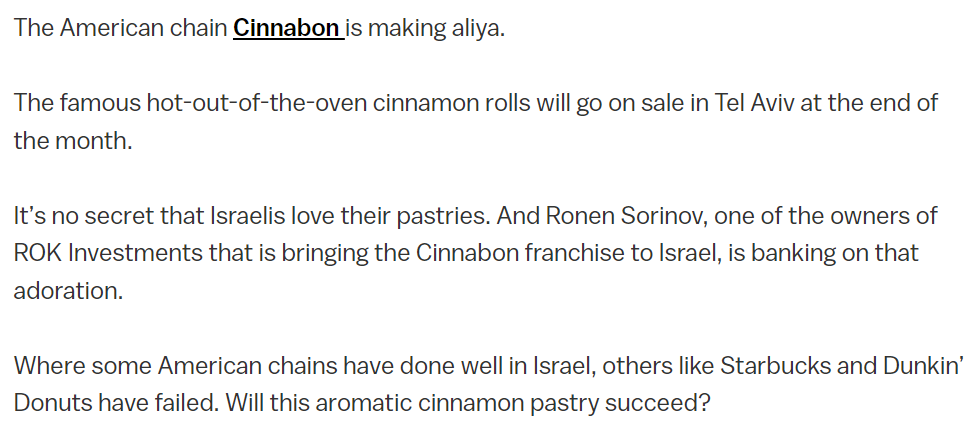
    The anticipation surrounding the arrival of Cinnabon in Tel Aviv is palpable, with promises of delectable cinnamon rolls captivating the locals’ imaginations. Yet, beyond the excitement of indulging in these iconic pastries lies a cloud of ethical ambiguity and controversy.

    As the aroma of freshly baked treats wafts through the air, questions emerge about the brand’s alignment with the complex socio-political landscape of Israel and Palestine. This article delves into the multi-layered concerns surrounding Cinnabon’s partnership in Israel, highlighting the ethical dilemmas and the implications of its arrival amidst regional tensions.
    Cinnabon 1

    Also See: Lidl – Israel Support: What You Need to Know

    Controversy Amidst Sweet Aromas

    The entry of Cinnabon, an American franchise, into Israel’s market has sparked heated debates about its implications. Ronen Sorinov, spearheading the venture through ROK Investments, aims to capitalize on Israelis’ fondness for pastries. But this seemingly innocent business move is shrouded in a cloud of ambiguity and potential ethical conflict.

    While Israelis eagerly anticipate sinking their teeth into these iconic cinnamon rolls, questions loom about the brand’s stance regarding the complex geopolitical landscape. Cinnabon’s silence on issues pertaining to Israel’s activities in Palestine casts a shadow over its newfound presence.

    Despite the enthusiasm for these delectable treats, concerns persist regarding Cinnabon’s lack of explicit support or acknowledgment of the socio-political dynamics in the region. The brand’s conspicuous silence on matters of social responsibility and ethical alignment with Israel’s policies in Palestine raises skepticism.

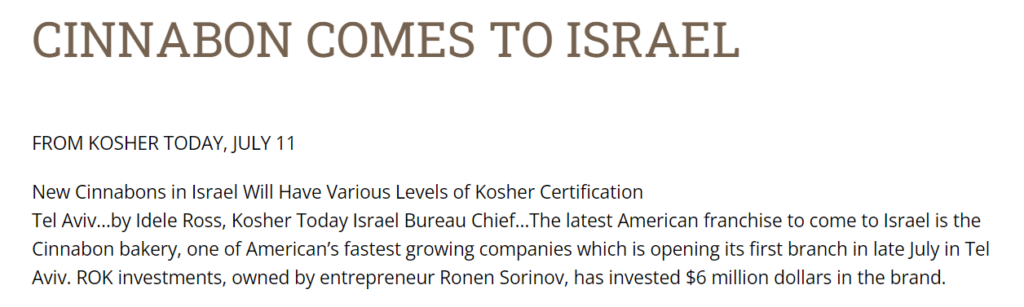
    Even as Cinnabon plans to expand its footprint with multiple branches across Tel Aviv, the absence of any visible commitment to address or support the local communities affected by the conflict remains starkly evident. The claim of a kosher branch on a prominent Tel Aviv road fails to address the broader ethical quandary surrounding the brand’s presence in the region.

    Moreover, the $6 million investment in the brand by ROK Investments raises eyebrows as it deepens the concern about potential complicity with activities that remain contentious on the global stage.
    Cinnabon 2

    Explore More: Is Lancome Supportive of Israel? Explained

    As the aroma of Cinnabon’s cinnamon rolls permeates the streets of Tel Aviv, the unresolved tensions regarding its partnership in Israel persist. The absence of visible support or acknowledgment of the region’s complex socio-political dynamics remains a glaring concern.

    The brand’s arrival, while seemingly innocuous, raises pertinent questions about the ethical responsibility of global franchises operating in regions embroiled in conflicts. Ultimately, the sweetness of Cinnabon’s treats is overshadowed by the bitter undertones of ethical ambiguity and silence in the face of significant socio-political issues.

    This chapter concludes the ethical dilemma surrounding Cinnabon’s presence in Israel, urging a deeper reflection on corporate responsibility amidst geopolitical complexities.


  • Fast Food Chains Aligned with Israel Support

    Fast Food Chains Aligned with Israel Support

    Fast-food chains, widely recognized for their global reach and consumer impact, have come under scrutiny due to their associations, support, or investments linked to Israel.

    The involvement of major chains like McDonald’s, Burger King, Pizza Hut, Starbucks, Taco Bell, KFC, and Popeyes in activities perceived as backing the Israeli Defense Forces (IDF) or engaging in investments in Israel’s business landscape has prompted debates, calls for boycotts, and ethical considerations among consumers and activists.

    1. McDonald’s

    Mcdonald's
    McDonald’s

    McDonald’s Israel’s contributions during the conflict, including donations of meals to security forces, residents, and hospitals, have sparked controversy. Beyond economic contributions, their perceived moral support for the IDF has positioned the chain within discussions regarding indirect backing of Israel.

    2. Starbucks

    Starbucks
    Starbucks

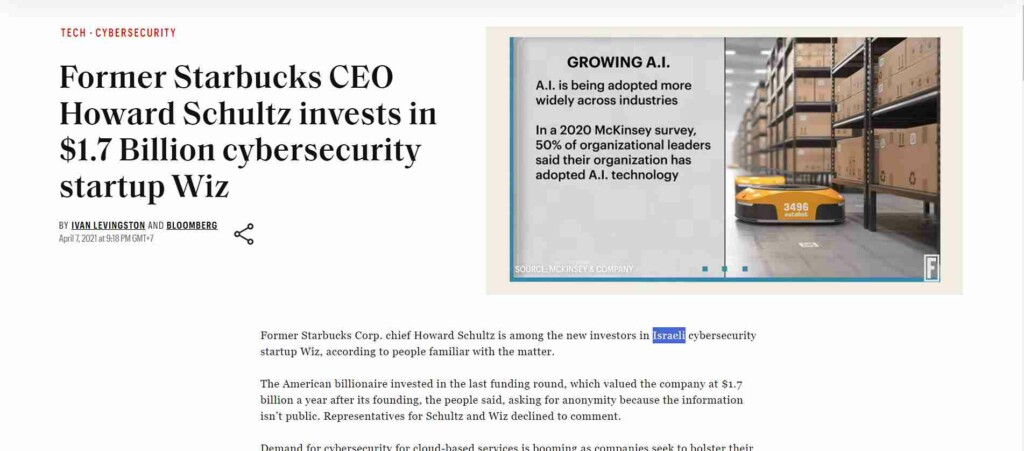
    Howard Schultz, a significant shareholder in Starbucks, is known for his staunch support of Zionism and substantial investments in Israel’s economy. His involvement in the global coffee giant and his dedication to Israel, evidenced by a substantial investment in an Israeli cybersecurity startup, accentuate the chain’s ties to the country.

    See Also: Which Car Companies Show Support for Israel?

    3. KFC

    Kfc
    KFC

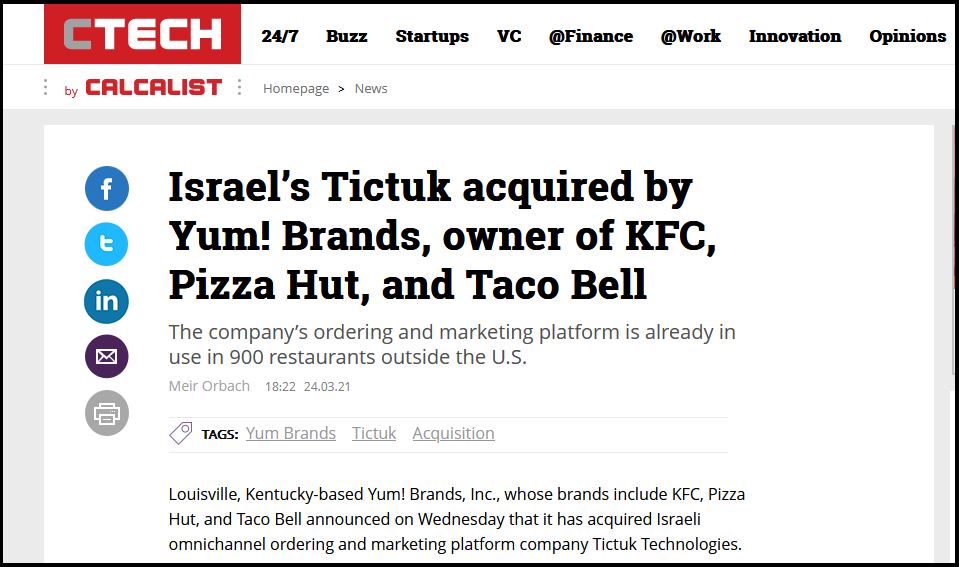
    KFC, an international fast-food chain are under the Yum Brands umbrella, holds affiliations with Israeli startups. This strategic investment in Israel’s thriving entrepreneurial ecosystem has led to conversations about the chain’s indirect associations with Israeli business ventures. The ethical considerations arising from these connections prompt discussions about dining at KFC outlets and seeking employment within the company.

    4. Burger King

    Burger King
    Burger King

    Burger King Israel’s reported provision of free food and drinks to Israeli militants has drawn attention and criticism, leading to discussions about the company’s support for the IDF and its stance within the ongoing discourse on Israel.

    5. Taco Bell

    Taco Bell
    Taco Bell

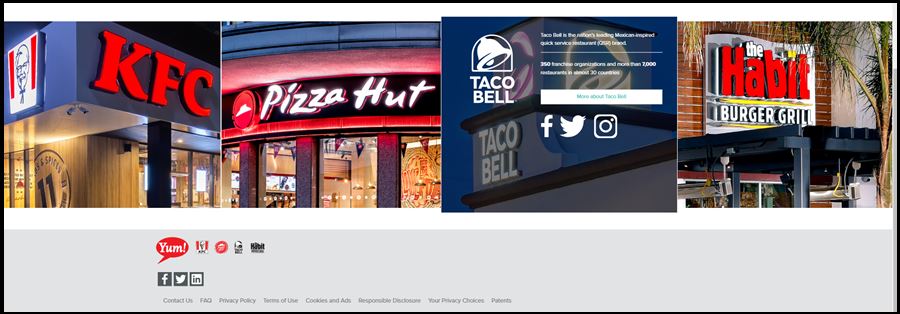
    Taco Bell, operating under the Yum Brands umbrella, has established affiliations with Israeli startups. This strategic investment in Israel’s entrepreneurial landscape has sparked discussions concerning the chain’s indirect connections to Israeli business ventures. These connections have raised ethical considerations among consumers regarding dining at or seeking employment with Taco Bell.

    6. Pizza Hut

    Yum Brands, the parent company of Pizza Hut, has actively invested in Israeli startups, reflecting a strategic interest in Israel’s innovative business landscape. This move aligns with a broader trend of multinational corporations seeking integration of Israeli technologies into their global portfolios.

    See Also: Which Clothing Companies Are Tied to Israeli Affiliations?

    7. Popeyes

    Popeyes, linked as a sister company to Burger King, faces similar scrutiny for its alleged support of the IDF, as indicated in purported Instagram posts providing free food and beverages to Israeli militants. These alleged connections have led to appeals for consumer boycotts and ethical considerations regarding engagement with the chain.

    The involvement of major fast-food chains in activities perceived as supporting the IDF or engaging in investments in Israel’s business landscape has ignited discussions about corporate responsibility, ethical considerations, and consumer activism.

    These chains, deeply embedded in global consumer culture, face increasing scrutiny and calls for accountability due to their perceived ties to Israel and its military activities, amplifying ongoing debates within the broader context of international relations and ethics in corporate engagements.

  • Mobile Apps Linked to Israel Support

    Mobile Apps Linked to Israel Support

    In the modern digital age, mobile applications have become an integral part of daily life, revolutionizing communication, navigation, news consumption, and social interactions.

    However, several prominent mobile apps are intertwined with associations, connections, or support linked to Israel. These apps, while serving diverse purposes, carry implications and connections that resonate with the ongoing discourse surrounding Israel and its policies.

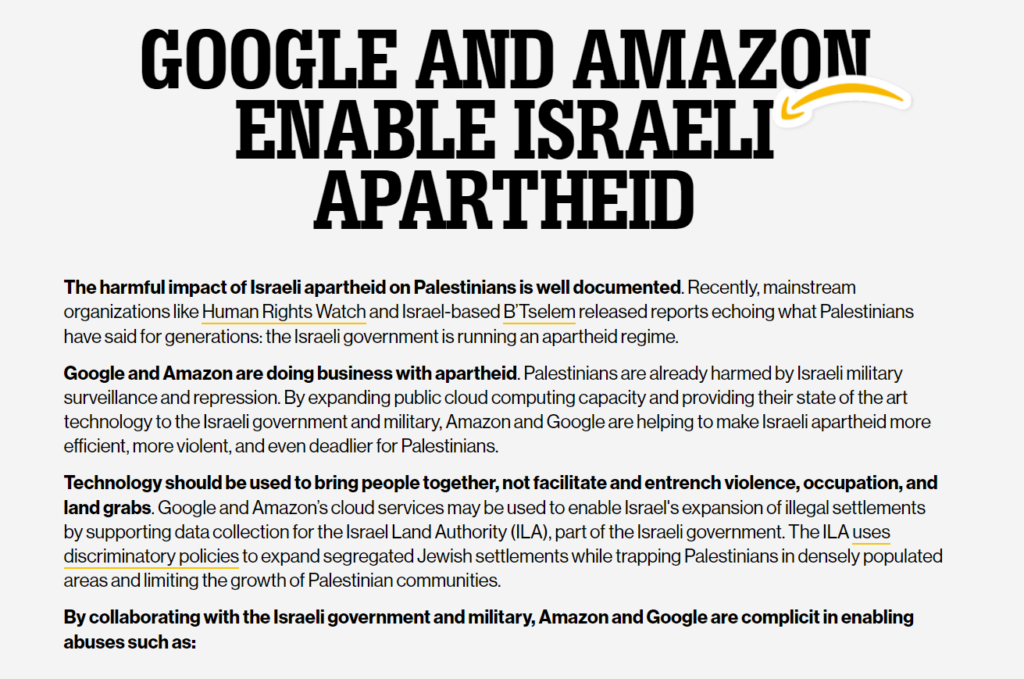
    1. Amazon

    Amazon
    Amazon

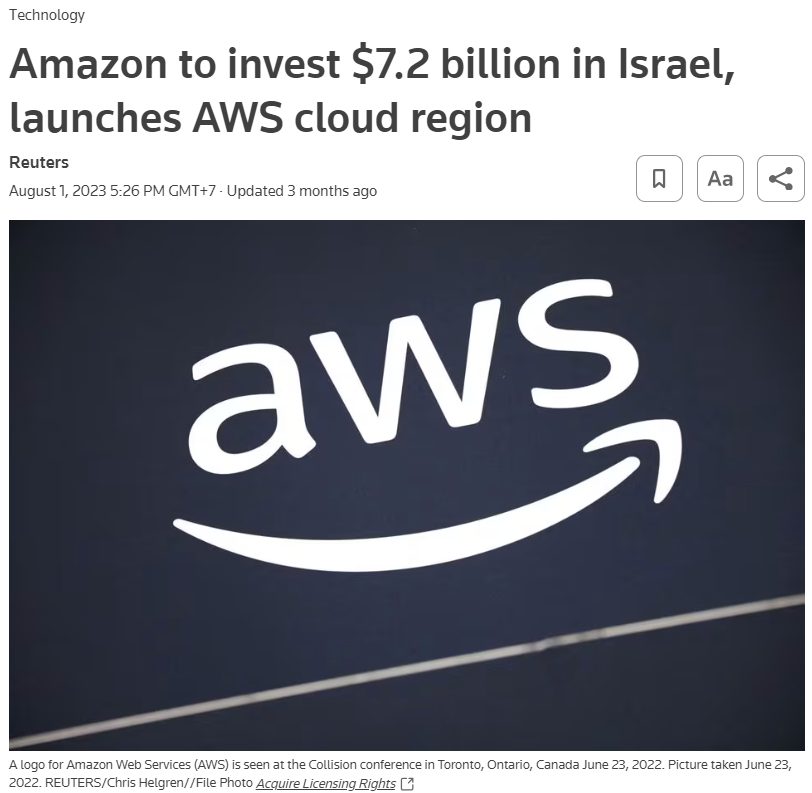
    Amazon, a global e-commerce and tech giant, maintains indirect or direct ties to Israel. Its expansive operations and services, though primarily focused on e-commerce and technological innovations, contribute to the larger discourse on corporate involvements and relationships within Israel.

    2. Google

    Google
    Google

    Google, a tech behemoth known for its search engine, digital services, and technological innovations, also has indirect or direct connections to Israel. Its multifaceted operations and contributions to various industries raise discussions about its corporate relationships and involvements within the Israeli landscape.

    See Also: Fast Food Chains Aligned with Israel Support

    3. Instagram

    Instagram, a popular social media platform owned by Facebook, maintains associations with Israel. Its role in social connectivity and visual storytelling, although under the umbrella of Facebook, adds another layer to discussions surrounding social media’s ties to Israel.

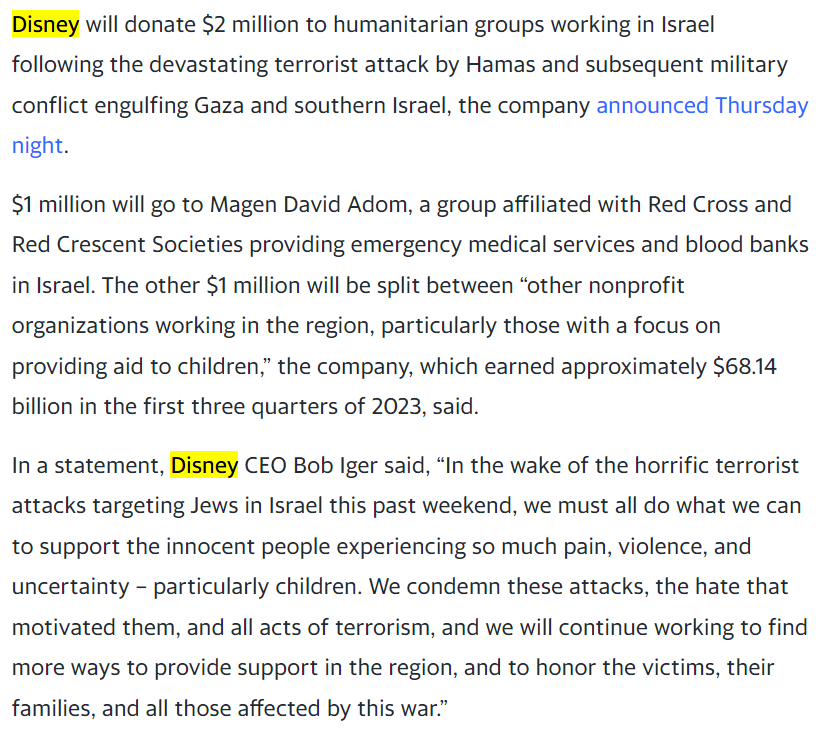
    4. Disney

    Disney
    Disney

    Disney, a globally recognized entertainment conglomerate, also has indirect or direct ties to Israel. Its diverse entertainment operations and engagements contribute to discussions surrounding corporate relationships and affiliations within Israel’s entertainment industry.

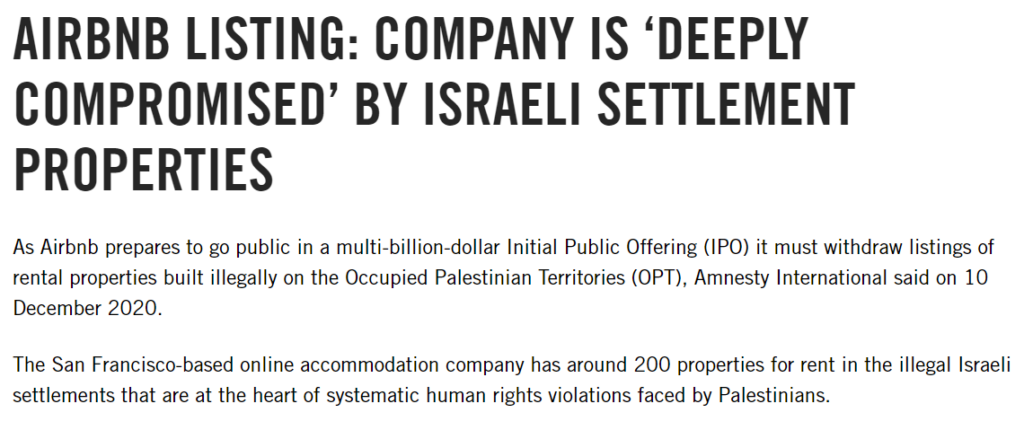
    5. Airbnb

    Airbnb
    Airbnb

    Airbnb, a renowned accommodation rental platform, is associated with Israel. Its impact on travel accommodations and its operational connections contribute to discussions about corporate involvements within the Israeli hospitality and tourism sector.

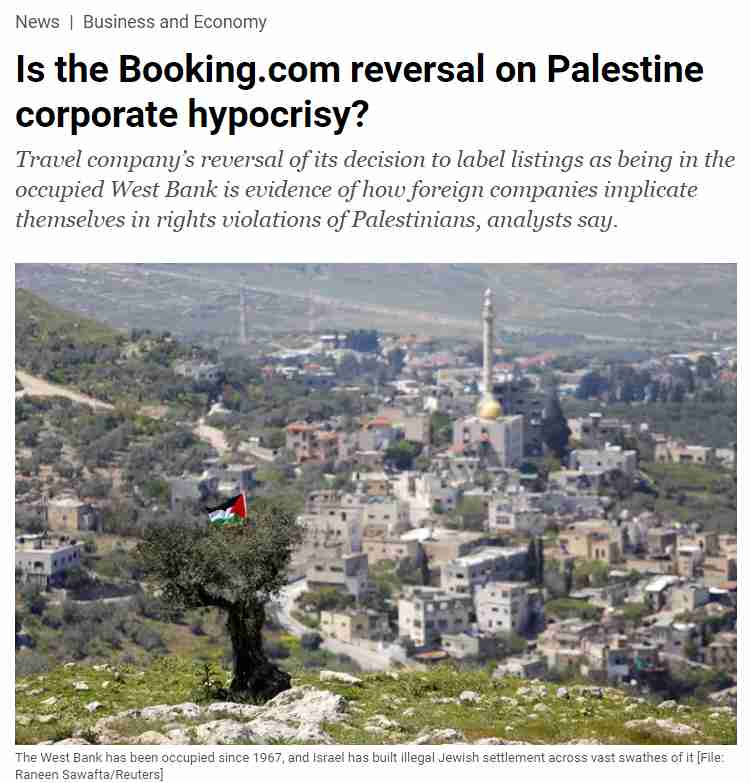
    6. Expedia and Booking.com

    Booking.com
    Booking.com

    Expedia and Booking.com, prominent travel booking platforms, maintain indirect or direct ties to Israel. Their roles in facilitating global travel arrangements and their operations within Israel contribute to the broader discourse on corporate affiliations in the travel and tourism industry related to Israel.

    See Also: Which Car Companies Show Support for Israel?

    7. Zoom

    Zoom, a widely used video conferencing platform, also has indirect or direct ties to Israel. Its role in facilitating global communication and collaboration adds to the discourse on technology companies’ relationships and operations within Israel.

    8. Waze

    Waze, a popular navigation app, was acquired by Google and originated in Israel. Its innovative technology and mapping services have revolutionized GPS-based navigation worldwide. However, its Israeli roots have led to discussions about its connection to the country and the implications of its Israeli development.

    9. Moovit and Gett

    Moovit, a transit and navigation app, and Gett, a ride-hailing service, both originated in Israel. Their success in the global market has raised discussions regarding their Israeli origins and the implications of supporting or utilizing services with such connections.

    10. Haaretz News and MyHeritage

    Haaretz News, a prominent Israeli news outlet, and MyHeritage, a genealogy platform originating from Israel, are additional examples of apps that carry Israeli associations. Haaretz’s coverage and perspectives on Israeli affairs draw attention to the complex narratives and discussions about the country. Meanwhile, MyHeritage’s genealogy services have garnered global interest, reflecting Israel’s contributions to technological advancements in various sectors.

    Facebook’s Engagement and Conversations

    Recent discussions surrounding Facebook and its assessment of the term “Zionist” within its hate speech policies have sparked controversy. The Israeli government’s pressure on social media platforms like Facebook to broaden hate speech policies has raised concerns about censorship and stifling critical conversations regarding Israeli government policies and Zionism.

    The diverse range of mobile apps connected to Israel, directly or indirectly, underscores the multifaceted nature of the support, associations, or origins of these apps.

    While these applications cater to various needs and services globally, their ties to Israel contribute to broader conversations about political ideologies, policies, human rights, and censorship. The evolving discussions around these apps reflect the complexities and nuances of the ongoing discourse regarding Israel’s policies and their implications on global platforms.

  • Oil and Gas Industry’s Backing of Israel

    Oil and Gas Industry’s Backing of Israel

    The oil and gas industry, a global behemoth with immense economic and political influence, has exhibited a strategic and multifaceted relationship with Israel.

    Several major players in this sector, including Chevron, Caltex, and BP plc, have demonstrated significant involvement in Israel’s energy landscape, shaping both economic interests and geopolitical dynamics in the region.

    1. Phillips 66

    Phillips 66
    Phillips 66

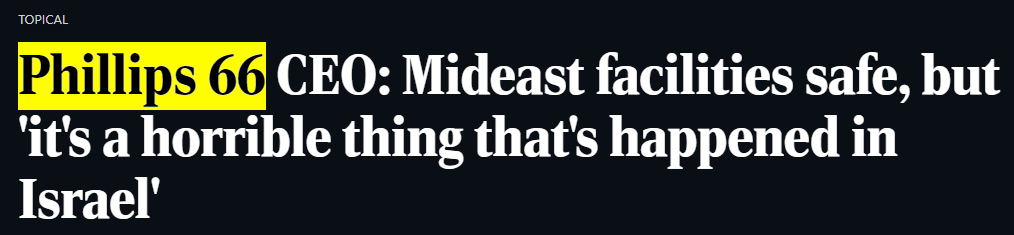
    Phillips 66 CEO Mark Lashier assured the safety of their Middle East facilities amid heightened concerns stemming from the conflict between Israel and Hamas. During a Bartlesville Chamber of Commerce forum, Lashier expressed distress over the situation in Israel, describing it as “horrible.” His sentiments reflected a personal connection, citing business colleagues with ties to Israel, some of whom have homes there and family members serving in the Israeli army.

    2. Chevron

    Chevron
    Chevron

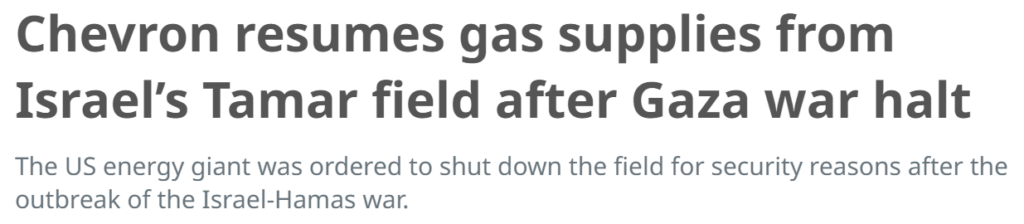
    Chevron, a multinational energy corporation, has made notable strides in Israel’s energy sector. The company’s presence and investments in Israel’s offshore natural gas fields, particularly the Leviathan and Tamar gas fields, underscore its active participation in the nation’s energy development. Chevron’s strategic partnerships and investments in these fields align with Israel’s ambitions for energy independence and export capabilities, enhancing the country’s position as a key player in the Eastern Mediterranean’s energy market.

    See Also: Mobile Apps Linked to Israel Support

    3. BP

    Bp
    BP

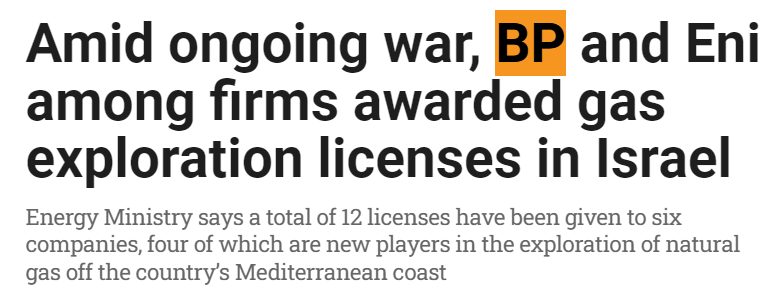
    BP, a global energy company, has also made significant inroads into Israel’s energy sector. Its strategic partnerships and investments in Israel’s natural gas exploration and production activities, including collaborations in offshore gas fields like Leviathan, underscore its commitment to the country’s energy development. BP plc’s involvement aligns with Israel’s pursuit of leveraging its energy resources for economic growth and regional influence.

    4. Caltex

    Caltex, another prominent player in the oil and gas industry, has maintained a strategic interest in Israel’s energy landscape. While not as conspicuous as some other industry giants, Caltex’s involvement in Israel’s energy sector, particularly in terms of oil and gas exploration and distribution, reflects the industry’s broader engagement in the nation’s energy market.

    See Also: Fast Food Chains Aligned with Israel Support

    The involvement of major oil and gas companies like Chevron, Caltex, and BP plc in Israel’s energy sector represents a significant facet of the nation’s energy landscape. Their strategic partnerships, investments, and contributions to Israel’s exploration and production activities underline the importance of the country’s energy resources in the global market.

    Moreover, the oil and gas industry’s backing of Israel’s energy endeavors contributes to the nation’s energy security and economic ambitions. The development of natural gas fields like Leviathan and Tamar not only strengthens Israel’s energy independence but also positions the country as a potential regional energy hub, altering the geopolitical dynamics in the Eastern Mediterranean.

    As global energy demand and competition continue to evolve, the strategic involvement of these oil and gas giants in Israel’s energy sector reaffirms the importance of this region as a significant player in the global energy landscape. The interplay between economic interests, energy security, and geopolitical influences underscores the complexities and implications of the oil and gas industry’s support for Israel’s energy ambitions.

  • Weapons Companies Involved in the Israeli-Palestinian Conflict

    Weapons Companies Involved in the Israeli-Palestinian Conflict

    In the international arena, numerous corporations find themselves engaged in supporting militaries and governments, leading to scrutiny for their involvement in conflicts.

    Companies specializing in arms manufacturing and military hardware supply face ethical dilemmas due to their contributions to global conflicts, notably in the Israeli-Palestinian context. Here, we delve into details about such companies and their controversial roles, prompting individuals to reconsider their affiliations and explore alternative career paths.

    1. Boeing

    Boeing
    Boeing

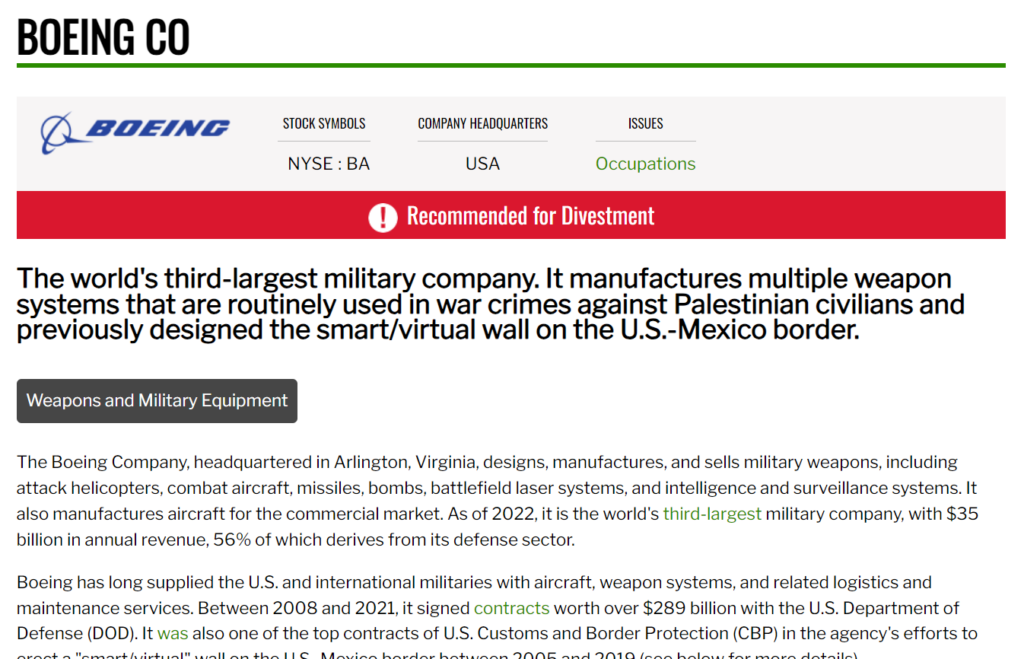
    A major player in aerospace and military products, Boeing has played a substantial role in enhancing Israel’s military capabilities by providing various armaments, such as Hellfire missiles, F-15 Eagle fighter jets, and Apache helicopters. For those contemplating career opportunities, it’s recommended to avoid seeking employment with Boeing.

    2. Lockheed Martin

    Lockheed Martin
    Lockheed Martin

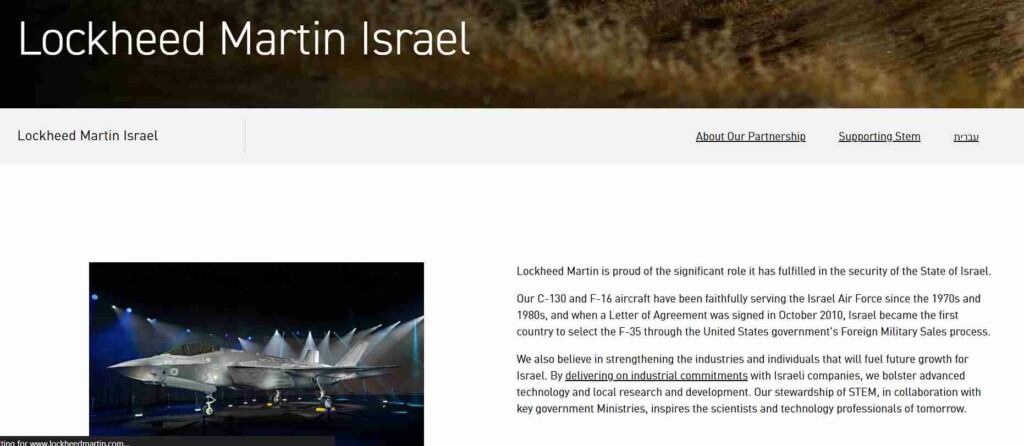
    As the world’s largest American weapons manufacturer, Lockheed Martin collaborates with the IDF, supplying significant military hardware, including F-16 and F-35 fighter jets. As a precautionary measure, individuals may want to refrain from seeking employment with Lockheed Martin.

    See Also: Boycott Alert: Tech Companies in Support of Israeli Occupation

    3. BAE Systems

    Bae Systems
    BAE Systems

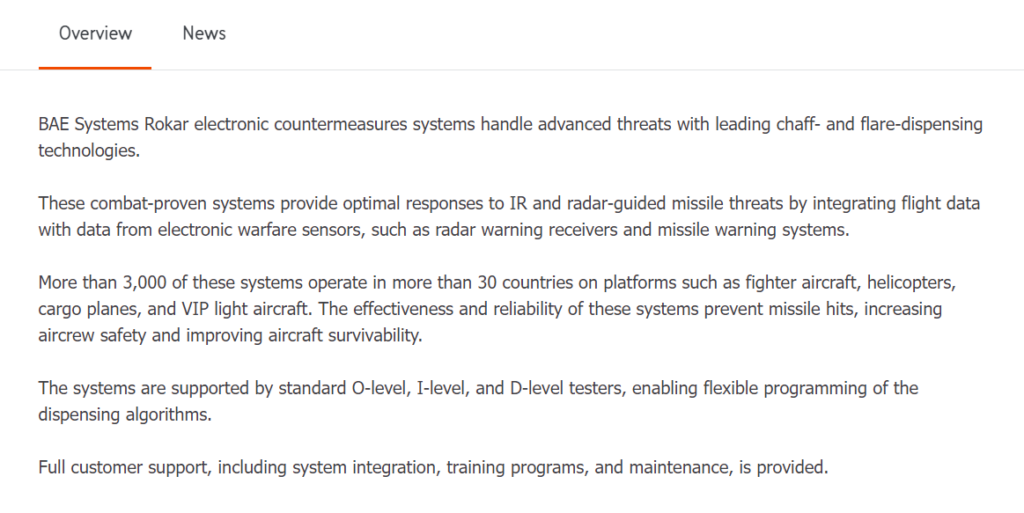
    Headquartered in the UK, BAE Systems is a significant weapons manufacturer supplying various military hardware to the Israeli Air Force, including crucial components for the F-35 fighter jet. Given its role in facilitating military operations, individuals are advised to think twice before considering employment with BAE Systems.

    4. Raytheon

    Raytheon
    Raytheon

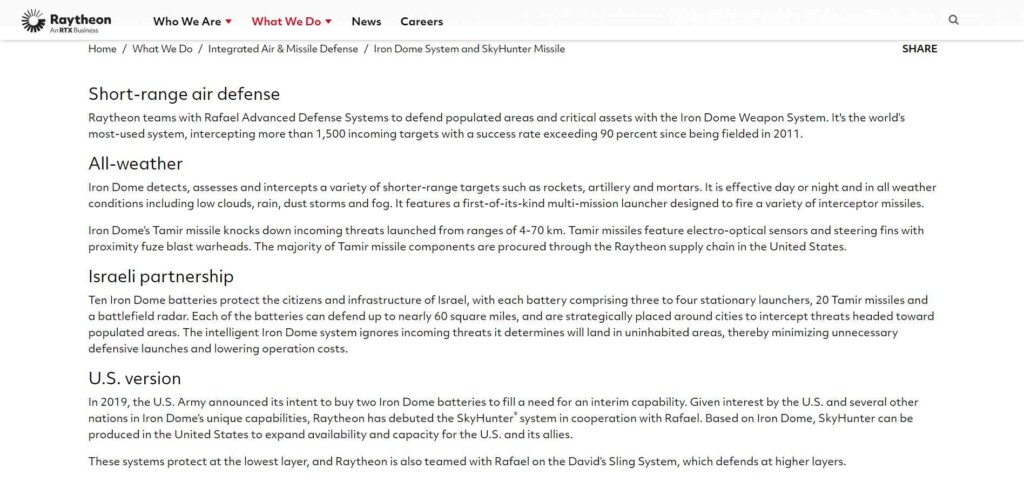
    A company specializing in military and defense systems, Raytheon’s provision of the Iron Dome system to the IDF has raised concerns due to its implications in the Israeli-Palestinian conflict. It’s advisable not to pursue job opportunities with Raytheon considering their contributions to this conflict.

    5. MBDA

    Mbda
    MBDA

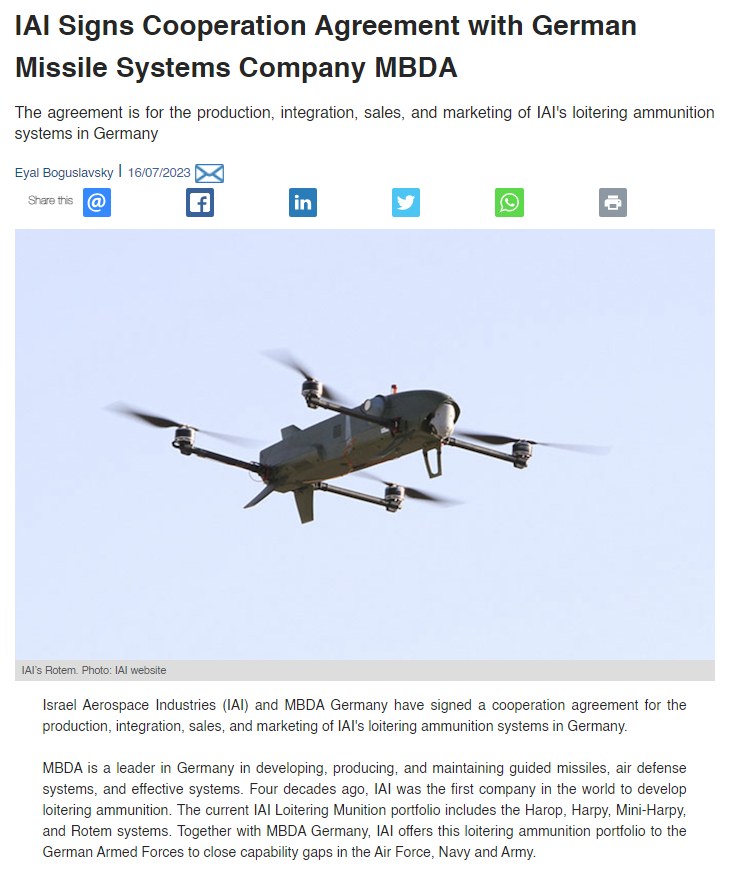
    Operating from the UK, MBDA’s cooperation agreement with Israel Aerospace Industries (IAI) for the production and marketing of IAI’s ammunition systems in Germany raises ethical concerns. Prospective job seekers are advised against considering employment with MBDA.

    6. Elbit Systems

    Elbit Systems
    Elbit Systems

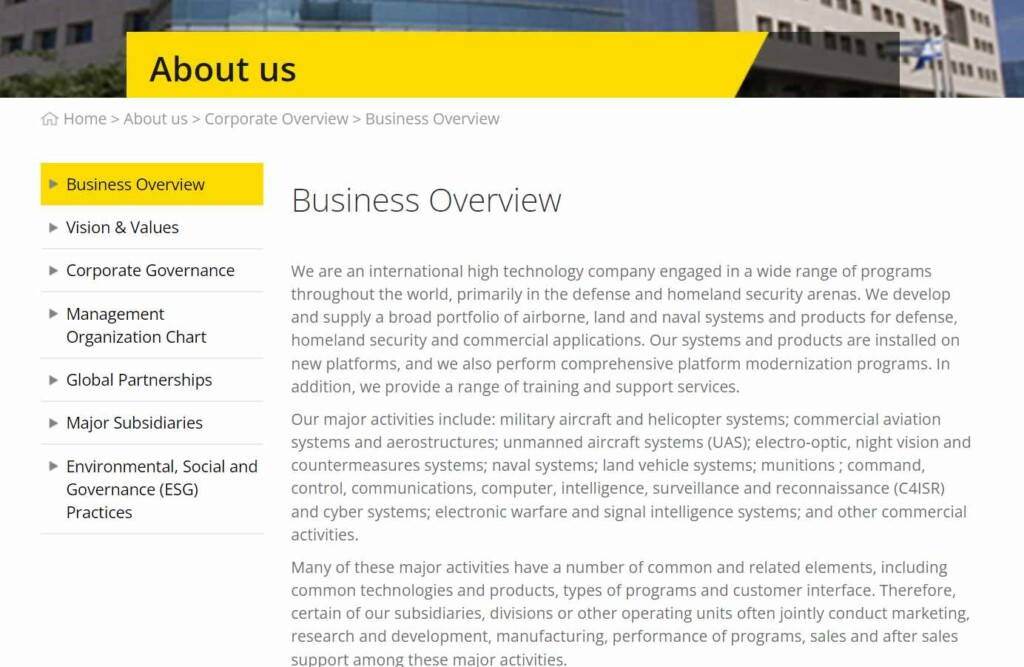
    Located in Haifa, Israel, Elbit Systems manufactures drones implicated in actions against Palestinian civilians. Due to their involvement in developing drones used in harmful military operations, potential job seekers are discouraged from considering employment with Elbit Systems.

    See Also: List of Celebrities that Signed an Open Letter to Support Israel

    The global arms industry’s involvement in geopolitical conflicts, especially in the Israeli-Palestinian context, highlights the intricate ethical challenges faced by employees or potential job seekers.

    Corporations like BAE Systems, Boeing, Elbit Systems, Lockheed Martin, MBDA, and Raytheon, contributing military hardware or systems to support the IDF, prompt concerns. Considering the ethical implications, refraining from seeking employment in such organizations becomes a conscientious choice for individuals exploring opportunities in these industries.

  • Supermarket Companies that Supports Israel

    Supermarket Companies that Supports Israel

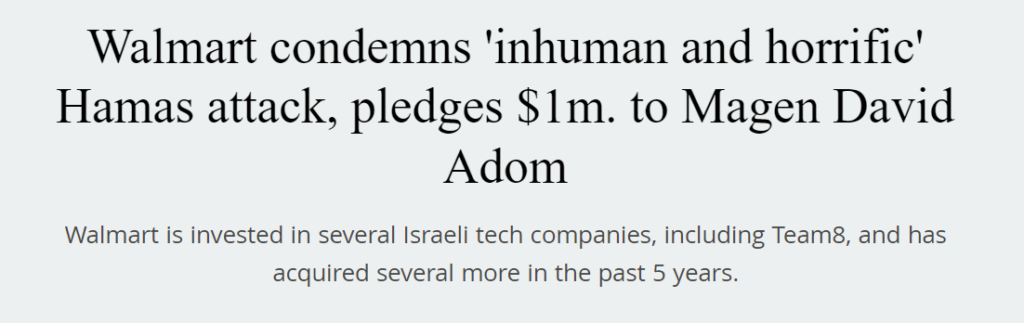
    In the global retail landscape, Walmart emerges as a major player. However, recent developments surrounding the Israeli-Palestinian conflict have brought the company into the spotlight.

    While Walmart promptly expressed support for Israeli victims and condemned Hamas, criticism has arisen due to the absence of donations to aid those affected in Gaza. This has sparked discussions about boycotting Walmart, with advocates urging individuals to reconsider their association with the corporation.

    See Also: Weapons Companies Involved in the Israeli-Palestinian Conflict

    1. Walmart

    Walmart
    Walmart

    As one of the largest retail corporations globally, Walmart’s actions during the Israeli-Palestinian conflict have garnered attention. While the company swiftly pledged $1 million to Israeli victims and condemned Hamas, some critics highlight the absence of donations to charities aiding Gaza victims. This criticism has led certain groups to call for a boycott of Walmart, emphasizing a reconsideration of supporting the company through consumer choices and employment.

    See Also: Boycott Alert: Tech Companies in Support of Israeli Occupation

    Navigating international conflicts is a delicate challenge for businesses. Walmart’s contrasting responses, offering support to Israeli victims while facing scrutiny for not aiding those affected in Gaza, have ignited controversy.

    The resulting call for consumers to avoid Walmart and reassess their employment choices with the retail giant underscores how corporate actions in global conflicts can significantly influence public perceptions and behaviors.

  • Pharmaceutical Companies Affiliated with Israel

    Pharmaceutical Companies Affiliated with Israel

    In the global market, the supply chain links and associations of pharmaceutical companies are facing scrutiny due to their investments in regions entangled in geopolitical conflicts.

    Companies such as Bayer Pharmaceuticals, Sudocrem under Teva, and Teva Pharmaceuticals, celebrated for their medical contributions, are now raising concerns regarding their involvement in Israel and Occupied Palestine. This has prompted a call for consumers and healthcare professionals to reconsider their support and prescriptions, taking into account the broader implications of their purchases.

    1. Pfizer

    Pfizer
    Pfizer

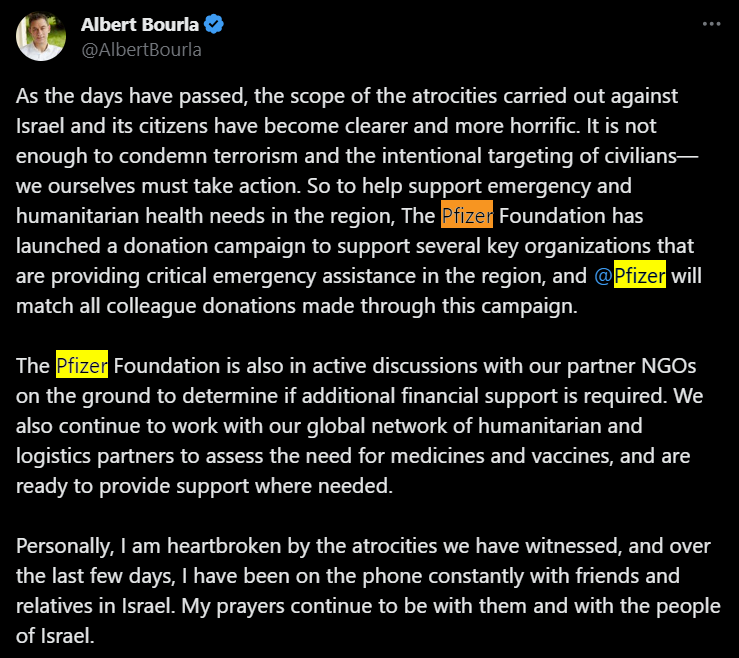
    With a growing awareness of the atrocities against Israel and its citizens, Pfizer acknowledges the need for action beyond condemnation. The Pfizer Foundation has initiated a donation campaign to support emergency and humanitarian health needs in the region, with a commitment to match all colleague donations made through this campaign. The foundation is actively engaged with partner NGOs to assess additional financial support requirements and collaborate on providing medicines and vaccines. The company’s leadership expresses personal heartbreak over the witnessed atrocities and maintains solidarity with the people of Israel.

    2. Bayer Pharmaceuticals

    Bayer Pharmaceuticals
    Bayer Pharmaceuticals

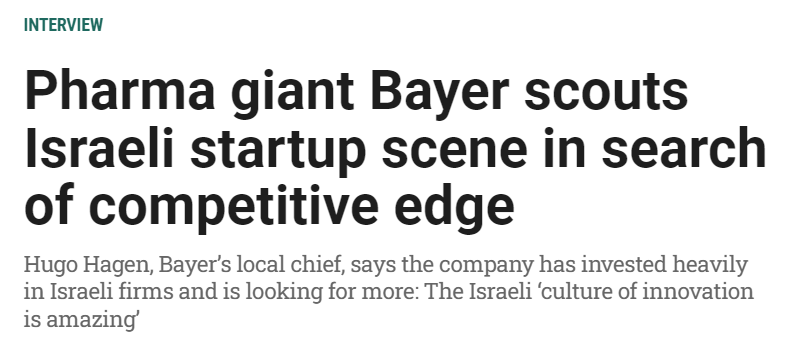
    A renowned pharmaceutical manufacturer based in Germany, Bayer Pharmaceuticals is under scrutiny for its investments in Israel. Consumers, sellers, and healthcare professionals are urged to steer clear of buying, selling, or prescribing Bayer Pharmaceuticals products. A cautious approach, including a review of product details on packaging before purchase, is recommended for making informed decisions regarding over-the-counter medications.

    See Also: Supermarket Companies that Supports Israel

    3. Merck

    Merck
    Merck

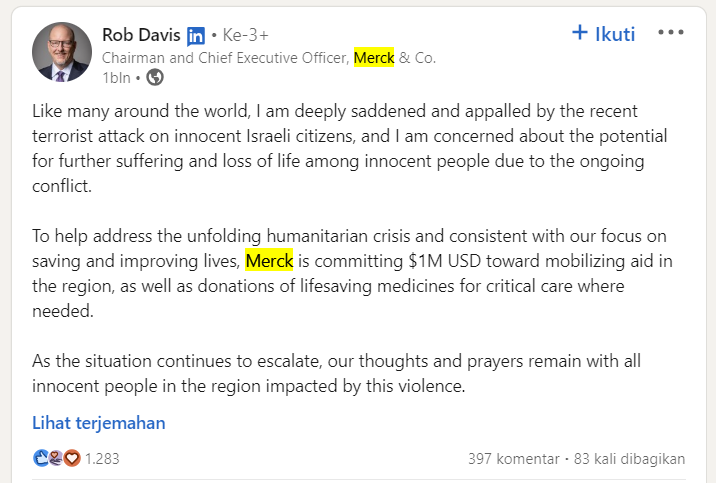
    In response to the recent terrorist attack on innocent Israeli citizens and the escalating humanitarian crisis, Merck expresses deep sadness and concern. To contribute to addressing the situation, Merck is committing $1 million USD towards mobilizing aid in the region and providing donations of lifesaving medicines for critical care. As the conflict unfolds, the company extends thoughts and prayers to all innocent people in the region affected by the violence.

    4. Teva Pharmaceuticals

    Teva Pharmaceuticals
    Teva Pharmaceuticals

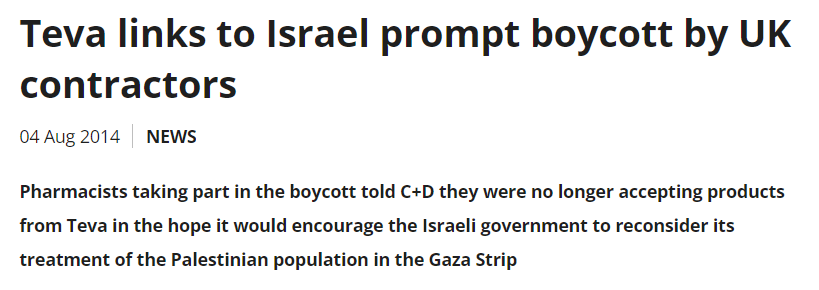
    A significant pharmaceutical company, Teva Pharmaceuticals’ operations in Occupied Palestine have led to calls to refrain from purchasing, selling, or prescribing its products. While many Teva items are generic drugs, healthcare practitioners are encouraged to explore suitable alternative brands in their prescriptions after carefully reviewing product information on the packaging.

    5. Sudocrem

    Sudocrem
    Sudocrem

    Owned by the Israeli pharmaceutical giant, Teva, Sudocrem raises concerns due to Teva Pharmaceuticals operating in Occupied Palestine. Guidance for consumers and sellers is to abstain from purchasing or selling Sudocrem products.

    See Also: Weapons Companies Involved in the Israeli-Palestinian Conflict

    The affiliations between pharmaceutical companies like Bayer Pharmaceuticals, Sudocrem, and Teva Pharmaceuticals with regions like Israel and Occupied Palestine are prompting ethical considerations for both consumers and medical practitioners.

    By scrutinizing purchases, adopting informed buying practices, and considering alternative products, individuals can make conscientious choices aligned with their principles regarding global socio-political situations. The decision to refrain from supporting these entities is a personal one, highlighting a deeper awareness of the intricate global intersections of commerce and humanitarian issues.

  • Luxury Companies Affiliated with Israeli Investments

    Luxury Companies Affiliated with Israeli Investments

    In the contemporary global market, the ethical dimensions of the companies driving our consumer choices are gaining increasing importance. LVMH, spearheaded by Bernard Arnault, oversees prestigious luxury brands such as Hublot, TAG Heuer, and Tiffany & Co.

    However, this luxury conglomerate has been linked to substantial investments in Israeli companies, raising concerns. This association prompts individuals to reconsider their involvement with these luxury brands, considering the ethical implications tied to their financial activities.
    1. Chanel

    Chanel
    Chanel

    Chanel, a luxury fashion house, faced criticism for its stance condemning attacks on Israel while remaining silent on Gaza, alongside a substantial pledge made in Chanel’s name. To respond, avoiding the purchase of any Chanel products and steering clear from selling them is suggested. Professional involvement with Chanel is also discouraged.

    2. Tiffany & Co.

    Tiffany & Co.
    Tiffany & Co.

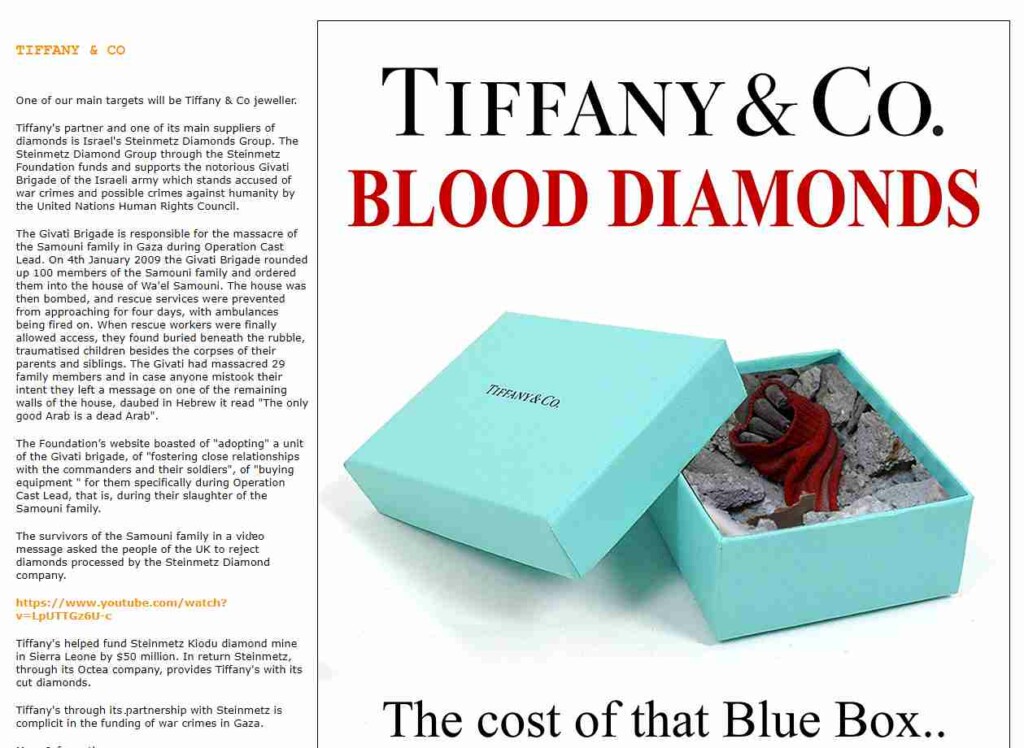
    Owned by Bernard Arnault’s LVMH, Tiffany & Co. is entwined in considerable investments in Israeli companies. In response to these financial ties, it is suggested to refrain from buying or selling Tiffany & Co. products and to avoid professional associations with Tiffany & Co. or LVMH.
    See Also: Pharmaceutical Companies Affiliated with Israel

    3. TAG Heuer

    Tag Heuer
    TAG Heuer

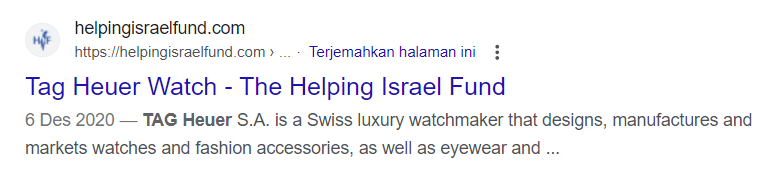
    As a part of Bernard Arnault’s LVMH, TAG Heuer, another luxury watch brand, is associated with substantial investments in Israeli companies. To express disapproval of these investments, it is advisable to avoid purchasing or selling TAG Heuer products and to steer clear of affiliations with TAG Heuer or LVMH.

    4. Hublot

    Hublot
    Hublot

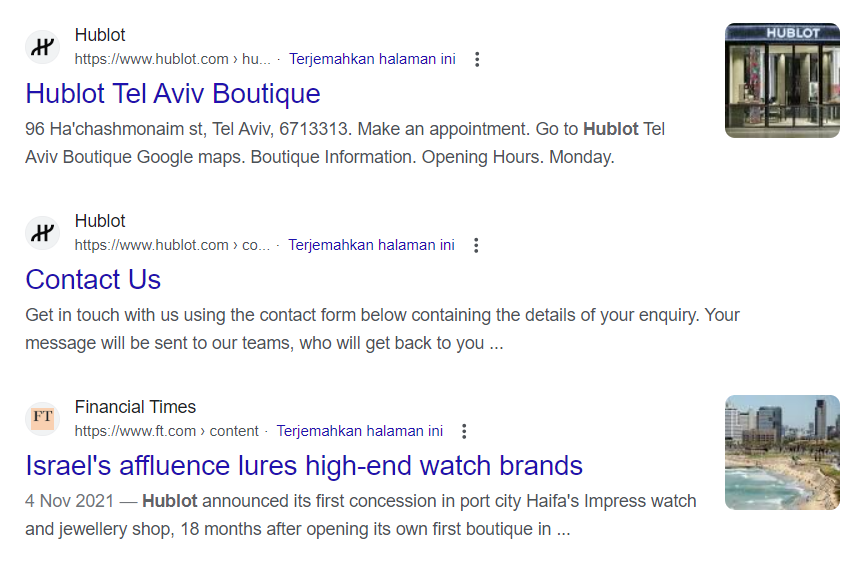
    Under the leadership of Bernard Arnault’s LVMH, Hublot, a luxury watch brand, is connected to significant investments in Israeli companies. To maintain ethical alignment, it is recommended to refrain from buying or selling Hublot products and to avoid professional engagements with Hublot or LVMH.
    See Also: Supermarket Companies that Supports Israel

    Decisions related to our purchases, sales, and professional associations carry weight beyond the products or companies themselves. Luxury brands under Bernard Arnault’s LVMH, such as Hublot, TAG Heuer, and Tiffany & Co., maintain financial connections with Israeli companies.

    By choosing to abstain from buying, selling, or professionally affiliating with these brands, individuals can align their choices with ethical considerations and make a statement regarding these financial connections.

  • Insurance Companies with Ties to Israel’s Arms Trade

    Insurance Companies with Ties to Israel’s Arms Trade

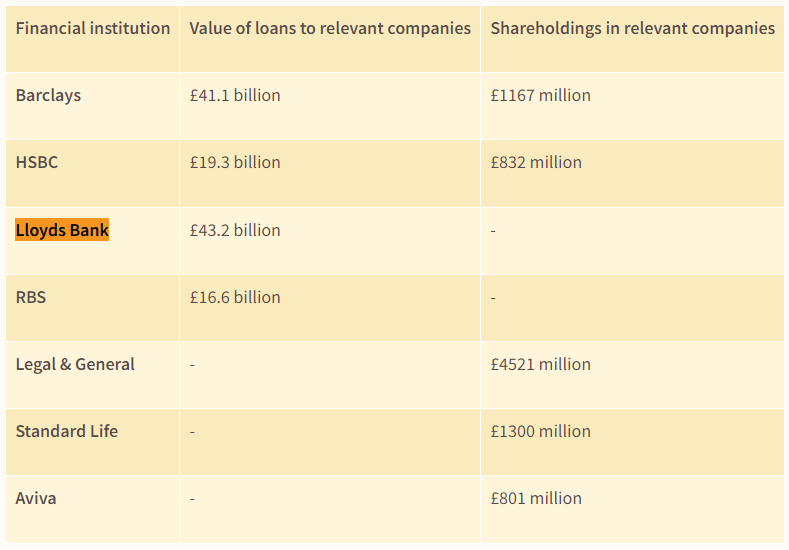
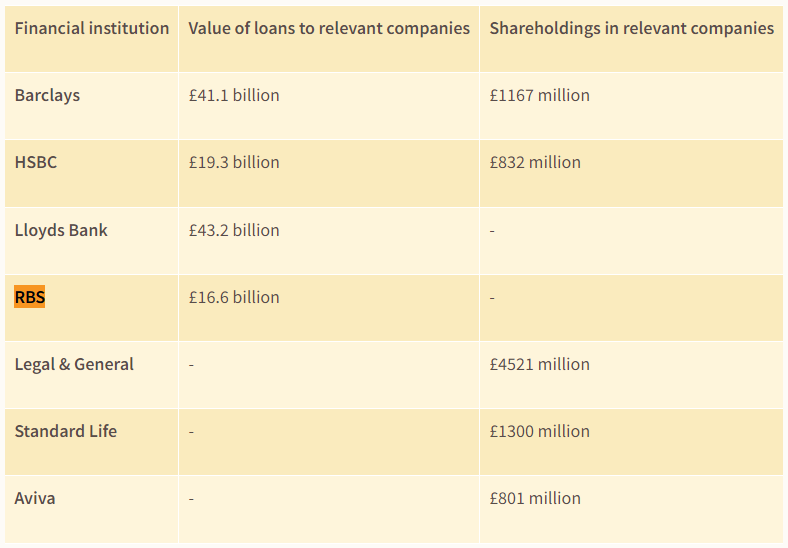
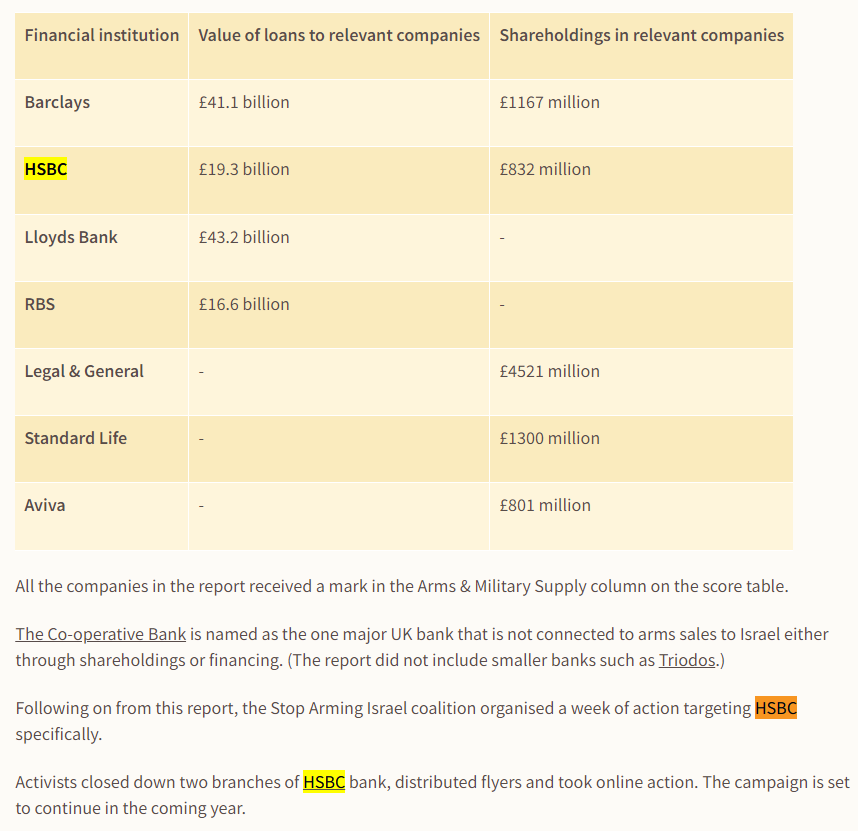
    In the contemporary global financial landscape, a multitude of multinational corporations and banks find themselves entwined in investments associated with the sale of arms and military equipment to Israel. These involvements pose ethical dilemmas, especially concerning the oppression of Palestinians.

    An in-depth exploration of these entities unveils a network of connections that can impact consumer choices, investment decisions, and professional engagements. Let’s delve into these insights to navigate conscientious decision-making across banking, insurance, retail, and corporate investments.

    1. HSBC

    Hsbc
    HSBC

    A significant multinational bank, HSBC’s investments in companies selling arms to Israel raise ethical concerns about Palestinian oppression. Closing HSBC accounts, including credit cards or lending options, and avoiding banking with HSBC are prudent steps. Reconsidering employment with HSBC is also advisable.

    2. Barclays

    Barclays
    Barclays

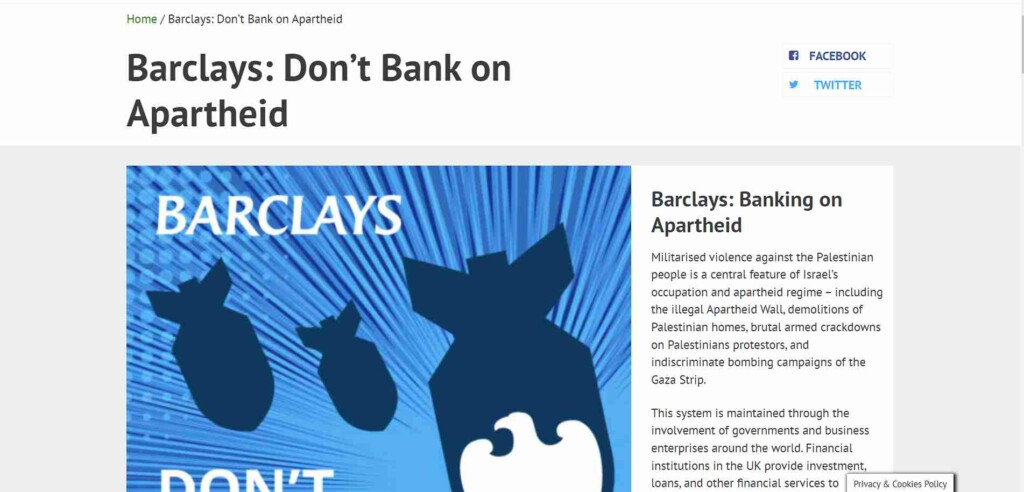
    A multinational bank heavily invested in companies selling arms to Israel, Barclays’ practices raise ethical red flags. Closing Barclays accounts, including any lending options or Barclaycards, is a suggested action. Furthermore, avoiding employment at Barclays is a choice worth considering.

    See Also: Luxury Companies Affiliated with Israeli Investments

    3. Lloyds Bank

    Lloyds Bank
    Lloyds Bank

    Lloyds’ investments in companies selling arms to Israel prompt ethical concerns. Closing Lloyds accounts, including credit cards and lending options, is a recommended action. Avoiding banking with Lloyds and reconsidering employment there are sensible choices.

    4. AXA

    Axa
    AXA

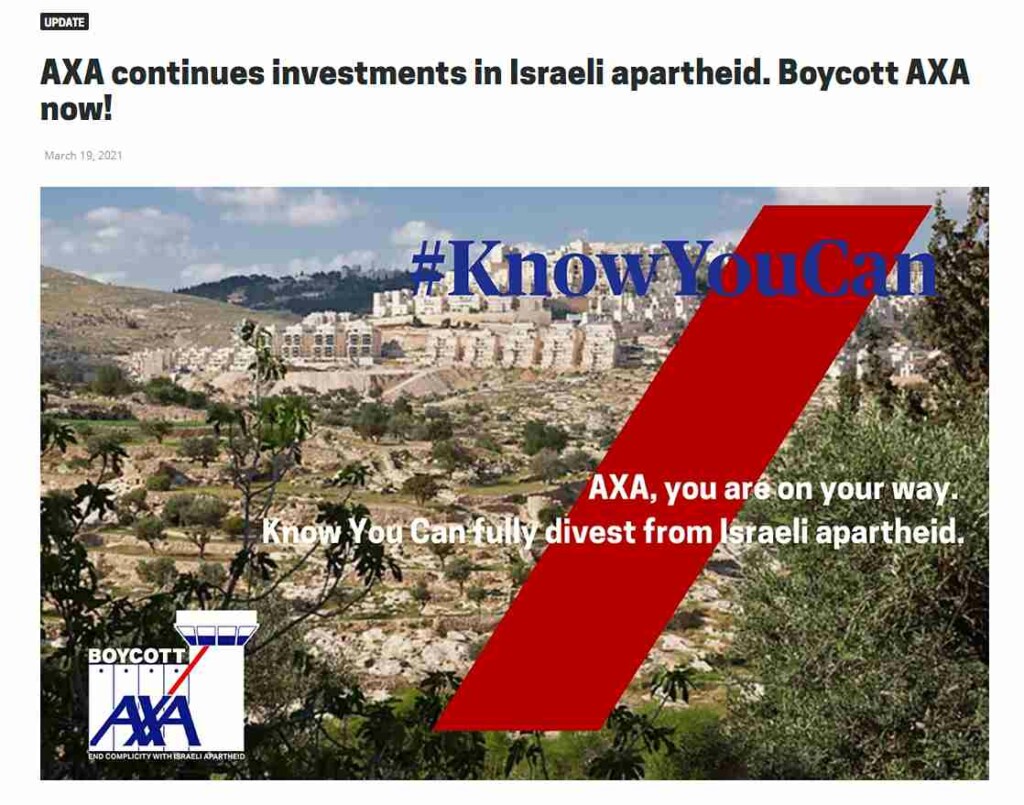
    As a leading French multinational insurer, AXA’s investments in Israeli banks linked to occupation and apartheid in Palestine warrant scrutiny. Reevaluating AXA as an insurance provider, potentially switching to an alternative, is a consideration. Additionally, thoughtfulness is required when contemplating employment with AXA.

    5. RBS

    Rbs
    RBS

    The major Scottish bank’s investments in companies associated with arms sales to Israel are concerning. Closing RBS accounts, including lending options or credit cards, is a sensible move. Avoiding banking with RBS and reconsidering employment there are thoughtful decisions.

    6. Marks and Spencer / M&S

    While M&S has historical ties with Israel, recent distancing from political affiliations suggests a nuanced stance. Exercising discretion when shopping at M&S and weighing this information when considering employment with the company is advised.

    See Also: Pharmaceutical Companies Affiliated with Israel

    7. Tesco

    Tesco’s partnership with a staunchly Zionist Israeli start-up for till-less stores in London has raised ethical queries. Refraining from purchasing Tesco products, especially from their GetGo stores, and expressing concerns to pressure Tesco to rethink their partnership are advisable actions.

    8. Aviva

    A significant insurer and pensions provider, Aviva’s investments in companies connected to arms sales in Israel prompt concerns regarding Palestinian oppression. Ethically-minded individuals may contemplate switching pensions and avoiding Aviva insurance products. Moreover, reconsidering employment with Aviva is advisable.

    9. Standard Life

    The company’s investments in firms selling arms to Israel raise ethical concerns. Reconsidering the use of their savings or pensions, as well as their insurance products, is recommended. Weighing these factors when considering employment with Standard Life is also prudent.

    10. Legal & General

    A notable British financial services company, Legal & General’s investments in companies associated with arms sales to Israel raise ethical questions. Reassessing investments or pensions with Legal & General is prudent. Moreover, reconsidering the use of their insurance products and avoiding employment with Legal & General is a thoughtful approach.

    11. Lemonade

    The recent Lemonade town hall meeting focused on addressing and sharing reflections, emotions, and analysis concerning the attack by Hamas on Israel. Originally not intended for public release, the content is raw and intimate, but in response to team members’ encouragement, it has been made accessible to everyone.

    As consumers and potential employees, understanding the intricate financial connections of major entities is essential for aligning choices with personal ethics. The ethical quandary posed by these investments in companies linked to Israel’s arms trade demands careful consideration.

    By being discerning in banking choices, investment destinations, and consumer behaviors, individuals can contribute to a more conscientious global financial ecosystem and, in turn, advocate for ethical business practices and social justice.