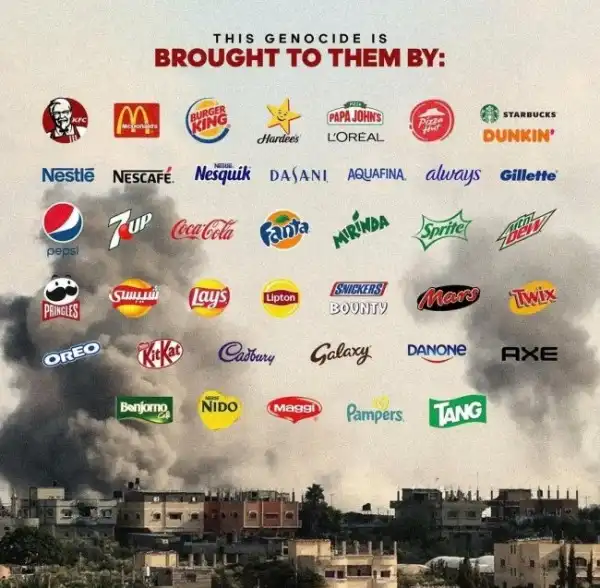
In our globally connected world, the ethical aspect of consumer decisions is increasingly crucial. Delving into the ownership and operational ties of common brands often uncovers associations with complex geopolitical situations.
Understanding these links plays a crucial role in making thoughtful decisions concerning purchases and career paths.
1. Procter & Gamble
Procter & Gamble
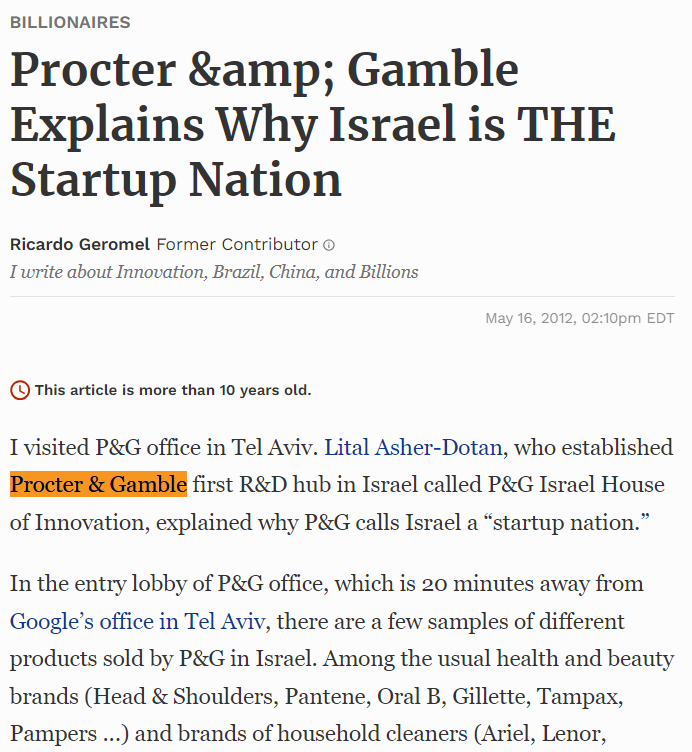
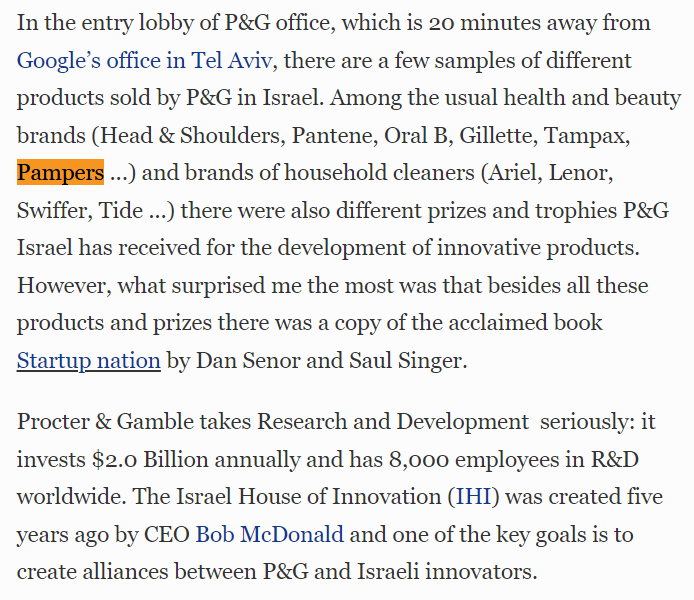
With ties to an R&D center in Tel Aviv, Occupied Palestine, rethinking buying, selling, or working with P&G is important to express concerns regarding their investments.
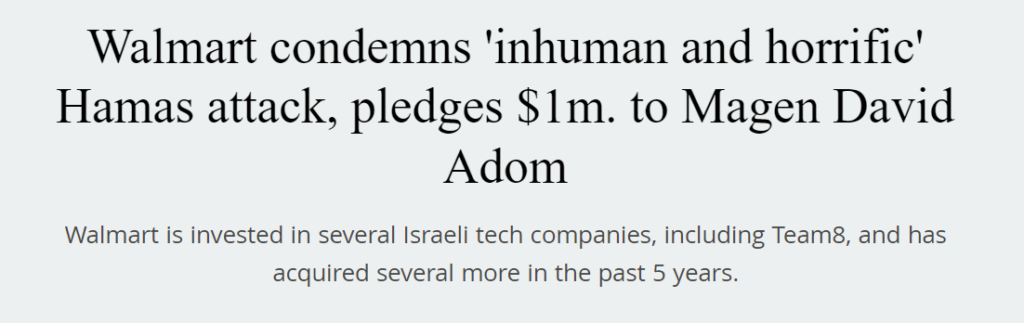
Walmart’s swift response to the Israeli conflict and the absence of support for charities in Gaza warrant consideration in shopping at Walmart or working for the company.
Procter and Gamble owns Pampers, and its production and affiliation with the R&D center in Tel Aviv, Occupied Palestine, suggests reevaluation when buying, selling, or working with Pampers.
Part of Unilever, Dove’s ties to Unilever’s Israeli distribution strategies involving Ben & Jerry’s warrant consideration, prompting consumers to avoid purchasing, selling, or working with Dove.
Owned by Procter and Gamble, Olay’s association with an R&D center in Tel Aviv, Occupied Palestine, suggests reconsidering purchasing, selling, or working for Olay.
Under Procter and Gamble’s ownership, Gillette’s connection to the R&D center in Tel Aviv, Occupied Palestine, prompts reevaluation when purchasing, selling, or working with the brand.
Owned by Procter and Gamble, Oral B’s ties to the R&D center in Tel Aviv, Occupied Palestine, signal a need for thought when buying, selling, or working with Oral B.
Under Procter and Gamble’s ownership, Pantene’s association with the R&D center in Tel Aviv, Occupied Palestine, suggests reconsidering buying, selling, or working with Pantene.
Under the ownership of Procter and Gamble, Old Spice’s connection to an R&D center in Tel Aviv, Occupied Palestine, raises concerns. Consider reassessing purchases, sales, or employment with Old Spice.
Under Procter and Gamble’s ownership, Head and Shoulders’ affiliation with an R&D center in Tel Aviv, Occupied Palestine, raises concerns. Reconsideration in buying, selling, or working with Head and Shoulders is suggested.
A personal care product under Procter and Gamble, heavily invested in an R&D center in Tel Aviv, Occupied Palestine. To voice opposition to this connection, avoiding purchasing or selling Always products and refraining from working for the brand is recommended.
12. Braun
Under Procter and Gamble’s ownership, Braun’s link to an R&D center in Tel Aviv, Occupied Palestine, raises concerns, prompting a reevaluation in buying, selling, or working with the brand.
Owned by Procter and Gamble, Clear Blue’s connection with an R&D center in Tel Aviv, Occupied Palestine, signals a need to reconsider purchasing, selling, or working with the brand.
14. Lux
Part of Unilever, Lux is connected to the situation involving Ben & Jerry’s in Israel. To oppose these actions, consider refraining from buying, selling, or working for Lux.
15. Tampax
Procter and Gamble’s ownership of Tampax connects it to the R&D center in Tel Aviv, Occupied Palestine, signaling a need for thought when purchasing, vending, or working with Tampax.
16. Herbal Essences
Owned by Procter and Gamble, Herbal Essences’ tie to the R&D center in Tel Aviv, Occupied Palestine, warrants reconsideration in purchasing, selling, or working with the brand.
17. Axe
Owned by Unilever, which also owns Ben & Jerry’s, Axe’s association with Unilever’s strategies in Israel requires avoiding purchase, sale, or employment with Axe to demonstrate disapproval.
18. Rexona
Another Unilever-owned brand entangled in the Ben & Jerry’s situation, it’s important to consider refraining from buying, selling, or working for Rexona to voice disapproval.
19. Vicks
Being under Procter and Gamble’s ownership, Vicks has connections to the R&D center in Tel Aviv, Occupied Palestine. This association prompts a reevaluation when purchasing, selling, or working with Vicks.
20. Tresemme
Under Unilever’s ownership, Tresemme’s association with the circumvented decision to sell products in Israel reflects the importance of reconsideration in buying, selling, or working for Tresemme.
21. Seven Seas
Under Procter and Gamble’s ownership, Seven Seas’ association with the R&D center in Tel Aviv, Occupied Palestine, suggests reconsideration when buying, selling, or working with Seven Seas.
22. Sudocrem
Sudocrem, owned by Israeli pharmaceuticals giant Teva, is involved in operations within Occupied Palestine. Consider your support when buying, selling, or working for Sudocrem.
23. Venus
Venus, a personal care product for women owned by Procter and Gamble, has ties to the R&D center in Tel Aviv, Occupied Palestine. Careful consideration is needed when purchasing, selling, or working for Venus.
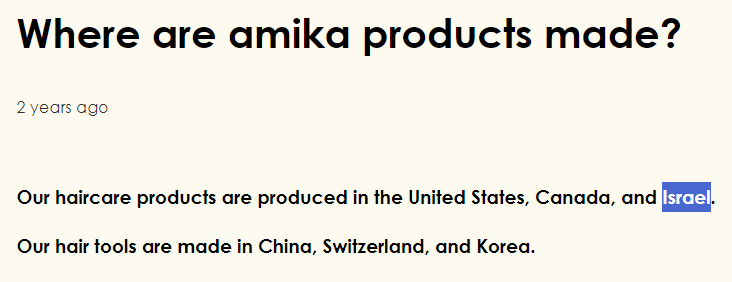
24. Amika
Manufactured on occupied Palestinian land, this hair care brand’s association suggests refraining from purchasing or selling Amika products to express dissent.
25. Aussie
Part of Procter and Gamble’s roster, investing in an R&D center in Tel Aviv, Occupied Palestine. To uphold ethical considerations, refraining from buying or selling Aussie products and avoiding employment with the brand is encouraged.
26. Lynx
Another brand owned by Unilever, associated with the Ben & Jerry’s situation. To express concern, avoid purchasing, selling, or working for Lynx.
As the market continues to evolve, consumer responsibility grows ever more critical. This exploration underscores the importance of being aware of the broader contexts behind brand ownership and operations.
It encourages individuals to weigh these factors when making choices, whether as a consumer or a professional, in a quest to align personal decisions with ethical considerations.
In today’s global landscape, businesses are facing increased scrutiny over their affiliations and financial investments. Numerous multinational entities have been observed associating with companies involved in arms sales and other activities that contribute to ongoing conflicts.
These connections have prompted a call for more ethical consumerism and investment, urging individuals to carefully consider the implications of their choices. The following detailed breakdown sheds light on several prominent companies and financial institutions that have come under ethical scrutiny due to their associations, urging a more thoughtful and conscientious approach to consumption and investment.
1. JPMorgan
JPMorgan
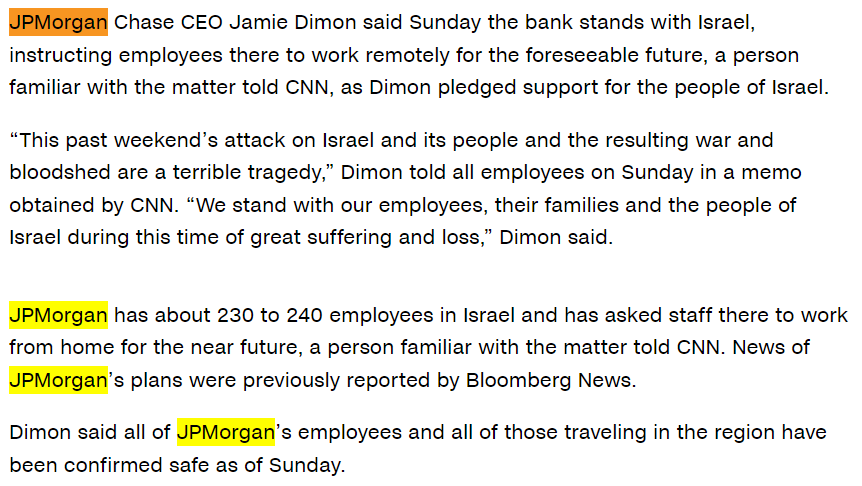
CEO Jamie Dimon declared JPMorgan’s support for Israel, instructing employees there to work remotely amid the ongoing situation. Dimon’s pledge emphasizes the bank’s solidarity with the people of Israel and its stance against the acts of terrorism, expressing concern for the difficult and complex dynamics in the Middle East.
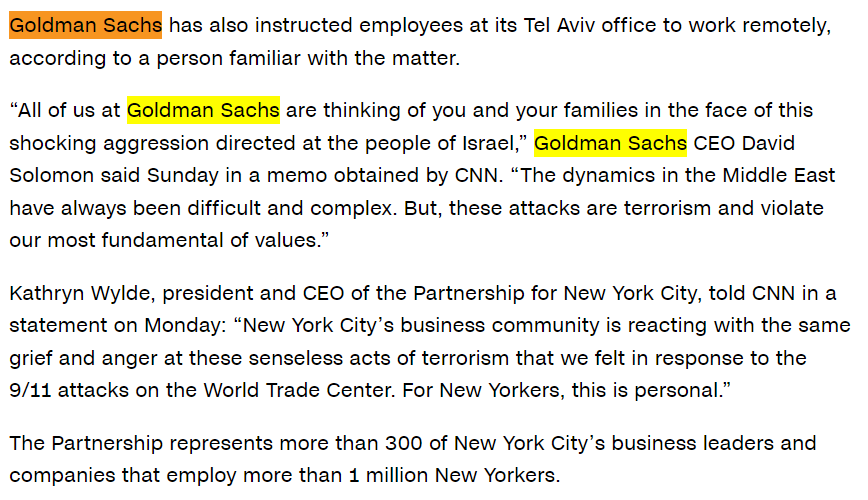
Responding to the situation, Goldman Sachs instructed employees at its Tel Aviv office to work remotely. CEO David Solomon conveyed the firm’s solidarity with employees and their families, denouncing the attacks as terrorism that goes against fundamental values. The move to remote work reflects a commitment to the well-being of staff in the face of shocking aggression.
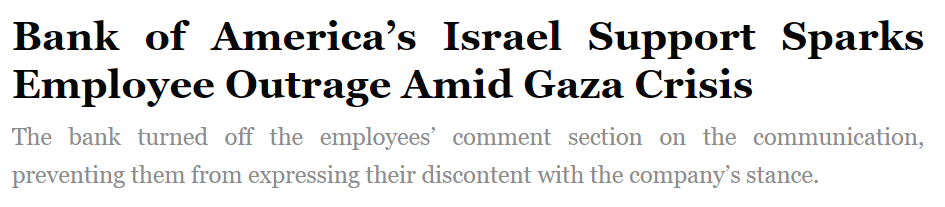
Bank of America’s involvement in a $500 million loan deal with Elbit Systems Ltd, an Israeli weapons manufacturer, poses ethical concerns. Opting not to bank with Bank of America, refraining from investing with the institution, and avoiding employment there aligns with ethical considerations.
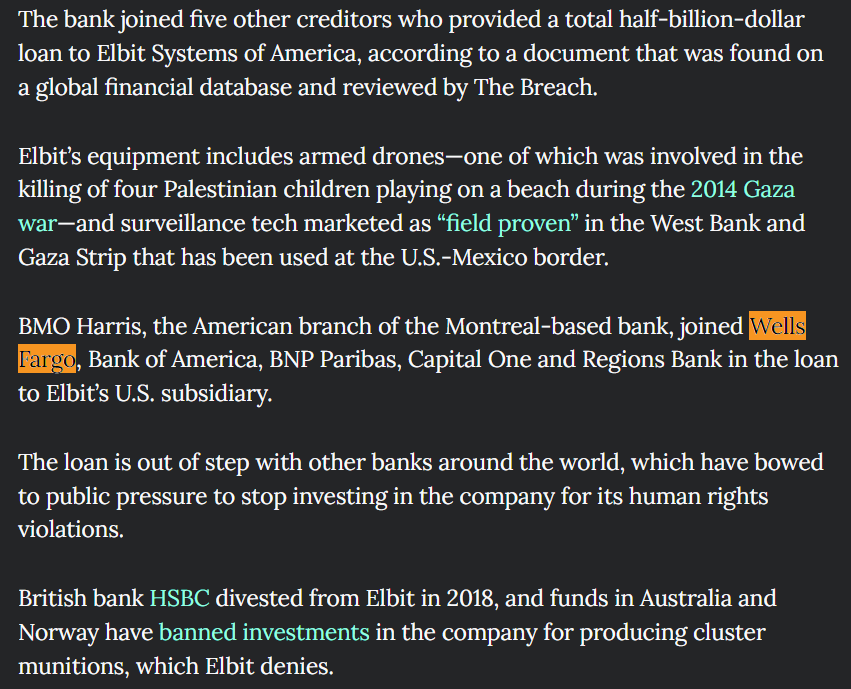
An American multinational financial services company involved in a $500 million loan deal with Elbit Systems Ltd, the Israeli weapons manufacturer. To maintain ethical integrity, avoiding banking, employment, and investment with Wells Fargo reflects an ethical stance against such involvements.
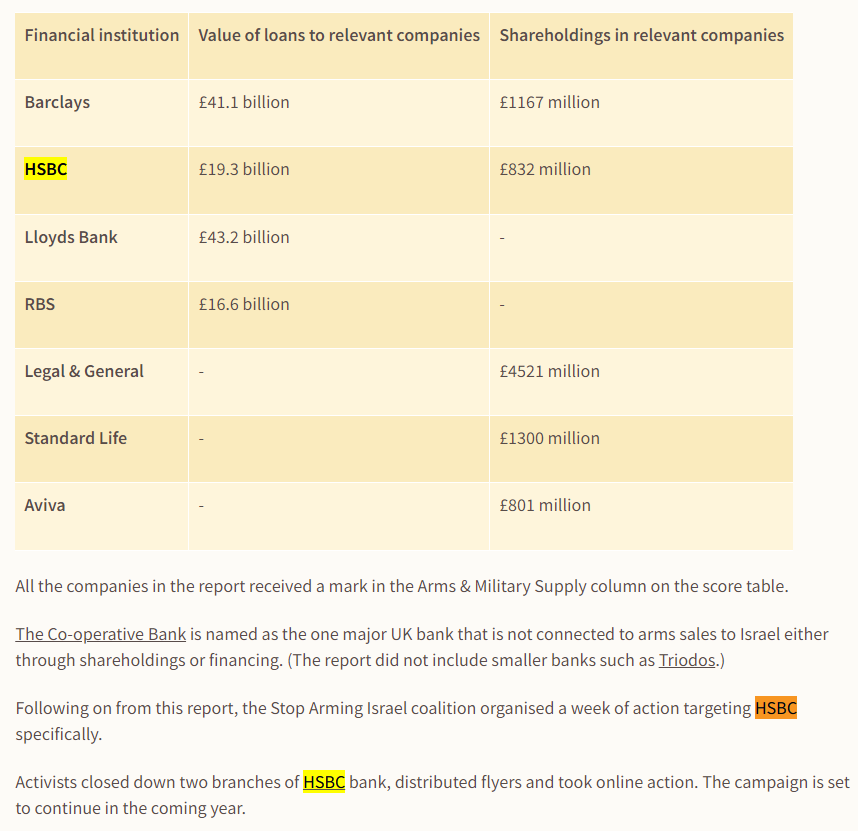
HSBC’s investments in companies selling arms and military equipment to Israel are tied to the Palestinian oppression. Closing HSBC accounts, avoiding their lending options, canceling credit cards, and refraining from employment with HSBC reflect ethical considerations against such investments.
Barclays’ investments in companies selling arms and military equipment to Israel have implications in the Palestinian oppression. Ethical actions include closing accounts, avoiding Barclays’ lending options, canceling Barclaycards, and refraining from employment with the bank.
During the earnings call, Citigroup CEO Jane Fraser acknowledged Israel’s significance for the bank and expressed admiration for employees facing personal losses and those serving amid the crisis. BlackRock CEO Larry Fink also addressed Israel on the company’s earnings call. Both instances underscore a compassionate recognition of the toll on innocent civilians in the unfolding crisis.
Lloyds Bank’s investments in companies selling arms and military equipment to Israel raise ethical concerns. Ethical actions include avoiding banking services, closing accounts, refraining from Lloyds’ lending options, canceling credit cards, and avoiding employment with the bank.
As a French multinational insurance firm, AXA’s continued investments in Israeli banks associated with Israel’s occupation and apartheid in Palestine present an ethical dilemma. Avoiding insurance from AXA and transitioning away from existing policies aligns with ethical choices. Moreover, refraining from employment with AXA supports the ethical stance against such investments.
Part of the consortium providing a $500 million loan to Elbit Systems Ltd, Capital One’s financial involvement raises ethical concerns. Choosing not to bank, invest, or work with Capital One supports ethical considerations against such associations.
Involvement in a $500 million loan deal with Elbit Systems Ltd, the Israeli weapons manufacturer, prompts ethical concerns with BNP Paribas. Opting not to bank, invest, or seek employment with BNP Paribas aligns with ethical considerations.
12. RBS
A major Scottish retail and commercial bank, RBS’s investments in companies selling arms and military equipment to Israel raise ethical concerns. Ethical actions include discontinuing banking services, closing accounts, avoiding lending options, canceling credit cards with RBS, and avoiding employment at the bank.
A British multinational retailer offering various products, Marks & Spencer has maintained a pro-Zionist stance, acting as a commercial bridge between Israel and the UK for over a century. Despite recent attempts to distance from overtly political ties, their history indicates ambiguous support for Israel. Avoiding shopping at M&S and refraining from employment there reflects a stance against their Zionist connections.
14. Tesco
A British multinational retailer collaborating with Israeli startup Trigo Retail to introduce till-less stores in London. Given the CEO’s strong Zionist stance, it raises concerns. Refraining from purchasing Tesco products, especially from GetGo stores, and advocating for the dissolution of the partnership with Trigo reflects an ethical stance against these associations.
15. Scotia Bank
A Canadian multinational banking company, Scotia Bank’s asset fund investment in Elbit Systems Ltd, the Israeli weapons manufacturer, raises ethical concerns. Choosing not to bank, invest, or seek employment with Scotia Bank reflects ethical considerations against supporting such involvements.
16. Aviva
Britain’s foremost general insurer and a leading life and pensions provider, Aviva’s investments in companies selling arms and military equipment to Israel, used in the oppression of Palestinians, have raised ethical concerns. To align with ethical considerations, exploring alternative pension providers and insurance options apart from Aviva and refraining from working for the company are recommended.
17. Bank of Montreal
Part of a consortium lending $500 million to Elbit Systems Ltd, Bank of Montreal’s financial involvement in the Israeli weapons manufacturer raises ethical concerns. Choosing not to bank, invest, or work with Bank of Montreal reflects ethical considerations against supporting such enterprises.
18. Standard Life
As a UK-based life assurance, pensions, and savings company under Phoenix Group, Standard Life’s investments in companies selling arms and military equipment to Israel raise ethical concerns. Aligning with ethical considerations involves refraining from saving, investing, keeping pensions, using insurance products from Standard Life, and avoiding employment there.
19. Legal & General
Investments in companies selling arms and military equipment to Israel position Legal & General within ethical discussions. Opting not to invest or seek pension and insurance services from Legal & General, as well as avoiding employment with the company, reflects ethical considerations against supporting such investments.
20. AllianceBernstein
AllianceBernstein strongly condemns the terrorist attacks initiated by Hamas against Israel, expressing concern for the escalating conflict’s impact on innocent civilians. The company is actively engaged in ensuring the safety of its employees and their families on the ground, providing resources and matching donations to aid those affected by these distressing events. AB reaffirms its commitment to supporting its people affected by hate and violence, irrespective of any factors like race, creed, color, sexual orientation, or national origin.
The intersection of corporations and their investments has become a focal point of ethical concern for many consumers. The outlined companies and financial institutions highlight the importance of comprehending the affiliations and investments of various entities.
Encouraging ethical consumer behavior involves avoiding support, whether through purchases, investments, or employment, of companies associated with arms sales or having affiliations with political ideologies that may perpetuate conflicts or raise ethical concerns. This heightened consumer consciousness aims to foster an ethical shift, emphasizing the significance of mindful choices in supporting or distancing from businesses with contentious associations.
Corporations’ affiliations with entities involved in certain geopolitical contexts often draw significant attention. The interweaving of esteemed fashion and beauty brands with companies supportive of or investing in Israeli operations in occupied territories has ignited global discourse.
Advocates and consumers express their concerns by opting out of purchasing, endorsing, or associating with products and brands linked to these contentious relationships. The details that follow aim to shed light on brands tied to these affiliations, emphasizing the actions recommended by those advocating for ethical consumer choices.
1. American Eagle
American Eagle
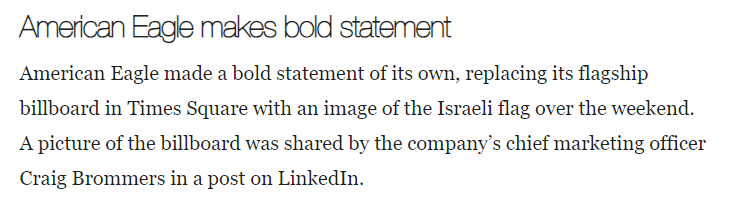
American Eagle’s explicit backing for Israel, notably displayed on their Times Square billboard, aligns the brand with the polarizing geopolitical landscape. Choosing to abstain from their products or employment opportunities might be considered as a form of action to express dissent.
Bulgari’s ownership under LVMH and the substantial investments of Bernard Arnault in Israeli companies underscore the brand’s geopolitical connections. Opting to avoid Bulgari products or associations could signal a stance on these affiliations.
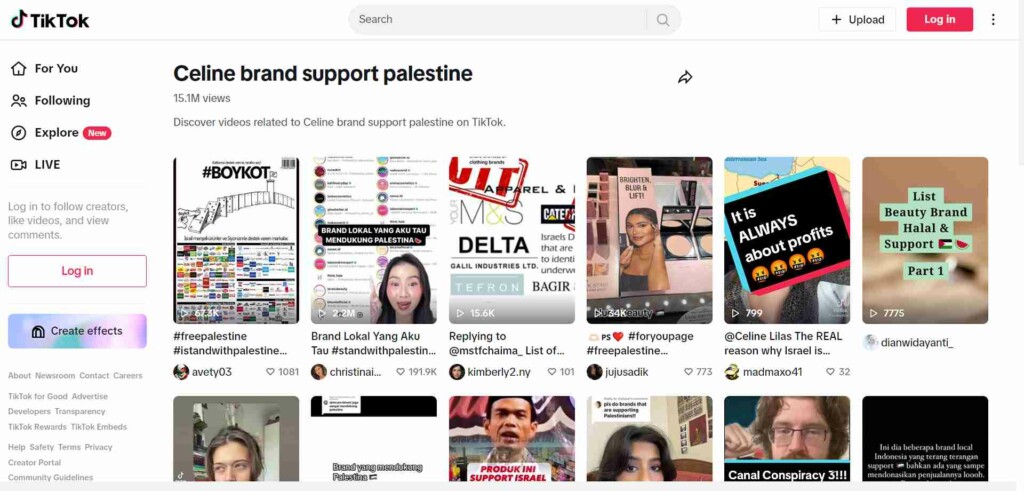
As part of LVMH and given Bernard Arnault’s significant investments in Israeli companies, Celine’s position in the geopolitical spectrum prompts consumers to reflect on their support of the brand and related employment opportunities.
Alain Wertheimer’s stance on the Israel-Gaza conflict, alongside the associated financial commitments, reflects the geopolitical positioning of Chanel. Choosing not to engage with Chanel’s products or endorse its job opportunities can express a stance on these affiliations.
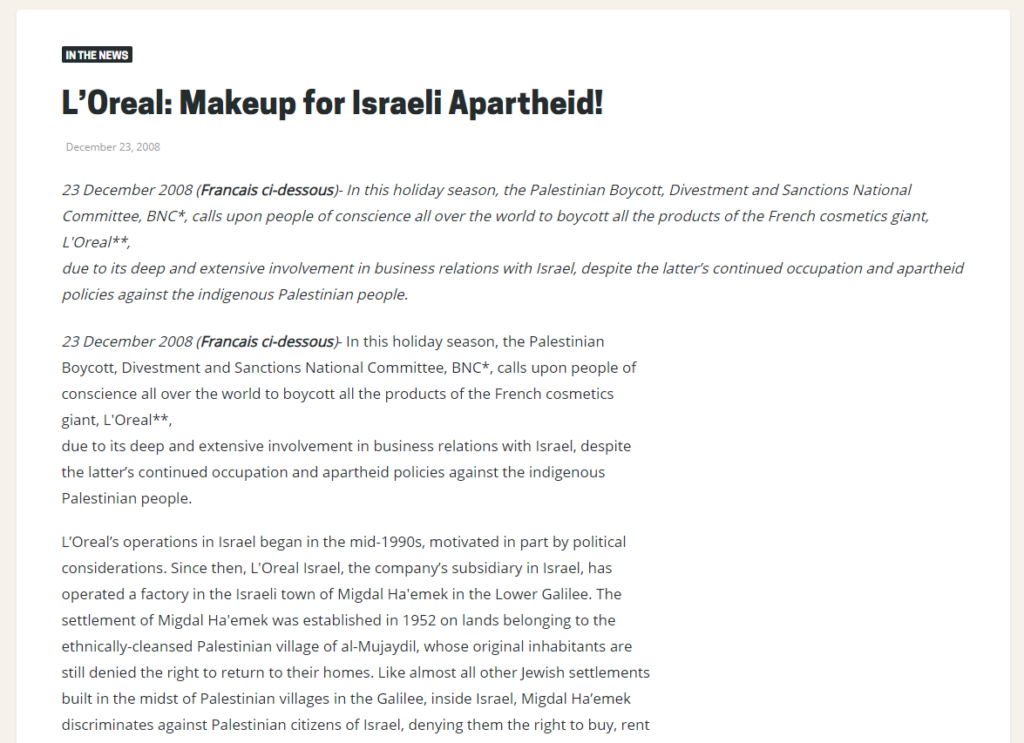
L’Oreal’s connection with Diesel Frangrances and its alignment with Israel despite past disputes places the brand within a geopolitical context. Consumers might opt not to support this brand to signify their stance.
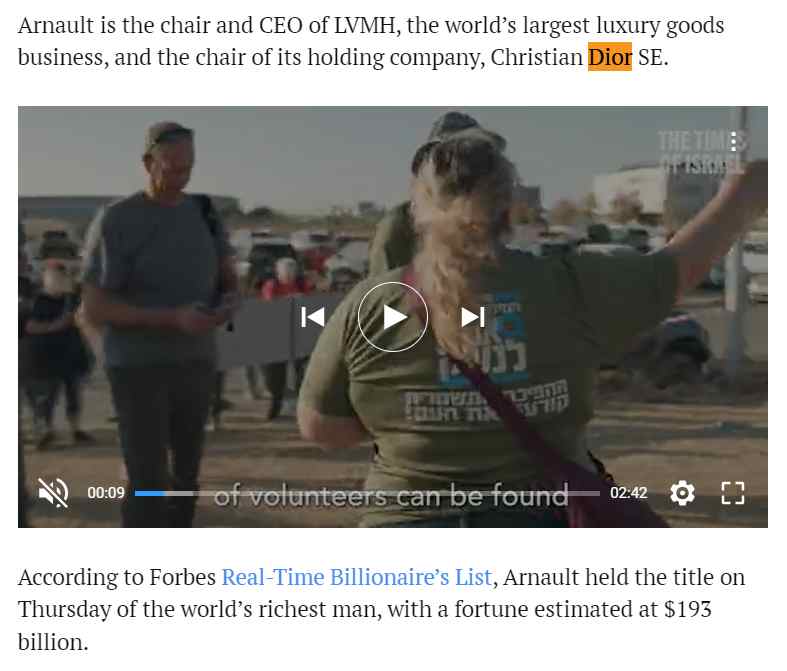
Bernard Arnault’s substantial investments in Israeli companies, coupled with Dior’s ownership by LVMH, situates the brand within the geopolitical spectrum. This context may influence consumer choices regarding Dior products and related job opportunities.
The link between DKNY and LVMH, and Bernard Arnault’s investments in Israeli companies, provides a geopolitical background for consumers to consider when engaging with the brand or its job opportunities.
Fendi, owned by LVMH, stands alongside Bernard Arnault’s notable investments in Israeli companies. This geopolitical association might influence consumer decisions to avoid supporting or seeking employment within the brand.
LVMH’s substantial investments in Israeli companies and Fenty’s partial ownership under this conglomerate position the brand in the geopolitical sphere. Individuals might choose not to engage with Fenty Beauty products or related job opportunities aligned with it.
Armani’s collaboration with L’Oreal, despite past geopolitical concerns, places the brand within certain geopolitical alliances. This context might influence consumer choices regarding their support for the brand or opportunities for employment.
As part of LVMH under Bernard Arnault’s ownership, Givenchy’s significant investments in Israeli companies place the brand within a geopolitical landscape. Choosing to abstain from purchasing Givenchy products or engaging with the brand and its parent company could reflect a stance on these affiliations.
12. Hublot
Tied to LVMH and Bernard Arnault’s investments in Israeli companies, Hublot operates within this geopolitical context. Opting not to buy or sell Hublot products or partake in employment within the brand or its parent company may signify a position on these affiliations.
13. Kenzo
Under LVMH and owned by Bernard Arnault, Kenzo’s connections to substantial investments in Israeli companies form a geopolitical backdrop. Deciding not to buy or sell Kenzo products or take part in its employment might reflect a stance on these affiliations.
14. Loewe
With LVMH as its parent company and significant investments by Bernard Arnault in Israeli companies, Loewe’s geopolitical context could influence consumer decisions. Refraining from the purchase or sale of Loewe products or job opportunities aligned with the brand or LVMH could signify a stance on these geopolitical affiliations.
15. Louis Vuitton
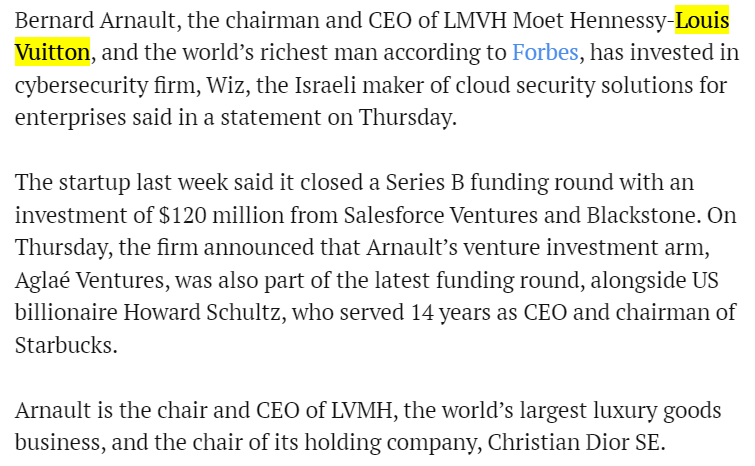
Belonging to LVMH, Louis Vuitton is linked with substantial investments in Israeli companies by its owner, Bernard Arnault. Consumers choosing to refrain from buying or selling Louis Vuitton products or engaging in employment related to the brand and its parent company might reflect a stance on these affiliations.
As part of LVMH and with Bernard Arnault’s significant investments in Israeli companies, Maison Francis Kurkdjian exists within this geopolitical landscape. Abstaining from the purchase or sale of its products or employment within the brand or its parent company might reflect a stance on such affiliations.
17. Maison Margiela Fragrances
L’Oreal’s partnership with Maison Margiela Fragrances, amidst the company’s association with Israel and its apologies following previous disputes, frames this brand within a geopolitical context. Choosing not to purchase or sell these products or engage in employment associated with L’Oreal signifies a stance on these geopolitical affiliations.
18. Marc Jacobs
Under LVMH and with the considerable investments by Bernard Arnault in Israeli companies, Marc Jacobs is situated within this geopolitical context. Opting not to buy or sell Marc Jacobs products or engage in employment opportunities related to the brand or its parent company might signify a stance on these geopolitical affiliations.
19. Mugler Beauty
Aligned with L’Oreal and its historical disputes involving Israel, Mugler Beauty stands within this geopolitical context. Individuals might choose not to purchase or sell these products or pursue employment with L’Oreal to reflect a stance on these affiliations.
20. Prada Beauty
L’Oreal’s partnership with Prada Beauty following disputes with the Arab League places the brand within a geopolitical context. Refraining from buying or selling these products or engaging in employment with L’Oreal signifies a stance on these geopolitical affiliations.
21. Puma
The sportswear brand sponsors athletes and teams across various sports, but its main sponsorship of the Israel Football Association has prompted concerns. A boycott stance has been proposed, urging individuals to avoid buying Puma products until the brand discontinues its sponsorship of the IFA and Israeli teams in illegal settlements. Refraining from working for Puma has been suggested.
22. Ralph Lauren Frangrances
Part of L’Oreal, Ralph Lauren Frangrances became entangled in geopolitical disputes after their cooperation with a pro-Israel figure. Individuals are encouraged to avoid purchasing or selling these fragrances and to refrain from working for L’Oreal Groupe due to their engagements in Occupied Palestine.
23. Skechers
Due to the public pro-Israel stance of the company’s president, Michael S Greenberg, Skechers has faced controversy. To show dissent, individuals have been advised against buying or selling Skechers products and suggested not to work for the Skechers Groupe due to these associations.
24. Skims
Skims, established by Kim Kardashian, received attention due to her comments about specific operations but not Israel’s actions. The call to boycott Skims products and avoid selling them has been proposed, along with the suggestion to refrain from working for the brand.
25. STELLA by Stella McCartney
As part of Bernard Arnault’s LVMH and its investments in Israeli companies, the brand’s association raises geopolitical concerns. To address these, consumers are encouraged to avoid buying or selling STELLA by Stella McCartney products and advised not to engage in employment with the brand or its parent company, LVMH.
26. TAG Heuer
Part of LVMH under Bernard Arnault, TAG Heuer’s connections to substantial investments in Israeli companies align it within this geopolitical landscape. The recommendation has been made to refrain from buying or selling TAG Heuer products and to avoid working for TAG Heuer or LVMH due to these geopolitical connections.
27. Ted Baker
Ted Baker, a UK-based clothing retailer, partnered with Delta Galil, which raised concerns regarding ethical alignment. The call to action suggests avoiding the purchase or sale of Ted Baker products unless they discontinue their partnership with Delta Galil or any other Israeli manufacturers. It also advises against seeking employment with the brand.
28. Tiffany & Co.
Owned by Bernard Arnault’s LVMH, Tiffany & Co. falls under the banner of extensive investments in Israeli companies. To express disapproval of such associations, individuals are encouraged to avoid purchasing or selling Tiffany & Co. products and advised not to work for the brand or LVMH.
29. Valentino Beauty
As part of L’Oreal’s extensive involvement with Israel, Valentino Beauty was implicated in controversies arising from this partnership. To reflect a stance against such associations, refraining from purchasing or selling Valentino Beauty products and avoiding employment with L’Oreal Groupe has been recommended.
30. Viktor & Rolf Beauty
Partnered with L’Oreal, Viktor & Rolf Beauty found itself amid controversies due to L’Oreal’s alignment with Israel. To express dissent, consumers and retailers are encouraged to avoid buying or selling Viktor & Rolf Beauty products and to refrain from working for L’Oreal Groupe.
31. Yves Saint Laurent Beauty / YSL Beauty
Part of the L’Oreal and Israel controversy, YSL Beauty came under scrutiny due to its association with the conglomerate. In response, the suggested course of action is to abstain from buying or selling YSL Beauty products and to avoid employment with L’Oreal Groupe due to its affiliations with Israel.
Consumer choices regarding the brands they purchase, sell, or associate with play a significant role in reflecting ethical standards. As seen in the breakdown of these associations, the decision to avoid brands affiliated with entities investing or supporting Israeli operations emphasizes the public’s stand for ethical, socially responsible business practices.
The call for consumer awareness and conscientious action remains pivotal in the ongoing discourse surrounding geopolitical affiliations of major global brands.
In the expansive world of commerce, the reach of businesses often extends far beyond simple transactions. Major corporations’ various connections, investments, and partnerships illuminate intricate engagements with geopolitical and humanitarian concerns.
From familiar fast food chains to beverage giants, these entities are entangled in diverse ways with regions and scenarios that draw attention due to their geopolitical impact.
1. 7up
7up
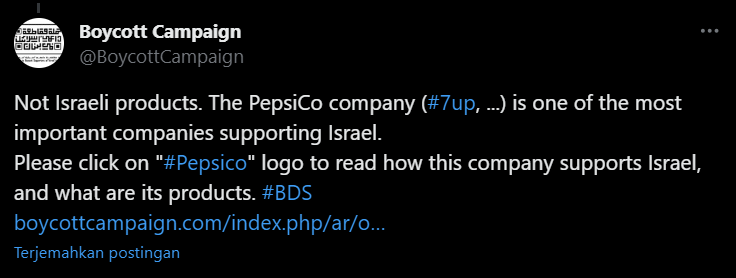
An international soft drink distributed by PepsiCo. Due to PepsiCo’s ownership of SodaStream and 50% ownership of Sabra, both entangled in benefiting from the Israeli occupation of Palestine, avoiding 7up products, refraining from their sale, and reconsidering associations with PepsiCo is suggested.
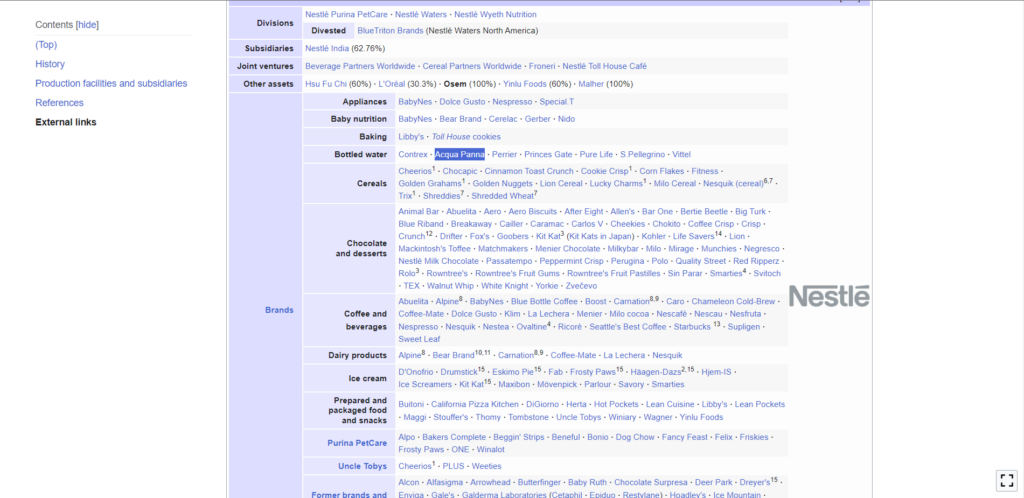
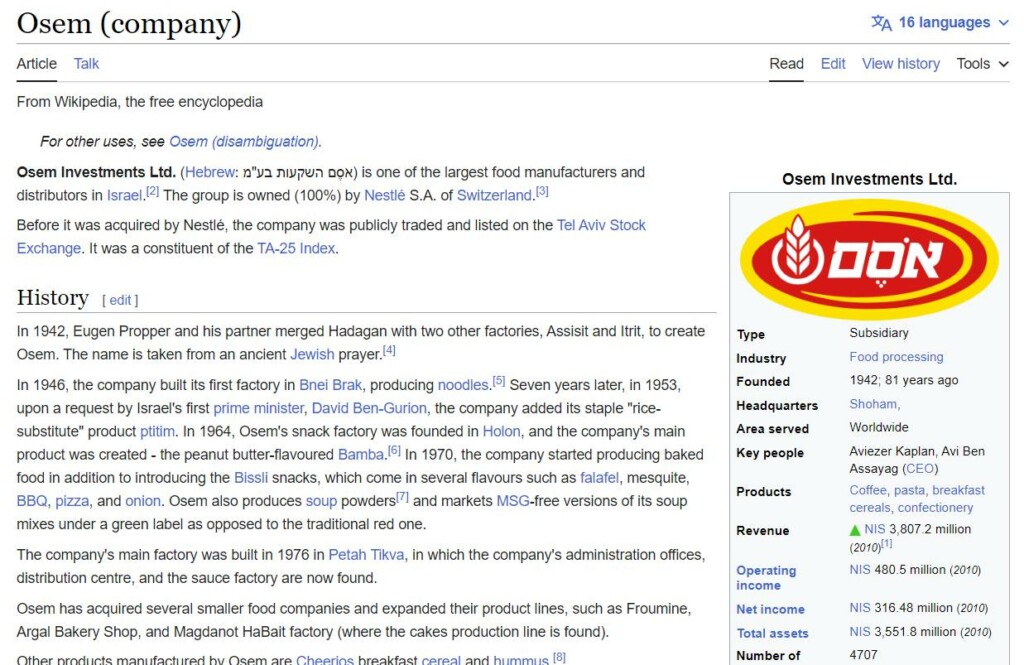
Owned by Nestle, Acqua Panna is tied to Osem, an Israeli food manufacturer operating in Occupied Palestine. To align with specific stances, reconsider purchasing Acqua Panna products and Nestle’s offerings until divestment from operations in Occupied Palestine.
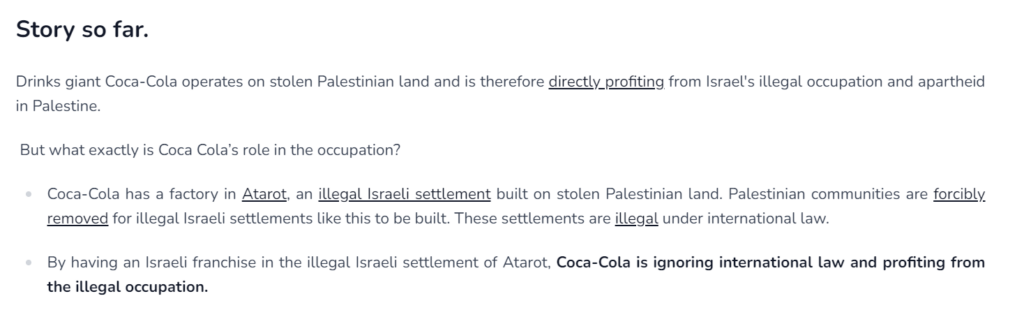
Owned by Coca-Cola, Appletiser’s production within the illegal Israeli settlement of Atarot in Occupied Palestine suggests avoiding purchasing, selling, or working for the Coca-Cola Company in this context.
PepsiCo’s water brand connects to SodaStream and Sabra, entities involved in benefiting from the Israeli occupation of Palestine. It’s advised to refrain from purchasing Aquafina products, selling them, or engaging with PepsiCo.
Owned by Coca-Cola, Aquarius is produced in the illegal Israeli settlement of Atarot within Occupied Palestine. It’s recommended to avoid purchasing, selling, or working for the Coca-Cola Company in this context.
Support for the IDF by Burger King Israel, providing free food and drinks to Israeli militants, suggests reconsidering dining at Burger King or associations with the company.
Investments in Israel and expansion plans could signify connections to the region. Avoid shopping at Carrefour supermarkets and reassess employment considerations at the company.
Operating a factory in the illegal Israeli settlement of Atarot raises ethical considerations. Refraining from buying, selling, or working for the Coca-Cola Company is advisable.
Tied to Coca-Cola, Costa Coffee’s connection to the factory in the illegal Israeli settlement of Atarot suggests reconsidering engagement with Costa Coffee or the Coca-Cola Company.
Owned by the Coca-Cola company, its production in the illegal Israeli settlement of Atarot suggests refraining from purchasing, selling, or working for the Coca-Cola Company in this context.
Owned by the Coca-Cola company, Diet Coke’s production is based in the illegal Israeli settlement of Atarot in Occupied Palestine. It is advisable to avoid supporting or engaging with the Coca-Cola Company in any form.
12. Dr Pepper
A soft drink under the Coca-Cola company’s ownership, Dr Pepper’s operations occur within the illegal Israeli settlement of Atarot in Occupied Palestine. It’s suggested to refrain from participating in the consumption, sale, or association with Dr Pepper products or the Coca-Cola Company.
13. Eden Springs
Eden Springs UK, a business supplying water coolers and coffee machines, is under the ownership of an Israeli water company that restricts access to water resources in the Golan Heights, disadvantaging non-Israelis. As a result, boycotting Eden Springs products is encouraged due to its complicity in an illegal occupation.
14. Fanta
A soft drink brand owned by the Coca-Cola company, Fanta is produced in the illegal Israeli settlement of Atarot in Occupied Palestine. To align with specific stances, it’s advisable to avoid buying, selling, or being associated with the Coca-Cola Company in this context.
15. Game Fuel
Under the ownership of PepsiCo, Game Fuel’s association with SodaStream and Sabra is linked to profiting from the Israeli occupation of Palestine. It’s recommended to abstain from engaging in any interactions—be it purchasing, selling, or working—with the PepsiCo Company.
16. Gatorade
Owned by PepsiCo, Gatorade’s link to SodaStream and Sabra connects it to benefiting from the Israeli occupation of Palestine. It’s advisable not to engage with, sell, or work for the PepsiCo Company.
17. Glaceau Smartwater
Operated by the Coca-Cola company, Glaceau Smartwater’s factory operates within the illegal Israeli settlement of Atarot in Occupied Palestine. It’s recommended to abstain from any involvement—purchase, sale, or work—with the Coca-Cola Company in this context.
18. Innocent Smoothies
Owned by the Coca-Cola company, Innocent Smoothies’ production occurs in the illegal Israeli settlement of Atarot in Occupied Palestine. Refraining from purchasing, selling, or associating with the Coca-Cola Company in this context is advisable.
19. KFC
As part of Yum Brands, KFC’s connection with Israeli start-ups requires refraining from dining at KFC or engaging with the chain.
20. Lipton
Owned by PepsiCo, Lipton’s ties to SodaStream and Sabra connect it to the Israeli occupation of Palestine. It is advisable not to buy, sell, or associate with the PepsiCo Company.
21. Lipton Iced Tea
No longer associated with the rest of the Lipton brand, Lipton Iced Tea, a joint venture between Unilever and PepsiCo, has ties to activities concerning the boycott. Avoid engaging with Unilever or PepsiCo associated with Lipton Iced Tea.
22. Marks and Spencer / M&S
Historically displaying a pro-Zionist leaning, Marks & Spencer has served as a significant commercial conduit between Israel and the UK. Consider refraining from shopping at M&S or engaging with the company.
23. McDonalds
Known to support the IDF by providing free food and drinks to Israeli militants, McDonald’s affiliation might influence the decision to avoid dining at McDonald’s or engaging with the company.
24. Mondelez
Investing in Israeli start-ups in Occupied Palestine, Mondelez’s associations suggest refraining from purchasing or selling Mondelez products and avoiding working for the company.
25. Monster Energy
Owned by Coca-Cola, Monster Energy’s association with the illegal Israeli settlement of Atarot in Occupied Palestine warrants avoiding engaging in any way—purchase, sale, or work—with the Coca-Cola Company.
26. Mountain Dew
Owned by PepsiCo, Mountain Dew’s connections to SodaStream and Sabra involve taking advantage of the Israeli occupation of Palestine. It’s advisable to refrain from buying, selling, or working for the PepsiCo Company in this context.
27. Naked Juice
Under the ownership of PepsiCo, Naked Juice’s association with SodaStream and Sabra suggests benefiting from the Israeli occupation of Palestine. It’s recommended to avoid buying, selling, or working for the PepsiCo Company in this context.
Controlling Osem, an Israeli food manufacturer operating in Occupied Palestine, Nestle’s associations warrant avoiding Nestle products until divesting from operations in Occupied Palestine occurs.
29. Oasis
Operated by Coca-Cola, Oasis’s factory operates within the illegal Israeli settlement of Atarot in Occupied Palestine. It’s advised not to buy, sell, or work for the Coca-Cola Company, particularly in relation to Oasis.
30. Pepsi
Owning SodaStream and Sabra, PepsiCo is associated with benefiting from the Israeli occupation of Palestine. It’s suggested not to buy, sell, or work for the PepsiCo Company in this context.
31. Pizza Hut
As part of Yum Brands, refraining from dining at Pizza Hut or engaging with the chain due to its connections to Israeli start-ups is recommended.
32. Popeyes
As the sister company of Burger King, Popeyes supporting the IDF by providing free food and drinks to Israeli militants suggests refraining from eating at Popeyes or engaging with the company.
33. Powerade
Owned by Coca-Cola, Powerade’s connections to the illegal Israeli settlement of Atarot in Occupied Palestine suggest avoiding any association with the Coca-Cola Company.
34. Procter & Gamble
Investing in an R&D center in Tel Aviv, Occupied Palestine, Procter & Gamble’s associations warrant refraining from purchasing, selling, or working for Procter & Gamble products.
35. Pure Life
A water brand owned by Nestle, Pure Life’s connections to Osem, an Israeli food manufacturer operating in Occupied Palestine, suggest avoiding purchasing Pure Life products until divestment from all operations in Occupied Palestine occurs.
36. Rockstar Energy
Owned by PepsiCo, Rockstar Energy’s associations suggest refraining from purchasing, selling, or working for the PepsiCo Company in relation to Rockstar Energy.
37. S.Pellegrino
Owned by Nestle, S.Pellegrino’s connections to Osem, an Israeli food manufacturer operating in Occupied Palestine, suggest not engaging with S.Pellegrino products or other Nestle brands until divestment from all operations in Occupied Palestine occurs.
38. Schweppes
Owned by Coca-Cola, Schweppes’s factory operates within the illegal Israeli settlement of Atarot in Occupied Palestine. It’s recommended not to buy, sell, or work for the Coca-Cola Company, particularly in relation to Schweppes.
39. SodaStream
Once based in the West Bank and acquired by PepsiCo, the company remains subject to a boycott due to its actions in Occupied Palestine. It’s advised not to buy or sell SodaStream devices.
40. Sprite
Under the ownership of Coca-Cola, Sprite’s operations are tied to the illegal Israeli settlement of Atarot in Occupied Palestine. To align with the boycott, avoid any engagement with the Coca-Cola Company in relation to Sprite.
41. Starbucks
With the largest private owner of Starbucks shares investing heavily in Israel’s economy, Starbucks’s connections warrant considering the implications of engaging with the chain.
42. Taco Bell
As part of Yum Brands, the connection to Israeli startups suggests refraining from engaging with Taco Bell.
43. Tesco
Partnering with Israeli startup Trigo Retail, Tesco’s association with a staunch Zionist CEO suggests considering one’s engagement with the company.
44. Tim Hortons
As the sister company of Burger King, Tim Hortons’s support of the IDF suggests refraining from engaging with the chain.
45. Tropicana
Owned by PepsiCo, Tropicana’s associations to SodaStream and Sabra suggest avoiding any association with the company due to its actions in the Israeli occupation of Palestine.
46. Unilever
With the decision to sell the Israeli distribution rights, Unilever circumvented the decision by Ben & Jerry’s to stop selling its products in Israel. Considering Unilever’s actions is advisable when engaging with their products.
47. Vittel
Owned by Nestle, Vittel’s connections to Osem, an Israeli food manufacturer operating in Occupied Palestine, suggest refraining from engaging with Vittel products until divestment from all operations in Occupied Palestine occurs.
48. Walmart
Quick to pledge funds to Israeli victims but not to charities operating in Gaza, Walmart’s actions suggest considering the broader implications of engaging with the corporation.
49. Yum Foods
With connections to Israeli startups, refraining from engaging with Yum Foods and considering their associations is advisable.
The involvements of major corporations, from multinational retailers to food and beverage chains, unveil a broader landscape of their ties to global dynamics.
Their associations, investments, and operations reveal an intricate web of relationships with geopolitical issues. As such, understanding the broader implications of consumer choices and the interconnected nature of global commerce is crucial for all stakeholders.
In the realm of consumer products, the choices we make often echo beyond mere transactions. The partnerships and associations of brands carry significant social, political, and ethical weight.
Understanding the ties and affiliations of well-known brands empowers us to make informed decisions about our consumer behaviors and the companies we choose to support.
1. Aesop
Aesop
A part of L’Oreal, Aesop faced fines from the Arab League and furthered its ties with Israel. To align with ethical values, it’s advised to refrain from purchasing Aesop products and avoid selling them, or working for L’Oreal Groupe.
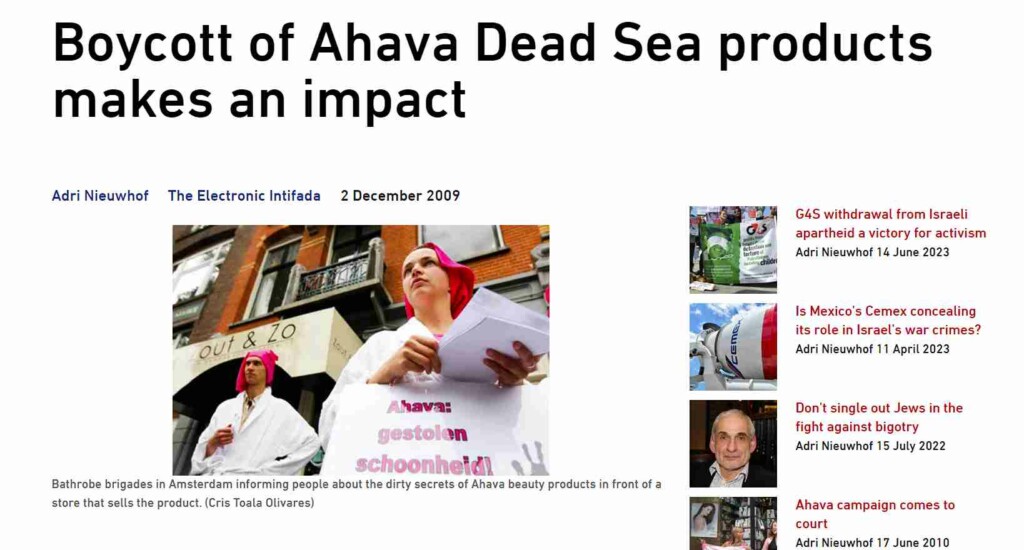
An Israeli company operating in Occupied Palestine, Ahava utilizes resources from the Dead Sea. To support specific stances, it’s advisable to avoid both purchasing and selling Ahava products.
Produced on occupied Palestinian land, the hair care brand Amika might contradict certain ethical viewpoints. To maintain alignment with ethical beliefs, it’s recommended to refrain from buying or selling Amika products.
Part of Procter and Gamble, Aussie is deeply entwined with Israeli endeavors. Aligning with specific ethical perspectives involves avoiding Aussie products in both purchase and sale, as well as abstaining from working for the brand.
Under Unilever, Axe’s connections might conflict with certain stances regarding Israel. To align with specific positions, it’s recommended to avoid buying, selling, or working for Axe under the Unilever umbrella.
Owned by Les Wexner, an ally of Israel, Bath & Body Works might create ethical conflicts. To uphold certain beliefs, it’s advised to refrain from purchasing the products and working for Bath & Body Works.
Part of LVMH, which invests in Israeli companies, Benefit Cosmetics might conflict with certain ethical stances. To align with specific viewpoints, it’s advisable to avoid buying, selling, or working for Benefit Cosmetics.
Linked to L’Oreal and embroiled in the Arab League boycott issue, BIOTHERM faces fines and solidifies its ties with Israel. To adhere to certain perspectives, it might mean abstaining from BIOTHERM products in both purchase and sale and refraining from working for L’Oreal Groupe.
As part of Estee Lauder, Bobbi Brown’s association with Ronald Lauder’s views might pose ethical conflicts. Avoiding the extensive Estee Lauder range, which includes MAC Cosmetics, Clinique, among others, is recommended, aligning with specific stances.
Under Bernard Arnault’s LVMH, Bulgari has investments in Israeli companies. To align with specific perspectives, it may involve avoiding purchasing, selling, or employment with Bulgari or LVMH.
Also owned by Bernard Arnault’s LVMH, Celine presents similar associations with heavy investments in Israeli companies. For ethical alignment, it’s recommended to avoid purchasing, selling, or working for Celine or LVMH.
12. Cerave
Affiliated with L’Oreal, Cerave might conflict with certain ethical stances due to L’Oreal’s alliance with Israel post the Arab League boycott. To align with specific viewpoints, consider refraining from buying, selling, or working for L’Oreal.
13. Chanel
Privately owned by the Wertheimer family, Chanel’s owner, Alain Wertheimer, made contributions but remained silent on various conflicts. To align with specific ethical stances, it’s recommended to abstain from buying or selling Chanel products and refrain from working for Chanel.
Like Bobbi Brown, Clinique, owned by Estee Lauder, might pose ethical conflicts due to Estee Lauder’s views. To align with specific stances, it involves avoiding Clinique and other products from Estee Lauder’s extensive range and refraining from working for Estee Lauder brands.
15. Diesel Fragrances
Part of the L’Oreal group, Diesel Fragrances’ associations might conflict with certain ethical viewpoints. To align with specific stances, it’s advisable to avoid buying, selling, or working for Diesel Fragrances or L’Oreal Groupe.
16. Dior / Christian Dior
Also under Bernard Arnault’s LVMH, Dior has ties with significant investments in Israeli companies. Aligning with specific viewpoints might involve avoiding Dior products in both purchase and sale, as well as refraining from working for Dior or LVMH.
17. DKNY
Owned by Bernard Arnault’s LVMH, DKNY’s connections might conflict with certain ethical standpoints. For alignment with particular viewpoints, it’s advisable to abstain from buying, selling, or working for DKNY or LVMH.
18. Dove
As part of Unilever, Dove’s associations might challenge certain ethical stances. For ethical alignment, it’s recommended not to buy, sell, or work for Dove or Unilever.
19. Estee Lauder
With Ronald Lauder’s support for Zionist views and influential positions, Estee Lauder might pose ethical conflicts. Aligning with certain viewpoints might involve refraining from purchasing products across Estee Lauder’s extensive range and avoiding employment with Estee Lauder brands.
20. Fendi
A part of Bernard Arnault’s LVMH, Fendi’s ties to LVMH’s investments in Israeli companies might challenge certain ethical viewpoints. For ethical alignment, it’s suggested to avoid purchasing, selling, or working for Fendi or LVMH.
21. Fenty Beauty by Rihanna
Partly owned by Rihanna and LVMH, Fenty’s association with LVMH’s investments in Israeli companies might conflict with certain ethical perspectives. To align with specific stances, it’s advisable not to buy, sell, or work for Fenty or LVMH.
22. Garnier
As a part of L’Oreal, Garnier’s connections might conflict with certain ethical viewpoints. For ethical alignment, it’s recommended to abstain from buying, selling, or working for Garnier or L’Oreal Groupe.
23. Giorgio Armani Beauty
In partnership with L’Oreal, Giorgio Armani Beauty’s connections to L’Oreal’s past actions might challenge certain ethical stances. Aligning with specific viewpoints might involve abstaining from buying, selling, or working for Giorgio Armani Beauty or L’Oreal Groupe.
24. Givenchy
Owned by Bernard Arnault’s LVMH, Givenchy’s connections might challenge certain ethical viewpoints. For ethical alignment, it’s advisable to avoid buying, selling, or working for Givenchy or LVMH.
25. Head and Shoulders
Owned by Procter and Gamble, Head and Shoulders’ connections might conflict with certain ethical viewpoints due to their R&D center in Occupied Palestine. Aligning with specific stances might involve refraining from buying, selling, or working for Head and Shoulders.
26. Herbal Essences
As another brand owned by Procter and Gamble, Herbal Essences’ connections might pose ethical conflicts. Aligning with specific viewpoints might involve avoiding the purchase, sale, or employment with Herbal Essences.
27. IT Cosmetics
Owned by L’Oreal, IT Cosmetics’ connections with L’Oreal’s past actions might challenge certain ethical stances. For ethical alignment, it’s advisable to abstain from buying, selling, or working for IT Cosmetics or L’Oreal Groupe.
28. Jo Malone
Owned by Estee Lauder, Jo Malone’s ties might conflict with certain ethical viewpoints. Aligning with specific stances might involve refraining from purchasing products across Estee Lauder’s extensive range and avoiding employment with Estee Lauder brands.
29. Kenzo
Part of Bernard Arnault’s LVMH, Kenzo’s links to LVMH’s investments might challenge certain ethical viewpoints. For ethical alignment, it’s recommended to avoid purchasing, selling, or working for Kenzo or LVMH.
30. Keratase
Owned by L’Oreal, Keratase’s associations might challenge certain ethical perspectives. For ethical alignment, it’s suggested to abstain from buying, selling, or working for Keratase or L’Oreal Groupe.
31. Kiehl’s
Also owned by L’Oreal, Kiehl’s connections might challenge certain ethical stances. For alignment with specific viewpoints, it’s advisable to avoid buying, selling, or working for Kiehl’s or L’Oreal Groupe.
32. Kylie Cosmetics
Following Kylie Jenner’s public stance and subsequent deletion of a post related to Israel, ethical stances might encourage refraining from buying, selling, or working for Kylie Jenner’s brand, Kylie Cosmetics.
33. La Mer
Part of Estee Lauder, La Mer’s association with the company might conflict with certain ethical perspectives. To align with specific stances, it’s recommended to avoid purchasing products across Estee Lauder’s extensive range and not work for Estee Lauder brands.
34. La Roche-Posay
Owned by L’Oreal, La Roche-Posay’s connections might challenge certain ethical viewpoints. For ethical alignment, it’s suggested to abstain from buying, selling, or working for La Roche-Posay or L’Oreal Groupe.
35. Lancome
Also owned by L’Oreal, Lancome’s connections might conflict with certain ethical stances. To align with specific viewpoints, it’s advisable to avoid buying, selling, or working for Lancome or L’Oreal Groupe.
36. Loewe
Part of Bernard Arnault’s LVMH, Loewe’s links might challenge certain ethical viewpoints. To align with specific ethical stances, it’s recommended to avoid purchasing, selling, or working for Loewe or LVMH.
37. L’Oreal
L’Oreal’s actions and connections might challenge certain ethical stances. For alignment with specific ethical viewpoints, it’s advisable to avoid buying, selling, or working for L’Oreal or L’Oreal Groupe.
38. Louis Vuitton
Another brand under Bernard Arnault’s LVMH, Louis Vuitton’s ties might conflict with certain ethical perspectives. For ethical alignment, it’s recommended to avoid purchasing, selling, or working for Louis Vuitton or LVMH.
39. Lux
Owned by Unilever, Lux’s connections might challenge certain ethical viewpoints. To align with certain ethical stances, it’s suggested to refrain from buying, selling, or working for Lux or Unilever.
LVMH’s investment activities might challenge certain ethical perspectives. For ethical alignment, it’s advisable to avoid purchasing, selling, or working for LVMH.
41. Lynx
As part of Unilever, Lynx’s association with the company might challenge certain ethical perspectives. To align with specific stances, it’s recommended not to buy, sell, or work for Lynx or Unilever.
42. MAC Cosmetics
Owned by Estee Lauder, MAC Cosmetics’ ties might conflict with certain ethical perspectives. To align with specific stances, it’s advisable to avoid purchasing Estee Lauder products, including MAC Cosmetics, and not work for Estee Lauder brands.
43. Maison Francis Kurkdjian
Under Bernard Arnault’s LVMH, Maison Francis Kurkdjian’s connections to LVMH’s investment practices might challenge certain ethical viewpoints. To align with certain ethical stances, it’s recommended to refrain from buying, selling, or working for Maison Francis Kurkdjian or LVMH.
44. Maison Margiela Fragrances
In partnership with L’Oreal, Maison Margiela Fragrances’ connections might challenge certain ethical viewpoints. To align with specific stances, it’s advisable to avoid purchasing, selling, or working for Maison Margiela Fragrances or L’Oreal Groupe.
45. Marc Jacobs
Under Bernard Arnault’s LVMH, Marc Jacobs’ association with LVMH’s investment practices might challenge certain ethical viewpoints. To align with certain ethical stances, it’s recommended to avoid buying, selling, or working for Marc Jacobs or LVMH.
46. Maybelline
Also owned by L’Oreal, Maybelline’s ties might conflict with certain ethical stances. To align with specific viewpoints, it’s advisable not to buy, sell, or work for Maybelline or L’Oreal Groupe.
47. MoroccanOil
An Israeli haircare brand owned by Carmen Tal, MoroccanOil’s manufacturing practices and obscured origins might challenge certain ethical viewpoints. To align with certain ethical stances, it’s recommended to refrain from buying, selling, or working for MoroccanOil.
48. Mugler Beauty
In partnership with L’Oreal, Mugler Beauty’s connections to L’Oreal’s past actions might conflict with certain ethical viewpoints. To align with specific ethical stances, it’s suggested to avoid purchasing, selling, or working for Mugler Beauty or L’Oreal Groupe.
49. NYX Professional Makeup
As a brand under L’Oreal’s ownership, NYX Professional Makeup’s ties to L’Oreal’s involvement might challenge certain ethical perspectives. It’s recommended to refrain from buying, selling, or working for NYX Professional Makeup or L’Oreal Groupe.
50. Olay
Owned by Procter and Gamble, Olay’s association with Procter and Gamble’s R&D center in Occupied Palestine might challenge certain ethical viewpoints. To align with specific ethical stances, it’s advised not to buy, sell, or work for Olay or Procter and Gamble.
51. Old Spice
Also under Procter and Gamble, Old Spice’s association with their investments in Occupied Palestine might conflict with certain ethical perspectives. It’s advisable not to buy, sell, or work for Old Spice or Procter and Gamble to align with particular ethical stances.
52. Pantene
Under Procter and Gamble, Pantene’s association with their investments in Occupied Palestine might challenge certain ethical viewpoints. To align with specific ethical stances, it’s recommended to avoid buying, selling, or working for Pantene or Procter and Gamble.
53. Prada Beauty
A partnership with L’Oreal, Prada Beauty’s connections to L’Oreal’s past actions might challenge certain ethical perspectives. It’s advised to refrain from buying, selling, or working for Prada Beauty or L’Oreal Groupe to align with certain ethical stances.
54. Procter & Gamble
With investments in Occupied Palestine, Procter and Gamble’s associations might challenge certain ethical viewpoints. To align with certain ethical stances, it’s recommended not to buy, sell, or work for P&G.
55. Ralph Lauren Fragrances
Partnered with L’Oreal, Ralph Lauren Fragrances’ ties to L’Oreal’s actions might conflict with certain ethical viewpoints. It’s recommended to avoid buying, selling, or working for Ralph Lauren Fragrances or L’Oreal Groupe to align with certain ethical stances.
56. Rexona
Owned by Unilever, Rexona’s association with Unilever’s practices might challenge certain ethical viewpoints. To align with certain ethical stances, it’s advisable to refrain from buying, selling, or working for Rexona or Unilever.
57. Sephora
As a beauty retailer owned by LVMH, Sephora’s ties to Bernard Arnault’s investments in Israeli companies might challenge certain ethical viewpoints. To align with specific stances, it’s advisable not to buy from Sephora, sell your beauty brand with them, or work for Sephora or LVMH.
58. STELLA by Stella McCartney
Part of LVMH, STELLA by Stella McCartney’s parent company, LVMH, connects to Bernard Arnault’s investments in Israeli companies. To align with certain ethical stances, refrain from buying, selling, or working for STELLA by Stella McCartney or LVMH.
59. Sudocrem
Owned by Teva, an Israeli pharmaceutical giant operating in Occupied Palestine, Sudocrem’s affiliation might challenge certain ethical perspectives. To align with certain stances, it’s advised to refrain from buying, selling, or working for Sudocrem or Teva.
60. Thierry Mugler Beauty
In partnership with L’Oreal, Thierry Mugler Beauty’s connections to L’Oreal’s past actions might challenge certain ethical viewpoints. To align with specific ethical stances, it’s suggested to avoid purchasing, selling, or working for Thierry Mugler Beauty or L’Oreal Groupe.
61. TOM FORD Beauty
Part of Estee Lauder, TOM FORD Beauty’s association with the company might conflict with certain ethical perspectives. To align with specific stances, it’s advisable to avoid purchasing products across Estee Lauder’s extensive range and not work for Estee Lauder brands.
62. Unilever
With various investments and connections, Unilever’s actions might challenge certain ethical stances. For ethical alignment, it’s advisable to avoid purchasing, selling, or working for Unilever.
63. Urban Decay
Owned by L’Oreal, Urban Decay’s connections might challenge certain ethical viewpoints. For ethical alignment, it’s recommended to abstain from buying, selling, or working for Urban Decay or L’Oreal Groupe.
64. Valentino Beauty
Owned by Bernard Arnault’s LVMH, Valentino Beauty’s connections to LVMH’s investments might challenge certain ethical viewpoints. To align with specific ethical stances, it’s recommended to avoid purchasing, selling, or working for Valentino Beauty or LVMH.
65. Versace Beauty
Also under Bernard Arnault’s LVMH, Versace Beauty’s association with LVMH’s investments might challenge certain ethical perspectives. For ethical alignment, it’s suggested to avoid purchasing, selling, or working for Versace Beauty or LVMH.
66. Vichy
Owned by L’Oreal, Vichy’s connections might challenge certain ethical viewpoints. For ethical alignment, it’s recommended to abstain from buying, selling, or working for Vichy or L’Oreal Groupe.
67. Viktor&Rolf Fragrances
In partnership with L’Oreal, Viktor&Rolf Fragrances’ connections to L’Oreal’s past actions might challenge certain ethical viewpoints. To align with specific stances, it’s advisable to avoid purchasing, selling, or working for Viktor&Rolf Fragrances or L’Oreal Groupe.
68. YSL Beauty
Owned by Bernard Arnault’s LVMH, YSL Beauty’s connections to LVMH’s investments might challenge certain ethical perspectives. For ethical alignment, it’s suggested to avoid purchasing, selling, or working for YSL Beauty or LVMH.
69. Zara Beauty
Under Bernard Arnault’s LVMH, Zara Beauty’s connections might challenge certain ethical viewpoints. To align with specific ethical stances, it’s recommended to avoid purchasing, selling, or working for Zara Beauty or LVMH.
Beyond the surface, every product and its brand are entwined in a complex web of associations. A conscious consideration of these ties empowers individuals to affirm their values and preferences. Whether championing humanitarian causes or aligning with specific political beliefs, our roles as consumers contribute significantly to a broader ethical dialogue.
Today’s consumer choices often collide with wider socio-political issues, particularly in an interconnected world. Various renowned coffee brands have faced scrutiny due to their connections or associations with entities involved in activities within Occupied Palestine.
These connections have prompted calls for conscientious consumer action and refraining from supporting brands associated with these actions. Here’s an overview of these brands and their ties, giving consumers a deeper understanding of their relationships with the region.
1. Starbucks
Starbucks
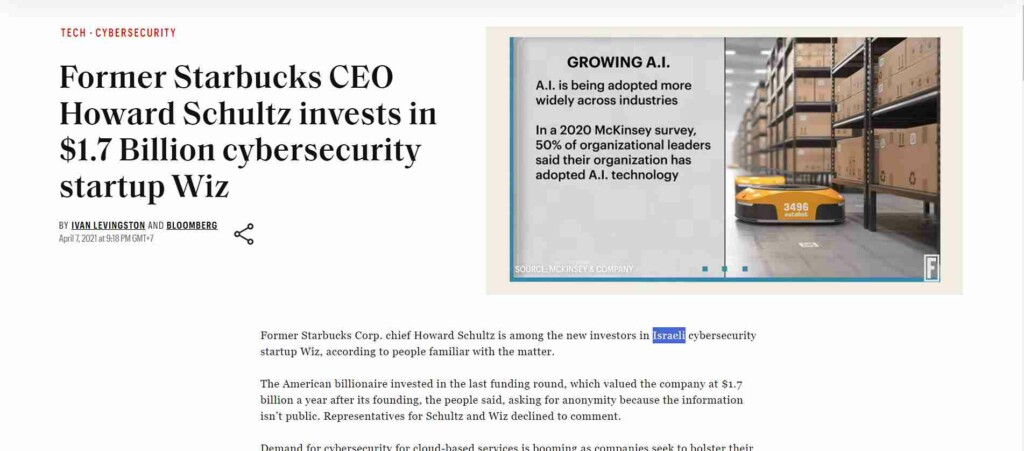
The international coffee chain Starbucks is tied to Howard Schultz, a significant private shareholder with strong Zionist inclinations. Schultz’s investments in Israel’s economy, like the recent investment in a cybersecurity startup, may lead some to avoid purchasing or selling Starbucks products, Starbucks On the Go, or working for Starbucks to express their views or beliefs.
Also owned by Nestle, Nescafe is affiliated with Osem, an Israeli food manufacturer operating in Occupied Palestine. For those aiming to make a statement, consider avoiding Nescafe products and refraining from all Nestle products until their disengagement from operations in Occupied Palestine. This involves avoiding any Osem brands such as Sabra and others found in available sources.
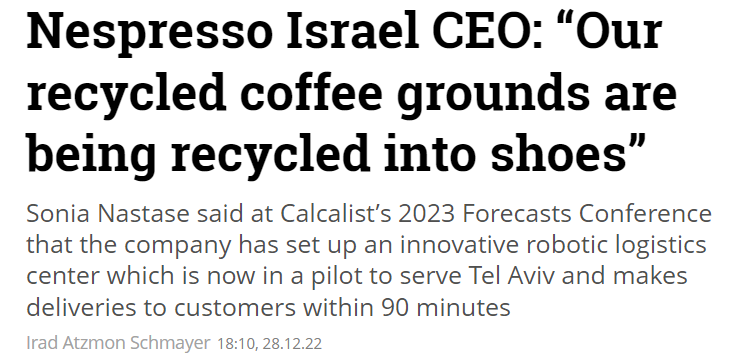
Under Nestle’s ownership, Nespresso is connected with Osem, an Israeli food manufacturer operating in Occupied Palestine. To make a stance, one might choose to avoid purchasing Nespresso products and shun all Nestle products until they disengage from operations in Occupied Palestine. Especially avoid any Osem brands like Sabra and others found through available resources.
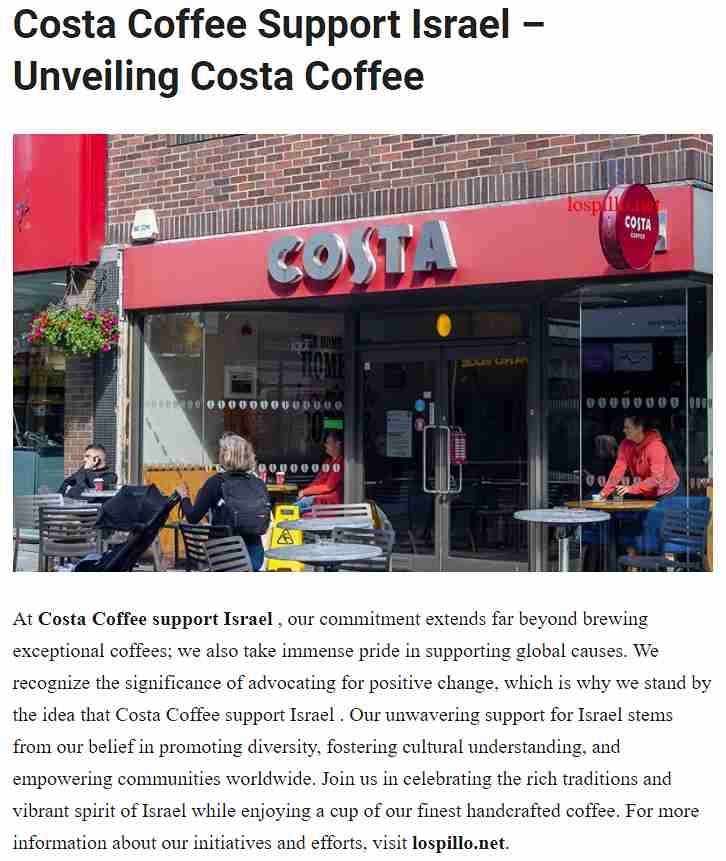
Under the Coca-Cola Company, Costa Coffee is linked to an Atarot factory situated in the illegal Israeli settlement in Occupied Palestine. To align with specific causes or beliefs, it’s suggested to refrain from purchasing Costa Coffee, selling Costa Express in businesses, or working for Costa Coffee or the Coca-Cola Company.
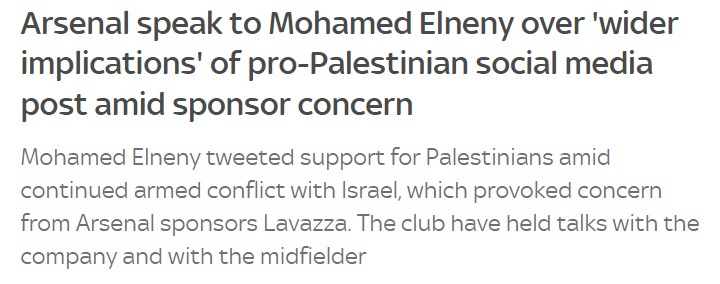
Lavazza, a coffee products brand, stirred controversy by pressuring the Arsenal football team to silence a player’s support for Palestine. As a response, individuals may choose not to purchase or sell Lavazza products or buy Arsenal football shirts while Lavazza is a sponsor.
Nestle’s Coffee Mate has affiliations with Osem, an Israeli food manufacturer operating in Occupied Palestine. To echo certain stances, consider avoiding Coffee Mate products. Furthermore, there’s a call to boycott all Nestle products until they divest from operations in Occupied Palestine, especially steering clear of Osem brands like Sabra, among others.
The association between popular coffee brands and their links to entities operating in Occupied Palestine has brought consumer choices into focus. Calls for boycotts or abstaining from these products have emerged as a means to express solidarity or make stances against these operations.
As consumer awareness grows, individuals have the opportunity to align their purchases with their beliefs, contributing to ongoing dialogues and movements striving for change.
In a globally interwoven market, consumer decisions carry deep ethical implications. Numerous renowned brands have become entangled in controversies related to their associations with or actions concerning the Israeli state.
Each company’s stance has triggered calls for conscientious consumer behavior. This exploration delves into these scenarios, aiming to highlight the considerations and suggested actions for various brands, emphasizing the alignment of consumer choices with ethical principles.
1. Louis Vuitton
Louis Vuitton
Louis Vuitton, under LVMH ownership, has faced criticism for significant investments in Israeli companies. To showcase objection, individuals are advised not to buy or sell Louis Vuitton products and refrain from professional associations with Louis Vuitton or LVMH.
Chanel, a luxury fashion house, faced criticism for its stance condemning attacks on Israel while remaining silent on Gaza, alongside a substantial pledge made in Chanel’s name. To respond, avoiding the purchase of any Chanel products and steering clear from selling them is suggested. Professional involvement with Chanel is also discouraged.
Dior, a brand under LVMH, has been linked to substantial investments in Israeli companies. To showcase disagreement, refraining from buying or selling Dior products and avoiding affiliations with Dior or its parent company, LVMH, is recommended.
Ralph Lauren Fragrances, in collaboration with L’Oreal, faced scrutiny related to the Arab League boycott. It’s advisable to avoid buying or selling Ralph Lauren Fragrances and refrain from professional affiliations with L’Oreal Groupe.
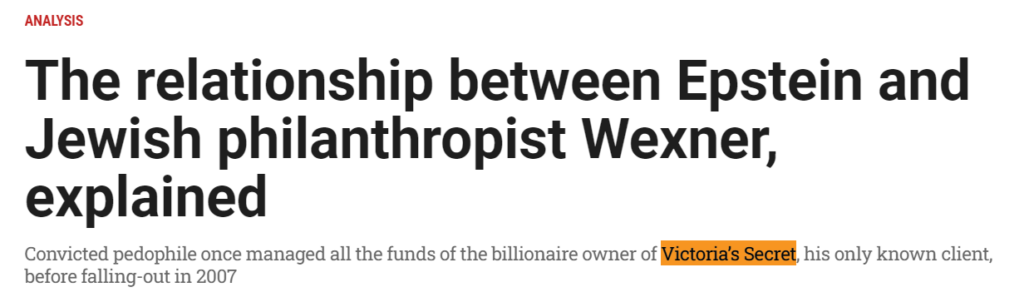
Owned by L Brands, led by a staunch Israel supporter and a business partner of Jeffrey Epstein, Victoria’s Secret is associated with these affiliations. To make a statement, avoid purchasing their products or seeking employment at Victoria’s Secret. Calling out Victoria’s Secret models for their association might also be considered.
Owned by Estee Lauder, known for its extreme Zionist support, Tom Ford Beauty stands among various other brands. To oppose such affiliations, avoid buying Estee Lauder products and refrain from professional involvement with any Estee Lauder brands.
Similar to Mugler Beauty, Prada Beauty operates in partnership with L’Oreal and faced criticism post-boycott controversies. Avoid purchasing or selling Prada Beauty products and refrain from professional associations with L’Oreal Groupe.
Yet another L’Oreal partnership, YSL Beauty faced criticism over their involvement with Israel after boycott-related controversies. To express your views, it’s suggested to avoid buying or selling YSL Beauty products and refrain from professional involvement with L’Oreal Groupe.
Partnered with L’Oreal, Giorgio Armani Beauty faced criticism related to ties to Israel. To support dissent against these actions, it’s suggested not to buy or sell Giorgio Armani Beauty products and avoid professional affiliations with L’Oreal Groupe.
With ties to LVMH, Fenty Beauty has faced criticism for substantial investments in Israeli companies. To demonstrate objection, avoiding the purchase or sale of Fenty products and steering clear from professional involvement with Fenty or its parent company, LVMH, is recommended.
Bulgari, owned by LVMH, has made substantial investments in Israeli companies. To express dissent against this connection, it’s advisable to abstain from buying or selling Bulgari products and avoid affiliations with both Bulgari and its parent company, LVMH.
12. Givenchy
Givenchy, under the ownership of LVMH, has been associated with significant investments in Israeli companies. To express dissent, refraining from the purchase or sale of Givenchy products and avoiding professional affiliations with Givenchy or its parent company, LVMH, is recommended.
13. Kenzo
Kenzo, owned by LVMH, has faced objections due to significant investments in Israeli companies. To showcase disagreement, it’s advised not to buy or sell Kenzo products and avoid professional affiliations with Kenzo or its parent company, LVMH.
14. Diesel Fragrances
The partnership between Diesel and L’Oreal for their fragrance range faced controversy due to its connections. Following an apology and investments in Israel, it’s recommended to avoid buying or selling Diesel Fragrances products and abstain from professional associations with L’Oreal Groupe.
15. Celine
Celine, a fashion brand under LVMH, has been tied to significant investments made by its parent company in Israeli companies. To express disagreement, avoiding the purchase or sale of Celine products and shunning professional affiliations with Celine or LVMH is recommended.
16. Skechers
The president of Skechers, Michael S Greenberg, has expressed pro-Israel sentiments. To align with particular views, it’s suggested to avoid purchasing or selling Skechers products and refrain from professional involvement with Skechers Groupe.
17. American Eagle
The Pittsburgh-based clothing and accessories retailer, American Eagle, sparked controversy by displaying the Israeli flag on their Times Square billboard, signaling support for the Israeli state. To respond to this position, refraining from purchasing products from American Eagle Outfitters and avoiding professional involvement with the company is recommended.
18. Valentino Beauty
In collaboration with L’Oreal, Valentino Beauty operates with investments and a factory in Occupied Palestine. To take a stance, avoid buying or selling Valentino Beauty products and refrain from professional involvement with L’Oreal Groupe.
Associated with various Zionist initiatives due to connections with the Isrotel hotel chain in Israel, River Island has faced criticism. Refraining from buying products or seeking employment at River Island is recommended.
20. Tesco
Partnering with a firm led by a staunch Zionist, Tesco initiated till-less stores in London. To oppose this partnership, avoid purchasing Tesco products, especially from their GetGo stores, and advocate for the company to engage with local partners instead.
21. Ted Baker
Ted Baker entered into an agreement with an Israeli company for manufacturing product lines. If concerned about this collaboration, refraining from buying, selling, or working for Ted Baker until they stop using Israeli manufacturers is advised.
22. Carrefour
The global supermarket chain, Carrefour, has made significant investments in Israel and planned numerous stores in the region. In protest against these actions, individuals are encouraged to refrain from shopping at Carrefour supermarkets and to avoid professional connections with the company.
23. Marks and Spencer / M&S
Marks & Spencer, a British multinational retailer, has shown pro-Zionist inclinations in the past. Although their current support remains ambiguous, past statements have reflected pro-Israel sentiments. It’s advisable to avoid shopping at M&S and refrain from working for the company.
24. Tiffany & Co.
Tiffany & Co., under the umbrella of LVMH investing in Israeli companies, is associated with these ties. Avoiding the purchase or sale of Tiffany & Co. products and refraining from professional affiliations with Tiffany & Co. or LVMH is advisable.
25. Maison Margiela Fragrances
Associated with L’Oreal, Maison Margiela Fragrances faced backlash due to controversies. To express dissent, it’s recommended not to buy or sell their products and avoid professional associations with L’Oreal Groupe.
26. STELLA by Stella McCartney
STELLA by Stella McCartney operates under LVMH, investing heavily in Israeli companies. It’s advisable to refrain from buying, selling, or working for STELLA by Stella McCartney or LVMH.
27. Mugler Beauty
A partnership between Mugler and L’Oreal, Mugler Beauty’s ties to L’Oreal, known for its association with Israel, faced controversy. Avoiding the purchase or sale of Mugler Beauty products and refraining from professional involvement with L’Oreal Groupe is suggested.
28. Maison Francis Kurkdjian
Under LVMH, Maison Francis Kurkdjian’s association with investments in Israeli companies has drawn objections. To express dissent, it’s suggested not to buy or sell Maison Francis Kurkdjian products and avoid professional affiliations with LVMH.
29. Fendi
Fendi, owned by LVMH, has faced objections due to significant investments in Israeli companies. To signify disagreement, it’s recommended to avoid buying or selling Fendi products and avoid professional associations with Fendi or its parent company, LVMH.
30. Caterpillar
Caterpillar, known for manufacturing heavy machinery, has faced criticism for the use of their equipment in the demolition of Palestinian homes, notably the D9 bulldozer for the IDF. To voice dissent, it’s advised not to purchase Caterpillar clothes or machinery, avoid selling their products, and steer clear from employment with Caterpillar.
31. Marc Jacobs
A part of LVMH, Marc Jacobs faced criticism for substantial investments in Israeli companies. To express objection, refraining from the purchase or sale of Marc Jacobs products and avoiding professional affiliations with Marc Jacobs or LVMH is recommended.
32. Skims
While not explicitly anti-Israel, Skims products have been linked to a lack of condemnation for Israeli actions in Gaza. To make a statement, avoiding the purchase or sale of Skims products and refraining from professional involvement with the brand is suggested.
33. Viktor & Rolf Beauty
Similar to other L’Oreal partners, Viktor & Rolf Beauty operates under the shadow of L’Oreal’s pro-Israel controversies. To align with specific views, avoid buying or selling Viktor & Rolf Beauty products and refrain from professional involvement with L’Oreal Groupe.
34. Loewe
Loewe, under LVMH ownership, has been associated with significant investments in Israeli companies. To express dissent, it’s recommended not to buy or sell Loewe products and avoid professional affiliations with Loewe or LVMH.
35. River Island
Associated with various Zionist initiatives due to connections with the Isrotel hotel chain in Israel, River Island has faced criticism. Refraining from buying products or seeking employment at River Island is recommended.
The influence of consumer choices is profound. Brands like American Eagle, Bulgari, Carrefour, and Caterpillar have faced scrutiny for their connections, investments, or actions concerning Israel. Through advocating for conscientious consumerism, refraining from purchasing their products, and avoiding professional affiliations with these brands, individuals can convey dissent and support ethical business practices.
Our choices as consumers are not just transactions; they are expressions of our values and ethical considerations. It’s a call for individuals to be mindful of the broader impact their choices can have on promoting responsible and ethical business practices.
In a global landscape where consumer choices carry substantial implications, several major corporations find themselves embroiled in sensitive situations with ethical and geopolitical dimensions.
From Hyundai and Mercedes Benz’s engagements in complex geopolitical environments to Rentalcars.com’s decisions, each case raises fundamental questions about the ramifications and responsibilities associated with consumer choices. Let’s delve into these instances to fathom the significance of these decisions and the potential consequences they may entail.
1. Tesla
Tesla
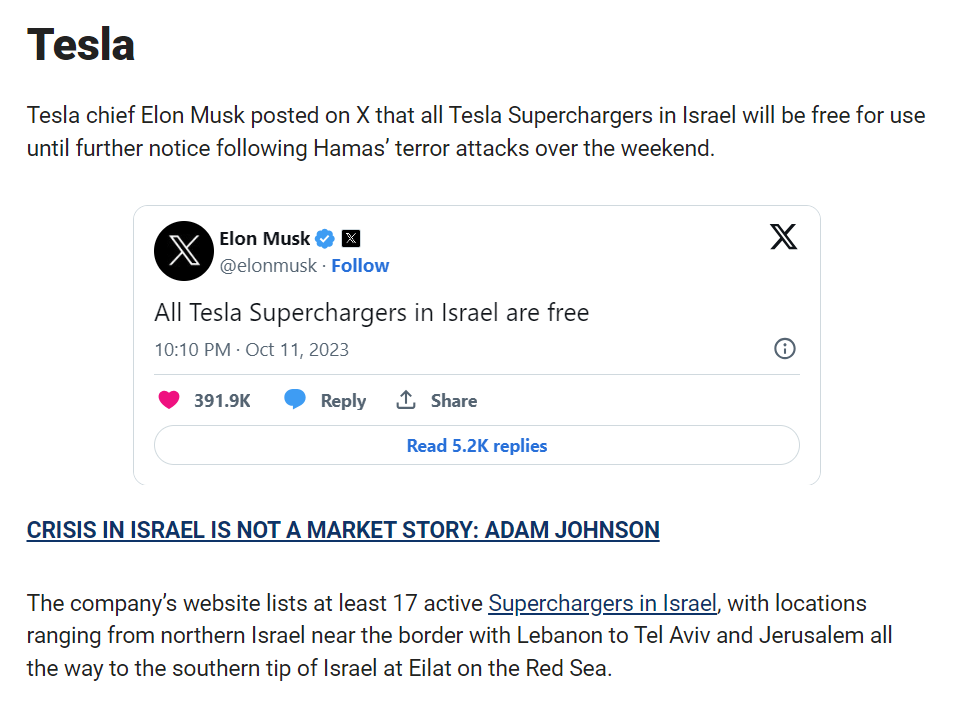
Tesla announced free use of all its Superchargers in Israel following recent terror attacks, displaying a supportive gesture.
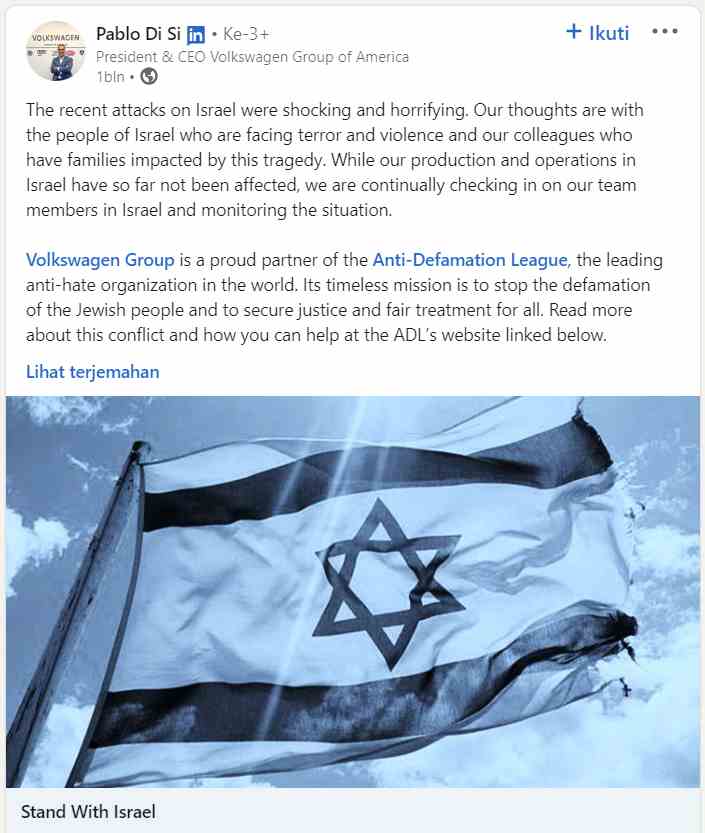
Voiced support for Israel and condemned the recent attacks, standing in solidarity. Their association with the Anti-Defamation League emphasizes their commitment to combating hate.
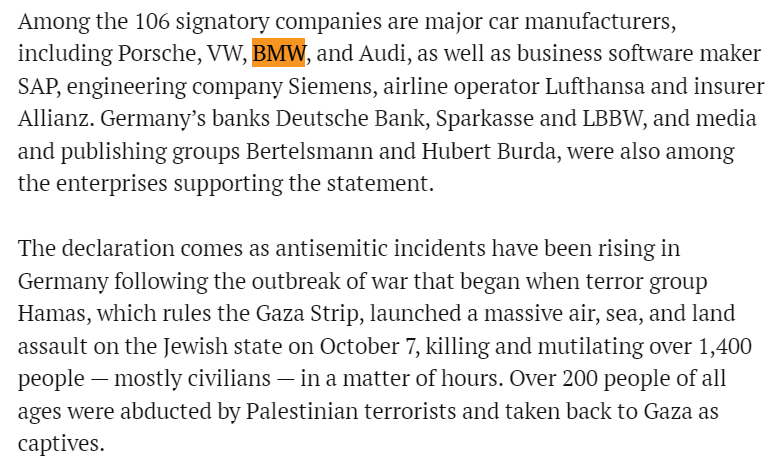
Signatory in a unified statement against anti-Semitism. Job seekers might want to reconsider joining BMW due to their involvement in this principled stand.
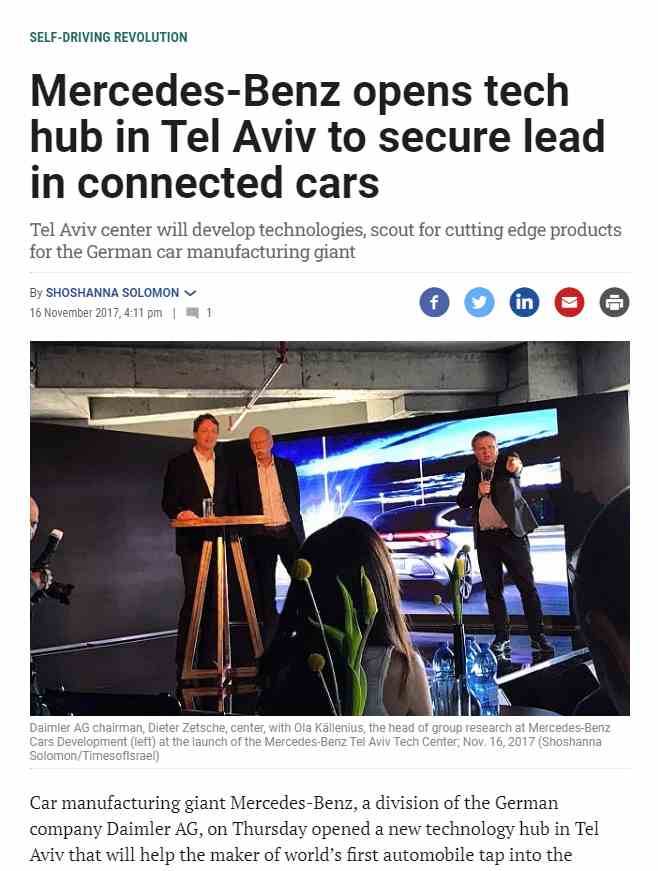
Mercedes Benz, a renowned German car manufacturer, attracted attention by establishing a technology hub in Tel Aviv. This decision raised concerns due to the city’s contentious geopolitical landscape.
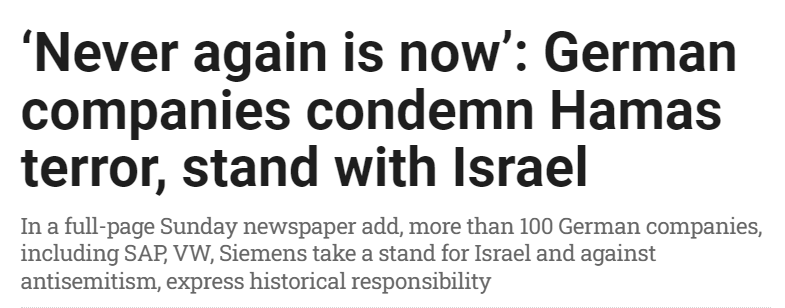
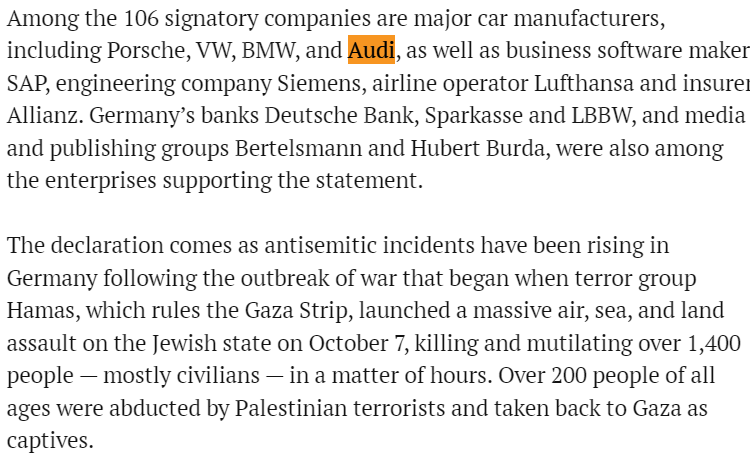
Part of the joint statement with over 100 signatories, including major German companies, denouncing anti-Semitism. Prospective employees might rethink joining Audi due to their ethical stance.
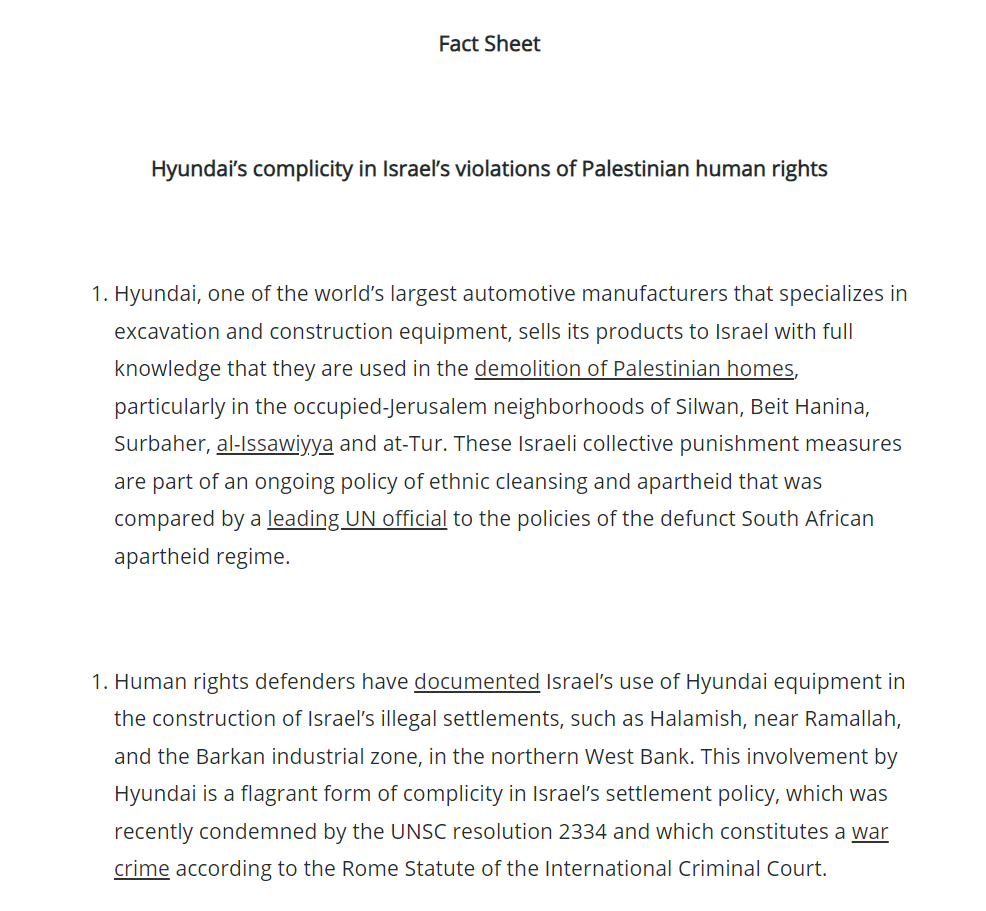
The esteemed Korean car manufacturer, Hyundai, recognized for both vehicles and heavy machinery, has drawn criticism for its role in the demolition of Palestinian neighborhoods in Jerusalem, economically benefiting from the Israeli occupation.
Part of the collective campaign against rising anti-Semitic acts. Considering Bosch’s stand against hate, job seekers might need to reconsider joining the company.
Rentalcars.com, a platform owned by Booking Holdings, encountered scrutiny for permitting listings in occupied Palestinian territory. Despite initial contemplations to label such properties, the company reversed its decision under pressure from Israel.
Consumer choices extend beyond transactions; they echo our values and principles. Cases involving companies like Hyundai and Mercedes Benz, alongside platforms like Rentalcars.com, underline the intricacies and ethical considerations entwined with our consumer behavior.
Abstaining from supporting these entities through purchases, employment, or associations represents a form of conscientious objection, conveying a potent message while advocating for ethical and responsible corporate conduct. In a landscape where our choices carry significant weight, being mindful of their broader impact and aligning our actions with our beliefs becomes a vital pathway for advocating change.