Tag: Famous Landmarks

  • Discover Indonesia’s Famous Landmarks: Natural Wonders and Cultural Treasures

    Discover Indonesia’s Famous Landmarks: Natural Wonders and Cultural Treasures

    Indonesia, a sprawling archipelago in Southeast Asia, is a land of extraordinary diversity, boasting a rich tapestry of natural wonders and cultural treasures. From ancient temples that tell tales of dynasties past to breathtaking landscapes forged by nature’s hand, Indonesia’s landmarks beckon travelers to explore their historical, cultural, and natural splendors.

    In this article, we’ll embark on a journey through Indonesia’s famous landmarks, unveiling their historical and cultural significance, offering practical tips for travelers, and sharing intriguing facts that make each site truly unique.

    1. Borobudur Temple
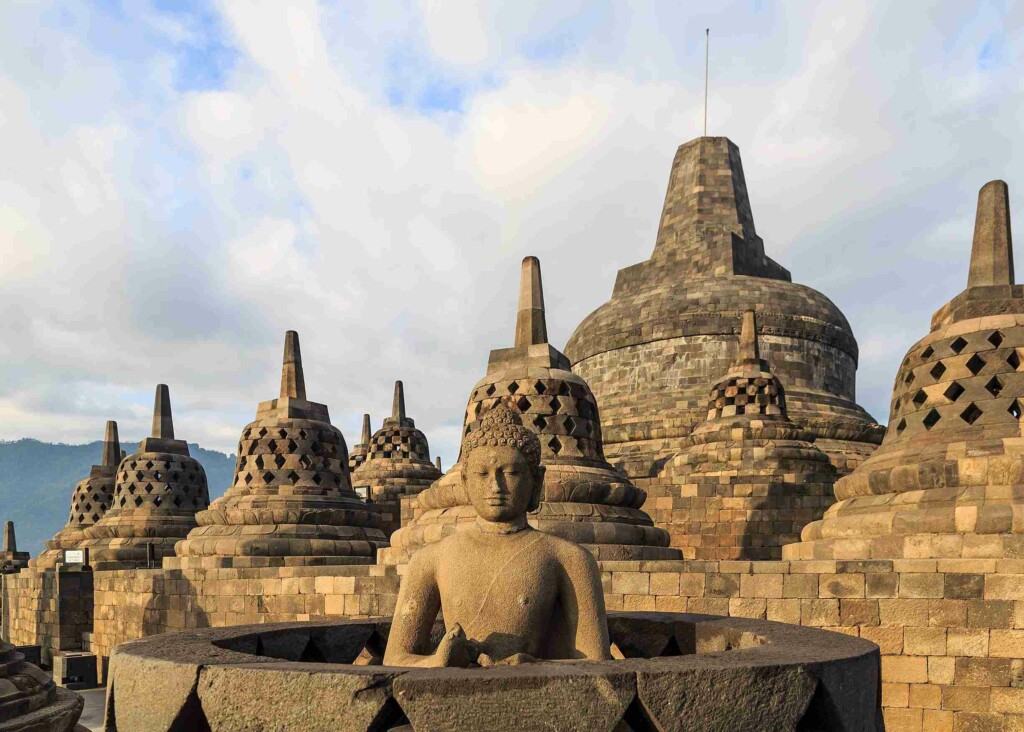
    Borobudur Temple
    Borobudur Temple

    Borobudur is a majestic Buddhist temple located in Central Java, adorned with intricate carvings and stupas.

    • Historical and Cultural Significance: Built in the 9th century, it is a symbol of Indonesia’s Buddhist heritage and a UNESCO World Heritage Site.
    • Tips for Visiting: Sunrise visits offer a magical experience. Explore the levels, each representing a stage of spiritual enlightenment.
    • Fun Fact: Borobudur was buried under volcanic ash for centuries before its rediscovery in the 19th century.

    2. Prambanan Temple
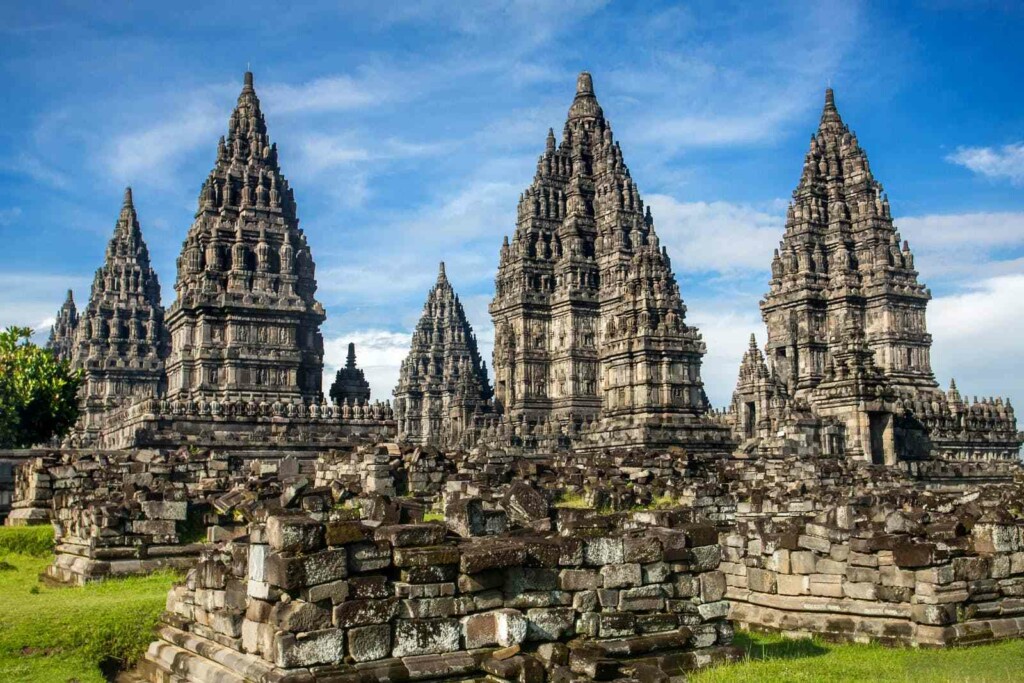
    Prambanan Temple
    Prambanan Temple

    Prambanan, situated near Yogyakarta, is an awe-inspiring Hindu temple complex with towering spires.

    • Historical and Cultural Significance: It honors the Trimurti, the Hindu trinity of Brahma, Vishnu, and Shiva, and is another UNESCO gem.
    • Tips for Visiting: Visit during sunset for stunning views. Don’t miss the Ramayana ballet performances in the open-air theater.
    • Fun Fact: Prambanan suffered damage in a major earthquake in 2006 but has since undergone extensive restoration.

    3. Mount Bromo
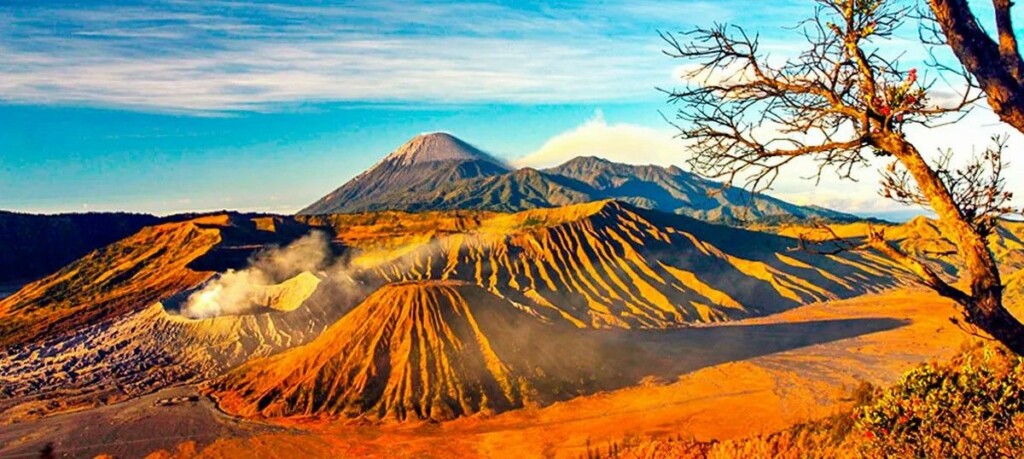
    Mount Bromo
    Mount Bromo

    Mount Bromo is an active volcano in East Java, known for its dramatic landscapes and a caldera filled with volcanic ash.

    • Historical and Cultural Significance: Mount Bromo is a sacred site for the Tenggerese people, who hold an annual Yadnya Kasada ritual here.
    • Tips for Visiting: Witness sunrise from Penanjakan Viewpoint and explore the ethereal Sea of Sand before ascending to Bromo’s crater.
    • Fun Fact: Mount Bromo is part of the Tengger Massif, which includes several volcanic peaks.

    4. Raja Ampat Islands
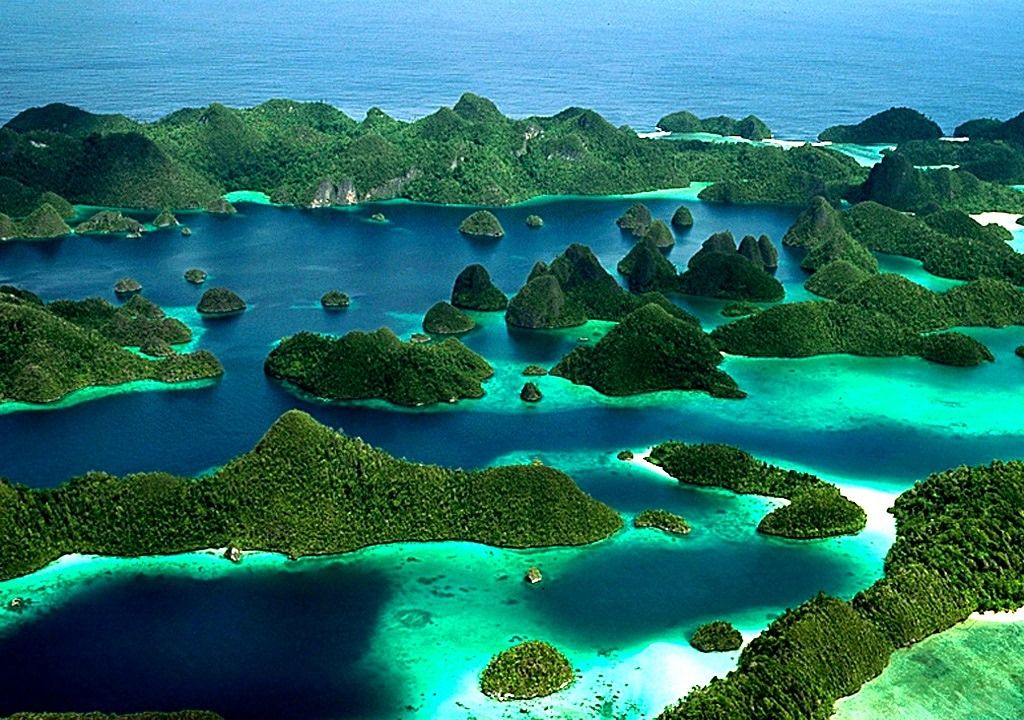
    Raja Ampat Islands
    Raja Ampat Islands

    Raja Ampat, located in West Papua, is an archipelago renowned for its stunning coral reefs and biodiversity.

    • Historical and Cultural Significance: The islands are home to diverse indigenous communities with unique traditions and languages.
    • Tips for Visiting: Snorkel or dive to witness vibrant marine life, and respect the local customs and environment.
    • Fun Fact: Raja Ampat is often referred to as the “Amazon of the Seas” due to its unparalleled marine biodiversity.

    5. Komodo National Park

    Komodo National Park
    Komodo National Park

    This UNESCO-listed park, encompassing several islands, is famous for the Komodo dragon, the world’s largest lizard.

    • Historical and Cultural Significance: The dragons are of great cultural significance, and the park protects their habitat.
    • Tips for Visiting: Guided tours are essential for safety. Marvel at the dragons, and explore the park’s pristine beaches.
    • Fun Fact: Komodo dragons are known for their unique hunting technique, using venomous saliva to weaken their prey.

    6. Ubud
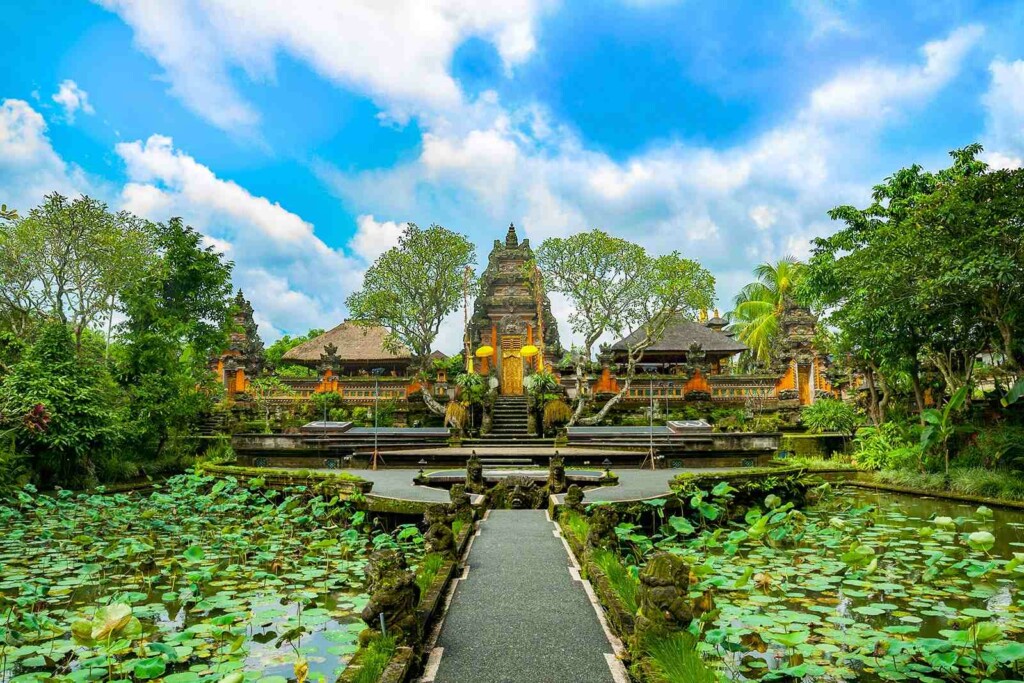
    Ubud
    Ubud

    Ubud, located in Bali’s uplands, is a cultural heartland known for its art, dance, and tranquil surroundings.

    • Historical and Cultural Significance: Ubud is a hub for Balinese arts and crafts, and its lush landscapes have inspired artists for generations.
    • Tips for Visiting: Attend traditional dance performances, explore art markets, and visit the Monkey Forest Sanctuary.
    • Fun Fact: Ubud gained international fame as the setting for the movie “Eat Pray Love.”

    7. Tanah Lot Temple
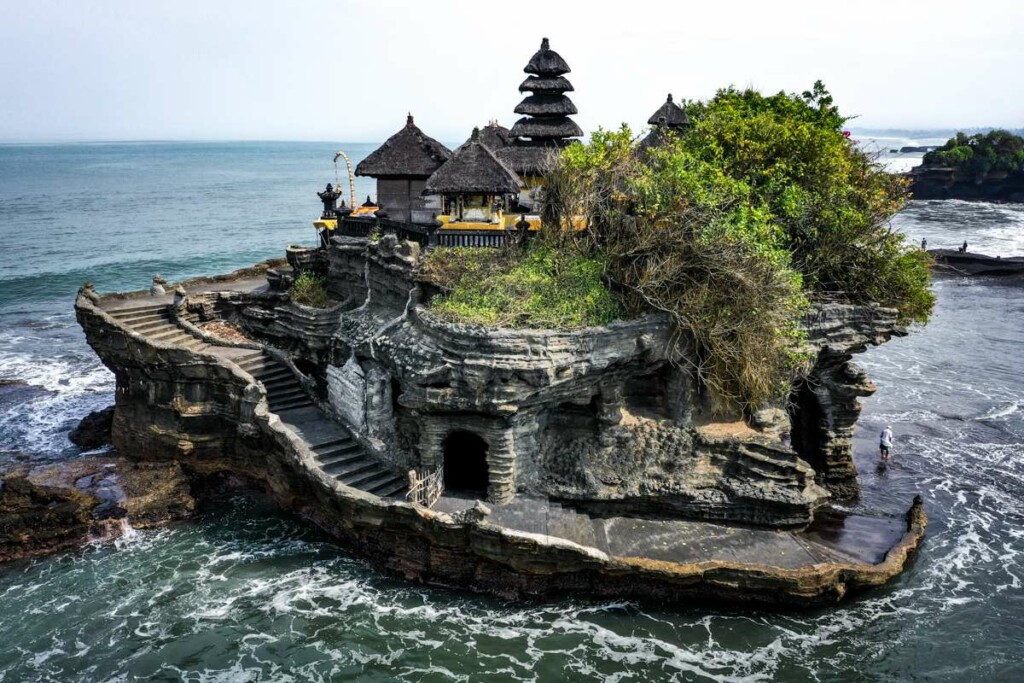
    Tanah Lot Temple
    Tanah Lot Temple

    Tanah Lot is an iconic sea temple perched on a rock formation off Bali’s coast.

    • Historical and Cultural Significance: It is a pilgrimage site dedicated to the sea gods, and its stunning location adds to its allure.
    • Tips for Visiting: Sunset views are breathtaking, but be prepared for crowds. Respect the temple’s sacred status.
    • Fun Fact: Tanah Lot is one of Bali’s seven sea temples, each visible from the next.

    8. Uluwatu Temple
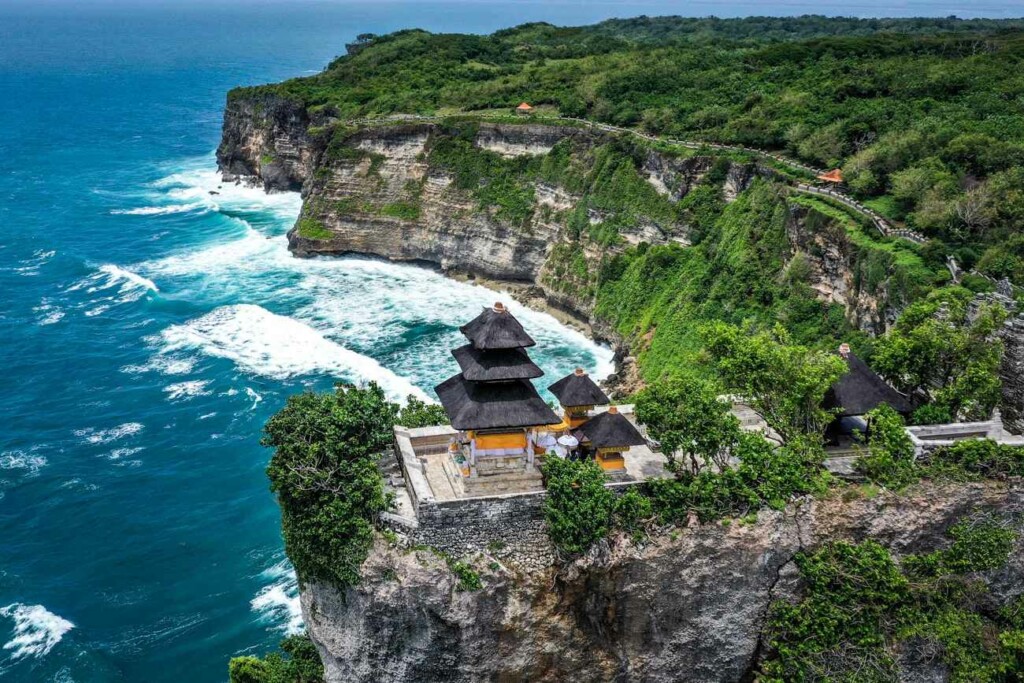
    Uluwatu Temple
    Uluwatu Temple

    Uluwatu Temple, perched on cliffs in Bali, offers dramatic views of the Indian Ocean.

    • Historical and Cultural Significance: It’s a key sea temple, guarding Bali from evil spirits. The Kecak dance is performed here.
    • Tips for Visiting: Visit during the late afternoon and stay for the sunset dance performance.
    • Fun Fact: The temple’s location is also a renowned surfing spot, attracting wave riders from around the world.

    9. Tegalalang Rice Terraces
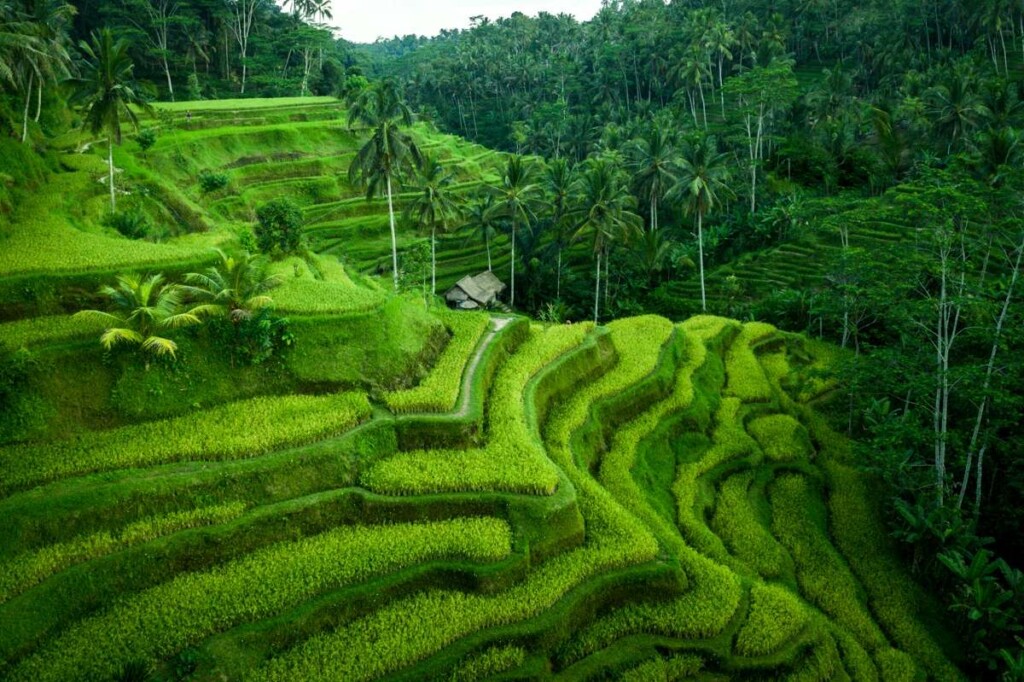
    Tegalalang Rice Terraces
    Tegalalang Rice Terraces

    Tegalalang, near Ubud, features stunning stepped rice terraces etched into the lush landscape.

    • Historical and Cultural Significance: These terraces are a testament to traditional Balinese rice cultivation techniques.
    • Tips for Visiting: Wander the terraces, interact with farmers, and support local businesses.
    • Fun Fact: The subak system, managing water and rice cultivation, was designated a UNESCO Cultural Landscape.

    10. Ijen Crater
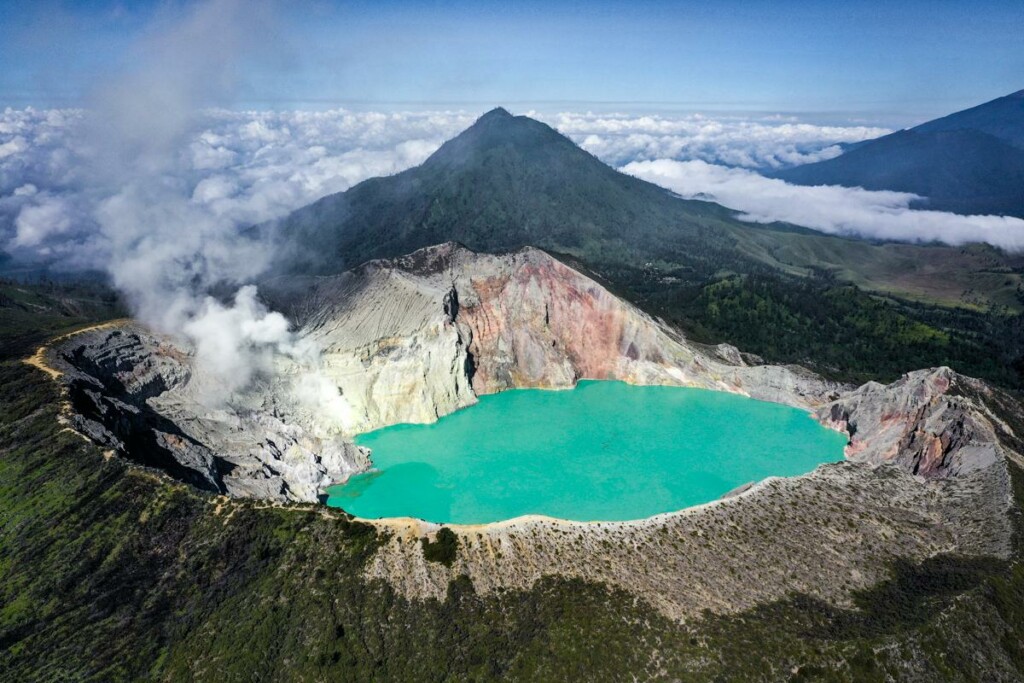
    Ijen Crater
    Ijen Crater

    Ijen Crater, in East Java, is known for its turquoise acidic crater lake and sulfur mining operations.

    • Historical and Cultural Significance: Sulfur miners extract minerals using primitive tools in arduous conditions.
    • Tips for Visiting: Hike to the crater for sunrise views but wear appropriate gear and heed safety guidelines.
    • Fun Fact: The blue flames, caused by sulfuric gas igniting, are a unique and eerie spectacle.

    Indonesia’s famous landmarks beckon travelers with a tapestry of historical, cultural, and natural wonders. From the spiritual splendor of Borobudur and Prambanan to the enchanting marine life of Raja Ampat and Komodo, each landmark offers a unique glimpse into Indonesia’s multifaceted identity.

    Whether you seek spiritual enlightenment, natural beauty, or cultural immersion, Indonesia’s treasures await exploration.

  • Japan’s Most Famous Landmarks: From Mt. Fuji to the Imperial Palace

    Japan’s Most Famous Landmarks: From Mt. Fuji to the Imperial Palace

    Japan, a country steeped in history and culture, boasts a diverse array of landmarks that captivate visitors from around the world. From the iconic silhouette of Mount Fuji to the modern marvel of the Tokyo Skytree, each landmark tells a unique story of Japan’s heritage and innovation.

    In this article, we will explore Japan’s most famous landmarks, delving into their historical significance, cultural importance, and offering tips for travelers seeking to experience these incredible sites firsthand.

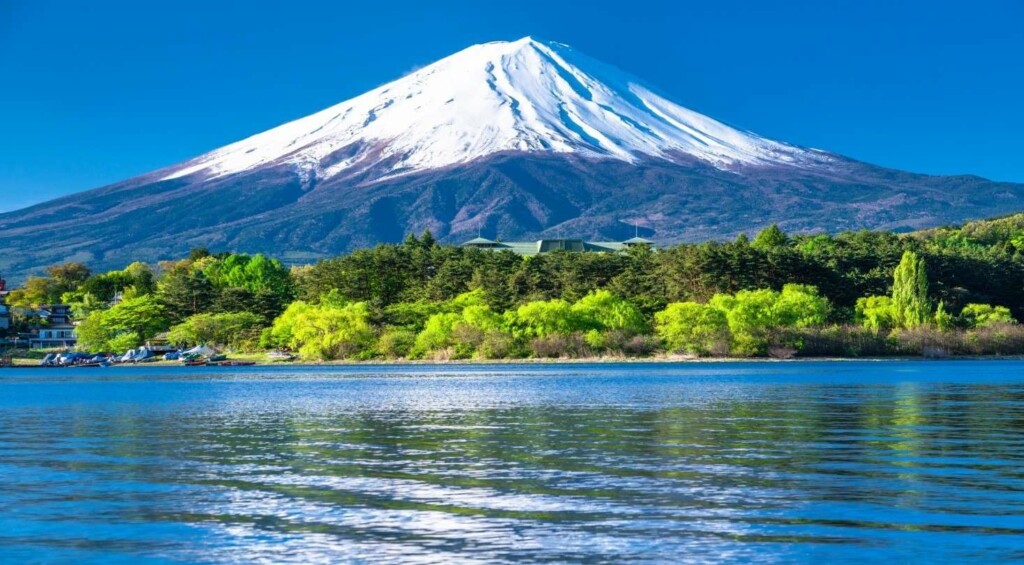
    1. Mount Fuji

    Mount Fuji
    Mount Fuji

    Mount Fuji, or Fuji-san, is Japan’s highest peak and an iconic symbol of the country. It’s a perfectly symmetrical volcanic cone.

    • Historical and Cultural Significance: Considered sacred, Fuji has inspired artists, poets, and pilgrims for centuries.
    • Tips for Visiting: Climbing is popular from July to September. Alternatively, admire the view from the Fuji Five Lakes.
    • Fun Fact: Mount Fuji has been depicted in countless ukiyo-e woodblock prints.

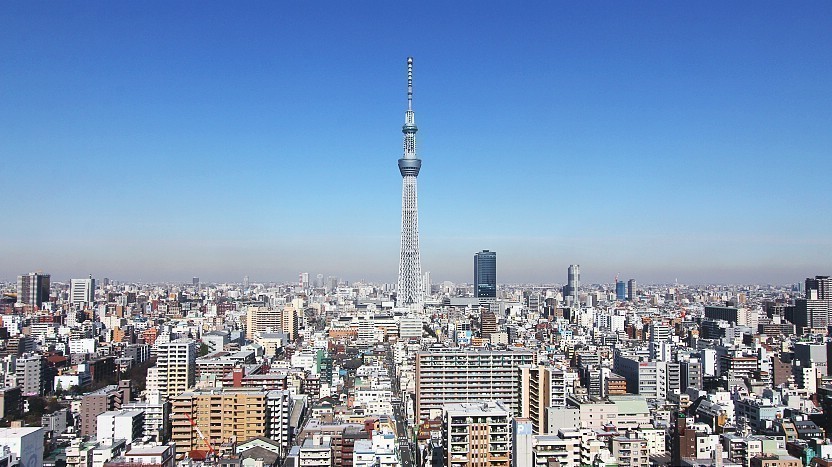
    2. Tokyo Skytree

    Tokyo Skytree
    Tokyo Skytree

    The Tokyo Skytree is a futuristic broadcasting and observation tower, one of the tallest freestanding towers globally, located in Sumida, Tokyo.

    • Historical and Cultural Significance: It represents Tokyo’s modern skyline and offers spectacular panoramic views.
    • Tips for Visiting: Visit at sunset or nightfall for breathtaking cityscapes. Consider the glass-floored Tembo Galleria.
    • Fun Fact: The tower’s design draws inspiration from traditional Japanese architecture.

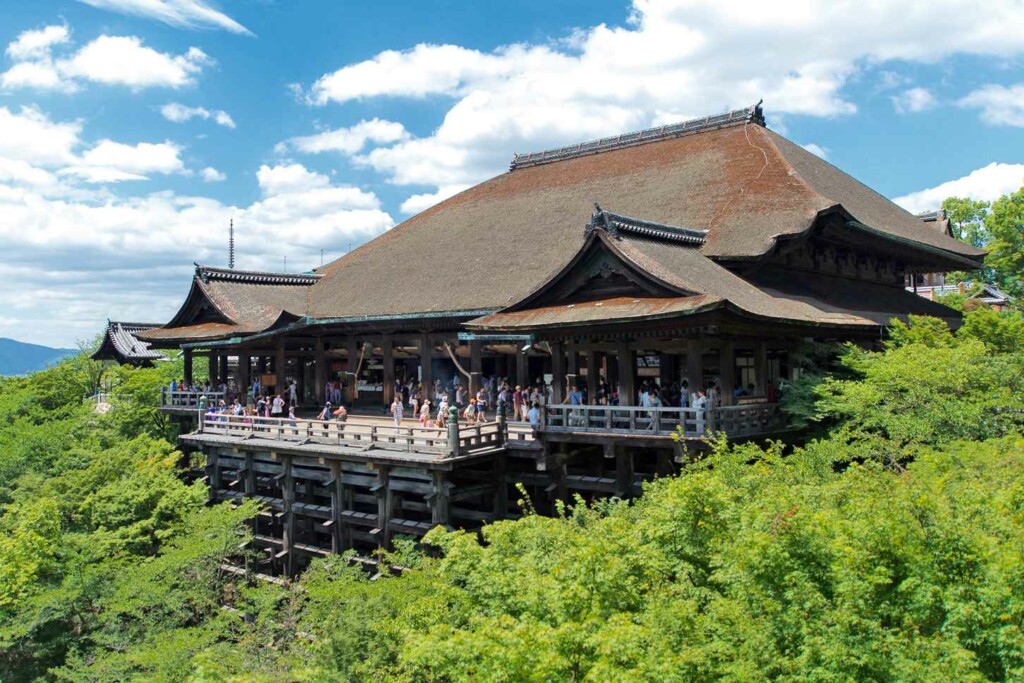
    3. Kiyomizu-dera Temple

    Kiyomizu Dera Temple
    Kiyomizu Dera Temple

    Kiyomizu-dera, in Kyoto, is a historic wooden temple renowned for its stunning wooden stage that extends over a cliff.

    • Historical and Cultural Significance: A UNESCO World Heritage Site, it represents classical Japanese architecture and Buddhism.
    • Tips for Visiting: Spring and autumn are ideal for cherry blossoms and fall foliage. Enjoy the “love stone” for romantic fortunes.
    • Fun Fact: Kiyomizu means “pure water,” derived from the Otawa Waterfall within the temple grounds.

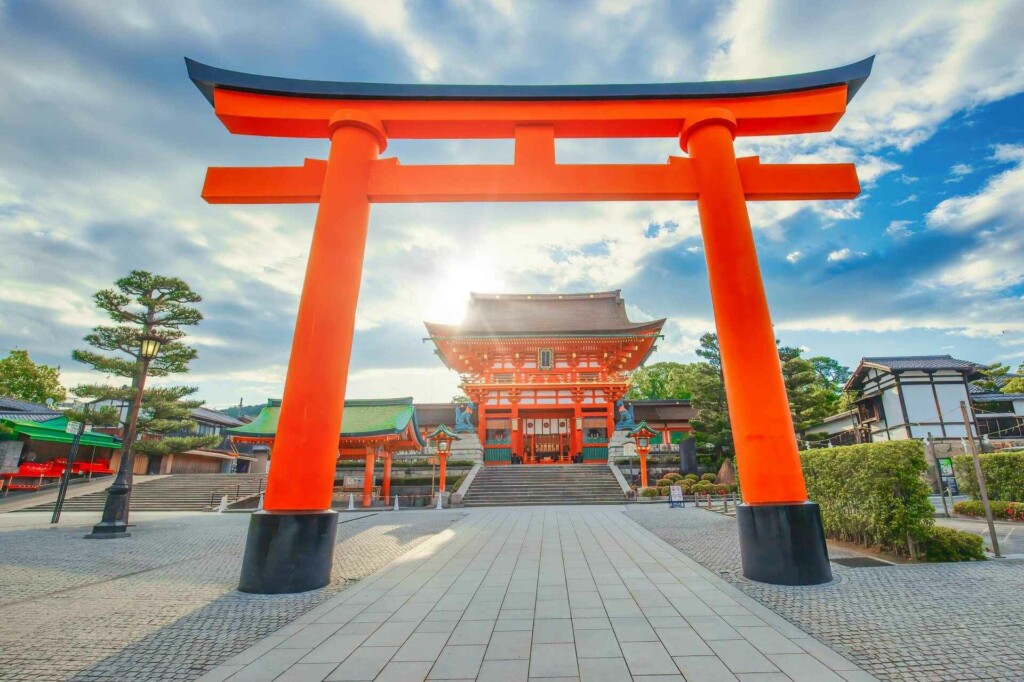
    4. Fushimi Inari-taisha Shrine

    Fushimi Inari Taisha Shrine
    Fushimi Inari Taisha Shrine

    Located in Kyoto, this Shinto shrine is famous for its thousands of vermilion torii gates that form tunnels along the trails.

    • Historical and Cultural Significance: Dedicated to Inari, the fox deity, it symbolizes good fortune, business success, and prosperity.
    • Tips for Visiting: Start the hike early to avoid crowds, and explore the intricate network of paths.
    • Fun Fact: The shrine’s fox statues often carry symbolic items like keys to the rice granary.

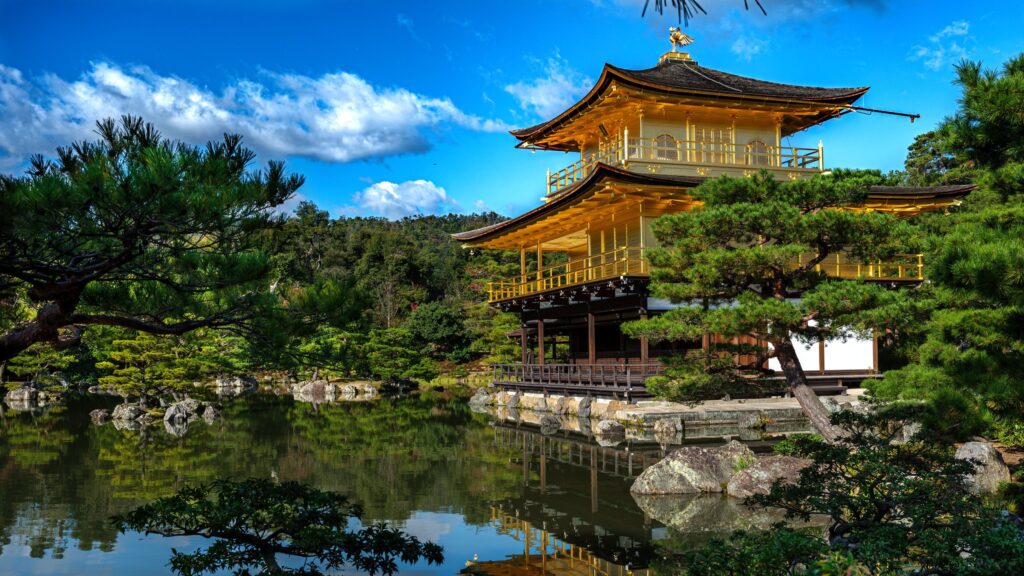
    5. Kinkaku-ji Temple (Golden Pavilion)

    Kinkaku Ji Temple
    Kinkaku Ji Temple

    Kinkaku-ji in Kyoto is a Zen Buddhist temple covered in gold leaf, reflecting in the serene Mirror Pond.

    • Historical and Cultural Significance: It was once a shogun’s retirement villa and now serves as a UNESCO heritage site.
    • Tips for Visiting: Best enjoyed in the morning light. Discover the surrounding gardens, too.
    • Fun Fact: Kinkaku-ji’s top two stories are coated in pure gold leaf.

    6. Imperial Palace

    Imperial Palace
    Imperial Palace

    Situated in Tokyo, the Imperial Palace is the primary residence of the Emperor of Japan, set within beautiful East Gardens.

    • Historical and Cultural Significance: The palace complex preserves Japan’s imperial history and architectural heritage.
    • Tips for Visiting: Public access is limited, but the East Gardens are open to visitors.
    • Fun Fact: The palace area was once the site of Edo Castle, the Tokugawa shogunate’s main fortress.

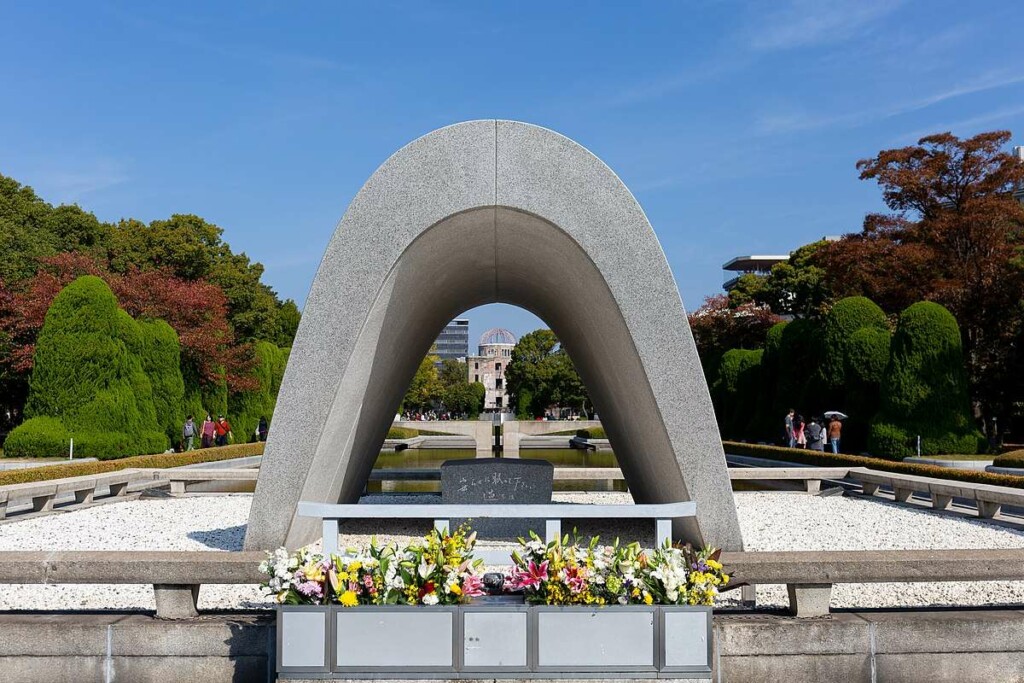
    7. Hiroshima Peace Memorial Park

    Hiroshima Peace Memorial Park
    Hiroshima Peace Memorial Park

    Located in Hiroshima, this park includes the Atomic Bomb Dome and monuments dedicated to the city’s atomic bombing in 1945.

    • Historical and Cultural Significance: A powerful symbol of peace, it reminds the world of the consequences of nuclear warfare.
    • Tips for Visiting: Reflect at the Memorial Cenotaph and visit the Hiroshima Peace Memorial Museum.
    • Fun Fact: The Atomic Bomb Dome is a UNESCO World Heritage Site and a haunting reminder of the past.

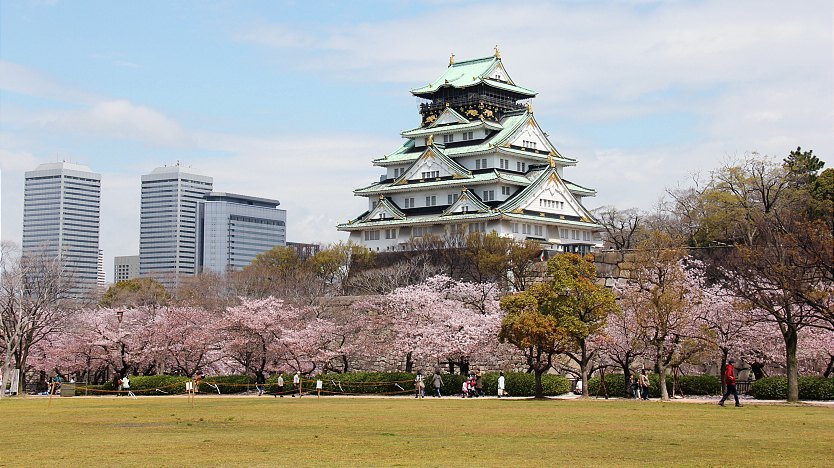
    8. Osaka Castle

    Osaka Castle
    Osaka Castle

    Osaka Castle, a historic fortress, stands amidst lush gardens in Osaka. Its architecture is reminiscent of Japan’s feudal era.

    • Historical and Cultural Significance: It played a vital role in the unification of Japan and represents resilience.
    • Tips for Visiting: Explore the castle’s museum to learn about its history, and enjoy cherry blossoms in spring.
    • Fun Fact: The castle’s central keep offers panoramic views of Osaka.

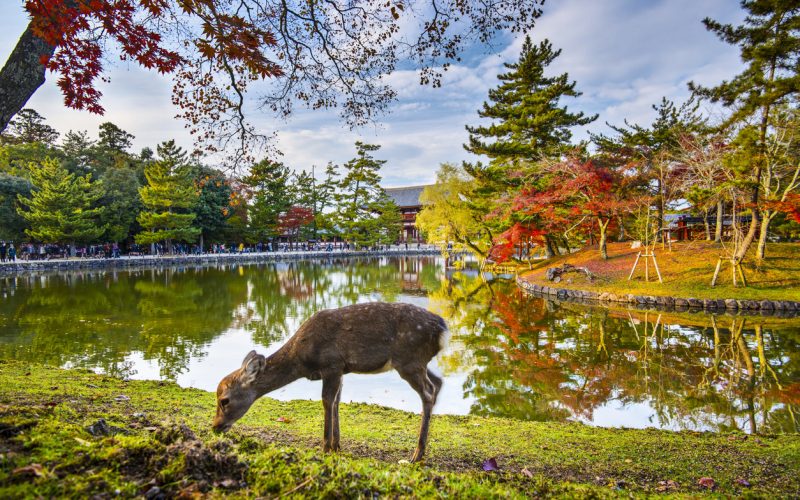
    9. Nara Park

    Nara Park
    Nara Park

    Nara Park, near Nara’s temples, is home to hundreds of freely roaming sacred deer, considered messengers of the gods.

    • Historical and Cultural Significance: The deer are protected as national treasures and are beloved symbols of Nara.
    • Tips for Visiting: Buy deer crackers to feed the friendly residents and explore the nearby temples.
    • Fun Fact: Deer bow to visitors as a sign of respect when offered food.

    10. Sensō-ji Temple

    Sensō Ji Temple
    Sensō Ji Temple

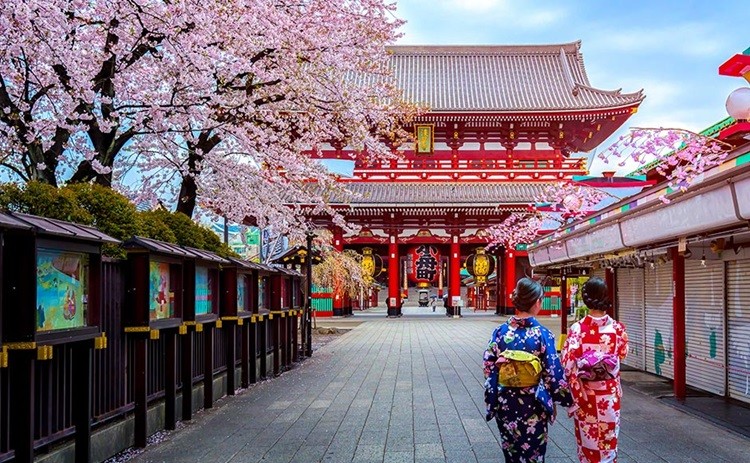
    Located in Tokyo’s Asakusa district, Sensō-ji is Tokyo’s oldest temple and a vibrant center of Buddhist culture.

    • Historical and Cultural Significance: It’s dedicated to Kannon, the goddess of mercy, and features a bustling market street.
    • Tips for Visiting: Experience traditional rituals, shop for souvenirs on Nakamise Street, and visit during festivals.
    • Fun Fact: The temple’s Thunder Gate features two formidable deities, Fujin and Raijin.

    Japan’s famous landmarks are a testament to the nation’s rich history, spirituality, and innovation. Whether you’re admiring the tranquility of Kinkaku-ji or contemplating peace at Hiroshima’s memorial park, each landmark offers a unique window into Japan’s diverse cultural tapestry.

    Exploring these sites not only provides insight into Japan’s past but also celebrates its enduring legacy in the modern world.

  • New Zealand’s Top 10 Famous Landmarks: A Bucket List for Travelers

    New Zealand’s Top 10 Famous Landmarks: A Bucket List for Travelers

    New Zealand, a land of breathtaking natural beauty and rich cultural heritage, is a dream destination for travelers worldwide. From rugged mountains and pristine fjords to lush forests and vibrant cities, New Zealand offers a diverse range of landscapes and experiences.

    In this article, we’ll explore the top 10 famous landmarks in New Zealand, each with its unique charm, historical significance, and cultural allure. Whether you’re an adventurer, a nature enthusiast, or a culture buff, New Zealand has something to offer for everyone.

    1. Milford Sound

    Milford Sound
    Milford Sound

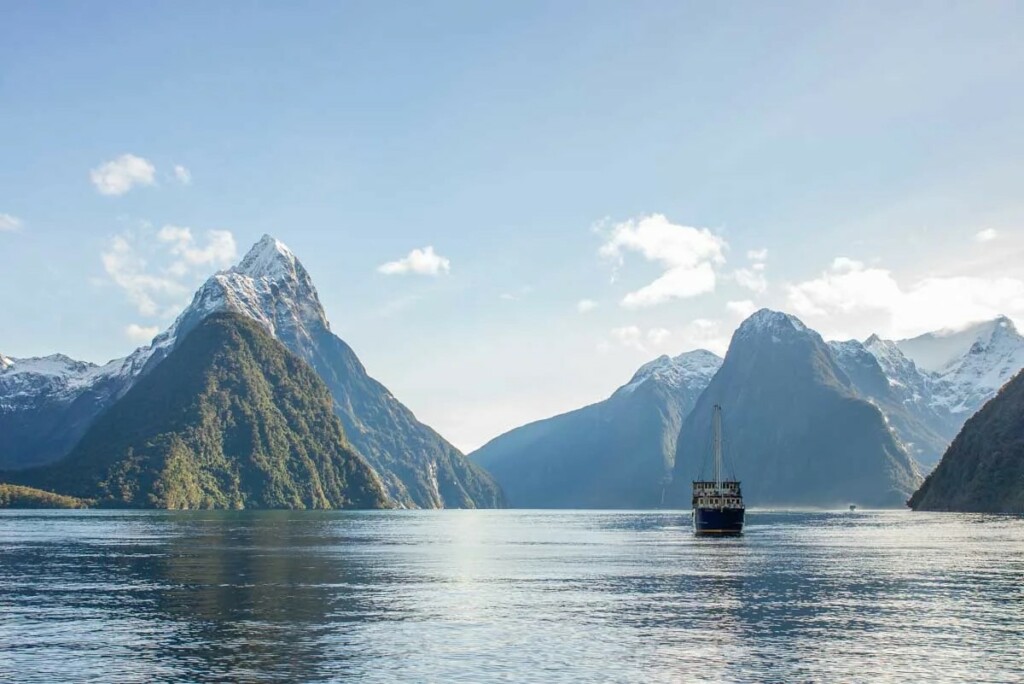
    Milford Sound is a stunning fjord located in Fiordland National Park on the South Island. It is famous for its dramatic landscapes, towering cliffs, and cascading waterfalls.

    • Historical and Cultural Significance: Milford Sound holds cultural significance for the Māori people, and its awe-inspiring beauty has attracted travelers for centuries.
    • Tips for Visiting: Take a boat cruise to get up close to the waterfalls, and don’t miss the stunning Mitre Peak. Visit during the rainy season to witness waterfalls in full flow.
    • Fun Fact: Rudyard Kipling once referred to Milford Sound as the “eighth wonder of the world.”

    2. Mount Cook

    Mount Cook
    Mount Cook

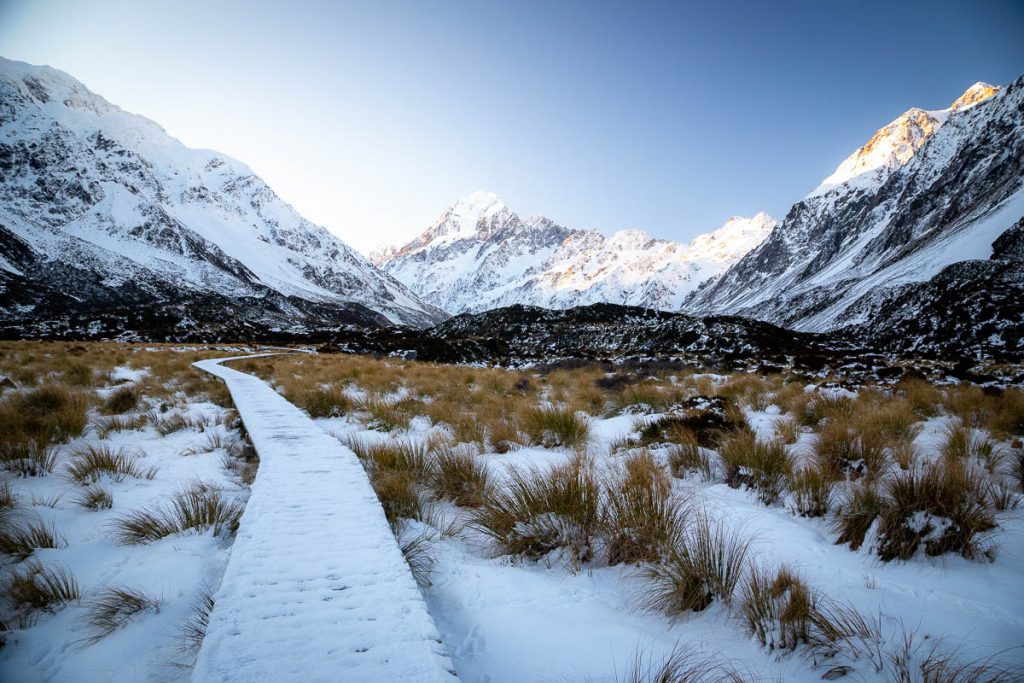
    Mount Cook, also known as Aoraki, is New Zealand’s highest peak, situated in the Southern Alps of the South Island.

    • Historical and Cultural Significance: Aoraki is a sacred site for the Ngāi Tahu iwi (tribe) and holds deep cultural significance.
    • Tips for Visiting: Explore Aoraki/Mount Cook National Park, go stargazing at the Aoraki Mackenzie Dark Sky Reserve, and consider hiking the Hooker Valley Track for breathtaking views.
    • Fun Fact: Sir Edmund Hillary, the first person to summit Mount Everest, honed his mountaineering skills on Aoraki.

    3. Rotorua

    Rotorua
    Rotorua

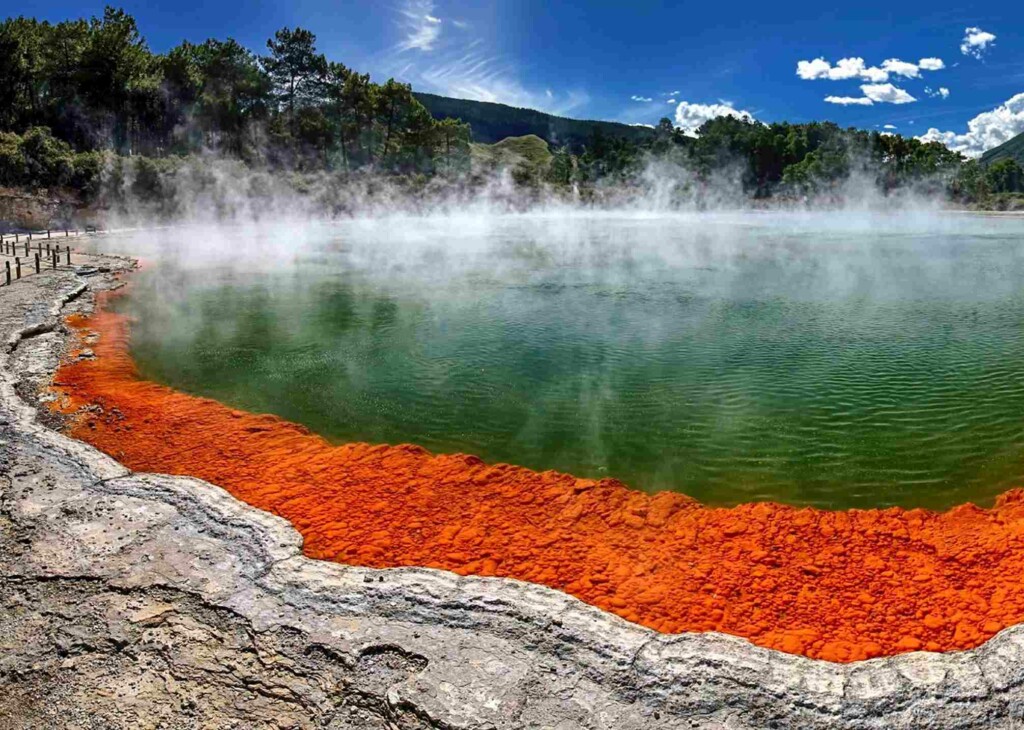
    Rotorua, on the North Island, is known for its geothermal wonders, including bubbling mud pools, geysers, and colorful hot springs.

    • Historical and Cultural Significance: Rotorua is a cultural hub for the Māori, offering insights into their traditions, cuisine, and arts.
    • Tips for Visiting: Explore Te Puia to witness the Pohutu Geyser, visit a Māori cultural village, and relax in geothermal hot pools.
    • Fun Fact: Rotorua’s distinct smell of sulfur is due to its geothermal activity.

    4. Waitomo Glowworm Caves

    Waitomo Glowworm Caves
    Waitomo Glowworm Caves

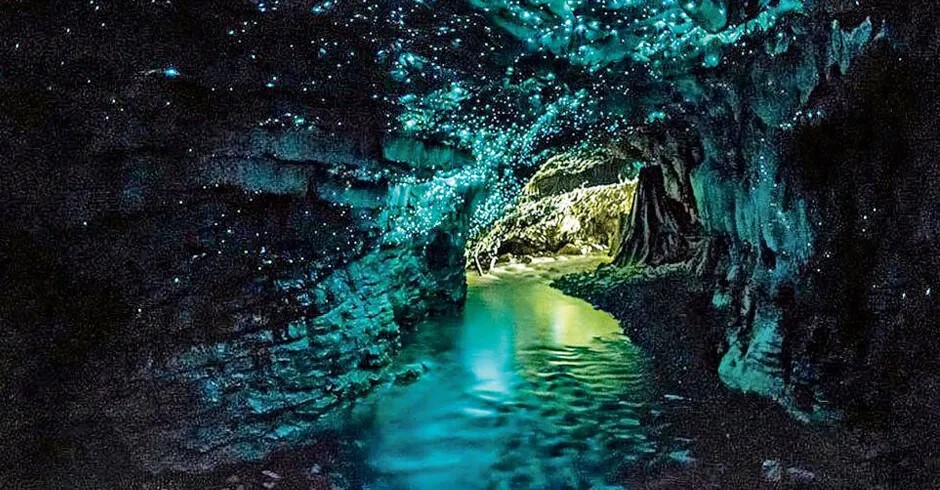
    The Waitomo Glowworm Caves, on the North Island, are a mesmerizing natural wonder illuminated by thousands of glowworms.

    • Historical and Cultural Significance: These caves have fascinated locals and visitors alike for centuries.
    • Tips for Visiting: Take a guided boat tour to witness the magical glowworm display in the caves.
    • Fun Fact: The glowworms use their bioluminescence to attract prey into their sticky silk threads.

    5. Hobbiton

    Hobbiton
    Hobbiton

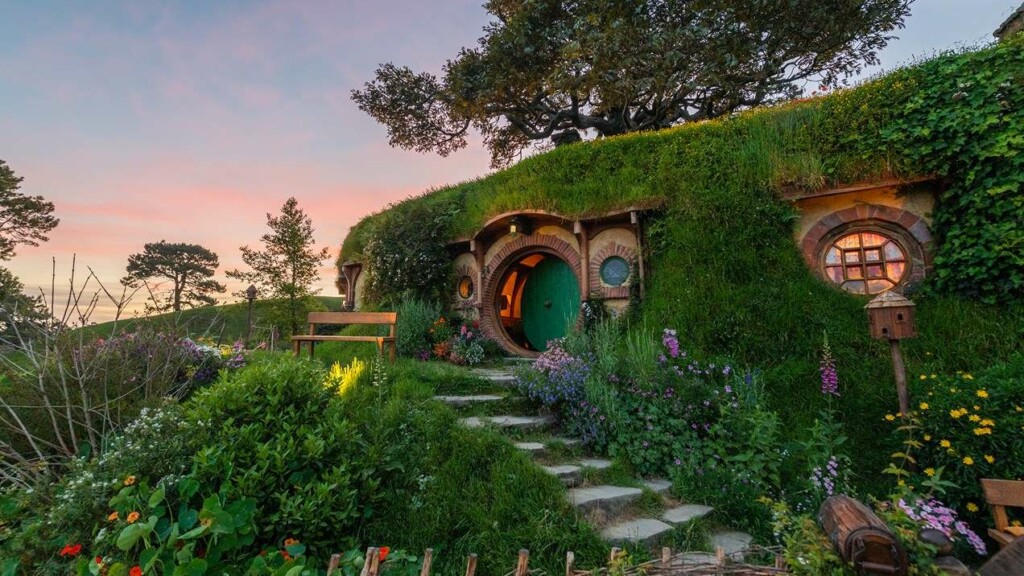
    Hobbiton, a movie set on the North Island, brings J.R.R. Tolkien’s fictional world to life. It’s a must-visit for “Lord of the Rings” fans.

    • Historical and Cultural Significance: The set was built for Peter Jackson’s film adaptations of “The Lord of the Rings” and “The Hobbit.”
    • Tips for Visiting: Take a guided tour to explore the charming hobbit holes and enjoy a drink at the Green Dragon Inn.
    • Fun Fact: The set is meticulously maintained and still hosts movie-themed events.

    6. Franz Josef Glacier

    Franz Josef Glacier
    Franz Josef Glacier

    Franz Josef Glacier, located on the South Island’s West Coast, is a stunning glacier known for its accessibility.

    • Historical and Cultural Significance: The glacier’s traditional Māori name is Kā Roimata o Hine Hukatere, associated with a love story.
    • Tips for Visiting: Join guided glacier tours or take a helicopter ride for spectacular views.
    • Fun Fact: The glacier has been retreating in recent years due to climate change.

    7. Abel Tasman National Park

    Abel Tasman National Park
    Abel Tasman National Park

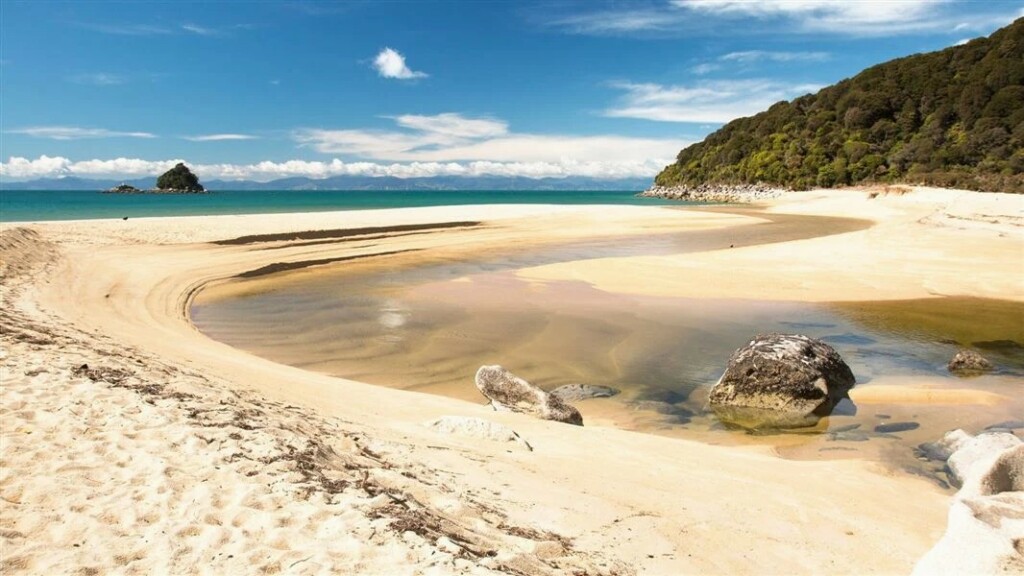
    Abel Tasman National Park, on the South Island, is renowned for its golden beaches, turquoise waters, and coastal tracks.

    • Historical and Cultural Significance: Named after Dutch explorer Abel Tasman, the park boasts rich biodiversity.
    • Tips for Visiting: Hike the Abel Tasman Coast Track, explore the park by kayak, and spot seals and dolphins.
    • Fun Fact: The park is New Zealand’s smallest national park but one of the most popular.

    8. Fox Glacier

    Fox Glacier
    Fox Glacier

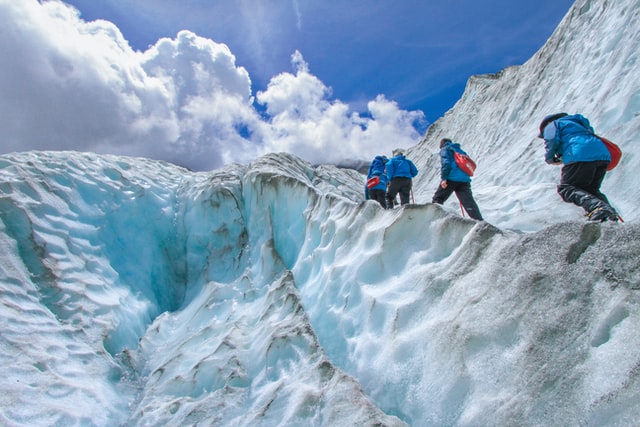
    Fox Glacier, like Franz Josef, is a remarkable glacier located on the West Coast of the South Island.

    • Historical and Cultural Significance: The glacier area is of cultural importance to the local Māori people.
    • Tips for Visiting: Join glacier tours to walk on the ice, and admire the blue ice caves.
    • Fun Fact: Fox Glacier descends from the Southern Alps and reaches close to sea level.

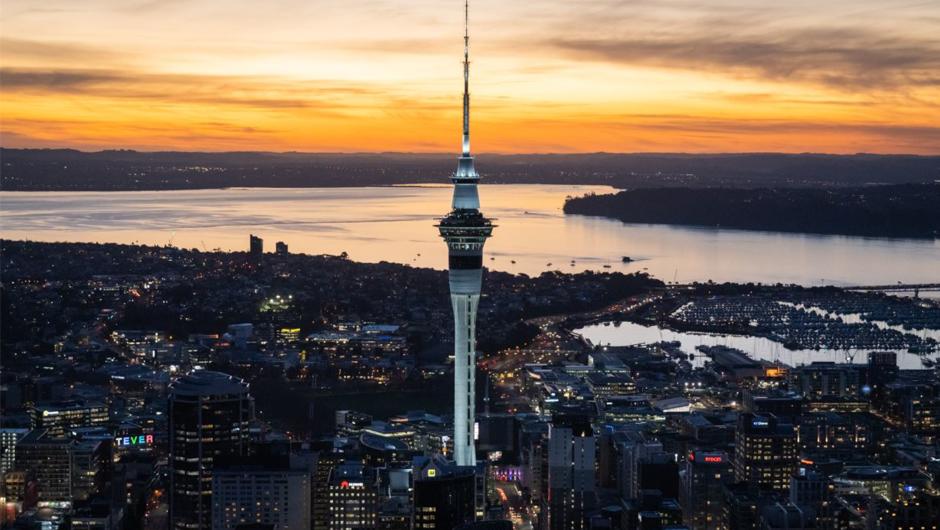
    9. Auckland Sky Tower

    Auckland Sky Tower
    Auckland Sky Tower

    Auckland Sky Tower is an iconic landmark in New Zealand’s largest city, offering panoramic views and thrilling activities.

    • Historical and Cultural Significance: The tower has become a symbol of Auckland’s modernity.
    • Tips for Visiting: SkyJump or SkyWalk around the tower, dine at the revolving restaurant, and enjoy breathtaking sunsets.
    • Fun Fact: The tower stands at 328 meters (1,076 feet) and is the tallest freestanding structure in the Southern Hemisphere.

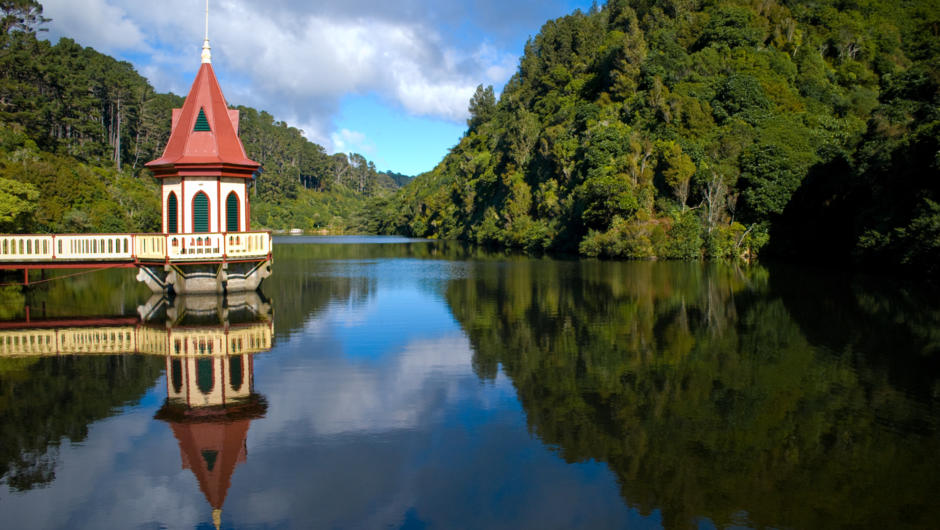
    10. Zealandia Ecosanctuary

    Zealandia Ecosanctuary
    Zealandia Ecosanctuary

    Zealandia, located in Wellington, is a world-renowned ecosanctuary that aims to restore New Zealand’s native wildlife and forest.

    • Historical and Cultural Significance: The sanctuary plays a crucial role in the conservation of New Zealand’s unique biodiversity.
    • Tips for Visiting: Explore walking trails, spot native birds like the kiwi, and learn about conservation efforts.
    • Fun Fact: Zealandia’s predator-proof fence helps protect native wildlife from introduced pests.

    New Zealand’s famous landmarks offer a glimpse into the country’s natural beauty, cultural heritage, and adventurous spirit. From the towering peaks of Mount Cook to the enchanting glowworms of Waitomo Caves, these landmarks are a testament to New Zealand’s unique appeal as a travel destination.

    Whether you seek adventure, cultural immersion, or simply awe-inspiring landscapes, these 10 landmarks should undoubtedly be on your New Zealand bucket list.