Tag: Israel

  • Android Stand on Israel-Palestine

    Android Stand on Israel-Palestine

    Amidst the widespread usage of Android, a globally dominant operating system, questions have arisen about its alleged involvement in Israeli activities in Palestine. To delve into these claims, a closer examination of recent events and the platform’s stance on controversial content is imperative.

    Android
    Android

    Check Out: Takis’s Support for Israel: Examining the Details

    The Blocking of Telegram and Google’s Strict Policies

    In recent occurrences, Telegram, a social messaging platform, took action to block Hamas channels specifically on Android devices, citing violations of Google’s app store guidelines. This move, confined to Android users, highlights Google’s stringent policy against violent or terrorist-related content within apps. It mirrors similar actions taken by other social media platforms, collectively striving to regulate such contentious content. However, this effort also revealed the challenges of content moderation during conflict, as Telegram’s CEO expressed hesitance in completely shutting down Hamas-related channels.

    Android’s Position and the Lack of Conclusive Evidence

    Despite ongoing speculation tying Android to Israeli affairs, concrete evidence supporting these claims remains elusive. No official releases or campaigns from Android’s official channels explicitly connect the operating system to Israel or its activities in the region. This absence of a direct association implies a dearth of substantial proof corroborating the alleged connections.

    Explore More: Boycott Alert: Tech Companies in Support of Israeli Occupation

    Android Logo
    Android Logo

    The recent incident involving Telegram’s actions against specific Hamas channels on Android devices underscores the platform’s dedication to upholding content guidelines.

    Nevertheless, the absence of documented support or involvement by Android in Israeli affairs points to unverified claims. While discussions persist, compelling evidence validating Android’s direct ties to Israeli activities is still absent. This accentuates the necessity for solid proof to substantiate such allegations.
  • Puma Ceases Israel Sponsorship: Latest Updates

    Puma Ceases Israel Sponsorship: Latest Updates

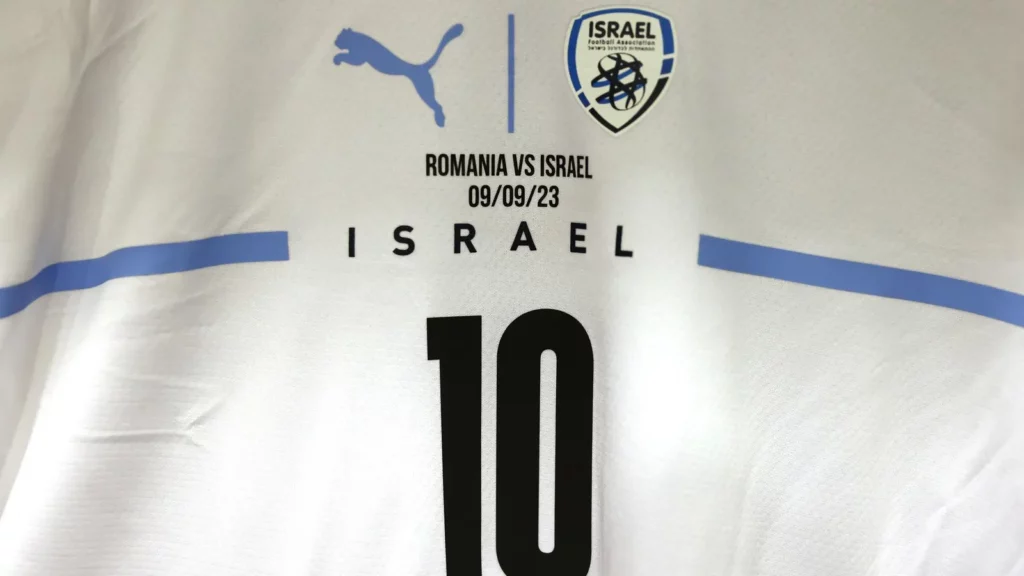
    Puma’s recent decision to terminate its sponsorship with Israel’s national football team by 2024 has ignited significant controversy and raised questions about corporate actions within politically charged contexts.

    This move, set to take effect in a year, has spurred debates regarding its timing and underlying motives, drawing attention from activists and critics alike.

    Puma
    Puma

    Check Out: Android Stand on Israel-Palestine

    The BDS Campaign and Puma’s Response

    At the heart of the controversy lies Puma’s association with the Israel Football Association (IFA), which includes teams situated in settlements viewed as illegal under international law. Advocates, primarily through the BDS movement, have consistently pressed Puma to sever ties with the IFA, employing various tactics such as protests, online campaigns, and calls for boycotts. However, Puma contends that this decision isn’t a direct response to the pressure from boycott movements. Instead, the sportswear giant asserts that it’s part of a strategic shift aimed at revising its partnerships and adopting a “fewer-bigger-better” approach with other national teams.

    Corporate Reactions Amid Conflict

    Puma’s move comes amid a broader landscape where companies confront criticism for their affiliations or actions during periods of geopolitical tension. Notably, brands like Zara have faced backlash and accusations of insensitivity due to their marketing strategies amid sensitive times. The discussions surrounding Puma’s decision reflect a larger discourse about corporate responsibility and the influence of societal movements in holding companies accountable for their choices in contentious geopolitical settings.

    Explore More: Exploring Puma’s Relationship with Israel

    Puma Israel
    Puma Israel

    Puma’s decision to sever ties with Israel’s national football team has sparked discussions on the role of corporations in politically charged scenarios. While Puma maintains that its move is not a direct reaction to the boycott calls, the ongoing BDS campaign perceives this as a triumph.

    This episode highlights the increasing influence of societal movements in urging corporate accountability amidst geopolitical conflicts and underscores the intricate interplay between business decisions and political sensitivities.

  • Is Five Guys Supportive of Israel? Explained

    Is Five Guys Supportive of Israel? Explained

    Five Guys, renowned for its delectable burgers and fries, has drawn attention due to speculations regarding its alleged connection to Israel, particularly concerning its activities in Palestinian territories.

    Five Guys
    Five Guys

    Check Out: Chemist Warehouse’s Support for Israel: Examining the Details

    Fundraiser for Nazareth Rotary Club

    In 2011, Five Guys Burgers and Fries organized a fundraiser for the Nazareth Rotary Club in Israel, contributing 100% of the profits to support local organizations like the Nazareth Food Bank, Nazareth YMCA, and Memorial Library of Nazareth & Vicinity. However, the current status of continued support or donations from Five Guys to Israel remains undisclosed. The absence of recent information about any sustained involvement with Israel complicates understanding the brand’s ongoing connection.

    Lack of Recent Involvement

    The official Five Guys website doesn’t contain any press releases or campaigns related to Israel or its activities within the country. Despite the 2011 fundraiser, there’s a lack of concrete evidence indicating continued support or engagement with Israel by Five Guys.

    Explore More: Fast Food Chains Aligned with Israel Support

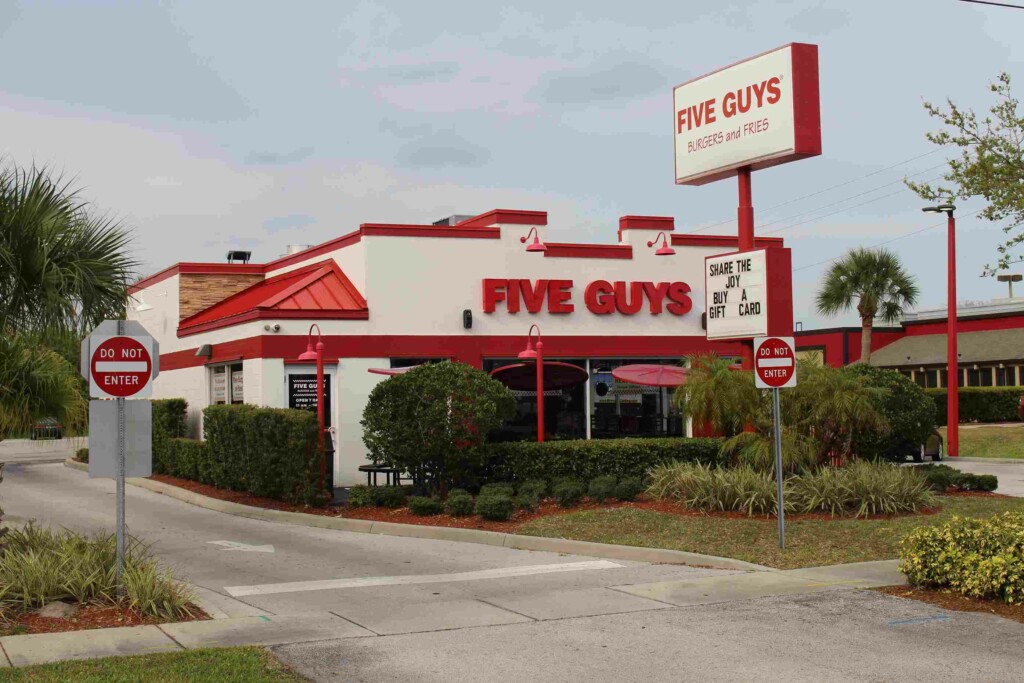
    Five Guys Restaurant
    Five Guys Restaurant

    Despite circulating speculations linking Five Guys to Israel’s establishment, substantial evidence to confirm these claims remains elusive. The available information does not indicate recent or ongoing involvement between Five Guys and Israel, leaving these assertions unverified and inconclusive.

  • Massimo Dutti Perspective on Israel-Palestine

    Massimo Dutti Perspective on Israel-Palestine

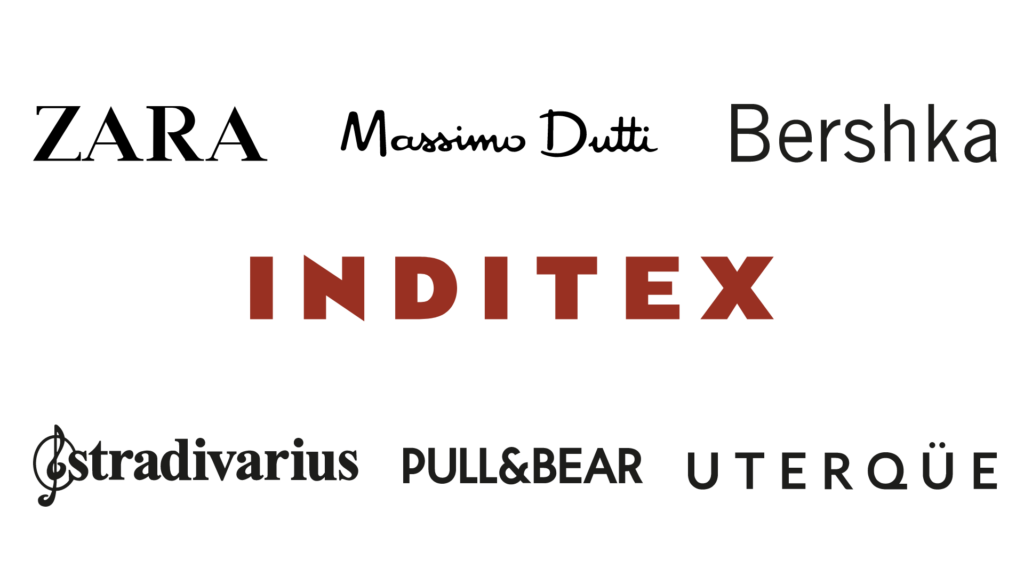
    The Israeli-Palestinian conflict has prompted reactions from several Spanish brands, notably within the Inditex group, including Massimo Dutti.

    Amid escalating tensions marked by attacks and retaliatory airstrikes, a collective decision led to temporary closures of stores in Israel by brands such as Zara, Mango, Pull&Bear, and Tous, indicating a unified response to the situation.

    Massimo Dutti
    Massimo Dutti

    Also See: Bershka Stand on Israel-Palestine

    Unified Closure Response

    In response to the recent hostilities, Spanish retailers under the Inditex umbrella, including Massimo Dutti, chose to temporarily close their stores in Israel. This step affected around 84 franchised outlets operated by the group in the country, aligning with the broader collective action witnessed among several Spanish fashion brands.

    Impact on Spanish-Israeli Business Relations

    The closure decision extended beyond retail, potentially affecting broader Spanish-Israeli business dynamics. Companies like Comsa and Indra, involved in infrastructure projects or generating limited revenue in Israel, shared their minimal immediate exposure to the conflict. This cautious approach reflects the sensitivity of the situation, even for entities with indirect ties to the region.

    Massimo Dutti’s Position and Response

    Amid the closures, reports indicated that Massimo Dutti, a subsidiary under Inditex, temporarily shut down its two stores in Israel. While the brand might not have direct overt connections with the ongoing conflict, its closure mirrored the stance taken by other Spanish retailers, symbolizing solidarity and a cautious approach amidst escalating tensions.

    Explore More: Boycott List: Fashion Companies Supporting Israel You Should Be Aware Of

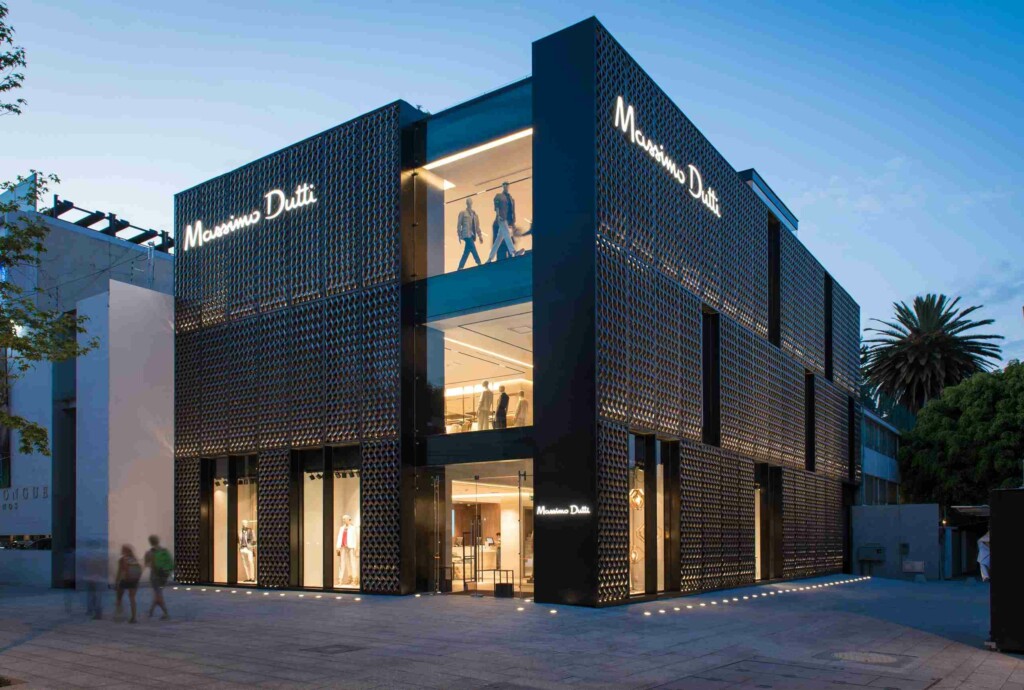
    Massimo Dutti Store
    Massimo Dutti Store

    The temporary closure of Massimo Dutti stores in Israel, alongside other Spanish brands, serves as a reflection of the complex intersection between global businesses and geopolitical unrest.

    The collective decision showcases a unified response to the situation in Israel, emphasizing the broader impact of socio-political conflicts on international corporations. This move demonstrates a sensitivity to geopolitical tensions and signifies solidarity, despite the absence of direct, overt ties to the conflict by the brands involved.

  • Bershka Stand on Israel-Palestine

    Bershka Stand on Israel-Palestine

    Amidst the recent escalation in tensions between Israel and Palestine, several Spanish fashion brands, including Bershka, a subsidiary of the Inditex group, have taken action by temporarily closing their stores in Israel.

    This move follows similar decisions by other prominent Spanish brands like Zara, Mango, Pull&Bear, and Tous, all operated by Inditex, which collectively closed around 84 franchised stores in Israel.

    Bershka
    Bershka

    Also See: Zara’s Support for Israel: Examining the Details

    Unified Closure Response

    The decision to temporarily close stores in Israel was a collective response by Spanish brands affiliated with Inditex. Bershka, alongside brands like Zara and Pull&Bear, announced the temporary shutdown of its outlets, indicating solidarity with the situation and aligning with the broader move seen across multiple Spanish retailers.

    Impact Across Spanish Businesses

    The temporary closures extended beyond retail, potentially affecting various Spanish companies operating in Israel. While some, like Comsa and Indra, reported minimal immediate impact due to ongoing projects yet to begin or generating minimal revenue in the region, the broader impact on Spanish-Israeli business relations remains to be seen.

    Representation Discrepancies and Observations

    Notably, discrepancies surfaced in the representation of Israeli outlets among Spanish stores, exemplified by Pull&Bear omitting Israel from its global store locations despite having a significant presence in the country. This unintentional omission raised observations and commentary from stakeholders, highlighting the nuanced dynamics in such situations.

    Explore More: Boycott List: Fashion Companies Supporting Israel You Should Be Aware Of

    Bershka Store
    Bershka Store

    The temporary closure of Bershka stores in Israel, in line with other Spanish brands, reflects a collective approach by international businesses towards the complex Israeli-Palestinian conflict.

    This unified action showcases a stance of solidarity, acknowledging the broader impact of socio-political tensions on global corporations. The situation emphasizes the delicate balance multinational companies navigate when responding to sensitive geopolitical contexts.

  • Stradivarius View on Israeli-Palestinian Situation

    Stradivarius View on Israeli-Palestinian Situation

    Amidst the ongoing Israeli-Palestinian conflict, several Spanish fashion brands, including Stradivarius under the Inditex group, have responded to the heightened tensions. The decision to temporarily close stores in Israel echoes a collective move by renowned retailers like Zara, Mango, Pull&Bear, and Tous.

    Stradivarius
    Stradivarius

    Also See: Massimo Dutti Perspective on Israel-Palestine

    The Temporary Closure Response

    In light of the recent conflict escalation involving Hamas and Israel, Spanish fashion giants with operations in Israel, like Zara, Mango, Pull&Bear, Tous, and Stradivarius, opted to close their outlets temporarily. This unified decision affected numerous franchised stores, totaling approximately 84 under the Inditex umbrella, and around 50 Mango outlets, all managed through franchise agreements.

    Impact on Spanish-Israeli Business Relations

    The closures extended beyond retail, potentially impacting broader Spanish businesses in Israel. Companies like Comsa and Indra, involved in infrastructure projects and generating minimal revenue in the region, highlighted their limited immediate exposure to the conflict. This phase of tension has prompted a cautious approach by these entities, with ongoing projects yet to commence or minimal operations on the ground.

    Stradivarius’ Role and Recent Developments

    Stradivarius, a brand within the Inditex portfolio, previously established a presence in Israel, retailing its products in the country. However, recent reports suggest the closure of Stradivarius stores in Israel, aligning with the collective action undertaken by Spanish retailers amidst the escalating conflict. While Stradivarius doesn’t have direct strong ties to the conflict, its closure in Israel signifies the broader solidarity gesture made by Spanish fashion brands.

    Explore More: Boycott List: Fashion Companies Supporting Israel You Should Be Aware Of

    Stradivarius Store
    Stradivarius Store

    The temporary closure of stores by Spanish fashion retailers, including Stradivarius, reflects a broader response to the complex Israeli-Palestinian conflict. This unified action illustrates the influence of geopolitical tensions on global businesses.

    The decision to pause operations in Israel serves not only as a strategic move but also symbolizes a statement of solidarity amidst ongoing socio-political unrest in the region.

  • Pull&Bear Position on the Israeli-Palestine Conflict

    Pull&Bear Position on the Israeli-Palestine Conflict

    Spanish fashion brands, including Pull&Bear, Zara, Mango, and Tous, have temporally closed their stores in Israel following recent tensions in the region.

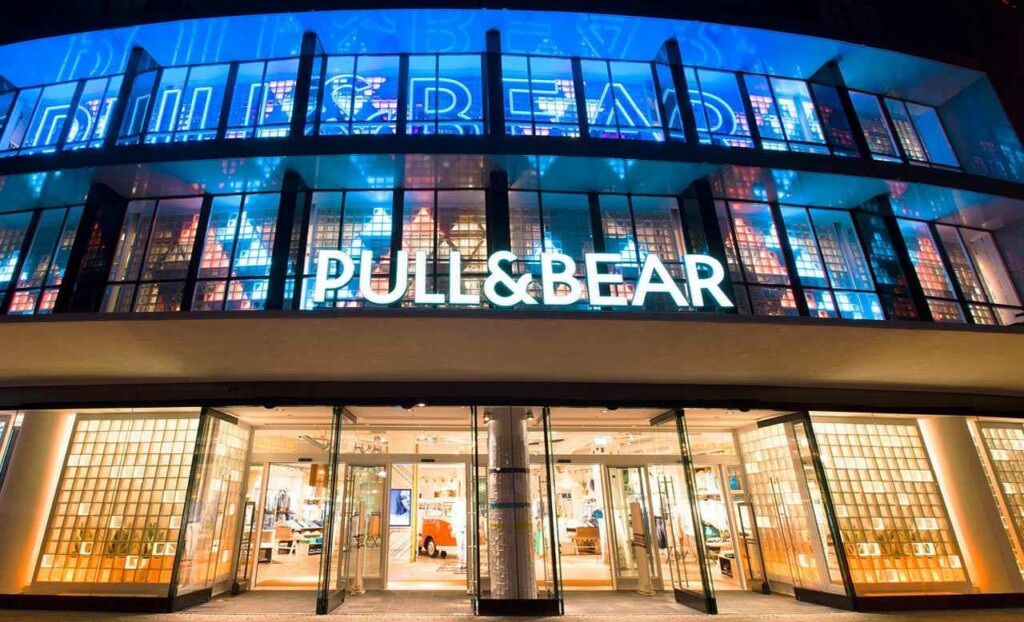
    This decision, made in response to the situation, particularly affected Pull&Bear, an established clothing chain with 22 outlets in Israel, aligning with the actions taken by its parent company, the Inditex Group.

    Pull&bear
    Pull&Bear

    Also See: Stradivarius View on Israeli-Palestinian Situation

    Temporary Closures Amid Tensions

    In response to the escalation of conflict, Pull&Bear, alongside other Spanish brands under the Inditex umbrella, opted to temporarily close its 22 stores in Israel. This decision was part of a broader move by these fashion brands to close down their outlets, temporarily suspending operations in the country in light of the situation.

    Oversight in Global Store Listings

    Observations were made regarding Pull&Bear’s global store listings, notably the absence of Israel in the list displayed at its UK flagship Oxford Street store. Despite having a considerable number of outlets in Israel, the country was not included in the showcased global locations. A spokesperson clarified that this omission was an oversight, denying any deliberate exclusion of Israel from the listed global outlets.

    Complex Business Landscape Amid Conflict

    The closures of Pull&Bear stores in Israel and the discrepancy in the global store listings draw attention to the challenges businesses face in conflict-prone regions. These actions seem to reflect a broader industry response to the escalating tensions rather than intentional alignment or involvement in the conflict.

    Explore More: Boycott List: Fashion Companies Supporting Israel You Should Be Aware Of

    Pull&bear Store
    Pull&Bear Store

    Pull&Bear’s temporary closure of its stores in Israel and the oversight in its global store listings amid the Israeli-Palestinian conflict have sparked discussions. These actions, paralleling those of other Spanish brands, indicate a collective response to the evolving situation in the region.

    However, there is no direct evidence linking Pull&Bear or the Inditex Group to the conflict. The situation appears to be a response to the unfolding circumstances rather than any deliberate alignment or action against the region.

  • Inditex Stand on Israel-Palestine

    Inditex Stand on Israel-Palestine

    Inditex, a Spanish multinational clothing company renowned for brands like Zara and Pull&Bear, found itself amid controversy surrounding statements made by its Zara agent in Israel. This issue led to discussions and actions regarding the company’s stance on the Israel-Palestine conflict.

    Inditex Group
    Inditex Group

    Also See: Stradivarius View on Israeli-Palestinian Situation

    Response to Agent’s Statements

    Inditex swiftly responded to concerns raised by the Palestinian National Economy Ministry regarding the Zara agent in Israel. The company distanced itself from the agent’s reported support for Itamar Ben-Gvir, denouncing any alignment with racist ideologies and affirming its dedication to human rights and opposition to racism.

    Check Out: Massimo Dutti Perspective on Israel-Palestine

    Store Closures in Israel

    In a notable move, Inditex temporarily closed 84 stores, including Zara, Mango, Pull&Bear, and Tous, in Israel amid escalating tensions. This decision was seen as a response to the situation, highlighting the company’s stance against the conflict. These closures, managed through franchise agreements, impacted various brands within the Inditex portfolio.

    Omission from Global Store Lists

    Observations were made about some Inditex stores outside Israel, like Pull&Bear, displaying global store locations without mentioning Israel, despite the country having a substantial number of outlets. The company clarified that this omission was unintentional and not reflective of deliberate actions or omissions.

    Also Read: Bershka Stand on Israel-Palestine

    Amidst Uncertainty

    Despite Inditex’s closures and statements distancing from controversial remarks, the company’s direct long-term strategy regarding business operations in the region remains unclear. While there’s no explicit evidence linking Inditex directly or indirectly to Israel, the company’s actions indicate efforts to disassociate from divisive viewpoints amid the ongoing conflict.

    Explore More: Boycott List: Fashion Companies Supporting Israel You Should Be Aware Of

    Inditex Company
    Inditex Company

    Inditex, amidst the controversy surrounding statements made by its Zara agent in Israel, swiftly distanced itself and affirmed its commitment to human rights and opposition to racism. The temporary closure of numerous stores in Israel indicated a response to escalating tensions, showcasing the company’s stance against the conflict.

    However, the future direction of Inditex’s business operations in the region remains uncertain. While no concrete evidence directly associates Inditex with Israel, the company’s actions reflect efforts to avoid any potential association with divisive viewpoints amid the ongoing situation.

  • Johson n Johnson Support Israel or Palestine? Here’s the Answer!

    Johson n Johnson Support Israel or Palestine? Here’s the Answer!

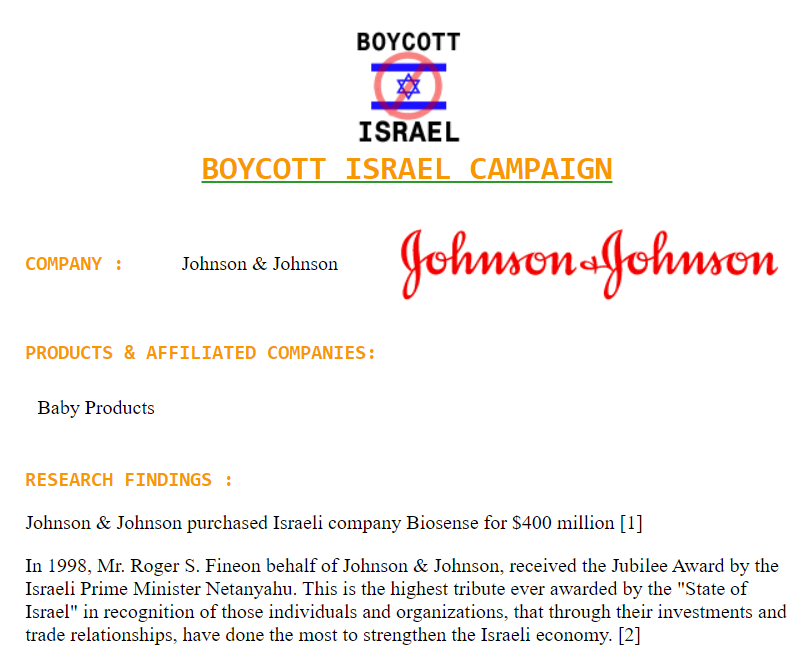
    Johnson & Johnson’s role in the Israel-Palestine context has sparked discussions within the Boycott Israel campaign. With investments, acquisitions, and recognition within Israel’s healthcare landscape, the company’s affiliations have prompted inquiries about its stance in this politically sensitive region.

    Boycott Johnson & Johnson
    Boycott Johnson & Johnson

    Also See: Oil and Gas Companies that Support Israel

    Company Ties and Acquisitions

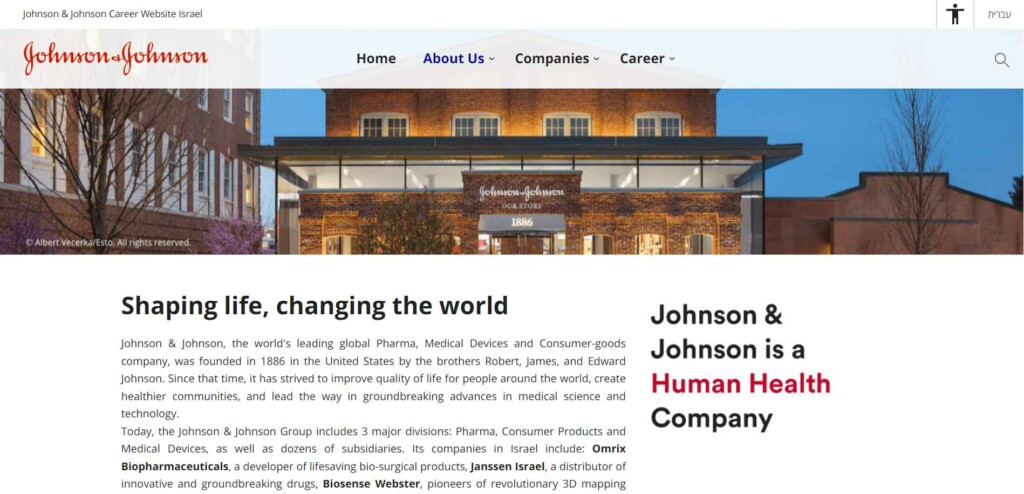
    Johnson & Johnson’s foray into Israel includes acquiring Biosense, a Haifa-based medical equipment producer, for an estimated $400 million. Moreover, the company’s representatives have been honored by the Israeli Prime Minister, receiving the Jubilee Award, acknowledging their significant contributions to strengthening Israel’s economy through investments and trade relationships. The company’s operations in Israel encompass various subsidiaries and divisions, such as Omrix Biopharmaceuticals, Janssen Israel, Biosense Webster, and Johnson Medical Israel. Johnson & Johnson’s footprint in Israel extends across pharmaceuticals, groundbreaking medical technologies, and distribution of innovative drugs.

    Corporate Presence and Ethical Considerations

    Johnson & Johnson’s corporate values, embedded in the company’s Credo since its inception, prioritize comprehensive healthcare solutions and social responsibility. This ethos has guided the company’s actions, focusing on patient-centric innovations and societal well-being for over 130 years. The company’s involvement in Israel through acquisitions, business ventures, and subsidiaries indicates a notable presence within the country’s healthcare and technological sectors. However, while these affiliations signify a commitment to advancing healthcare and fostering innovation, they also prompt discussions concerning the political ramifications of such engagements within a complex geopolitical landscape.

    Check Out: List of Artists that Support Palestine

    Johnson & Johnson Career Website Israel
    Johnson & Johnson Career Website Israel

    While Johnson & Johnson’s footprint in Israel reflects substantial engagement in healthcare innovation and industry advancement, it raises pertinent questions regarding the ethical and geopolitical implications of such corporate ties.

    The complexity lies in navigating corporate interests alongside societal responsibilities within a region marked by profound political sensitivities. The discourse surrounding Johnson & Johnson’s involvement underscores the intricate balance between business pursuits, ethical considerations, and the geopolitical realities of the Middle East.