Tag: Support Israel

  • Oil and Gas Companies that Support Israel

    Oil and Gas Companies that Support Israel

    The involvement of global oil and gas giants in Israel’s gas exploration amidst ongoing regional conflicts has brought attention to the intersection of energy interests and geopolitical tensions.

    Companies like BP, Chevron, and Caltex have made significant strides in Israel’s gas exploration initiatives, raising debates on economic gains, environmental impacts, and ethical considerations.

    BP’s Investment in Exploration
    Amid Ongoing War, Bp And Eni Among Firms Awarded Gas Exploration Licenses In Israel
    Amid Ongoing War, BP And Eni Among Firms Awarded Gas Exploration Licenses In Israel

    Also See: List of Artists that Support Palestine

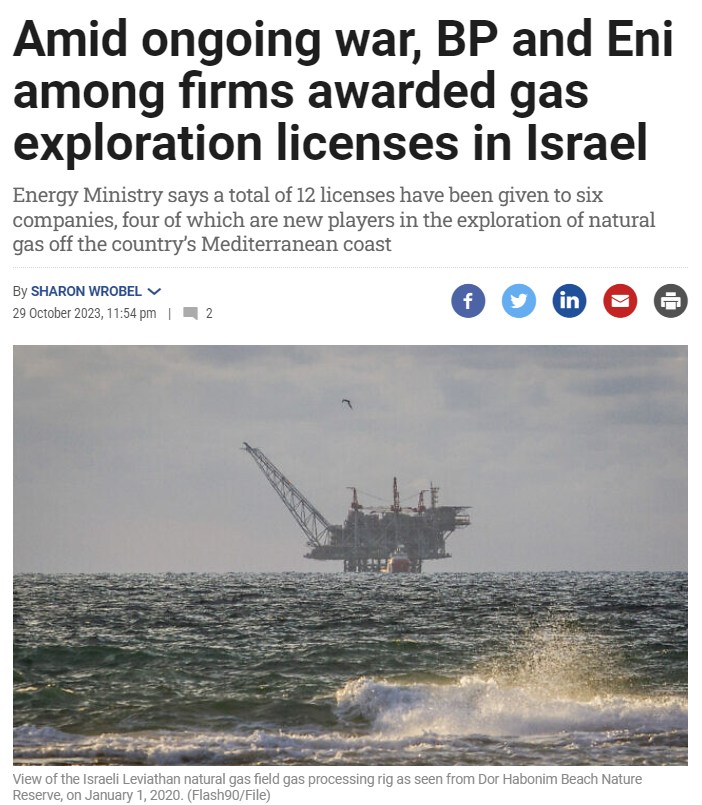
    British Petroleum (BP) and Eni, a major Italian energy player, emerged as key contenders securing licenses for exploring additional offshore natural gas fields in the Mediterranean. This move, despite ongoing regional turmoil, demonstrates their substantial commitment to investing in Israel’s gas exploration initiatives. Such steadfast involvement signals a vote of confidence in Israel’s resilience amid conflicts, highlighting a long-term strategic vision.

    Their exploration endeavors hold a dual purpose: first, bolstering Israel’s energy security by diversifying gas reserves and second, supporting the country’s trajectory toward renewable energies. These endeavors align with Israel’s broader energy goals, aiming to reduce dependence on conventional resources while laying the groundwork for a sustainable energy transition. This strategic alignment not only secures energy supplies but also potentially strengthens Israel’s international standing in the renewable energy landscape.

    Chevron’s Role and Impact
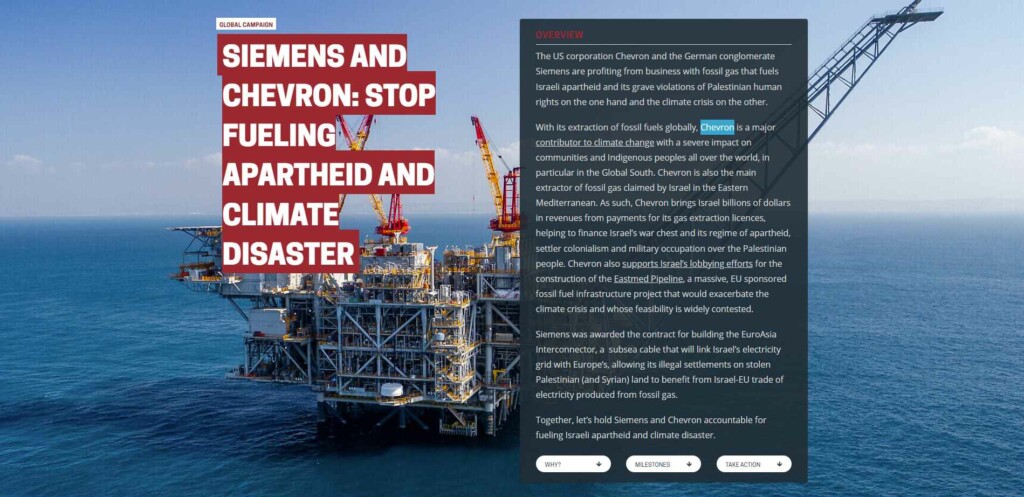
    Siemens And Chevron Stop Fueling Apartheid And Climate Disaster
    Siemens And Chevron Stop Fueling Apartheid And Climate Disaster

    Check Out: How to Support Palestine

    Chevron’s presence and operational activities in the Mediterranean involve the supply of gas to both Israel and Jordan from the Leviathan platform, persisting even amidst regional conflicts. While this continuity in supply aids in mitigating energy disruptions, Chevron’s involvement has triggered considerable scrutiny.

    The company faces allegations regarding its potential contributions to climate change, primarily through its extraction practices. Additionally, its support for Israel’s extraction policies has drawn criticism, sparking debates on environmental sustainability and geopolitical tensions. These controversies cast shadows on Chevron’s role, intertwining environmental concerns with the complexities of regional geopolitics.

    Caltex’s Controversy and BDS Movement
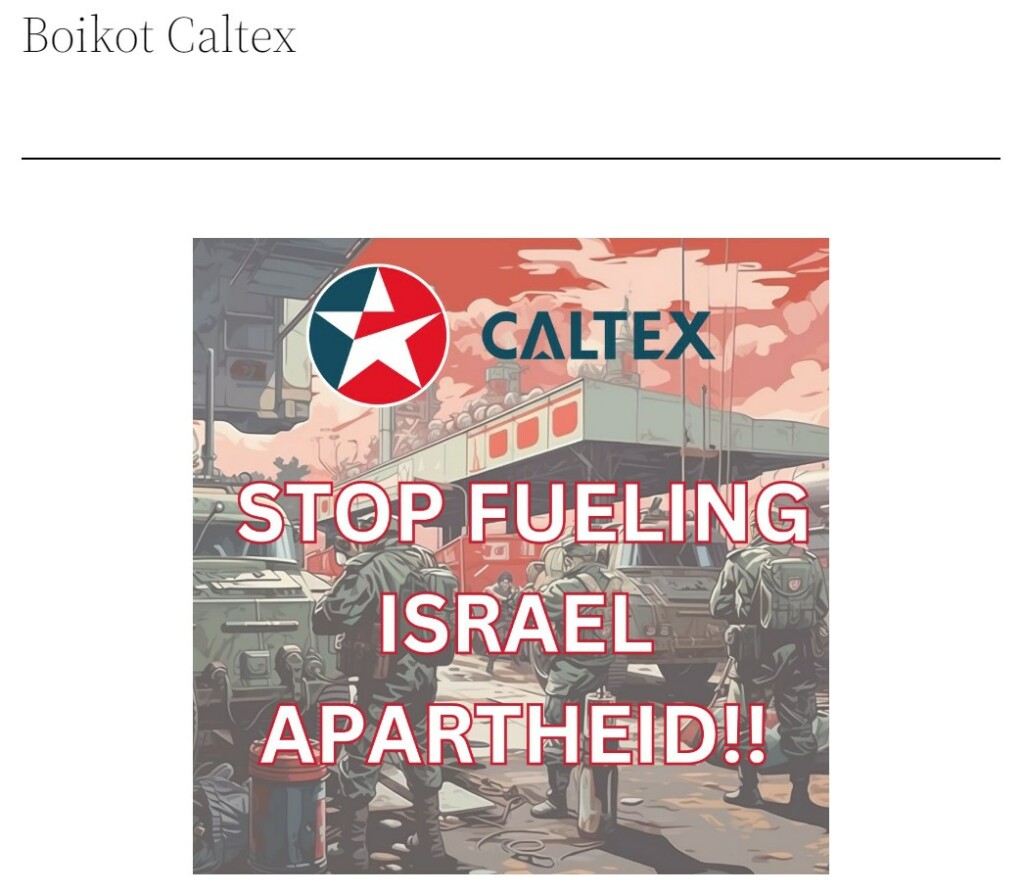
    Boikot Caltex
    Boikot Caltex

    Operating under the brand name Caltex in select regions, Chevron finds itself at the center of controversy, especially within the context of the BDS movement’s calls for boycotts. The movement’s grievances stem from perceived environmental degradation associated with Chevron’s operations and its perceived complicity in Israel’s gas extraction endeavors.

    The BDS movement underscores ethical implications, alleging Chevron’s involvement in violations of Palestinian rights due to its support for Israel’s gas extraction activities. This intertwining of environmental activism with geopolitical discourse amplifies concerns about Chevron’s ethical responsibilities and its role in potentially exacerbating regional tensions.

    The participation of these oil and gas companies in Israel’s gas exploration underlines the complexities at the intersection of energy, geopolitics, and ethical considerations.

    While promising economic gains and energy security for Israel, their activities prompt debates on environmental impacts, human rights concerns, and regional tensions. The ongoing exploration reflects the intricate dynamics shaping global energy endeavors, particularly in conflict-prone regions.
  • Sony’s Support for Israel: Examining the Details

    Sony’s Support for Israel: Examining the Details

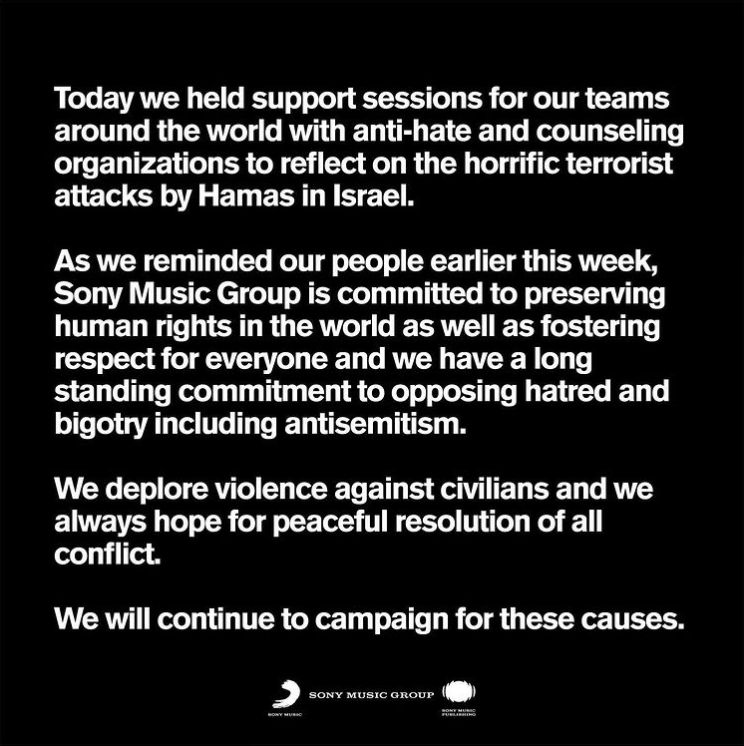
    Amidst the humanitarian crisis in Israel and Gaza, Sony Group Corporation made headlines by announcing a donation of $2 million to aid organizations in the region.

    This gesture, seemingly aimed at alleviating the tragic aftermath of attacks and hostilities, appears incongruous with their recent business endeavors in Israel, which hint at profit-driven motives overshadowing humanitarian concerns.

    Sony 1

    Also See: Cinnabon’s Support for Israel: Examining the Details

    Capitalizing on Israeli Startups Amidst Crisis

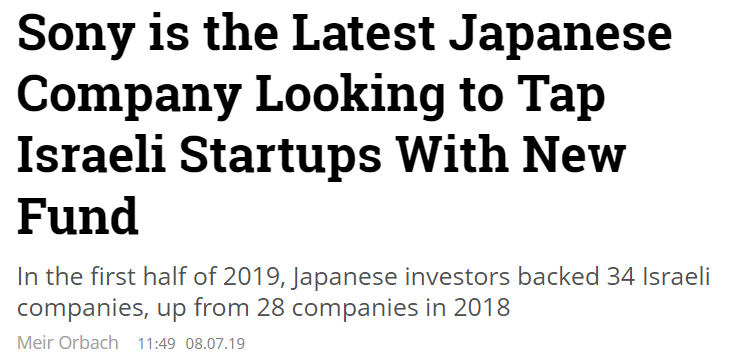
    Sony Corp.’s move to establish the Innovation Growth Ventures (IGV) fund, in partnership with Daiwa Capital Holdings Co., Ltd., to invest in tech startups across Japan, Europe, the U.S., and Israel, raises ethical questions. Despite the ongoing humanitarian crisis, Sony’s pursuit of financial gains by tapping into Israeli startups seems to prioritize business expansion over addressing the pressing humanitarian needs in the region.

    Prioritizing Profits over Humanitarian Aid

    While Sony’s philanthropic gesture of donating to aid organizations in Israel and Gaza attempts to present a facade of compassion, their simultaneous efforts to foster business ties with Israeli companies paint a conflicting picture. The surge in Japanese investments in Israeli startups and the establishment of numerous offices in Israel, as reported by Elchanan S. Harel, reflects a profit-centric agenda, seemingly indifferent to the region’s humanitarian plight.

    Trading Humanitarian Concerns for Economic Gains

    The staggering increase in trade between Israel and Japan, excluding diamonds, coupled with Japan’s significant position as an importer of Israeli goods, underscores the economic interests overshadowing the ethical considerations. Sony’s engagement in Israel’s business landscape while the region grapples with ongoing conflicts and humanitarian crises casts a shadow on their commitment to genuine humanitarian aid.

    Sony 2

    Explore More: Lidl – Israel Support: What You Need to Know

    Sony’s dual engagement in both aiding humanitarian causes and pursuing business interests in Israel highlights a stark dichotomy. While their monetary donation attempts to address the immediate aftermath of the crisis, their concerted efforts to invest in Israeli startups and foster trade relations expose a prioritization of profit over genuine humanitarian concerns.

    This contradiction raises serious doubts about the authenticity of their humanitarian commitment and underscores the potential ethical compromises made in the pursuit of financial gain. Sony’s involvement in Israel’s business sphere amid ongoing crises serves as a troubling reminder of the often contentious intersection between profit-driven endeavors and genuine humanitarian efforts.

  • Lululemon – Israel Support: What You Need to Know

    Lululemon – Israel Support: What You Need to Know

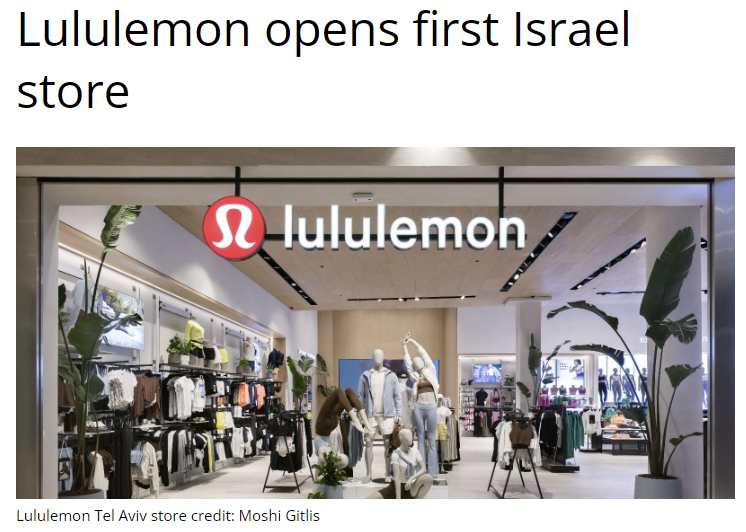
    The recent expansion of Lululemon, the renowned Canadian athletic apparel retailer, into the Israeli market has ignited controversy and ethical concerns. The company’s ambitious plans to establish multiple stores in Israel, including in contentious areas like the West Bank, have raised questions about the alignment of their business practices with their professed values.

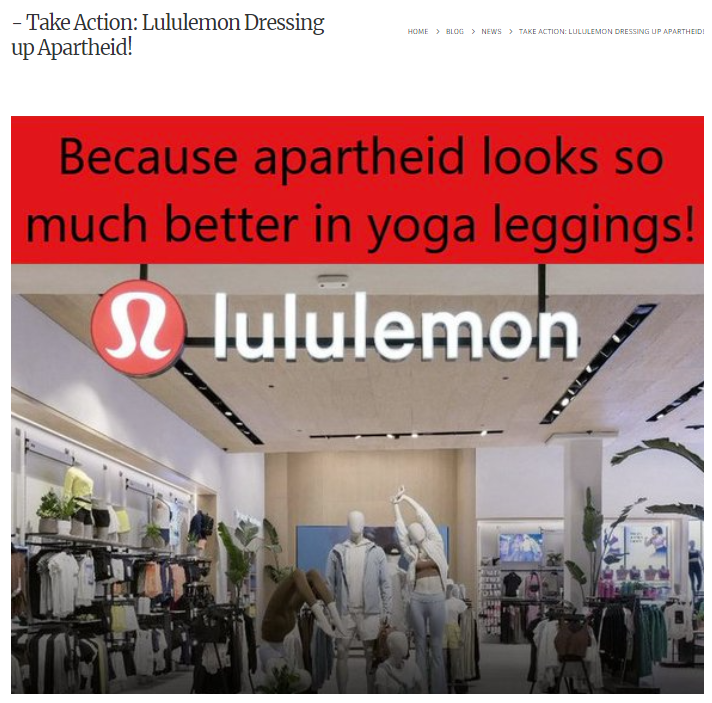
    This article delves into the troubling implications of Lululemon’s move, highlighting the disconnect between their claims of fostering inclusivity and their involvement in a region plagued by apartheid-like policies.

    Lululemon 1

    Also See: Does Nike Stand with Palestine or Israel? Get the Definitive Answer

    The Dilemma of Alleged Values

    Lululemon’s recent foray into Israel’s market has raised eyebrows and sparked concern over its ethical stance. With the inauguration of its flagship store in the Ramat Aviv Mall in Tel Aviv and ambitious plans for seven more outlets across the country, the Canadian athletic apparel giant seems to have chosen profit over principles.

    The haste with which Israeli officials embraced Lululemon’s arrival was notable, with even the Israeli consulate general in Toronto expressing unwavering enthusiasm. However, behind this facade of excitement lies a grim reality – the normalization of a business venture in a region marred by apartheid practices.

    Complicity in Unjust Practices

    Lululemon’s lofty claims of ‘elevating human potential’ and fostering ‘meaningful connections’ stand in stark contradiction to the harsh reality on the ground. Israel’s policies, particularly in occupied territories like the West Bank and Golan Heights, reek of segregation and oppression. By setting up shop and enabling online purchases to illegal settlements, Lululemon inadvertently becomes complicit in perpetuating these unjust practices.

    The Ethical Void and Corporate Responsibility

    CEO McDonald’s touted commitment to diversity and inclusion appears hollow when juxtaposed with the company’s expansion into a region embroiled in controversy and human rights violations. The lack of alignment between their proclaimed values and their business decisions in Israel amplifies concerns about the sincerity of their stated commitments.

    Moreover, while Lululemon hasn’t explicitly voiced support for Israel’s contentious activities, their silence speaks volumes. Their entrance into the Israeli market without addressing the ongoing concerns and without ensuring that their business practices don’t further endorse or perpetuate oppressive systems is a clear indication of corporate irresponsibility.

    The absence of evidence showcasing a direct partnership or support from Lululemon to Israel’s colonial activities in Palestine may shield the company legally, but it doesn’t absolve them of ethical responsibility. In an era where corporations are increasingly held accountable for their global impact, Lululemon’s move into Israel raises legitimate questions about their moral compass.

    Lululemon 2

    Explore More: Sony’s Support for Israel: Examining the Details

    Lululemon’s entrance into Israel’s market, though a commercial success, poses a significant ethical dilemma. The incongruence between their proclaimed values and their business decisions in this contentious region undermines their credibility and amplifies the normalization of a deeply troubling status quo.

    As corporations face increasing scrutiny for their global impact, Lululemon’s move into Israel without addressing the ethical concerns reflects a troubling prioritization of profit over principles. This development serves as a cautionary tale, emphasizing the critical need for businesses to align their actions with the values they profess, especially in regions entangled in socio-political complexities.

  • Is Home Depot Supportive of Israel? Explained

    Is Home Depot Supportive of Israel? Explained

    In the bustling arena of commerce, where profit often shares the stage with ethical dilemmas, one of the retail giants, Home Depot, finds itself embroiled in controversy. The company’s affiliation with Israeli brands, notably through its largest supplier, Keter Plastics, has ignited a firestorm of debate and scrutiny.

    This partnership’s connection to the contentious West Bank settlements and allegations of biased media influence linked to Home Depot’s leadership have raised profound ethical concerns, prompting a critical examination of the company’s moral compass and business practices.

    Home Depot 1

    Also See: Lululemon – Israel Support: What You Need to Know

    Unveiling Home Depot’s Ethical Dilemma

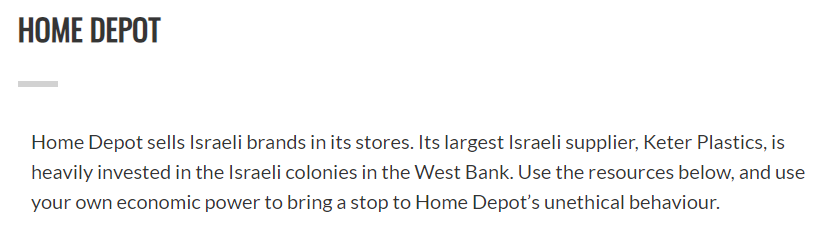
    Home Depot, a household name in the realm of home improvement, faces a brewing storm of controversy over its partnership with Israeli brands, particularly its reliance on Keter Plastics, a company deeply entrenched in the contentious Israeli settlements in the West Bank.

    The retail giant proudly showcases Israeli products on its shelves, notably supplied by Keter Plastics, a move that has ignited fierce criticism. Keter Plastics’ substantial investments in the disputed West Bank territories raise ethical red flags, drawing attention to Home Depot’s implicit support for this contentious issue.

    The West Bank settlements, deemed illegal under international law, perpetuate a complex geopolitical situation, fueling tensions and hindering peace efforts. By choosing to maintain ties with Keter Plastics, Home Depot inadvertently condones these controversial practices, raising questions about the company’s moral compass and commitment to ethical business practices.

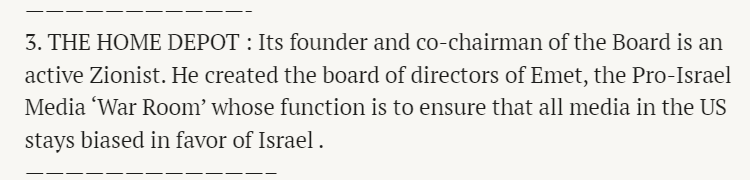
    Moreover, the founder and co-chairman of Home Depot’s Board’s alleged involvement in promoting a biased narrative through Emet, the Pro-Israel Media ‘War Room,’ adds another layer of concern. Accusations of steering US media towards a pro-Israel stance not only raise ethical concerns but also call into question the neutrality and impartiality of information circulated in the public sphere.

    While Home Depot emphasizes its dedication to corporate social responsibility, its association with entities tied to contentious geopolitical issues starkly contradicts this narrative. Critics argue that the pursuit of profit appears to supersede ethical considerations, highlighting the company’s prioritization of financial gains over ethical responsibilities.

    Consumers and activists are now leveraging their economic influence, calling for a boycott of Home Depot as a means to pressure the company into reevaluating its partnerships and taking a more conscientious stance. This movement aims to hold Home Depot accountable for its involvement with entities whose practices contradict widely recognized international standards of conduct.

    As the debate intensifies, Home Depot finds itself at a crossroads, facing mounting pressure to reassess its affiliations and uphold a more ethical business approach. The public’s response to this controversy may very well shape the future decisions of corporations, urging them to align their practices with broader ethical considerations beyond profit margins.

    Home Depot 2

    Explore More: Does Nike Stand with Palestine or Israel? Get the Definitive Answer

    As the discourse around Home Depot’s partnerships intensifies, it signifies a pivotal moment not only for the company but for the larger conversation surrounding corporate responsibility.

    The pushback and calls for ethical reconsideration underline the power of consumer activism in shaping corporate behavior. Whether Home Depot responds to these concerns by reassessing its affiliations or maintains its stance will undoubtedly have far-reaching implications, potentially reshaping how corporations navigate ethical dilemmas in an increasingly interconnected world.

    This controversy serves as a poignant reminder of the complexities faced by businesses in balancing profit motives and ethical imperatives, urging a more conscientious and accountable approach to corporate conduct on the global stage.

  • Celsius’s Support for Israel: Examining the Details

    Celsius’s Support for Israel: Examining the Details

    Celsius Network, a cryptocurrency lending platform entwined with Israel, faces a severe crisis and bankruptcy filing, raising concerns about its operations and affiliations within the digital currency industry.

    Celsius 1

    Also See: Is Home Depot Supportive of Israel? Explained

    Celsius’ Bankruptcy and Israeli Connections

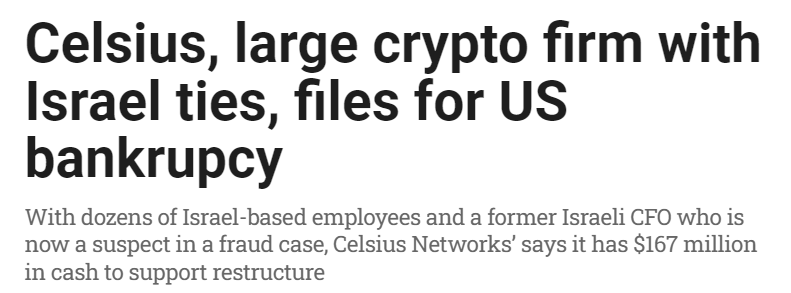
    Celsius Network’s recent bankruptcy filing has sent shockwaves across the cryptocurrency landscape. The company, with a significant presence in Israel and former Israeli leadership under scrutiny for alleged fraud, has suspended all withdrawals, leaving millions of users in limbo.

    Financial Turmoil and Withdrawal Freeze

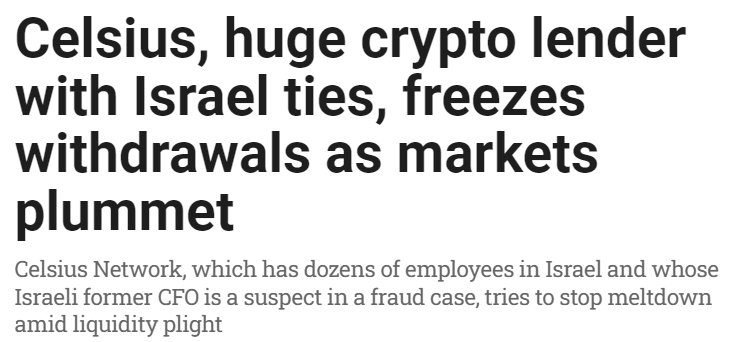
    Amidst market volatility, Celsius Network, known for its Israeli ties and significant Israeli workforce, has encountered liquidity issues, forcing a freeze on all withdrawals and transfers between accounts. With no clear timeline for reinstating access to user funds, uncertainty looms large for the platform’s 1.7 million customers.

    Dubious Practices and Generous Yields

    Celsius, established in 2017, operates as a crypto bank offering attractive yields of up to 19%, enticing users to deposit cryptocurrency. However, the platform’s lending practices and high yields have raised eyebrows, especially concerning the utilization of user deposits for lending, potentially contributing to the company’s financial woes.

    Israeli Involvement and Fraud Allegations

    The company’s ties to Israel, boasting over 100 employees, raise concerns amid the suspension of withdrawals and the involvement of a former Israeli CFO facing accusations in a fraud case. This connection adds complexity to the situation, amplifying scrutiny over Celsius’ financial strategies and leadership.

    Celsius 2

    Explore More: Lululemon – Israel Support: What You Need to Know

    The tumultuous situation surrounding Celsius Network’s bankruptcy and freeze on withdrawals signifies broader implications for the cryptocurrency sector.

    The company’s Israeli connections and financial crisis shed light on the risks associated with decentralized finance and the need for transparent and accountable practices within the industry.

  • The Prada – Israel Connection Unraveled

    The Prada – Israel Connection Unraveled

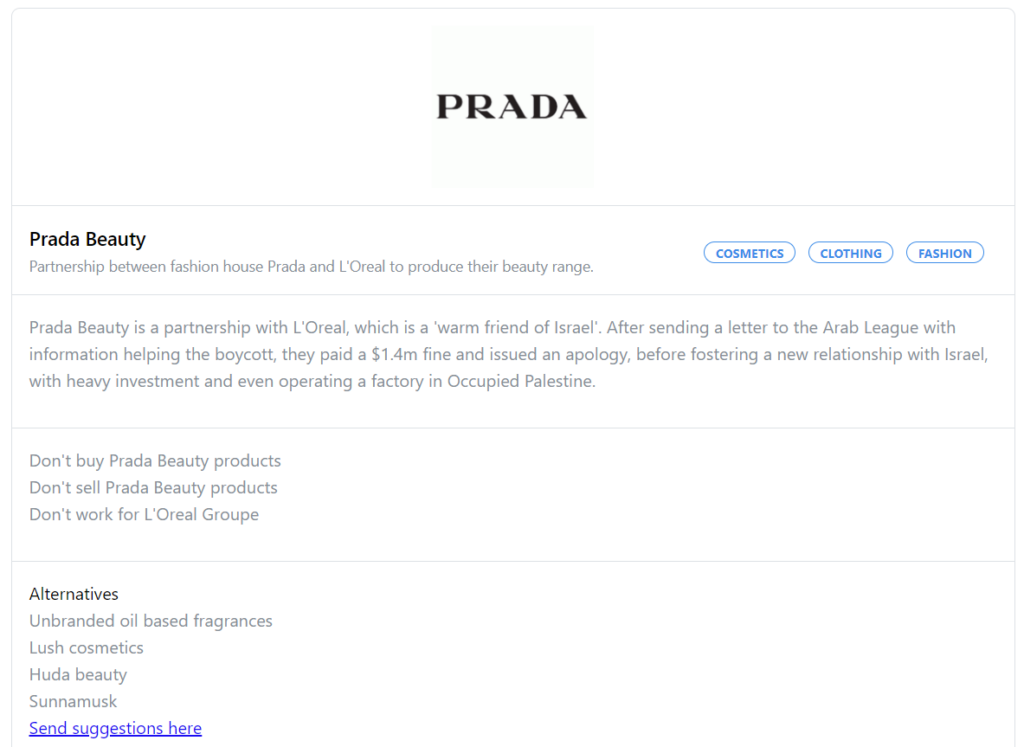
    The collaboration between luxury fashion house Prada and L’Oreal to produce the Prada Beauty range has come under intense scrutiny due to its entanglement with controversial Israeli ventures, sparking ethical concerns and calls for consumer action.

    Prada 1

    Also See: Celsius’s Support for Israel: Examining the Details

    Prada Beauty’s Association with L’Oreal’s Troubled History

    Prada Beauty’s partnership with L’Oreal, known for its close ties with Israel, has a checkered past. L’Oreal faced scrutiny and a hefty fine for its alleged role in aiding a boycott by providing information to the Arab League, only to reestablish a relationship with Israel through significant investments and the establishment of a factory in Occupied Palestine.

    Rejecting Prada Beauty Products and Challenging L’Oreal’s Actions

    Calls for a boycott against Prada Beauty products have emerged, emphasizing the ethical imperative to abstain from buying or selling these cosmetics. Furthermore, there’s a push for individuals to reconsider affiliations with L’Oreal Groupe, denouncing their controversial ventures.

    Amidst the outcry against Prada Beauty’s associations, suggestions for ethical alternatives such as unbranded oil-based fragrances, Lush Cosmetics, Huda Beauty, and Sunnamusk have gained traction. This move emphasizes the power of consumer choices in advocating for ethical consumerism and challenging companies involved in contentious partnerships.

    L’Oreal’s Investment in Israel

    L’Oreal’s strategic establishment of Israel as its Middle East commercial hub has divided consumer sentiments. While pro-Palestine advocates have boycotted L’Oreal products, supporters of the company have increased their purchases. Additionally, controversies surrounding individuals associated with L’Oreal, such as model Amena Khan’s past comments, have highlighted the complexities surrounding the brand’s image and stance on geopolitical issues.

    Brand Portfolio and Ethical Ambiguities

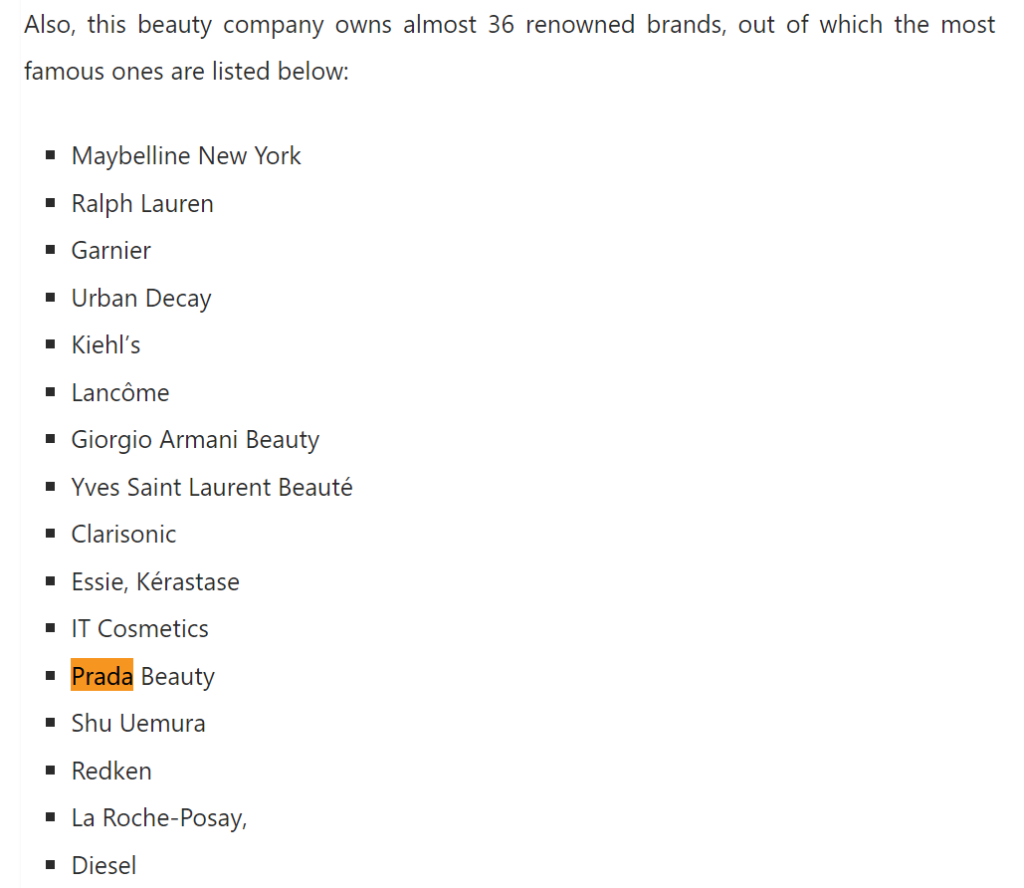
    L’Oreal’s extensive brand portfolio includes illustrious names like Maybelline New York, Ralph Lauren, Garnier, Urban Decay, Lancôme, and the controversial Prada Beauty among others. Ralph Lauren, particularly, has a history of supporting the region through donations, aligning with his Jewish heritage.

    Prada 2

    Explore More: Is Home Depot Supportive of Israel? Explained

    The ethical dilemma surrounding Prada Beauty’s partnership with L’Oreal underscores a broader conversation about corporate responsibility and ethical alliances.

    As consumer activism gains momentum, the spotlight remains on the choices individuals make and the impact these decisions have on challenging corporations engaged in contentious partnerships.

  • Nyx – Israel Support: What You Need to Know

    Nyx – Israel Support: What You Need to Know

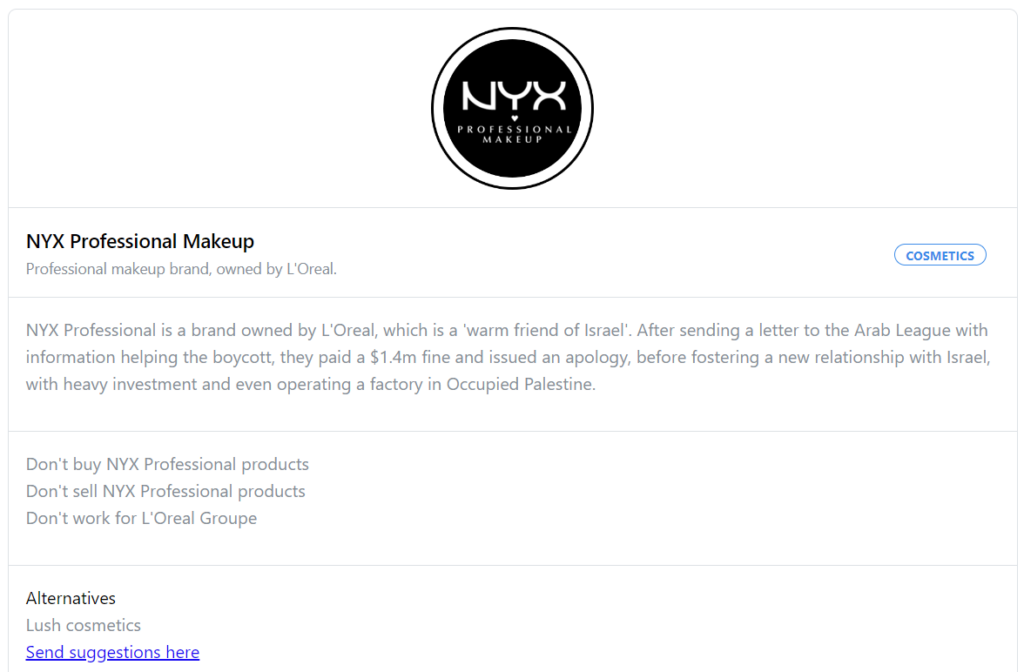
    NYX Professional Makeup, a brand under the L’Oreal umbrella, finds itself embroiled in controversy due to its association with Israel, prompting ethical considerations and calls for consumer action against its products.

    Nyx 1

    Also See: The Prada – Israel Connection Unraveled

    L’Oreal’s Troubling Connections and NYX’s Foray into Israel

    L’Oreal, often lauded as a ‘warm friend of Israel,’ faced repercussions for allegedly aiding a boycott by providing information to the Arab League, resulting in a hefty fine and an apology. However, the company subsequently pivoted, nurturing a renewed relationship with Israel marked by substantial investments, including the operation of a factory in Occupied Palestine.

    Boycott NYX Professional Products, Challenge L’Oreal’s Alliances

    Calls for a boycott against NYX Professional Makeup products have gained traction, emphasizing the ethical imperative to refrain from purchasing, selling, or affiliating with L’Oreal Groupe. This collective action aims to hold the company accountable for its involvement in controversial ventures within Israeli territories.

    Consumers are urged to seek ethical alternatives to NYX Professional Makeup, with brands like Lush Cosmetics being highlighted as potential choices. The call for action emphasizes the significance of consumer choices in aligning with ethical standards and challenging corporations involved in contentious partnerships.

    L’Oreal’s Complex Entanglement in Israeli Ventures

    L’Oreal’s engagement in Israeli territories extends beyond NYX Professional Makeup, with its operations in Migdal Ha’emek, a settlement established on lands belonging to the displaced Palestinian village of al-Mujaydil. Furthermore, its production of products using Dead Sea minerals from the occupied West Bank raises ethical red flags, exploiting resources while denying access to Palestinians.

    L’Oreal’s Awards and Collusion

    L’Oreal’s engagement in Israel transcends cosmetics, with the company awarding a significant prize to a scientist at Israel’s Weizmann Institute of Science, an institution linked to clandestine research in military-related fields. Such affiliations underscore L’Oreal’s alleged collaboration in areas conflicting with international law and Palestinian human rights.

    NYX Cosmetics’ Entry into Israel

    Amidst reports of NYX Cosmetics’ impending launch in Israel, L’Oreal Israel acknowledges the demand for these products among Israeli consumers. However, concerns persist over the company’s strategic expansion and its potential implications within the context of contested territories.

    Nyx 2

    Explore More: Celsius’s Support for Israel: Examining the Details

    The ethical dilemma surrounding NYX Professional Makeup and its parent company, L’Oreal, prompts a critical examination of corporate allegiances and their impact on global geopolitics.

    As calls for boycotts grow louder, the spotlight remains on consumer choices and their role in holding corporations accountable for their partnerships entangled in contentious territories.

  • Is Fanta Supportive of Israel? Explained

    Is Fanta Supportive of Israel? Explained

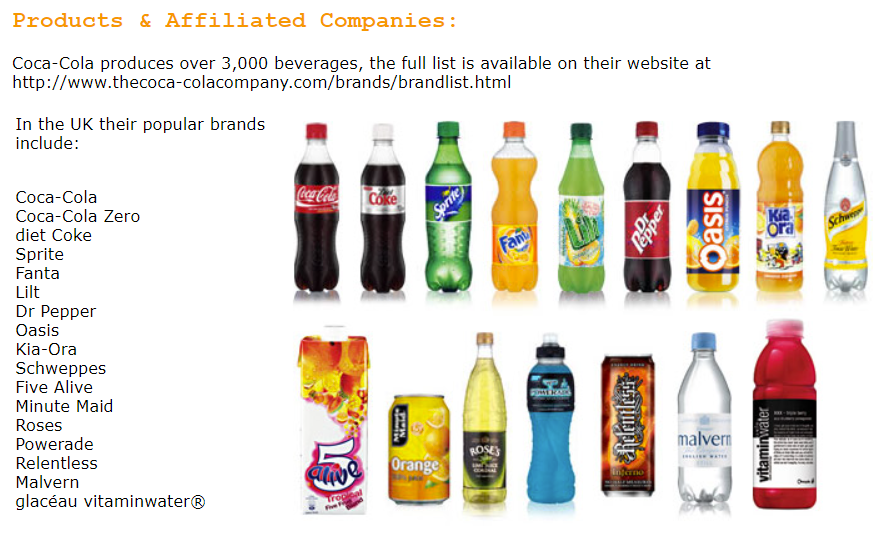
    For decades, the Coca-Cola Company has stood as a pillar of support for Israel, receiving accolades and honors for its unwavering dedication to the nation.

    However, embedded within this allegiance lie connections to contentious Israeli ventures, raising ethical concerns and fueling calls for a global boycott of one of its popular brands, Fanta.

    Fanta 1

    Also See: Nyx – Israel Support: What You Need to Know

    Coca-Cola’s Enduring Support for Israel

    Coca-Cola’s ties with Israel span a long history, with the company being commended by the Government of Israel Economic Mission in 1997 for its steadfast backing over three decades. The annual backing of the American-Israel Chamber of Commerce Awards and the recognition of entities like Israel’s Lobby AIPAC have perpetuated Coca-Cola’s investment in Israel’s economy, even going as far as honoring lobbying efforts rejecting UN ceasefire calls during military conflicts.

    Coca-Cola’s Involvement in Israeli Ventures

    In 2008, Coca-Cola’s extraordinary agreement with the Israeli venture capital Challenge Fund marked an unprecedented move within Israel’s investment landscape, showcasing the company’s extraordinary commitment to the nation’s financial growth.

    Controversial Associations and Alleged War Crimes

    A particularly contentious episode unfolded in 2009 when Coca-Cola hosted an event at its headquarters honoring Brigadier-General Ben-Eliezer, a figure linked to severe allegations of war crimes during past conflicts. Ben-Eliezer’s involvement in the execution of Egyptian POWs and his role during the Jenin massacre raises grave ethical questions regarding Coca-Cola’s choice of allies and honorees.

    Fanta and Coca-Cola’s Presence in Illegal Settlements

    Adding to the ethical dilemma, Coca-Cola’s subsidiary, Tara Dairies, operates within Israeli territories considered illegal under international law, such as the occupied Golan Heights and Jordan Valley. Fanta, a beloved soft drink brand under the Coca-Cola umbrella, operates from a factory situated in the illegal Israeli settlement of Atarot, further complicating the moral stance of consumers worldwide.

    Boycott Fanta, Challenge Coca-Cola’s Ethical Choices

    The revelation of Fanta’s and Coca-Cola’s ties to these controversial Israeli ventures has sparked global outrage, prompting a unified call to action. Voices advocating against supporting Fanta’s sale, employment within the Coca-Cola Company, and endorsing alternative products have gained momentum.

    Fanta 2

    Explore More: The Prada – Israel Connection Unraveled

    Fanta’s association with Coca-Cola’s operations in controversial territories presents a moral crossroads for the beloved soft drink brand and its parent company.

    As ethical considerations increasingly drive consumer choices, the stance against Fanta’s ties to illegal settlements in Israel stands as a testament to the power of conscientious consumerism, urging a reevaluation of corporate allegiances in favor of moral integrity.

  • New Balance’s Support for Israel: Examining the Details

    New Balance’s Support for Israel: Examining the Details

    The global landscape of corporate responsibility and ethical engagement faces a critical juncture as sportswear behemoth New Balance and the InterContinental Hotel Group come under intense scrutiny for their involvement in the Jerusalem marathon.

    The backdrop to this sponsorship is steeped in geopolitical tensions and human rights violations, setting the stage for a conflict of values between profit-driven alliances and adherence to international law.

    New Balance 1

    Palestinian Boycott, Divestment, and Sanctions National Committee’s Call to Action

    Also See: Is Fanta Supportive of Israel? Explained

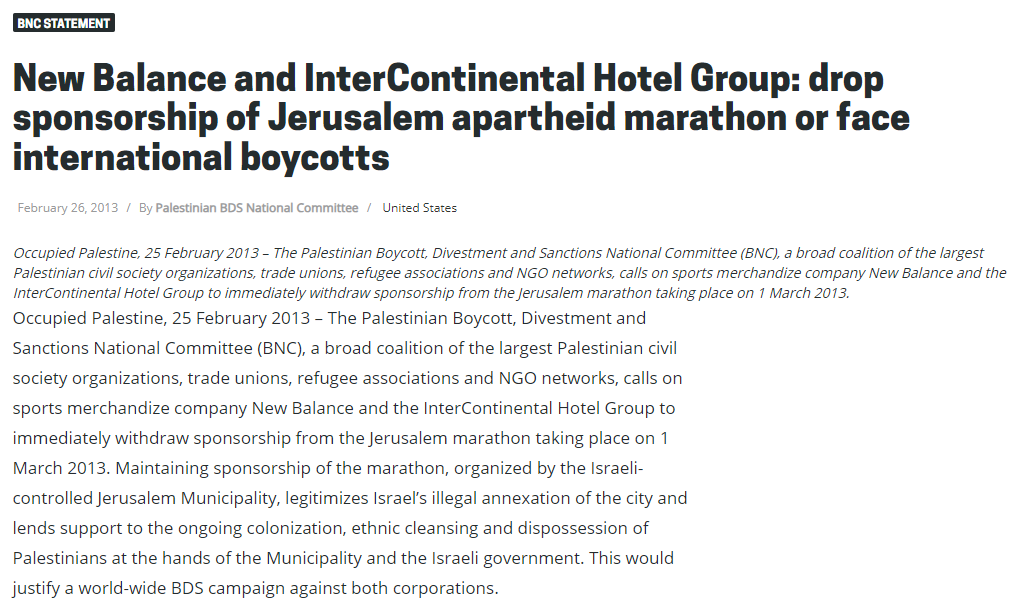
    This alliance with the marathon organized by the Israeli-controlled Jerusalem Municipality has sparked outrage, as it is perceived to endorse and legitimize Israel’s unlawful annexation of the city. The BNC, a coalition representing diverse Palestinian civil society organizations, trade unions, and NGO networks, has accused New Balance and the InterContinental Hotel Group of providing direct material support to a body responsible for perpetuating illegal policies. Such actions, as per a recent UN report endorsed by the General Assembly, potentially violate international criminal legislation.

    Despite prior appeals to disassociate from the marathon, New Balance and the InterContinental Hotel Group, including the Crowne Plaza chain, have blatantly disregarded these calls. Their continued sponsorship is seen as an implicit endorsement of Israel’s contentious actions, fueling ongoing colonization, ethnic cleansing, and the displacement of Palestinians—a situation recognized as a violation of international law.

    Global Momentum of BDS Movement and Corporate Accountability

    The growing global momentum of the Boycott, Divestment, and Sanctions (BDS) movement signals a significant shift. Corporations, including New Balance and Crowne Plaza, are increasingly finding themselves under scrutiny for profiting from associations linked to Israel’s disputed policies. The risk of severe repercussions, including reputational damage and the loss of lucrative contracts, looms large for those entities aligned with Israel’s controversial regime.

    The Jerusalem marathon sponsorship by New Balance and Crowne Plaza not only condones but actively promotes Israel’s narrative, painting a skewed picture of the city as a diverse cultural hub while disregarding the systematic efforts to displace the indigenous Palestinian population. These actions blatantly ignore international conventions and human rights laws, further exacerbating the conflict.

    New Balance 2

    Explore More: Nyx – Israel Support: What You Need to Know

    Despite repeated pleas and warnings from the BNC, New Balance and the InterContinental Hotel Group, notably the Crowne Plaza chain, have persisted in their sponsorship of the Jerusalem marathon.

    This persistent alignment is perceived as an unwavering commitment to profit from a contentious event, disregarding the grave human rights violations and international law violations associated with it.