As geopolitical tensions persist in the Middle East, scrutiny falls upon Daikin, the world’s largest air conditioning manufacturer, amid allegations of its support for Israel. With its extensive presence in the region, questions arise about Daikin’s involvement in activities linked to the Israeli occupation of Palestinian territories.
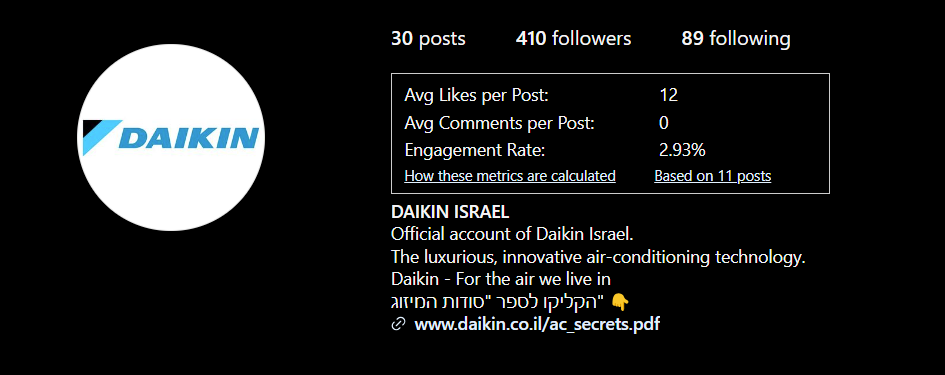
The presence of Daikin in Israel, as evidenced by its official Instagram account [@daikinisrael], signals the company’s active engagement in the Israeli market. By establishing business operations in Israel, Daikin purportedly contributes to the country’s economic growth and stability.
However, critics argue that Daikin’s expansion may inadvertently support Israel’s controversial occupation of Palestinian lands, raising ethical concerns about the company’s corporate practices.
Unveiling Daikin’s Corporate Connections in Israel
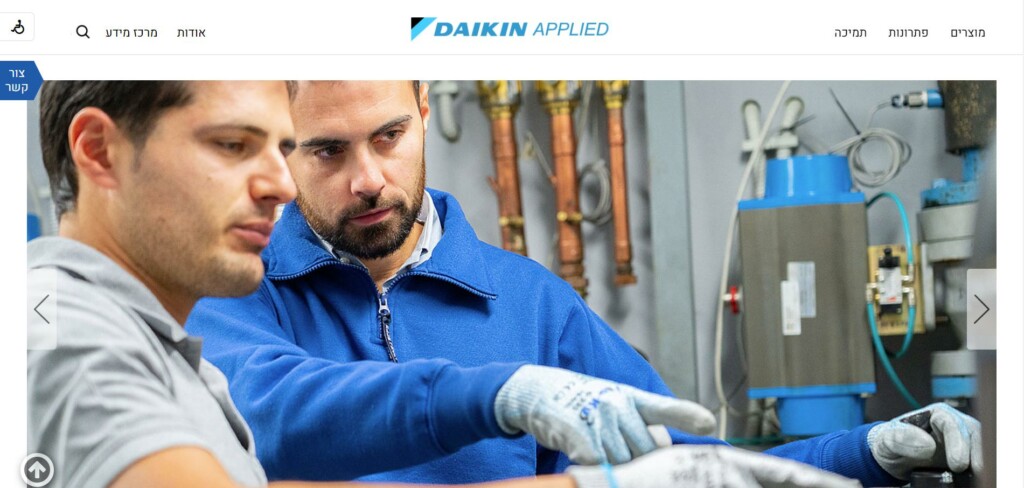
A closer look at Daikin’s activities in Israel reveals its close ties to the country, particularly through its partnership with the Polak Group. Since 2018, Daikin Applied has been represented in Israel by the Polak Group, a major electromechanical conglomerate with extensive influence in the region.
Through this collaboration, Daikin provides a range of HVACR equipment, including industrial chillers, air handling units, and fan coils, catering to various sectors in Israel’s economy. Despite Daikin’s reputation for offering efficient and technologically advanced systems, its association with Israel’s industrial landscape raises questions about the company’s stance on the Israeli-Palestinian conflict.
In conclusion, while Daikin’s presence in Israel may contribute to the country’s economic development, it also raises ethical dilemmas regarding its support for Israel’s occupation of Palestinian territories.
As stakeholders scrutinize Daikin’s corporate connections and activities, the company faces mounting pressure to address concerns about its role in perpetuating geopolitical tensions in the region.
In an age where ethical considerations increasingly drive consumer behavior, the skincare brand DECIEM, best known for its popular subsidiary The Ordinary, finds itself embroiled in a controversy that might unsettle its socially conscious clientele.
The underlying question isn’t just about the quality of their serums or the efficacy of their formulations; it’s a far more serious inquiry into the political entanglements of its parent company, Estée Lauder Companies (ELC), and how these connections may reveal DECIEM’s indirect support for Israel, particularly its occupation of Palestinian territories.
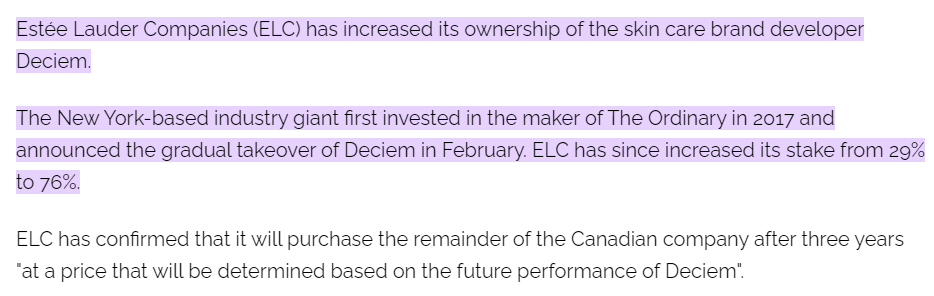
At the heart of DECIEM’s predicament lies its acquisition saga. Since 2017, the relationship between DECIEM and its overarching entity, Estée Lauder Companies, has steadily evolved from a minor investment to a dominant ownership.
The ELC announced a gradual yet decisive takeover of DECIEM, culminating in an increased stake from an initial 29% to a commanding 76%. While at first glance, this may seem like a mere corporate strategy aimed at expanding ELC’s footprint in the skincare realm, the situation darkens once the political affiliations of ELC’s figureheads are brought into light.
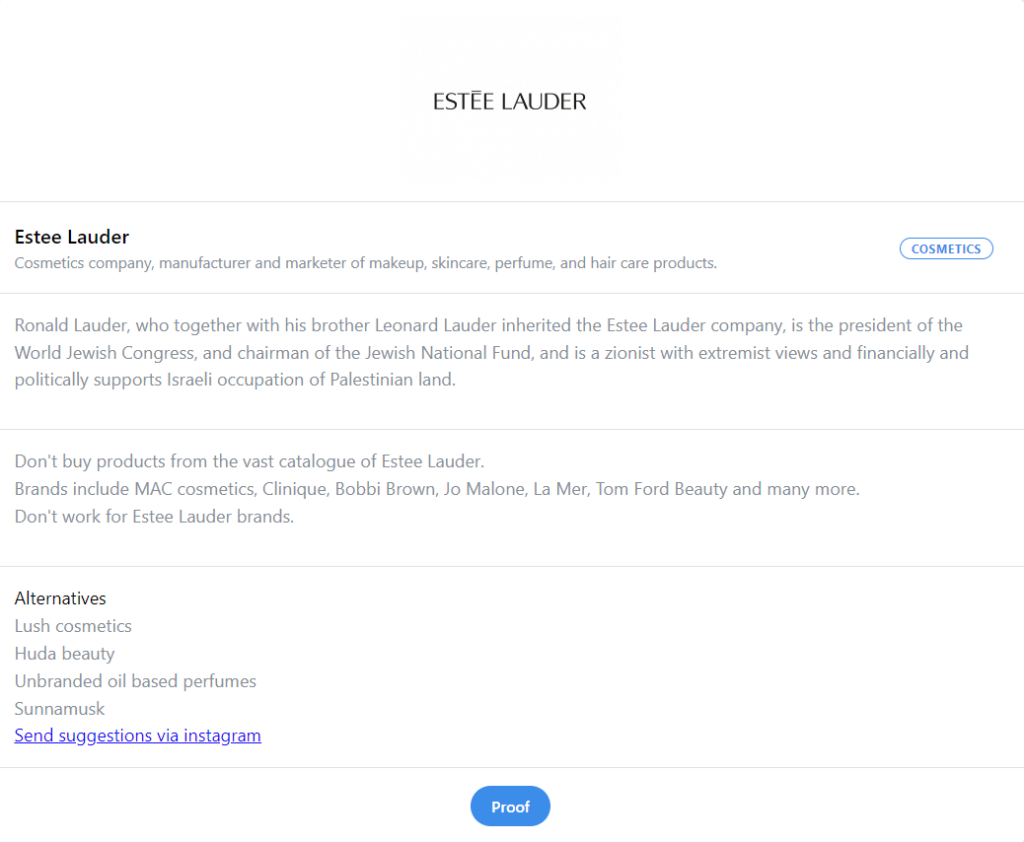
Ronald Lauder, alongside his brother Leonard, not only inherited the Estée Lauder conglomerate but also brought with them a spectrum of political inclinations that starkly contrast with the image of neutrality and peace many of its consumer base aspire to.
Ronald Lauder, in particular, holds significant positions such as the president of the World Jewish Congress and the chairman of the Jewish National Fund. Known for his staunch Zionist views, Ronald has been a fervent supporter of Israeli occupation of Palestinian land, funneling financial and political support to advance these territories’ annexation.
This affiliation doesn’t stay within the Lauder family’s personal domain but spills over into the operations and perhaps, indirectly, the ethos of the entire Estée Lauder Companies, including DECIEM. The concern isn’t just about an individual’s political stance but about how these ideologies potentially leverage large, influential corporations to further controversial geopolitical agendas.
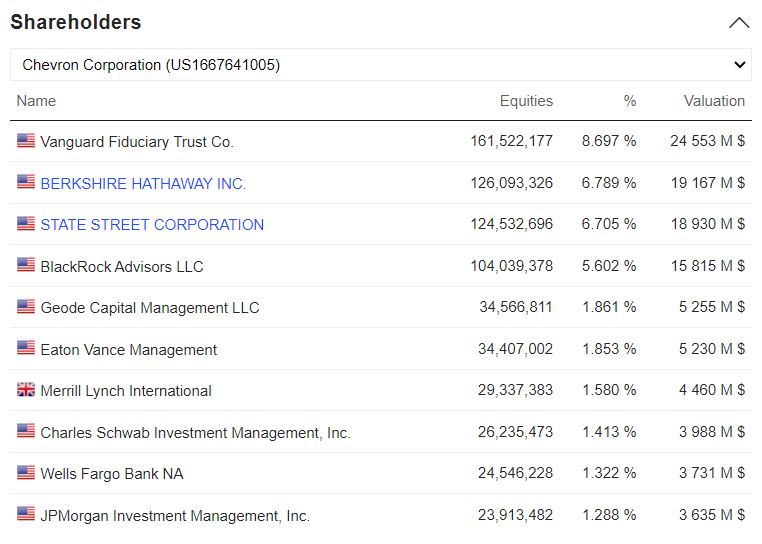
Adding another layer to the controversy are the stakeholders in Estée Lauder Companies, particularly Vanguard Fiduciary Trust Co., which holds an 8.344% share and is known for its investments in Israel.
This financial tie adds a tangible link between DECIEM and the activities supporting Israeli occupation in Palestine, reinforcing the argument that consumer purchases from DECIEM, however indirectly, contribute to the sustenance of this controversial geopolitical stance.
The implications of such ties are multifaceted, touching on the ethical responsibilities of global corporations and the power consumers wield through their purchasing choices. In the grand scheme, the DECIEM saga serves as a stark reminder of the intricate web connecting the beauty products on our shelves to global politics and ethical dilemmas that transcend borders.
The inquiry into DECIEM’s support for Israel opens up a Pandora’s box of ethical considerations for consumers who strive to align their purchasing habits with their political and social values. As the beauty industry grapples with its role in global geopolitics, the choice of a skincare product may no longer just be about what’s good for the skin but also about what’s good for the world.
In the ever-complex world of geopolitics and corporate entanglements, few stories stir as much controversy as those involving support for systems of oppression. Among such contentious narratives, the link between multinational corporations and Israel’s policies toward Palestine remains a subject of heated debate.
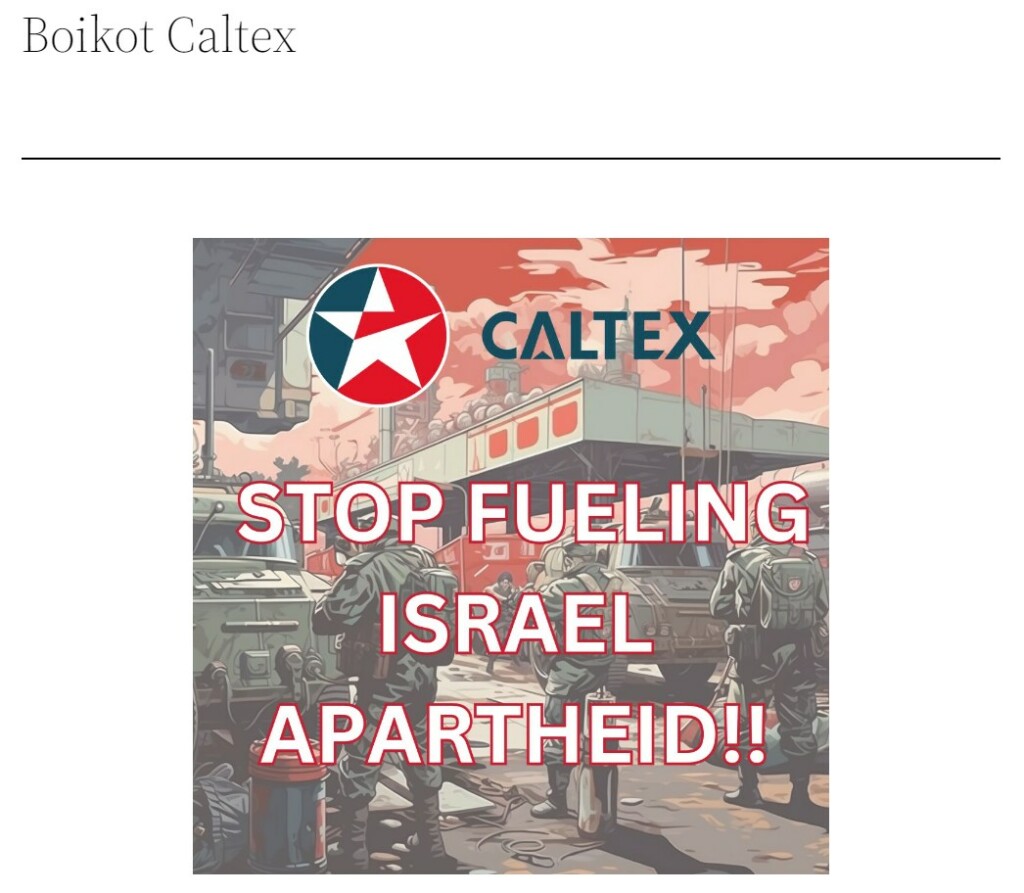
A focal point of this controversy is the involvement of Chevron—and by extension, its subsidiaries Caltex and Texaco—in supporting Israeli endeavors that are increasingly being scrutinized for their moral and legal implications.
Chevron’s Complicity in Strengthening Israel’s Apartheid Regime
It is no secret that Chevron, a US fossil fuel titan, stands as the principal entity extracting gas in the Eastern Mediterranean territories claimed by what many call apartheid Israel. Through this engagement, Chevron does not merely participate in the global energy market; it actively contributes to the financial fortification of Israel’s military and apartheid system.
The billions in revenue Chevron generates aid Israel not only in perpetuating the illegal occupation and blockade of Gaza but also in enforcing a system of settler colonialism, significantly exacerbating the ongoing climate crisis.
By acquiring Noble Energy in 2020, Chevron not only positioned itself as a key international player in this fraught geopolitical arena but also embroiled itself in practices that deprive the Palestinian people of their sovereign rights over natural resources.
This complicity extends to Israel’s pillaging of Palestinian gas reserves, constituting war crimes under international law, and enforcing an illegal sea blockade that decimates the livelihoods of countless Palestinian fishing families. Thus, Chevron, with its globally recognized retail brands including Caltex, aligns itself with the perpetuation of these atrocities, sparking outrage and calls for boycotts worldwide.
The Palestinian BDS National Committee (BNC), alongside allies in the climate justice movement, have vocalized a resounding denunciation of Chevron’s (including Caltex) actions. They assert that Chevron’s relentless extraction of fossil gas not only fuels the environmental crisis but significantly bolsters the Israeli apartheid state’s regime.
The demand for holding Chevron accountable transcends borders, urging global citizens and Indigenous communities to reject Chevron’s environmental degradation and its blatant disregard for human rights.
Moreover, Chevron’s actions, viewed through the prism of the broader climate crisis, stand in stark opposition to the urgent need for reducing greenhouse emissions. The company’s investment in fossil gas—a major contributor to climate change due to methane emissions—further illuminates the egregious nature of its pursuit of profit over planet and people.
This insistence on prioritizing Israeli gas deliveries, even amidst war, underlines a disturbing willingness to bolster an apartheid regime’s economic resilience at the expense of Palestinian rights and global climate goals.
The evidence is overwhelmingly clear: Chevron, with its subsidiaries Caltex and Texaco, plays a pivotal role in supporting Israel’s regime of apartheid, settler colonialism, and occupation.
By financing Israel’s gas extraction licenses and prioritizing its deliveries, Chevron not only deprives Palestinians of their rightful sovereignty over their natural resources but also significantly contributes to the ecological crisis that threatens our collective future.
In the face of these realities, it is incumbent upon us to question the moral fiber of our global economic system and the corporations that sustain it. Chevron’s involvement in these affairs is a glaring testament to the ways in which multinational corporations can exacerbate conflicts and environmental degradation.
As consumers, citizens, and stewards of the earth, we must hold these entities accountable and strive for a world where economic pursuits do not come at the cost of human rights and ecological sustainability. The case of Caltex and its parent company Chevron serves as a stark reminder of the dire consequences when we fail to do so.
Amidst the realm of confectionery delights, Hershey finds itself amidst a tempest of controversy, raising questions about its purported connections to Israel and Palestinian territories.
This exploration delves into recent tumult, meticulously dissecting allegations, scrutinizing purported ties to Israel, and navigating the complexities of partnerships, financial entanglements, and shareholder influences. As Hershey’s longstanding reputation faces critical examination, we embark on unraveling the disconcerting mystery surrounding this once-revered chocolate titan.
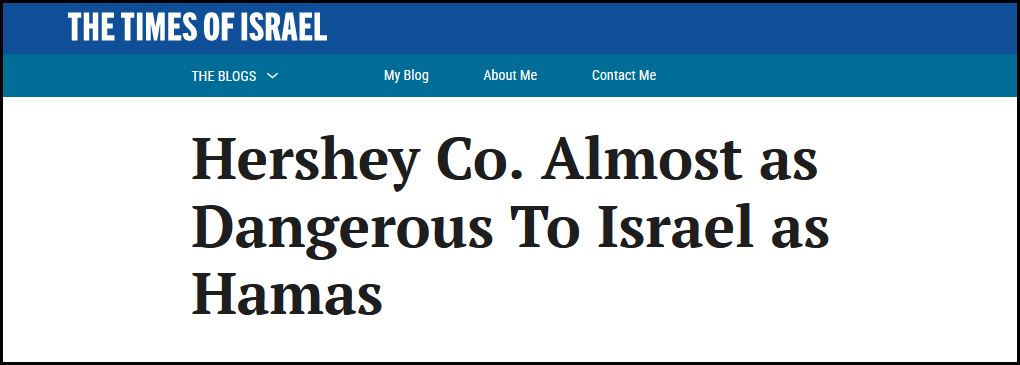
Hershey Co. Almost as Dangerous to Israel as Hamas
Thrust into the limelight of criticism by the Israeli news outlet Times of Israel, Hershey experienced public outrage over a marketing campaign featuring transgender icons. Despite the fervent uproar, a detailed investigation uncovered a lack of direct connections between Hershey and activities within Israel or Palestinian territories.
However, the controversy gained additional traction due to Hershey’s association with Nestlé on the KitKat product line, where Nestlé’s substantial investments in Israel through Osem became a contentious focal point. Nevertheless, it’s essential to note that this connection pertains solely to a specific KitKat product within the American market.
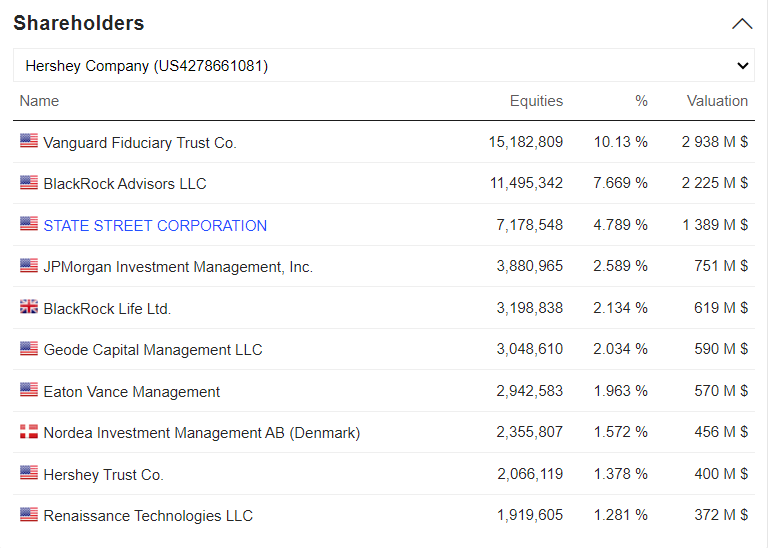
Beyond the immediate storm of marketing controversies, Hershey’s financial ties invite meticulous examination. Vanguard Fiduciary Trust Co., boasting a substantial 10.13% stake, and BlackRock Advisors LLC, with a notable 7.669% ownership, are deeply entrenched within Hershey Co.’s shareholder roster.
The intricate nature of these affiliations adds layers of complexity to Hershey’s corporate framework, warranting thorough investigation into the potential influence wielded by these entities over the brand’s strategic decisions, financial policies, and broader corporate direction.
As scrutiny intensifies over Hershey’s alleged connections to Israel, the absence of concrete evidence and the presence of controversial financial alliances demand meticulous attention.
Despite Hershey’s official channels remaining conspicuously silent on the speculated links, consumers and critics alike find themselves grappling with profound uncertainties concerning the brand’s ethical stance amidst the multifaceted challenges of today’s tumultuous world.
In the quest for clarity, thorough investigation and transparency are imperative to untangle the intricate web of Hershey’s corporate landscape and its perceived geopolitical entanglements.
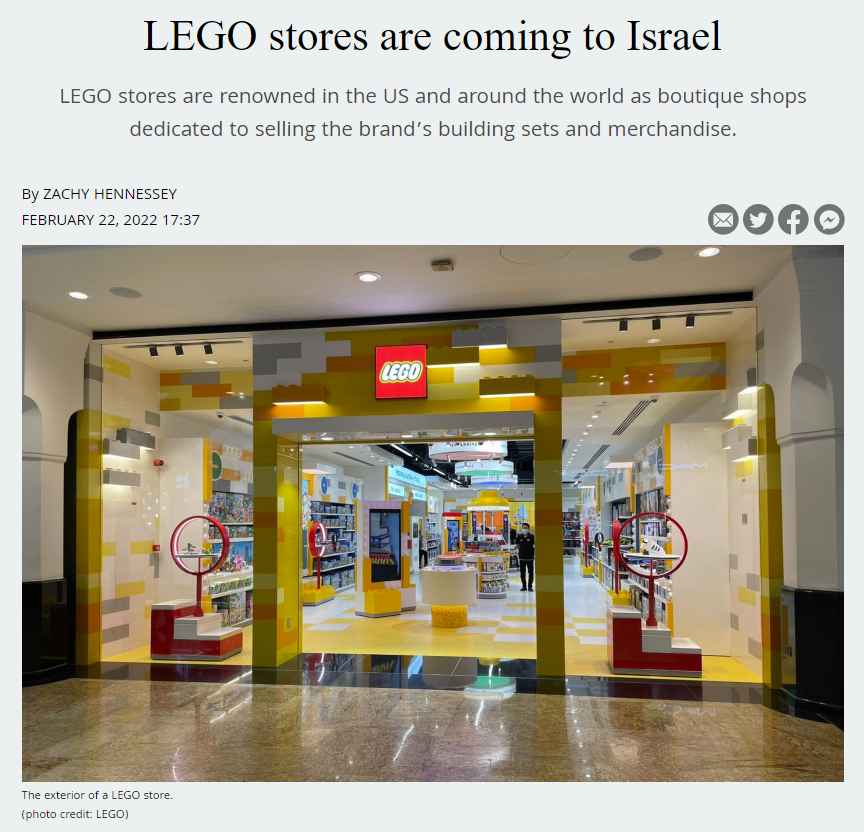
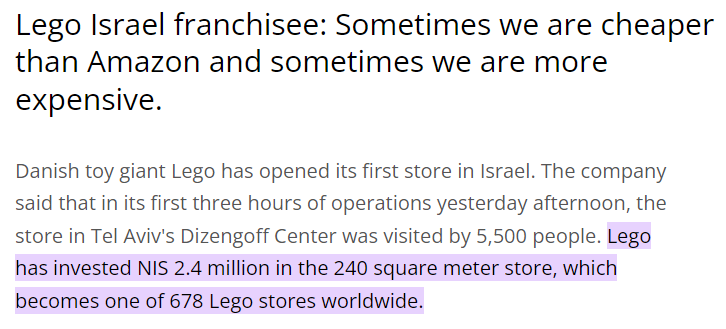
The inauguration of Lego’s inaugural store in Tel Aviv’s Dizengoff Center heralds a monumental occasion in the Israeli retail scene. Spearheaded by franchisee Eran Tor, the visionary behind TorGaming and renowned for his role in launching prominent brands like Nintendo in Israel, this venture promises to revolutionize the local toy market.
With its expansive 240-square-meter space and an impressive debut of 5,500 visitors within the first three hours, the store’s arrival signals a warm embrace of Lego’s iconic brick-building sets by Israeli consumers.
Eran Tor’s ambitious plans for Lego’s presence in Israel extend beyond mere retail to offer a tailored experience for Israeli customers. Envisioning a blend of standard and customized Lego products, Tor anticipates an innovative approach that includes the integration of a 3D printer, allowing customers to create personalized Lego replicas of themselves.
This innovative move not only adds a touch of novelty but also underscores Lego’s commitment to catering to the diverse preferences of Israeli consumers.
Lego’s Pricing Revolution and Consumer Empowerment
Tor’s bold assertion of competitive pricing akin to European and US markets has sparked a consumer revolution in Israel. With an impressive 35% reduction in average prices following the store’s launch announcement, Lego aims to deter consumers from seeking imports by offering products that are even cheaper than those available on Amazon.
This transformative pricing strategy seeks to challenge the prevailing norms in the Israeli market, providing locals with compelling reasons to embrace Lego’s offerings without resorting to overseas purchases.
Lego’s debut in Israel not only introduces a beloved toy brand to the market but also signifies a paradigm shift in pricing dynamics. With Eran Tor’s strategic vision and Lego’s dedication to customization and innovation, Israeli consumers can anticipate an immersive Lego experience previously only accessible abroad.
As Lego embarks on this transformative journey in Israel, its influence on the toy industry and consumer preferences is poised to redefine the country’s retail landscape.
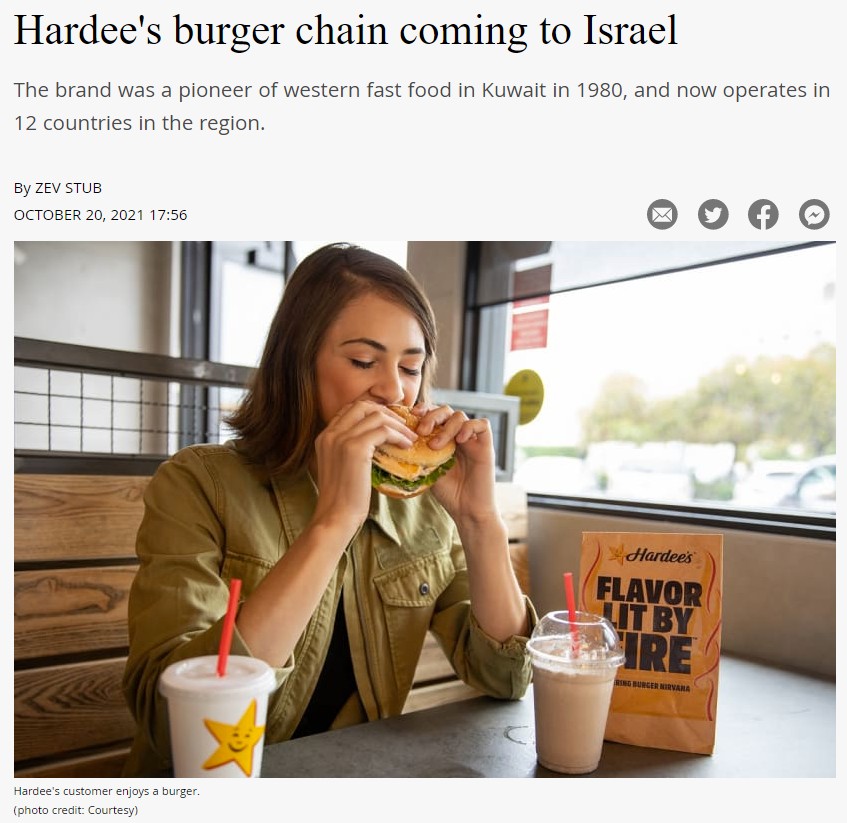
With geopolitical tensions between Israel and Palestine capturing global attention, scrutiny falls upon Hardee’s, the American fast-food giant eyeing entry into the Israeli market. As the company prepares to establish its presence in a region marked by conflict, questions emerge about its potential affiliations and the implications of its expansion amidst ongoing political unrest.
Hardee’s Promises to Give Israelis Something to Chew on
As Hardee’s sets its sights on penetrating the Israeli market, controversy brews over the company’s decision to enter a region fraught with geopolitical complexities.
Critics raise concerns about the ethical implications of Hardee’s expansion, citing the company’s alignment with American interests and its perceived disregard for the Palestinian plight. The move sparks debates about the intersection of commerce and geopolitics, underscoring the challenges of operating in politically sensitive territories.
Unraveling Hardee’s Corporate Connections with Israel
Amidst speculation surrounding Hardee’s foray into Israel, attention shifts to the company’s corporate affiliations and potential ties to Israeli interests. Revelations about CKE Restaurants Holdings, Inc.’s collaboration with the US Embassy in Israel to attract investors fuel suspicions about Hardee’s broader strategic objectives.
Critics argue that the company’s expansion efforts serve to bolster American influence in the region, raising questions about the true motives behind Hardee’s venture into the Israeli market.
As Hardee’s navigates the complexities of entering the Israeli market, the company finds itself embroiled in a web of geopolitical tensions and ethical dilemmas. While its expansion promises new dining options for consumers, the implications of its presence in a region marked by conflict cannot be ignored.
As Hardee’s seeks to carve out its niche in the Israeli fast-food landscape, it must tread carefully to address concerns about its corporate connections and uphold ethical standards in the face of mounting scrutiny.
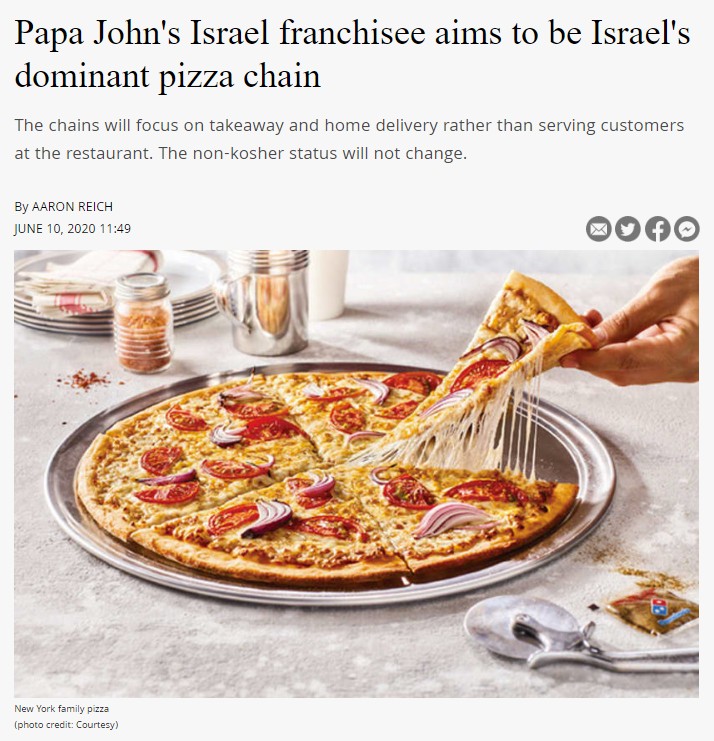
As Papa John’s, a prominent American pizza chain, unveils its ambitious expansion plans in Israel under the leadership of entrepreneur Moti Richter, it finds itself ensnared in controversy.
With intentions to scale from three to an estimated 25 branches within five years, emphasizing takeaway and delivery services, the franchise’s seemingly straightforward strategy collides with geopolitical complexities, sparking allegations and calls for boycotts.
Papa John’s Israel Franchisee Aims to Be Israel’s Dominant Pizza Chain
Moti Richter’s ambitious plan to expand Papa John’s presence in Israel ventures into the intricate terrain of geopolitical sensitivities. Richter’s strategic approach to shifting the service model of the chain reflects a calculated move, but the pursuit of growth in a region entrenched in political tensions raises eyebrows and sparks contention.
The chain’s aspirations to expand amidst such a volatile backdrop elicit a spectrum of reactions, from social media campaigns expressing support to boycott initiatives aimed at expressing dissent. As Papa John’s navigates these complex dynamics, it faces the challenge of balancing its growth objectives with the geopolitical complexities inherent in its expansion plans.
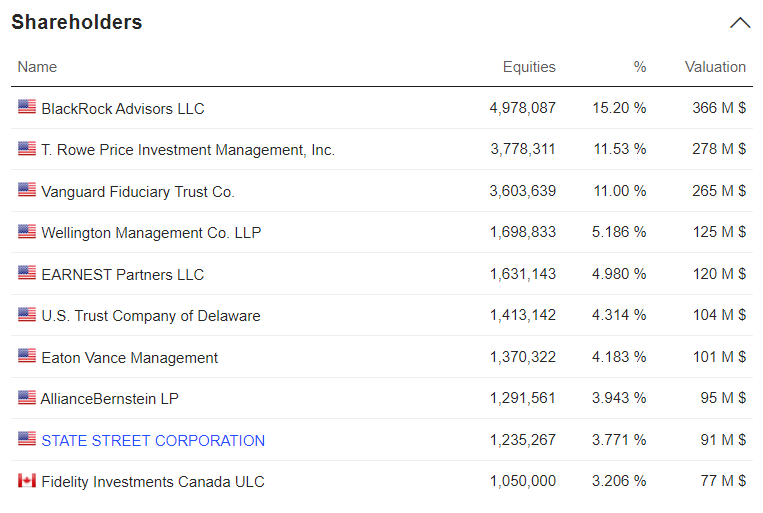
Papa John’s International, Inc., a prominent player in the pizza industry, faces the influence of its shareholders, with BlackRock Advisors LLC holding a significant stake of 15.20% and Vanguard Fiduciary Trust Co. maintaining an 11.00% share.
These shareholders play a crucial role in shaping the company’s decisions and strategies, including its expansion plans in regions like Israel, amidst geopolitical tensions and controversies. Their substantial ownership positions underscore their influence on Papa John’s direction and operations, as the company grapples with navigating political sensitivities and public perceptions.
Papa John’s strategic expansion in Israel, with a keen focus on takeaway and delivery services, propels the chain into the geopolitical arena, inviting scrutiny and controversy. Allegations and boycott calls based on perceived ties to Israel pose substantial challenges to the franchise’s reputation and operations.
The ramifications of these controversies on Papa John’s growth trajectory and market positioning within Israel remain uncertain, highlighting the intricate landscape international brands must traverse amidst political tensions and public perceptions.
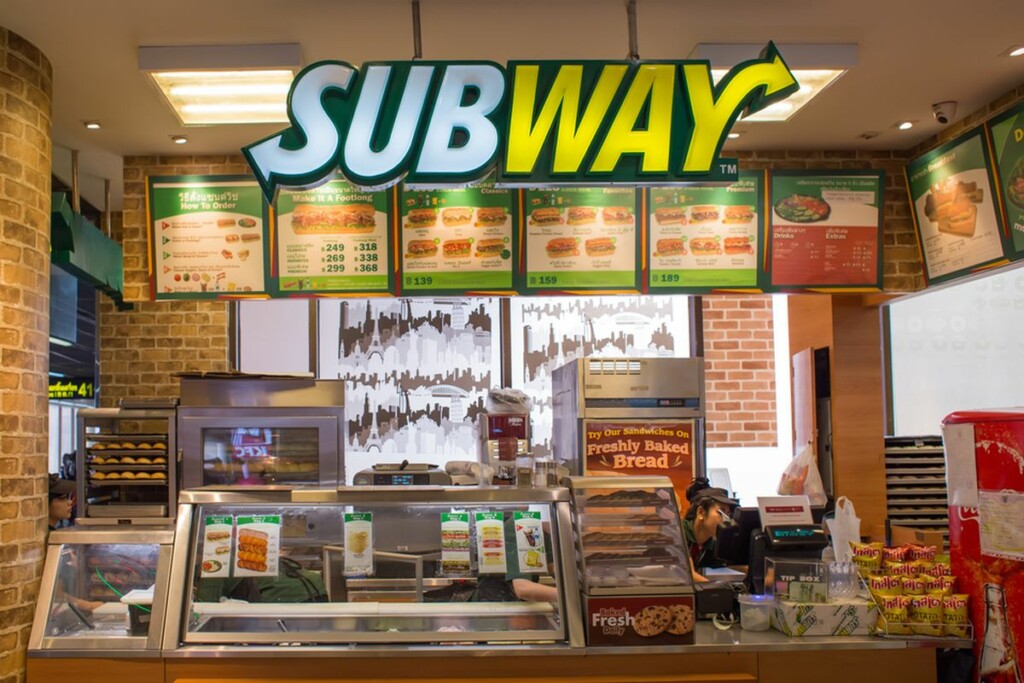
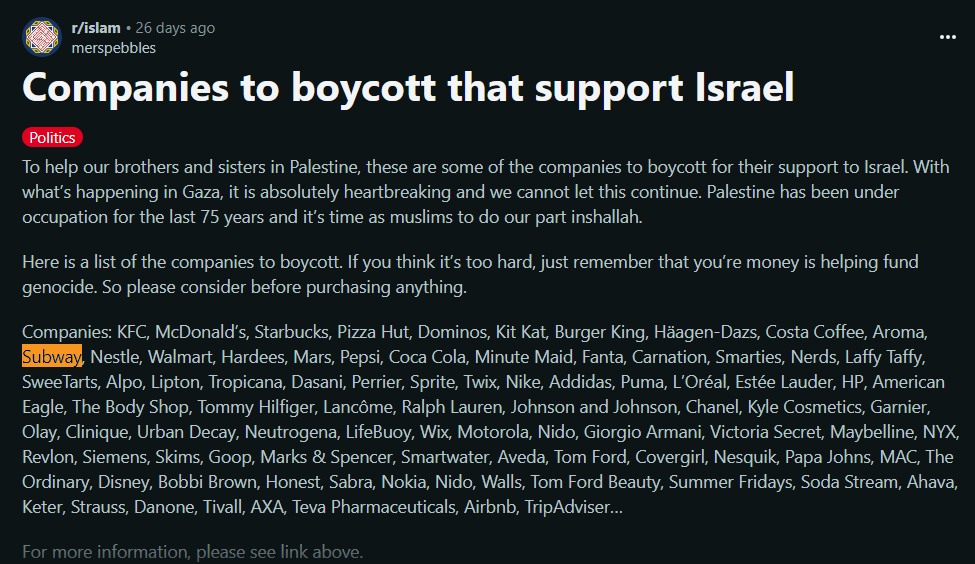
Amidst the tumultuous landscape of the Palestinian crisis, Subway, a leading global food chain, has found itself embroiled in controversy regarding its reported ties to Israel. Its widespread market presence now faces intense scrutiny, raising questions about its involvement in a conflict that has garnered global attention.
Subway’s Position in the Face of Escalating Palestinian Concerns
Despite Subway’s widespread popularity and diverse menu offerings, concerns have arisen regarding its suspected support for Israel amidst the Palestinian crisis. The brand’s positive image is now shrouded in discussions urging the avoidance of companies associated with Israel.
These discussions, particularly persistent within the Muslim community, align with the stance of Islamic scholars advocating for boycotts of entities connected to Israel and having interests in Islamically significant sites like the historic Al-Aqsa Mosque.
As tensions escalate in Palestine, shedding light on the dire conditions faced by Palestinian people, scrutiny of brands aligned with Israel intensifies. Subway, a household name for many, faces heightened examination for its alleged ties to a conflict causing suffering among innocent civilians.
Subway’s suspected connection to a nation embroiled in the Palestinian crisis underscores the moral dilemma faced by consumers. Calls to boycott brands associated with Israel extend beyond consumer decisions, emerging as a moral obligation that encourages solidarity with oppressed communities and the severance of ties from perceived involvement in serious injustices.
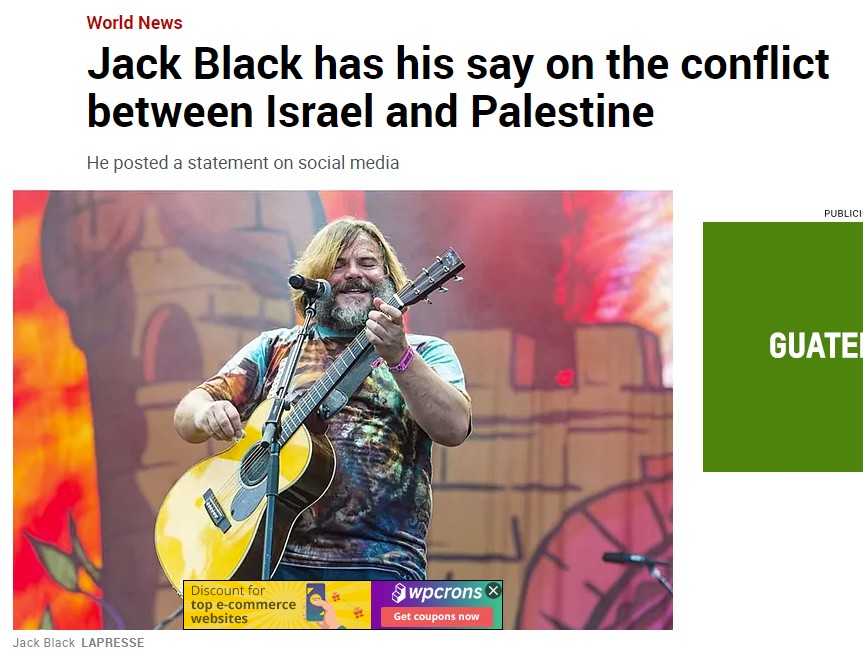
In the turbulent landscape of the Israel-Palestine conflict, where tensions continue to escalate, celebrities like Jack Black have stepped into the spotlight, offering their perspectives on the crisis. Their voices add a layer of complexity to the discourse, shedding light on the multifaceted nature of the conflict and the challenges inherent in addressing its intricacies.
Jack Black has His Say on the Conflict Between Israel and Palestine
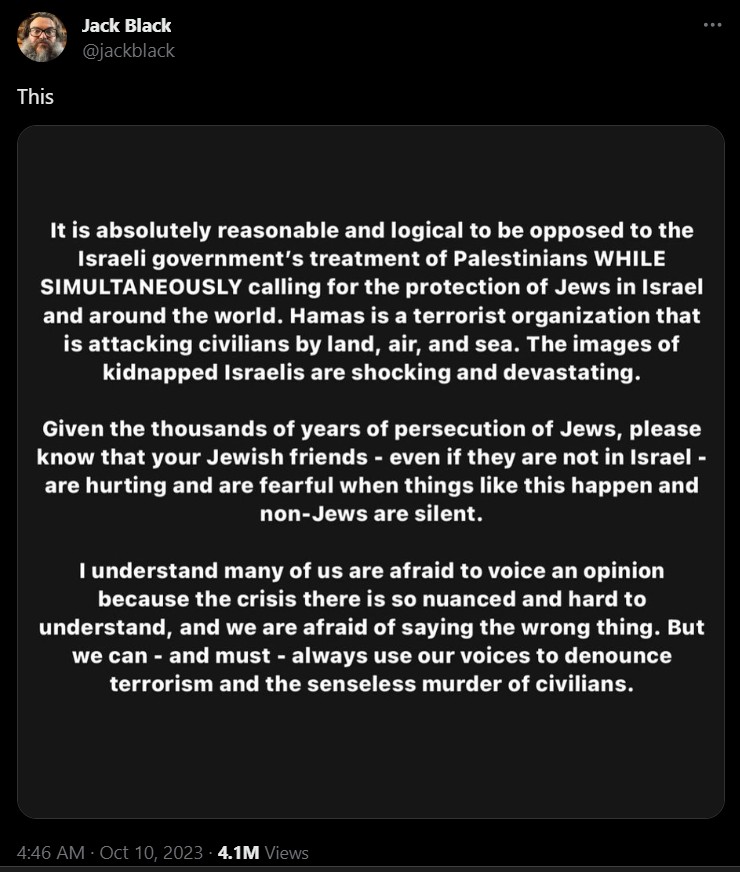
In his recent commentary on the Israel-Palestine conflict, Jack Black’s nuanced stance reflects the intricate web of political and humanitarian concerns entangled in the region.
Striving to navigate the complexity of the situation, Black’s commentary attempts to condemn Israeli government actions against Palestinians while simultaneously advocating for the protection of Jewish communities in Israel and worldwide.
This delicate balancing act highlights the challenges inherent in addressing the multifaceted dimensions of the conflict, evoking a sense of ambiguity that underscores the profound dissonance and moral quandaries it provokes among observers and stakeholders alike.
Jack Black’s intervention in the Israel-Palestine conflict is part of a broader trend of celebrity engagement in global issues. Alongside influential figures such as Gal Gadot and Madonna, Black signed a joint letter addressed to President Biden, urging immediate action to secure the release of hostages taken during the conflict.
This collective plea emphasizes the shared desire for freedom and peace for both Israelis and Palestinians, underscoring the urgent need to address the escalating humanitarian crisis.
As the conflict continues to exact a devastating toll on civilian populations, the intervention of celebrities like Black serves as a poignant reminder of the imperative to address the human cost of the conflict and work towards sustainable peace in the region.
Celebrity interventions, exemplified by Jack Black’s involvement, provide a glimpse into the severity of the Israel-Palestine conflict and the challenges of finding meaningful solutions.
However, amidst the collective plea for peace and humanitarian relief, the conflict persists unabated, underscoring the entrenched complexities and the urgent need for concerted international efforts to address the ongoing crisis and alleviate the suffering of innocent civilians caught in the crossfire.