Author: Syarif Muhamad

  • Is Costa Coffee Supportive of Israel? Explained

    Is Costa Coffee Supportive of Israel? Explained

    Costa Coffee, a brand nestled within the Coca-Cola Company’s domain, finds itself embroiled in a whirlwind of controversy due to its ties with an Israeli settlement in Occupied Palestine.

    This association with disputed territories has ignited a firestorm of outrage, prompting widespread calls for a boycott and thrusting ethical dilemmas tied to corporate conduct into the spotlight.

    Costa Coffee
    Costa Coffee

    Check Out: The Tesco – Israel Connection Unraveled

    Unveiling the Moral Quagmire

    Coca-Cola, Costa Coffee’s parent company, runs a factory in Atarot, an illegal Israeli settlement erected on contested Palestinian land. The establishment of settlements like Atarot involves forcibly displacing Palestinian communities, a flagrant violation of international law. This blatant disregard for human rights has triggered vehement condemnation and accusations of culpability in an unlawful occupation.

    The Echoes of Corporate Collusion

    Coca-Cola’s involvement in Atarot via its subsidiary, CBC, heightens allegations of profiting from a situation steeped in controversy and disrespect for international regulations. The clarion call to boycott Costa Coffee products resonates as a stand against endorsing companies ensnared in contentious territories. It underscores the unified demand for ethical business conduct and the need for companies to be accountable for adhering to international legal standards.

    Mobilizing Collective Force

    The movement advocating for the boycott of Costa Coffee until it ceases operations in Atarot symbolizes an unwavering stance against complicity in human rights violations. Embracing this boycott transcends being merely a consumer choice; it is a moral stance compelling corporations to reconsider their involvement in disputed territories. The triumph of similar movements, such as General Mills divesting from Atarot under external pressure, underscores the immense influence of unified action.

    Explore More: Refuse Support for Coffee Brands Tied to Israeli Operations
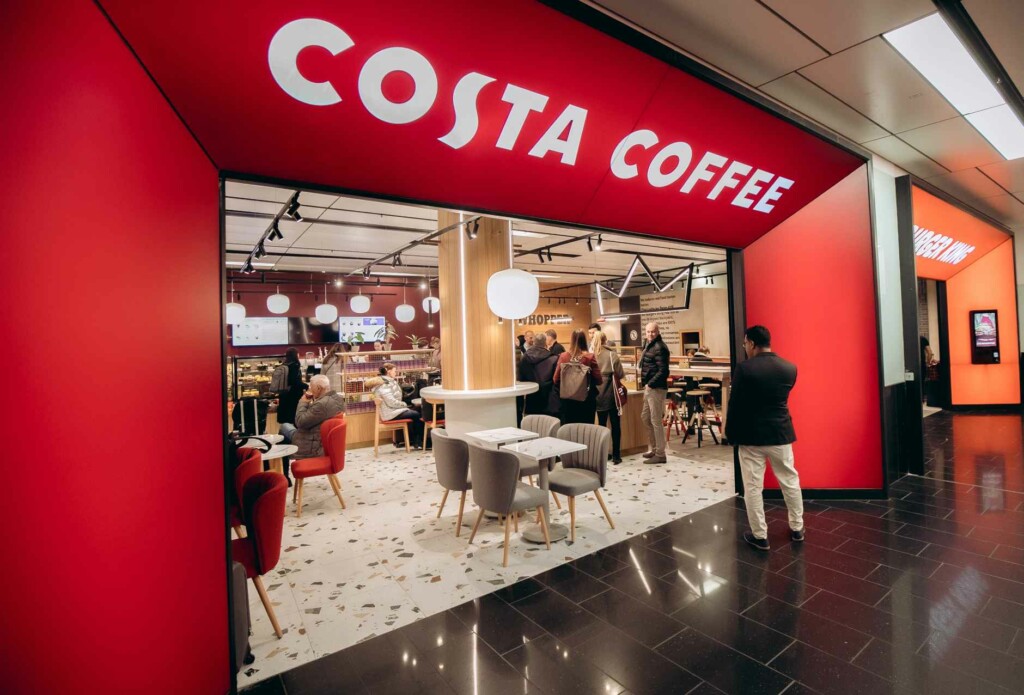
    Costa Coffee Store
    Costa Coffee Store

    Costa Coffee’s link with the contentious Atarot settlement lays bare the intricate ethical intricacies embedded in corporate dealings. The boycott signifies a unified demand for conscientious corporate behavior, stressing the critical need for businesses to prioritize compliance with international law and ethical norms over profiting from territories marked by displacement and discord.

    The scrutiny faced by Costa Coffee serves as a stark reminder of the symbiotic relationship between ethical responsibility and corporate decision-making, compelling a reassessment of business practices in sensitive geopolitical landscapes.
  • Massimo Dutti Perspective on Israel-Palestine

    Massimo Dutti Perspective on Israel-Palestine

    The Israeli-Palestinian conflict has prompted reactions from several Spanish brands, notably within the Inditex group, including Massimo Dutti.

    Amid escalating tensions marked by attacks and retaliatory airstrikes, a collective decision led to temporary closures of stores in Israel by brands such as Zara, Mango, Pull&Bear, and Tous, indicating a unified response to the situation.

    Massimo Dutti
    Massimo Dutti

    Also See: Bershka Stand on Israel-Palestine

    Unified Closure Response

    In response to the recent hostilities, Spanish retailers under the Inditex umbrella, including Massimo Dutti, chose to temporarily close their stores in Israel. This step affected around 84 franchised outlets operated by the group in the country, aligning with the broader collective action witnessed among several Spanish fashion brands.

    Impact on Spanish-Israeli Business Relations

    The closure decision extended beyond retail, potentially affecting broader Spanish-Israeli business dynamics. Companies like Comsa and Indra, involved in infrastructure projects or generating limited revenue in Israel, shared their minimal immediate exposure to the conflict. This cautious approach reflects the sensitivity of the situation, even for entities with indirect ties to the region.

    Massimo Dutti’s Position and Response

    Amid the closures, reports indicated that Massimo Dutti, a subsidiary under Inditex, temporarily shut down its two stores in Israel. While the brand might not have direct overt connections with the ongoing conflict, its closure mirrored the stance taken by other Spanish retailers, symbolizing solidarity and a cautious approach amidst escalating tensions.

    Explore More: Boycott List: Fashion Companies Supporting Israel You Should Be Aware Of

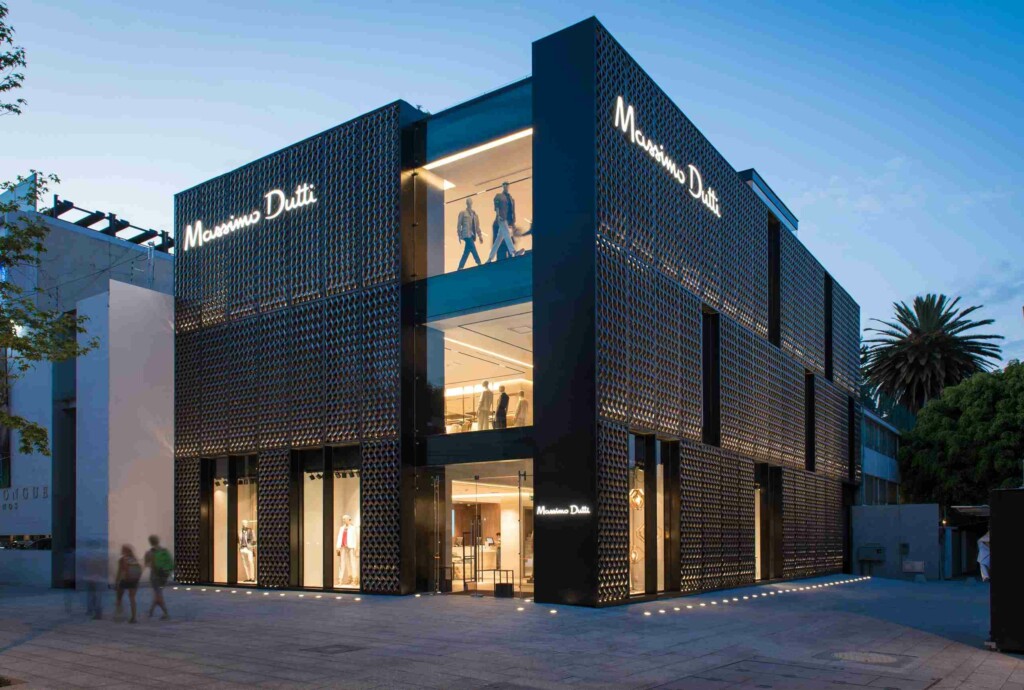
    Massimo Dutti Store
    Massimo Dutti Store

    The temporary closure of Massimo Dutti stores in Israel, alongside other Spanish brands, serves as a reflection of the complex intersection between global businesses and geopolitical unrest.

    The collective decision showcases a unified response to the situation in Israel, emphasizing the broader impact of socio-political conflicts on international corporations. This move demonstrates a sensitivity to geopolitical tensions and signifies solidarity, despite the absence of direct, overt ties to the conflict by the brands involved.

  • Bershka Stand on Israel-Palestine

    Bershka Stand on Israel-Palestine

    Amidst the recent escalation in tensions between Israel and Palestine, several Spanish fashion brands, including Bershka, a subsidiary of the Inditex group, have taken action by temporarily closing their stores in Israel.

    This move follows similar decisions by other prominent Spanish brands like Zara, Mango, Pull&Bear, and Tous, all operated by Inditex, which collectively closed around 84 franchised stores in Israel.

    Bershka
    Bershka

    Also See: Zara’s Support for Israel: Examining the Details

    Unified Closure Response

    The decision to temporarily close stores in Israel was a collective response by Spanish brands affiliated with Inditex. Bershka, alongside brands like Zara and Pull&Bear, announced the temporary shutdown of its outlets, indicating solidarity with the situation and aligning with the broader move seen across multiple Spanish retailers.

    Impact Across Spanish Businesses

    The temporary closures extended beyond retail, potentially affecting various Spanish companies operating in Israel. While some, like Comsa and Indra, reported minimal immediate impact due to ongoing projects yet to begin or generating minimal revenue in the region, the broader impact on Spanish-Israeli business relations remains to be seen.

    Representation Discrepancies and Observations

    Notably, discrepancies surfaced in the representation of Israeli outlets among Spanish stores, exemplified by Pull&Bear omitting Israel from its global store locations despite having a significant presence in the country. This unintentional omission raised observations and commentary from stakeholders, highlighting the nuanced dynamics in such situations.

    Explore More: Boycott List: Fashion Companies Supporting Israel You Should Be Aware Of

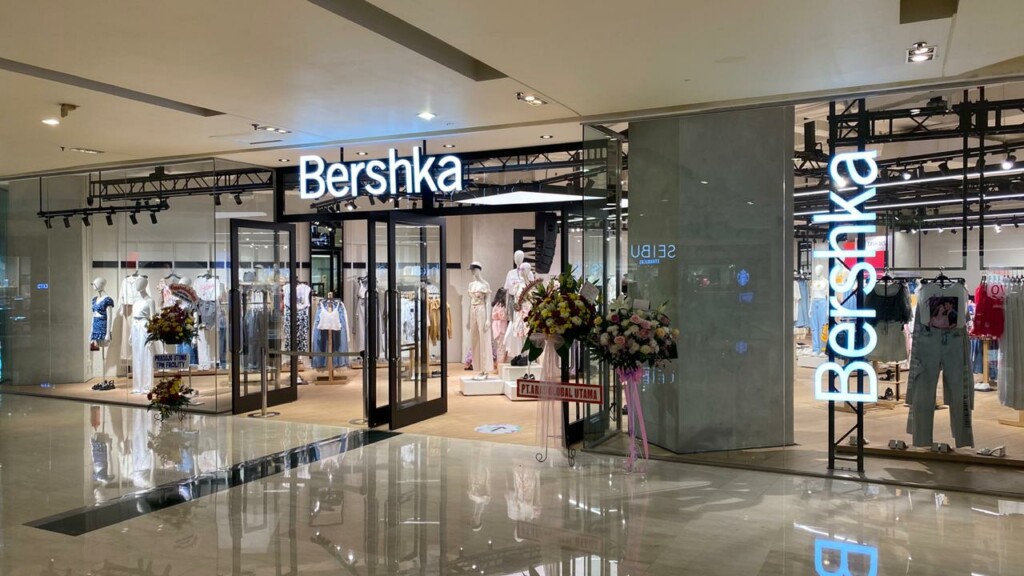
    Bershka Store
    Bershka Store

    The temporary closure of Bershka stores in Israel, in line with other Spanish brands, reflects a collective approach by international businesses towards the complex Israeli-Palestinian conflict.

    This unified action showcases a stance of solidarity, acknowledging the broader impact of socio-political tensions on global corporations. The situation emphasizes the delicate balance multinational companies navigate when responding to sensitive geopolitical contexts.

  • Stradivarius View on Israeli-Palestinian Situation

    Stradivarius View on Israeli-Palestinian Situation

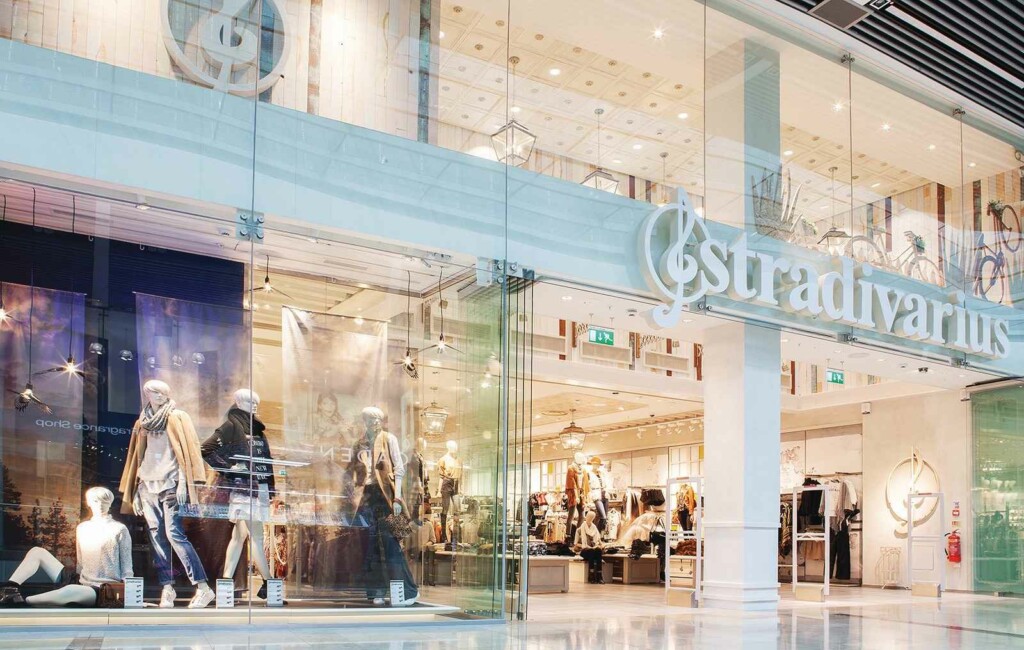
    Amidst the ongoing Israeli-Palestinian conflict, several Spanish fashion brands, including Stradivarius under the Inditex group, have responded to the heightened tensions. The decision to temporarily close stores in Israel echoes a collective move by renowned retailers like Zara, Mango, Pull&Bear, and Tous.

    Stradivarius
    Stradivarius

    Also See: Massimo Dutti Perspective on Israel-Palestine

    The Temporary Closure Response

    In light of the recent conflict escalation involving Hamas and Israel, Spanish fashion giants with operations in Israel, like Zara, Mango, Pull&Bear, Tous, and Stradivarius, opted to close their outlets temporarily. This unified decision affected numerous franchised stores, totaling approximately 84 under the Inditex umbrella, and around 50 Mango outlets, all managed through franchise agreements.

    Impact on Spanish-Israeli Business Relations

    The closures extended beyond retail, potentially impacting broader Spanish businesses in Israel. Companies like Comsa and Indra, involved in infrastructure projects and generating minimal revenue in the region, highlighted their limited immediate exposure to the conflict. This phase of tension has prompted a cautious approach by these entities, with ongoing projects yet to commence or minimal operations on the ground.

    Stradivarius’ Role and Recent Developments

    Stradivarius, a brand within the Inditex portfolio, previously established a presence in Israel, retailing its products in the country. However, recent reports suggest the closure of Stradivarius stores in Israel, aligning with the collective action undertaken by Spanish retailers amidst the escalating conflict. While Stradivarius doesn’t have direct strong ties to the conflict, its closure in Israel signifies the broader solidarity gesture made by Spanish fashion brands.

    Explore More: Boycott List: Fashion Companies Supporting Israel You Should Be Aware Of

    Stradivarius Store
    Stradivarius Store

    The temporary closure of stores by Spanish fashion retailers, including Stradivarius, reflects a broader response to the complex Israeli-Palestinian conflict. This unified action illustrates the influence of geopolitical tensions on global businesses.

    The decision to pause operations in Israel serves not only as a strategic move but also symbolizes a statement of solidarity amidst ongoing socio-political unrest in the region.

  • Pull&Bear Position on the Israeli-Palestine Conflict

    Pull&Bear Position on the Israeli-Palestine Conflict

    Spanish fashion brands, including Pull&Bear, Zara, Mango, and Tous, have temporally closed their stores in Israel following recent tensions in the region.

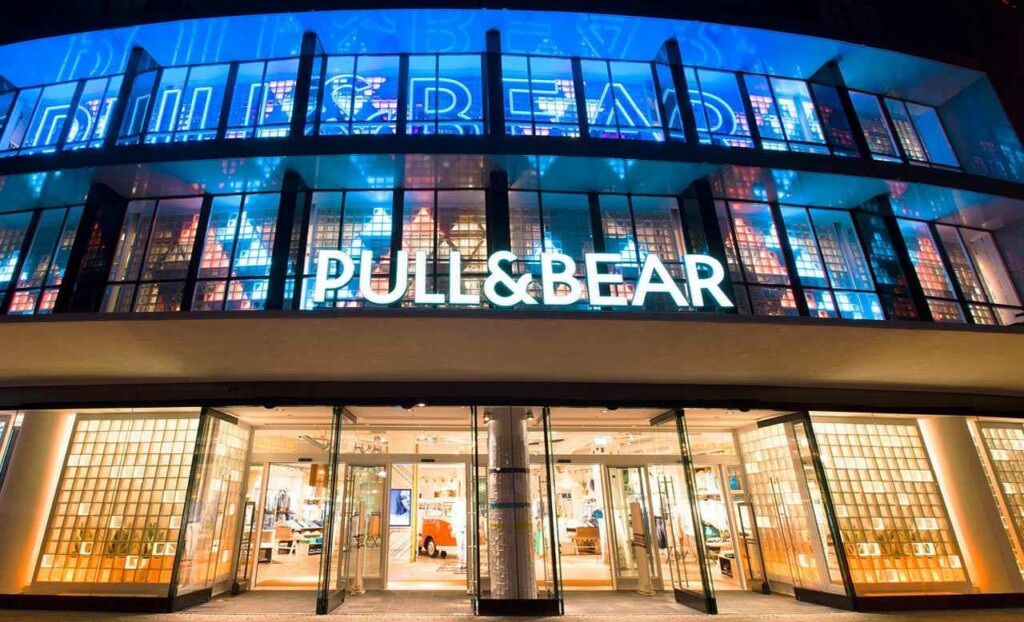
    This decision, made in response to the situation, particularly affected Pull&Bear, an established clothing chain with 22 outlets in Israel, aligning with the actions taken by its parent company, the Inditex Group.

    Pull&bear
    Pull&Bear

    Also See: Stradivarius View on Israeli-Palestinian Situation

    Temporary Closures Amid Tensions

    In response to the escalation of conflict, Pull&Bear, alongside other Spanish brands under the Inditex umbrella, opted to temporarily close its 22 stores in Israel. This decision was part of a broader move by these fashion brands to close down their outlets, temporarily suspending operations in the country in light of the situation.

    Oversight in Global Store Listings

    Observations were made regarding Pull&Bear’s global store listings, notably the absence of Israel in the list displayed at its UK flagship Oxford Street store. Despite having a considerable number of outlets in Israel, the country was not included in the showcased global locations. A spokesperson clarified that this omission was an oversight, denying any deliberate exclusion of Israel from the listed global outlets.

    Complex Business Landscape Amid Conflict

    The closures of Pull&Bear stores in Israel and the discrepancy in the global store listings draw attention to the challenges businesses face in conflict-prone regions. These actions seem to reflect a broader industry response to the escalating tensions rather than intentional alignment or involvement in the conflict.

    Explore More: Boycott List: Fashion Companies Supporting Israel You Should Be Aware Of

    Pull&bear Store
    Pull&Bear Store

    Pull&Bear’s temporary closure of its stores in Israel and the oversight in its global store listings amid the Israeli-Palestinian conflict have sparked discussions. These actions, paralleling those of other Spanish brands, indicate a collective response to the evolving situation in the region.

    However, there is no direct evidence linking Pull&Bear or the Inditex Group to the conflict. The situation appears to be a response to the unfolding circumstances rather than any deliberate alignment or action against the region.

  • Zara’s Support for Israel: Examining the Details

    Zara’s Support for Israel: Examining the Details

    Zara, a globally recognized clothing brand, found itself ensnared in a maelstrom of controversies stemming from its Israeli franchisee’s association with an extreme-right lawmaker and a highly contentious advertising campaign.

    The franchise owner’s hosting of Itamar Ben-Gvir, known for incendiary comments and extreme ideologies, triggered calls for boycotts, while the clothing line’s provocative imagery further exacerbated the brand’s turmoil. The fallout from these events has left Zara’s reputation hanging by a thread, prompting widespread outrage and calls for reevaluation among its customer base.

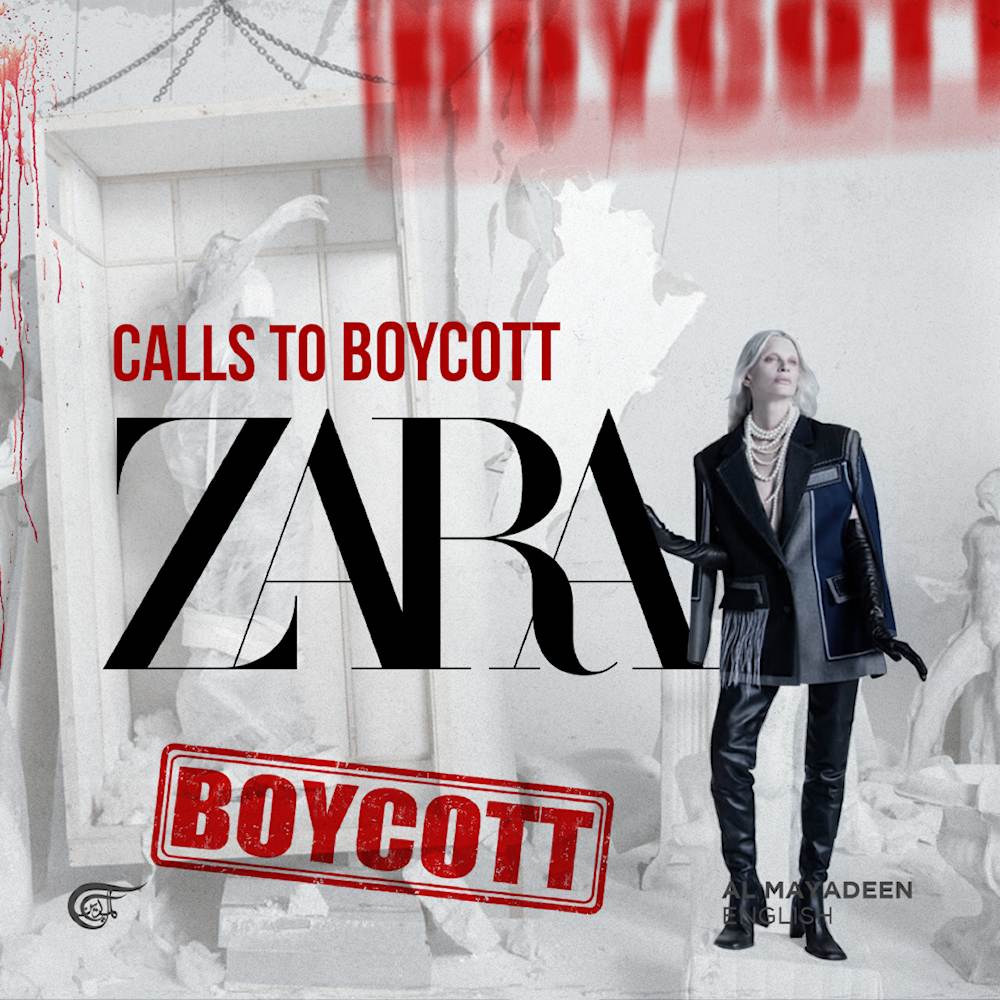
    Boycott Zara
    Boycott Zara

    Also See: Pull&Bear Position on the Israeli-Palestine Conflict

    Unveiling the Franchise Fiasco

    Zara’s Israeli franchisee’s welcoming of extreme-right MP Itamar Ben-Gvir for a campaign event ahead of elections set off a storm. Ben-Gvir’s history of incendiary remarks and extremist ideologies sparked outrage and ignited widespread calls for a boycott of the global retail giant.

    Backlash and Polarizing Reactions

    Palestinian communities reacted vehemently, launching online campaigns, burning Zara garments, and calling for an international boycott. Although Hebrew social media appeared largely supportive, Arabic posts resoundingly condemned Zara, amplifying boycott demands and urging clothes burning.

    Check Out: Inditex Stand on Israel-Palestine

    A Public Relations Catastrophe

    Zara’s “ZARA ATELIER. Collection 04_The Jacket” campaign further deepened the crisis. The campaign’s imagery, including disturbing references to Muslim burial attire and Palestine’s map, drew intense backlash. Former loyal customers took to social media, expressing shock, disgust, and pledging to boycott the brand indefinitely.

    The Fallout and Continued Silence

    Zara’s response, or rather the lack thereof, to the escalating controversy continues to fuel public discontent. The growing calls for boycotts across diverse platforms and regions, coupled with the brand’s silence, have left its reputation hanging by a thread.

    Explore More: Boycott List: Fashion Companies Supporting Israel You Should Be Aware Of

    Calls To Boycott
    Calls To Boycott

    Zara, once a symbol of fashion and trendiness, now grapples with severe backlash due to its franchise’s actions and the contentious campaign. The outcry from various quarters, including Palestinian communities and former loyal customers, has propelled calls for boycotts and raised questions about the brand’s ethical stance.

    Despite the fervent public outcry, Zara’s silence in the face of these controversies remains deafening. The repercussions of these events pose a grave threat to Zara’s credibility and consumer loyalty, signifying a potential turning point in the brand’s relationship with its audience.

  • Inditex Stand on Israel-Palestine

    Inditex Stand on Israel-Palestine

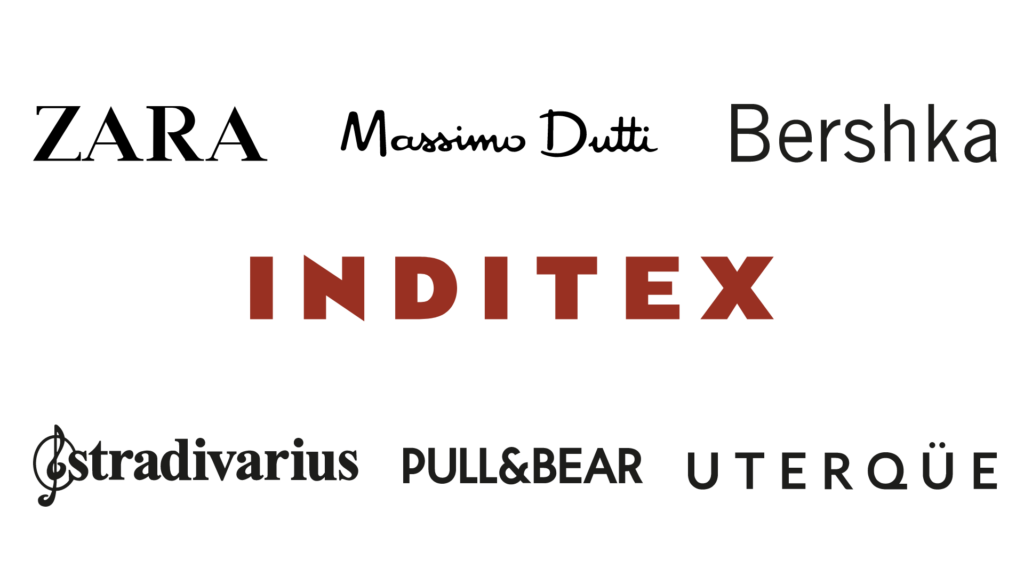
    Inditex, a Spanish multinational clothing company renowned for brands like Zara and Pull&Bear, found itself amid controversy surrounding statements made by its Zara agent in Israel. This issue led to discussions and actions regarding the company’s stance on the Israel-Palestine conflict.

    Inditex Group
    Inditex Group

    Also See: Stradivarius View on Israeli-Palestinian Situation

    Response to Agent’s Statements

    Inditex swiftly responded to concerns raised by the Palestinian National Economy Ministry regarding the Zara agent in Israel. The company distanced itself from the agent’s reported support for Itamar Ben-Gvir, denouncing any alignment with racist ideologies and affirming its dedication to human rights and opposition to racism.

    Check Out: Massimo Dutti Perspective on Israel-Palestine

    Store Closures in Israel

    In a notable move, Inditex temporarily closed 84 stores, including Zara, Mango, Pull&Bear, and Tous, in Israel amid escalating tensions. This decision was seen as a response to the situation, highlighting the company’s stance against the conflict. These closures, managed through franchise agreements, impacted various brands within the Inditex portfolio.

    Omission from Global Store Lists

    Observations were made about some Inditex stores outside Israel, like Pull&Bear, displaying global store locations without mentioning Israel, despite the country having a substantial number of outlets. The company clarified that this omission was unintentional and not reflective of deliberate actions or omissions.

    Also Read: Bershka Stand on Israel-Palestine

    Amidst Uncertainty

    Despite Inditex’s closures and statements distancing from controversial remarks, the company’s direct long-term strategy regarding business operations in the region remains unclear. While there’s no explicit evidence linking Inditex directly or indirectly to Israel, the company’s actions indicate efforts to disassociate from divisive viewpoints amid the ongoing conflict.

    Explore More: Boycott List: Fashion Companies Supporting Israel You Should Be Aware Of

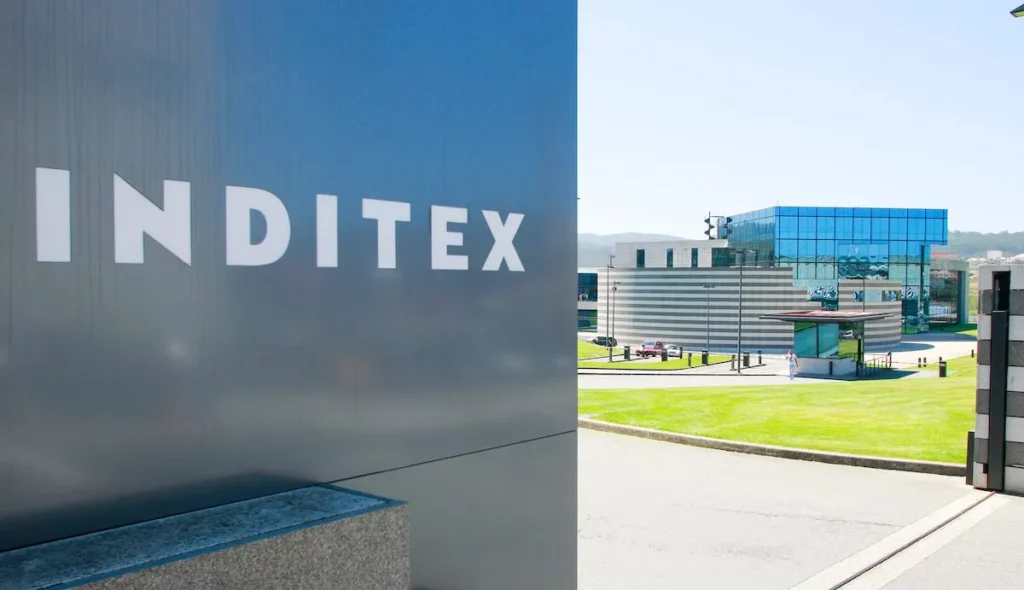
    Inditex Company
    Inditex Company

    Inditex, amidst the controversy surrounding statements made by its Zara agent in Israel, swiftly distanced itself and affirmed its commitment to human rights and opposition to racism. The temporary closure of numerous stores in Israel indicated a response to escalating tensions, showcasing the company’s stance against the conflict.

    However, the future direction of Inditex’s business operations in the region remains uncertain. While no concrete evidence directly associates Inditex with Israel, the company’s actions reflect efforts to avoid any potential association with divisive viewpoints amid the ongoing situation.

  • Unraveling Dove’s Ties to Israel

    Unraveling Dove’s Ties to Israel

    Dove is a well-known brand that is part of the multinational consumer goods company Unilever. Unilever was founded in 1930 and is headquartered in London, England, and Rotterdam, Netherlands. It operates in numerous sectors including food and beverages, cleaning agents, beauty and personal care products. Dove is one of the flagship brands of Unilever’s personal care division and is renowned for its focus on promoting self-esteem and body positivity. The brand offers a wide range of products, including soaps, lotions, shampoos, and deodorants, that aim to cater to diverse beauty needs.

    The founder of Dove is not an individual but rather a brand that was developed by the advertising agency Ogilvy & Mather in 1957. However, the concept and message of Dove were originally thought of by Keith Reinhard, a renowned advertising executive who played a crucial role in the creation of the brand’s iconic advertising campaign in the 2000s. Keith Reinhard, an American entrepreneur, is well-known for his contributions to the advertising industry and has received numerous accolades throughout his career. He has been inducted into the Advertising Hall of Fame and received the prestigious Ogilvy Award for Excellence in Advertising. Through his innovative thinking and leadership, Reinhard was instrumental in establishing Dove as a socially conscious brand that celebrates beauty in all its forms.

    See also: Does Nike Stand with Palestine or Israel?

    Dove Elementary School

    Dove in the United States

    With the data at hand, we need supplementary information to thoroughly examine whether Dove endorses Israeli activities and plays a role in the occupation of Palestinian territories. The subsequent analysis presents the outcomes of our comprehensive review for further insight.

    Pvi

    Participate in our enlightening quiz on Palestine and Israel. Test your knowledge, foster dialogue, and broaden your perspective.

    Unpacking Claims: Dove’s Suspected Ties to Israel

    Amidst the persistent conflicts between Israel and Palestine, consumers are actively seeking ways to express solidarity with the Palestinian people. One impactful strategy involves boycotting products that are known to provide support, either morally or materially, to Israeli authorities. Notably, refraining from purchasing items associated with Dove is seen as a concrete step in resisting the Israeli occupation in Palestinian territories.

    Dove is not officially listed on the BDS boycott list, but it is included on a website like Thewitness.news that lists companies that are connected to the Israeli occupation.

    While may not be explicitly listed on the official boycott list, the website includes this company in connection with the Israeli occupation. Furthermore, the evidence presented below strongly suggests its involvement in supporting Israeli activities against the Palestinian population.

    To explore a comprehensive list of companies associated with Israel or with roots originating from the region, follow these simple steps:

    1. Enter the brand or product name in the designated field.
    2. Hit enter to commence the search.
    3. Reveal in-depth insights into the brand’s connections with Israel.

    This article delves into Dove’s involvement in the ongoing Israeli-Palestinian conflict. Additionally, you can refer to our previously published article for an extensive list of well-known companies affiliated with Israel across various sectors such as fast food chains and fashion corporations from around the globe.

    Israeli Product List

    View the complete list of companies and brands affiliated with Israel, along with their latest proofs.

    In summary, the comprehensive review above provides a deep insight into the Dove brand’s association and stance concerning Israel. For a more in-depth exploration of this topic, platforms like whoprofits.org offer detailed information on companies benefitting from the Israeli occupation of Palestine.

    Moreover, consulting official documents from the United Nations can offer valuable insights into the matter. This holistic approach ensures a well-informed perspective on the intricate interplay between businesses, geopolitics, and societal issues in the region.

  • Exploring Doritos’s Relationship with Israel

    Exploring Doritos’s Relationship with Israel

    Doritos is a popular brand of flavored tortilla chips that was first introduced in 1964 by Frito-Lay, which is now a subsidiary of PepsiCo. The parent company, Frito-Lay, is one of the largest snack food manufacturers in the world. It was founded in 1932 and is known for producing numerous popular snack brands such as Lay’s, Cheetos, and Tostitos. Frito-Lay has become synonymous with the snacking industry and has a strong presence in various countries around the globe.

    The founder of Frito-Lay, Charles Elmer Doolin, was an American entrepreneur. He was born in 1903 in Texas, United States. Doolin came up with the idea for Doritos after discovering a Mexican snack called totopos during a family vacation. He purchased the recipe, along with the triangular corn chips used in making totopos, and began mass-producing the chips under the brand name Doritos. Doolin is widely recognized as the visionary behind Doritos, as he successfully introduced a completely new type of snack to the American market. His entrepreneurship and innovation helped establish Frito-Lay as a leading player in the snack food industry, and his legacy can still be tasted in every bag of Doritos today.

    See also: Cinnabon’s Support for Israel

    Costco Wholesale

    Doritos in the United States

    With the data at hand, we need supplementary information to thoroughly examine whether Doritos endorses Israeli activities and plays a role in the occupation of Palestinian territories. The subsequent analysis presents the outcomes of our comprehensive review for further insight.

    Pvi

    Participate in our enlightening quiz on Palestine and Israel. Test your knowledge, foster dialogue, and broaden your perspective.

    Unpacking Claims: Doritos’s Suspected Ties to Israel

    Amidst the persistent conflicts between Israel and Palestine, consumers are actively seeking ways to express solidarity with the Palestinian people. One impactful strategy involves boycotting products that are known to provide support, either morally or materially, to Israeli authorities. Notably, refraining from purchasing items associated with Doritos is seen as a concrete step in resisting the Israeli occupation in Palestinian territories.

    Doritos is not officially listed on the BDS boycott list, but it is included on a website like Thewitness.news that lists companies that are connected to the Israeli occupation.

    While may not be explicitly listed on the official boycott list, the website includes this company in connection with the Israeli occupation. Furthermore, the evidence presented below strongly suggests its involvement in supporting Israeli activities against the Palestinian population.

    To explore a comprehensive list of companies associated with Israel or with roots originating from the region, follow these simple steps:

    1. Enter the brand or product name in the designated field.
    2. Hit enter to commence the search.
    3. Reveal in-depth insights into the brand’s connections with Israel.

    This article delves into Doritos’s involvement in the ongoing Israeli-Palestinian conflict. Additionally, you can refer to our previously published article for an extensive list of well-known companies affiliated with Israel across various sectors such as fast food chains and fashion corporations from around the globe.

    Israeli Product List

    View the complete list of companies and brands affiliated with Israel, along with their latest proofs.

    In summary, the comprehensive review above provides a deep insight into the Doritos brand’s association and stance concerning Israel. For a more in-depth exploration of this topic, platforms like whoprofits.org offer detailed information on companies benefitting from the Israeli occupation of Palestine.

    Moreover, consulting official documents from the United Nations can offer valuable insights into the matter. This holistic approach ensures a well-informed perspective on the intricate interplay between businesses, geopolitics, and societal issues in the region.