The once-charming world of Squishmallows, celebrated for its delightful plush toys, now stands tainted by controversy. Jazwares, the orchestrator behind Squishmallows, is grappling with a barrage of criticism following a statement from its CEO, Judd Zebersky.
His unabashed support for Israel in the midst of the ongoing conflict with Palestine has not only ignited a firestorm on social media but has also cast a dark shadow over the previously innocent and beloved brand.
Judd Zebersky’s proclamation on LinkedIn, declaring unwavering support for Israel and condemning Hamas, has become a lightning rod for condemnation. The CEO’s remarks, particularly the unsettling mention of interns returning to Israel for defense efforts, have fueled intense reactions. This explicit alignment with Israel’s stance in the conflict has not only sparked controversy but has also raised serious questions about Squishmallows’ and Jazwares’ political inclinations.
The aftermath of Zebersky’s divisive statement has given rise to widespread condemnation across online platforms. Outraged netizens are fervently calling for a boycott of Squishmallows and Jazwares. Social media spaces have transformed into battlegrounds for impassioned debates, with individuals vehemently advocating for alternative plush toys and urging others to steer clear of a company now perceived as endorsing a contentious political standpoint.
Squishmallows’ metamorphosis from an endearing plush toy brand to a center of controversy exposes the intricate challenges of navigating political terrain in the consumer market. Jazwares, once applauded and acknowledged, finds itself entangled in a highly charged debate that underscores the potent interplay between business, politics, and consumer activism.
The lasting repercussions of this controversy on Squishmallows and Jazwares remain uncertain, leaving an ominous cloud hanging over the once-beloved and now contentious realm of plush toys.
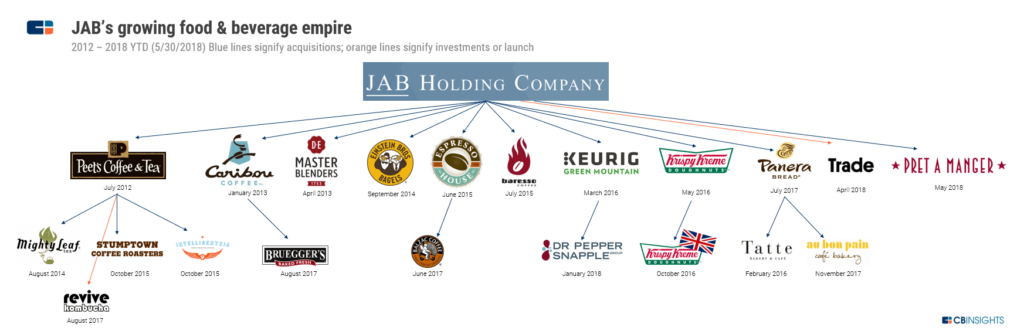
JAB Holding Company, a formidable German conglomerate with a diverse portfolio spanning consumer goods, coffee, luxury fashion, and fast food, has recently come under scrutiny due to revelations surrounding its connection to Israel.
As a major player in the corporate world, questions are being raised about the conglomerate’s affiliations and the potential implications of its involvement.
A closer look at JAB Holdings reveals an intriguing link through Emily Landecker, a prominent figure within the Reimann family, which forms the backbone of the conglomerate. Landecker’s Jewish lineage, combined with her marriage into the Reimann family, raises questions about the extent of familial influence within JAB Holding. Critics argue that such ties may impact the conglomerate’s decision-making and support for causes related to Israel.
Recent reports from an Israeli news portal shed light on JAB Holding’s alleged involvement in controversial financial contributions. The conglomerate is accused of donating a substantial amount, approximately $11 million, to Jewish institutions through the Alfred Landecker Foundation. This foundation, overtly associated with Zionist conspiracies and Israel’s occupation of Palestine, sparks concerns about JAB Holding’s role in supporting initiatives aligned with a specific political agenda.
The intricate web of connections between JAB Holding and Israel, ranging from familial ties to direct financial contributions for Israeli causes, paints a picture that invites skepticism. Allegations of involvement in supporting organizations associated with controversial geopolitical issues further tarnish the conglomerate’s image.
As public scrutiny intensifies and consumers become more conscious of ethical considerations, JAB Holding may find itself facing a storm of skepticism and criticism, with the impact on its reputation and business operations yet to be determined.
In an era marked by heightened awareness of ethical considerations, major retailers such as Zara, H&M, Lululemon, Marc Jacobs, and Next UK are under intense scrutiny for their suspected support or involvement with Israel. From controversial associations to allegations of complicity, these cases underscore the complexities and ethical dilemmas surrounding global commerce and ties to contentious geopolitical landscapes.
As consumers increasingly prioritize ethical choices, the spotlight on these retailers prompts questions about transparency, accountability, and the impact of these revelations on brand perception and consumer loyalty.
Zara
Zara
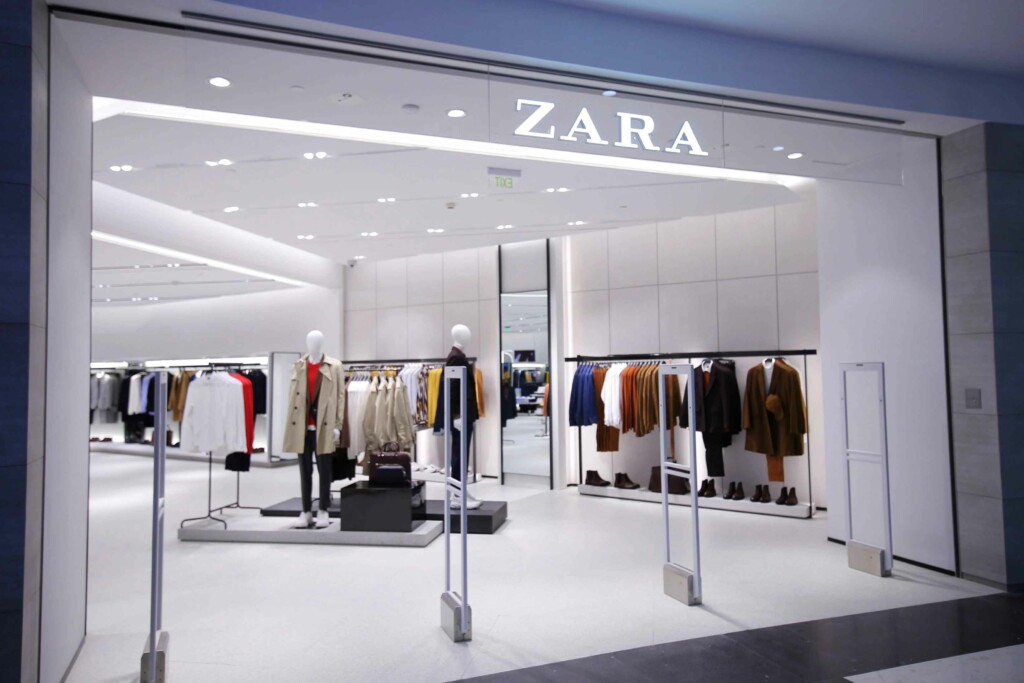
Zara, the global clothing brand, faces severe backlash due to its Israeli franchisee’s association with extreme-right lawmaker Itamar Ben-Gvir and a controversial advertising campaign featuring disturbing references to Muslim burial attire and Palestine’s map. Calls for boycotts have surged, with widespread online condemnation and pledges to refrain from buying, selling, or working for Zara. The brand’s silence amid growing discontent raises concerns about its ethical stance and consumer loyalty. Individuals are urged to avoid Zara products and affiliates until the brand addresses the controversies. While alternatives haven’t been extensively researched, those seeking ethical fashion choices may explore alternative brands aligned with responsible business practices.
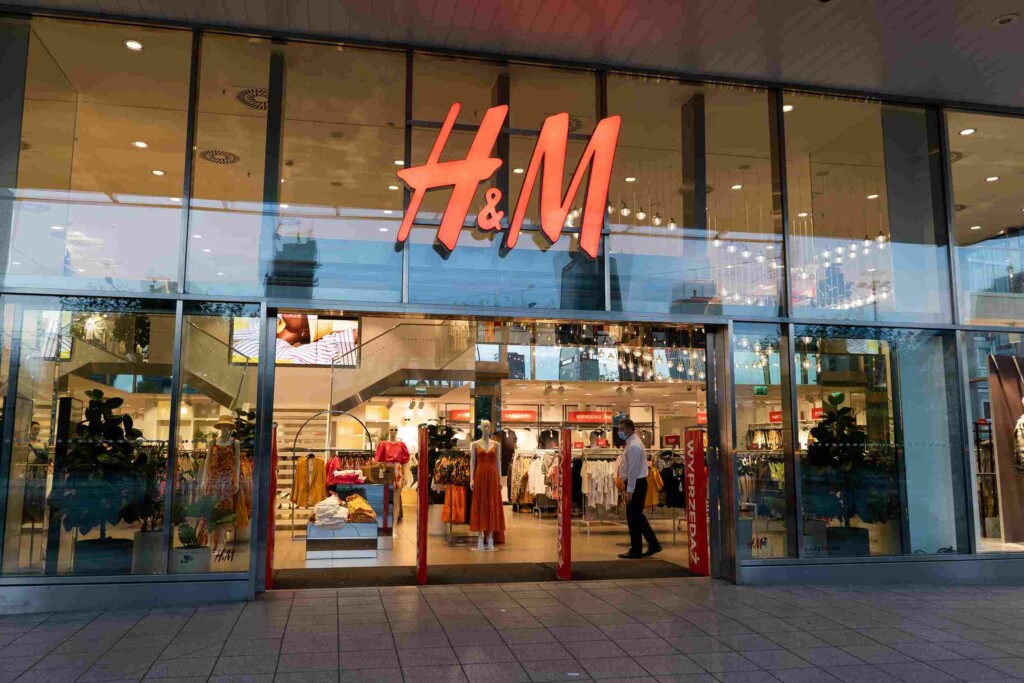
H&M’s recent expansion into Israel, notably in occupied eastern Jerusalem’s “Malha Mall,” has drawn widespread criticism from the Palestinian Boycott, Divestment, and Sanctions National Committee (BNC). The move, seen as aligning with contentious Israeli policies, raises ethical concerns, especially given the historical significance of the location. The involvement of major H&M shareholder The Vanguard Group, Inc., with diverse investments, including interests in Israel, adds complexity to the ethical landscape, prompting questions about corporate complicity in geopolitical issues. As calls to boycott H&M’s European stores grow, the brand faces a global moral dilemma, with concerns about its perceived contribution to Israel’s occupation and policies against Palestinians.
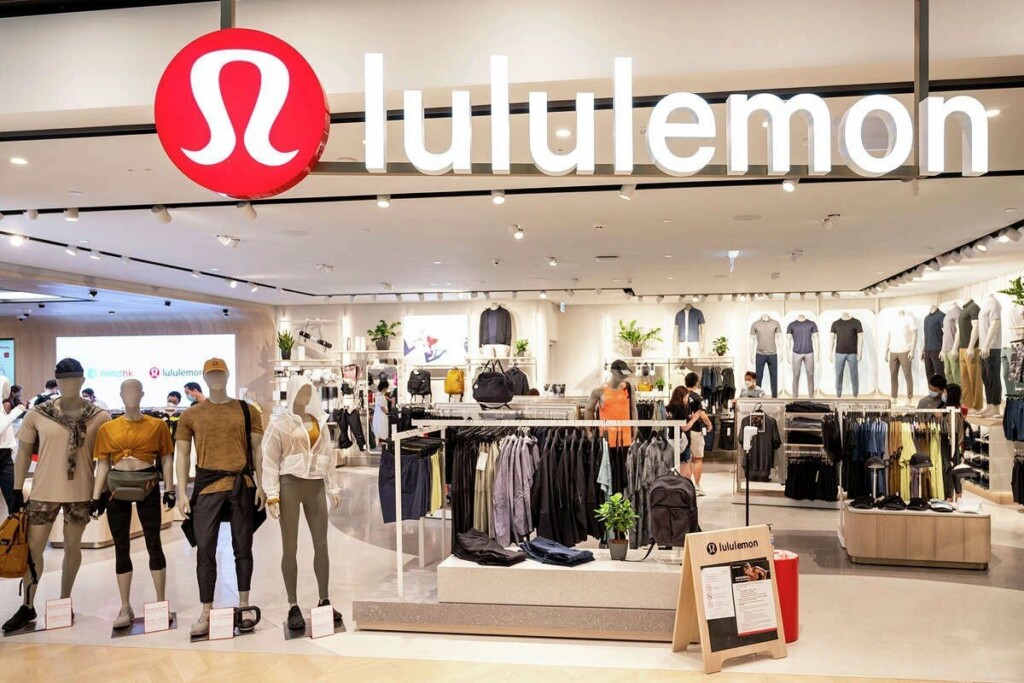
Lululemon, a prominent athletic apparel retailer, faced backlash for entering Israel’s market, opening its first store with plans for seven more. Accusations of complicity in apartheid led to widespread criticism and calls for a boycott from groups like the Canada Palestine Association and the Coalition. Critics highlighted the incongruity between Lululemon’s commitment to diversity and its decision to operate in Israel, citing allegations of online sales to illegal settlements. Despite controversy, the Irani Group, Lululemon’s exclusive franchisee in Israel, plans further expansion. However, dissenting voices persist, urging Lululemon to reconsider its stance and withdraw from the Israeli market to align with ethical principles. The spotlight remains on Lululemon to address mounting concerns and respond to calls for a boycott.
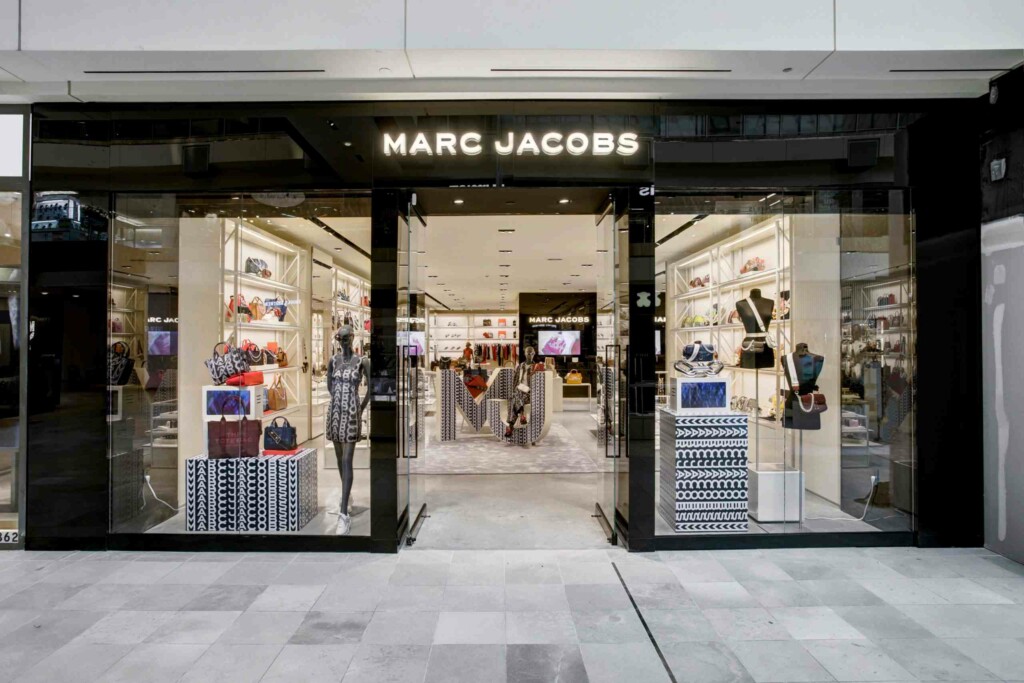
The scrutiny on corporate ties to Israel extends to fashion brand Marc Jacobs, owned by LVMH. Bernard Arnault, LVMH’s owner, has invested extensively in Israeli companies, raising ethical concerns about Marc Jacobs’ affiliations, particularly with cybersecurity firm Wiz. Consumer responsibility and corporate accountability are questioned, prompting calls not to buy or sell Marc Jacobs products and avoid working for the brand or LVMH. Ethical alternatives, including unbranded fragrances, non-designer clothing, Lush cosmetics, Huda Beauty, and Sunnamusk, offer choices aligned with ethical principles. The situation highlights the need for transparency in navigating multinational corporations’ ties to controversial geopolitical landscapes.
Next UK, a global retail giant controlled by the Zionist Wolfson family, faces controversy over troubling connections to Israel. CEO Simon Wolfson is under intense scrutiny for alleged alignment with Zionism, triggering calls for a comprehensive investigation into Next plc’s ethical stance. Reports of Wolfson’s political ties in Israel and his role as a board member of the New Israel Fund intensify suspicions. The company’s major shareholders, including BlackRock and Vanguard Inc., also have notable positions in Israel’s investment landscape, raising concerns about Next’s indirect support for activities in Palestinian territories. The intricate network of associations challenges the company’s ethical integrity, prompting a reassessment of consumer loyalty as awareness of these alleged ties grows.
The scrutiny of major retailers’ ties to Israel underscores the growing intersection of global commerce and geopolitical controversies. Zara, H&M, Lululemon, Marc Jacobs, and Next UK find themselves entangled in varying degrees of ethical concerns, prompting calls for boycotts and questioning consumer loyalty.
As these companies navigate the intricate web of allegations, shareholders’ involvement, and ethical responsibilities, there is a pressing need for transparency and accountability. The evolving dynamics of consumer awareness suggest that these revelations may impact brand perception and loyalty. As calls for ethical choices reverberate, these retailers face a critical juncture in addressing the controversies and aligning their practices with consumer expectations for responsible and ethically sound business conduct.
In the complex landscape of global finance, the intertwining of major banks with controversial activities continues to draw attention. Alleged ties between prominent financial institutions and companies involved in the sale of arms and military equipment have sparked ethical concerns among conscientious consumers.
This exposé aims to shed light on some of the major banks facing scrutiny for their associations with entities engaged in activities linked to geopolitical conflicts, prompting calls for individuals to reconsider their banking, employment, and investment choices. From Bank of America to Aviva, the following analysis provides insights into the alleged connections and suggests alternatives for those seeking financial institutions aligned with ethical values.
Bank of America
Bank of America
Bank of America, a prominent American multinational investment bank and financial services provider, drew criticism for its involvement in a $500 million loan deal with a consortium of lenders for Elbit Systems Ltd, an Israeli weapons manufacturer. In light of concerns surrounding the ethical implications of supporting companies associated with the arms industry, individuals are urged not to bank with Bank of America, avoid seeking employment opportunities with the institution, and refrain from making investments through them. While alternative options haven’t been researched yet, those seeking financial institutions aligned with their ethical values may explore alternatives to distance themselves from such controversial transactions.
HSBC, headquartered in London, is facing scrutiny for its investments in companies associated with the sale of arms and military equipment implicated in the oppression of Palestinians. With a total shareholding value of £831.5 million in such enterprises, ethical consumers are advised to distance themselves from HSBC. This includes avoiding banking with HSBC, closing existing accounts, refraining from utilizing their lending options and credit cards, and abstaining from seeking employment with the bank. Opting for ethical alternatives like TSB Bank and Monzo Bank allows individuals to align their financial choices with a commitment to social responsibility and ethical banking practices, steering clear of institutions associated with controversial military activities.
Barclays, a British multinational universal bank, faces criticism for investing in companies selling arms linked to the oppression of Palestinians. With a substantial shareholding value of up to £1,167.6 million in such companies, conscientious consumers are advised to disassociate from Barclays. This includes avoiding banking with Barclays, closing existing accounts, refraining from using their lending options and Barclaycard services, and avoiding employment with the bank. Alternatives such as TSB Bank and Monzo Bank provide ethical choices for those seeking to distance themselves from financial institutions associated with controversial military activities and support a more socially responsible banking approach.
Wells Fargo, the American multinational financial services company, has faced criticism for its participation in a $500 million loan deal supporting Elbit Systems Ltd, an Israeli weapons manufacturer. In response, there are calls to avoid banking with Wells Fargo, reject employment opportunities, and refrain from investments with the institution. While alternatives haven’t been extensively researched, individuals are encouraged to explore ethical banking options aligned with responsible financial practices.
BNP Paribas, a French multinational bank, faced criticism for its involvement in a $500 million loan deal with a consortium of lenders for Elbit Systems Ltd, an Israeli weapons manufacturer. In light of ethical considerations, individuals are advised to refrain from banking with BNP Paribas, avoid seeking employment with the institution, and abstain from making investments through them. While alternatives haven’t been researched, those concerned with ethical banking practices may explore other options in the financial sector.
Scotiabank, a Canadian multinational banking and financial services company, has faced criticism for its asset fund’s $500 million investment in Elbit Systems Ltd, an Israeli weapons manufacturer. Ethical concerns have prompted calls to avoid banking with Scotiabank, steer clear of employment opportunities, and abstain from investments with the institution. While alternatives have not been extensively researched, individuals are encouraged to explore ethical banking options that align with responsible investment practices.
Lloyds Bank, a British retail and commercial bank, is criticized for investing in companies involved in selling arms to Israel, contributing to the oppression of Palestinians. Ethical consumers are advised to avoid banking with Lloyds, close existing accounts, refrain from using lending options and credit cards, and avoid employment with the bank. TSB Bank and Monzo are suggested ethical alternatives for those looking to distance themselves from institutions associated with controversial military activities.
Standard Life, a significant player in life assurance, pensions, and long-term savings in the UK, is under scrutiny for its investments, totaling up to £1,304.2 million, in companies selling arms used in the oppression of Palestinians. Ethical consumers are advised to avoid saving or investing with Standard Life, divest pensions, refrain from using insurance products provided by the company, and steer clear of employment opportunities. While alternatives haven’t been researched yet, individuals concerned with ethical investments may explore other options to align their financial choices with values opposing support for controversial military activities.
RBS, a major Scottish bank, has come under scrutiny for investing in companies selling arms linked to the oppression of Palestinians in Israel. Advocates for ethical banking are urging individuals to distance themselves from RBS by closing accounts, avoiding lending options, canceling credit cards, and refraining from employment with the bank. TSB Bank and Monzo Bank are suggested as ethical alternatives, offering individuals the opportunity to align their financial choices with values that prioritize social responsibility and ethical practices.
Capital One, a prominent American bank specializing in credit cards, car loans, banking, and savings accounts, faced scrutiny for its involvement in a $500 million loan deal with a consortium of lenders for Elbit Systems Ltd, an Israeli weapons manufacturer. In light of ethical concerns, individuals are advised to avoid banking with Capital One, refrain from seeking employment with the institution, and abstain from making investments through them. While alternatives haven’t been researched, those with ethical considerations regarding their financial choices may explore alternative banking options in the industry.
AXA, the French multinational insurance firm, faces criticism for ongoing investments in Israeli banks linked to the country’s occupation and apartheid in Palestine. To align with ethical considerations, it is advised not to choose AXA for insurance, to switch providers if already insured with them, and to avoid employment opportunities with the company. While alternatives haven’t been researched yet, individuals concerned about the ethical implications of their insurance choices may explore options that distance them from companies associated with controversial geopolitical situations.
Prudential Assurance Company has formed an agreement establishing a Jewish National Fund Assurance Department, enabling the issuance of life and endowment policies through this London-based department at the Jewish National Fund headquarters. While providing an opportunity for supporters of Palestine to contribute without incurring extra costs and offering possibilities for capital investment in Palestine, Prudential’s extensive shareholdings, totaling up to £915.6 million, in companies providing Israel with weapons and military technology may raise ethical concerns for investors. Individuals seeking alignment with values that avoid supporting such connections might explore alternative financial institutions.
Schroders, operating in Israel for over a decade, emphasizes its commitment to local clients by striving to deliver optimal performance and opportunities across the country. The company’s focus on working in clients’ best interests, minimizing uncertainty, and leveraging the full scope of the Schroders group underscores its dedication to maximizing portfolio growth. However, investors may raise ethical considerations due to Schroders’ substantial shareholdings, totaling £917.6 million, in companies associated with Israeli weapons and military technology. This may prompt individuals to explore alternative investment options aligning with their ethical values.
Investec, a financial institution, recently collaborated with an Israeli bank to finance a London development project, backed by Israeli billionaire Teddy Sagi. This partnership raises ethical concerns about supporting initiatives linked to controversial figures and geopolitical issues. Furthermore, Investec holds substantial shareholdings, totaling up to £389.4 million, in companies providing Israel with weapons and military technology. Ethical investors may consider alternative financial institutions to align their choices with values that avoid supporting such connections.
Bank of Montreal, a Canadian multinational bank, came under scrutiny for its $90 million contribution to a $500 million loan deal with a consortium of lenders for Elbit Systems Ltd, an Israeli weapons manufacturer. To align with ethical considerations, individuals are advised against banking with Bank of Montreal, refraining from employment with the institution, and avoiding investments through them. While alternatives haven’t been researched, those concerned with ethical banking may explore other options.
Legal & General, a prominent financial services and asset management company based in London, faces criticism for investing up to £4,520.9 million in companies selling arms used in the oppression of Palestinians. In response, individuals concerned with ethical investments are urged to avoid investing with Legal & General, divest pensions, refrain from using insurance products, and avoid employment with the company. While alternatives haven’t been researched yet, individuals are encouraged to explore ethical investment options that align with their values, steering clear of institutions associated with controversial military activities.
Aviva, the UK’s largest insurer and a major life and pensions provider, is facing criticism for investing in companies selling arms to Israel, implicated in the oppression of Palestinians. With shareholdings totaling £801.2 million in such companies, individuals are urged not to retain pensions with Aviva, avoid using their insurance products, and refrain from seeking employment with the company. Ethical consumers are encouraged to explore alternatives among local ethical investment providers and insurers, aligning their financial choices with ethical considerations to distance themselves from associations with controversial military activities.
As we unveil the intricate connections between major banks and entities involved in controversial activities, it becomes imperative for conscientious consumers to consider the ethical implications of their financial choices. From the involvement of Bank of America in a $500 million loan deal to Aviva’s substantial investments, the need for transparency and responsible banking practices is evident.
Individuals are urged to explore alternative banking options, such as TSB Bank, Monzo Bank, and other ethical institutions, to align their financial choices with values that prioritize social responsibility and ethical business practices. In a world where financial decisions can carry profound ethical consequences, choosing institutions that distance themselves from controversial military activities becomes a powerful means to contribute to a more just and responsible global financial landscape.
The entanglement of distinguished watch brands with Israel’s political landscape has ignited a firestorm of controversy, prompting fierce opposition and demands for action against these luxury entities.
Among those facing intense scrutiny are TAG Heuer, Guess, Hublot, Bulgari, and Fossil, each accused of affiliations that fuel ethical debates amid global tensions, provoking a growing call for conscientious consumer choices and corporate accountability.
1. TAG Heuer
TAG Heuer
TAG Heuer, a luxury watch brand under the LVMH conglomerate, faces vehement opposition due to Bernard Arnault’s substantial investments in Israeli companies. This association has prompted calls for boycotting TAG Heuer products, refraining from selling them, and even avoiding professional engagements with TAG Heuer or LVMH. While specific alternative recommendations are currently lacking, the fervent call for action highlights the escalating demand for ethical considerations in consumer decisions and corporate ties amid the intensifying scrutiny over the brand’s Israeli investments.
Guess Inc., known for its fashion influence, encounters speculation over potential ties to Israel amid the escalating conflict. Co-founder Paul Marciano’s association with pro-Israel organizations raises concerns about Guess’s implications in a region marked by human rights allegations against Israeli Defense Forces. Movements like BDS advocating for boycotts amplify debates, emphasizing the need for scrutinizing these connections and promoting ethical consumer choices in contentious contexts.
Hublot, another luxury watch brand under Bernard Arnault’s LVMH, faces scrutiny over Arnault’s significant investments in Israeli companies. The call for boycotting Hublot products and refraining from associating with the brand or LVMH reflects the ethical considerations consumers grapple with in aligning their choices with global geopolitical issues. While alternatives are yet to be researched thoroughly, the controversy spotlights the demand for corporate accountability in sensitive regions.
The fashion brand Bulgari, housed within Bernard Arnault’s LVMH, faces ethical scrutiny owing to Arnault’s extensive investments in Israeli companies. The call to abstain from purchasing or selling Bulgari products, as well as avoiding employment with Bulgari or LVMH, stems from Arnault’s financial ties to Israel. This controversy accentuates the ethical dilemma consumers face and highlights the push for conscientious consumerism and corporate responsibility in geopolitically sensitive contexts.
Fossil, a renowned watch brand, has faced scrutiny over alleged ties to Israel amid the Israeli-Palestinian conflict. Despite its global reach, direct evidence linking Fossil watches to Israel remains elusive in operational aspects. However, inquiries about potential indirect connections through major shareholders like BlackRock Inc., known for investments in Israel, necessitate further investigation into Fossil’s shareholder portfolio and any tangible associations with Israel.
The controversy surrounding these esteemed watch brands, including TAG Heuer, Guess, Hublot, Bulgari, and Fossil, amidst alleged connections to Israel, has prompted widespread discontent and ethical concerns.
Calls for boycotts and disassociation with these brands underscore the gravity of public opposition, emphasizing the burgeoning demand for transparent corporate practices aligned with ethical considerations in sensitive geopolitical contexts. This unfolding scenario highlights the increasing impetus for ethical consumerism, urging heightened scrutiny and accountability in brand affiliations with global geopolitical issues.
Amid the enticing world of snacks, the scrutiny surrounding certain beloved brands and their purported connections to Israel has garnered attention.
The alignment of prominent snacks like M&M’s, Oreo, Snickers, KitKat, Lay’s, Cheetos, Skittles, Toblerone, Cadbury, and Ben & Jerry’s with parent companies allegedly supporting Israel has sparked a wave of discussions about ethical considerations within the snack industry.
1. M&M’s
M&M’s
M&M’s, a confectionery favorite, falls under the ownership of Mars. Mars’ support for the Zionist state through significant investments in Israel’s foodtech startup sphere, channeled via venture capital partner JVC, has prompted some to reconsider purchasing or associating with M&M’s products. This has led consumers to explore supermarket own-brand alternatives and opt for healthier food choices over confectionery.
Mondelez, the owner of Oreo, has been scrutinized for investing in Israeli startups in Occupied Palestine. This association has stirred a conscientious consumer reaction, leading individuals to contemplate refraining from buying or endorsing Oreo products from Mondelez. As an alternative, exploring supermarket own-brand offerings has emerged as a considered choice for consumers.
Snickers, a chocolate staple, is another brand under the Mars umbrella. With Mars’ investments in Israel’s foodtech scene through JVC, similar to other Mars-owned brands, concerns have arisen. This has led some to reconsider purchasing Snickers products or affiliating with Mars and instead seek alternative options and whole foods.
Nestle, the owner of KitKat, holds a controlling stake in Osem, an Israeli food manufacturer operating in Occupied Palestine. This connection has prompted individuals to rethink purchasing KitKat products and avoid Nestle’s offerings until divestment from all operations in Occupied Palestine occurs. The exploration of supermarket own-brand alternatives has become a consideration for conscientious consumers.
Lay’s, a popular potato snacks brand, owned by PepsiCo, raised eyebrows following its acquisition of SodaStream and its ownership in Sabra. These associations have led some to question supporting Lay’s products or PepsiCo and opt for alternatives, especially those from stores like Aldi or Lidl.
PepsiCo’s ownership of Cheetos, with ties to SodaStream and Sabra connected to the Israeli occupation, has also triggered reconsideration among certain consumers. This association has led to thoughts about exploring supermarket own-brand options as an alternative to Cheetos.
Skittles, a candy favorite under Mars’ ownership, shares the brand’s association with Mars’ investments in Israel’s foodtech startups via JVC. This connection has caused some to rethink purchasing Skittles products or associating with Mars, opting instead for supermarket own-brand choices and healthier alternatives.
Mondelez’s ownership of Toblerone, coupled with investments in Israeli startups in Occupied Palestine, has prompted a reevaluation among consumers. Exploring supermarket own-brand products has emerged as a potential alternative choice.
Similarly owned by Mondelez, Cadbury’s connection to Israeli startups in Occupied Palestine has prompted some consumers to consider alternatives and explore supermarket own-brand offerings.
Ben & Jerry’s, owned by Unilever, faced controversy over Unilever’s sale of Israeli distribution rights to circumvent Ben & Jerry’s decision to cease sales in Israel. This scenario led some consumers to rethink their association with Ben & Jerry’s products or Unilever and explore alternative options.
The ethical dimensions of consumer choices in the snack industry highlight the intersection of business, geopolitics, and individual values. As consumers navigate these considerations, the emphasis on transparency and ethical practices within corporate landscapes becomes increasingly vital.
Informed decisions rooted in personal values serve as a beacon for conscientious consumerism. It prompts a demand for transparent corporate practices and underscores the significance of ethical considerations in today’s consumer market. Ultimately, consumers’ conscious choices echo beyond personal preferences, leaving an impact on global socio-political realms.
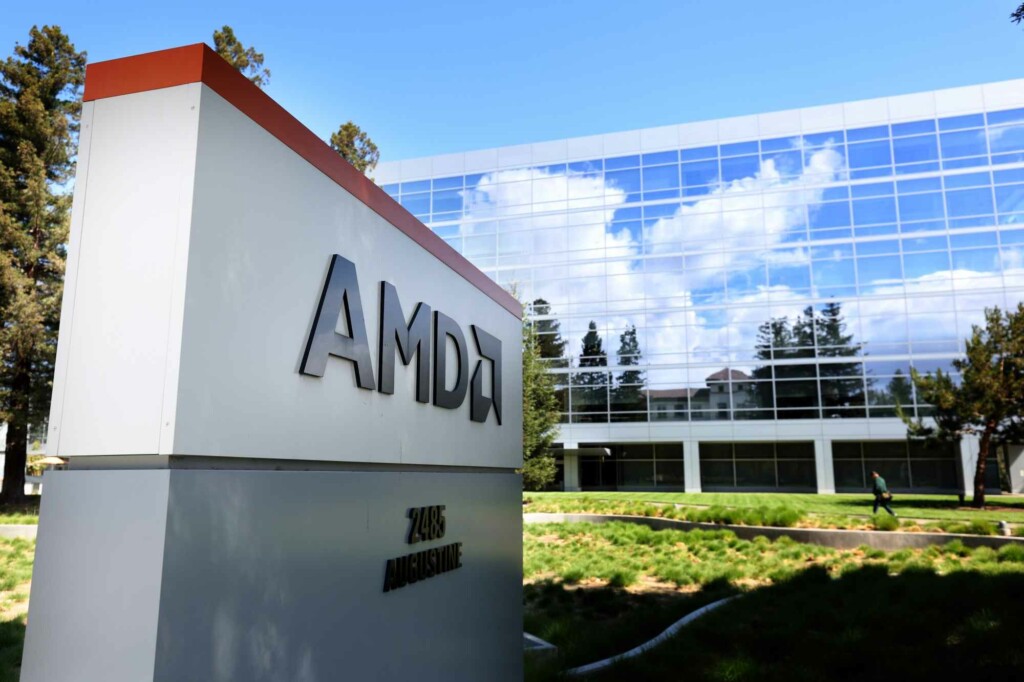
In the realm of technological advancements, Advanced Micro Devices Inc. (NYSE: AMD) has ventured into Israel’s landscape, notably establishing a research and development center in Tel Aviv and engaging in collaborations with companies like NeuReality.
These strategic movements have raised eyebrows, prompting inquiries into AMD’s true intentions and the implications of its involvement within the region.
The establishment of an R&D center in Tel Aviv, coupled with partnerships like NeuReality, signifies AMD’s strategic interest in leveraging Israel’s technological prowess. However, while these collaborations suggest a push toward AI innovation, questions linger about the depth of AMD’s commitment and the underlying motivations guiding its actions within Israel’s tech sector. The alliance with NeuReality, particularly its groundbreaking AI architecture, fuels speculation about AMD’s intentions, inviting scrutiny into the company’s objectives amid Israel’s evolving tech landscape.
A closer examination of AMD’s major shareholders, notably The Vanguard Group, Inc. with an 8.25% stake, reveals substantial financial interests tied to Israel. The intertwining of these investor stakes with AMD’s forays into Israel’s tech sphere prompts contemplation regarding potential influences on the company’s strategic decisions. This intricate web of shareholder dynamics casts a veil of uncertainty over AMD’s initiatives, sparking inquiries into the impact of these financial interests on the company’s engagements within Israel’s thriving tech sector.
AMD’s recent maneuvers within Israel’s tech domain, including its R&D center and collaborations like NeuReality, present a multifaceted narrative. While these endeavors underscore technological progress and strategic innovation, they also invite skepticism regarding undisclosed motives, implications, and the potential influence of shareholder dynamics.
As AMD charts its course within Israel’s tech landscape, the interplay of strategic choices, shareholder interests, and the company’s engagements unfolds a narrative rife with uncertainties and ethical considerations.
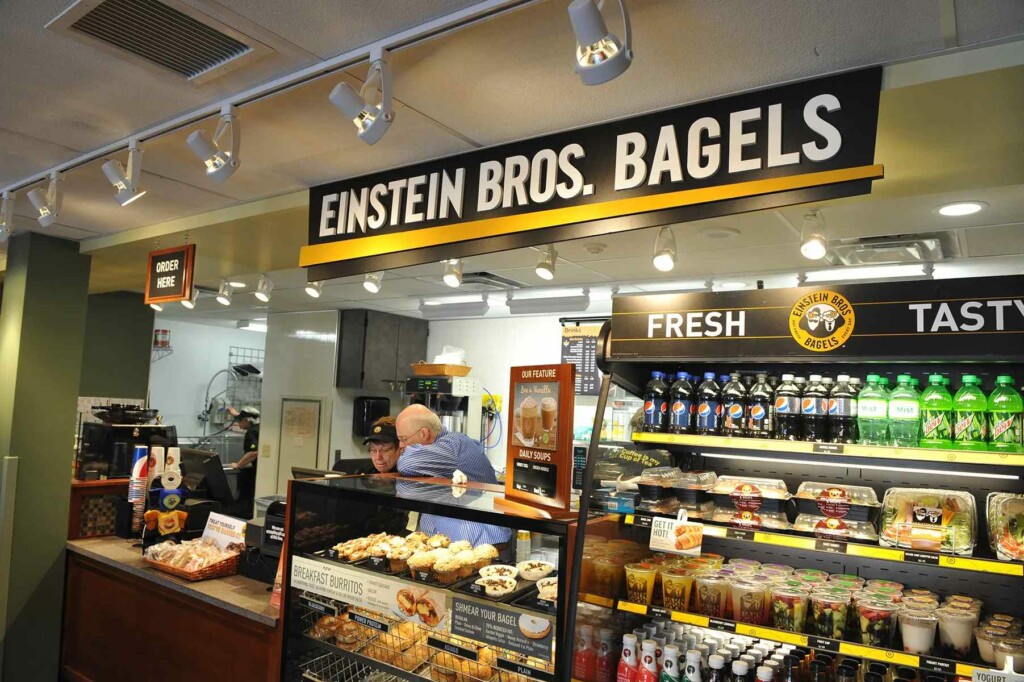
Amidst the widespread attention drawn to the Israel-Palestine conflict, Einstein Bros. Bagels, a prominent chain in the American culinary landscape, faces an inquest regarding its potential connections to Israel. This scrutiny centers on the bagel empire’s ownership by JAB Holdings, a conglomerate known for its expansive portfolio that includes Panera Bread and Caribou Coffee.
This investigation seeks to shed light on any potential associations between Einstein Bros. Bagels and Israel, particularly examining JAB Holdings’ ties to The Alfred Landecker Foundation, a body known for its support of Israel.
JAB Holdings’ Diverse Business Realm and Speculated Ties
Einstein Bros. Bagels, operating under JAB Holdings, forms part of a conglomerate boasting a diverse array of brands. This extensive network has triggered speculation about possible links or support for Israel, especially considering The Alfred Landecker Foundation’s pro-Israel stance and the historical context surrounding JAB Holdings’ associations, particularly during World War II.
Exploring JAB Holdings’ History and The Alfred Landecker Foundation
JAB Holdings, with roots tied to the Reimann family, has a historical backdrop intertwined with controversial events, including allegations of utilizing forced labor during World War II in support of the Nazi regime. While acknowledging these past misdeeds and contributing through The Alfred Landecker Foundation, which backs Israel, these revelations have cast a shadow over the conglomerate’s contemporary activities, leading to inquiries about potential connections to Israel through business engagements.
The recent focus on JAB Holdings’ historical connections and The Alfred Landecker Foundation’s advocacy for Israel has propelled investigations into any potential ties between Einstein Bros. Bagels and the region.
As societal accountability gains momentum, the scrutiny intensifies over corporations’ historical ties and their resonance with ongoing geopolitical disputes. The intersection between ownership, historical context, and support for Israel within JAB Holdings necessitates a deeper inquiry and a commitment to transparency in corporate conduct amid contentious global issues.
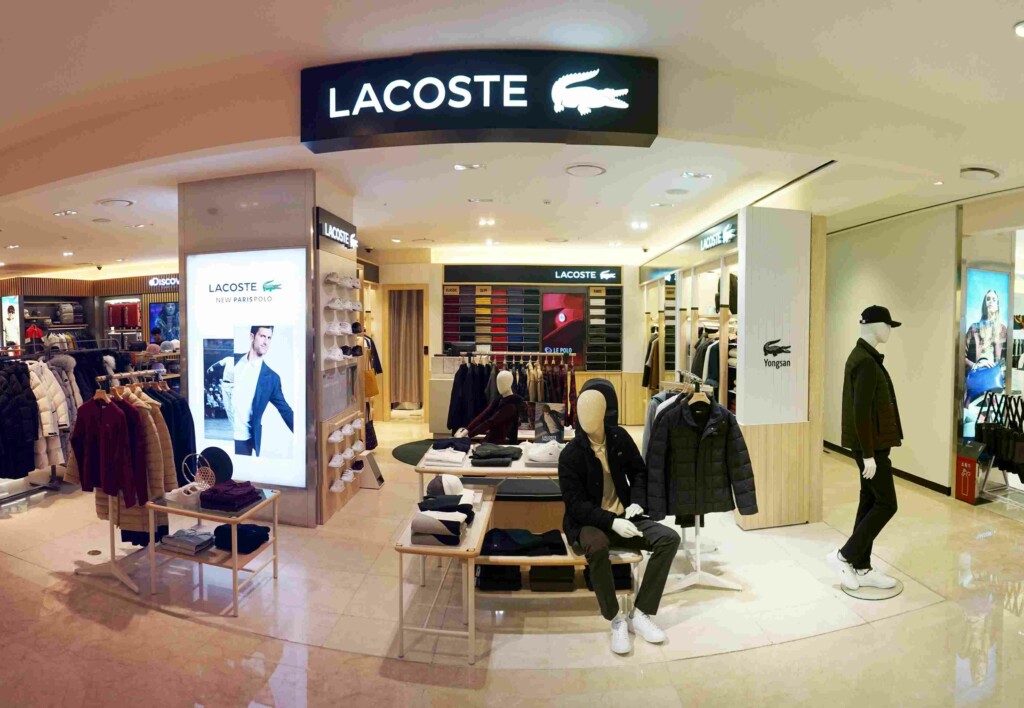
Lacoste, a longstanding figure in luxury sports fashion, faces a tide of controversies intertwined with purported connections to Israel amid the Israeli-Palestinian conflict.
The brand’s storied legacy, once celebrated, now grapples with incidents that prompt scrutiny of its ethical alignment and actions within the complex geopolitical sphere.
Since its acquisition by Maus Frères in 2012 for a staggering €1 billion, Lacoste has been entangled in significant turmoil within its family shareholders. The acquisition exposed internal discord among Lacoste’s family members, leading to intense battles over board control and decisions surrounding the sale of their shares. This upheaval disrupted Lacoste’s historical legacy tied to Renée Lacoste, revealing profound conflicts within the brand’s familial hierarchy and marking a tumultuous chapter in its history.
Artistic Controversies, Alleged Censorship, and Political Entanglements
Lacoste’s controversies extended beyond internal strife into the geopolitical arena, particularly concerning alleged affiliations with Israel. The exclusion of Palestinian artist Larissa Sansour from the Lacoste Elysée Prize in Photography ignited uproar, shedding light on perceived alignments with Israeli causes and shareholder ties to Israel. Maus Frères, CEO Philippe Nordmann, and their contributions raised ethical concerns, sparking calls for a Lacoste boycott. These controversies also spotlighted Lacoste’s sponsorship choices, suggesting a lack of commitment to artistic freedom and prompting questions about its ethical stance in politically sensitive matters.
Lacoste’s intricate web of controversies, entangled in disputes, allegations of censorship, and ethical discrepancies amid the Israeli-Palestinian conflict, casts a profound shadow over the brand’s ethical compass.
These incidents, interwoven with shareholder disputes and purported affiliations, raise critical questions about Lacoste’s ethical integrity and its role in navigating sensitive geopolitical landscapes.