Tag: Boycott

  • The Kellogg’s – Israel Connection Unraveled

    The Kellogg’s – Israel Connection Unraveled

    Kellogg’s, a global giant commanding a significant share of the breakfast cereal market worldwide, recently made headlines by selling its Israeli franchise to S. Schestowitz Ltd. for a reported $15 million.

    This shift in strategy signifies a significant change in Kellogg’s approach to the Israeli market, an arena where it has lagged behind competitors.
    Kellogg's
    Kellogg’s

    Check Out: Corn Flakes’s Support for Israel: Examining the Details

    Transition in Kellogg’s Israeli Franchise

    Despite its dominant presence globally, Kellogg’s has struggled to maintain a substantial foothold in Israel, allowing competitors like Telma and Nestle to secure larger market shares. Kellogg’s reportedly controlled only 11% of the Israeli market, trailing significantly behind Telma’s substantial 63% and Nestle’s 12% market shares. While the Israeli breakfast cereal market experienced robust growth, Kellogg’s found itself falling behind.

    Schestowitz’s Foray and Business Shift

    The sale of Kellogg’s Israeli franchise to S. Schestowitz Ltd., primarily known for its ventures in cosmetics and toiletries, marks a significant change for both companies. Schestowitz, having recently entered the food sector and importing established brands, has signaled an intent to diversify its business portfolio. This acquisition reflects Schestowitz’s ambition to expand into the food industry, potentially reshaping the market landscape.

    Explore More: Discovering the Top Israeli Food Brands
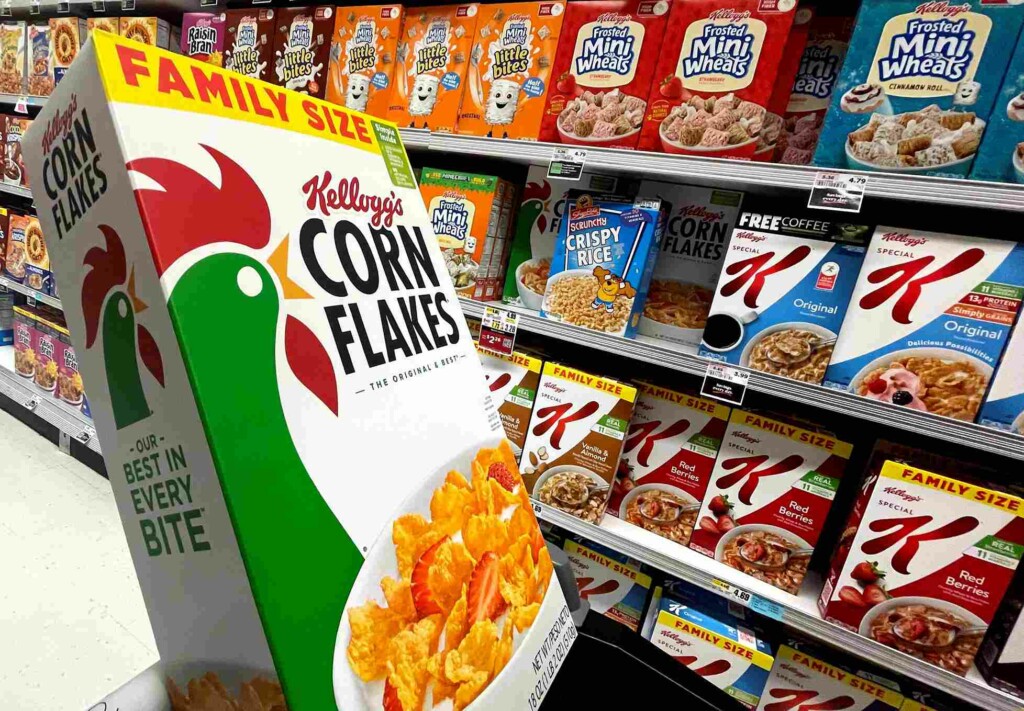
    Kellogg's Products
    Kellogg’s Products

    Kellogg’s decision to sell its Israeli franchise to S. Schestowitz Ltd. represents a pivotal shift in its approach to the Israeli market. While aiming for a stronger market presence, Kellogg’s faces persistent challenges and criticisms, particularly concerning its use of genetically modified organisms (GMOs).

    Addressing these concerns and ensuring transparency about product safety measures will be critical as Kellogg’s navigates this transition and seeks to regain consumer trust and market share in Israel’s competitive breakfast cereal industry.
  • Does Ferrero Brands Support Israel? Exploring the Unraveled Connection

    Does Ferrero Brands Support Israel? Exploring the Unraveled Connection

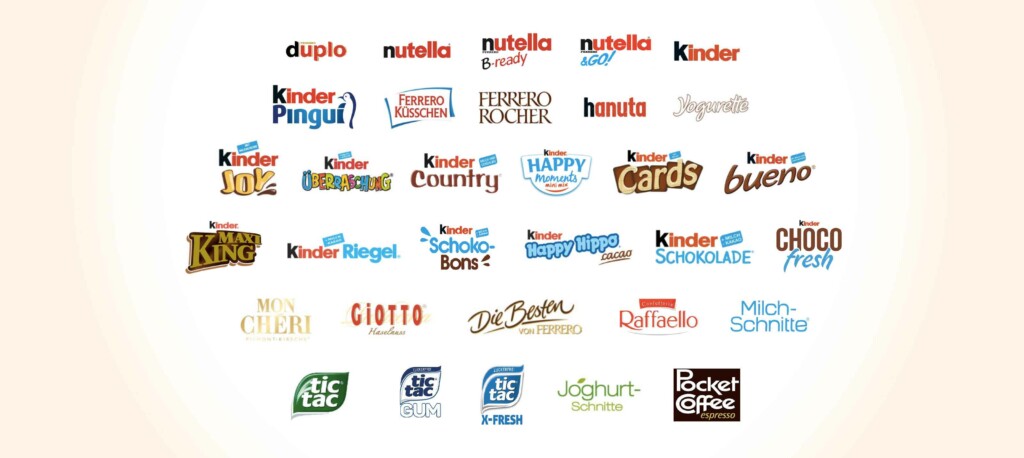
    In the convoluted world of global consumer goods, the sprawling empire of Ferrero Brands, renowned for its delectable offerings such as Nutella, Ferrero Rocher, and Tic Tac, is now facing mounting scrutiny for its purported support of the Israeli Occupation of Palestine.

    The spotlight intensifies on Kinder Bueno and Nutella, once celebrated products, prompting a meticulous examination that uncovers a disturbing lack of transparency and a web of intricacies raising more questions than answers.

    Ferrero
    Ferrero

    Check Out: Is Five Guys Supportive of Israel? Explained

    An Evidential in Ferrero Brands’ Alleged Support

    The appeal of Kinder Bueno extends to Israel, evident on platforms like @kinderbueno_il on Instagram. However, the cryptic maneuvers of Ferrero Brands, led by the enigmatic Michael Ferrero, provide no discernible proof of direct ties or investments in the Israeli region. While these delectable delights tantalize Israeli taste buds, there’s a conspicuous void when it comes to irrefutable links between Ferrero Brands’ offerings and active support for Israel’s contentious occupation of Palestine.

    Ferrero Brands’ Enigmatic Presence in Israel

    Unraveling the complexities, Ferrero Brands’ global empire includes a main office in Holon, adjacent to Tel Aviv in Israel. Here, the confectionery giant has entered a joint development agreement with the Israeli sugar company Sugar Incredo. A venture aimed at innovating solutions based on Incredo technology, owned by the Israeli-based startup Douxmatok, reveals a tangled web of financial connections. Ferrero Brands’ indirect investment in Incredo, orchestrated through the convoluted channel of Teseo Capital, casts a shadow over its operations in the region. This nuanced involvement in Israeli enterprises adds a layer of ambiguity to Ferrero Brands’ professed neutrality in geopolitical conflicts.

    Explore More: Discovering the Top Israeli Food Brands

    Ferrero Brands
    Ferrero Brands

    As the narrative surrounding Ferrero Brands’ potential ties to Israel unfolds, a sense of discomfort prevails. Despite the clamor of allegations, the darkness of concrete proof linking Ferrero Brands’ products to direct involvement in the Israeli-Palestinian conflict looms large.

    In a world where corporate actions echo far beyond mere transactions, the need for transparency and unwavering scrutiny becomes imperative. Ferrero Brands, bathed in the glow of its sweet creations, must confront the shadows cast by its intricate global maneuvers. Consumer choices, entangled in the delicate threads of geopolitical controversies, demand a more critical eye and an unyielding commitment to unveil the truth, however bitter it may be.

  • Does Nutella Support Israel? Understanding the Intricate Ties

    Does Nutella Support Israel? Understanding the Intricate Ties

    In the ever-watchful eye of the global consumer goods arena, Nutella, the beloved hazelnut cocoa spread under the umbrella of the Italian giant Ferrero, finds itself thrust into the limelight.

    As allegations of its ties to the Israeli-Palestinian conflict intensify, Nutella becomes a focal point of debates ranging from questionable marketing strategies to environmental concerns, casting shadows over the brand’s perceived ethical standing.

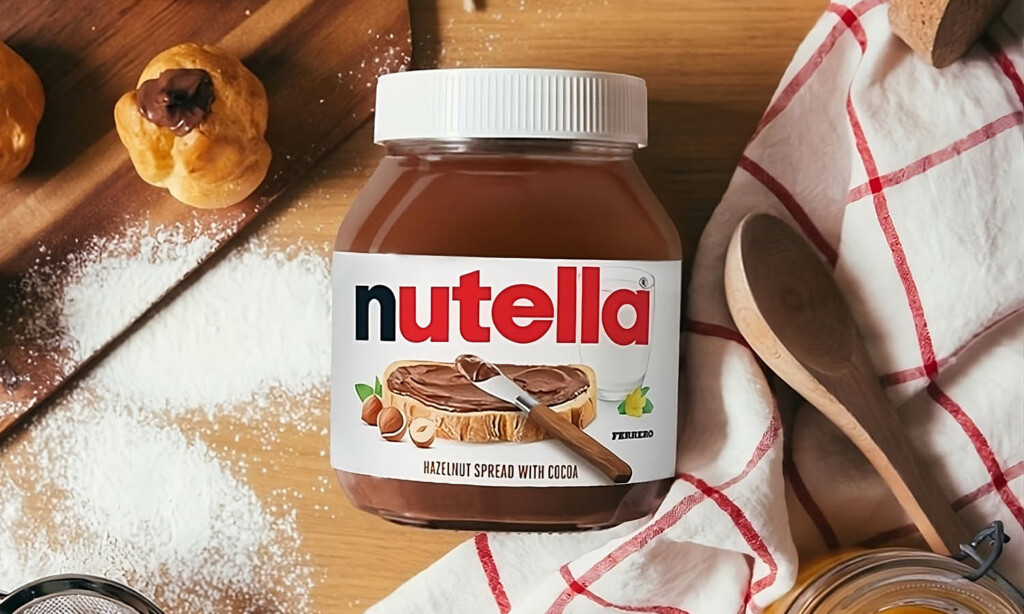
    Nutella
    Nutella

    Check Out: Ferrero View on Israeli-Palestinian Situation

    Questionable Marketing Moves and Environmental Quandaries

    The storm surrounding Nutella gained momentum with reports of an online campaign using word filters, notably omitting terms like “Jewish” and “Muslim.” This controversial marketing move drew sharp criticism and accusations of discrimination. Concurrently, environmental activists shed light on Nutella’s extensive use of palm oil, linking it to habitat destruction in Indonesian rainforests. Ferrero’s response, citing a desire to filter out negativity, left critics unsatisfied and suspicions lingering, particularly regarding the exclusion of terms tied to religious communities.

    Ferrero’s Enigmatic Presence in Israel

    A deeper examination of Ferrero’s global operations reveals a compelling link to Israel. The confectionery giant strategically places its main office in Holon, near Tel Aviv, serving as the hub for a joint development agreement with the Israeli sugar company Sugar Incredo. While seemingly an innovative venture, complexities arise when scrutinizing financial intricacies. Ferrero’s indirect investment in Incredo through the convoluted channel of Teseo Capital adds opacity to its regional operations, contradicting its professed neutrality and raising questions about its true stance in geopolitical conflicts.

    Explore More: Discovering the Top Israeli Food Brands

    Nutella Ferrero
    Nutella Ferrero

    As Nutella grapples with allegations ranging from questionable marketing practices to environmental impact and purported ties to Israel’s occupation, the debates intensify.

    While these controversies spark public discourse, a definitive link between Nutella or Ferrero and explicit support for the Israeli-Palestinian conflict remains elusive. These intricate issues underscore the necessity for ongoing scrutiny, emphasizing the importance of factual evidence and nuanced evaluation when assessing corporate positions amid the relentless backdrop of geopolitical tensions.

  • Does Kinder Joy Support Israel? Decoding the Unraveled Connection

    Does Kinder Joy Support Israel? Decoding the Unraveled Connection

    Kinder Joy, the globally recognized chocolate delight, now finds itself embroiled in controversy as claims circulating on platforms like Bdnaash suggest a potential connection between Kinder Joy and the Israeli Occupation of Palestine.

    Despite these allegations, a comprehensive investigation reveals a conspicuous absence of robust evidence substantiating such claims.

    Kinder Joy Logo
    Kinder Joy

    Check Out: Nutella Position on the Israeli-Palestine Conflict

    Claims and Ferrero’s Position Amid Kinder Joy’s Presence in Israel

    Ferrero, the overarching parent company of Kinder Joy, renowned for iconic treats like Nutella, Ferrero Rocher, and Tic Tac, has yet to present compelling evidence of any direct involvement or investment in Israel. While Kinder Joy remains available in Israel and maintains a presence on Instagram through @kinderjoy_il, there exists no publicly disclosed business connection or investment confirmed by Michael Ferrero, the founder and owner of Ferrero, within the Israeli region.

    Ferrero’s Complex Business Landscape in Israel

    Unveiling the intricacies, Ferrero’s global empire extends to a main office in Holon, adjacent to Tel Aviv in Israel. This locale serves as the epicenter for a joint development agreement with the Israeli sugar company Sugar Incredo. This venture, aimed at innovating solutions based on Incredo technology owned by the Israeli startup Douxmatok, unravels a web of financial connections. Ferrero’s indirect investment in Incredo, orchestrated through the convoluted channel of Teseo Capital, introduces an element of opacity to its regional operations, raising questions about Ferrero’s proclaimed neutrality amidst geopolitical conflicts.

    Explore More: Discovering the Top Israeli Food Brands

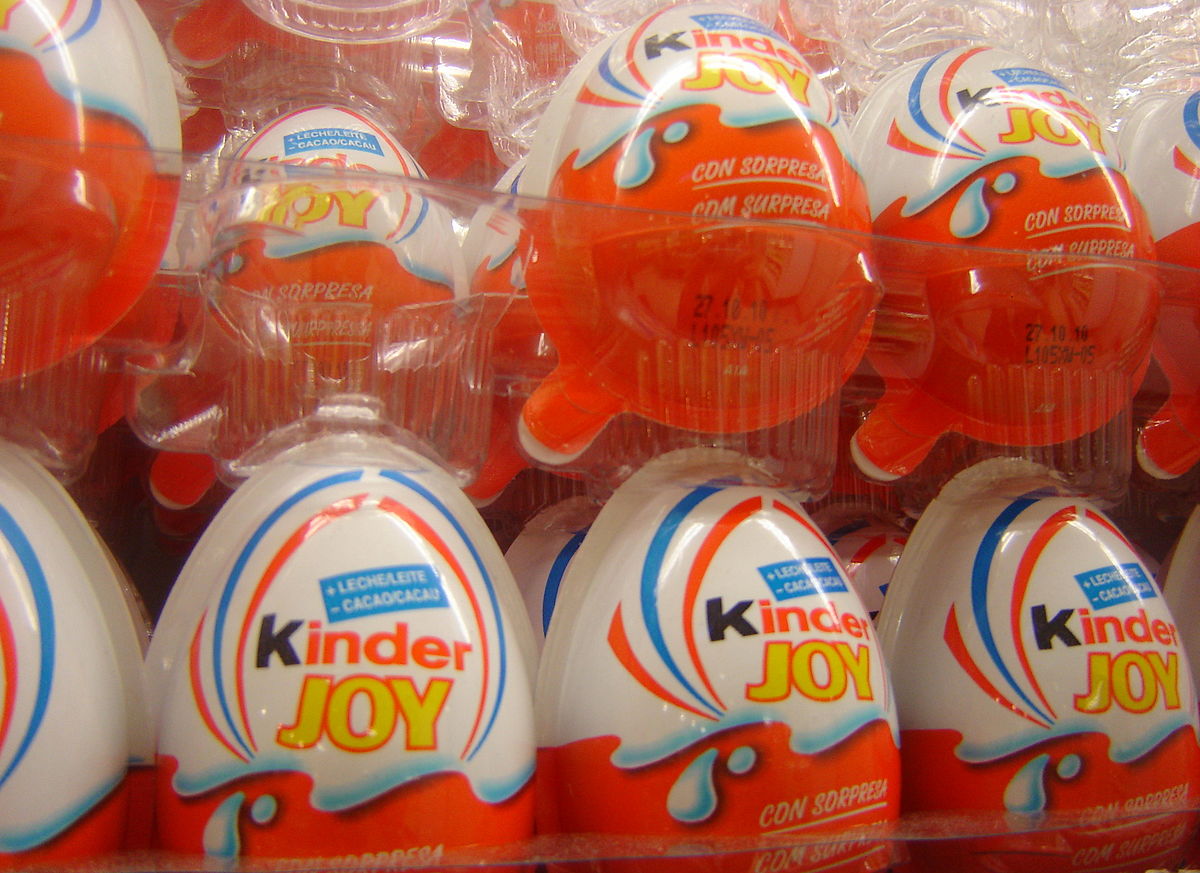
    Kinder Joy Packs
    Kinder Joy Packs

    Kinder Joy’s proximity to this controversy underscores the imperative for accurate information and prudent considerations when navigating complex geopolitical discussions.

    Understanding a brand’s true affiliations within the intricate fabric of sensitive geopolitics is essential for traversing the global socio-political landscape and making well-informed decisions. Resolving the nuances associated with brand affiliations becomes pivotal in addressing concerns linked to geopolitical intricacies.

  • Chemist Warehouse’s Support for Israel: Examining the Details

    Chemist Warehouse’s Support for Israel: Examining the Details

    Chemist Warehouse, a well-known Australian retail pharmacy chain, finds itself entangled in a highly contentious and polarizing debate concerning its perceived connections to Israel amid the ongoing conflict in the Middle East.

    This situation has sparked widespread allegations of antisemitism and triggered a charged and divisive atmosphere within Australia.

    Chemist Warehouse
    Chemist Warehouse

    Check Out: Kinder Bueno Stand on Israel-Palestine

    Boycott Movements and Allegations

    The Stand For Palestine movement, propagated through social media, has spearheaded a campaign urging boycotts of local retailers with purported links to Israel, such as Spotlight and Chemist Warehouse. These businesses, owned by individuals of Jewish descent, have become focal points of accusations, igniting heated accusations of antisemitism. The situation has escalated to draw comparisons to historical instances, reminiscent of events in 1930s Germany.

    Targets and Social Media Outcry

    Chemist Warehouse, owned by co-founders Jack and Sam Gance, whose parents survived the Holocaust, has faced fervent calls for boycotts and social media activism. Amidst a global boycott movement that has targeted multinational corporations, Chemist Warehouse became a significant target in Australia. Activists celebrated perceived victories, amplifying the charged atmosphere surrounding the conflict in Gaza and Israel.

    Broader Implications and Controversy

    The situation extends beyond corporate boycotts, encompassing protests, social media campaigns, and accusations against individuals, philanthropic organizations, and media entities deemed affiliated with Israel or Zionist interests. These events have triggered divisions within communities, intensifying tensions and prompting responses from legal professionals, business leaders, and activists advocating for humanitarian considerations amidst the ongoing conflict.

    Explore More: Unraveling Teva Pharmaceuticals’s Ties to Israel

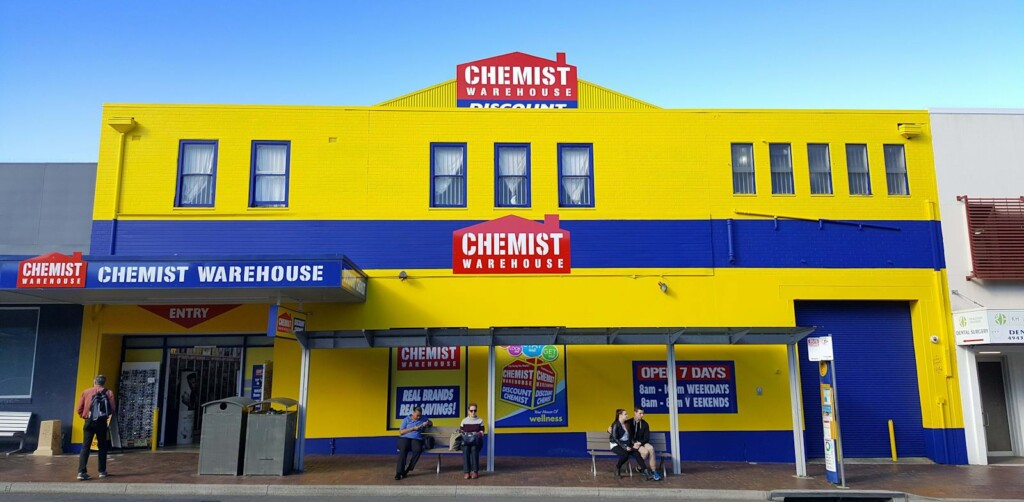
    Chemist Warehouse Store
    Chemist Warehouse Store

    The controversy surrounding Chemist Warehouse’s purported ties to Israel amid the conflict has amplified a charged and contentious environment.

    It reflects the intricate nature of geopolitical disputes and highlights the economic, social, and ethical complexities experienced by businesses embroiled in divisive narratives and geopolitical tensions.

  • Waitrose’s Support for Israel: Examining the Details

    Waitrose’s Support for Israel: Examining the Details

    UK supermarkets face intense scrutiny for their role in peddling goods from Israeli settlements, actions deemed flagrantly unlawful on the international stage.

    Entities like War on Want have fervently accused retail giants including Sainsbury’s, Tesco, Morrisons, Waitrose, and Asda of profiting from Palestinian suffering by dealing in produce from these forbidden settlements.

    Waitrose
    Waitrose

    Check Out: Is Costa Coffee Supportive of Israel? Explained

    Israeli Goods in UK Marketplaces

    Waitrose, among the implicated retailers, is under fire for vending products originating from Israeli settlements. These encompass dates sourced from companies like Agrexco and Hadiklaim, as well as brands like Osem, Tivall, and Yarden GB. The association has thrust Waitrose into an ethical quagmire, sparking fervent inquiries into the market’s alignment with firms entangled in Israeli settlement activities.

    Outcry and Public Relations Missteps for Waitrose

    Waitrose’s rollout of a brochure titled “Taste of Israel” caused uproar and a social media maelstrom, derided for misrepresenting Jerusalem and the Golan Heights as part of Israel. The egregious errors in labeling Palestinian and Arab foods as Israeli ignited public outrage. Waitrose’s handling of the situation, including the deletion of critical comments and blocking users on social platforms, only escalated the fury directed at the supermarket.

    Waitrose’s Intransigence and Consumer Reaction

    Waitrose’s steadfast refusal to address discussions surrounding the sale of Israeli goods and its lack of response to concerns regarding labor conditions on settlement farms have drawn severe rebuke. Despite mounting protests and grievances, Waitrose adamantly defends its stance, shedding light on the convoluted nature of its procurement practices and its dependency on suppliers for oversight.

    Explore More: Supermarket Companies that Supports Israel

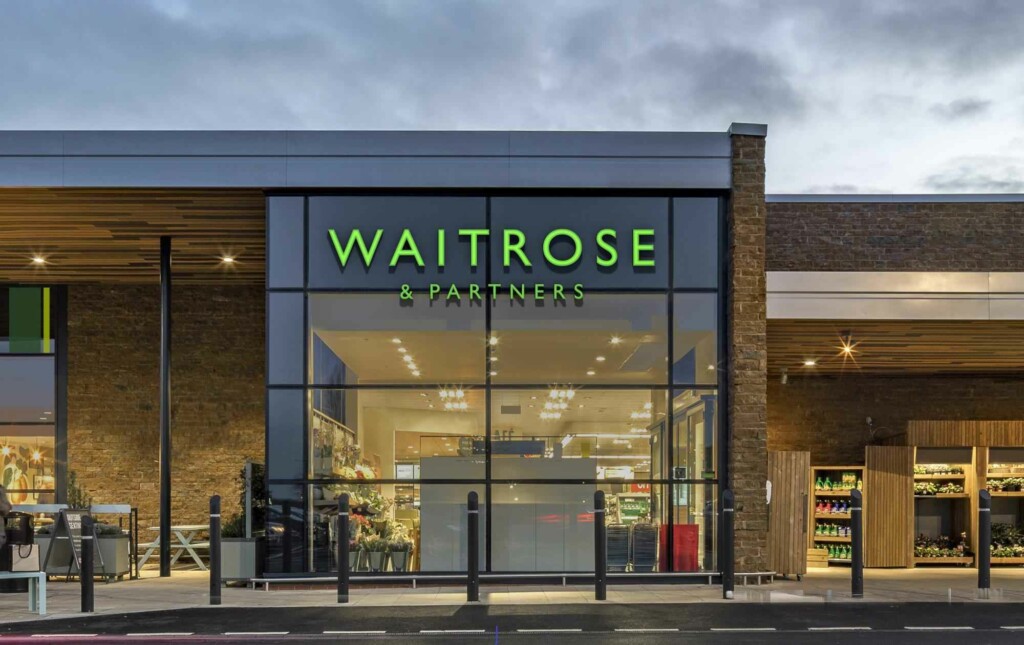
    Waitrose Store
    Waitrose Store

    The scandal encircling Waitrose’s dealings with Israeli products and its promotional blunders has inflicted irreparable damage on its brand reputation, inviting widespread censure.

    The store’s unyielding stance against engaging with activists and dissatisfied customers underscores the intricate maze of ethical sourcing within a contentious geopolitical landscape, emphasizing an urgent need for unwavering transparency and principled conduct in the retail sector.

  • The Argos – Israel Connection Unraveled

    The Argos – Israel Connection Unraveled

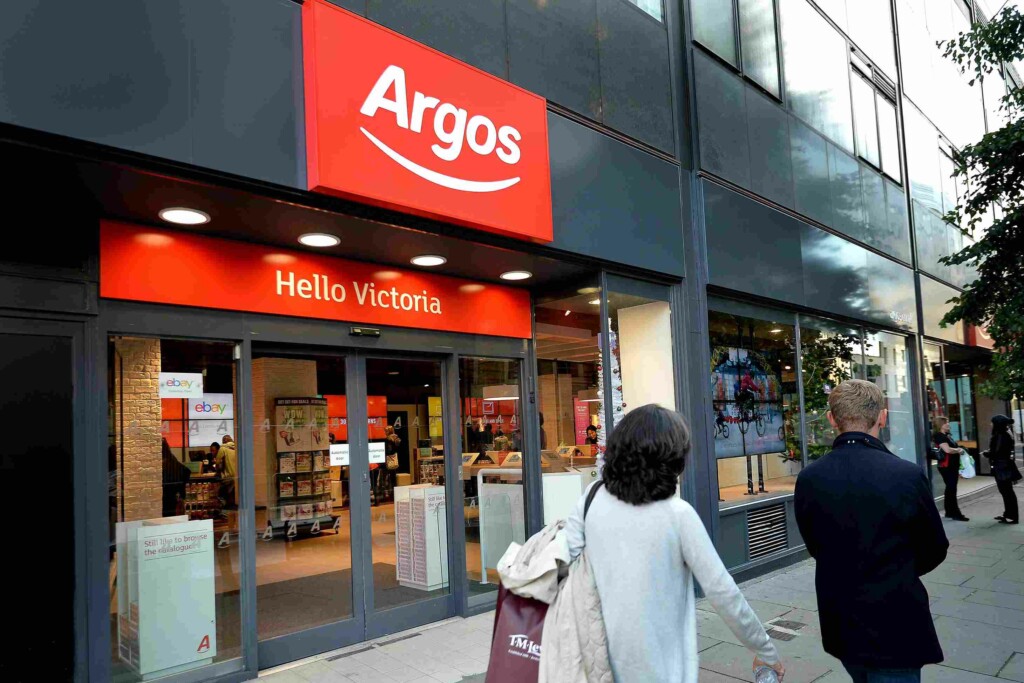
    Israeli products stocked in UK stores have ignited fervent debates regarding their origin and the moral quandaries surrounding the sale of items connected to Israeli settlements.

    Argos, among these stores, has faced scrutiny for its affiliation with specific Israeli companies entwined with settlements in the West Bank.

    Argos
    Argos

    Check Out: Waitrose’s Support for Israel: Examining the Details

    SodaStream: The Debate Over its Presence

    SodaStream, an Israeli company manufacturing home carbonating devices and soft drink flavorings, has faced scrutiny due to its primary plant situated in the Mishor Edomim industrial zone—an acknowledged illegal Israeli settlement in the West Bank. Reports from Kav LaOved, an NGO advocating for workers’ rights in Israeli companies, underscored distressing working conditions at the SodaStream factory. Allegations included substandard wages, harsh work environments, and the dismissal of dissenting workers. Despite these concerns, SodaStream’s products are still available in several prominent British retailers, including Argos.

    Keter Plastic: The Troublesome Subsidiary

    A subsidiary of Keter, Lipski Plastic, operates within the illegal Barkan settlement in the West Bank. Initially, Argos offered baby highchairs and toilet trainers from Lipski Plastic, which later shifted its primary product line to include plastic plumbing fixtures, cisterns, and toilet seats. This correlation between a subsidiary functioning in an illegal settlement and the past availability of its products at Argos has sparked apprehensions about the store’s procurement practices.

    Argos’s Linkage with Israeli Companies

    Argos’s inclusion in the list of retailers selling products from two Israeli companies linked to settlements—Keter Plastic and Soda-Club—has raised doubts about the store’s ethical sourcing policies. While the revelation confirms the sale of products from these companies, it’s crucial to note that this doesn’t explicitly endorse Israeli policies or settlements. Nonetheless, the connection between these companies and Israeli settlements remains a contentious issue for advocates of ethical trade practices.

    Explore More: Supermarket Companies that Supports Israel

    Argos Store
    Argos Store

    The presence of products from companies affiliated with Israeli settlements in stores like Argos illuminates the intricate challenges of ethical sourcing. While the retail of these items might not overtly signify direct support for settlement activities, it sparks pertinent ethical inquiries that consumers and advocates are pressing retailers to address.

    Transparent sourcing practices and a firm stance on obtaining products from contentious regions like Israeli settlements remain imperative to foster responsible and ethically conscious consumer choices.

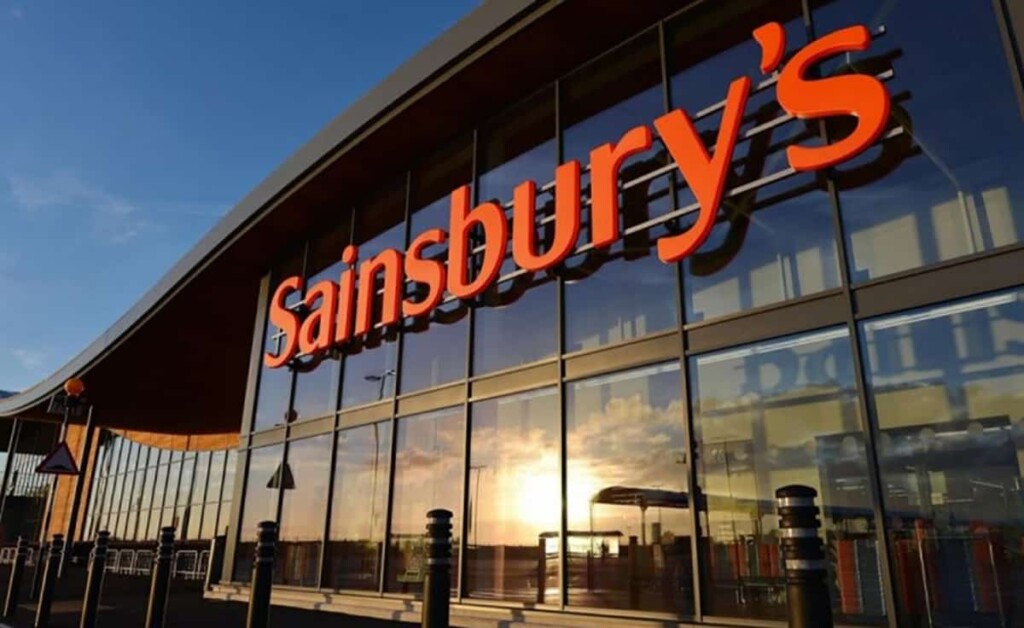
  • Sainsbury’s – Israel Support: What You Need to Know

    Sainsbury’s – Israel Support: What You Need to Know

    UK supermarkets have been thrust into the spotlight, accused of reaping benefits from Israel’s control of Palestine by vending products sourced from Israeli settlements.

    Among these retailers, Sainsbury’s has found itself embroiled in a firestorm over its handling of Israeli goods, sparking fierce debates about ethical sourcing and purported links to occupied lands.

    Sainsbury's
    Sainsbury’s

    Check Out: The Argos – Israel Connection Unraveled

    Refusal to Yield to Boycott Demands

    Sainsbury’s faced relentless pressure from anti-Israel campaigners, urging the supermarket giant to halt the sale of Israeli goods. During the company’s annual general meeting, Chairman David Tyler staunchly dismissed any notion of a boycott against products from Israel. Despite nearly 20 demonstrators expressing their grievances outside the meeting, the executives reiterated their stance, denying sourcing items from Israeli settlements in the West Bank. They asserted that products from Palestinian farmers were accurately labeled, adamantly rejecting the notion of a blanket Israeli product boycott.

    Clashes Over Ethical Practices

    At the meeting, representatives from opposing camps, including Fair Play Campaign Group’s Steven Jaffe and anti-Israel advocate Sue Blackwell, confronted Sainsbury’s executives. Jaffe advocated for Sainsbury’s to facilitate collaboration between Israeli and Palestinian suppliers, emphasizing unity. However, Blackwell vehemently accused Sainsbury’s of backing illegal Israeli settlements, pointing to alleged mislabeling of settlement products. Sainsbury’s defended its practices, citing adherence to ethical trading standards and government-mandated labeling guidelines.

    Israeli Goods on Shelves

    Sainsbury’s prominently features Israeli citrus, particularly JAFFA-branded citrus fruits, sourced primarily from major Israeli entities like Agrexco and Mehadrin Tnuport Export (MTEX). Additionally, the supermarket stocks dates from companies such as Hadiklaim and Agrexco, some of which originate from the Jordan Valley in the occupied West Bank. The presence of Israeli brands extends across various products, including Osem’s range, retailed under different supermarket labels, including Sainsbury’s, Marks & Spencer, Tesco, and Morrison.

    Explore More: Supermarket Companies that Supports Israel

    Sainsbury's Store
    Sainsbury’s Store

    Despite rebuffing calls for a comprehensive boycott of Israeli goods, Sainsbury’s remains embroiled in controversies concerning the sourcing of products linked to Israeli settlements. The company insists on its commitment to ethical trading, relying on governmental directives for product labeling.

    Amid persistent claims and contentions regarding mislabeling and connections with occupied territories, Sainsbury’s remains resolute in upholding its ethical standards, leaving unresolved debates surrounding its associations with Israeli products.

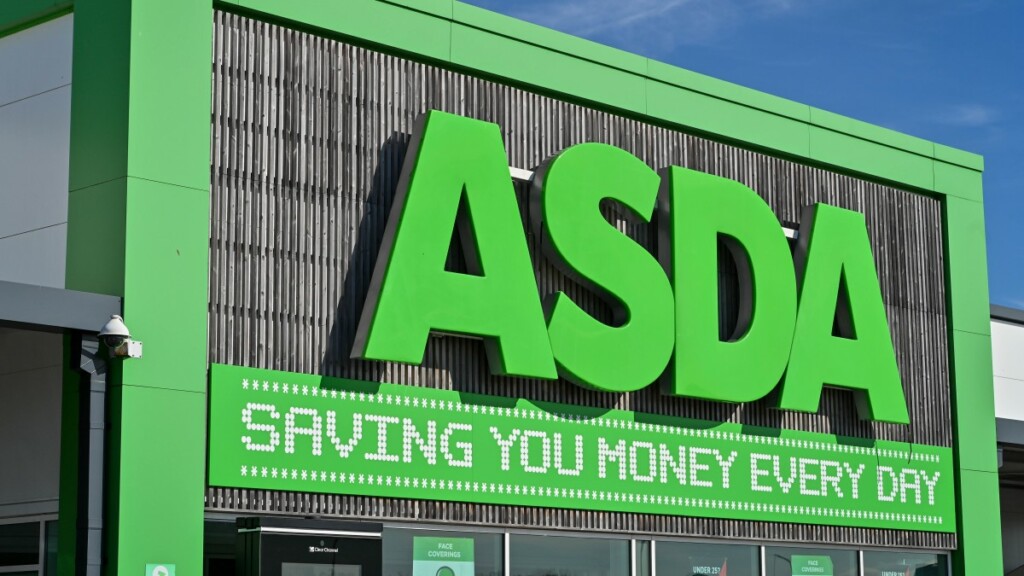
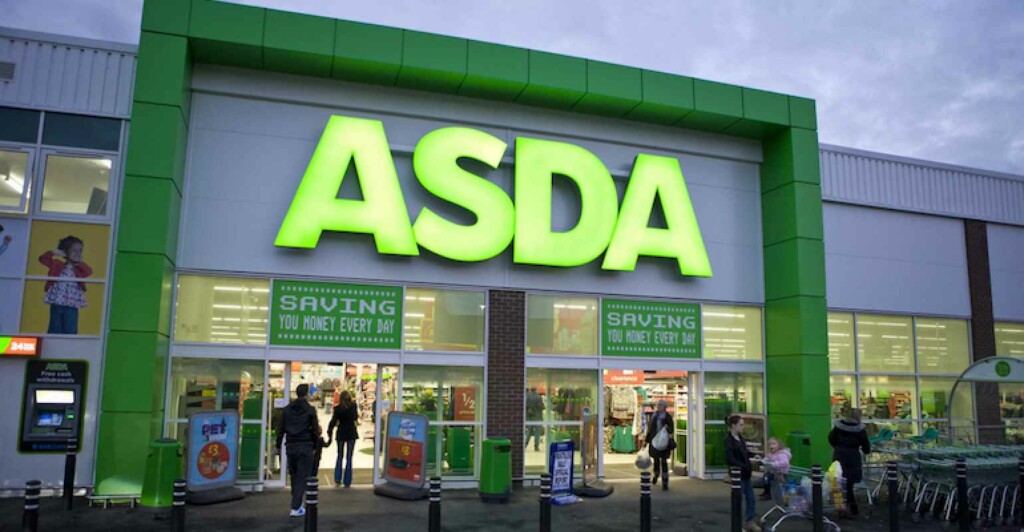
  • Asda’s Support for Israel: Examining the Details

    Asda’s Support for Israel: Examining the Details

    In an era marked by mounting concerns about human rights violations and ethical quandaries tied to sourcing practices, Asda finds itself under intense scrutiny for its ties to Israeli-produced goods.

    Revelations linking Asda to the sale of products sourced from Israeli settlements in Palestine have reignited contentious debates surrounding corporate responsibility and ethical procurement.

    Asda
    Asda

    Check Out: Sainsbury’s – Israel Support: What You Need to Know

    Human Rights Concerns Amplified

    Recent UN reports chronicling the distressing deaths and injuries of Palestinian children at the hands of Israeli forces have triggered a global uproar. Shockingly, the report underscores a four-fold surge in child casualties in 2018 alone, highlighting the severity of the crisis. These distressing realities have amplified calls for action and ethical considerations, pressuring companies like Asda to reassess their sourcing choices from embattled regions.

    UK Supermarkets and the Israeli Settlement Predicament

    War on Want, a UK charity, has raised alarming red flags concerning high street supermarkets, including Asda, profiting from Israeli settlements in occupied Palestinian territories. The sale of produce from these unlawful settlements, in direct violation of international laws, has triggered condemnations. Criticisms loom over concerns of complicity in illegal ventures and the exploitation of Palestinian suffering. The campaign exerts pressure on the top brass of major supermarkets, including Asda, to terminate the sale of settlement produce in their outlets.

    Herbs and Other Dilemmas Tied to Israeli Settlements

    A significant point of contention revolves around the mislabeling of produce from Israeli settlements as ‘Produce of Israel,’ a ploy aimed at sidestepping import levies. Reports have spotlighted instances where herbs sourced from illegal settlements, notably the No’omi settlement, clandestinely found their way onto Asda’s shelves, contradicting previous disavowals. Further, the involvement of entities like Osem with Yarden GB, sourcing products from occupied territories like the Golan Heights, stokes ethical turmoil.

    Explore More: Supermarket Companies that Supports Israel

    Asda Store
    Asda Store

    Asda’s entanglement with products sourced from Israeli settlements has ignited a cauldron of ethical debates, thrusting into the limelight discussions surrounding corporate responsibility and conscientious procurement practices. The predicament extends far beyond mere commercial transactions, compelling consumers to weigh the moral implications of their purchases.

    The clamor for transparency, ethical procurement, and corporate accountability nudges Asda and fellow supermarkets to reconsider affiliations with products intertwined with strife-laden regions, aligning with ethical benchmarks and human rights doctrines. The imperative for consumers to wield their purchasing influence in advocating for ethical standards remains pivotal in shaping responsible corporate conduct and fostering a global landscape of ethical norms.