Tag: Oreo

  • Decoding Halal Certifications and Concerns Surrounding Oreo Cookies

    Decoding Halal Certifications and Concerns Surrounding Oreo Cookies

    Since its creation by Nabisco on March 6, 1912, Oreo has become a beloved cookie made up of two cocoa biscuits and sweet fondant filling. Despite undergoing various corporate changes, it is currently owned by Mondelez International and enjoyed in over 100 countries worldwide.

    With numerous variations and limited-edition releases, Oreo continues to captivate cookie enthusiasts in the 21st century.
    Oreo

    Crucial Data

    • The Oreo brand’s ownership has been held by Mondelez International since 2012, thanks to various corporate maneuvers.
    • Oreo cookies have achieved global recognition, with a presence in over a hundred countries.
    • The Oreo brand offers a vast range of cookie varieties, with limited-edition runs gaining popularity in recent times.

    Check Out: Are Kellogg’s Rice Krispies Treats Considered Halal?

    The Certification Situation in the USA and Canada

    Oreo Halal Status From Twitter
    • Unfortunately, Oreo is not currently certified as halal in both the US and Canada.
    • If you are concerned about this issue, you may want to visit the official website of Mondelez International for more details.

    The Art of Crafting Ingredients and Composition

    • Alcohol is not present in any Oreo products sold in the United States and Canada.
    • The cream filling of Oreo cookies uses alcohol-free vanillin.
    • Oreo biscuits produced in Europe do not have Halal certification, but they are not inherently incompatible with a Muslim diet due to their composition or production process.
    • Some specific Oreo variations, such as Oreo Strawberry Cheesecake, Oreo Choc’o Brownie, Oreo Enrobed Milk & White, Oreo Cadbury Coated, and Oreo Crunchy Bites Dipped, are exceptions to this rule.

    Explore More: Discovering the Halal Status of Five Guys

    Oreo Biscuits

    Middle East, North Africa, and Pakistan:

    • Oreo products in these regions follow local regulations and are free from alcohol.
    • The manufacturing facilities have received certification from relevant authorities for halal compliance.
    • Oreo products in these regions strictly adhere to Islamic Sharia law.
    • This applies to Oreos produced in countries such as Indonesia and Malaysia, which hold official halal certifications.

    Concerns for Europe, USA, and Canada:

    • Oreo’s halal certification status is unclear in Europe, the USA, and Canada.
    • As a precaution, Muslim consumers are recommended to refrain from consuming Oreo products in these regions as they lack official halal certification.

    The complex certification rules of Oreo cause its halal status to differ by region. Despite being popular worldwide, uncertainties remain in crucial markets. Muslim consumers in Europe, the USA, and Canada are advised to abstain from Oreo consumption until an official halal certification is available.

    The growing demand for halal products emphasizes the need for Oreo to clarify its status and cater to its diverse consumers.
  • Unraveling Oreo’s Ties to Israel

    Unraveling Oreo’s Ties to Israel

    Oreo, the iconic cookie brand, is owned by the American multinational conglomerate company Mondelez International. Mondelez was previously known as Kraft Foods, which acquired the Oreo brand in 2000. Founded in 2012, Mondelez International is one of the largest snack companies in the world, with a portfolio that includes beloved brands like Cadbury, Toblerone, Trident, and of course, Oreo. The company has a global presence and a strong focus on innovation and sustainability. Mondelez is committed to its purpose of creating delicious moments of joy and aims to make snack products that are mindful of the planet and the people.

    The founder of the Oreo brand is Jacob Christoph Lindemann. Born on October 21, 1859, in Prussia (now Germany), Lindemann migrated to the United States in 1880. In 1890, alongside a group of other entrepreneurs from New York City, he established the National Biscuit Company (Nabisco). This marked the beginning of the Oreo cookie journey. Jacob Christoph Lindemann is recognized as the original creator of Oreo, the world-famous sandwich cookie with its distinctive chocolate wafers and creamy filling. Since its introduction in 1912, the Oreo cookie has become a beloved and recognized treat across the globe, making Lindemann’s creation a lasting legacy enjoyed by millions of people.

    See also: Cinnabon’s Support for Israel

    ALDI

    Oreo in the United States

    With the data at hand, we need supplementary information to thoroughly examine whether Oreo endorses Israeli activities and plays a role in the occupation of Palestinian territories. The subsequent analysis presents the outcomes of our comprehensive review for further insight.

    Pvi

    Participate in our enlightening quiz on Palestine and Israel. Test your knowledge, foster dialogue, and broaden your perspective.

    Unpacking Claims: Oreo’s Suspected Ties to Israel

    Amidst the persistent conflicts between Israel and Palestine, consumers are actively seeking ways to express solidarity with the Palestinian people. One impactful strategy involves boycotting products that are known to provide support, either morally or materially, to Israeli authorities. Notably, refraining from purchasing items associated with Oreo is seen as a concrete step in resisting the Israeli occupation in Palestinian territories.

    Oreo is not officially listed on the BDS boycott list, but it is included on a website like Thewitness.news that lists companies that are connected to the Israeli occupation.

    While may not be explicitly listed on the official boycott list, the website includes this company in connection with the Israeli occupation. Furthermore, the evidence presented below strongly suggests its involvement in supporting Israeli activities against the Palestinian population.

    To explore a comprehensive list of companies associated with Israel or with roots originating from the region, follow these simple steps:

    1. Enter the brand or product name in the designated field.
    2. Hit enter to commence the search.
    3. Reveal in-depth insights into the brand’s connections with Israel.

    This article delves into Oreo’s involvement in the ongoing Israeli-Palestinian conflict. Additionally, you can refer to our previously published article for an extensive list of well-known companies affiliated with Israel across various sectors such as fast food chains and fashion corporations from around the globe.

    Israeli Product List

    View the complete list of companies and brands affiliated with Israel, along with their latest proofs.

    In summary, the comprehensive review above provides a deep insight into the Oreo brand’s association and stance concerning Israel. For a more in-depth exploration of this topic, platforms like whoprofits.org offer detailed information on companies benefitting from the Israeli occupation of Palestine.

    Moreover, consulting official documents from the United Nations can offer valuable insights into the matter. This holistic approach ensures a well-informed perspective on the intricate interplay between businesses, geopolitics, and societal issues in the region.

  • The Oreo (Mondelez) – Israel Connection Unraveled

    The Oreo (Mondelez) – Israel Connection Unraveled

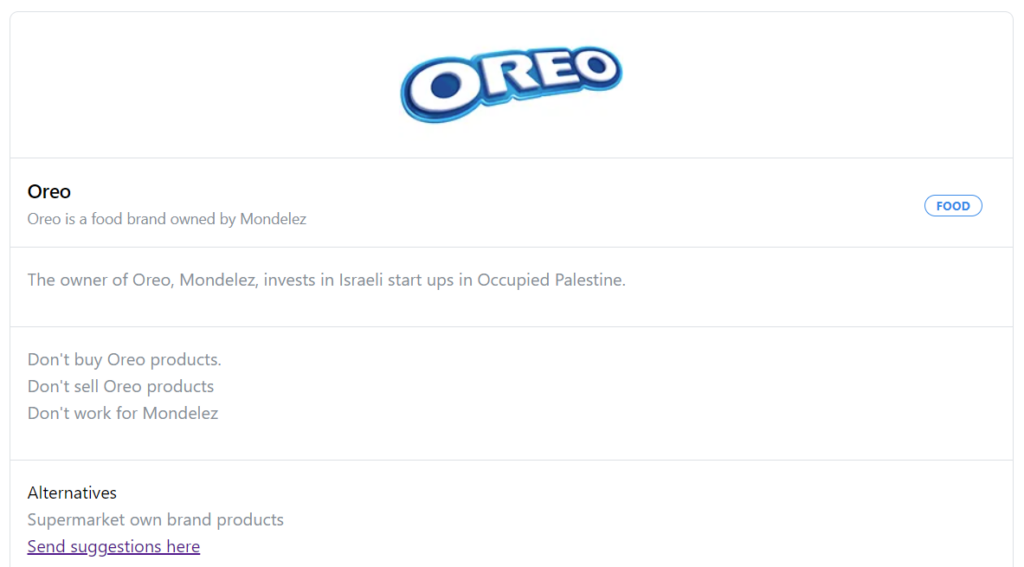
    Amidst the sweetness of its confectionery offerings, Mondelez International, the parent company of globally adored brands like Oreo and Cadbury, has found itself in a nuanced and complex position. Reports of the corporation’s investments in Israeli startups operating in Occupied Palestine have triggered a wave of scrutiny and concern among consumers and activists alike.

    This unveiling of corporate connections in a region marked by geopolitical intricacies has sparked a vigorous debate about ethical consumerism and the far-reaching impacts of commercial interests.

    Oreo 1

    Check Out: Chupa Chups’s Support for Israel: Examining the Details

    Mondelez International’s footprint spans an array of cherished snack brands, including Oreo, Cadbury, Toblerone, and Trident. However, beyond the delectable treats, questions loom about the company’s involvements in regions entangled in geopolitical complexities. Reports suggest the corporation’s investments in Israeli startups operating in Occupied Palestine, thereby entwining itself in the economic landscape of a contentious area. This financial commitment, while seemingly innocuous on the surface, casts shadows of ethical ambiguity and geopolitical implications.

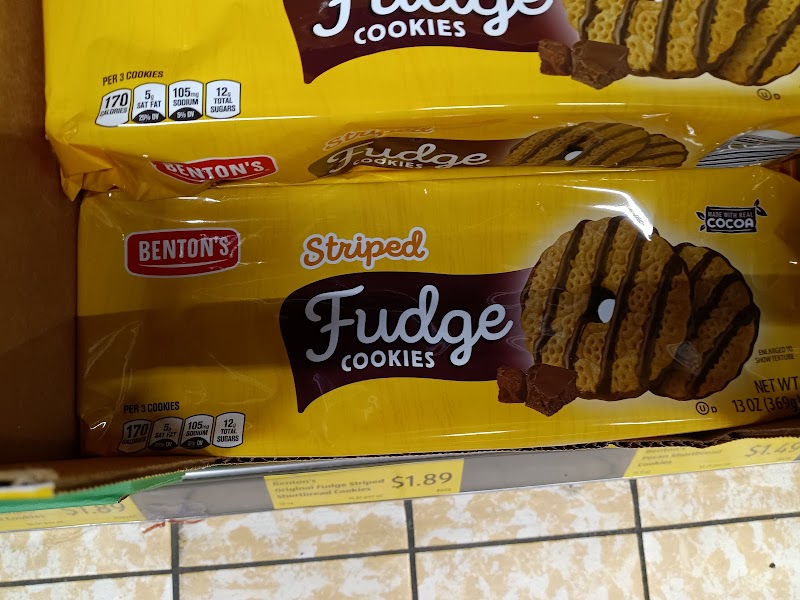
    For consumers wary of Mondelez’s potential ties to Occupied Palestine, seeking alternatives to their products becomes a conscientious choice. Exploring options within supermarket own-brand products provides a feasible avenue. Brands available in stores like Aldi and Lidl offer a diverse array of snacks and confectionery choices that allow consumers to align their preferences with their ethical considerations.

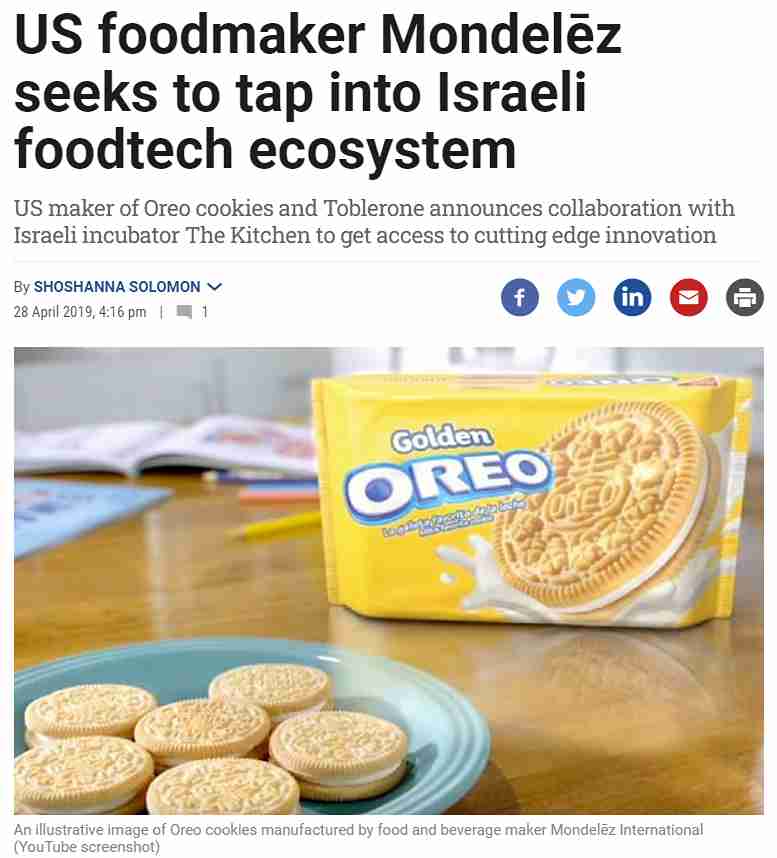
    Mondelez’s collaboration with Israeli food tech incubator, The Kitchen, marks a strategic venture aimed at fostering innovation in the snacking sector. This alliance signifies the company’s deepening engagement with Israel’s dynamic innovation ecosystem. While promising technological advancements and entrepreneurial endeavors emerge from such collaborations, they also serve as focal points for ethical deliberation, especially in regions entrenched in geopolitical disputes.

    Explore More: Sony’s Support for Israel: Examining the Details

    Oreo 2

    The revelations surrounding Mondelez International’s investments in Israeli startups operating in Occupied Palestine have sparked robust discussions about the ethical dimensions of consumer choices and corporate responsibilities in contentious regions.

    As consumers navigate the aisles of global snack giants like Mondelez, the underlying socio-political implications of their purchases become increasingly apparent. The intersection of commerce, ethics, and geopolitical complexities calls for nuanced considerations and conscious decisions as individuals weigh their snacking preferences against broader socio-economic landscapes.