Tag: Puma

  • Puma Ceases Israel Sponsorship: Latest Updates

    Puma Ceases Israel Sponsorship: Latest Updates

    Puma’s recent decision to terminate its sponsorship with Israel’s national football team by 2024 has ignited significant controversy and raised questions about corporate actions within politically charged contexts.

    This move, set to take effect in a year, has spurred debates regarding its timing and underlying motives, drawing attention from activists and critics alike.
    Puma
    Puma

    Check Out: Android Stand on Israel-Palestine

    The BDS Campaign and Puma’s Response

    At the heart of the controversy lies Puma’s association with the Israel Football Association (IFA), which includes teams situated in settlements viewed as illegal under international law. Advocates, primarily through the BDS movement, have consistently pressed Puma to sever ties with the IFA, employing various tactics such as protests, online campaigns, and calls for boycotts. However, Puma contends that this decision isn’t a direct response to the pressure from boycott movements. Instead, the sportswear giant asserts that it’s part of a strategic shift aimed at revising its partnerships and adopting a “fewer-bigger-better” approach with other national teams.

    Corporate Reactions Amid Conflict

    Puma’s move comes amid a broader landscape where companies confront criticism for their affiliations or actions during periods of geopolitical tension. Notably, brands like Zara have faced backlash and accusations of insensitivity due to their marketing strategies amid sensitive times. The discussions surrounding Puma’s decision reflect a larger discourse about corporate responsibility and the influence of societal movements in holding companies accountable for their choices in contentious geopolitical settings.

    Explore More: Exploring Puma’s Relationship with Israel
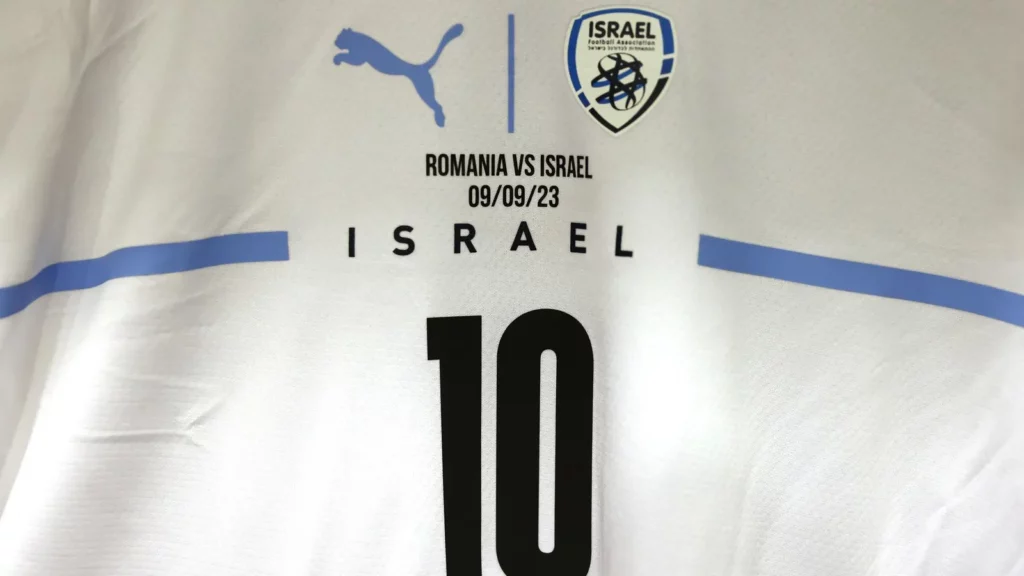
    Puma Israel
    Puma Israel

    Puma’s decision to sever ties with Israel’s national football team has sparked discussions on the role of corporations in politically charged scenarios. While Puma maintains that its move is not a direct reaction to the boycott calls, the ongoing BDS campaign perceives this as a triumph.

    This episode highlights the increasing influence of societal movements in urging corporate accountability amidst geopolitical conflicts and underscores the intricate interplay between business decisions and political sensitivities.

  • Exploring Puma’s Relationship with Israel

    Exploring Puma’s Relationship with Israel

    Puma is a globally recognized brand known for its sports apparel and footwear. The company was founded in 1948 by Rudolf Dassler, a German entrepreneur. Rudolf Dassler was of German ethnicity and came from a family with a rich background in the footwear industry. His father, Christoph Dassler, owned a small shoe factory in Germany. Rudolf Dassler’s passion for shoes and sports led him to create his own company, which eventually became Puma.

    Rudolf Dassler is widely recognized for his contribution to the sports industry. He was a pioneer in creating innovative sports shoes and athletic footwear. Under his leadership, Puma became a leading brand in sports apparel, particularly in soccer, athletics, and tennis. Dassler’s dedication to quality and innovation earned Puma a reputation for producing high-performance products. Today, Puma continues to thrive as one of the most popular and respected sportswear brands worldwide.

    See also: Lidl – Israel Support: What You Need to Know

    PUMA

    Puma in the United States

    With the data at hand, we need supplementary information to thoroughly examine whether Puma endorses Israeli activities and plays a role in the occupation of Palestinian territories. The subsequent analysis presents the outcomes of our comprehensive review for further insight.

    Pvi

    Participate in our enlightening quiz on Palestine and Israel. Test your knowledge, foster dialogue, and broaden your perspective.

    Unpacking Claims: Puma’s Suspected Ties to Israel

    Amidst the persistent conflicts between Israel and Palestine, consumers are actively seeking ways to express solidarity with the Palestinian people. One impactful strategy involves boycotting products that are known to provide support, either morally or materially, to Israeli authorities. Notably, refraining from purchasing items associated with Puma is seen as a concrete step in resisting the Israeli occupation in Palestinian territories.

    Puma is not officially listed on the BDS boycott list, but it is included on a website like Thewitness.news that lists companies that are connected to the Israeli occupation.

    While may not be explicitly listed on the official boycott list, the website includes this company in connection with the Israeli occupation. Furthermore, the evidence presented below strongly suggests its involvement in supporting Israeli activities against the Palestinian population.

    To explore a comprehensive list of companies associated with Israel or with roots originating from the region, follow these simple steps:

    1. Enter the brand or product name in the designated field.
    2. Hit enter to commence the search.
    3. Reveal in-depth insights into the brand’s connections with Israel.

    This article delves into Puma’s involvement in the ongoing Israeli-Palestinian conflict. Additionally, you can refer to our previously published article for an extensive list of well-known companies affiliated with Israel across various sectors such as fast food chains and fashion corporations from around the globe.

    Israeli Product List

    View the complete list of companies and brands affiliated with Israel, along with their latest proofs.

    In summary, the comprehensive review above provides a deep insight into the Puma brand’s association and stance concerning Israel. For a more in-depth exploration of this topic, platforms like whoprofits.org offer detailed information on companies benefitting from the Israeli occupation of Palestine.

    Moreover, consulting official documents from the United Nations can offer valuable insights into the matter. This holistic approach ensures a well-informed perspective on the intricate interplay between businesses, geopolitics, and societal issues in the region.