
The Philippines has produced numerous celebrities and notable people of Filipino ethnicity who have gained recognition and made significant contributions in various fields. Here are ten popular celebrities and notable people from Filipino ethnicity:
- Lea Salonga: A renowned singer and actress, Salonga is known for her powerful vocals and her roles in musicals such as “Miss Saigon” and “Les Misérables.” She is the first Asian to win a Tony Award for Best Actress in a Musical and has also won a Laurence Olivier Award and a Grammy Award.
- Bruno Mars: Born Peter Gene Hernandez, Bruno Mars is a singer, songwriter, record producer, and choreographer. He has won 11 Grammy Awards, three American Music Awards, and three Brit Awards. Mars is known for his energetic live performances and his ability to blend different genres of music, including pop, funk, soul, and R&B.
- Manny Pacquiao: A professional boxer and politician, Pacquiao is considered one of the greatest boxers of all time. He is the only boxer to have won world titles in eight different weight classes. Pacquiao has also served as a senator in the Philippines and is known for his humanitarian work.
- Liza Soberano: A Filipino-American actress, Soberano is known for her roles in television dramas such as “Forevermore” and “Dolce Amore.” She has also appeared in several films and has won numerous awards for her acting. Soberano is considered one of the most popular celebrities in the Philippines.
- Enrique Gil: A Filipino actor, Gil is known for his roles in television dramas such as “Mulawin vs. Ravena” and “Forevermore.” He has also appeared in several films and has won numerous awards for his acting. Gil is considered one of the most popular celebrities in the Philippines.
- Kathryn Bernardo: A Filipina actress, Bernardo is known for her roles in television dramas such as “Pangako Sa ‘Yo” and “La Luna Sangre.” She has also appeared in several films and has won numerous awards for her acting. Bernardo is considered one of the most popular celebrities in the Philippines.
- Nadine Lustre: A Filipina actress, Lustre is known for her roles in television dramas such as “On the Wings of Love” and “Til I Met You.” She has also appeared in several films and has won numerous awards for her acting. Lustre is considered one of the most popular celebrities in the Philippines.
- Sarah Geronimo: A Filipina singer, actress, and dancer, Geronimo is known for her powerful vocals and her energetic live performances. She has released numerous albums and has appeared in several films. Geronimo is considered one of the most popular celebrities in the Philippines.
- Piolo Pascual: A Filipino actor, singer, and model, Pascual is known for his versatility and his ability to play a wide range of roles. He has appeared in numerous television dramas and films and has won numerous awards for his acting. Pascual is considered one of the most popular celebrities in the Philippines.
- Angel Locsin: A Filipina actress, model, and television host, Locsin is known for her beauty and her powerful acting skills. She has appeared in numerous television dramas and films and has won numerous awards for her acting. Locsin is considered one of the most popular celebrities in the Philippines.
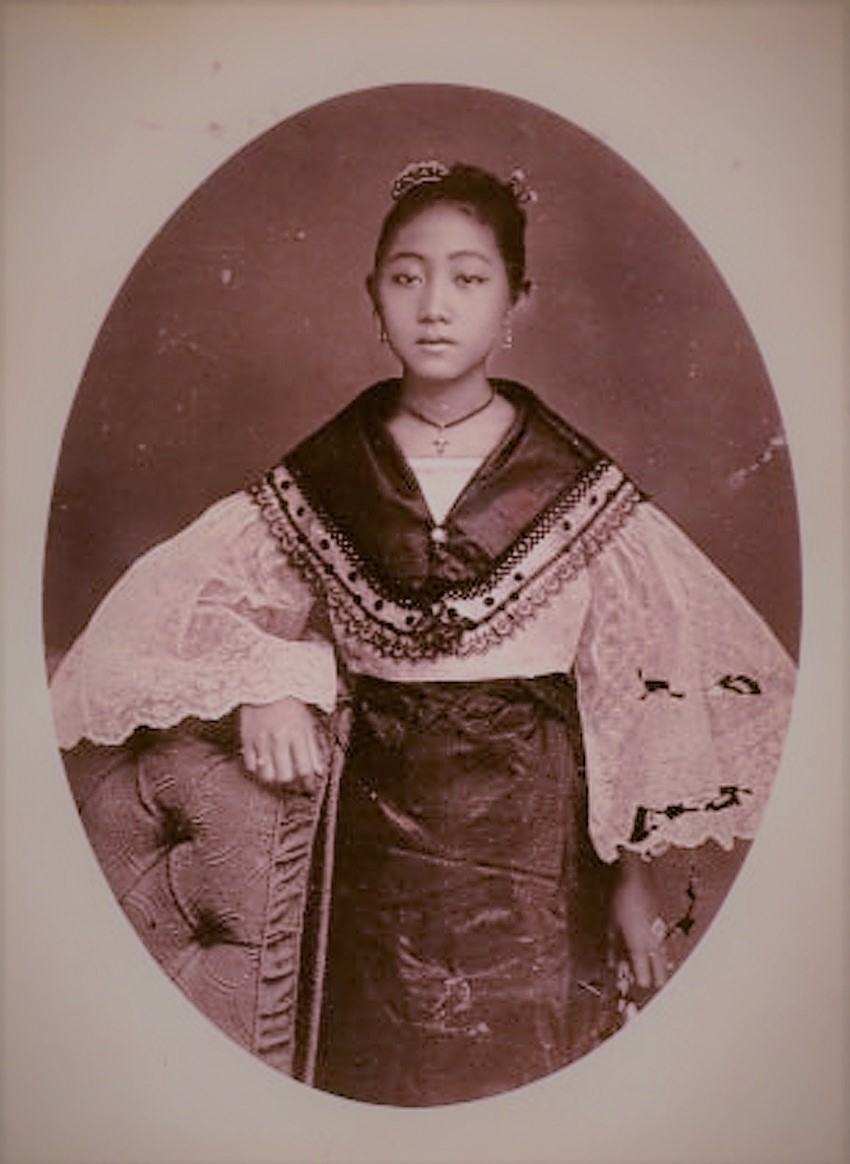
Most Famous Filipino People
Filipino Mystique: Unraveling Three Key Historical Legacies
The Filipino community is a vibrant and diverse group of individuals who trace their roots to the Philippines, a country located in Southeast Asia. Throughout history, Filipinos have experienced various influences that have shaped their culture and traditions. Here are three of the most well-known historical inheritances associated with the Filipino heritage:
1. Spanish Influence:
- The Philippines was colonized by Spain for over three centuries, from 1521 to 1898. This period of Spanish rule had a significant impact on Filipino culture, language, religion, and architecture.
- The Spanish introduced Catholicism to the Philippines, which remains the dominant religion in the country to this day. Religious festivals, such as the Sinulog in Cebu and the Ati-Atihan in Kalibo, showcase the rich blend of Spanish and Filipino traditions.
- The Spanish language also left a lasting imprint on the Filipino lexicon, with Spanish loanwords and phrases embedded in everyday conversations. Despite being predominantly English speakers, many Filipinos still use Spanish words and expressions in their daily lives.
- Architecturally, Spanish colonizers introduced the Bahay na Bato, a traditional Filipino house made of stone and wood. The Bahay na Bato features intricate details, such as capiz windows and ornate wooden carvings, reflecting the fusion of Spanish and Filipino craftsmanship.
2. American Influence:
- The Philippines was an American colony from 1898 to 1946. During this period, the United States had a profound impact on Filipino society, politics, education, and entertainment.
- The American influence is most evident in the education system, which was revamped by the Americans, introducing English as the primary medium of instruction. This has led to a high level of English proficiency among Filipinos, making them the third largest English-speaking population in the world.
- Hollywood movies and American television shows have also made a significant impact on Filipino popular culture. Western fashion trends, fast food chains, and American sports such as basketball and baseball enjoy immense popularity in the country.
- American colonial architecture can be seen in various government buildings, universities, and military bases in the Philippines. The neoclassical style, characterized by grand columns and symmetry, is a striking reminder of the American influence on Filipino architecture.
3. Indigenous Heritage:
- Prior to colonization, the Philippines was inhabited by various indigenous groups, each with their own unique traditions, languages, and belief systems.
- Despite the influences of Spanish and American colonization, indigenous cultures have managed to persevere and play a significant role in shaping the Filipino identity.
- Indigenous practices and rituals, such as the Kalinga tattoo art, the Ifugao rice terraces, and the T’boli traditional weaving, are celebrated as national treasures and continue to be appreciated and preserved by the Filipino people.
- The indigenous influence can also be seen in Filipino cuisine, with dishes like adobo, sinigang, and kakanin (rice cakes) showcasing indigenous cooking techniques and flavors.
The Filipino community is a testament to the rich tapestry of cultures and histories that have shaped the country. The blending of Spanish, American, and indigenous heritage has created a unique Filipino identity that is cherished by millions around the world.
In a striking celebration of diversity, numerous prominent individuals proudly reflect a mosaic of Asian, Tongan and Samoan roots, highlighting the intricate interplay of cultures within their heritage. From accomplished leaders to acclaimed artists, these figures embody the rich lexical semantic tapestry of ethnic backgrounds, illustrating the vibrant spectrum of human experiences.
Factsheet About Filipino People
| Country | Population | Percentage of Global Population |
|---|---|---|
| Philippines | 108,110,000 | 1.32% |
| United States | 4,000,000 | 1.21% |
| Saudi Arabia | 2,800,000 | 1.06% |
| United Arab Emirates | 1,000,000 | 0.38% |
| Malaysia | 800,000 | 0.31% |
| Australia | 300,000 | 0.12% |
| Canada | 300,000 | 0.12% |
| Japan | 200,000 | 0.08% |
| United Kingdom | 200,000 | 0.08% |
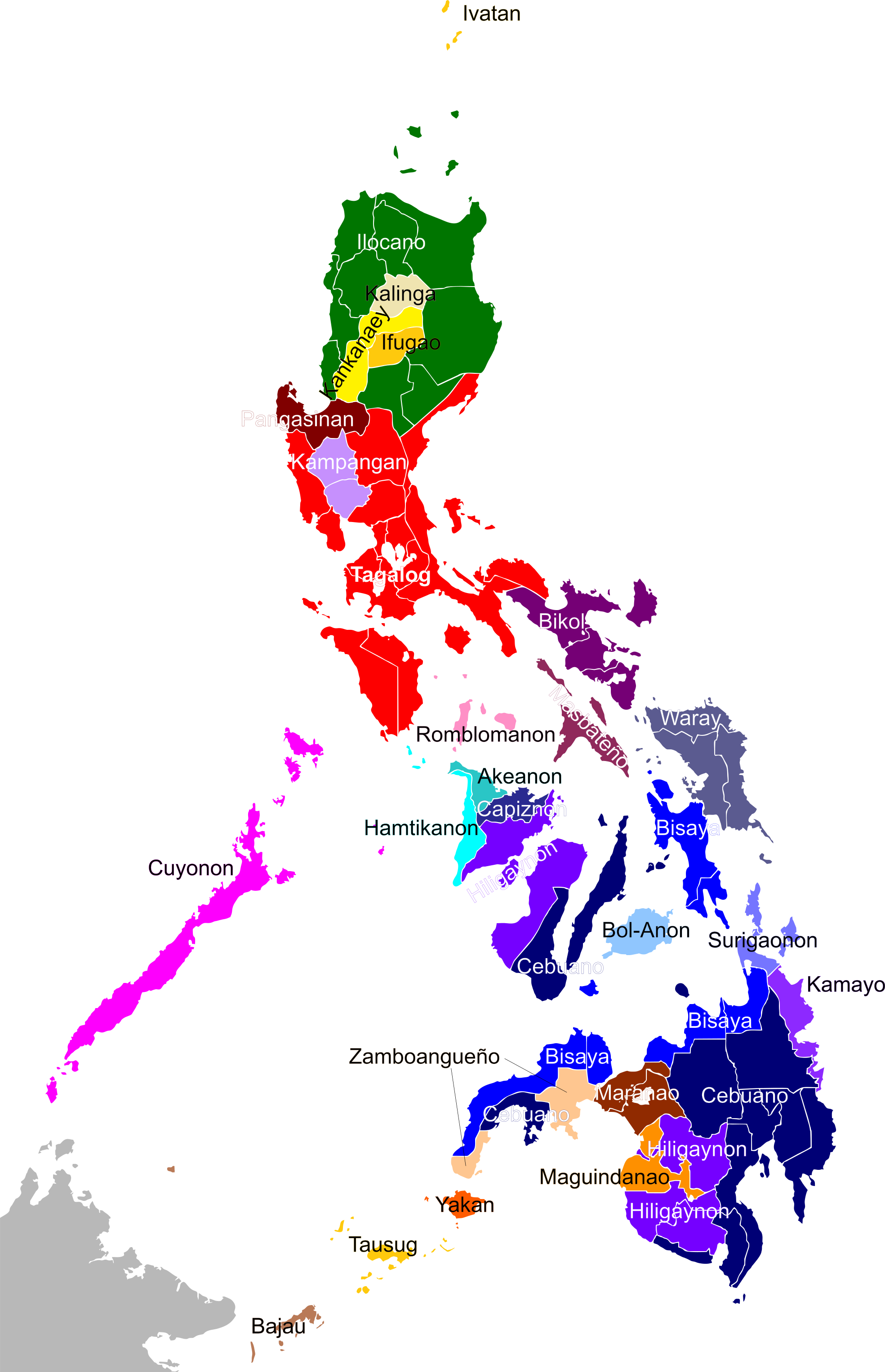
The Ancient Heritage of Filipino Ethnic Groups
References to the Filipino Ethnic Group
The Filipino ethnic group, also known as Filipinos, are the people native to the Philippines. They have a rich and diverse cultural heritage influenced by various factors such as history, geography, and colonization. To dig deeper into the Filipino ethnic group, here are some references and resources that you can explore:
- National Commission for Culture and the Arts (NCCA): Glimpses of the Peoples of the Philippines – The NCCA provides an overview of the different ethnic groups in the Philippines, including the Filipinos. The resource delves into their distinct characteristics, traditions, and practices.
- Cultural Atlas: Filipino Culture – The Cultural Atlas offers an in-depth exploration of various aspects of Filipino culture, including their history, religion, family dynamics, and social etiquette. It provides valuable insights into the Filipino way of life.
- Encyclopedia Britannica: Filipino – The Britannica entry on Filipinos delves into their history, language, ethnicity, and demographics. It provides a comprehensive understanding of the Filipino people and their contributions to society.
- iTimbre Connect – iTimbre Connect is an online platform that aims to preserve and promote the Filipino culture. It features various articles, videos, and resources that delve into the different aspects of Filipino heritage, including language, music, crafts, and more.
- Philippine Trails – Philippine Trails is a travel and tourism website that provides insights into the Filipino culture, history, and landmarks. It offers a glimpse into the country’s rich heritage through its informative articles and travel guides.
Exploring these references and resources will give you a deeper understanding of the Filipino ethnic group, their diverse culture, and their contributions to the world.
As we continue to celebrate diversity and embrace the richness of different cultures, let us honor and draw inspiration from these remarkable individuals who have shaped our world. Thank you for joining us on this captivating journey.

Leave a Reply to Tien Vo Cancel reply