Today’s consumer choices often collide with wider socio-political issues, particularly in an interconnected world. Various renowned coffee brands have faced scrutiny due to their connections or associations with entities involved in activities within Occupied Palestine.
These connections have prompted calls for conscientious consumer action and refraining from supporting brands associated with these actions. Here’s an overview of these brands and their ties, giving consumers a deeper understanding of their relationships with the region.
1. Starbucks
Starbucks
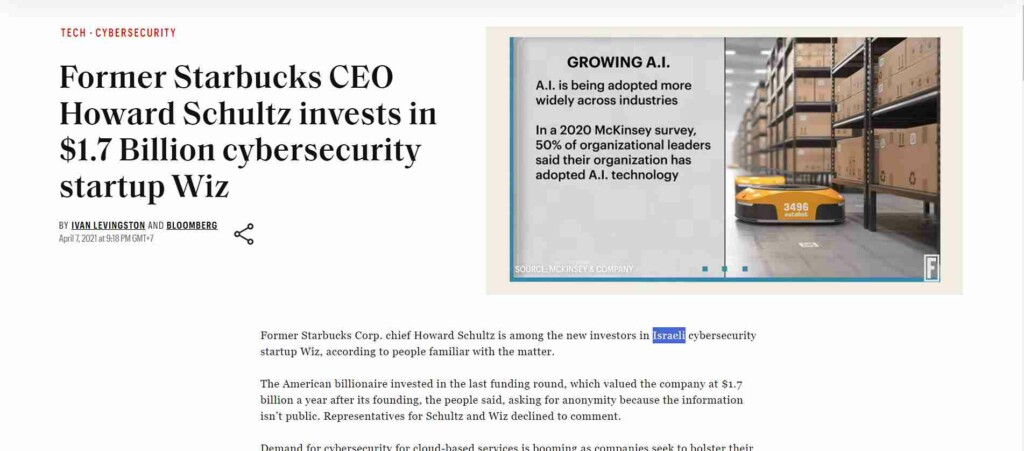
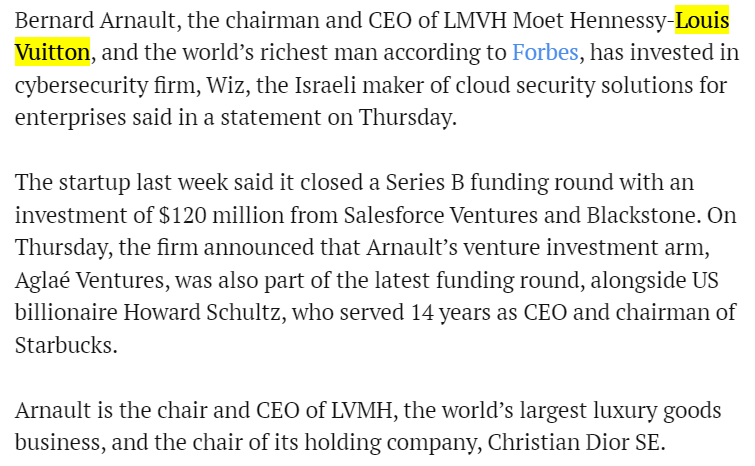
The international coffee chain Starbucks is tied to Howard Schultz, a significant private shareholder with strong Zionist inclinations. Schultz’s investments in Israel’s economy, like the recent investment in a cybersecurity startup, may lead some to avoid purchasing or selling Starbucks products, Starbucks On the Go, or working for Starbucks to express their views or beliefs.
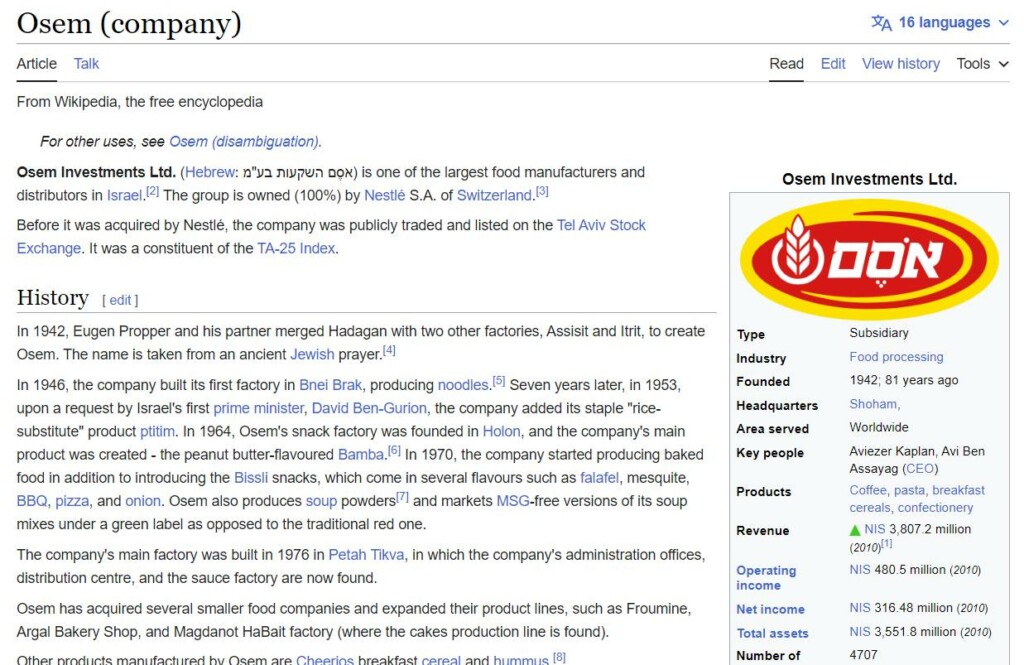
Also owned by Nestle, Nescafe is affiliated with Osem, an Israeli food manufacturer operating in Occupied Palestine. For those aiming to make a statement, consider avoiding Nescafe products and refraining from all Nestle products until their disengagement from operations in Occupied Palestine. This involves avoiding any Osem brands such as Sabra and others found in available sources.
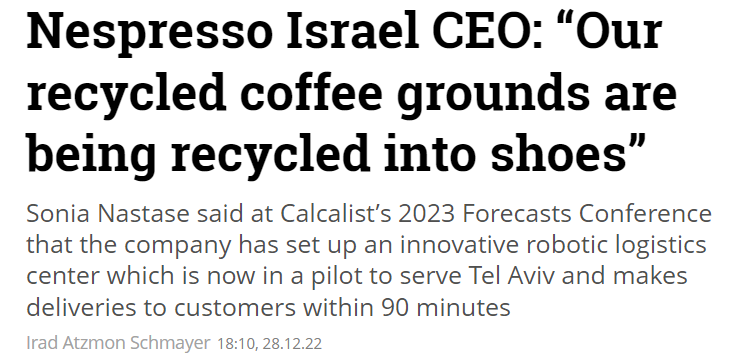
Under Nestle’s ownership, Nespresso is connected with Osem, an Israeli food manufacturer operating in Occupied Palestine. To make a stance, one might choose to avoid purchasing Nespresso products and shun all Nestle products until they disengage from operations in Occupied Palestine. Especially avoid any Osem brands like Sabra and others found through available resources.
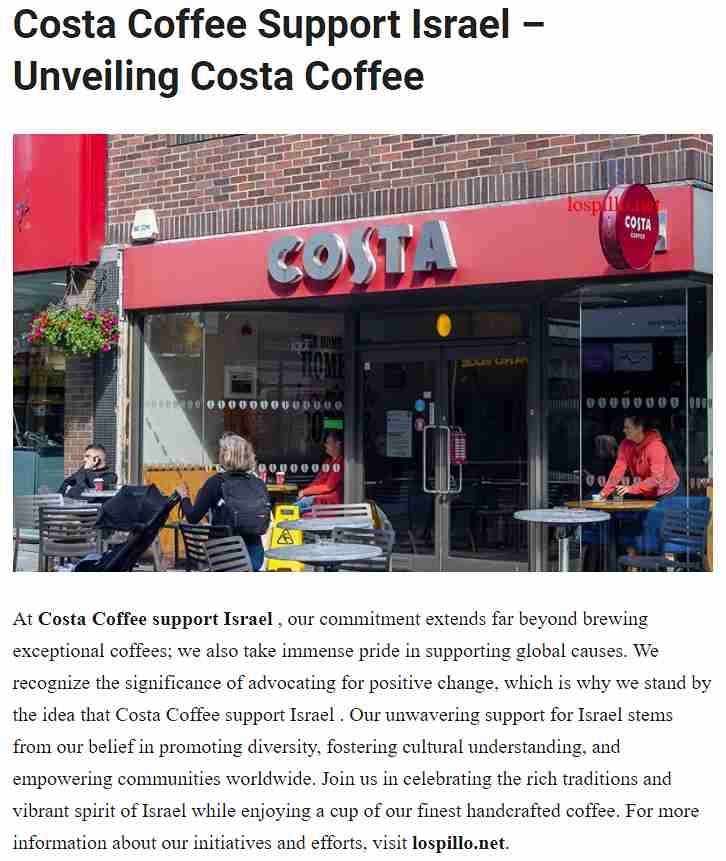
Under the Coca-Cola Company, Costa Coffee is linked to an Atarot factory situated in the illegal Israeli settlement in Occupied Palestine. To align with specific causes or beliefs, it’s suggested to refrain from purchasing Costa Coffee, selling Costa Express in businesses, or working for Costa Coffee or the Coca-Cola Company.
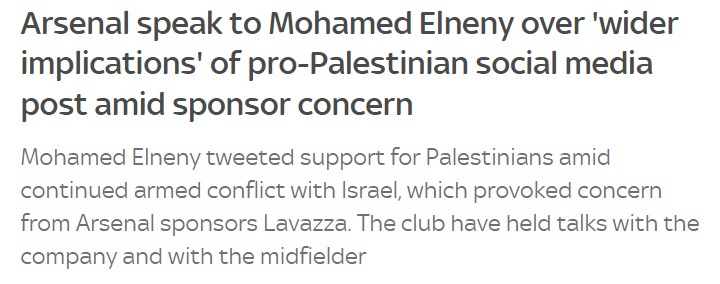
Lavazza, a coffee products brand, stirred controversy by pressuring the Arsenal football team to silence a player’s support for Palestine. As a response, individuals may choose not to purchase or sell Lavazza products or buy Arsenal football shirts while Lavazza is a sponsor.
Nestle’s Coffee Mate has affiliations with Osem, an Israeli food manufacturer operating in Occupied Palestine. To echo certain stances, consider avoiding Coffee Mate products. Furthermore, there’s a call to boycott all Nestle products until they divest from operations in Occupied Palestine, especially steering clear of Osem brands like Sabra, among others.
The association between popular coffee brands and their links to entities operating in Occupied Palestine has brought consumer choices into focus. Calls for boycotts or abstaining from these products have emerged as a means to express solidarity or make stances against these operations.
As consumer awareness grows, individuals have the opportunity to align their purchases with their beliefs, contributing to ongoing dialogues and movements striving for change.
In a globally interwoven market, consumer decisions carry deep ethical implications. Numerous renowned brands have become entangled in controversies related to their associations with or actions concerning the Israeli state.
Each company’s stance has triggered calls for conscientious consumer behavior. This exploration delves into these scenarios, aiming to highlight the considerations and suggested actions for various brands, emphasizing the alignment of consumer choices with ethical principles.
1. Louis Vuitton
Louis Vuitton
Louis Vuitton, under LVMH ownership, has faced criticism for significant investments in Israeli companies. To showcase objection, individuals are advised not to buy or sell Louis Vuitton products and refrain from professional associations with Louis Vuitton or LVMH.
Chanel, a luxury fashion house, faced criticism for its stance condemning attacks on Israel while remaining silent on Gaza, alongside a substantial pledge made in Chanel’s name. To respond, avoiding the purchase of any Chanel products and steering clear from selling them is suggested. Professional involvement with Chanel is also discouraged.
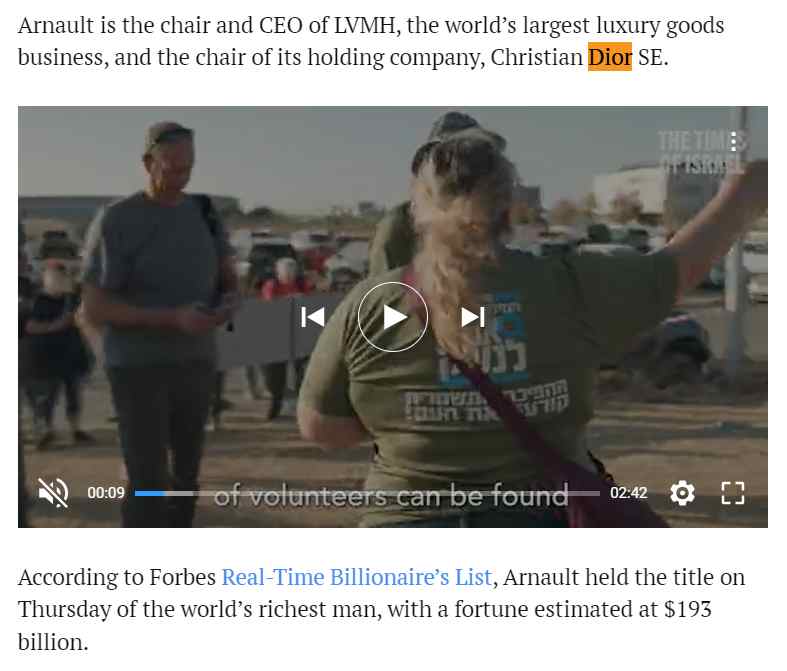
Dior, a brand under LVMH, has been linked to substantial investments in Israeli companies. To showcase disagreement, refraining from buying or selling Dior products and avoiding affiliations with Dior or its parent company, LVMH, is recommended.
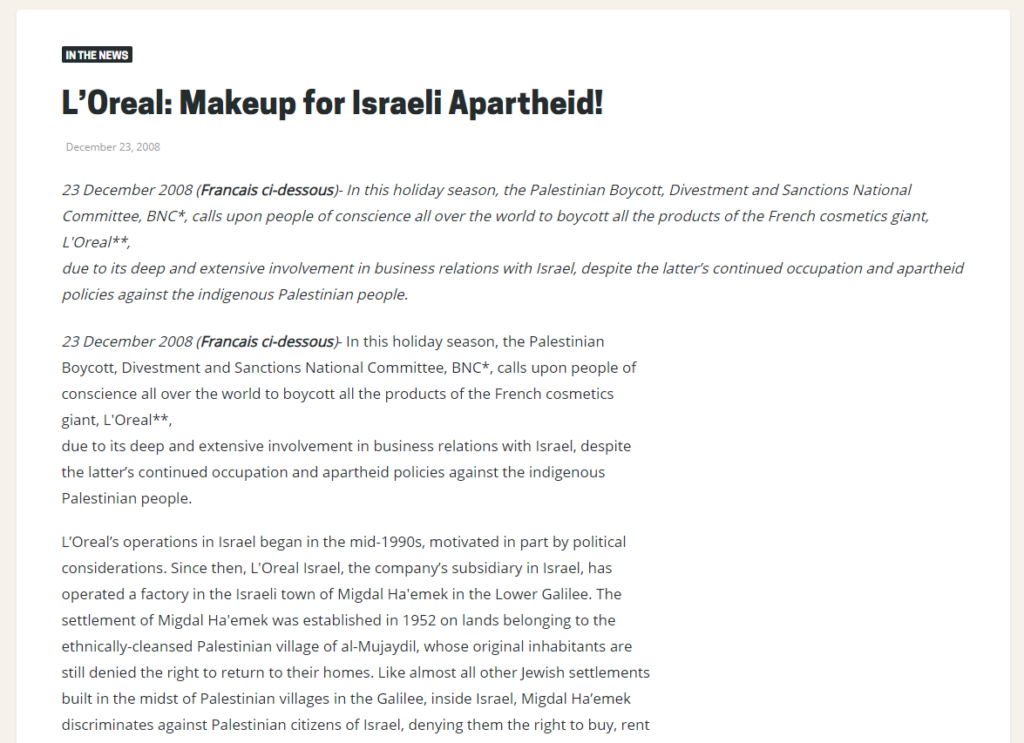
Ralph Lauren Fragrances, in collaboration with L’Oreal, faced scrutiny related to the Arab League boycott. It’s advisable to avoid buying or selling Ralph Lauren Fragrances and refrain from professional affiliations with L’Oreal Groupe.
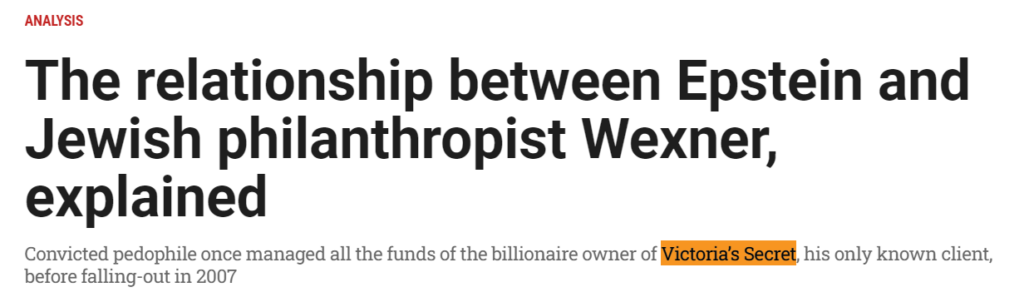
Owned by L Brands, led by a staunch Israel supporter and a business partner of Jeffrey Epstein, Victoria’s Secret is associated with these affiliations. To make a statement, avoid purchasing their products or seeking employment at Victoria’s Secret. Calling out Victoria’s Secret models for their association might also be considered.
Owned by Estee Lauder, known for its extreme Zionist support, Tom Ford Beauty stands among various other brands. To oppose such affiliations, avoid buying Estee Lauder products and refrain from professional involvement with any Estee Lauder brands.
Similar to Mugler Beauty, Prada Beauty operates in partnership with L’Oreal and faced criticism post-boycott controversies. Avoid purchasing or selling Prada Beauty products and refrain from professional associations with L’Oreal Groupe.
Yet another L’Oreal partnership, YSL Beauty faced criticism over their involvement with Israel after boycott-related controversies. To express your views, it’s suggested to avoid buying or selling YSL Beauty products and refrain from professional involvement with L’Oreal Groupe.
Partnered with L’Oreal, Giorgio Armani Beauty faced criticism related to ties to Israel. To support dissent against these actions, it’s suggested not to buy or sell Giorgio Armani Beauty products and avoid professional affiliations with L’Oreal Groupe.
With ties to LVMH, Fenty Beauty has faced criticism for substantial investments in Israeli companies. To demonstrate objection, avoiding the purchase or sale of Fenty products and steering clear from professional involvement with Fenty or its parent company, LVMH, is recommended.
Bulgari, owned by LVMH, has made substantial investments in Israeli companies. To express dissent against this connection, it’s advisable to abstain from buying or selling Bulgari products and avoid affiliations with both Bulgari and its parent company, LVMH.
12. Givenchy
Givenchy, under the ownership of LVMH, has been associated with significant investments in Israeli companies. To express dissent, refraining from the purchase or sale of Givenchy products and avoiding professional affiliations with Givenchy or its parent company, LVMH, is recommended.
13. Kenzo
Kenzo, owned by LVMH, has faced objections due to significant investments in Israeli companies. To showcase disagreement, it’s advised not to buy or sell Kenzo products and avoid professional affiliations with Kenzo or its parent company, LVMH.
14. Diesel Fragrances
The partnership between Diesel and L’Oreal for their fragrance range faced controversy due to its connections. Following an apology and investments in Israel, it’s recommended to avoid buying or selling Diesel Fragrances products and abstain from professional associations with L’Oreal Groupe.
15. Celine
Celine, a fashion brand under LVMH, has been tied to significant investments made by its parent company in Israeli companies. To express disagreement, avoiding the purchase or sale of Celine products and shunning professional affiliations with Celine or LVMH is recommended.
16. Skechers
The president of Skechers, Michael S Greenberg, has expressed pro-Israel sentiments. To align with particular views, it’s suggested to avoid purchasing or selling Skechers products and refrain from professional involvement with Skechers Groupe.
17. American Eagle
The Pittsburgh-based clothing and accessories retailer, American Eagle, sparked controversy by displaying the Israeli flag on their Times Square billboard, signaling support for the Israeli state. To respond to this position, refraining from purchasing products from American Eagle Outfitters and avoiding professional involvement with the company is recommended.
18. Valentino Beauty
In collaboration with L’Oreal, Valentino Beauty operates with investments and a factory in Occupied Palestine. To take a stance, avoid buying or selling Valentino Beauty products and refrain from professional involvement with L’Oreal Groupe.
Associated with various Zionist initiatives due to connections with the Isrotel hotel chain in Israel, River Island has faced criticism. Refraining from buying products or seeking employment at River Island is recommended.
20. Tesco
Partnering with a firm led by a staunch Zionist, Tesco initiated till-less stores in London. To oppose this partnership, avoid purchasing Tesco products, especially from their GetGo stores, and advocate for the company to engage with local partners instead.
21. Ted Baker
Ted Baker entered into an agreement with an Israeli company for manufacturing product lines. If concerned about this collaboration, refraining from buying, selling, or working for Ted Baker until they stop using Israeli manufacturers is advised.
22. Carrefour
The global supermarket chain, Carrefour, has made significant investments in Israel and planned numerous stores in the region. In protest against these actions, individuals are encouraged to refrain from shopping at Carrefour supermarkets and to avoid professional connections with the company.
23. Marks and Spencer / M&S
Marks & Spencer, a British multinational retailer, has shown pro-Zionist inclinations in the past. Although their current support remains ambiguous, past statements have reflected pro-Israel sentiments. It’s advisable to avoid shopping at M&S and refrain from working for the company.
24. Tiffany & Co.
Tiffany & Co., under the umbrella of LVMH investing in Israeli companies, is associated with these ties. Avoiding the purchase or sale of Tiffany & Co. products and refraining from professional affiliations with Tiffany & Co. or LVMH is advisable.
25. Maison Margiela Fragrances
Associated with L’Oreal, Maison Margiela Fragrances faced backlash due to controversies. To express dissent, it’s recommended not to buy or sell their products and avoid professional associations with L’Oreal Groupe.
26. STELLA by Stella McCartney
STELLA by Stella McCartney operates under LVMH, investing heavily in Israeli companies. It’s advisable to refrain from buying, selling, or working for STELLA by Stella McCartney or LVMH.
27. Mugler Beauty
A partnership between Mugler and L’Oreal, Mugler Beauty’s ties to L’Oreal, known for its association with Israel, faced controversy. Avoiding the purchase or sale of Mugler Beauty products and refraining from professional involvement with L’Oreal Groupe is suggested.
28. Maison Francis Kurkdjian
Under LVMH, Maison Francis Kurkdjian’s association with investments in Israeli companies has drawn objections. To express dissent, it’s suggested not to buy or sell Maison Francis Kurkdjian products and avoid professional affiliations with LVMH.
29. Fendi
Fendi, owned by LVMH, has faced objections due to significant investments in Israeli companies. To signify disagreement, it’s recommended to avoid buying or selling Fendi products and avoid professional associations with Fendi or its parent company, LVMH.
30. Caterpillar
Caterpillar, known for manufacturing heavy machinery, has faced criticism for the use of their equipment in the demolition of Palestinian homes, notably the D9 bulldozer for the IDF. To voice dissent, it’s advised not to purchase Caterpillar clothes or machinery, avoid selling their products, and steer clear from employment with Caterpillar.
31. Marc Jacobs
A part of LVMH, Marc Jacobs faced criticism for substantial investments in Israeli companies. To express objection, refraining from the purchase or sale of Marc Jacobs products and avoiding professional affiliations with Marc Jacobs or LVMH is recommended.
32. Skims
While not explicitly anti-Israel, Skims products have been linked to a lack of condemnation for Israeli actions in Gaza. To make a statement, avoiding the purchase or sale of Skims products and refraining from professional involvement with the brand is suggested.
33. Viktor & Rolf Beauty
Similar to other L’Oreal partners, Viktor & Rolf Beauty operates under the shadow of L’Oreal’s pro-Israel controversies. To align with specific views, avoid buying or selling Viktor & Rolf Beauty products and refrain from professional involvement with L’Oreal Groupe.
34. Loewe
Loewe, under LVMH ownership, has been associated with significant investments in Israeli companies. To express dissent, it’s recommended not to buy or sell Loewe products and avoid professional affiliations with Loewe or LVMH.
35. River Island
Associated with various Zionist initiatives due to connections with the Isrotel hotel chain in Israel, River Island has faced criticism. Refraining from buying products or seeking employment at River Island is recommended.
The influence of consumer choices is profound. Brands like American Eagle, Bulgari, Carrefour, and Caterpillar have faced scrutiny for their connections, investments, or actions concerning Israel. Through advocating for conscientious consumerism, refraining from purchasing their products, and avoiding professional affiliations with these brands, individuals can convey dissent and support ethical business practices.
Our choices as consumers are not just transactions; they are expressions of our values and ethical considerations. It’s a call for individuals to be mindful of the broader impact their choices can have on promoting responsible and ethical business practices.
In a global landscape where consumer choices carry substantial implications, several major corporations find themselves embroiled in sensitive situations with ethical and geopolitical dimensions.
From Hyundai and Mercedes Benz’s engagements in complex geopolitical environments to Rentalcars.com’s decisions, each case raises fundamental questions about the ramifications and responsibilities associated with consumer choices. Let’s delve into these instances to fathom the significance of these decisions and the potential consequences they may entail.
1. Tesla
Tesla
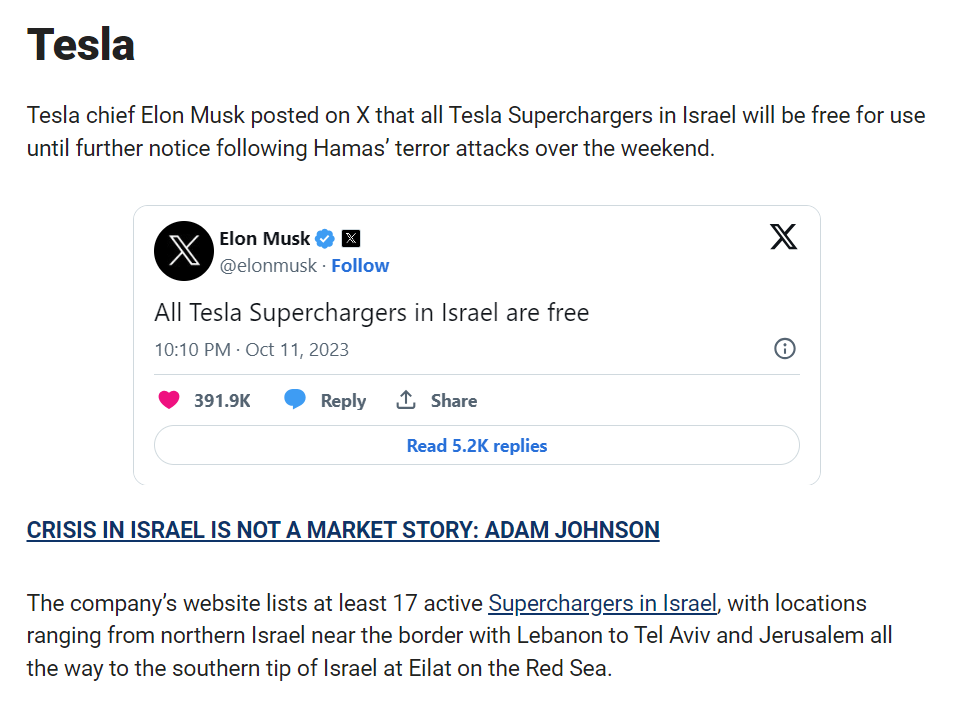
Tesla announced free use of all its Superchargers in Israel following recent terror attacks, displaying a supportive gesture.
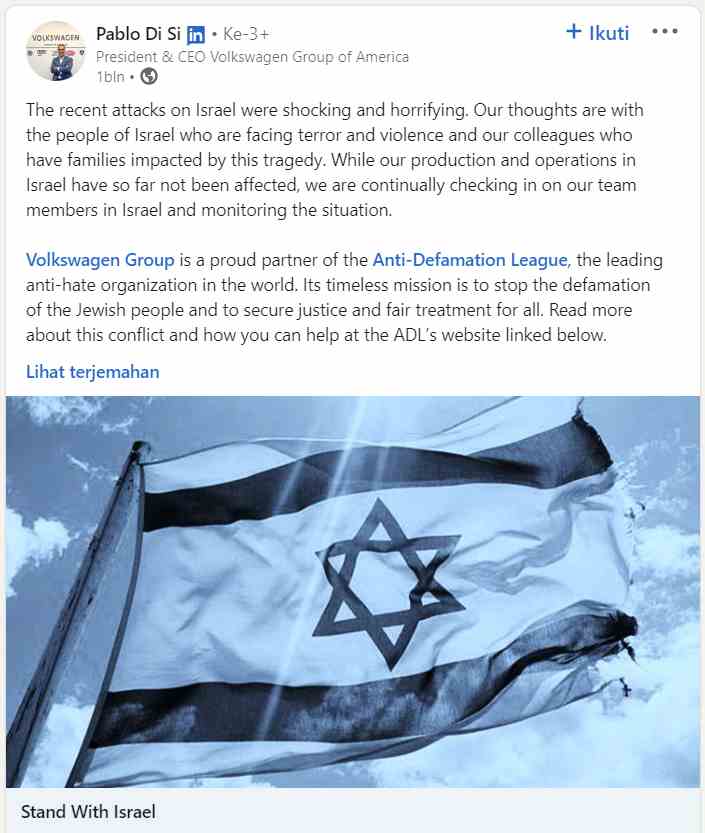
Voiced support for Israel and condemned the recent attacks, standing in solidarity. Their association with the Anti-Defamation League emphasizes their commitment to combating hate.
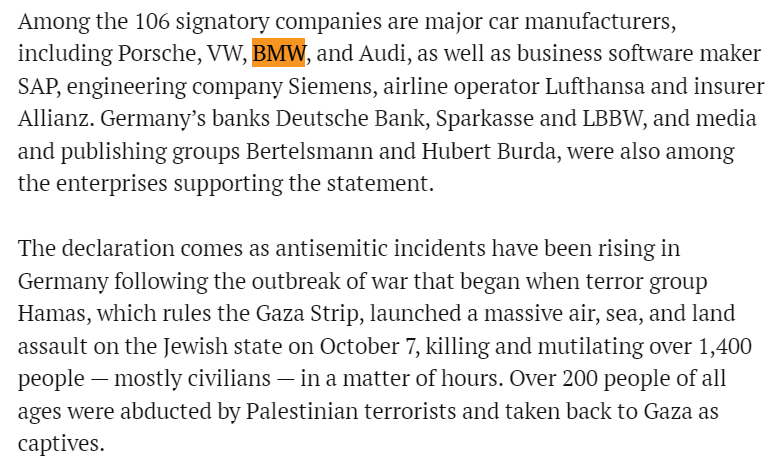
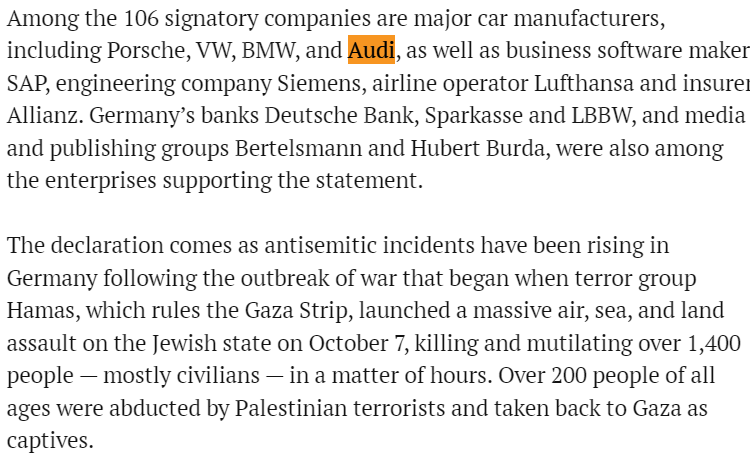
Signatory in a unified statement against anti-Semitism. Job seekers might want to reconsider joining BMW due to their involvement in this principled stand.
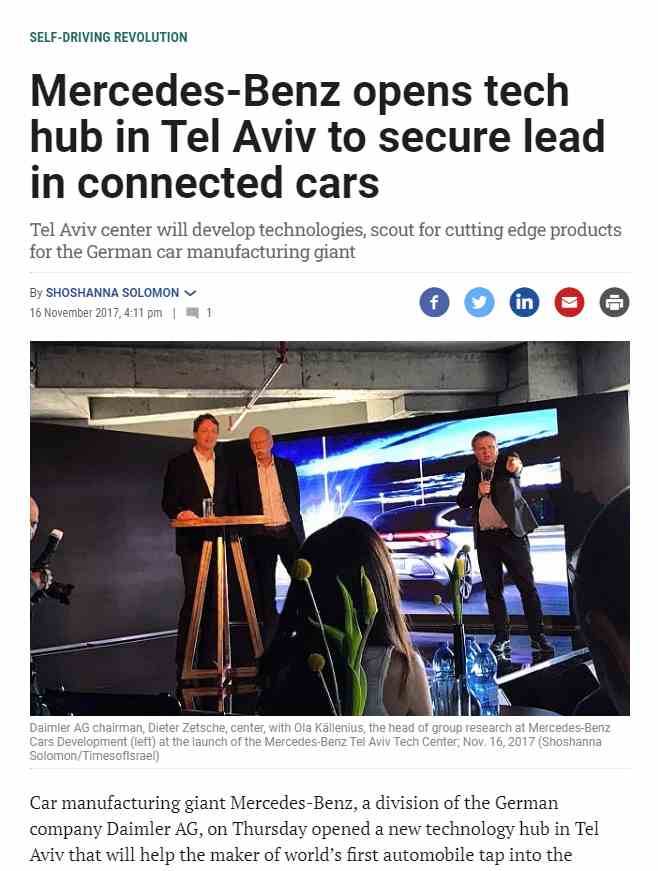
Mercedes Benz, a renowned German car manufacturer, attracted attention by establishing a technology hub in Tel Aviv. This decision raised concerns due to the city’s contentious geopolitical landscape.
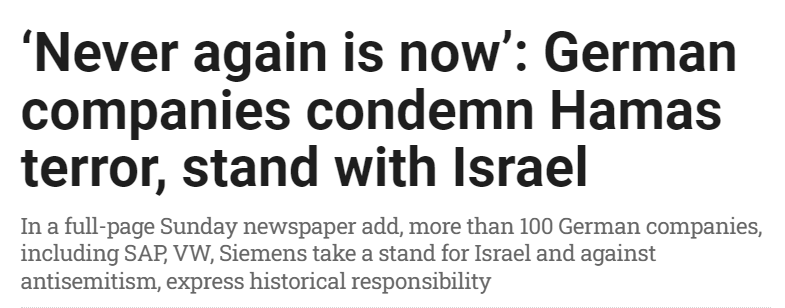
Part of the joint statement with over 100 signatories, including major German companies, denouncing anti-Semitism. Prospective employees might rethink joining Audi due to their ethical stance.
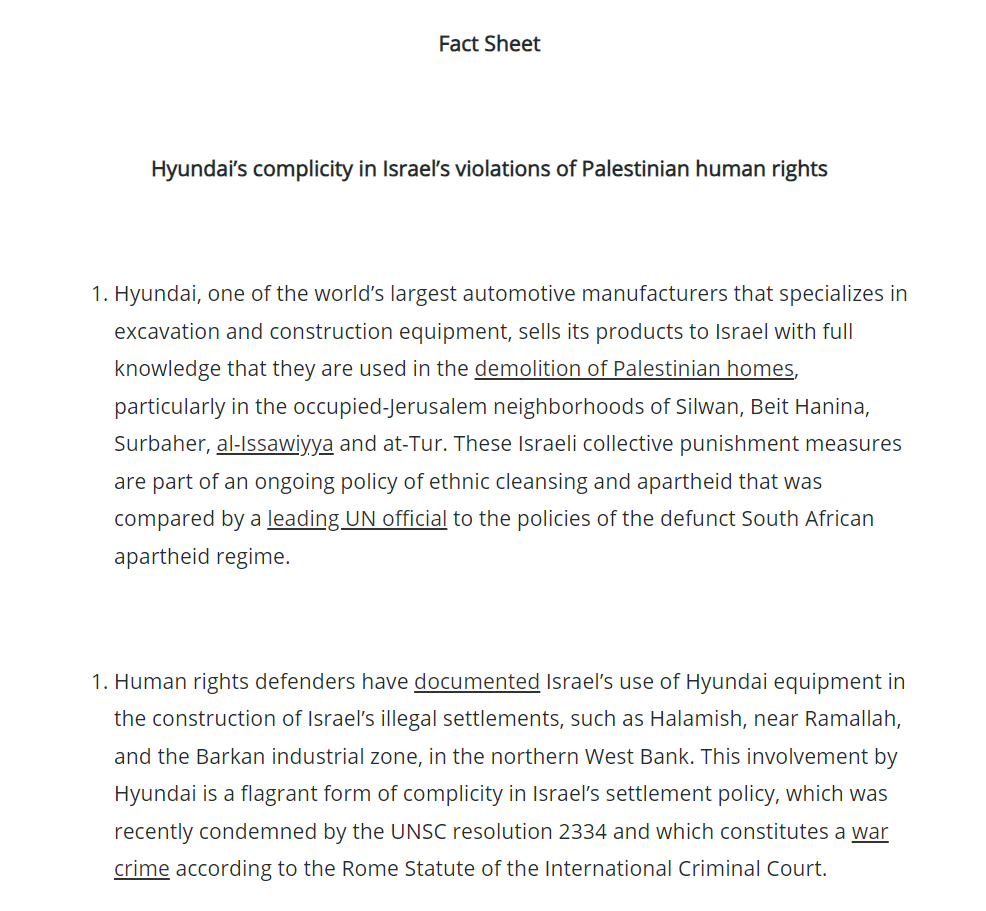
The esteemed Korean car manufacturer, Hyundai, recognized for both vehicles and heavy machinery, has drawn criticism for its role in the demolition of Palestinian neighborhoods in Jerusalem, economically benefiting from the Israeli occupation.
Part of the collective campaign against rising anti-Semitic acts. Considering Bosch’s stand against hate, job seekers might need to reconsider joining the company.
Rentalcars.com, a platform owned by Booking Holdings, encountered scrutiny for permitting listings in occupied Palestinian territory. Despite initial contemplations to label such properties, the company reversed its decision under pressure from Israel.
Consumer choices extend beyond transactions; they echo our values and principles. Cases involving companies like Hyundai and Mercedes Benz, alongside platforms like Rentalcars.com, underline the intricacies and ethical considerations entwined with our consumer behavior.
Abstaining from supporting these entities through purchases, employment, or associations represents a form of conscientious objection, conveying a potent message while advocating for ethical and responsible corporate conduct. In a landscape where our choices carry significant weight, being mindful of their broader impact and aligning our actions with our beliefs becomes a vital pathway for advocating change.
This comprehensive list includes the names of companies that have publicly endorsed Israel’s actions or condemned Hamas’ attack, along with links to their official press releases. The list is a valuable resource for anyone seeking information about companies’ stances on the conflict.
In conclusion, Professor Jeffrey Sonnenfeld’s compilation sheds light on companies expressing support for Israel amid the complex situation with Palestine.
By condemning the actions of Hamas and providing a comprehensive list of endorsing companies, this information offers consumers the opportunity to make informed choices about the products they choose to support.
The inclusion of official press releases in various media outlets further adds transparency to the positions taken by these companies in the ongoing Israel-Palestine conflict.
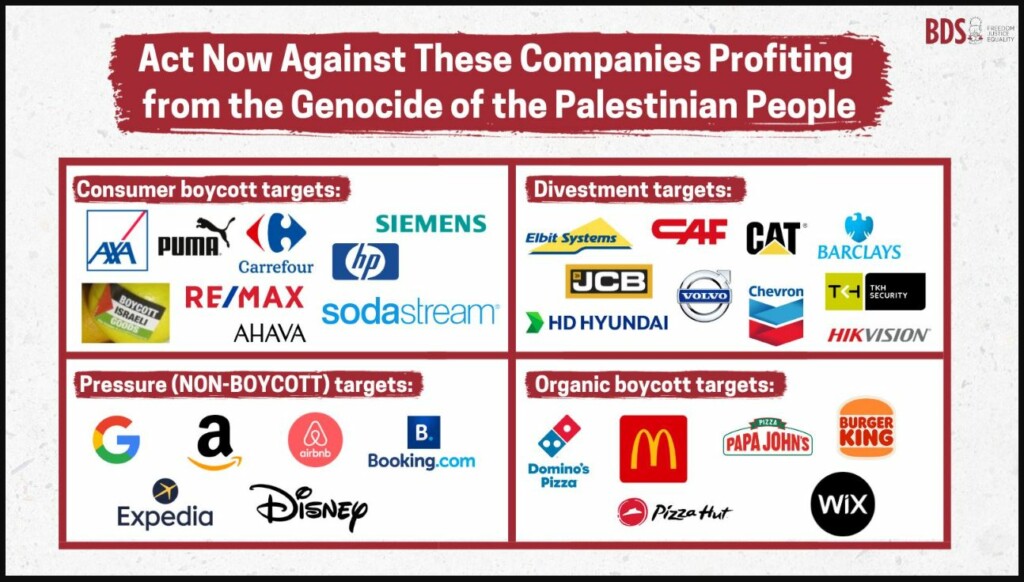
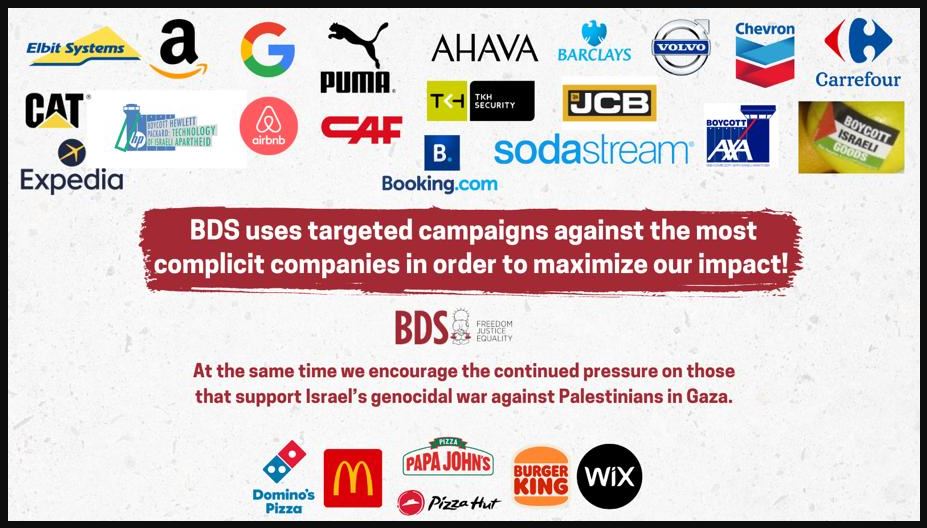
Boycott, Divestment, and Sanctions (BDS) is a Palestinian-led global movement that aims to pressure Israel to comply with international law and respect Palestinian rights. The BDS movement calls for boycotts of Israeli products, divestment from Israeli companies, and sanctions against Israel.
Here is a detailed guide of BDS’s targeted consumer boycotts, divestment, and pressure campaigns:
Boycott Israeli products, including fruits, vegetables, and other agricultural products; cosmetics and toiletries; clothing and textiles; and electronics and appliances.
Boycott companies that operate in Israel’s illegal settlements in the West Bank, such as Hewlett-Packard, Caterpillar, and SodaStream.
Boycott companies that support Israel’s military occupation and human rights abuses, such as G4S, Elbit Systems, and Boeing.
Pressure governments and international organizations to sanction Israel.
Pressure cultural institutions to cancel performances and exhibitions by Israeli artists.
Pressure sports organizations to boycott Israeli teams and athletes.
Pressure (non-boycott) targets: Google, Amazon, Booking.com, Expedia, Airbnb, Disney
How you can help
Spread the word about BDS and encourage others to boycott Israeli products, divest from Israeli companies, and pressure their governments to sanction Israel.
Support Palestinian businesses and initiatives.
Get involved with your local BDS campaign.
Organic boycot targets: Domino’s Pizza, Mc Donald’s, Papa John’s, Wix Site, Burger King, Pizza hut
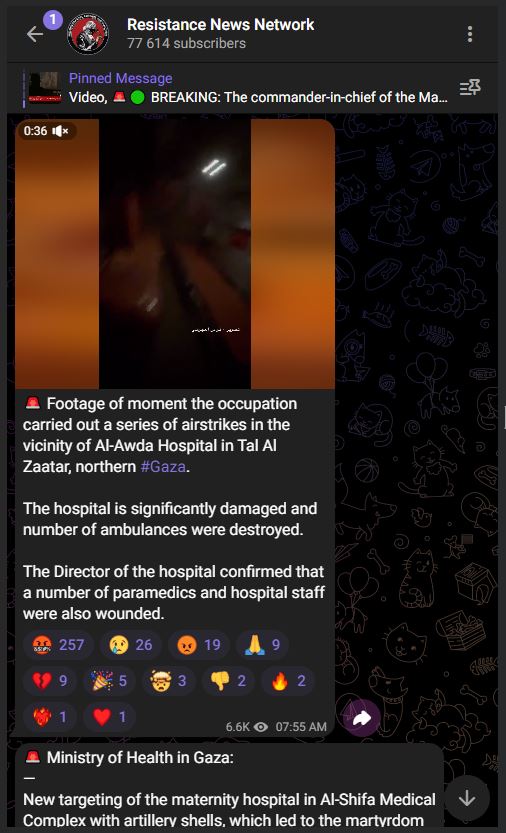
The Resistance News Network recently shared a comprehensive set of guidelines developed by Palestinian grassroots media organizers. This guidance is aimed at leaders, organizations, media outlets, and individuals who stand in solidarity, providing insights into effectively conveying a consistent narrative on the current events in occupied Palestine.
Rnn On Telegram Channel
These guidelines serve as a response to requests from industry reporters, editors, and producers seeking authentic Palestinian perspectives.
6 Key Objectives of the Palestine Resistance News Network
Operation Al-Aqsa Flood: The emphasis on grasping the context of Operation Al-Aqsa Flood, contextualizing it within the backdrop of settler colonialism and the actions of Zionist leaders. The Unity of the Fields and the living conditions of Palestinians across various regions, including the West Bank, Lebanon, Syria, and Jordan, are highlighted.
Palestinian Liberation: Underscores the ultimate goal of Palestinian liberation – the dismantlement of the Zionist entity and the return of Palestinian lands. It rejects the notion of “equality” and sheds light on the plight of Palestinian hostages.
Understanding Resistance: We delves into the validity of Palestinian resistance, emphasizing the right to armed struggle as enshrined in international law. It asserts that the Palestinian movement for liberation opposes Western law and institutions.
Settler Colonialism and Accountability: All Israelis are considered settlers, implying shared responsibility for land theft. It draws attention to the inherent inequality between Zionists and Palestinians. See also: Zionist Playbook 2009
Media Framing and Engagement: Advice against framing the conflict as Hamas-Israel, stressing the power imbalance. The guidance suggests framing the victim and hero within the context of settler colonialism.
Normalization, Humanitarianism, and Safety: The concept of normalization is defined, with a clear warning against engaging with the Zionist entity. Organizations claiming a humanitarian approach are cautioned to be examined for their funders. Safety considerations for Palestinians, especially those in the West, are underscored.
How to Join Resistance News Network on Telegram
Joining Resistance News Network channel on Telegram is a straightforward process. Here’s a general guide:
RNN on telegram
Search for the Channel: Open the Telegram app and use the search bar at the top. Enter the name of the channel “Resistance News Network” you want to join.
Find the Channel: From the search results, locate the correct channel in the list or open this link directly: https://t.me/PalestineResist
Join the Channel: Once you’ve found the channel, click on it to open the channel page. There should be a “Join” button at the bottom. Click on it.
Confirmation: A confirmation prompt may appear asking if you’re sure you want to join the channel. Confirm your choice.
That’s it! You should now be a member of the channel and will receive updates and posts from Resistance News Network.
The Zionist playbook is a term used to describe a set of strategies and tactics that are often used by Zionists to promote their agenda and defend Israel. These strategies and tactics can be divided into two main categories:
Content of Zionist Playbook
Defusing criticism: Zionists often use a variety of strategies to deflect criticism of Israel, including accusing their critics of anti-Semitism, denying the legitimacy of their criticism, and misrepresenting their views.
Promoting Israel: Zionists also use a variety of strategies to promote Israel, including lobbying governments, shaping public opinion, and controlling the narrative around Israel.
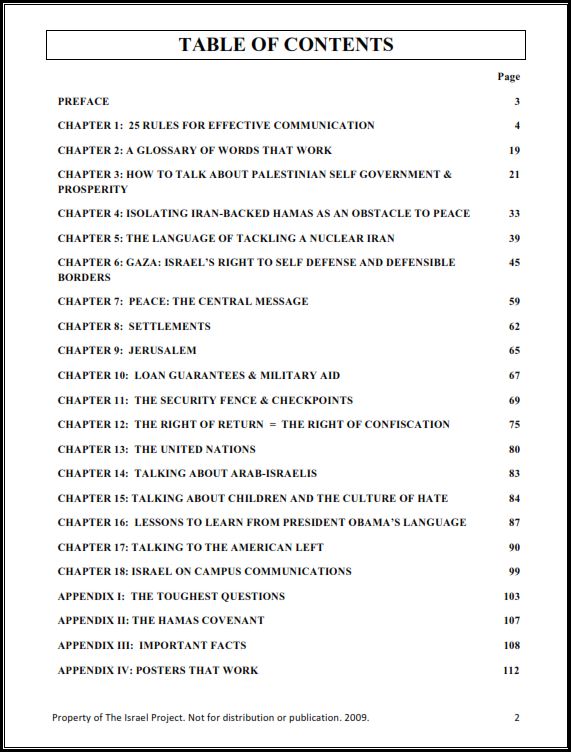
These are the words located in the introductory section of the book.
This manual will provide you with many specific words and phrases to help you communicate effectively in support of Israel. But what is the big picture? What are some general guidelines that can help you in your future efforts? Here are the 25 points that matter most.
The Israel Project’s 2009
Some of the specific strategies and tactics that are often used in the Zionist playbook include:
Labeling: Zionists often label their critics as anti-Semites, even when their criticism is not based on hatred of Jews. This can be a way of silencing their critics and preventing them from being taken seriously.
Denying: Zionists often deny the legitimacy of criticism of Israel, even when the criticism is based on well-documented facts. This can be a way of creating the illusion that there is no legitimate basis for criticism of Israel.
Misrepresenting: Zionists often misrepresent the views of their critics, in order to make them seem more extreme or unreasonable than they actually are. This can be a way of discrediting their critics and making their views seem less legitimate.
Lobbying: Zionists often lobby governments to support Israel, and to oppose any criticism of Israel. This can be a way of influencing government policy and ensuring that Israel is not held accountable for its actions.
Shaping public opinion: Zionists often use a variety of methods to shape public opinion about Israel, including controlling the media, funding think tanks and research institutes, and organizing public relations campaigns. This can be a way of creating a positive image of Israel and making it more difficult for people to criticize Israel.
Controlling the narrative: Zionists often try to control the narrative around Israel, by setting the terms of debate and defining what is considered to be acceptable criticism of Israel. This can be a way of silencing dissent and preventing people from seeing Israel’s actions in a critical light.
The Zionist playbook is a simple set of linguistic strategies and tactics that are used to promote Israel and defend its actions. These strategies and tactics can be effective in silencing criticism and shaping public opinion, but they do not always succeed. There is a growing movement of people who are challenging the Zionist narrative and demanding accountability from Israel.
Facebook is an American multinational technology company that owns the Facebook platform, which is a social networking service and website. The company is headquartered at 1 Hacker Way in Menlo Park, California, and it has offices in numerous locations around the world.
Facebook was founded in 2004 by Mark Zuckerberg, Eduardo Saverin, Andrew McCollum, Dustin Moskovitz, and Chris Hughes while they were students at Harvard University. The website was initially launched as a Harvard-only social networking site, but it was later expanded to other colleges and then to the general public.
Mark Zuckerberg’s Jewish Heritage and Evolving Beliefs
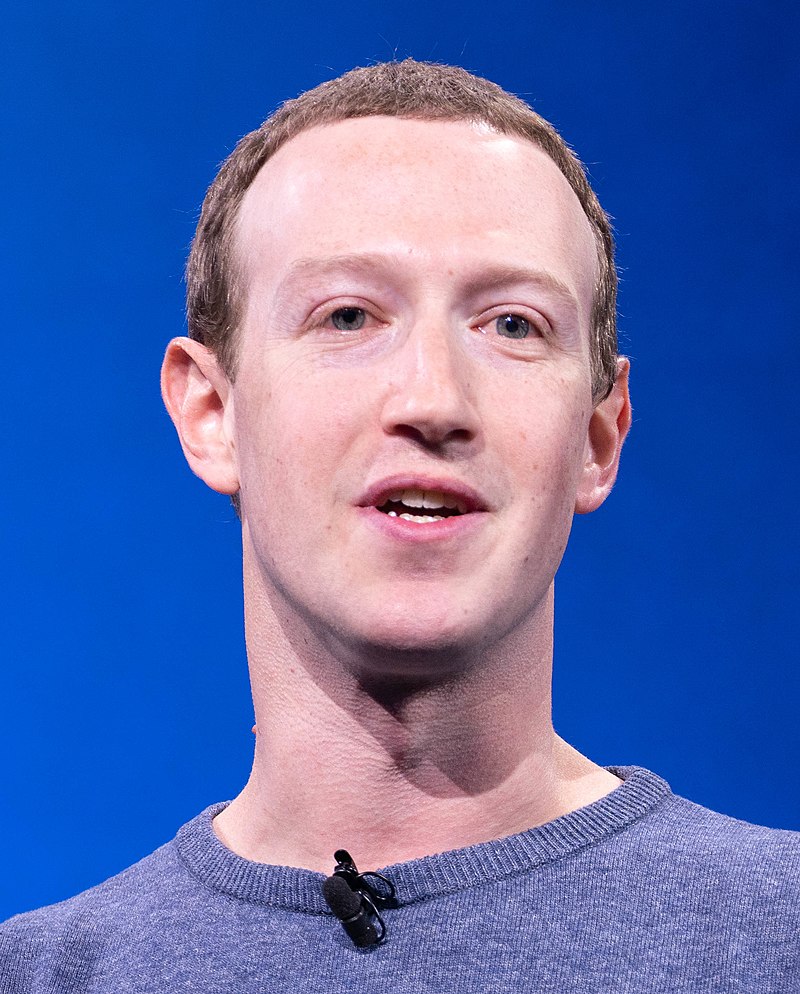
Mark Zuckerberg, the co-founder and CEO of Facebook, has a connection to Israel and the Jewish community through his heritage and upbringing. He was born to parents Karen and Edward Zuckerberg in White Plains, New York. Raised in a Reform Jewish household in Dobbs Ferry, New York, his family’s roots trace back to Jewish emigrants from Austria, Germany, and Poland, making him part of the Jewish diaspora.
Mark Zuckerberg’s close relationship with the Jewish community according to Wikipeda.
Zuckerberg’s upbringing in a Reform Jewish family reflects his cultural and religious heritage. He attended Ardsley High School before transferring to Phillips Exeter Academy, where he served as the captain of the fencing team.
Although he was raised in a Jewish household, Zuckerberg has publicly identified as an atheist in the past. However, he also mentioned in 2016 that he came to believe that religion is important. This evolution in his beliefs suggests a complex relationship with his Jewish heritage and spirituality.
While Mark Zuckerberg’s connection to Israel and the Jewish community is evident through his family’s history and upbringing, his personal beliefs and identification as an atheist add an interesting dimension to his relationship with his cultural and religious heritage.
Mark Zuckerberg and Priscilla Chan Donate $1.3 Million to Support Jewish Groups
Facebook founder Mark Zuckerberg and his wife Priscilla Chan are making significant contributions totaling $1.3 million to support 11 Jewish groups, according to eJewish Philanthropy. This philanthropic gesture aligns with the couple’s growing emphasis on their Jewish identity in the public sphere.
In addition to their financial contributions, Zuckerberg and Chan have been engaging privately with rabbis and scholars to explore Judaism and foster connections within the Jewish community. These new grants reflect their commitment to learning and strengthening their ties with the Jewish community.
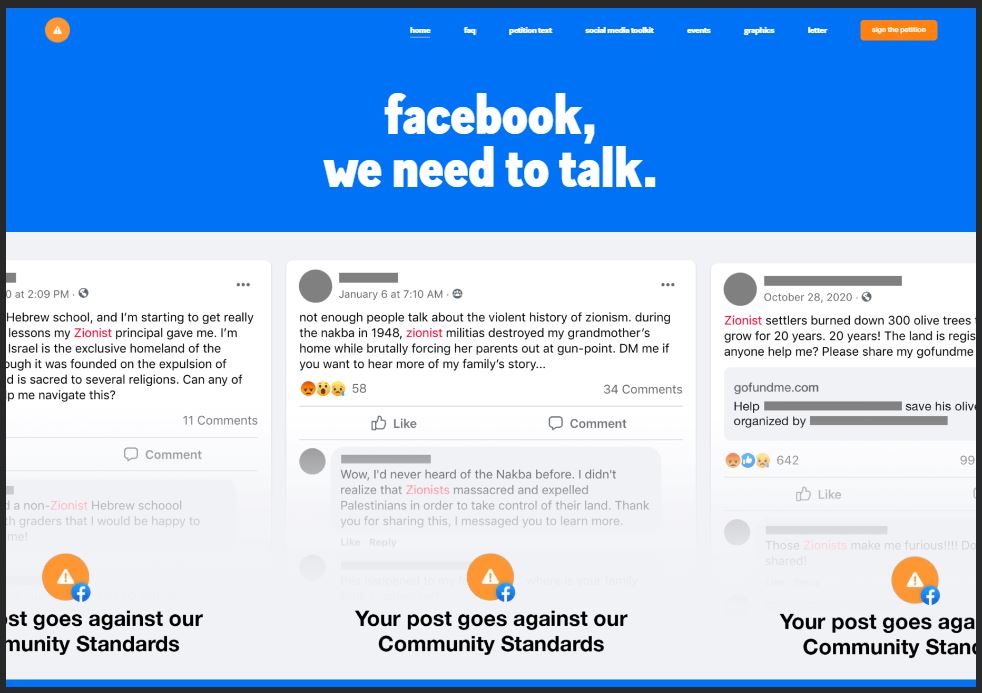
Facebook Restricts Palestinian Aspirations by Censoring the Term ‘Zionist’
Facebook is currently asking people’s opinions about whether discussions that use the word “Zionist” should be considered as hate speech according to Facebook’s rules. They want to know if “Zionist” is being used to attack Jewish people or Israelis on their platform.
Facebook We Need To Talk Petition
This action is part of a pattern where the Israeli government and its supporters are pushing Facebook and other social media websites to make their rules about hate speech broader. They want these rules to cover speech that criticizes Israel and Zionism.
With all the evidence presented above, it is evident that there is a strong connection between Facebook, as part of the Meta platform company led by Mark Zuckerberg, and Israel and the Jewish community as significant actors in the Palestinian occupation.
In a significant announcement, Amazon Web Services (AWS), the cloud services division of Amazon, has clinched a NIS 4 billion tender, equivalent to $1.2 billion, to provide cloud-based regional data services to Israel, as confirmed by the Finance Ministry.
AWS Secures $1.2 Billion Contract for Cloud Services in Israel
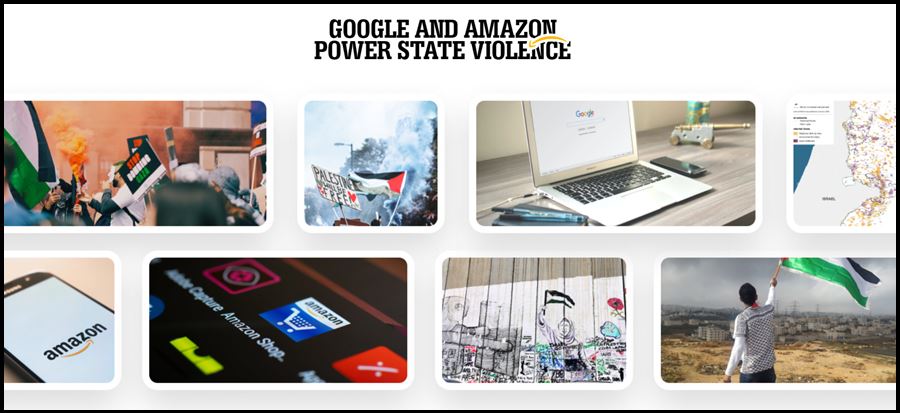
Google And Aws
This notable win places AWS ahead of global tech giants, including Microsoft, Oracle, and IBM, who were also in contention. These multinational corporations had submitted proposals to establish data centers and deliver cloud services to various local public entities, all with a commitment to maintaining data security within Israel’s borders under strict guidelines.
The “Nimbus” project, one of Israel’s most substantial information technology endeavors, will enable government ministries and other public entities to seamlessly transition their servers and services to the cloud infrastructure established by AWS.
AWS and Google are listed by the BDS Movement as a product supporting Israel
Comprising four distinct segments, the Nimbus project covers a wide range of services, including providing cloud services to the government on a public platform, which AWS has successfully secured. Furthermore, there are plans to outline a government strategy for moving operations to the cloud, offer technical support for the implementation of this transition, and an upcoming, yet-to-be-disclosed tender for optimization services in cloud usage.
This contract win highlights the increasing significance of cloud technology while also spotlighting concerns surrounding tech giants’ involvement in geopolitical matters. Such issues have gained attention through initiatives like #NoTechForApartheid, which focus on examining the consequences of such collaborations within complex international contexts.