Google Cloud executives have recently inked a substantial $1.22 billion contract to supply cloud technology to the Israeli government and military. This partnership has drawn attention and criticism from those who believe that such support implicates Google in the Israeli apartheid system and its ongoing events, including the situation in Gaza.
This engagement has prompted the emergence of the #NoTechForApartheid campaign, which advocates for a reconsideration of Google’s role in providing vital technologies to entities involved in this complex issue. It’s important to note that while these campaigns haven’t explicitly called for boycotts, they have applied various forms of pressure in their efforts to encourage corporations like Google to reevaluate their involvement.

www.notechforapartheid.com
In another development, employees at Google have voiced their condemnation of the collaboration known as Project Nimbus. Project Nimbus refers to the controversial partnership between Google and the Israeli government and military.
Google employees have expressed their concerns regarding this collaboration, underscoring their ethical objections to it. The employees have chosen to raise their voices, highlighting the implications and consequences of Google’s involvement in this project.
This internal criticism from Google’s own workforce reflects the ongoing debate and growing attention on the company’s role in supplying technology to the Israeli government and military. It remains a topic of discussion, both within the company and in the broader context of public discourse.
Furthermore, Google, the technology company, has found itself included in the list of brands targeted by the BDS Movement. This movement advocates for people to refrain from purchasing products from companies that are directly or indirectly involved in collaborations with Israel, given the ongoing complexities of the situation.
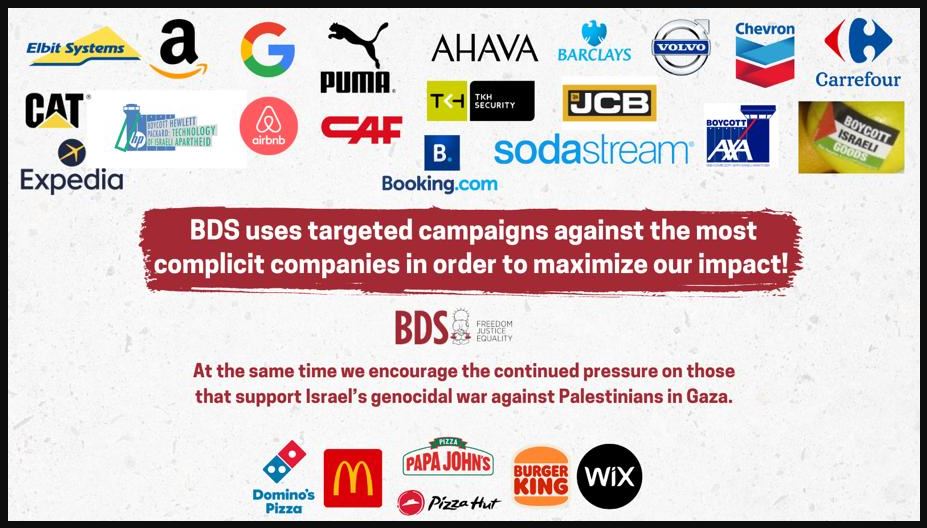
Google’s inclusion in this list underscores the growing scrutiny and debate surrounding the company’s partnerships and engagements. The BDS Movement’s call for people to reconsider their support for Google and similar entities reflects the broader efforts to address concerns related to corporate complicity in complex geopolitical issues. This development has drawn attention to Google’s role in the ongoing discourse surrounding ethical business practices and international relations.