It is crucial to examine the links between firearm companies and Israel in light of ethical concerns surrounding their production and sales. We will investigate whether these manufacturers remain neutral or support Israel’s policies and actions.
Magnum Research
Boycott Magnum Research
Activists are urging consumers to boycott Magnum Research because it is based in Israel, sparking negative attention and backlash against the company and its products.
Activists are calling for a boycott of BAE Systems due to their supply of military equipment to the Israeli Air Force, including parts for fighter jets and flares. This involvement in the Israeli military industry has sparked anger and is prompting consumers to reconsider supporting BAE Systems and their products.
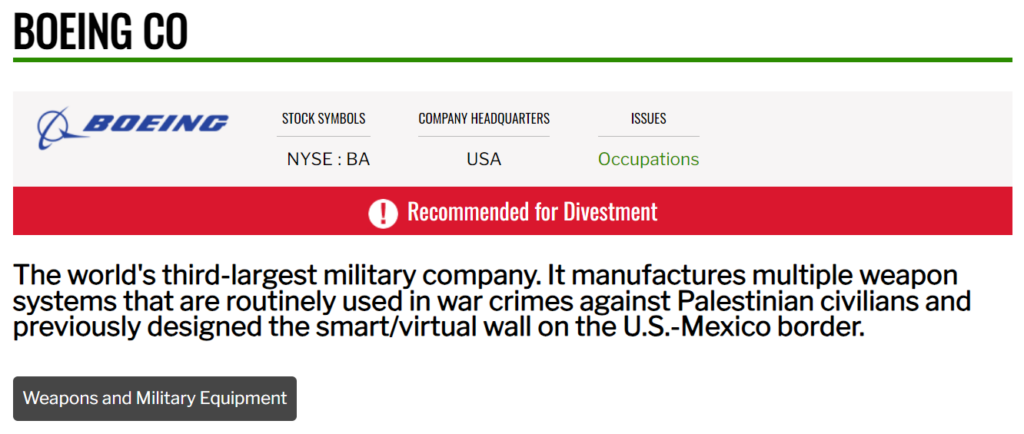
Activists are urging consumers to boycott Boeing due to their supply of military equipment, including Hellfire missiles, F-15 Eagle fighter jets, MK84 2000-lb bombs, and Apache helicopters, to Israel. The controversy surrounding this extensive supply has put pressure on the company and raised concerns about its products.
Activists are calling for a boycott of Elbit Systems due to their involvement in producing drones used to harm innocent Palestinians. This disregard for human rights has rightfully caused anger and consumers should reconsider supporting this company and its products.
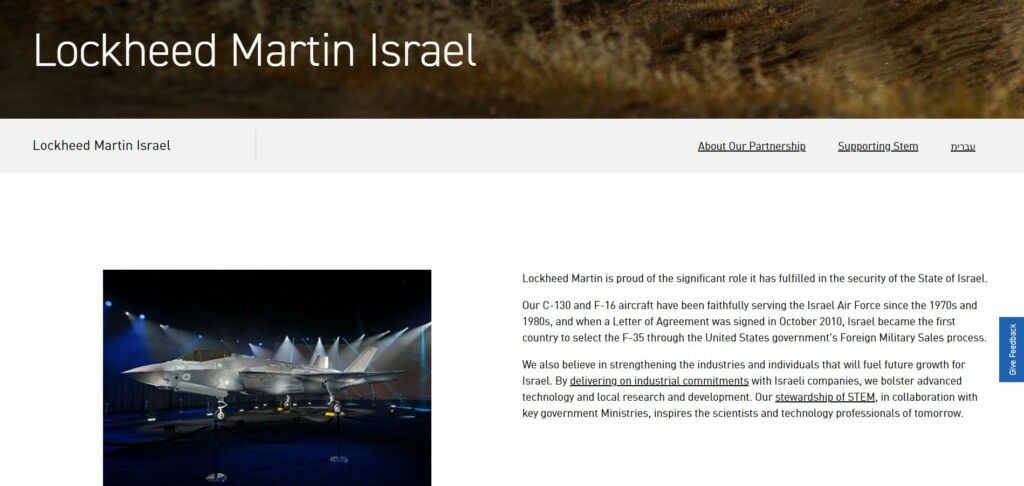
Activists are calling for a boycott of Lockheed Martin due to their involvement in enhancing Israel’s military capabilities. This includes providing fighter jets, helicopters, and other military equipment. The company’s role in Israel’s military infrastructure has garnered criticism and people are being urged to reconsider their support for Lockheed Martin and their products.
Activists are calling for a boycott of MBDA due to its collaboration with Israel Aerospace Industries (IAI) in Germany. MBDA and IAI signed a cooperation agreement for the production, integration, sales, and marketing of IAI’s loitering ammunition systems, which has raised concerns among activists. They are urging consumers to think twice about supporting MBDA and its products.
Activists are calling for a boycott of Raytheon due to their supply of the Iron Dome system to the IDF, which allows Israel to occupy Palestine without fear of resistance. This has angered many who urge consumers to reconsider supporting Raytheon and its products.
The evidence shows that buying firearms products supports Israel economically. As advocates for peace and anti-colonialism, we shouldn’t buy or use these products because they are closely tied to Israel’s occupation of Palestinian territory. Let’s take a stand against this unjust relationship.
It’s important to know where tech giants stand on Israel, especially since consumers care about ethics. Let’s look into whether these companies stay neutral or support Israel’s actions.
Hewlett-Packard (HP)
Hewlett Packard Israel
Calls for a boycott against Hewlett-Packard (HP) have arisen due to its strong backing of Israel’s apartheid regime. HP is heavily involved in the biometric ID system, which the Israeli government uses to limit Palestinian movement.
HP also provides other systems for the IDF, further exacerbating concerns among activists. This complicity with Israel’s policies has raised concerns, leading activists to urge consumers to rethink their support of HP and its products.
Siemens is being urged to face a boycott due to their involvement in Israel’s illegal settlement operations, specifically through their proposed EuroAsia Interconnector construction. This venture is meant to connect Israel’s power network to Europe’s, permitting illegal settlements on Palestinian soil to benefit from trade with the EU in electricity generated from fossil fuels.
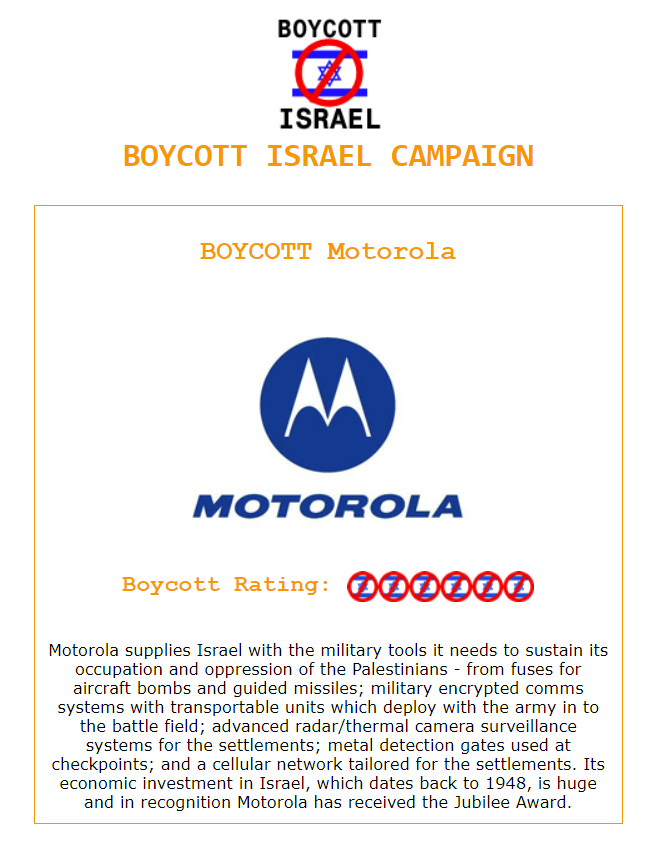
Motorola is being urged to face a boycott due to their involvement in providing surveillance equipment to Israeli settlements, the separation barrier, and the Israel-Gaza border.
Moreover, they signed a hefty $100 million agreement with Israel for encrypted smartphones, thus supporting IDF’s oppressive rule over Palestinians. In addition to that, Motorola is manufacturing bomb fuses utilized in IDF missions.
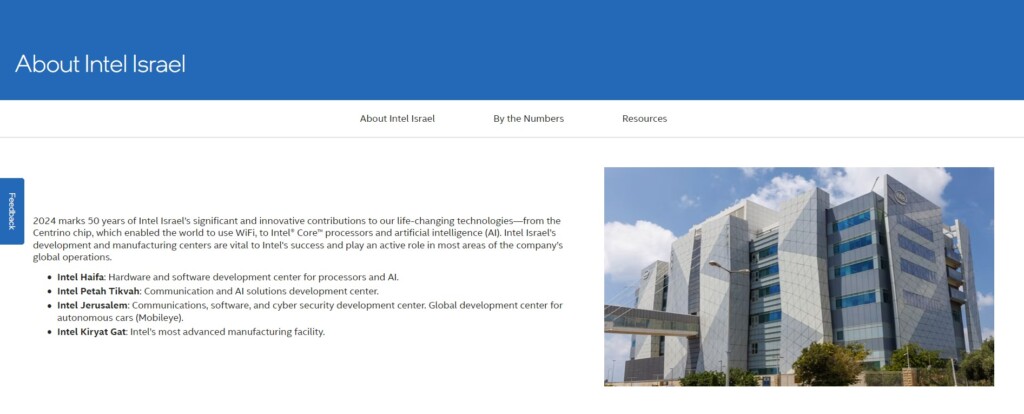
The Palestinian Right to Return Coalition, Al-Awda, is calling for a boycott of Intel due to their plants being located in Kiryat Gat, which was built on land that once belonged to Palestinian villages Iraq al-Manshiya and Faluja.
Intel has invested $10 billion in Israel with government backing, but their presence in disputed areas has caused outrage. Their processors are used in 80% of the world’s computers, giving them considerable power in the tech industry. However, many are now speaking out against their actions.
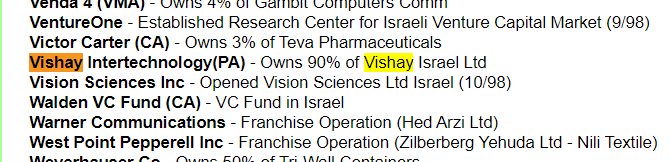
Vishay Intertechnology(pa) Owns 90% Of Vishay Israel Ltd
Boycotters are targeting Vishay Intertechnology for backing Israel, leading to backlash from activists and urging consumers to rethink their loyalty to the company and its merchandise.
IBM is facing boycott demands because of its significant investments in Israel. Despite the negative backlash, Lawrence Ricciardi, IBM’s senior vice-president and general counsel, continues to highlight Israel’s importance to the company’s values.
To further strengthen its connection to the country, IBM has also been recognized with awards from organizations like the Israel-America Chamber of Commerce for its contributions to the Israeli high-tech industry. However, these actions have not gone unnoticed by those who are against the Israeli occupation.
Nokia’s support for Israel has led to boycott demands against the company. Its general manager, Lars Wolf, highlighted the numerous investments and projects, such as “Project Israel” and a $500 million fund for Israeli companies by Nokia Venture Partners.
The Nokia Research Center also actively seeks partnerships with Israeli start-ups, strengthening its bond with the country. However, this stance has not gone down well with some people.
Activists are urging consumers to boycott Express VPN due to its ownership by Kape Technologies, an Israeli cybersecurity firm that supports the occupation of Palestine. The concerns about the company’s Zionist ownership have led to calls for a reconsideration of support.
Activists are urging consumers to avoid buying Dell products as founder Michael Dell’s support for the Friends of the IDF, a group that raises money for the Israeli military, has caused concern. His significant contributions to the organization have led to calls for people to think twice about supporting the brand.
Activists are urging people to boycott Viber because the founder, Talmon Marco, supports the IDF operations in Gaza and holds Zionist beliefs. This has resulted in criticism for the messaging platform and its services. It’s a shame that Viber’s support for such beliefs is causing so much outrage.
Activists are urging people to boycott Nvidia for participating in constructing a supercomputer for Israel. They are concerned about its potential use in oppressing Palestinians and enforcing apartheid policies. This collaboration has sparked criticism, making it important for consumers to rethink their support for Nvidia and its products.
Oracle is under fire for giving money to its Israeli staff members who serve in the IDF, while the country was in the middle of a war. The move has led to a boycott movement against Oracle, as activists urge people to think twice before using the company’s products.
Activists are urging consumers to boycott Payoneer because of its Israeli origin and operation on land claimed by Palestinians. This has led to criticism of the company and its services.
Activists are urging people to avoid supporting SAP as it faces backlash for providing monetary aid to its Israeli workers during the war. The company gave 6,500 Israeli shekels for every family member of the employee, sparking controversy and boycott calls.
It’s evident that these tech brands have financially supported Israel, but as advocates of peace and anti-colonialism, we discourage purchasing their products due to their close association with Israel as the oppressor of Palestinian land. Let’s opt for alternatives that align with our beliefs.
It is crucial to investigate the link between Israel and filmography in light of growing concerns about ethical media consumption. Let’s question whether these movies are impartial or intentionally support Israel’s actions.
Disney
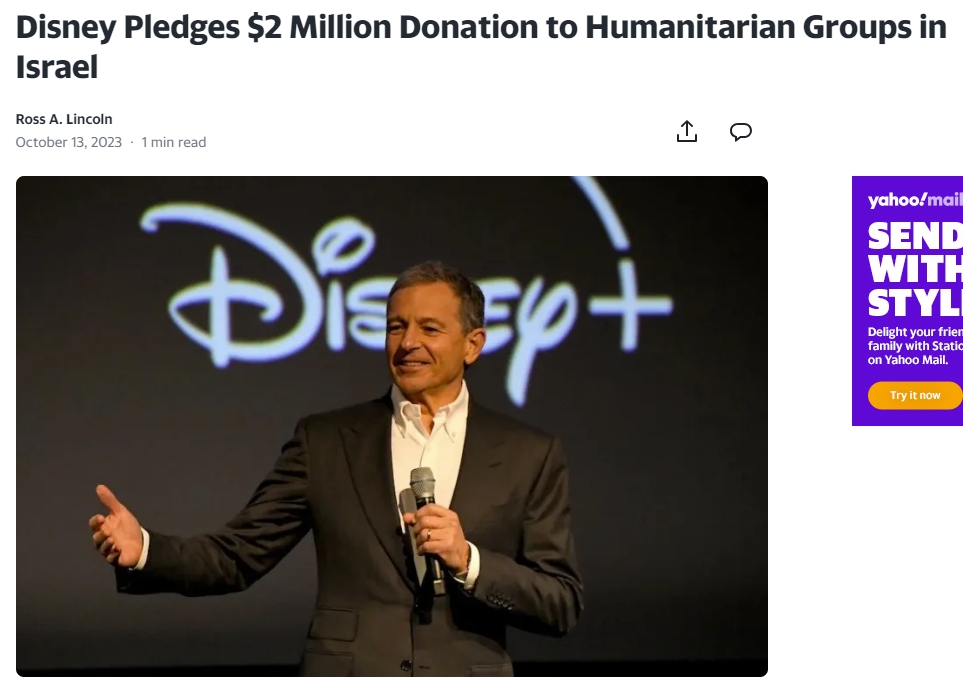
Disney Pledges $2 Million Donation To Humanitarian Groups In Israel
Boycotts are being called for against Disney due to their donation of $2 million to Israeli organizations during the conflict in Gaza.
Despite condemning attacks on Jews and expressing support for Israel, the CEO failed to acknowledge the Palestinian casualties caused by the Israeli military. This has raised concerns among activists, who are urging consumers to reconsider their support for Disney.
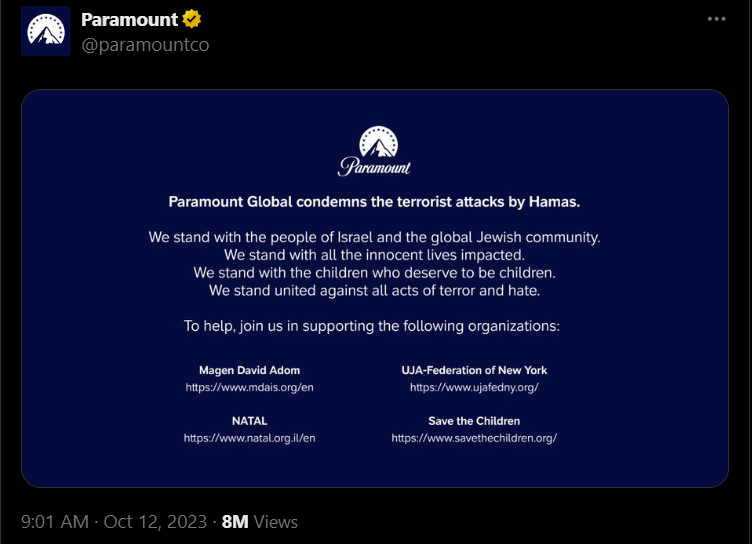
Boycott calls are being made against Paramount+ because of its unwavering support for Israel, especially during the Gaza conflict.
The company openly expressed its support for the Israeli people and the global Jewish community on Twitter, which has resulted in backlash amidst the ongoing violence. This stance has raised concerns among activists who are urging consumers to reconsider their loyalty to the platform.
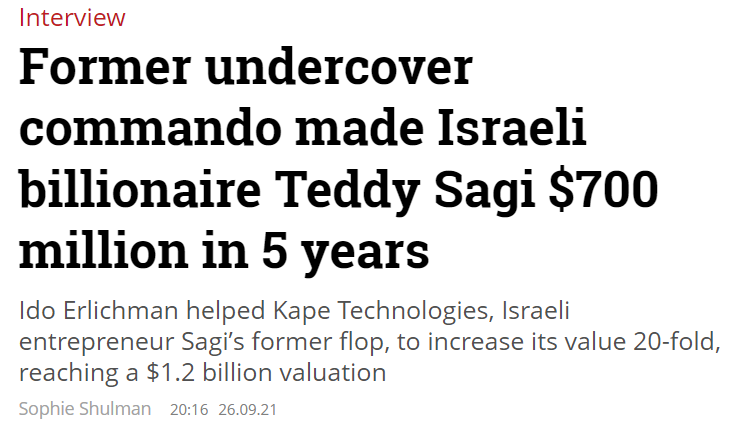
Former Undercover Commando Made Israeli Billionaire Teddy Sagi $700 Million In 5 Years
Melissa Barrera’s firing from the Scream movie franchise by Spyglass Media Group due to her stance against Palestinian genocide has resulted in boycott demands against the company. Activists are expressing their fury, and people are being urged to rethink their support for Spyglass Media Group and its undertakings.
It’s clear from what we know that this filmography has helped Israel financially. But as advocates for peace and anti-colonialism, we should avoid buying or using anything associated with it because of Israel’s role in occupying Palestinian land.
It’s important to know where online businesses stand on Israel, especially as more people care about ethics when they buy things. We want to find out if big tech companies are really neutral or if they support what Israel does.
Booking.com
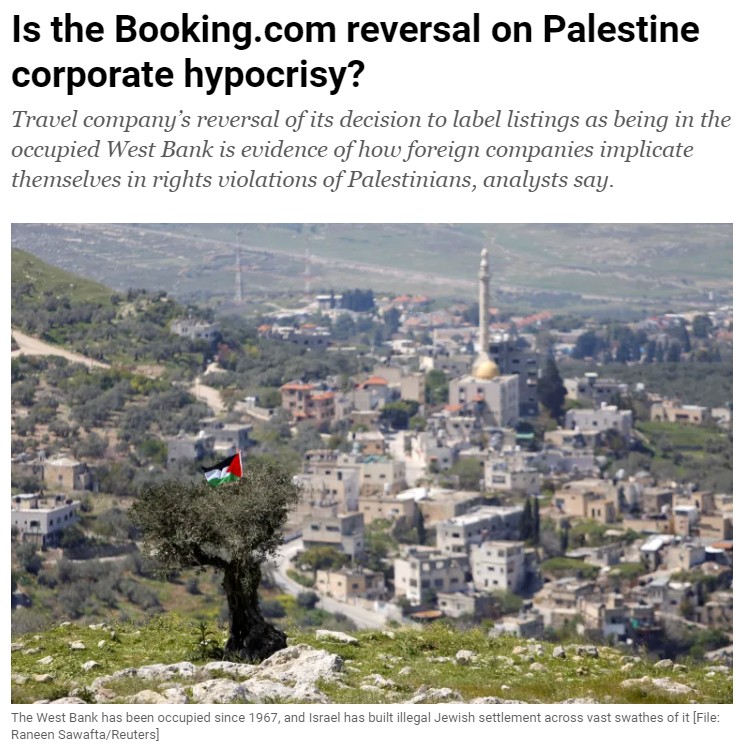
Is The Booking.com Reversal On Palestine Corporate Hypocrisy
Many people are urging a boycott of Booking.com because it permits listings in occupied Palestinian territory. Although the company claimed it would remove 200 such listings, it changed its mind, suggesting that it supports Israel’s occupation.
This is worrisome, especially since sub-brands like Agoda, Kayak, Priceline, Opentable, and Rentalcars.com are all part of the Booking.com family, which heightens concerns about their role in the situation.
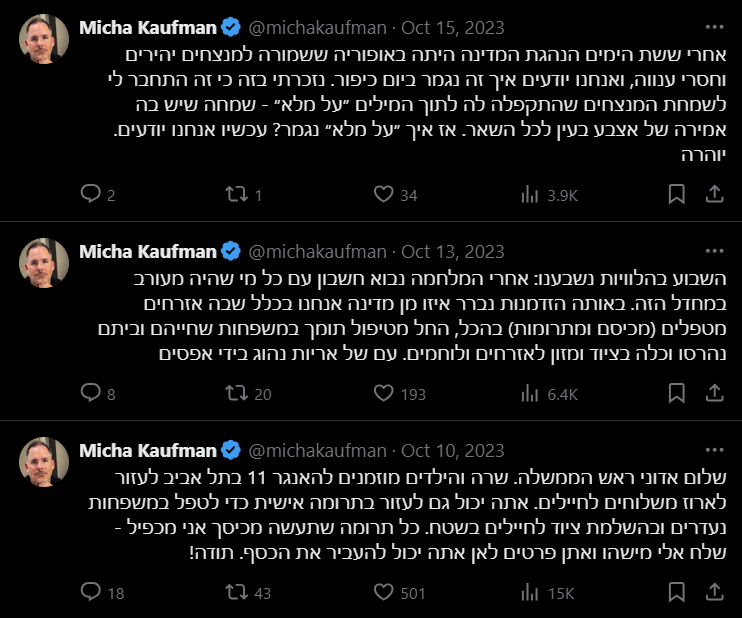
Micha Kaufman, Founder & Ceo Of Fiverr, Many Post On X Supporting Israel
The CEO of the Israeli company located in Tel Aviv is Micha Kaufman, a committed Zionist who openly backs the Israeli Defense Forces. This highlights the company’s strong connections to Israeli national interests and leaves doubt about its opinions on political and social topics in the area.
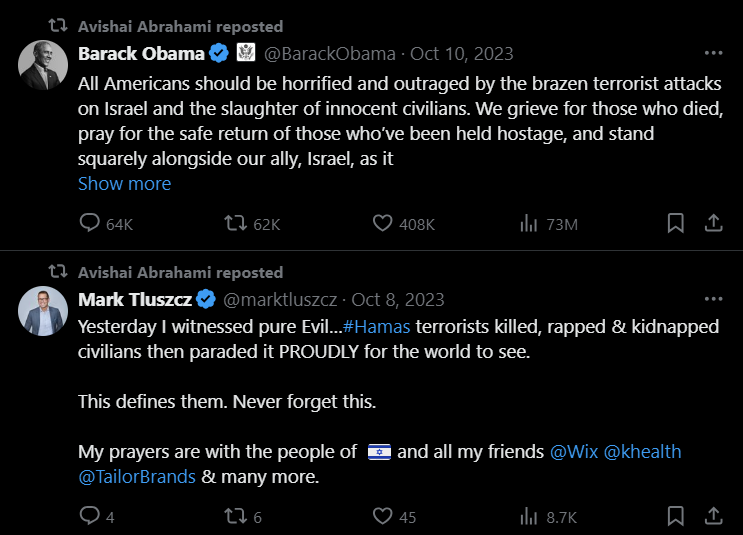
Avishai Abrahami, Co Founder & Ceo Of Wix, Reposting Post That Support Israel
Due to the Zionist beliefs and support for the Israeli Defense Forces (IDF) of CEO Avishai Abrahami, Wix, a company based in Tel Aviv, is being urged to be boycotted. People are concerned about the company’s political and social stance, which is aligned with Israeli national interests, and are reconsidering their support.
There is growing concern and a push to boycott Elementor, an Israeli company, because of its nationality. More and more consumers are taking into account the ethical implications of their choices, and the company’s connection to Israel raises doubts about where it stands on important political and social matters.
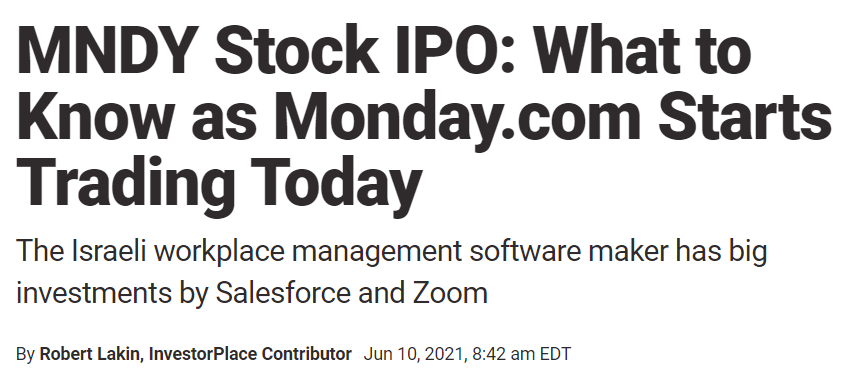
Mndy Stock Ipo What To Know As Monday.com Starts Trading Today
Calls to boycott Monday.com are mounting due to its Israeli origins and operation in Occupied Palestine. As people become more conscious of the ethical ramifications of their actions, concerns are raised about the company’s involvement in the continued occupation and its stance on human rights matters.
Due to its Israeli origin, Hilan is facing boycott demands. With customers increasingly aware of the ethical implications of their purchases, the company’s association with Israeli policies and practices is under greater scrutiny, resulting in a reconsideration of support. Unfortunately, this has negative consequences for Hilan.
Consumers are demanding a boycott of WalkMe, an Israeli-based company, over worries about its stance on political and social issues. The company’s connection to Israel has sparked these concerns, leading people to reconsider their support.
Consumers are raising concerns about the ethical implications of supporting Abra Information Technologies Ltd, an Israeli company, leading to calls for a boycott due to its Israeli nationality and potential involvement in controversial policies and practices.
The Israeli company Synel M.L.L Payway Ltd is facing boycott because of its Israeli origin. As people become more conscious about the ethical aspects of supporting Israeli businesses, they are closely examining the company’s connection with Israeli policies. This has resulted in demands for a reevaluation of consumer decisions.
Consumers are being urged to boycott NICE Systems Ltd., an Israeli company, due to its Israeli origins. The company’s involvement in Israeli policies and practices is under increased scrutiny as ethical consumption becomes a priority, leading to calls for reconsideration of support. This negative sentiment towards the company is becoming more prominent.
The Israeli company Mobileye is being asked to face a boycott due to its origin. Consumers are paying closer attention to the ethics behind their purchases and are looking into the company’s connections with Israeli policies and practices. This has led to calls for people to reconsider supporting them.
The Israeli roots of Waze have led to a boycott against the company. With more people paying attention to the ethical impact of their decisions, scrutiny of the company’s relationship with Israeli policies and practices has grown, resulting in demands for reassessment of support.
Due to its Israeli nationality, Playtika is receiving boycott calls. Consumers now consider ethical concerns when making purchases, leading to inquiries about the company’s stance on political and social matters. This has caused a reassessment of support.
The boycott against Check Point, an Israeli firm, is gaining momentum as consumers demand accountability for their ethical values. Concerns are raised about the company’s alignment with Israeli policies and practices, prompting individuals to rethink their purchasing decisions.
Due to its Israeli roots, IronSource is receiving calls for boycotts. Consumers are increasingly aware of the ethical implications of their actions and are scrutinizing the company’s connections to Israeli policies and practices, leading to demands for a reassessment of support.
The decision of Airbnb to allow listings in occupied Palestinian territory has caused a boycott against the company. Even though they said they would remove 200 listings, they changed their minds and seem to support Israel’s occupation. This has worried activists who think people should think twice before supporting Airbnb and their position on human rights issues.
Consumers are boycotting eToro, led by CEO Yoni Assia, because of his strong Zionist beliefs and support for the IDF. With ethical considerations becoming more important in investment decisions, eToro’s ties to Assia’s beliefs and actions are under intense scrutiny, leading to demands for reassessment of support.
Activists are calling for a boycott of Taboola, a company led by CEO Adam Singolda, due to his strong Zionist beliefs and controversial social media statements about Palestine and extremist views. This has raised concerns about supporting the company.
Although this online business has helped support Israel’s economy, we cannot ignore its association with the occupation of Palestinian land. As advocates for peace and anti-colonialism, we must refrain from purchasing or using products from this business.
It’s important to know where our everyday items come from and if they support certain actions. Let’s explore the supply chain and determine if this product is neutral or supports Israel’s actions, as consumers are becoming more aware of the ethical implications of their purchases.
Johnson & Johnson
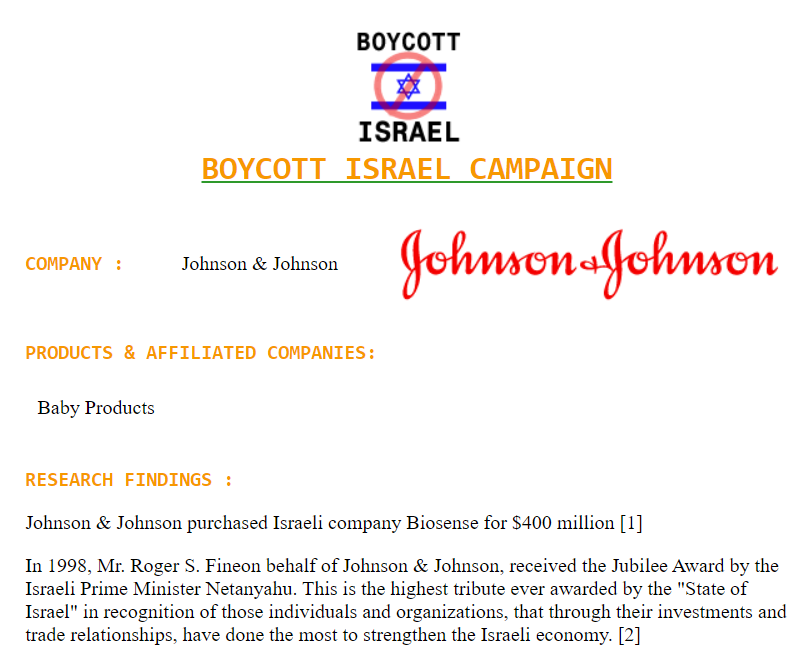
Boycott Johnson & Johnson
Activists pushing for Palestinian rights are urging consumers to boycott Johnson & Johnson, citing the company’s deep investment ties with Israel. The brand’s continued financial support for the country has raised concerns, with many people questioning its role in the ongoing conflict between Palestine and Israel.
It’s clear that Johnson & Johnson has given financial help to Israel, which is not okay with us as people who believe in peace and ending colonization. So, we shouldn’t purchase or use any of their products because they support Israel’s occupation of Palestinian land.
Do products like Daily Life support Israel’s actions? Despite claims of neutrality, their business dealings with companies in illegal settlements contribute to Palestinian land occupation.
Despite BDS movement boycott calls, Daily Life prioritizes profit over human rights. Should brands like Daily Life reconsider their stance and take a stand against injustice towards Palestinians as boycotts bring change?
Nestlé
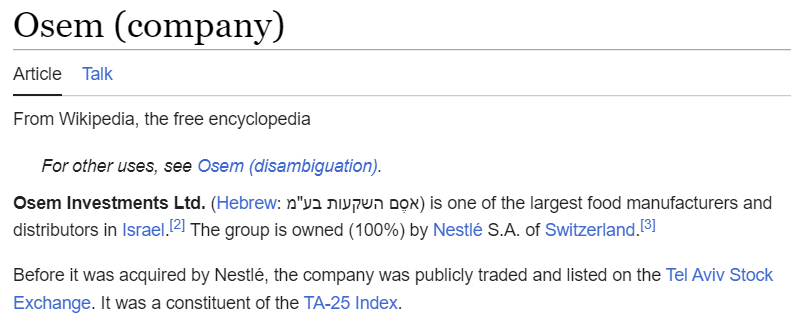
Osem (company)
Nestlé has made a huge investment in Israeli food manufacturer Osem, owning a controlling share of 53.8% valued at over $850 million. The fact that Nestlé operates nine factories in Israel and has a Research & Development Centre in Sderot, Israel, highlights its strong alignment with Israel’s interests.
However, the ethical concerns raised by Osem’s presence in Occupied Palestine, coupled with Nestlé’s controlling stake, is concerning. To promote ethical consumption, consumers are urged to boycott Nestlé products until it divests from operations in the occupied territories.
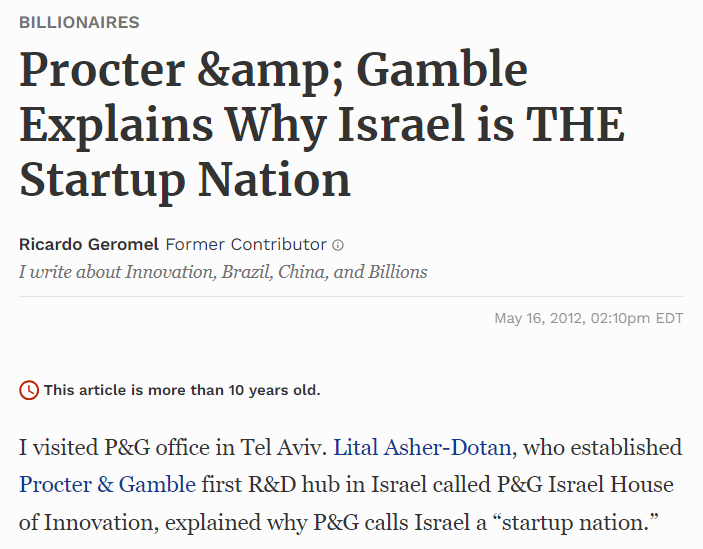
Procter & Gamble Explains Why Israel Is The Startup Nation
Procter and Gamble shows a significant amount of economic support for Israel through its investments and backing of Israeli-based companies. The company invests $2 billion annually in its Research & Development center located in Tel Aviv, which proves its commitment to the region.
Unilever Reaches New Business Arrangement For Ben & Jerry’s In Israel
Unilever’s association with Israel’s illegal settlements in Palestine, especially with regards to its sub-brand Ben & Jerry’s, raises ethical issues. Even though Ben & Jerry’s decided to stop selling in Israel, Unilever found a way around it by selling off its Israeli distribution rights to maintain sales in the area.
Unilever’s other sub-brands, such as Walls, Hellman’s, Cif, Rexona, Lux, Axe, Dove, Domestos, and Persil, further link it to Israel’s controversial business practices in the occupied territories, causing concern among ethical consumers.
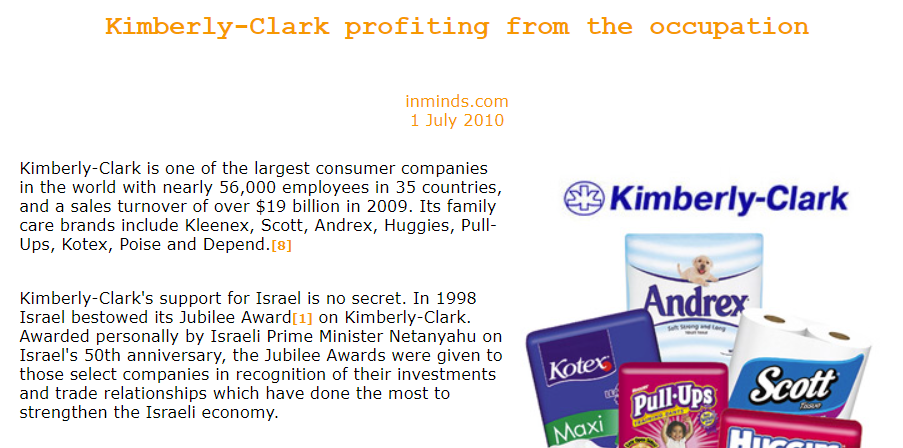
Kimberly-Clark’s backing of Israel’s economy was highlighted when they were awarded the Jubilee Award by Prime Minister Netanyahu in 1998. They’ve invested a lot in Israeli companies and are now co-owners of Hogla, ensuring their financial involvement in the region. Their products, such as Huggies, Kotex, and Kleenex, also connect them to Israel and its interests.
Osem is a major player in the food and beverage industry in Israel, generating $712 million in revenue and employing almost 5000 workers across 14 factories. But their operations in the occupied territories have raised ethical issues, prompting people to think twice about buying their products.
The founder and co-chairman of The Home Depot is an active supporter of Zionism and has set up a media platform to promote Israel. This shows that the company is aligned with Israeli interests and actively seeks to shape media narratives in support of Israel. It’s a disappointing stance, and consumers may want to reconsider their loyalty to the brand.
Carrefour’s deep pockets are behind its investment in Israel, with 50 stores already opened and more planned. The move clearly shows the company’s major role in the region’s economy. But, the move is not without ethical implications, and may make customers question their loyalty to the brand.
Despite closing its facilities in the West Bank under pressure, Curver’s past involvement in the occupation demands ongoing attention and a call for boycott. It is essential for consumers to remain cautious and reconsider their support for Curver.
Although Keter may have closed its facilities in the Occupied West Bank’s Barkan Industrial Estate, its previous involvement in the occupation shows that we must remain watchful and take action as consumers. We urge concerned individuals to boycott Keter products as a way of sending a strong message against complicity in Israel’s occupation.
The fact that SharkNinja’s founder, Mark Rosenzweig, is heavily involved in pro-Israeli causes, attending IDF events and fundraising for pro-Israeli initiatives, shows that the company supports Zionist interests. People are advised to reconsider their decision to support SharkNinja products due to the founder’s affiliations and actions.
Daily Life and other FMCG brands actively support Israeli actions oppressing Palestinians, prioritizing profit over human rights. By aligning with Israel, they contribute to the suffering of those under occupation.
Conscientious consumers must boycott these brands to oppose apartheid and occupation. Let’s advocate for justice and human rights by rejecting companies that prioritize profit over people.
Do cosmetic brands truly support Israel amidst global backlash against its occupation of Palestine? As the BDS movement gains momentum, we must question their commitment to social justice.
It’s crucial to recognize our purchasing power and hold these companies accountable for unethical practices. The cosmetics industry must denounce Israeli apartheid and champion the basic human rights of Palestinians.
L’Oreal
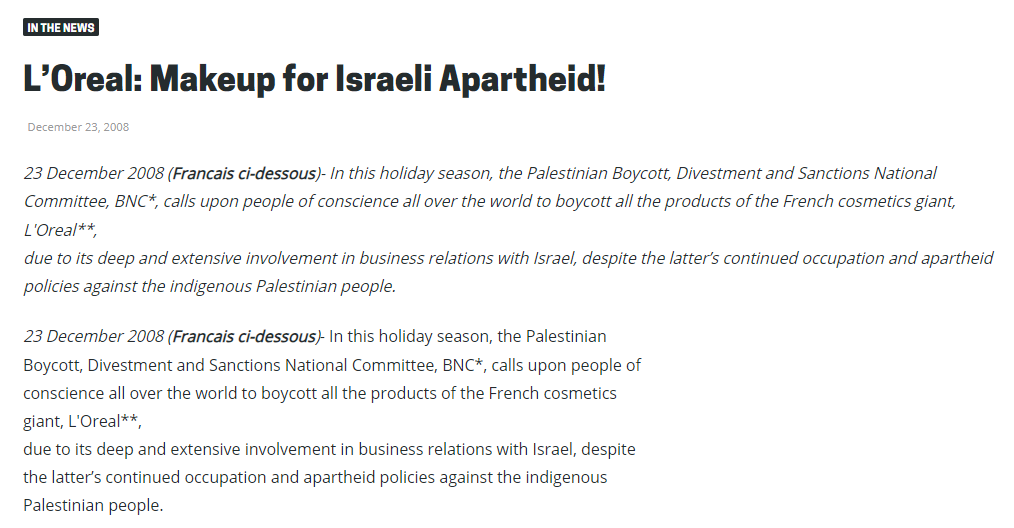
L’oreal Makeup For Israeli Apartheid!
L’Oreal’s operations in Israel have been met with criticism due to their political implications. The company’s factory in Migdal Ha’emek, Lower Galilee, has caused controversy as it was built on land taken from the ethnically-cleansed Palestinian village of al-Mujaydil.
Additionally, L’Oreal Israel’s use of Dead Sea minerals in their products, which are exported to 22 countries, further complicates the matter, as this involves exploiting the Dead Sea’s western shore, which is in the Israeli-occupied West Bank. Despite previous boycotts, L’Oreal has paid a $1.4 million fine and issued an apology, strengthening their ties with Israel.
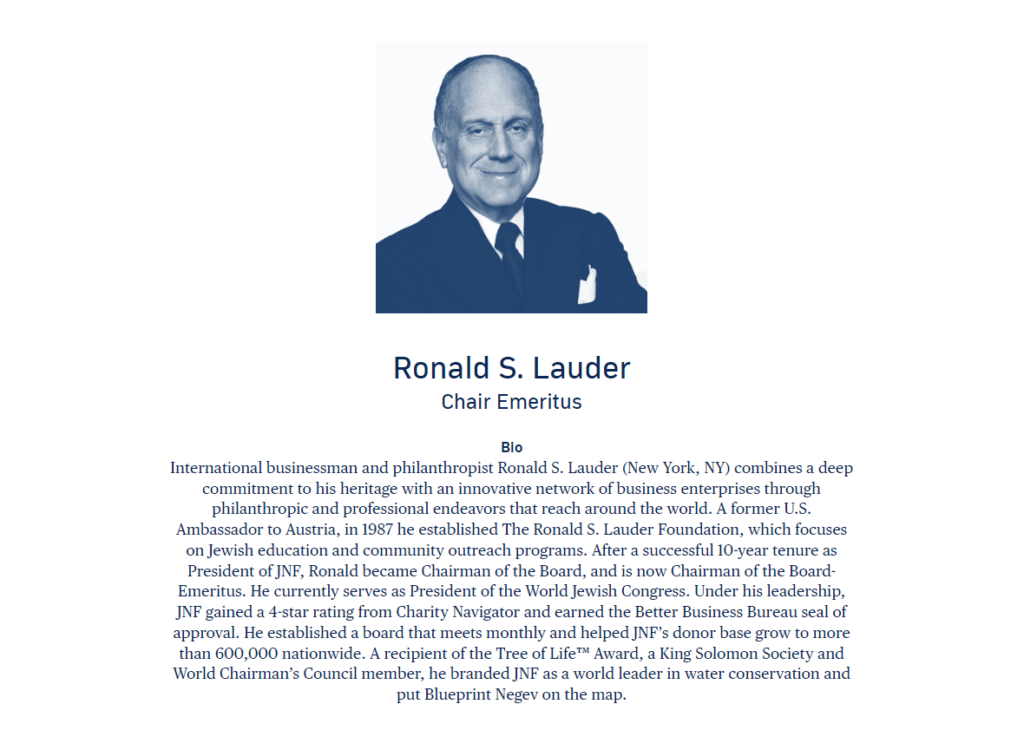
Estee Lauder, founded by the staunch Zionist Ronald Lauder, is facing calls for boycott due to his extremist views and support for Israeli occupation of Palestinian land. His roles as president of the World Jewish Congress and chairman of the Jewish National Fund further highlight his Zionist affiliations.
The company’s sub-brands, such as Tom Ford Beauty, Clinique, La Mer, Aramis, MAC, Tom Ford, Bobbi Brown, Jo Malone, Aerin, Smashbox, and Bumble and Bumble, all contribute to Estee Lauder’s connections to Israel’s interests. However, this stance is unacceptable to those who stand against oppression and injustice.
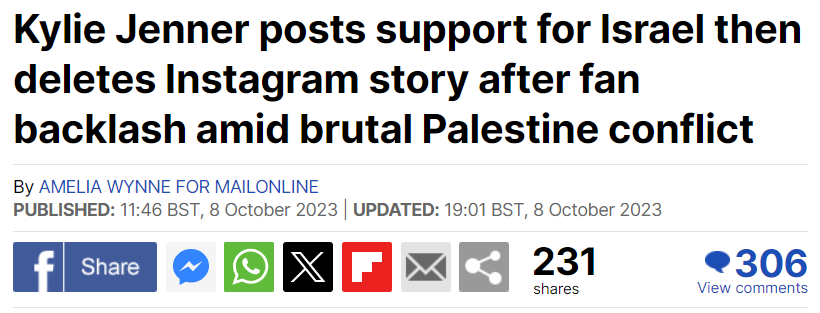
Kylie Jenner Posts Support For Israel Then Deletes Instagram Story After Fan Backlash Amid Brutal Palestine Conflict
Kylie Jenner’s recent endorsement of Israel drew criticism from her followers, prompting her to delete the post. As a result, people are now calling for a boycott of her brand, Kylie Cosmetics, which includes sub-brands such as Kylie Skin and Kylie Baby. Despite the retraction, the company is still under fire for its ties to Israel.
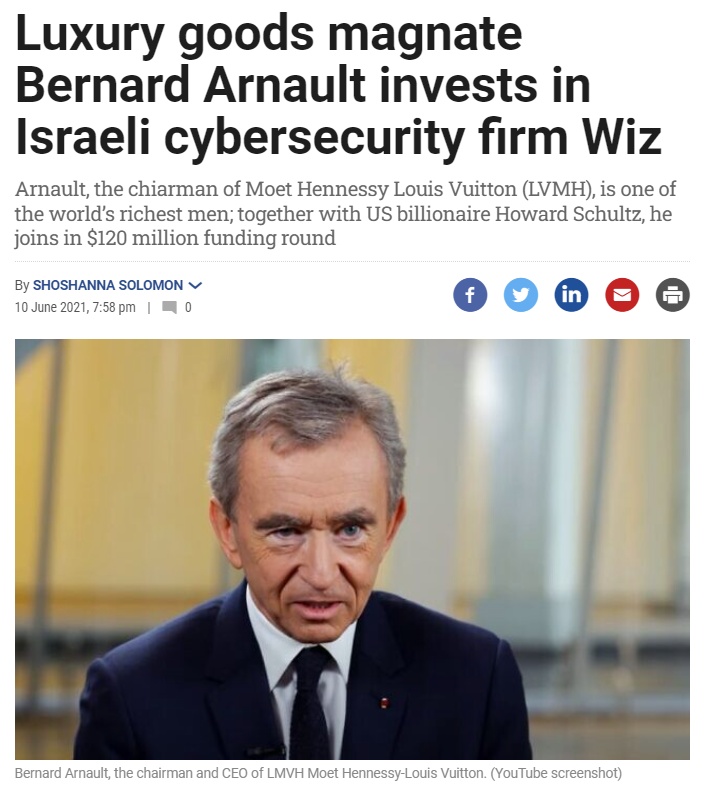
Luxury Goods Magnate Bernard Arnault Invests In Israeli Cybersecurity Firm Wiz
Louis Vuitton, owned by LVMH whose chairman invests heavily in Israeli companies, has faced criticism for its association with Israel’s interests. The large investments made by the chairman have sparked concerns about Louis Vuitton’s involvement in supporting Israel.
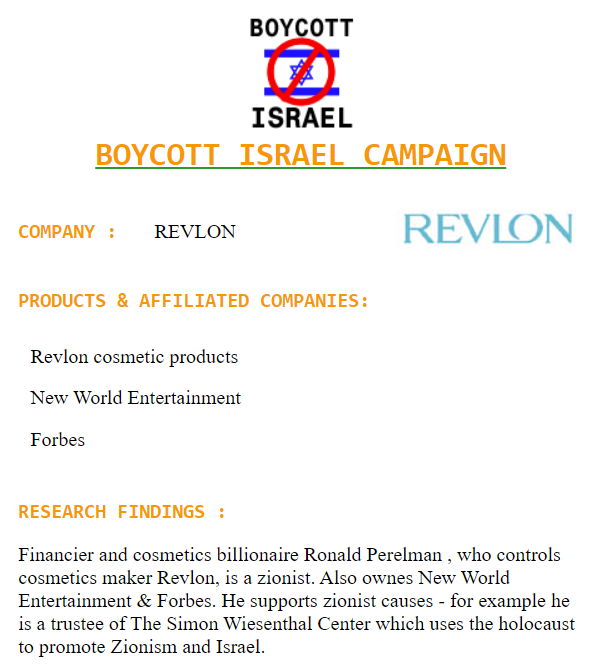
Revlon, owned by Ronald Perelman who is a known Zionist and billionaire in cosmetics, is facing calls for boycott due to its affiliation with pro-Israel activities. Perelman’s backing of Zionist movements, including The Simon Wiesenthal Center, is causing Revlon’s association with Israel to be criticized.
Ahava, which operates its manufacturing facilities in Occupied Palestine and profits from resources in the Dead Sea, is often criticized for its involvement in Israel’s occupation policies.
Bath & Body Works, owned by Les Wexner, is facing boycott demands due to its connections with pro-Israel interests, which is concerning for many people.
Amika, a company operating on land under Palestinian occupation, has faced severe criticism for its manufacturing practices in disputed territories. This has raised ethical concerns and garnered negative attention towards the brand.
MoroccanOil is being called out for supporting Israeli interests through its manufacturing in Israel, even though it claims to be a Moroccan brand. This has caused negative attention towards the brand.
Rare Beauty, which is led by Selena Gomez and co-founded by Scott Friedman, has received criticism for their handling of issues related to Israel. There have been accusations that Friedman supports Zionism, which has added to the negative reception of the brand.
Gomez’s initial stance on the Gaza genocide and donations to an Israeli charity have also sparked calls for a boycott of Rare Beauty. Overall, the brand has faced backlash due to its connections to controversial political issues.
The cosmetics industry, including major players like L’Oreal and Kylie Cosmetics, prioritizes profit over human rights by supporting Israeli apartheid. Despite the allure of Dead Sea minerals and brand prestige, these alliances mask Palestinian suffering.
As conscientious consumers, we must reject these companies and demand accountability to dismantle complicity in the beauty industry. It’s time to stand in solidarity with Palestine and reject brands that prioritize profit over morality.
Do popular beverage brands like Starbucks, McDonald’s, and SodaStream support Israel despite its unjust occupation? Despite BDS principles, they prioritize profit over human rights, facing consequences like Starbucks losing $11 billion in stock value and McDonald’s global sales decline.
It’s disheartening to see them neglect Palestinian rights; as consumers, we must hold them accountable.
PepsiCo
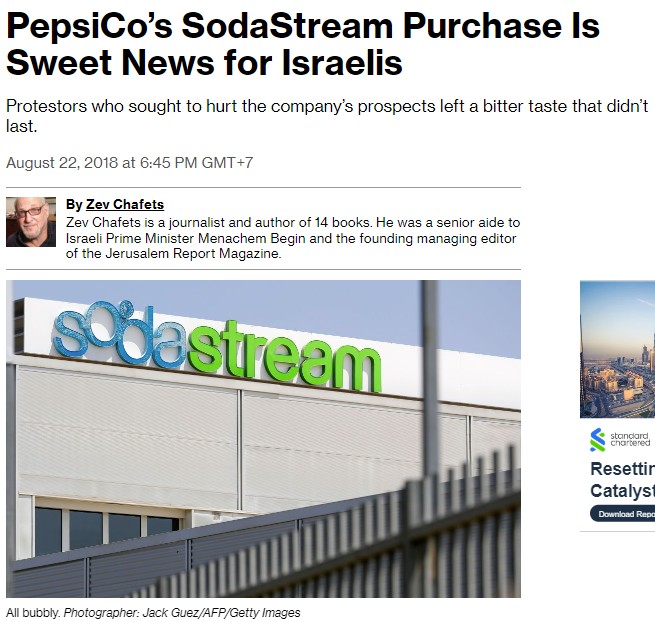
Pepsico’s Sodastream Purchase Is Sweet News For Israelis
Even though PepsiCo is an American company with Christian roots, it is still facing a lot of backlash for its association with Israeli-based SodaStream. PepsiCo’s recent acquisition of SodaStream and its operations in Palestine have raised serious concerns about the company’s involvement in the Israeli occupation.
With a 50% ownership of Sabra and control over SodaStream, both of which profit from the occupation, PepsiCo’s links to Israel continue to be problematic. Furthermore, many of PepsiCo’s popular brands like Pepsi, 7up, Lay’s, Doritos, Cheetos, KurKure, Aquafina, Gatorade, Lipton, Mirinda, and Tropicana, only add to the company’s controversial ties with Israel.
A Jewish founder and unwavering support of Israel have made Coca-Cola a target of boycott demands since 1966. Despite the Arab League boycott of Israel, the company refuses to comply and continues to support Israel, earning recognition from the Israeli Government.
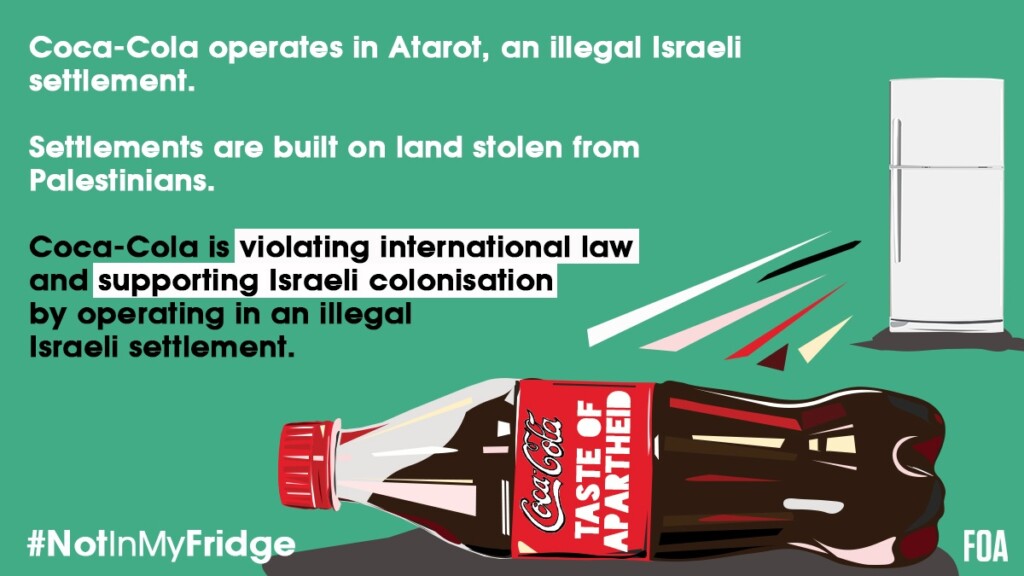
However, operating a factory in an illegal Israeli settlement in Occupied Palestine adds to Coca-Cola’s criticism for its role in Israeli policies. With numerous sub-brands, including Aquarius, Barbican, Diet Coke, Fanta, Innocent Smoothies, and Powerade, Coca-Cola’s vast product line reinforces its association with Israel’s interests.
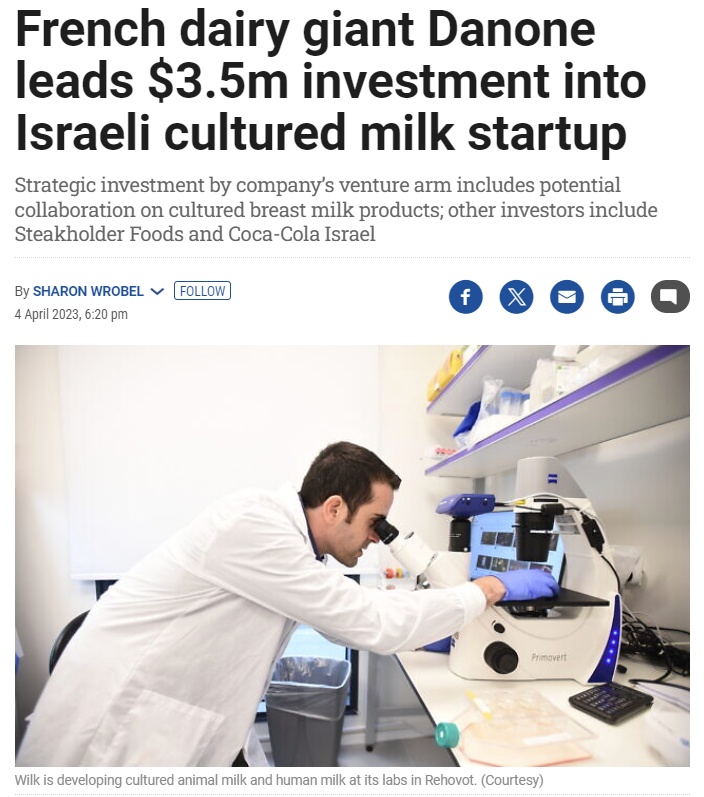
French Dairy Giant Danone Leads $3.5m Investment Into Israeli Cultured Milk Startup
Despite being a strong supporter and investor in Israel, Danone is facing boycott demands due to its involvement in the country’s food start-up scene. The presence of Danone’s brands such as Actimel, Activia, and Alpro in Israel has raised concerns about the company’s potential complicity in Israeli actions and policies, which is a cause for concern among many people.
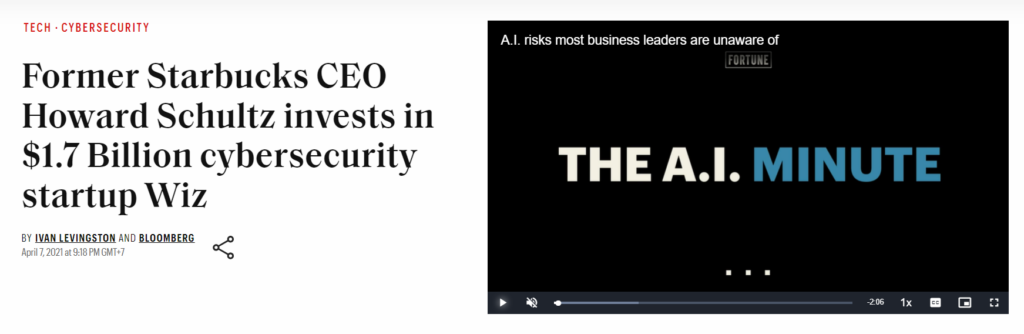
Former Starbucks Ceo Howard Schultz Invests In $1.7 Billion Cybersecurity Startup Wiz
Starbucks is being accused of backing genocide and people are calling for a boycott because its chairman, Howard Shultz, has strong ties to Zionism and has invested a lot in Israel’s economy, even in a cybersecurity startup called Wiz. Since Shultz owns a big part of Starbucks and supports Zionism, many are urging others to boycott the popular coffee chain.
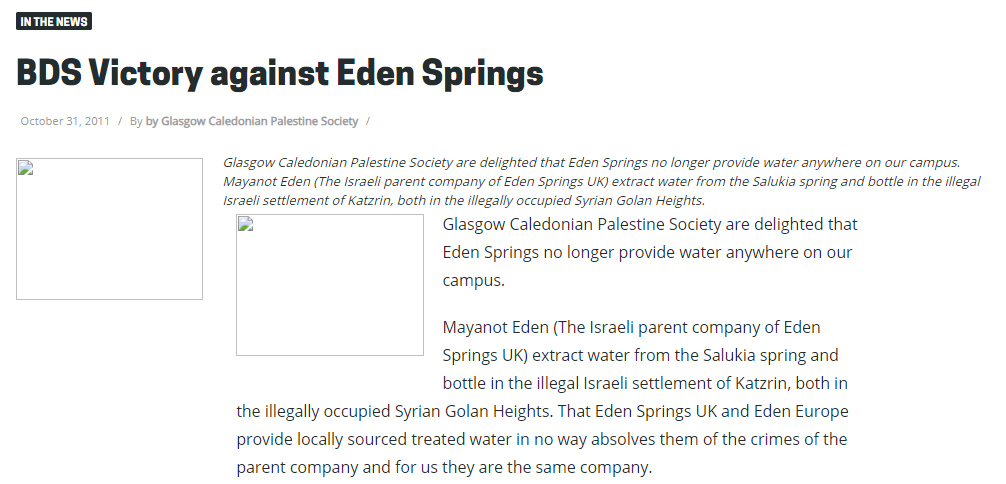
Eden Spring, an Israeli company, faces criticism due to its parent company’s actions in the Golan Heights, which limit non-Israelis’ water access. Despite selling water sourced locally in Europe, the company’s connections with Israel’s occupation policies have led to calls for a boycott. This situation has caused much negative feedback and attention towards the company.
Caribou Coffee, owned by the Reimann family who strongly support Israel through investments and donations, is facing calls for boycott due to their indirect connections to Israel’s policies and interests. The negative consequences of these ties are being felt by the company.
The Reimann family, who own Dr Pepper, are Zionists and actively support Israel by investing and donating money. This has caused people to call for a boycott of the beverage company.
Espresso House, which is owned by the Reimann family that has a strong stance on Zionism and support for Israel, is facing calls for boycott due to its connection with Israel’s policies and interests. The demands for boycott are gaining traction.
Peet’s Coffee, owned by the Reimann family who have strong connections to Zionism and Israel, is facing boycott demands due to their indirect association with Israel’s policies and interests. This has caused a negative impact on the company’s reputation.
Pret-a-manger, which is owned by the Reimann family, known for their support of Israel and Zionism, is currently facing boycott requests due to their connection with Israel’s politics and interests.
Tim Hortons, sister company of Burger King, is facing calls for a boycott due to its support of the Israeli military through free food and drinks for militants. This indirect support of military activities is drawing criticism from those opposed to the conflict.
The beverage industry, including Starbucks, Coca-Cola, and PepsiCo, supports Israel despite its human rights violations, prioritizing profit over ethics. Buying their products funds Palestinian oppression.
Conscientious consumers must boycott these brands to combat corporate complicity and advocate for Palestinian rights. It’s time to take action against injustice and reject these giants.
Are food chains backing Israel during the conflict with Palestine? Amid the BDS debate, the stance of major food brands often goes unnoticed. Are they supporting Palestine’s quest for freedom, justice, and equality, or ignoring occupation and discrimination? Let’s delve into the role of top food brands in the Israel-Palestine conflict.
Strauss Group
Boycott Strauss Group
Strauss Group is receiving boycott demands due to being solely based in Israel, leading to worries about its involvement in Israeli policies and actions that disregard the rights of Palestinians.
There are concerns that Max Brenner, a company solely based in Israel, may be aligned with Israeli policies and interests in the occupied territories, which has led to calls for a boycott.
As an Israeli company, Tivall is being called for a boycott due to worries about its possible involvement in actions taken in the occupied territories. This is causing concerns about the company’s role in the conflict.
Boycott demands target Jordan River Dates due to its status as an Israeli company, prompting worries that it may participate in actions supporting the Israeli occupation. This raises concerns for its potential involvement in such activities.
MondelĒz International Snackfutures Makes Seed Investment In Israeli Startup Torr Alongside Foodtech Focused Incubator The Kitchen
Mondelēz is receiving backlash for its investments in Israeli startups located in occupied Palestine and its partnerships with Strauss Group brands based in Israel. Consumers are calling for a boycott of sub-brands such as Oreo, Cadbury, Trident, and Tang due to their involvement in these actions.
The support given by Mars, Inc. to the Zionist state via its significant investments in the foodtech startup scene has caused the company to be boycotted. This is facilitated by JVC, its venture capital partner.
Many sub-brands, such as Mars, M&Ms, Snickers, Skittles, and Twix, have been linked to these investments, which have raised serious concerns about their involvement in Israel’s policies and actions.
Top food brands have joined forces with Israel, disregarding Palestinian rights. Their support and collaboration expose complicity in oppression. Buying their products indirectly supports injustice. Boycotting is a call for accountability and justice. It’s time to hold these brands responsible for their actions and demand respect for human rights in the Israel-Palestine conflict.